

创作上传
VIP
收藏下载
登录 | 注册有礼
查看完整案例

收藏

下载

分享
Aurva Illam坐落于海得拉巴不断扩展的城市边缘,其名称融合了梵语“Aurva”(大地)与泰米尔语“Illam”(家)。该住宅原型被构想为一种“层叠之土”,在“人类世”的语境下,对现代奢华进行了大胆重定义。项目摒弃了常见的玻璃与大理石范式,提出一种新的价值标准:定制化材料、热环境自洽以及“零空调”的居住方式。
Set against the expanding urban edge of Hyderabad, Aurva Illam a name bridging the Sanskrit Aurva (of the earth) and the Tamil Illam (home) is a residential prototype conceived as a “cascading earth” that unapologetically redefines modern luxury for the Anthropocene. Rejecting the ubiquitous glass-and-marble paradigm, the home proposes a new status symbol: bespoke materiality, thermal autonomy, and zero-air-conditioning living.
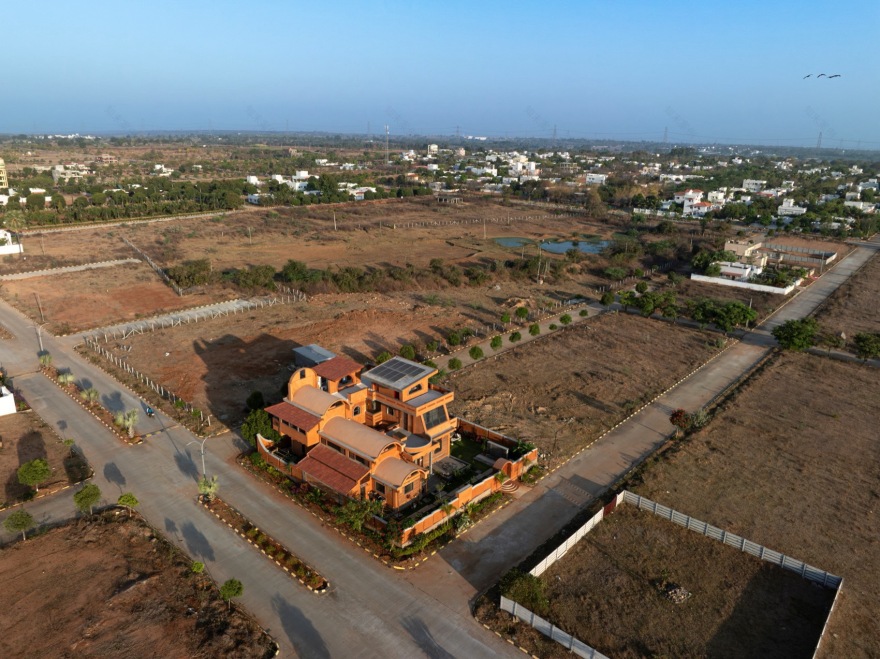
▼场地鸟瞰,aerial view of the site©Vivek Eadara
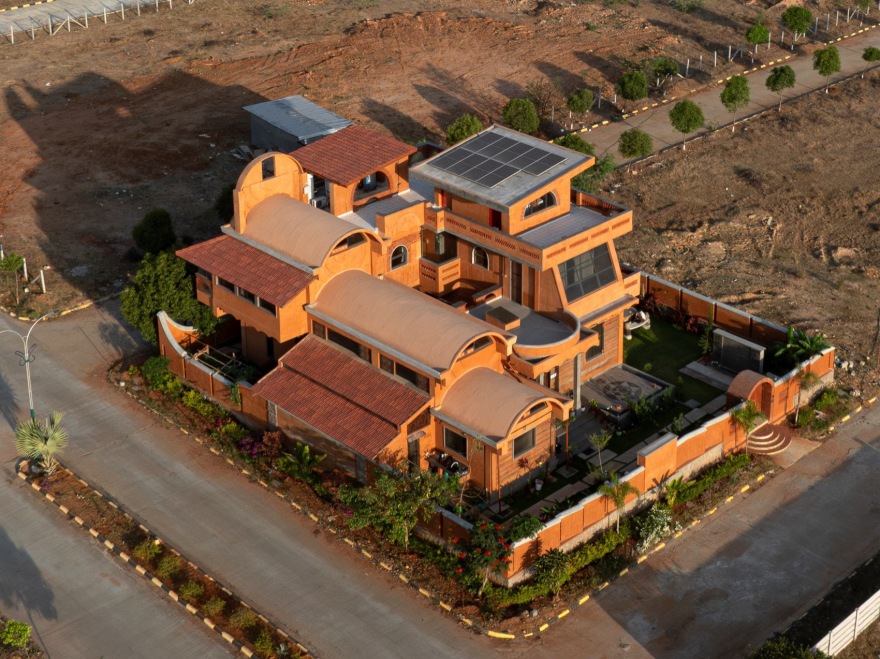
▼顶视图,top view© Vivek Eadara

项目距离市区约60公里,位于一块三面临路、西侧毗邻公共公园的转角地块上,面临如何在开放与私密之间取得平衡的典型挑战。同时,设计的核心目标在于实现一种深层的建筑二元性:在高度优化的空间逻辑与富有诗意、可触的材料表达及手工质感之间建立无缝融合。项目拒绝以高墙围合所构成的防御性奢华,而是通过清晰的空间层级、界面筛选与标高变化来回应街道界面,使主要体量——包括主卧套房——大胆朝向西侧树冠展开。
Situated roughly sixty kilometers from the city, the project occupies a corner plot bordered by roads on three sides and a public park to the west, presenting the classic challenge of balancing privacy with exposure. Concurrently, the core design ambition was driven by a desire for a profound architectural duality: seamlessly uniting rigorous, highly optimized spatial logic with a deep reverence for poetic, tactile materiality and handcrafted imperfection. Rejecting the defensive luxury of high compound walls and inward-looking blindness, the architectural response embraces unapologetic fenestration. It utilizes spatial hierarchy, screening, and level differences to engage the street edge while boldly opening the primary volumes, including the master suite, to the western tree canopy.
▼项目鸟瞰,aerial view of the house © Vivek Eadara

▼半鸟瞰,half-aerial view©Vivek Eadara
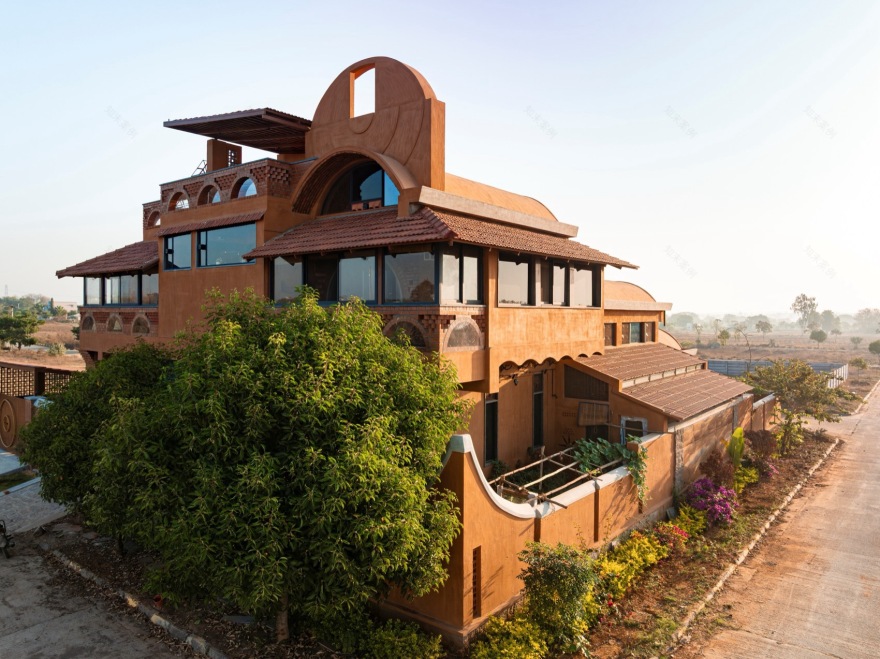
▼外观,exterior views© Vivek Eadara
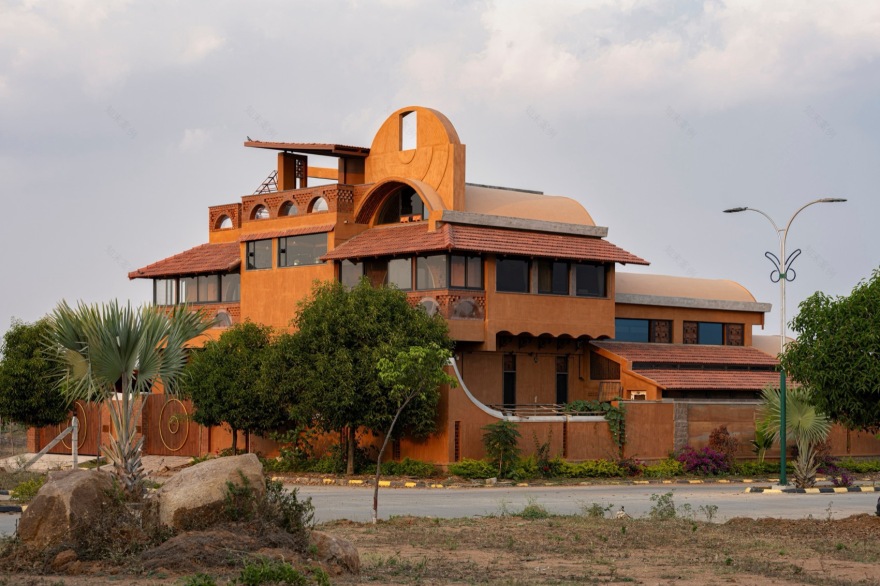

▼立面,facades©Vivek Eadara


▼外观,exterior view© Vivek Eadara

设计理念以体量表现主义为核心,建筑的动态立面并非装饰性的外加形式,而是居住功能与气候响应的真实映射。整体体量直接呈现“层叠之土”的概念,以一系列递升的拱形体量展开,形成一种引导日常生活的空间地景,同时也是被动式太阳能调节装置。从贴地的厨房体量逐级抬升至双层通高的起居空间,最终抵达顶层套房。这样的几何关系使上层体量为下层露台投下遮阴,抵御强烈的午后阳光,同时引入更柔和的自然光。▼轴测图,axonometric drawing©IKI Builds

The design philosophy centers on volumetric expressionism, where the building’s dynamic elevation is a truthful map of lived function and climate response rather than applied styling. The massing literally manifests this “cascading earth” concept, unfolding as a sequence of ascending vaults—a cascading landscape that dictates daily rituals while functioning as a passive solar instrument. Lower volumes, such as the grounded kitchen, step up to a double-height living concourse, culminating in the summit suite. This geometry allows higher vaults to cast protective shadows over lower terraces, shielding the interiors from harsh afternoon heat while capturing gentler light.
▼屋顶部分鸟瞰,aerial view of the roofs©Vivek Eadara

▼巨大的弧形采光口,huge arched skylights © Vivek Eadara


▼建筑近景,closer view of the house© Vivek Eadara


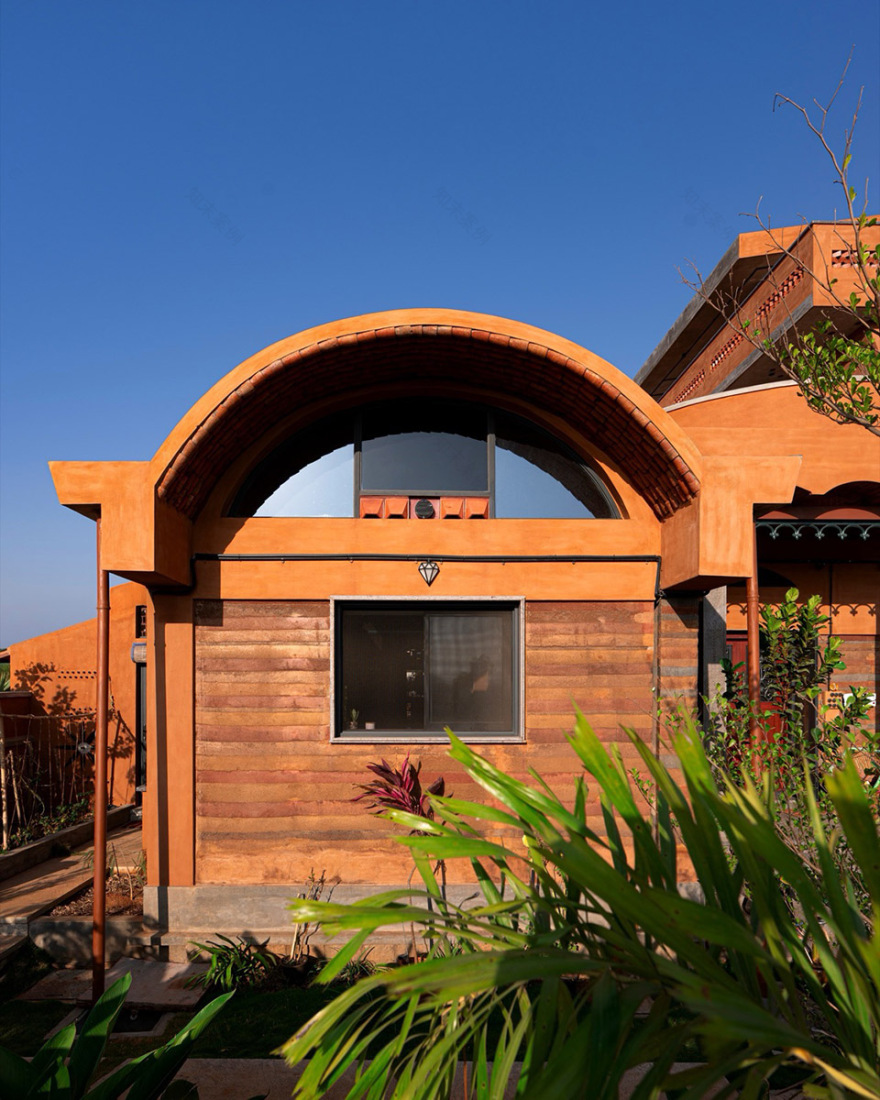
▼拱顶,arched roofs ©Vivek Eadara
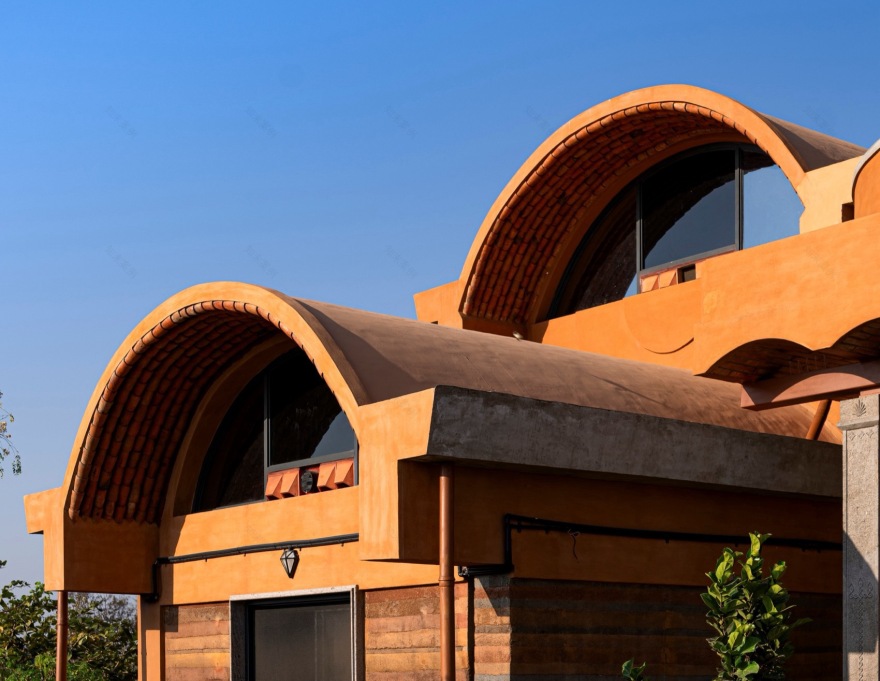
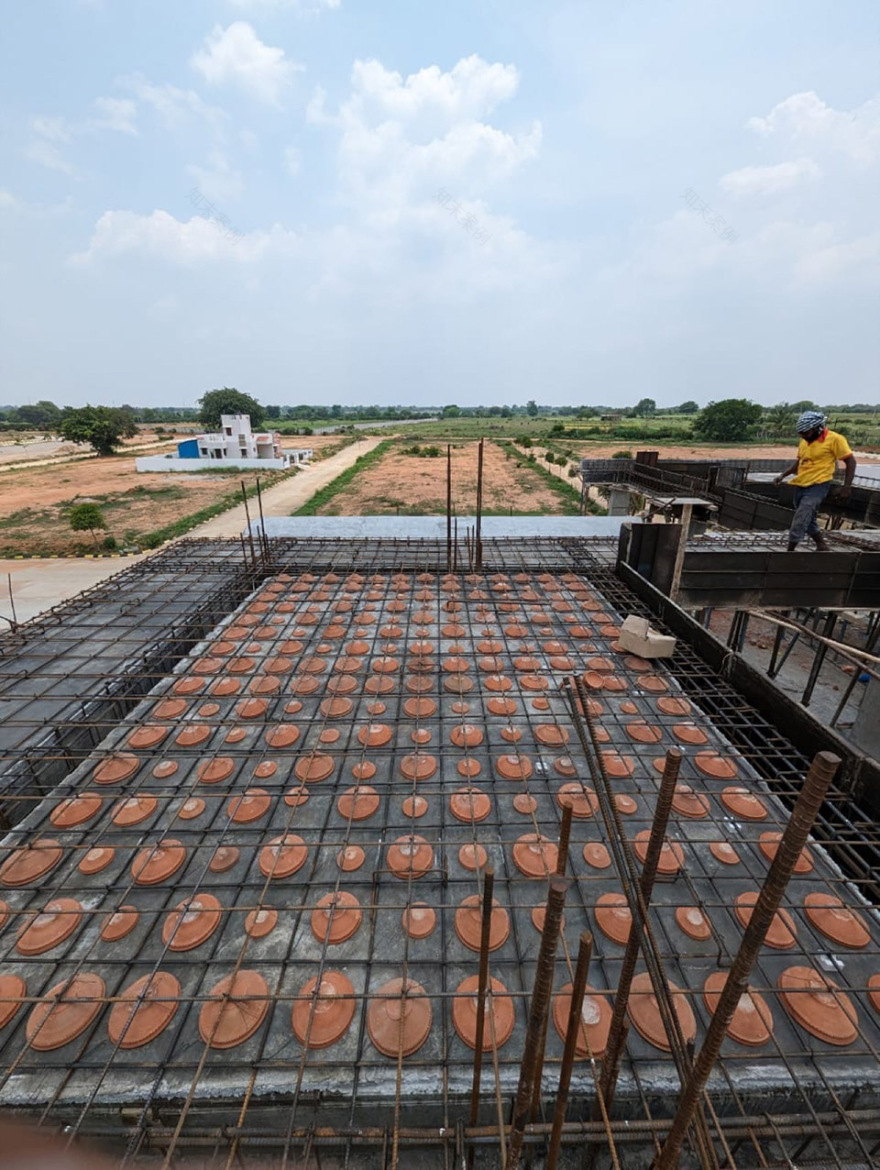
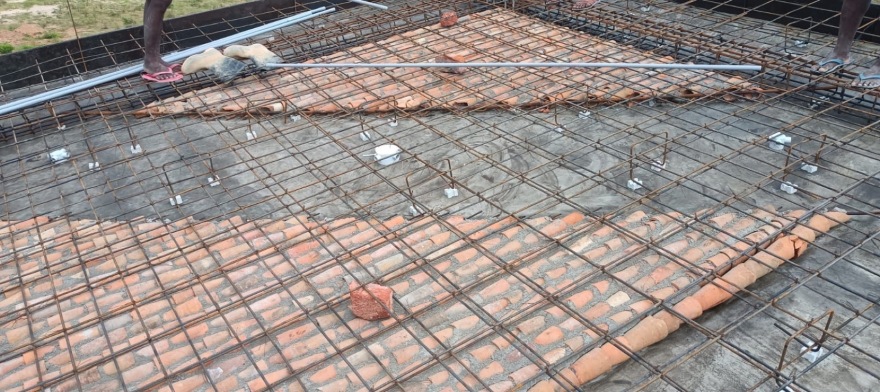
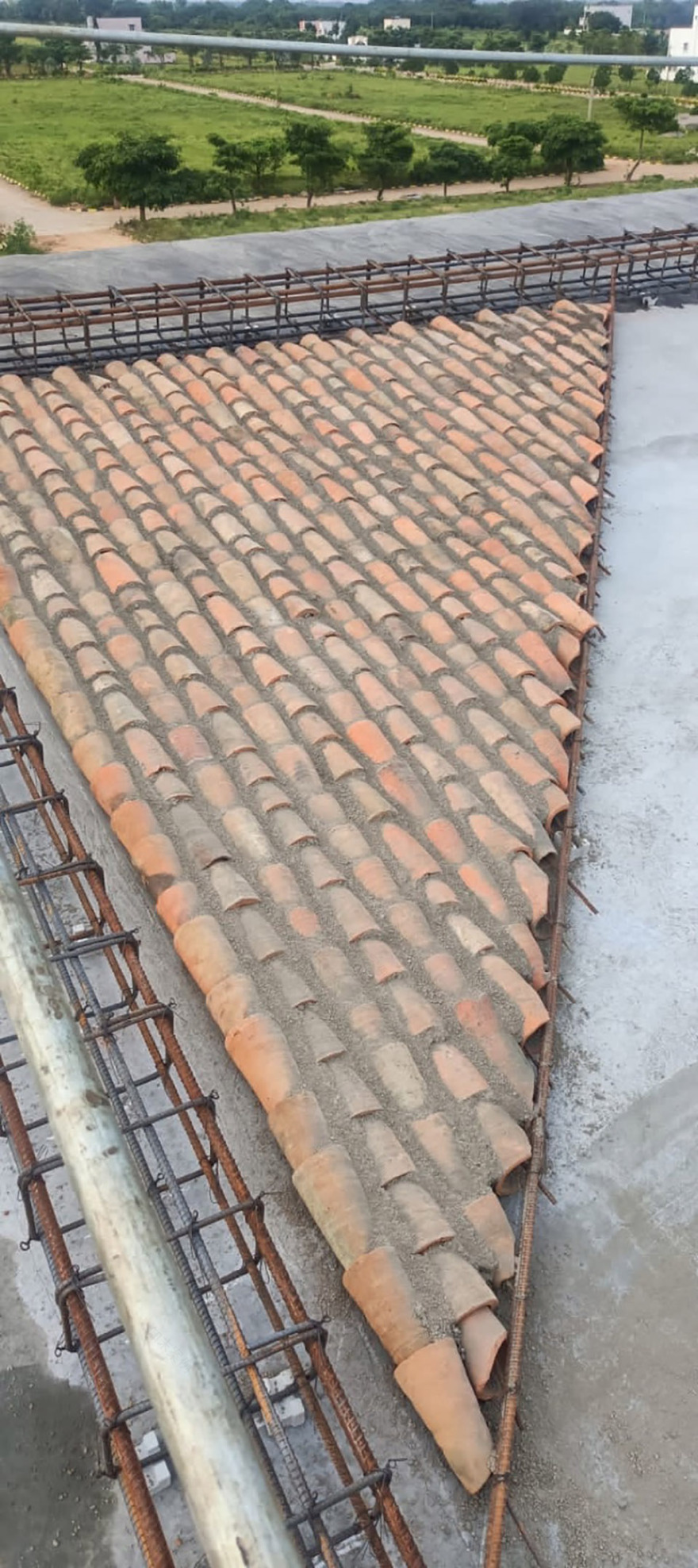
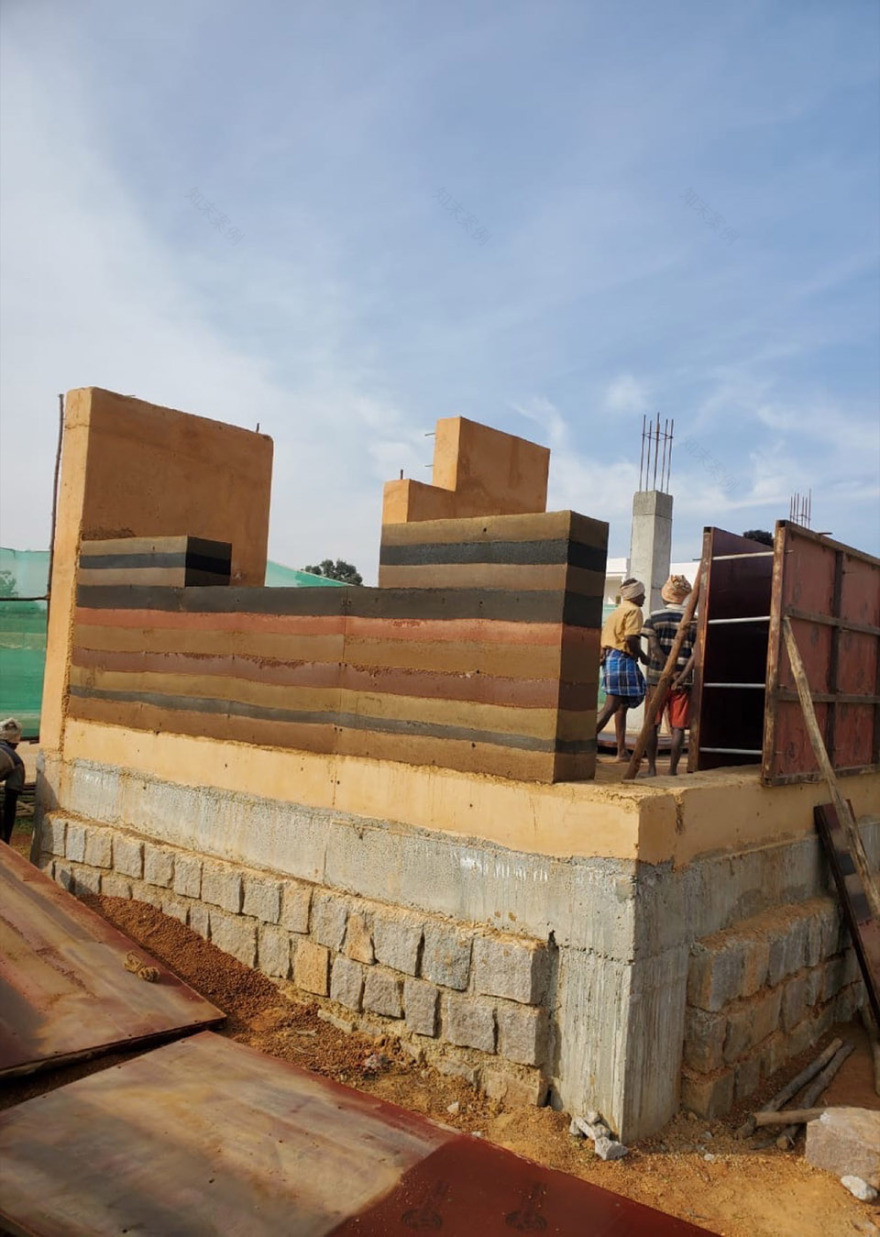
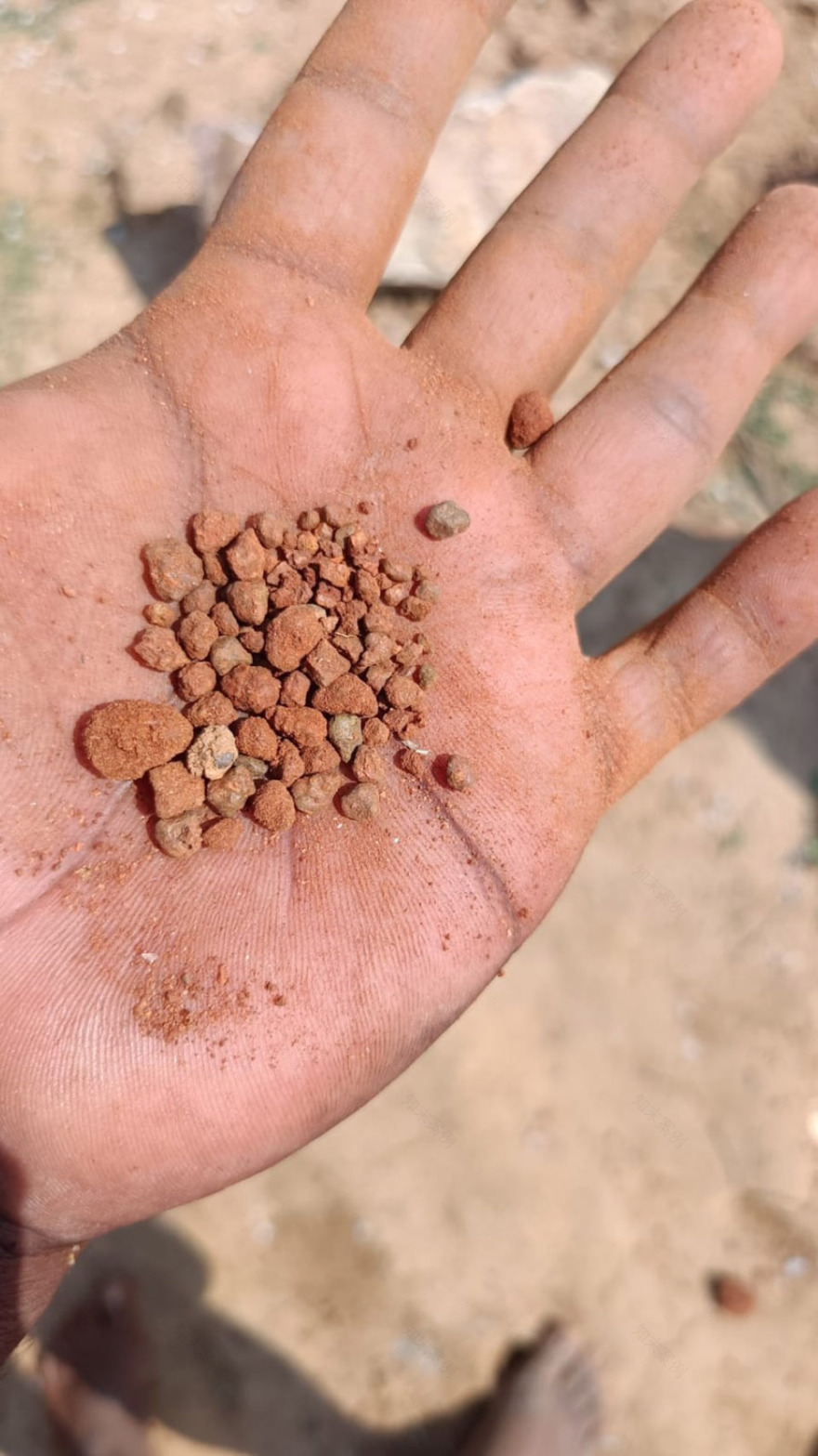
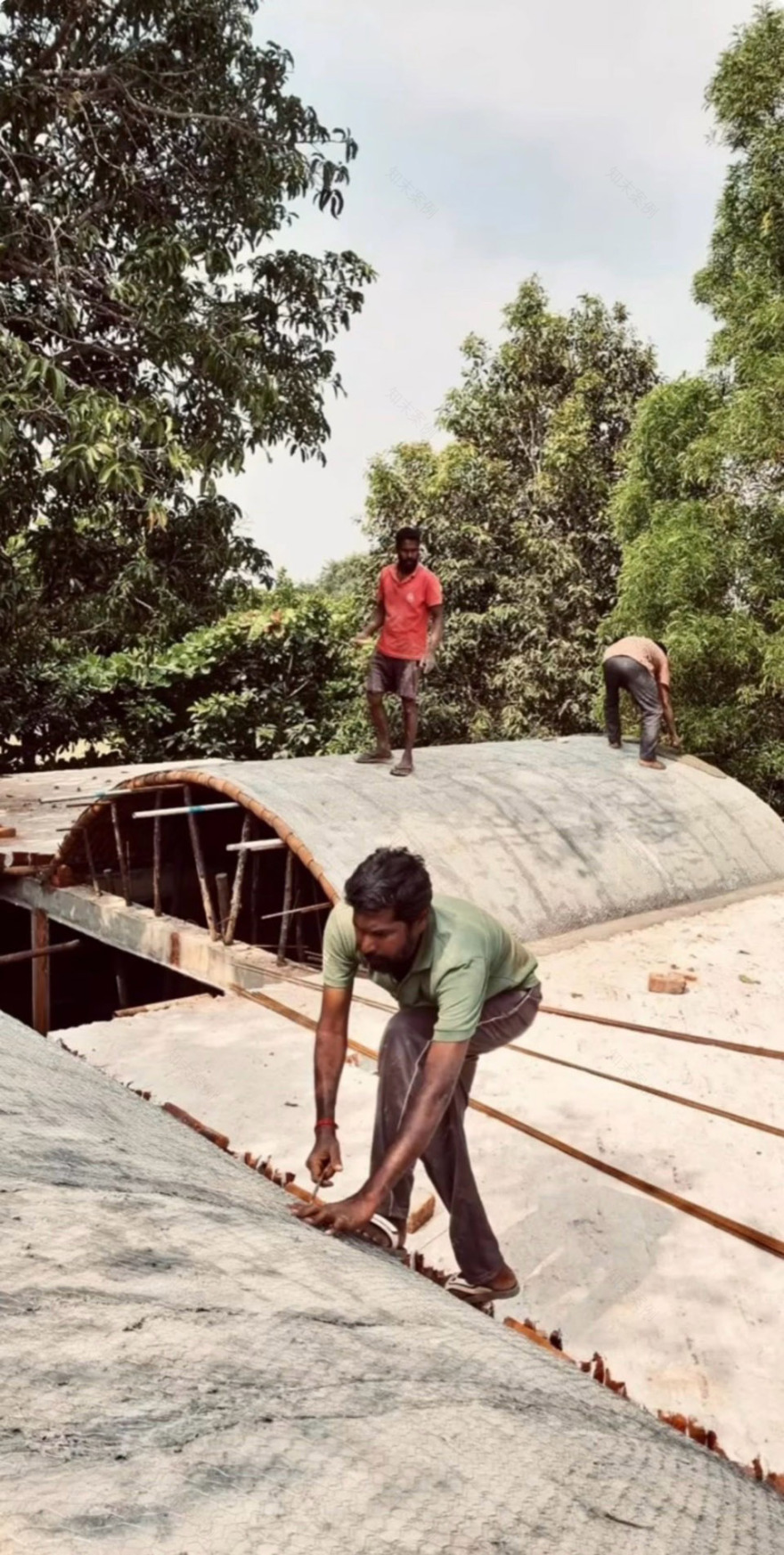
在材料层面,住宅体现出对生态循环与资源再利用的探索。主要围护结构采用废弃采石场石料,将石质废料转化为整体浇筑的“土体热蓄能体”,延缓昼夜之间的热量传递。在东侧入口,层层分明的夯土墙体呈现出原始而直接的触感,与场地的地质属性建立联系。两种土质构造均通过低于7%的石灰与水泥进行稳定处理,在确保结构耐久性的同时保留材料的呼吸性与生态属性。屋顶系统则利用“空腔”的物理原理:互锁的陶土Guna管道储存空气形成隔热层,砖砌拱结构则在再利用钢构件之间受压成形。
Materially, the home is an intriguing essay in ecological circularity and resourcefulness. The primary envelope resurrects discarded quarry stone debris, transforming lithic waste into monolithic, poured-earth thermal batteries that delay heat transfer across day and night cycles. At the eastern threshold, raw, striated layers of rammed earth offer an immediate, tactile connection to the site’s deeper geology. Both earthen expressions are stabilized with less than seven percent lime and cement, ensuring structural longevity while preserving the soil’s breathable, eco-friendly nature. The roofscape utilizes the science of the void: interlocked terracotta Guna tubes trap insulating air, and brick jack-arches compress between repurposed structural steel.
▼场地入口,entrance of the site© Vivek Eadara

▼南立面与入口局部,part of the south elevation and entrance© Vivek Eadara

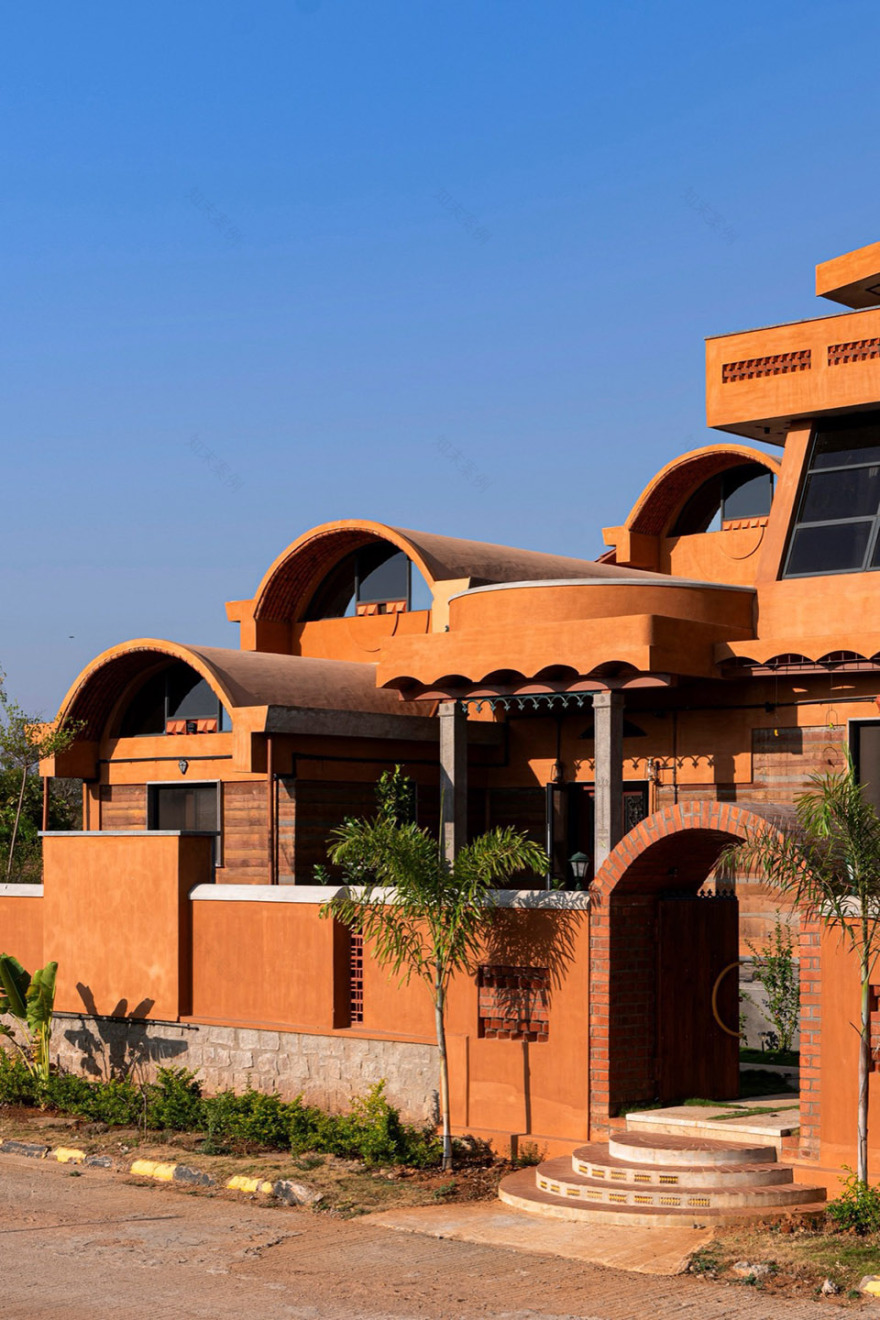


▼层层分明的夯土墙体,the clearly layered rammed earth walls©Vivek Eadara
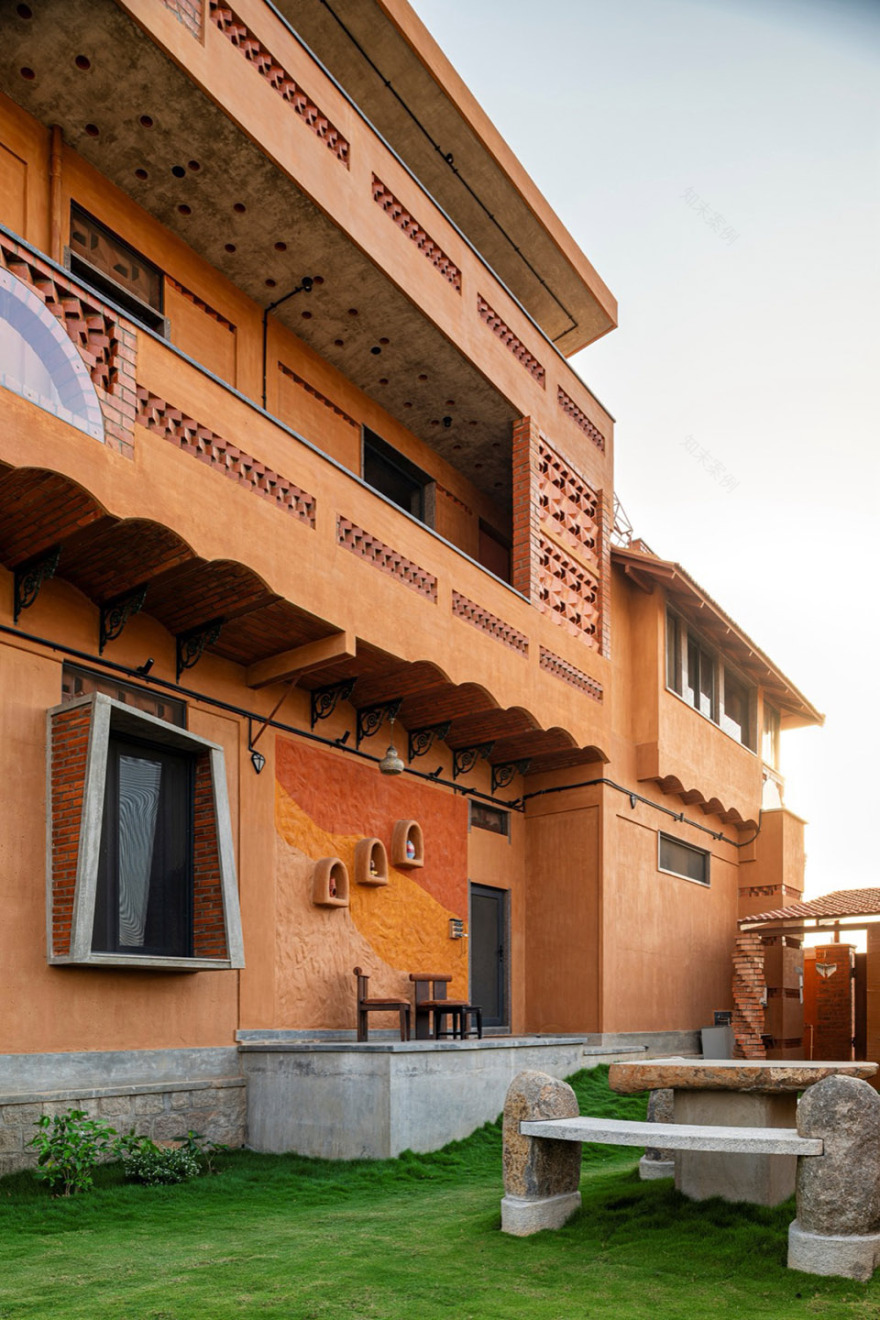


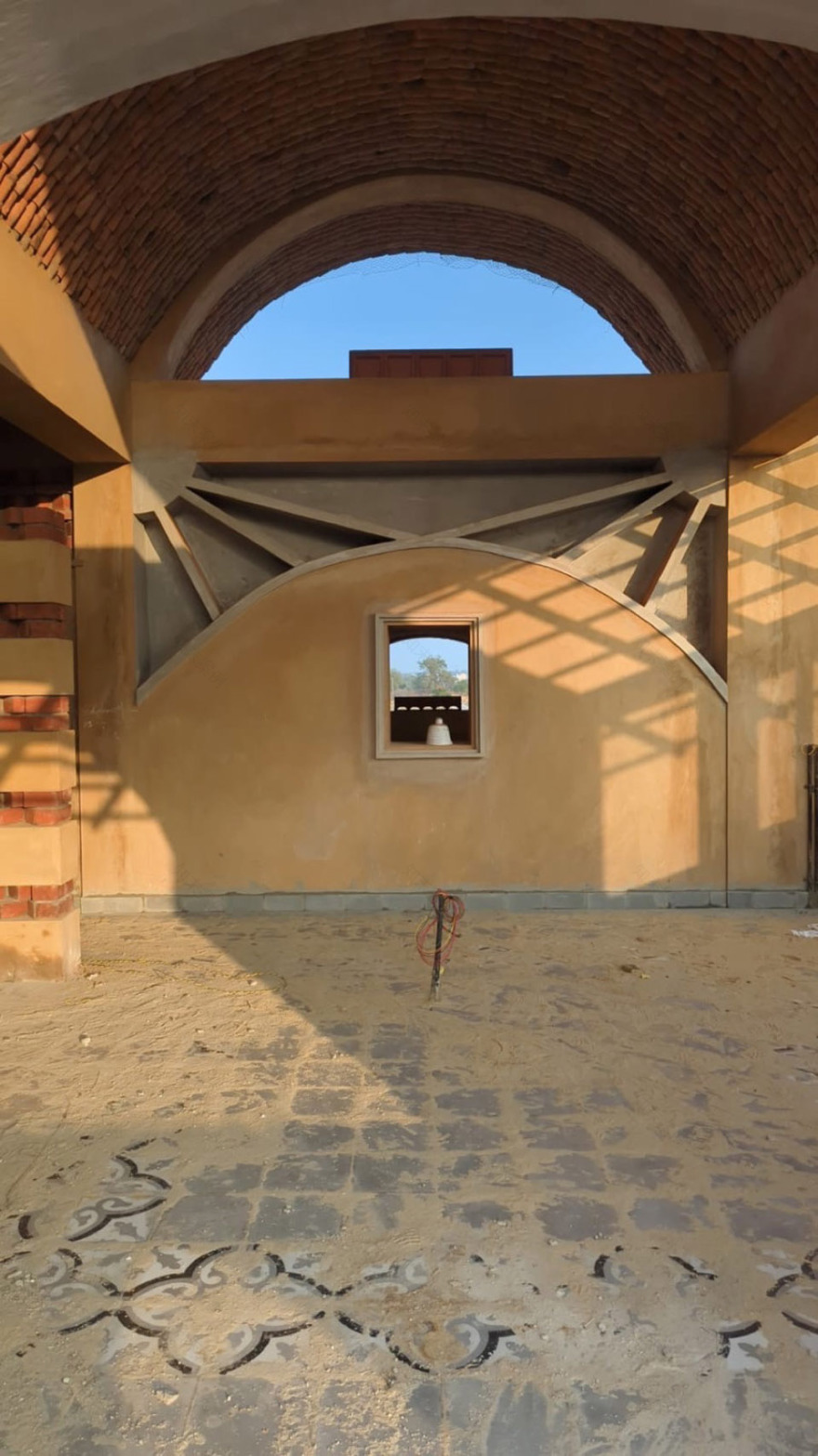
空间上,住宅营造出强烈的感官对比。双层通高的起居厅如同一座“泥土的教堂”,围绕中央降温庭院——Mutram——展开。厨房则将日常行为转化为戏剧性的空间体验,裸露的放射状混凝土肋与巨大的弧形采光口,将金色晨光引入室内。一部悬挑的粗切花岗岩楼梯成为“石质脊梁”,与精细的铸铁栏杆形成对比,并在天窗光的引导下组织垂直动线。这些粗粝的构件,与手工制作的Athangudi地砖所呈现的光滑质感形成鲜明对照,使空间扎根于深厚的工艺传统。
▼剖面分析图,analysis sections©IKI Builds


Spatially, the home orchestrates dramatic, sensory contrasts. A double-height living hall acts as a cathedral of clay, flanking a central cooling courtyard known as the Mutram. The kitchen elevates daily routine into a cinematic event, featuring exposed sunburst concrete ribs and a massive lunette light cannon that pours golden morning light into the space. A cantilevered rough-cut granite staircase serves as a lithic spine against delicate cast-iron balusters, framing skylight-washed vertical movement. These rugged elements contrast beautifully with the glass-like sheen of handmade Athangudi floor tiles, rooting the home in deep heritage craft.
▼入口,entrance©Vivek Eadara

▼天井庭院,patio courtyard©Vivek Eadara

▼天井庭院,patio courtyard© Vivek Eadara

▼拱形内部空间,arched interior space© Vivek Eadara


▼围绕庭院的生活空间,the living space surrounding the courtyard© Vivek Eadara

▼天窗,the skylight©Vivek Eadara

▼厨房,kitchen© Vivek Eadara


▼餐厅,dining room© Vivek Eadara
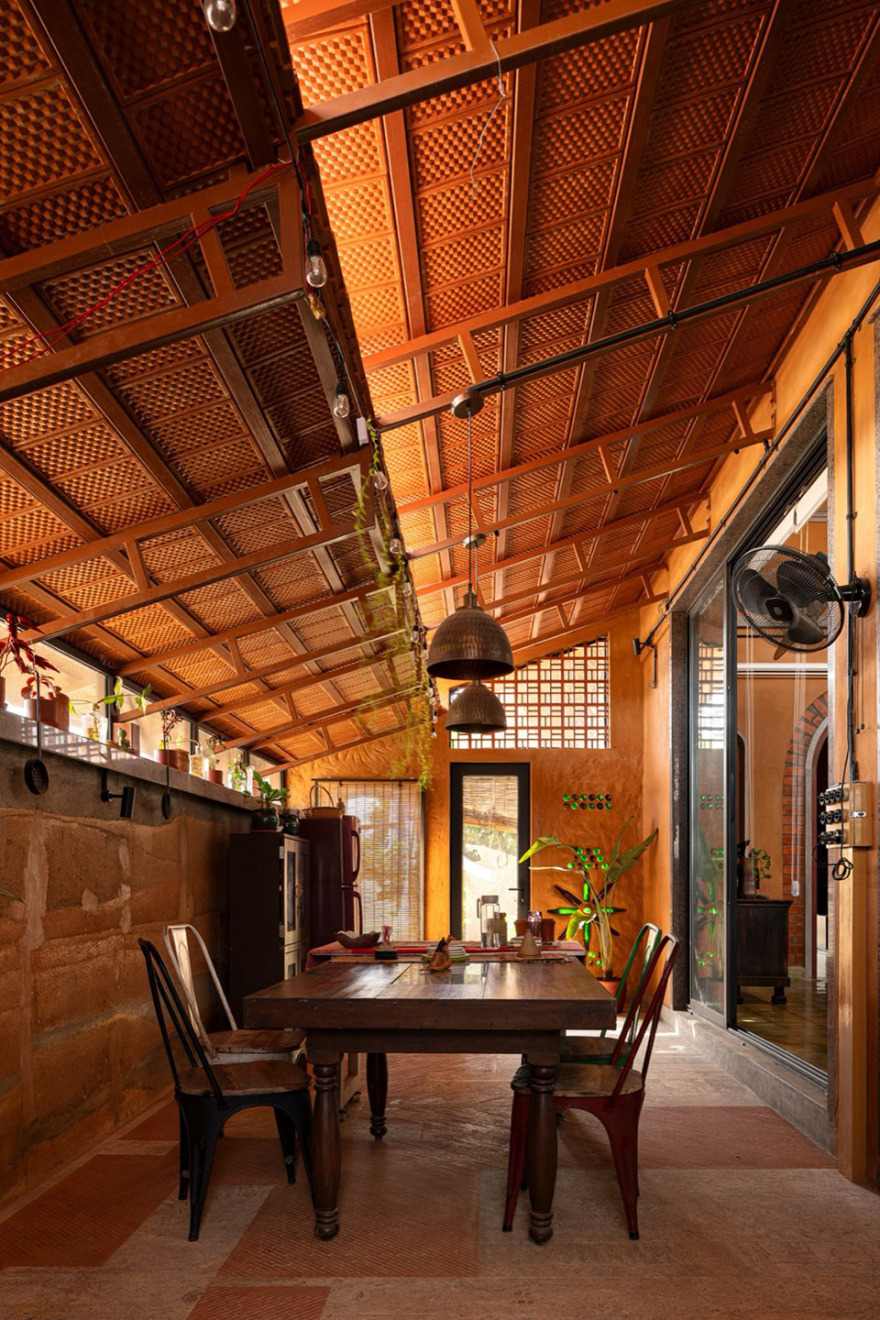
▼俯视楼梯天井,overlooking the atrium of the staircase©Vivek Eadara

▼楼梯,staircase© Vivek Eadara


▼楼梯下的沙发,sofa under the staircase© Vivek Eadara

▼仰视楼梯天井,looking up to the ceiling©Vivek Eadara

▼细部,details© Vivek Eadara


▼外观细部,details of exterior© Vivek Eadara


▼细部,details© Vivek Eadara

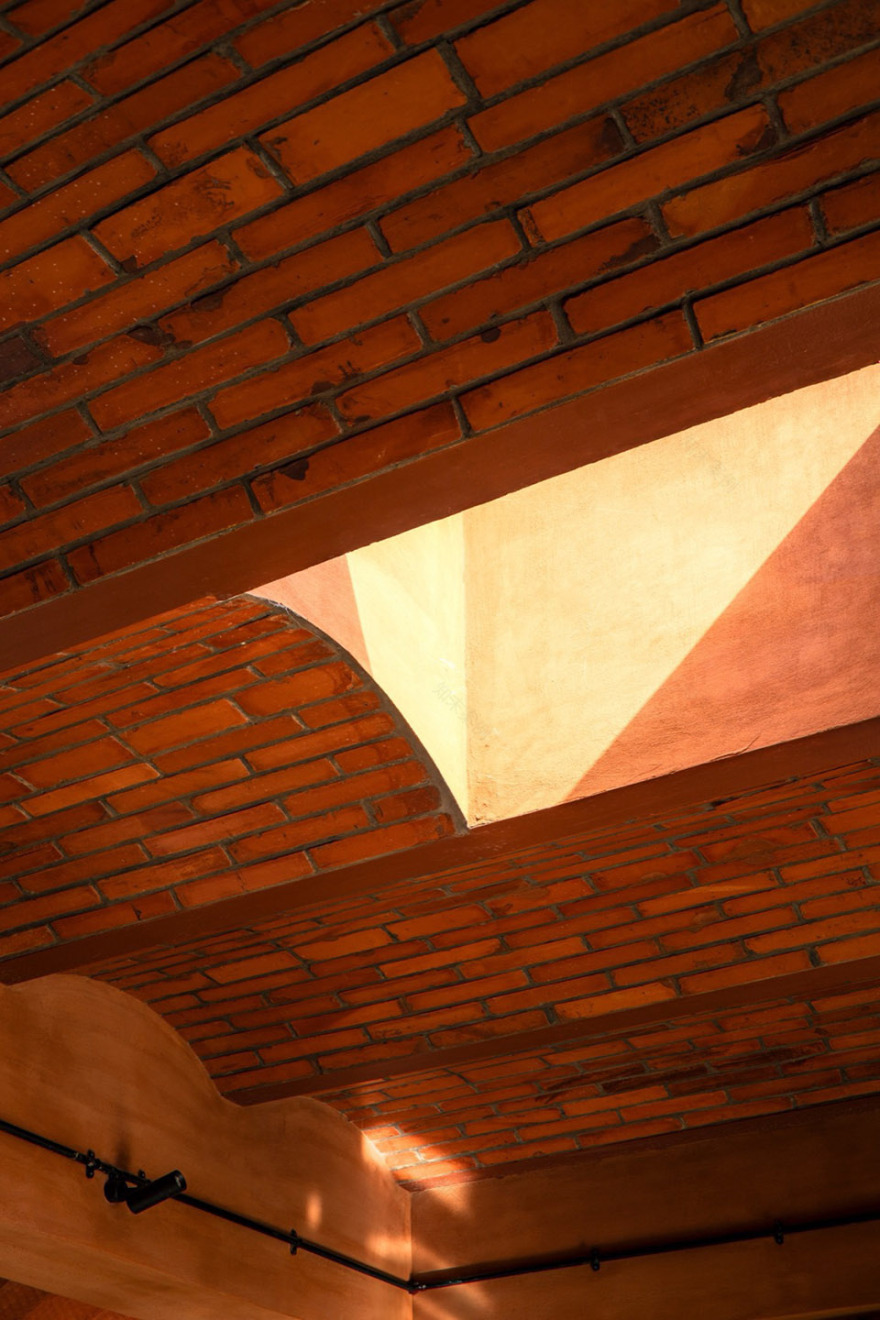
Aurva Illam住宅本质上是一台高度精密的气候机器,在无需机械制冷的前提下实现完整的热舒适。递升的体量利用“烟囱效应”,从庭院引入冷空气,并通过顶部陶土格栅排出热空气。甚至季风也被转化为空间体验的一部分——雨水沿裸露的水泥沟槽流动,汇入地下收集系统,实现零浪费。这一住宅证明,再生建筑不仅可以回应环境问题,也能够提升居住体验,将被遗弃的石材与结构逻辑转化为一种诗性且可持续的生活范式。
Aurva Illam ultimately operates as a highly tuned climate engine, achieving complete thermal comfort without mechanical cooling. Its ascending volumes harness the stack effect, naturally drawing cool air from the courtyard and exhausting hot air through apex terracotta jaalis. Even the monsoon is treated as an engaging architectural event; rainwater physically cascades along exposed ferrocement gutters into underground harvesting tanks for zero-drop wastage. The residence proves that regenerative architecture can elevate the human experience, turning resurrected stone debris and structural physics into a lasting legacy of poetic, sustainable living.
▼卧室,bedroom© Vivek Eadara

▼卧室细部,details of the bedroom© Vivek Eadara


▼结构与开窗细部,details of the structure and openings©Vivek Eadara

▼书房,study© Vivek Eadara
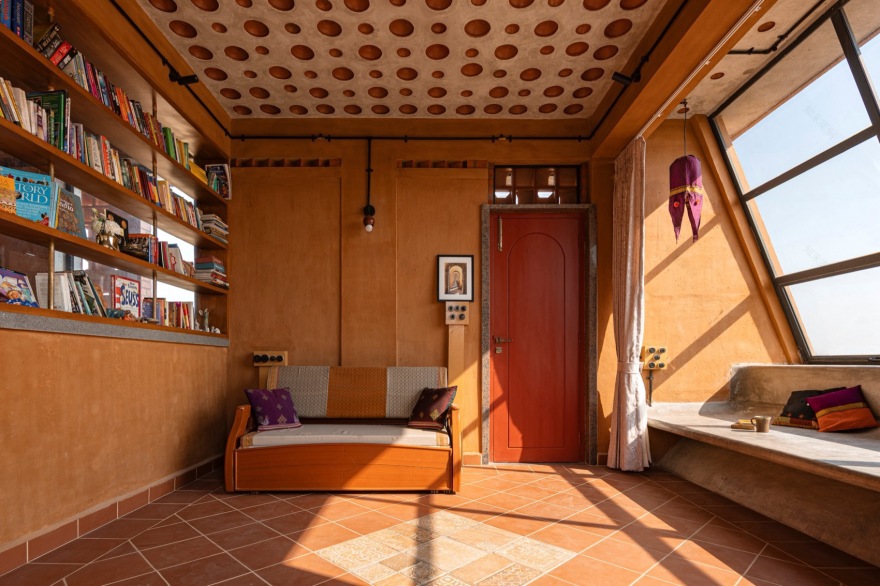
▼卧室,bedroom©Vivek Eadara

▼卧室,bedroom©Vivek Eadara

▼室内一角,corner of interior©Vivek Eadara

▼浴室,bathroom© Vivek Eadara

▼洗手池,sink©Vivek Eadara

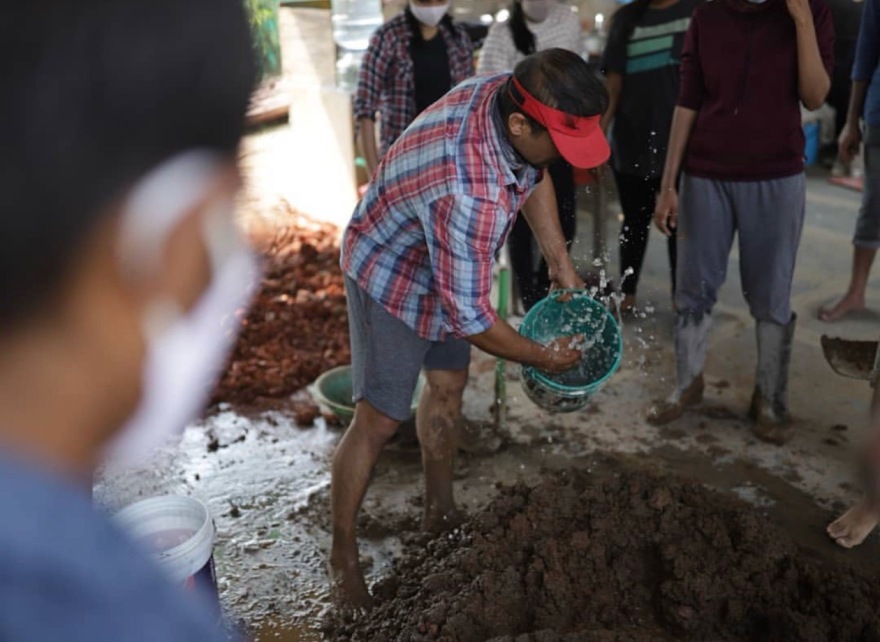
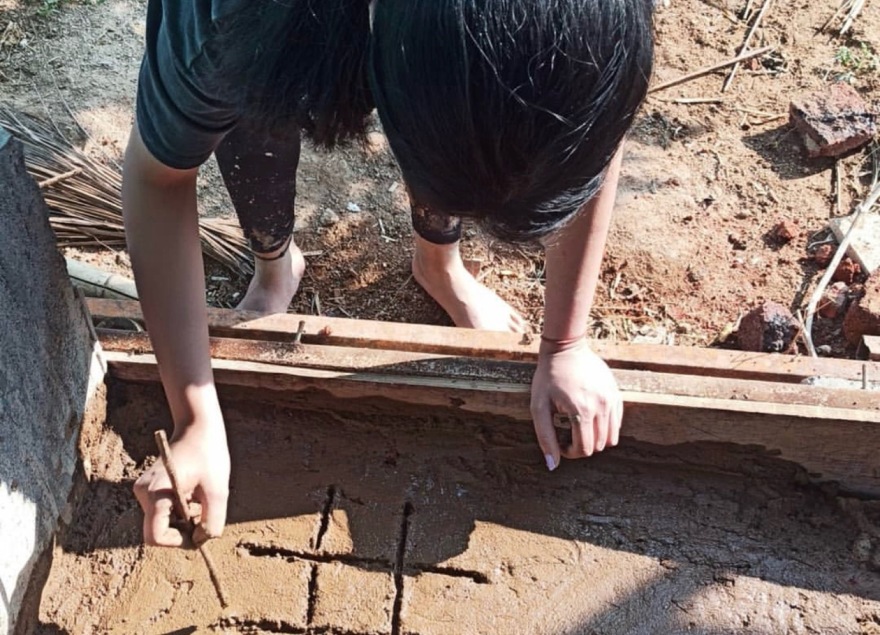
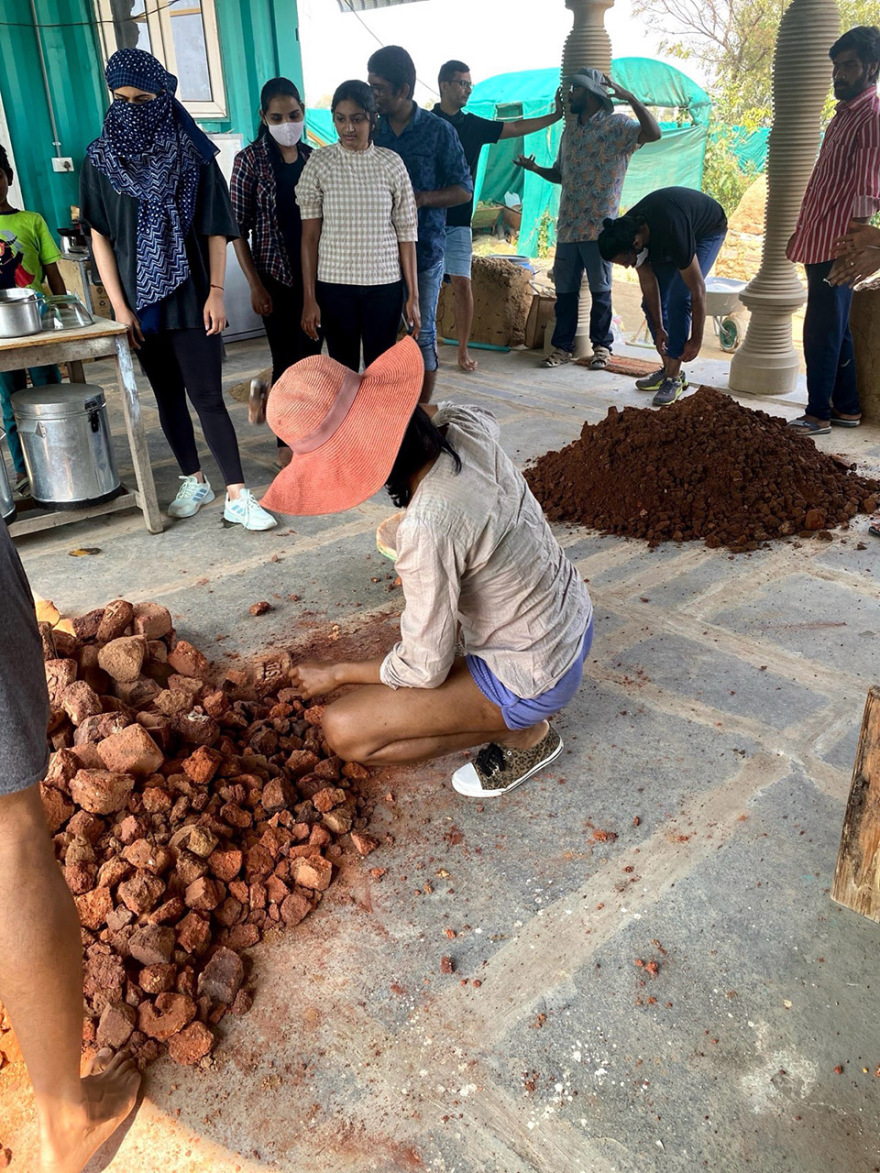
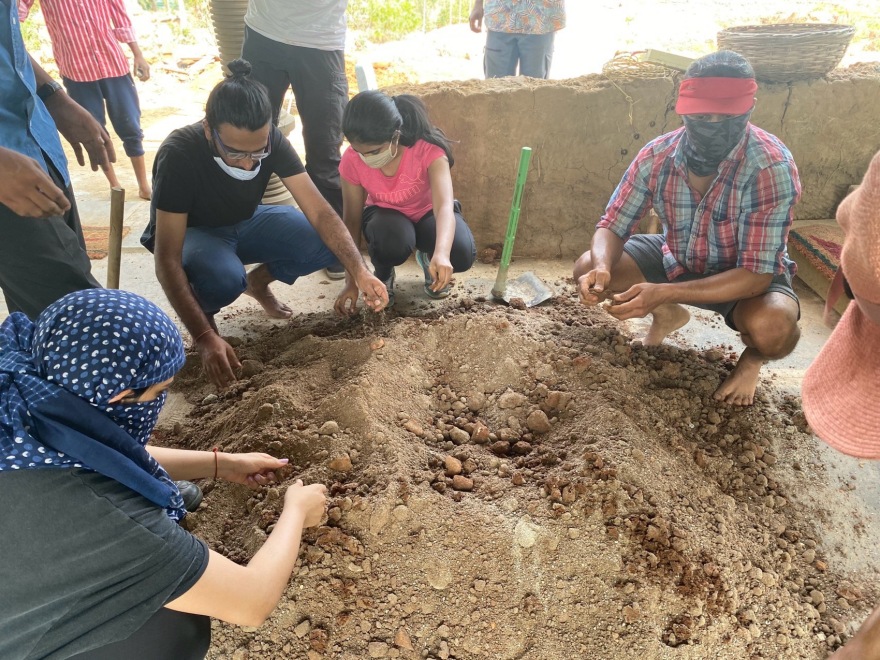
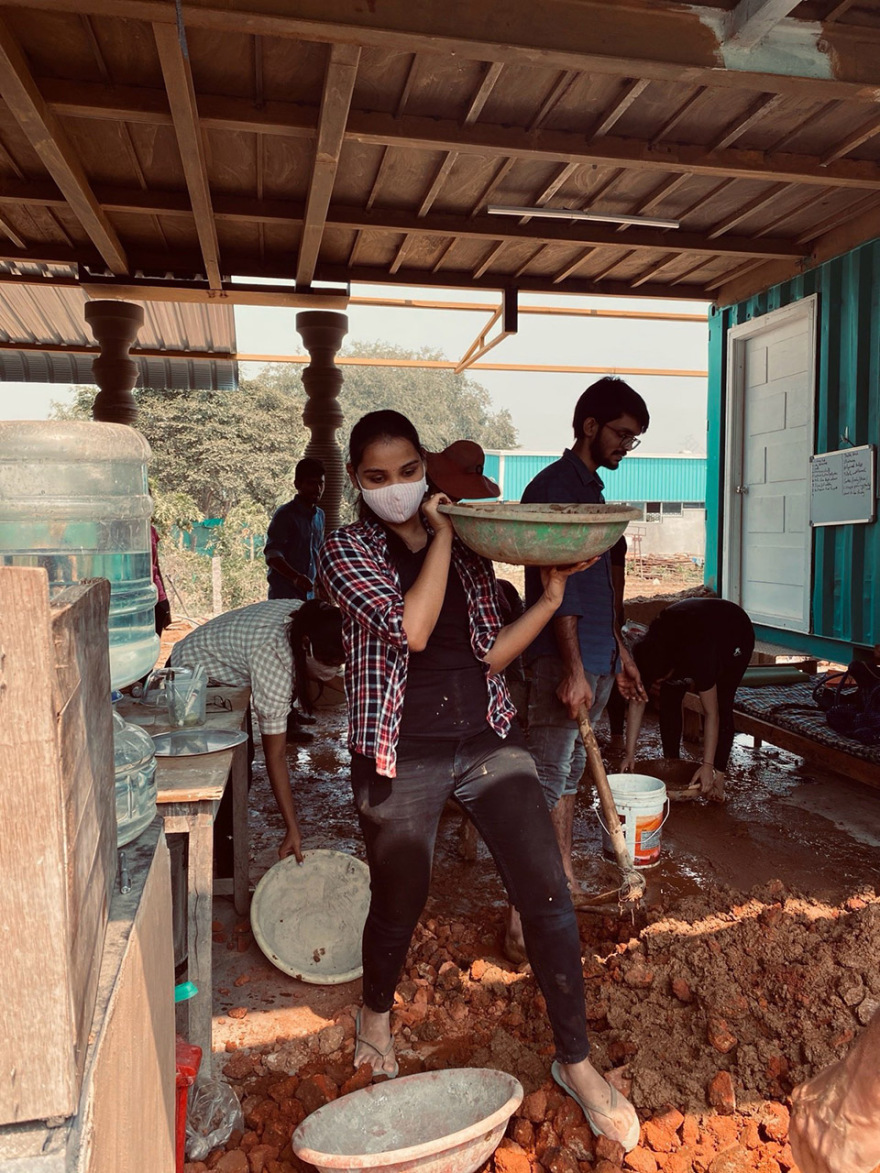
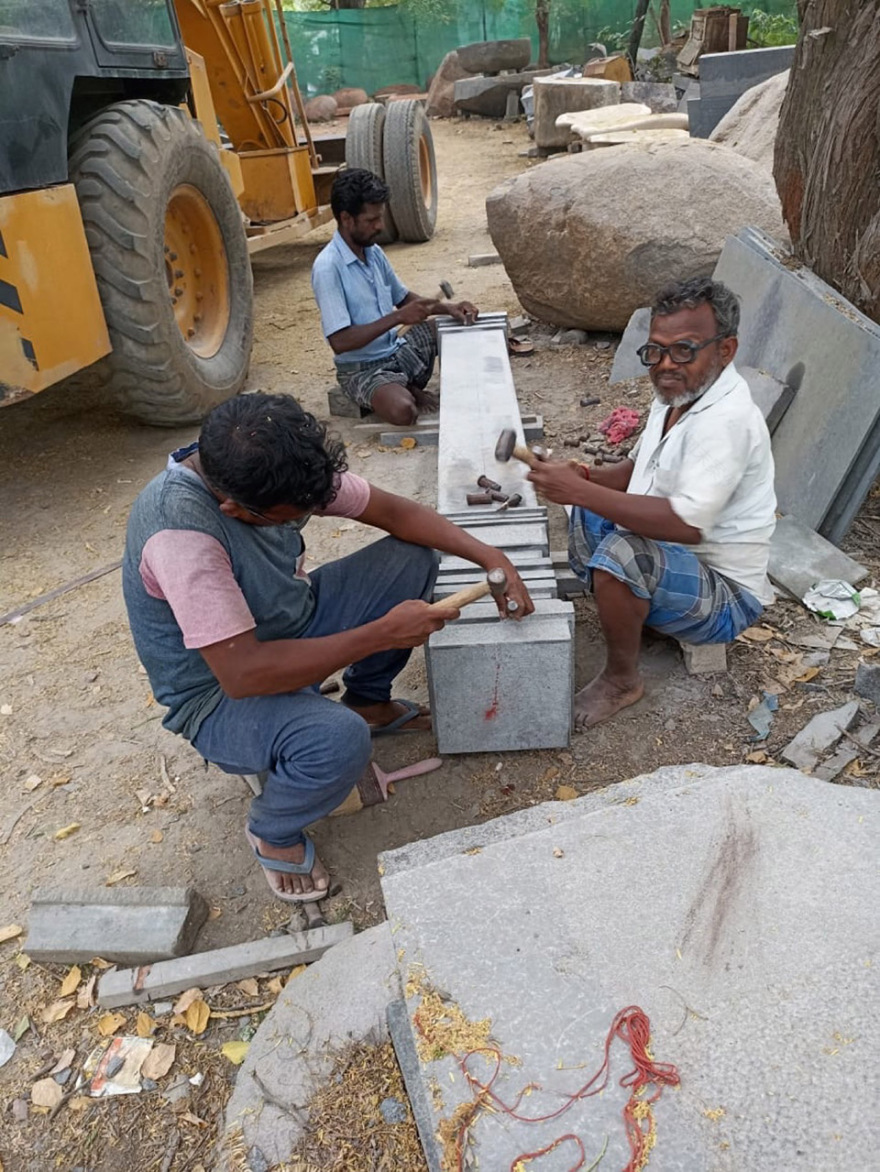
▼工作坊,workshop©IKI Builds
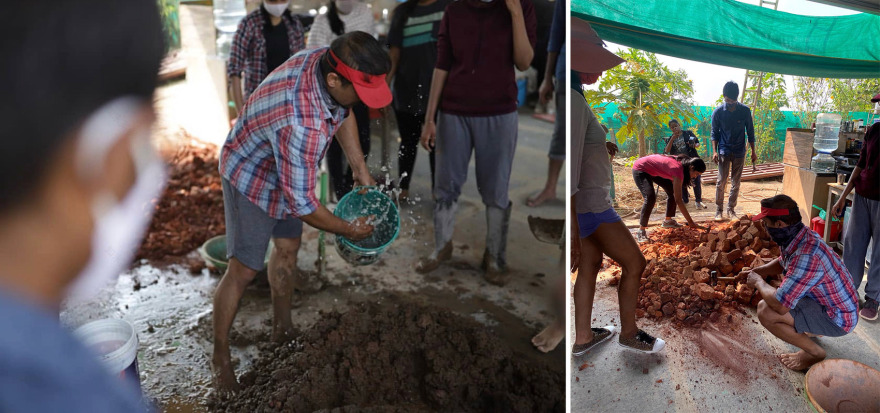
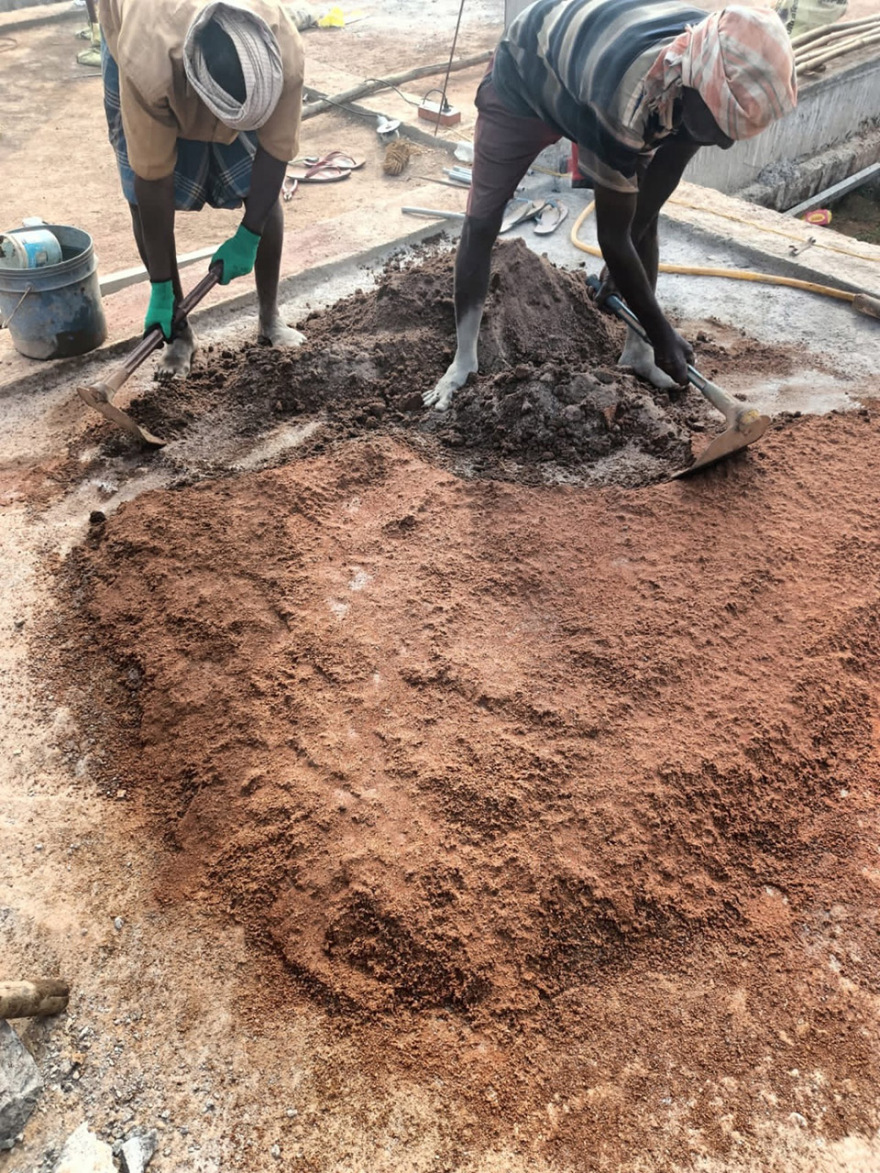
©IKI Builds▼施工过程,construction process©IKI Builds

▼轴测图,axonometric drawings©IKI Builds


▼总平面图,site plans©IKI Builds

▼底层平面图,ground floor plan©IKI Builds

▼二层平面图,first floor plan©IKI Builds
▼三层平面图,terrace plan©IKI Builds
▼立面图,elevations©IKI Builds


▼剖面图,sections©IKI Builds


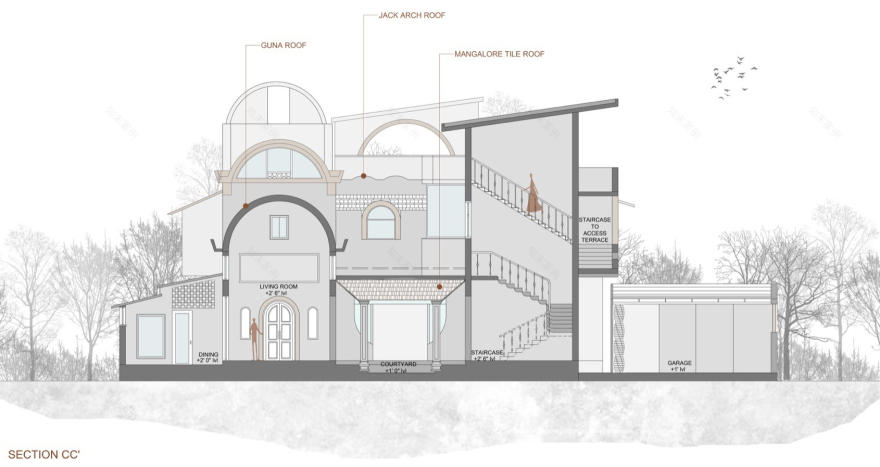

▼细部详图,construction details©IKI Builds


Aurva Illam
Main Information
Project Name: Aurva Illam
Office Name: IKI Builds
Social Media Accounts:
Firm Location: Hyderabad
Completion Year: 2024
Gross Built Area (m2/ ft2): 5660 ft2
Project Location: Kadthal , Hyderabad
Program / Use / Building Function: Residential
Lead Architects: Vamshidhar Reddy , Mounica Reddy
Photographer
Photo Credits: Vivek Eadara





















南京喵熊网络科技有限公司 苏ICP备18050492号-4知末 © 2018—2020 . All photos and trademark graphics are copyrighted by their owners.增值电信业务经营许可证(ICP)苏B2-20201444 苏公网安备 32011302321234号
苏公网安备 32011302321234号客服
消息
收藏
下载
最近