

创作上传
VIP
收藏下载
登录 | 注册有礼
查看完整案例

收藏

下载

分享

翻译
Architects:António Costa Lima Arquitectos
Area:1900m²
Year:2025
Photographs:Francisco Nogueira
Manufacturers:Gessi
Lead Architect:António Costa Lima
Category:Residential Architecture,Houses
Project Team:Hugo Lopes Martins, André Pinto da Cunha, Luís Cardiga Santos, Pavel Rosales, Teresa Cândido, Bernardo Lino
Engineering & Consulting > Civil:P2S
General Construction:EJR Construções
Engineering & Consulting > Lighting:MC Lighting Projects
Project Management:ENESCOORD
Landscape Architecture:TOPIARIS
City:Sintra
Country:Portugal
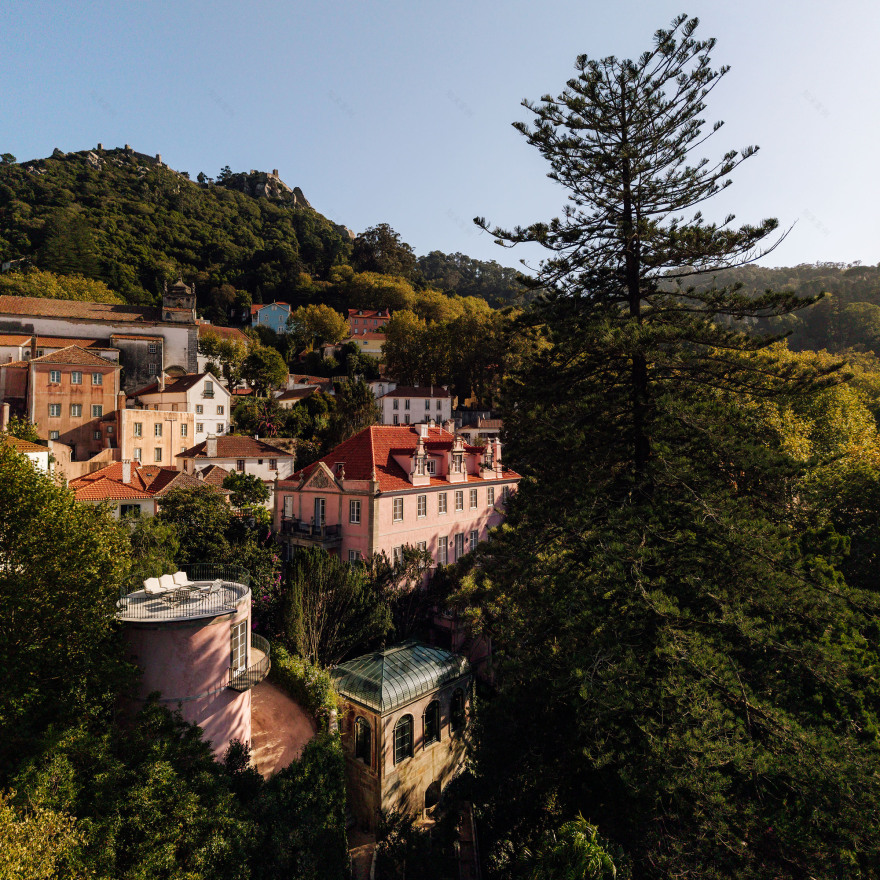
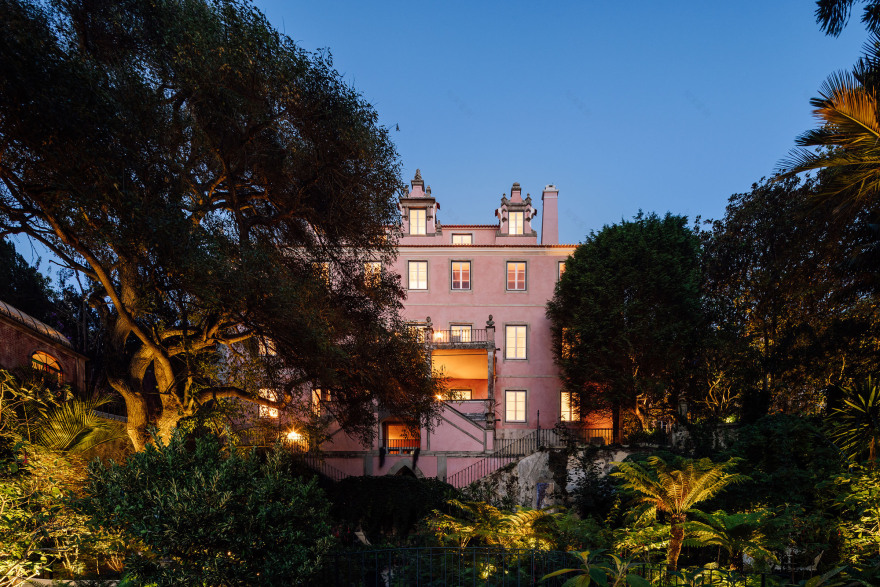
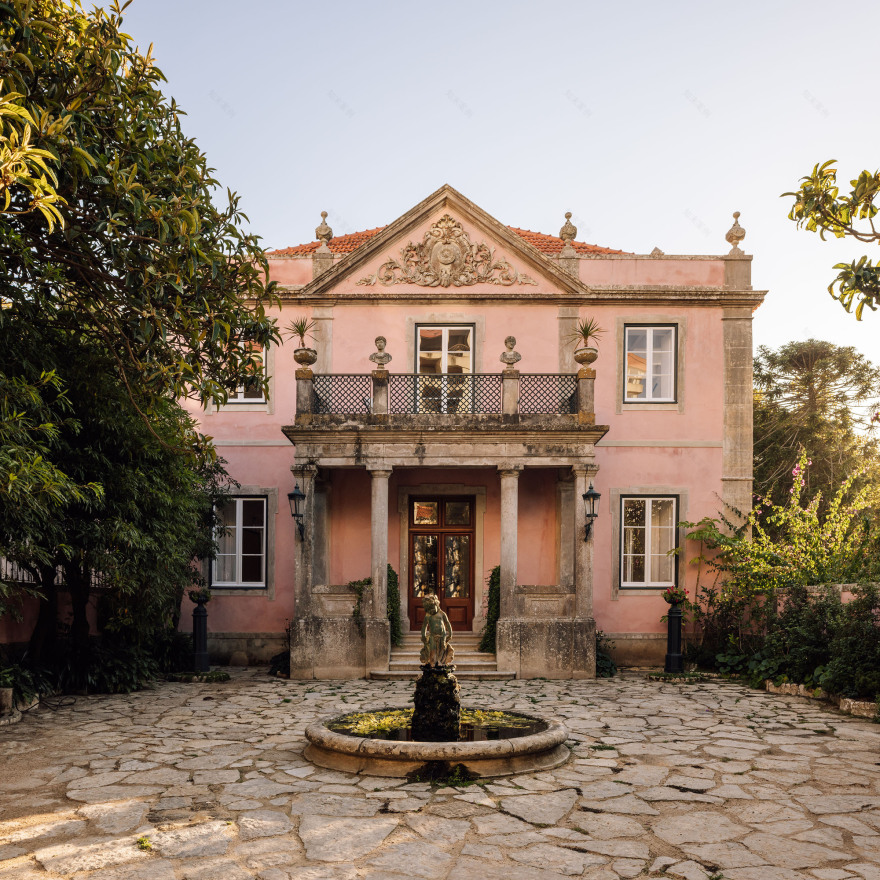
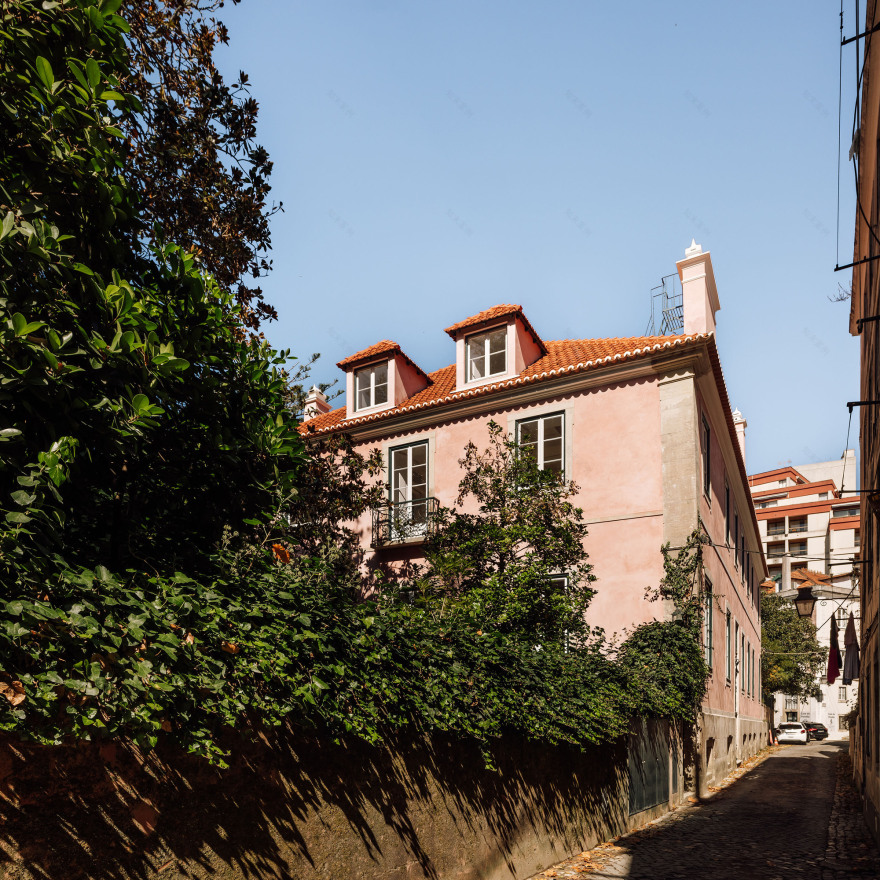
Text description provided by the architects. The house was built in the early decades of the 19th century, when the myth of Sintra was also being born with the flourishing of various noble and upper-bourgeois houses along the recently populated slopes of woodlands and walled pathways. It was a transformation that made Sintra the capital of Romanticism.
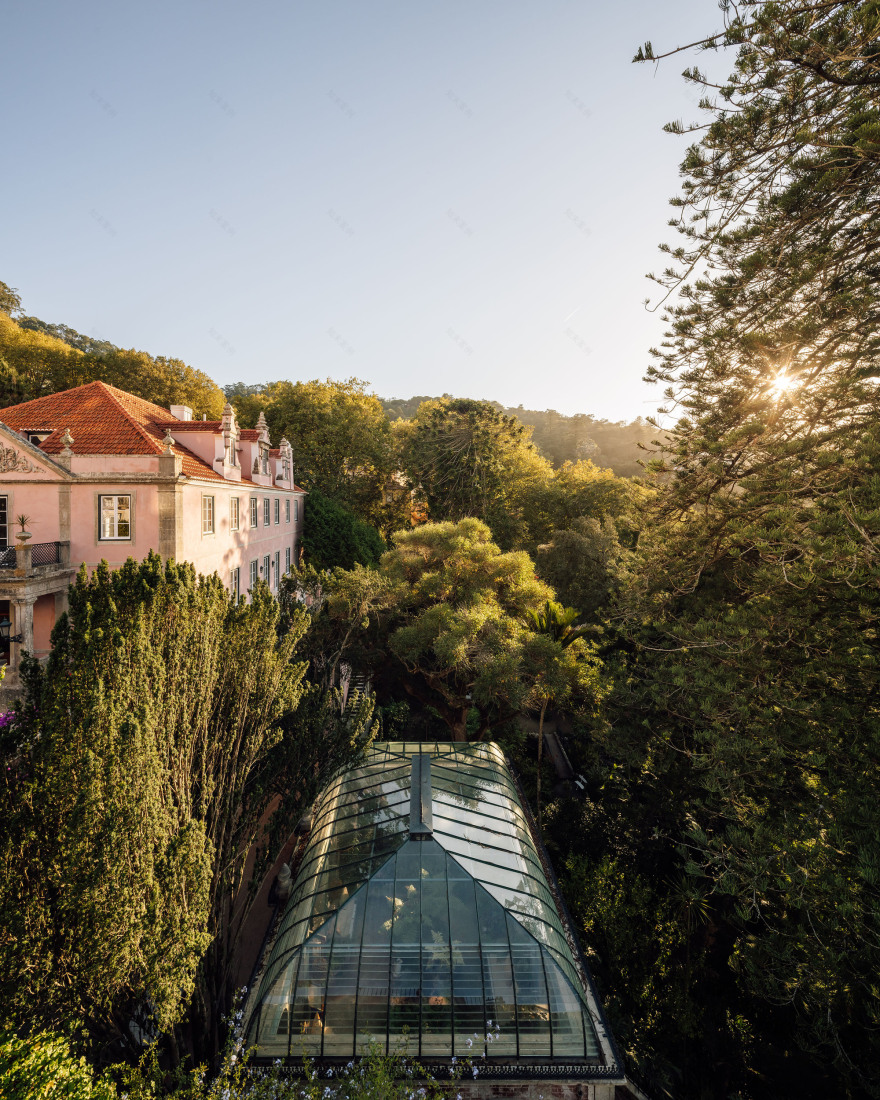
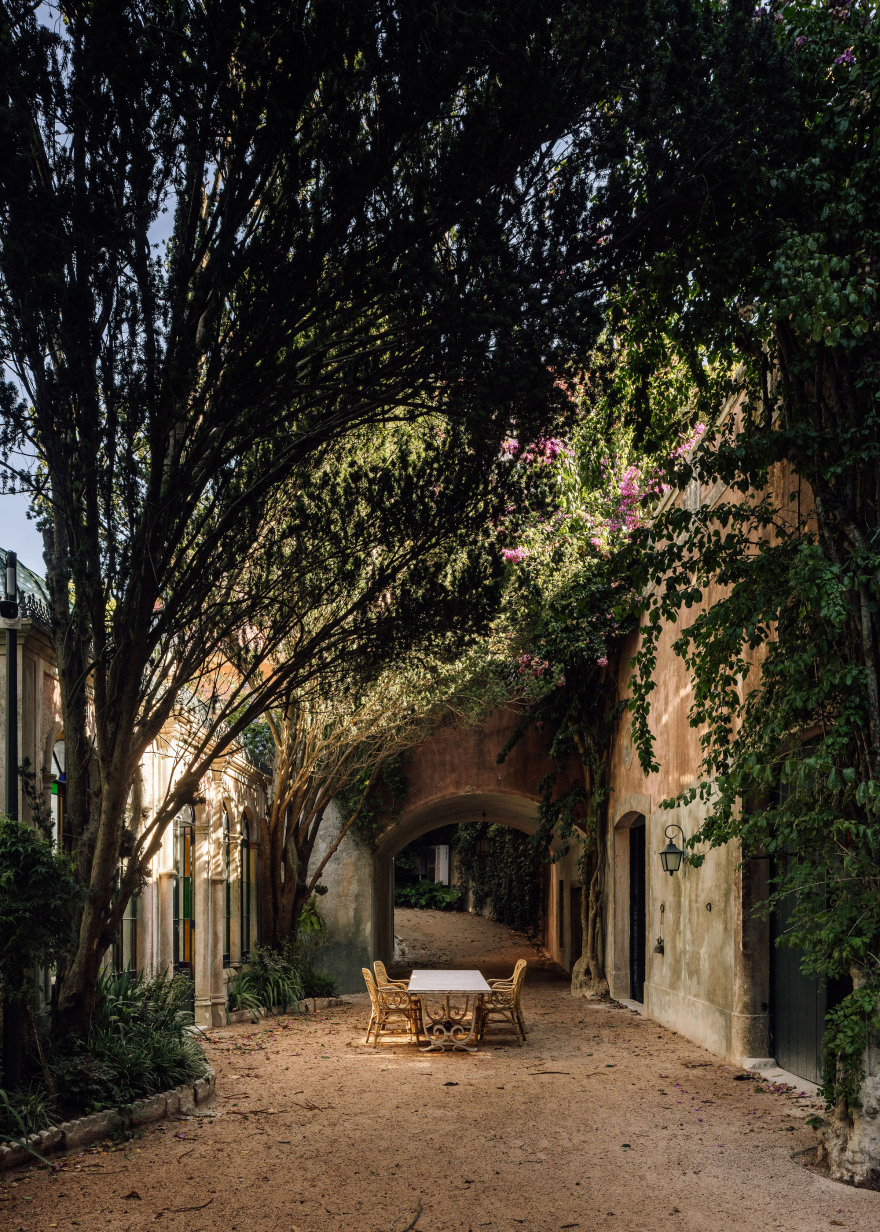
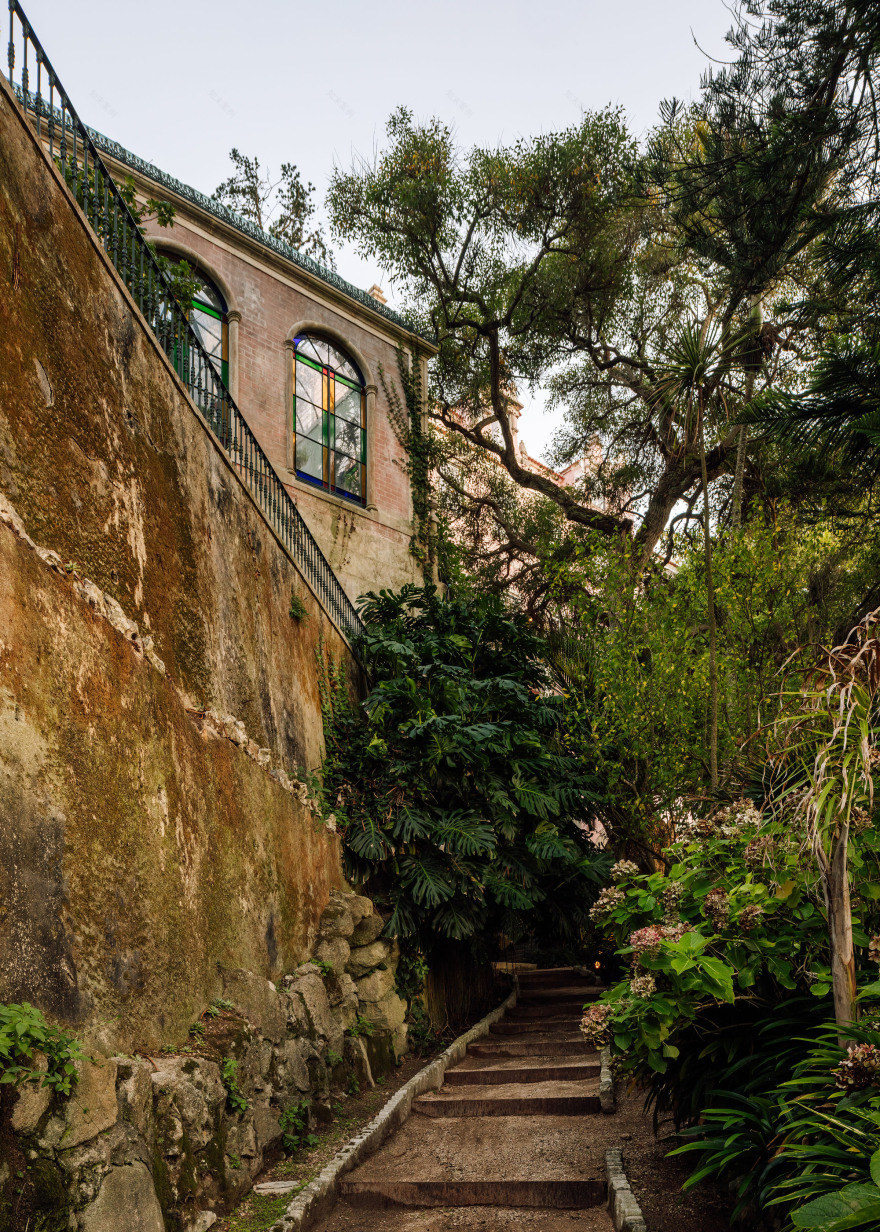
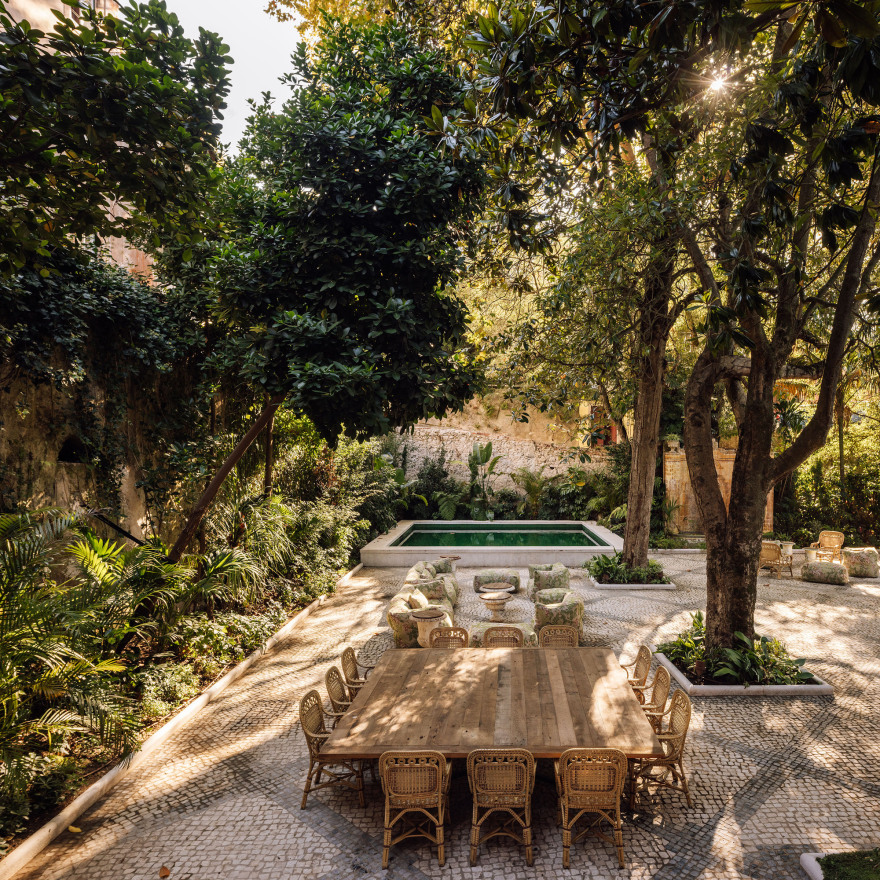
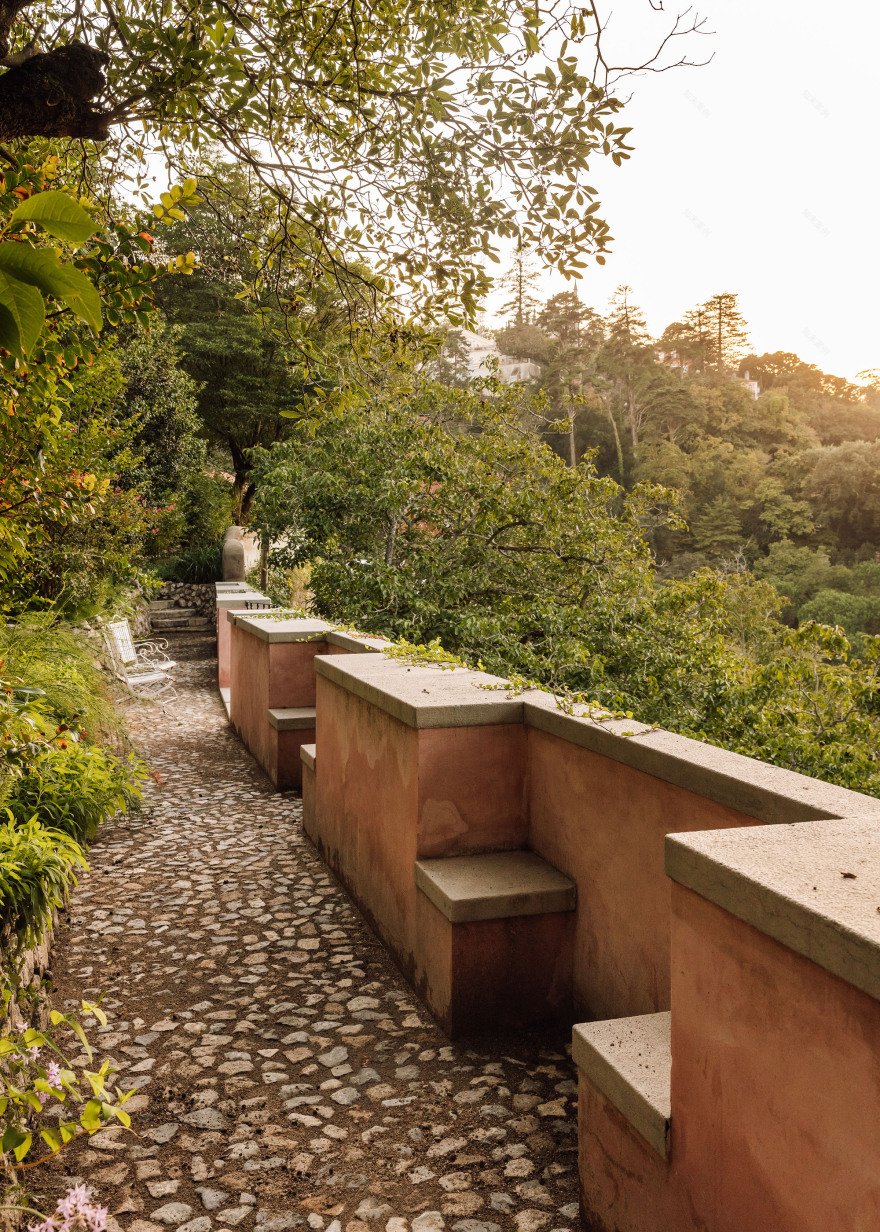
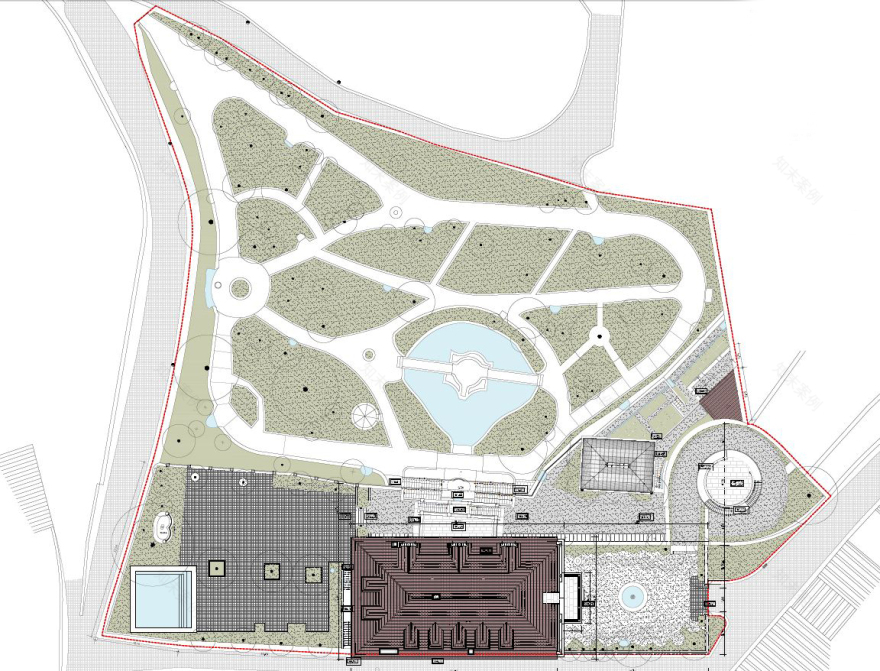
An atmosphere of mystery and exoticism exudes from its gardens, which are set on skillfully shaped terraces at the top of a valley that extends its views to the northwest, all the way to the horizon where the sea can be glimpsed.
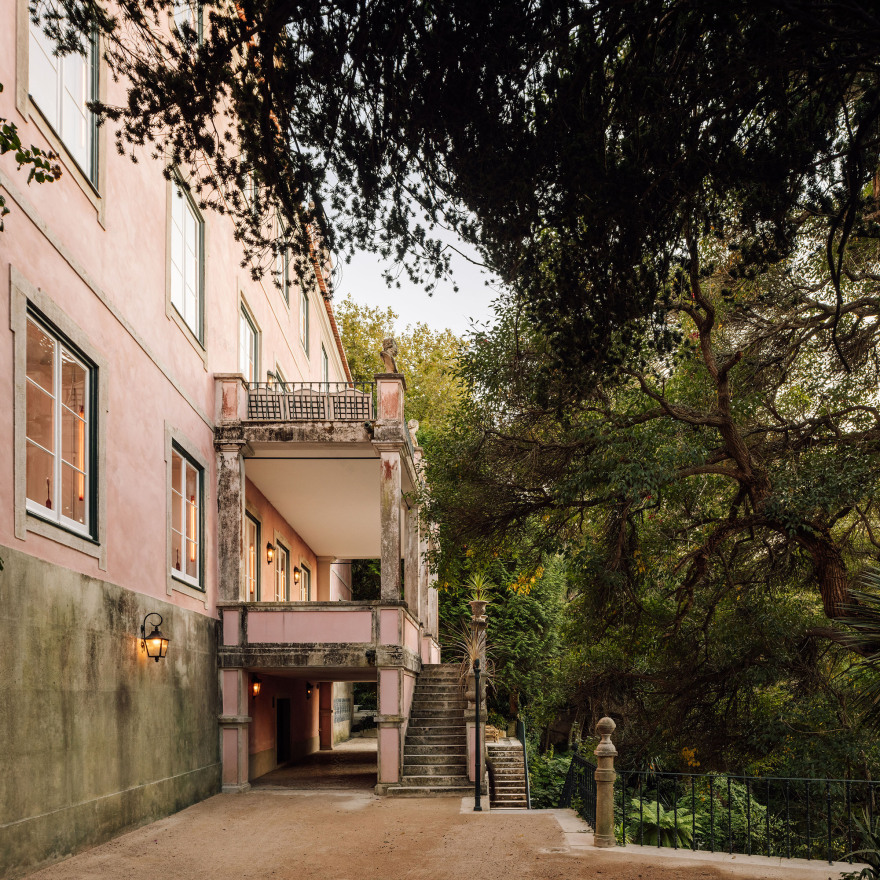
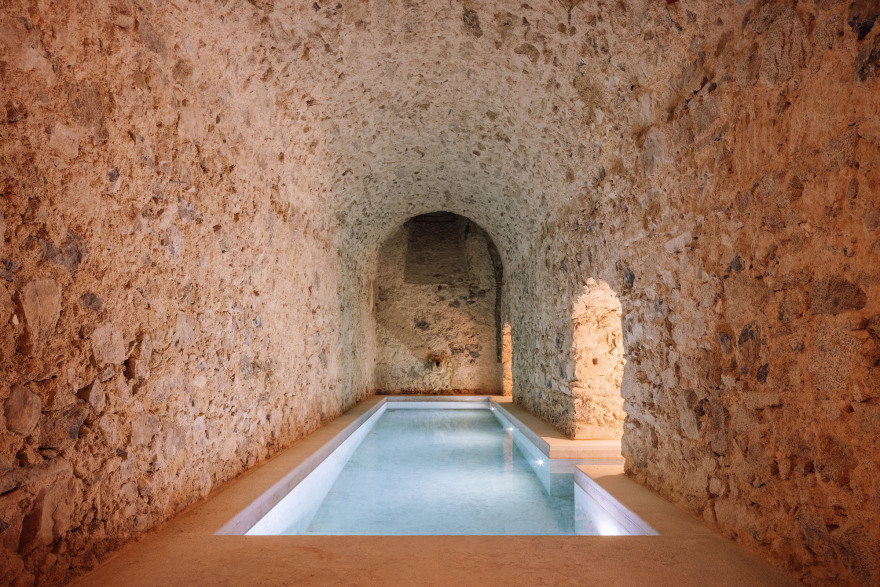
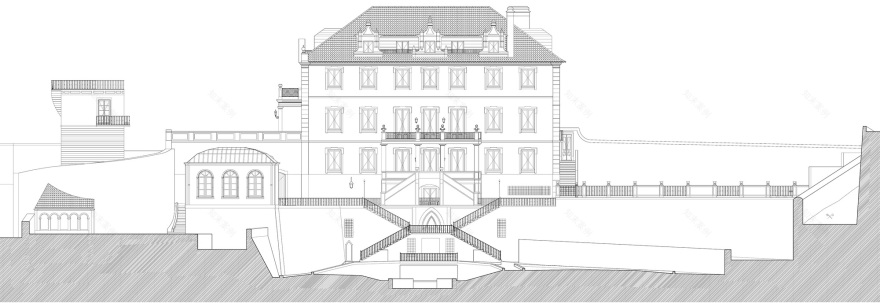
It is in this dense and lush wooded scenario, where water plays a crucial role, that the foundations of the main house rest, extending the stone buttresses of the garden at different levels. In its basement floors, water mines intersect, flowing through underground galleries dozens of meters into the slope and towards the Palace of the Village.
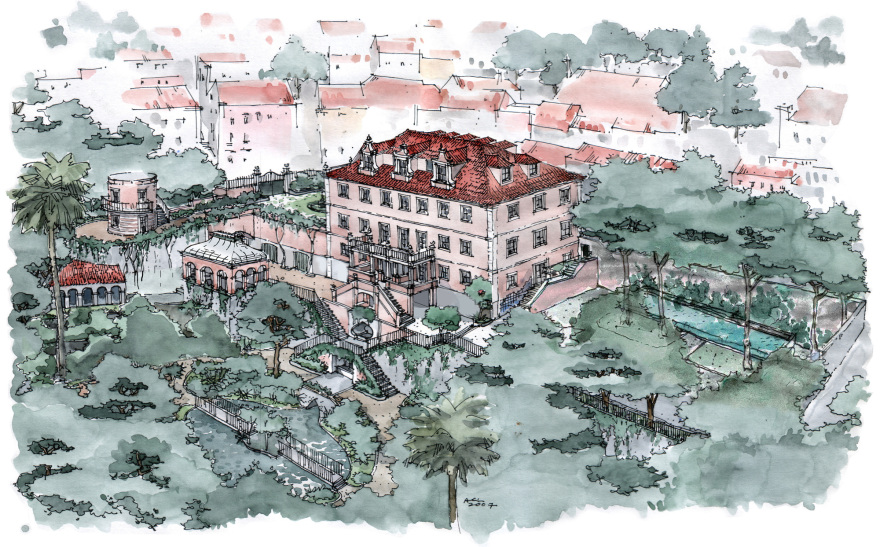
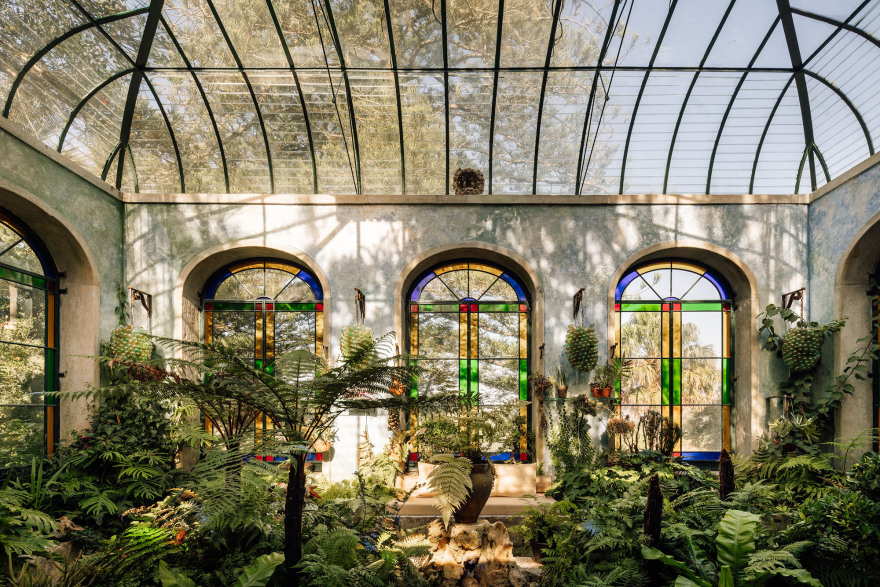
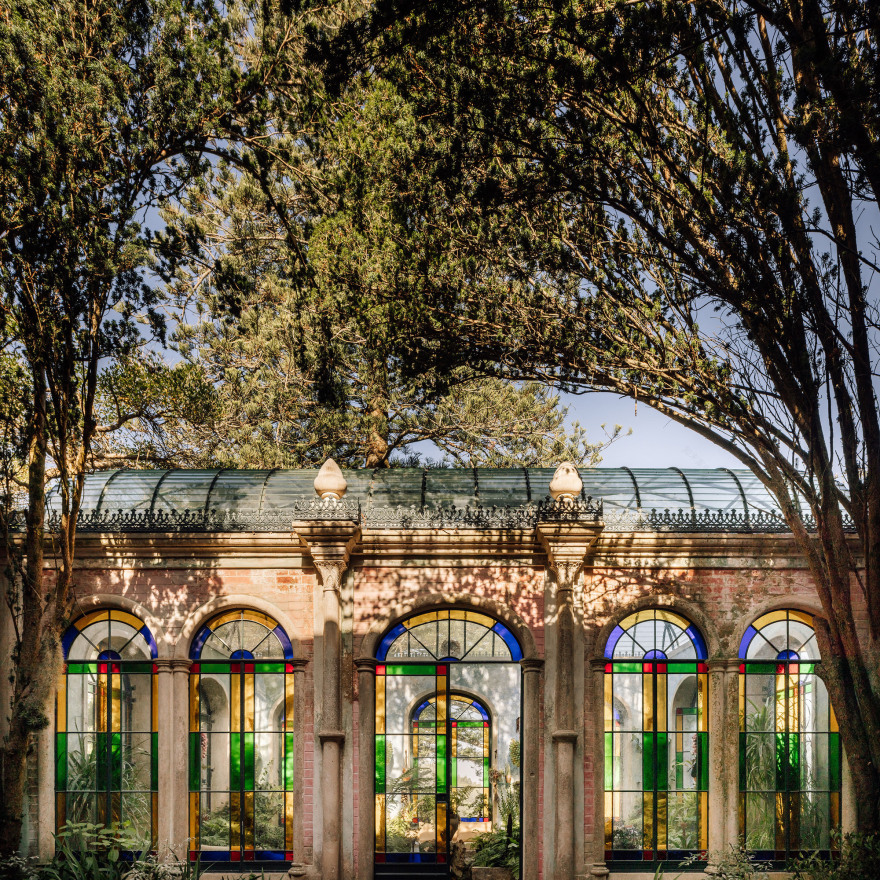
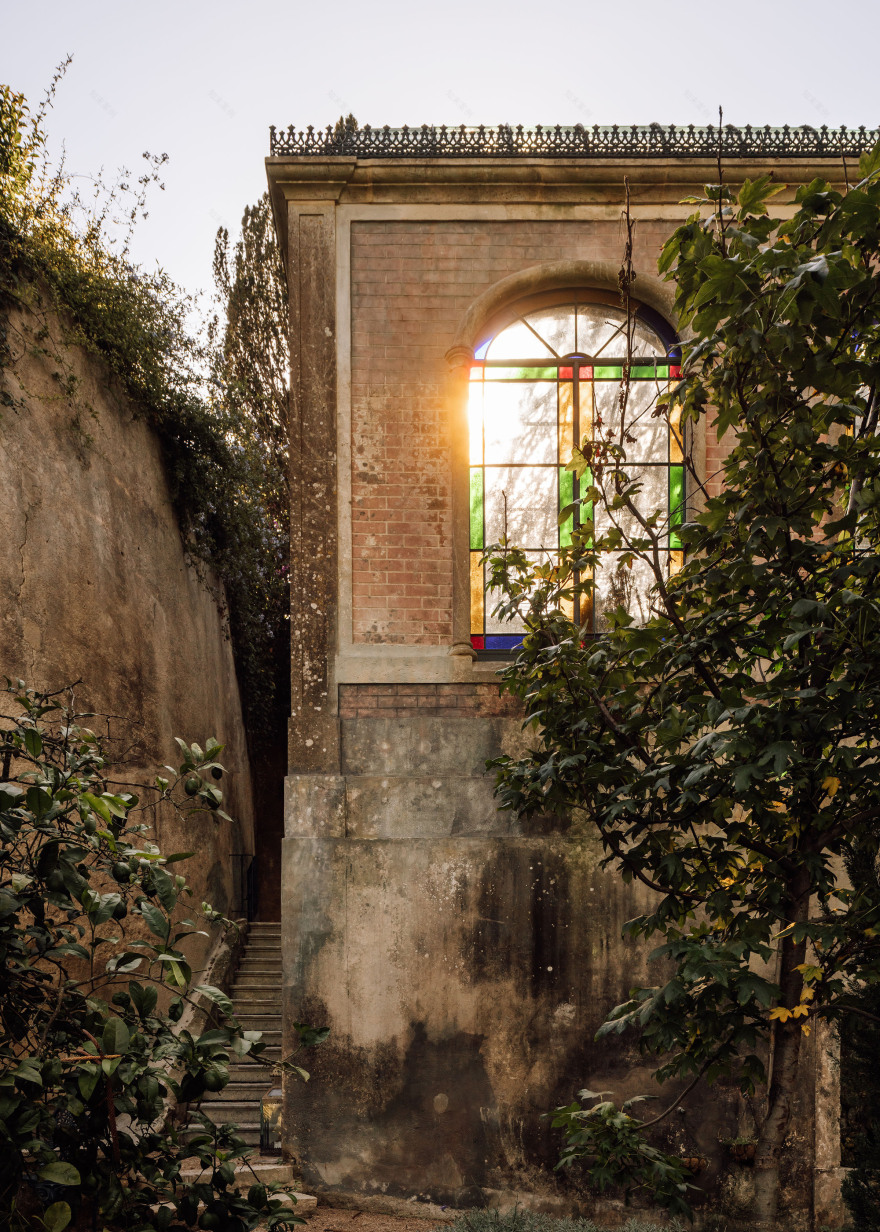
Its rectangular shape sits at the top of the complex, bordering the street, with eclectic annexes extending into the garden, completing the picture as if they belonged to a fantastic tale: the "viewpoint," the "greenhouse," the "pavilion house," the "tank," "the water mirror," "the mines," etc.
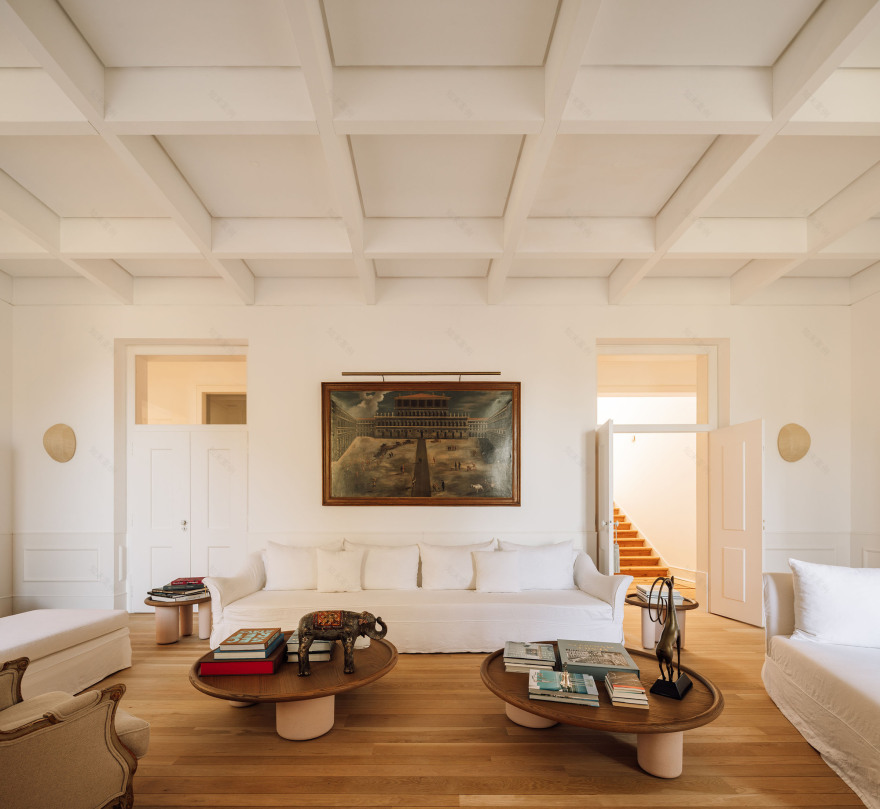
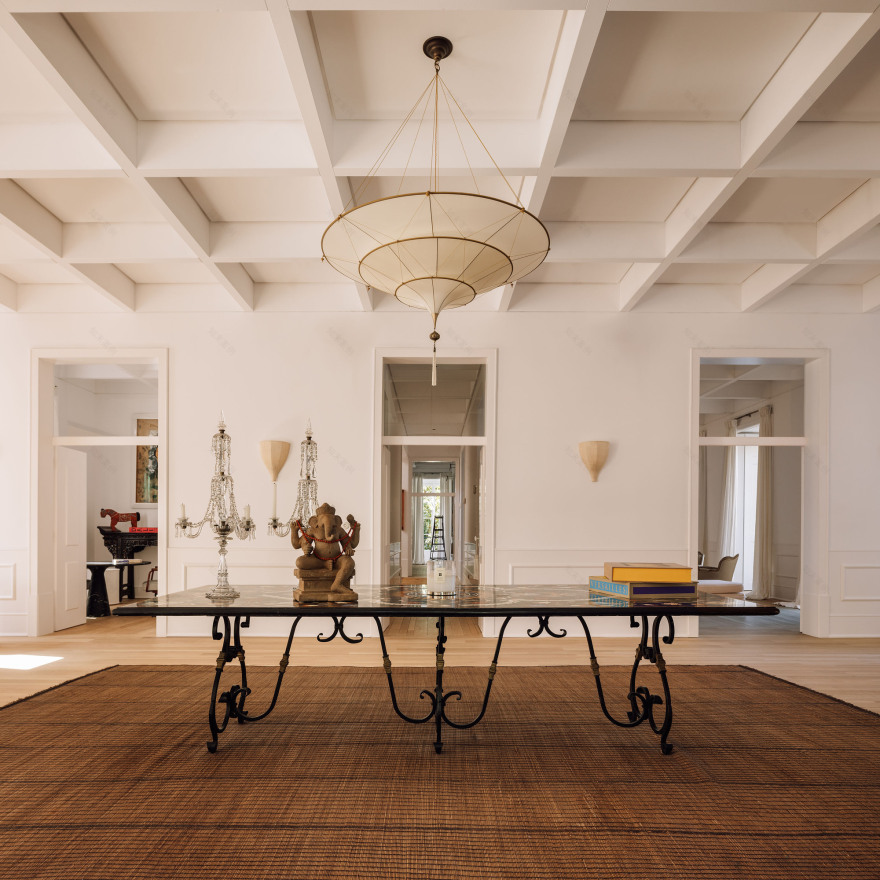
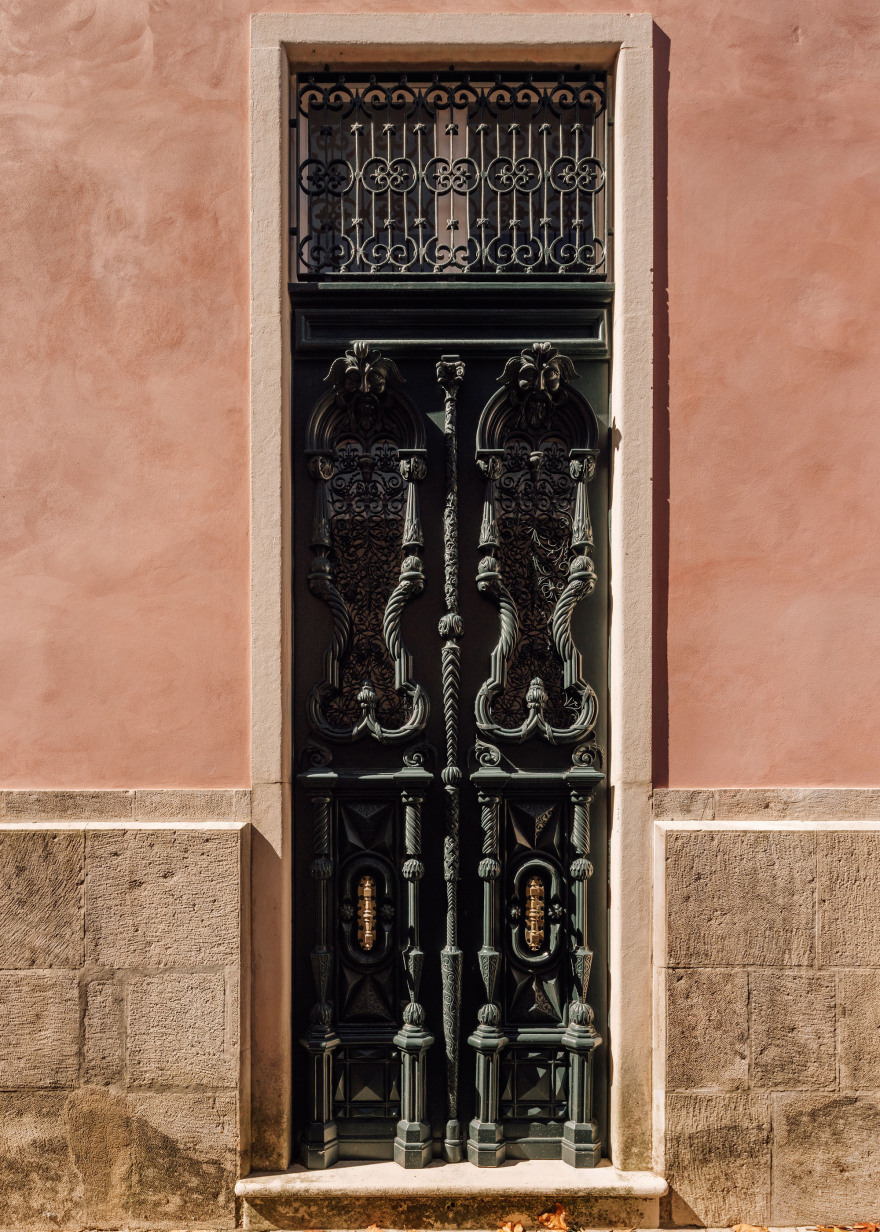
The work aims to ensure the preservation of this scenario through the careful and integral recovery of the constructive and spatial identity of all the elements that compose it.
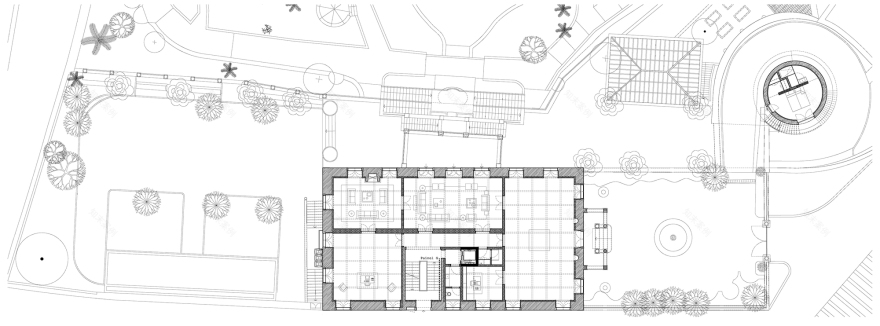
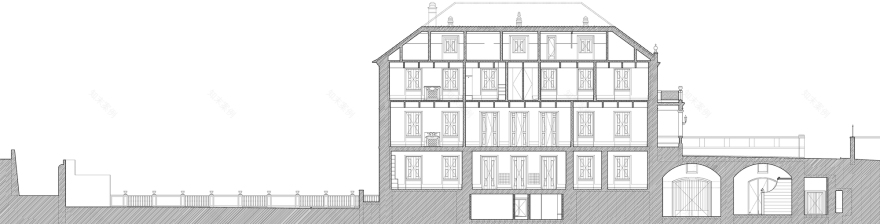
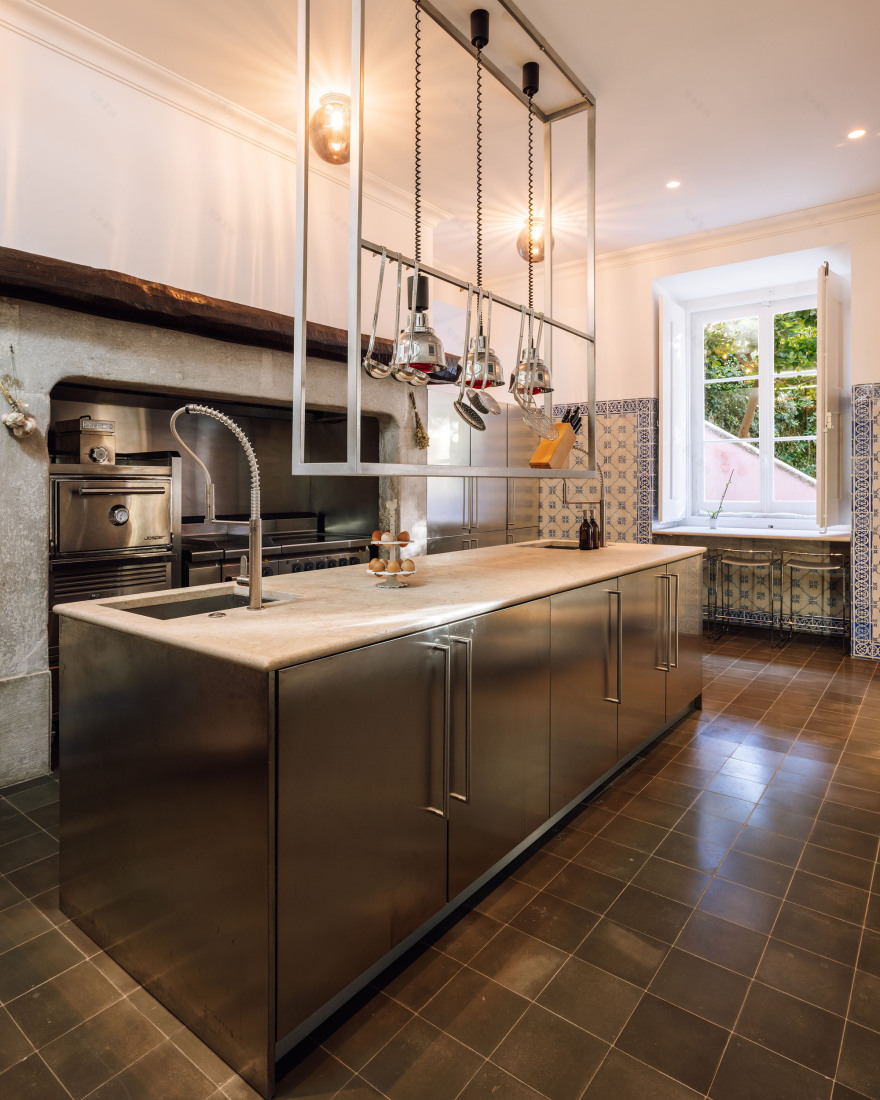
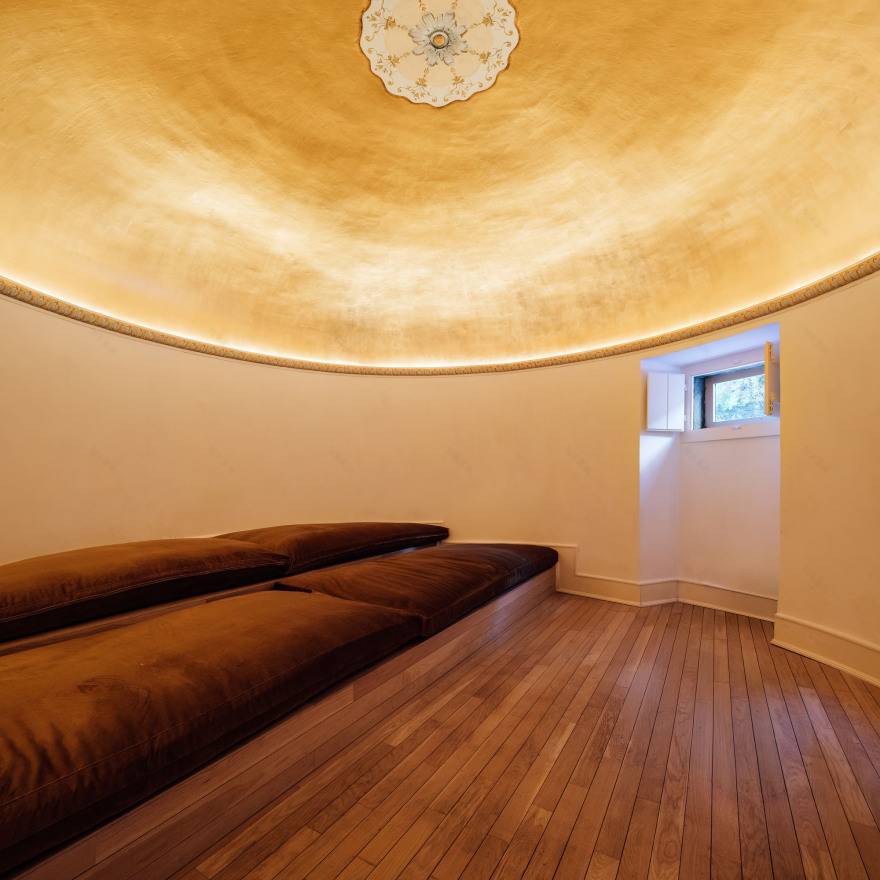
On the other hand, the rehabilitation of the interior of the house aims to recover the identity (and dignity) lost over time and through the countless interventions it has undergone. Thus, the safeguarding of the building's heritage nature is coupled with the discreet contemporary nature of the intervention, clarifying the reading of the space and recovering the finishes, which before the work were disconnected and incoherent with each other.
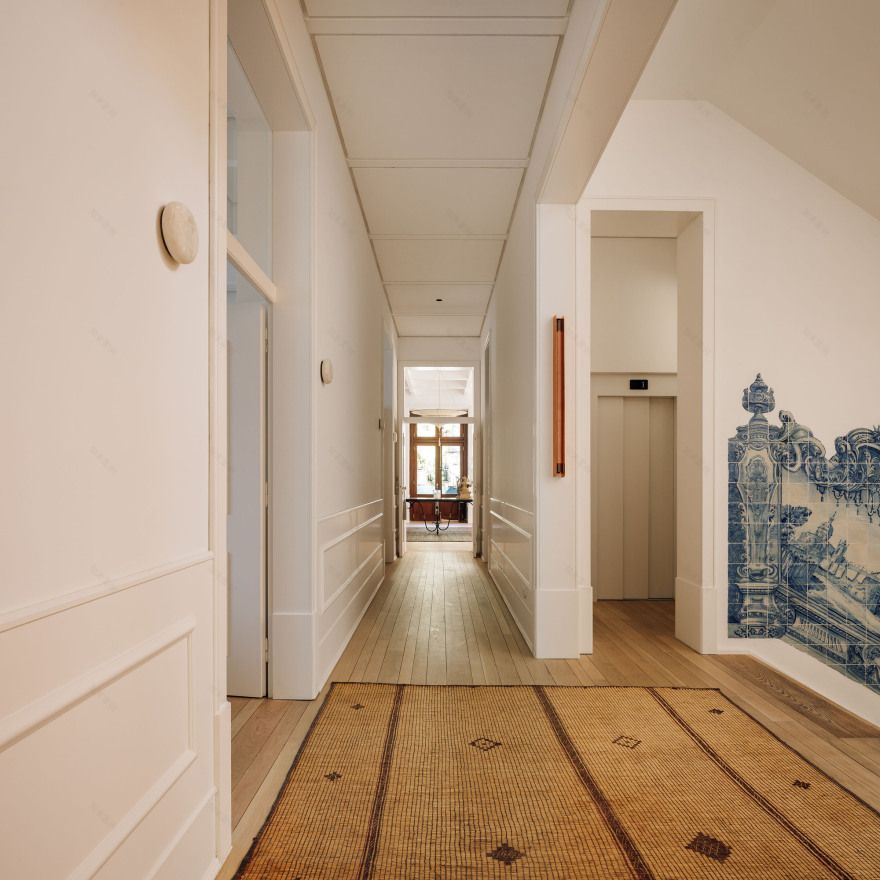
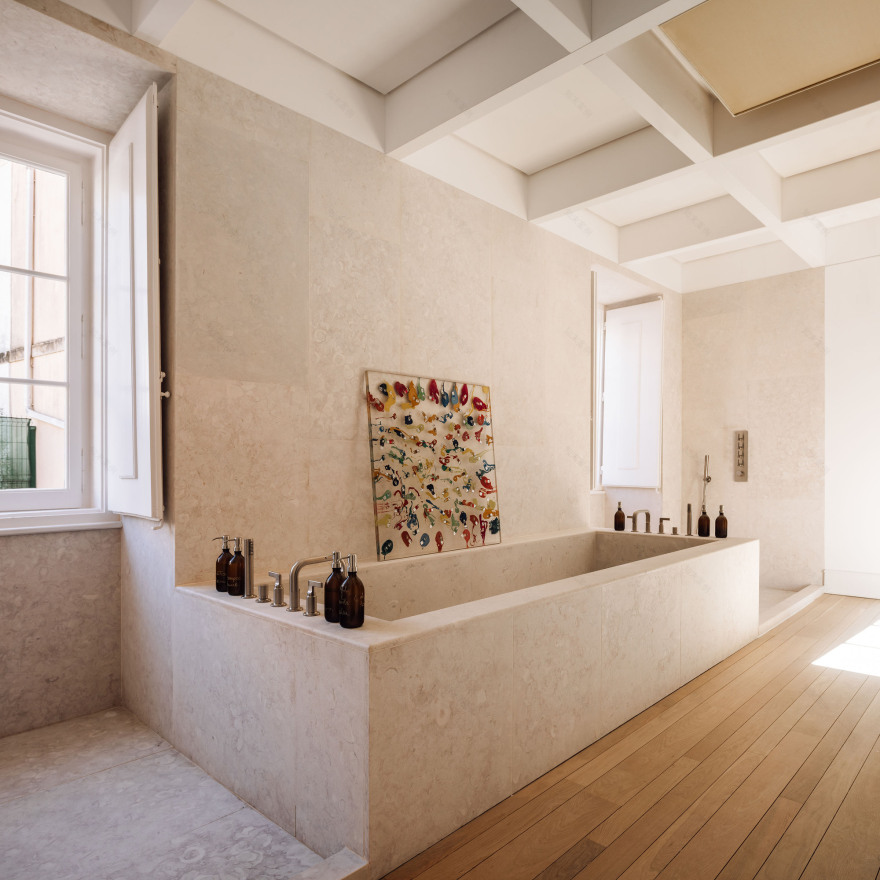
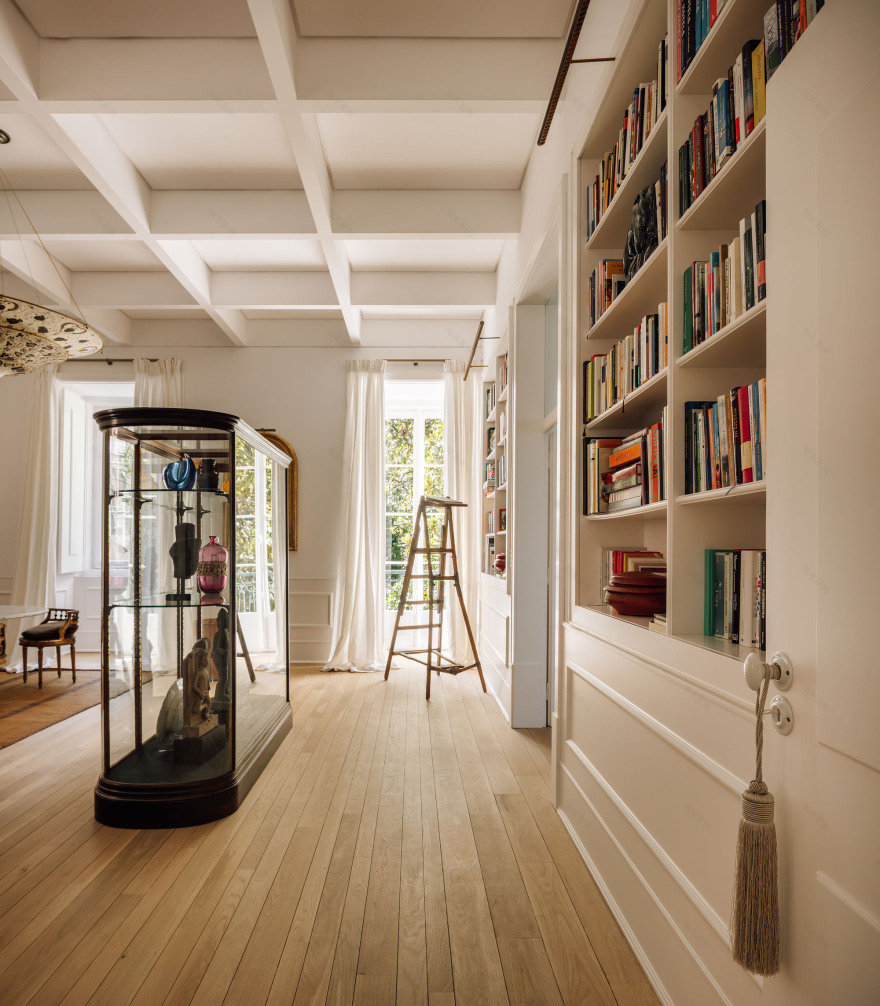
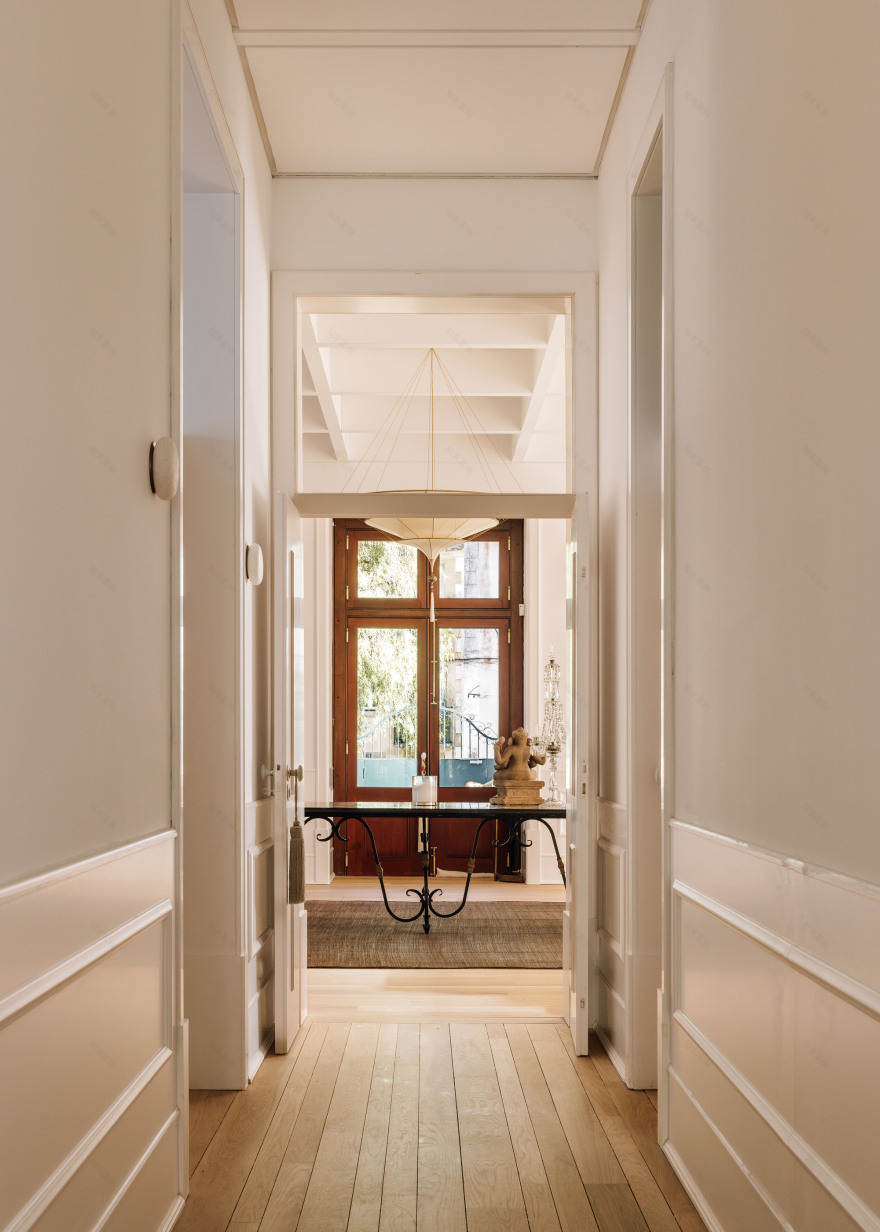
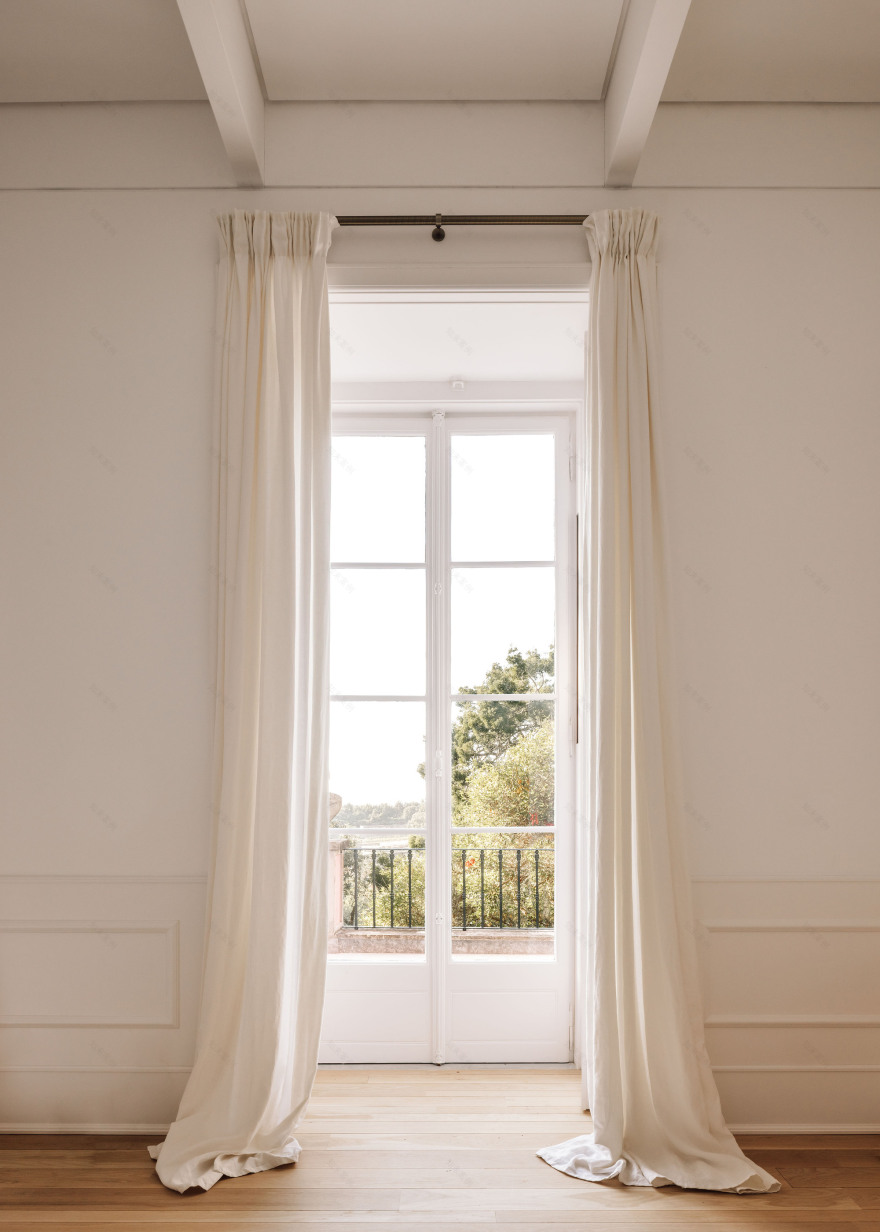
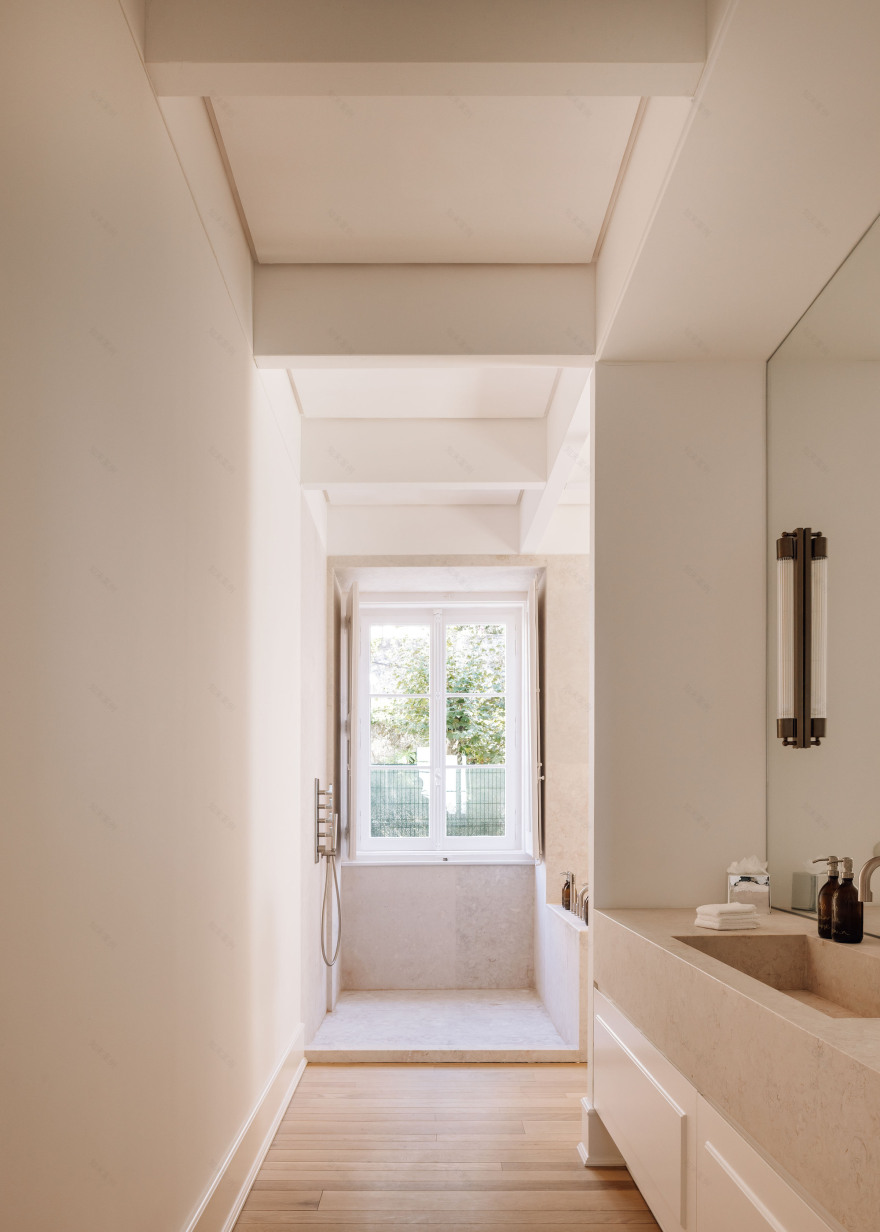
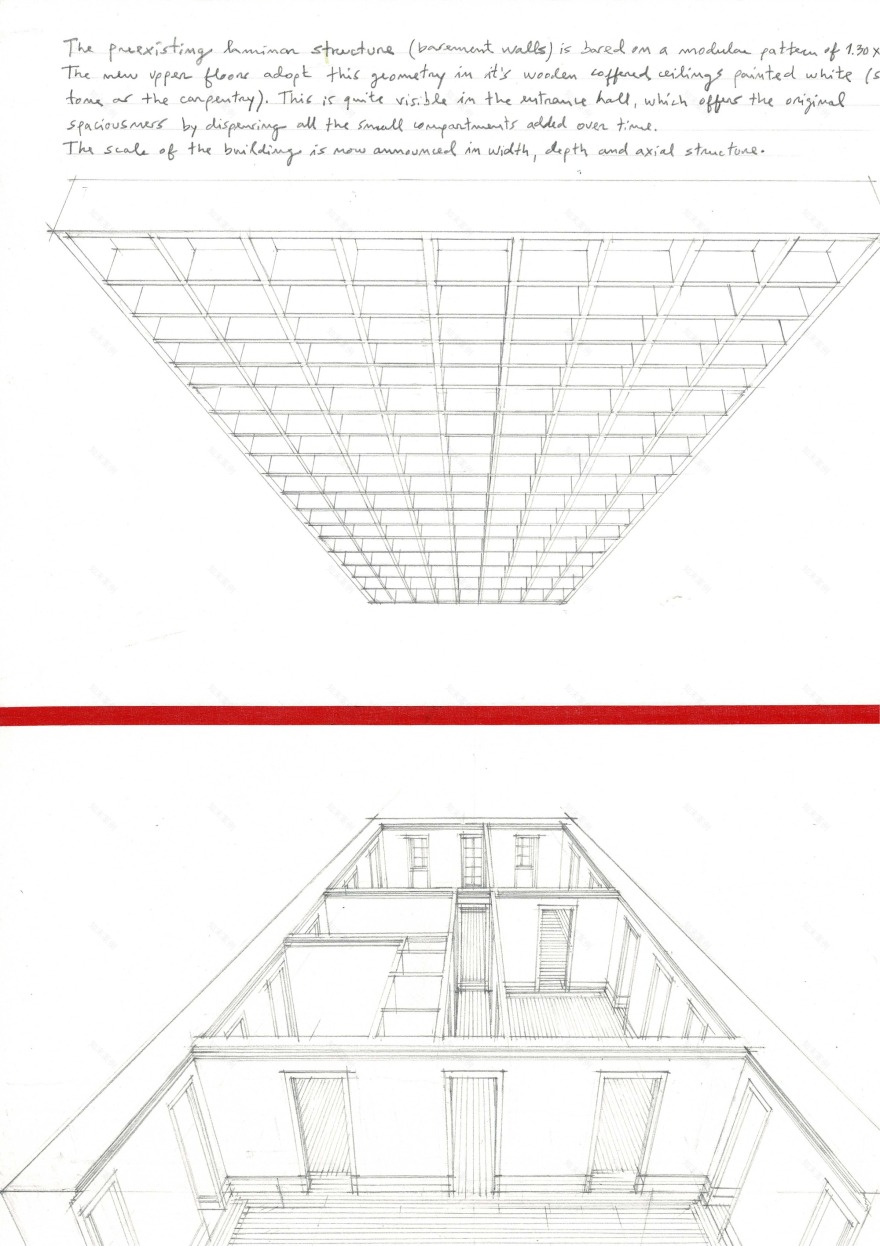
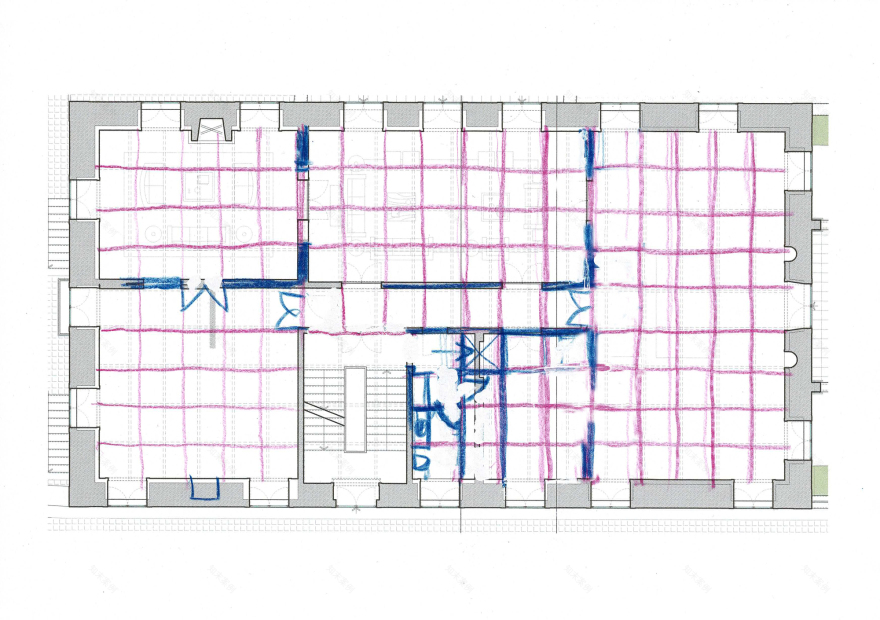
First, the geometric layout of the preexisting laminated structure was identified. Then, the same modular pattern of 1.30x1.30m was applied to the structure of the new wooden floors on levels 0, 1, and 2, which, due to regulatory conditions, provide the building with the necessary stability and seismic resistance. Thus, new floors are designed consisting of laminated wooden beams (arranged in a grid) forming a grid painted white (in the same tone as all the carpentry finishes).
The entrance atrium now offers the original axial structure by discarding the compartments that have been added over time, and the scale of the building is now announced in the width, depth, and height of its perimeter.
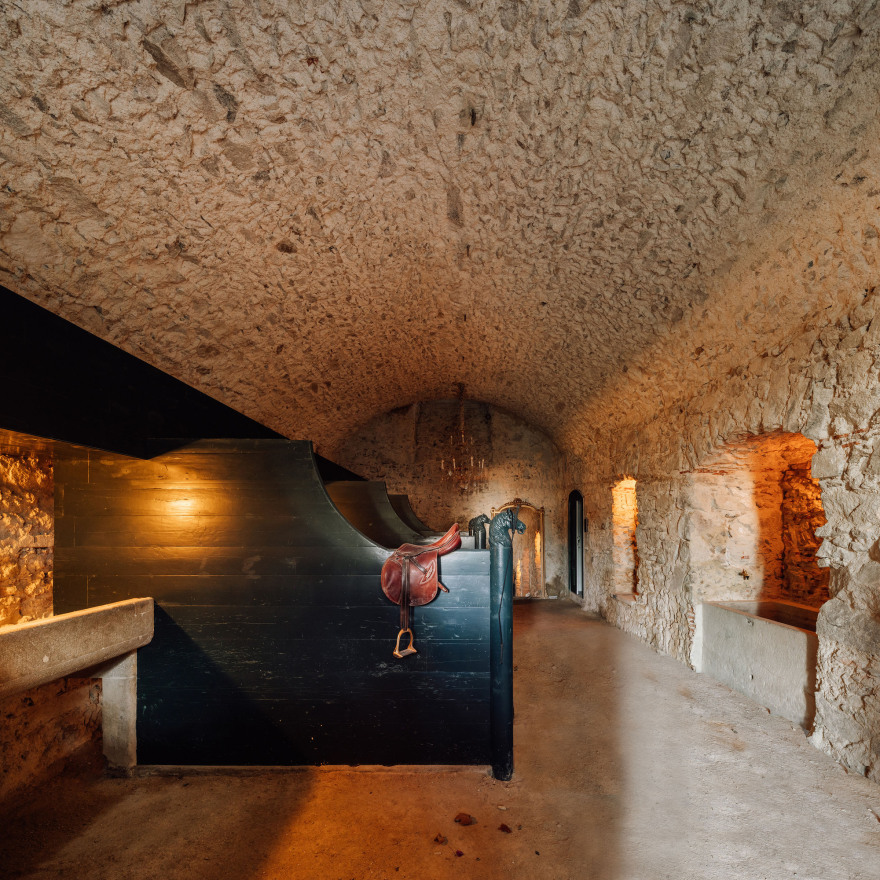
It is important to emphasize the reversible nature that the solution contains, guaranteeing the use of the original structural material – wood.
Project gallery
南京喵熊网络科技有限公司 苏ICP备18050492号-4知末 © 2018—2020 . All photos and trademark graphics are copyrighted by their owners.增值电信业务经营许可证(ICP)苏B2-20201444 苏公网安备 32011302321234号
苏公网安备 32011302321234号客服
消息
收藏
下载
最近