

创作上传
VIP
收藏下载
登录 | 注册有礼
查看完整案例

收藏

下载

分享

翻译
墨生設計研究室 ∥ 住宅空間 ∥ 大正浪漫
Taishō ∥ Interior design
在日式風格裡,大正時代承襲了明治時代的西方氛圍,
且此時期大正風格更受到了19世紀歐洲浪漫主義的影響,
和洋折衷為此時期日式風格的代表。
而此設計以現代手法復刻大正風格為核心,
抓取該時代空間氛圍重點:
(一)因應洋化後建築體拉高所帶來的強烈日光。
(二)西洋拱型與日式和室及屋樑結構結合。
(三)藝術玻璃形式。
手法:
(一)
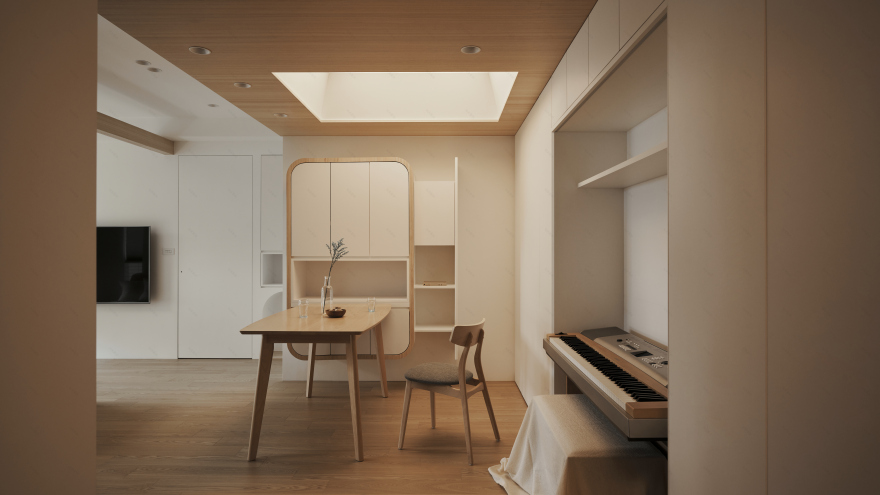
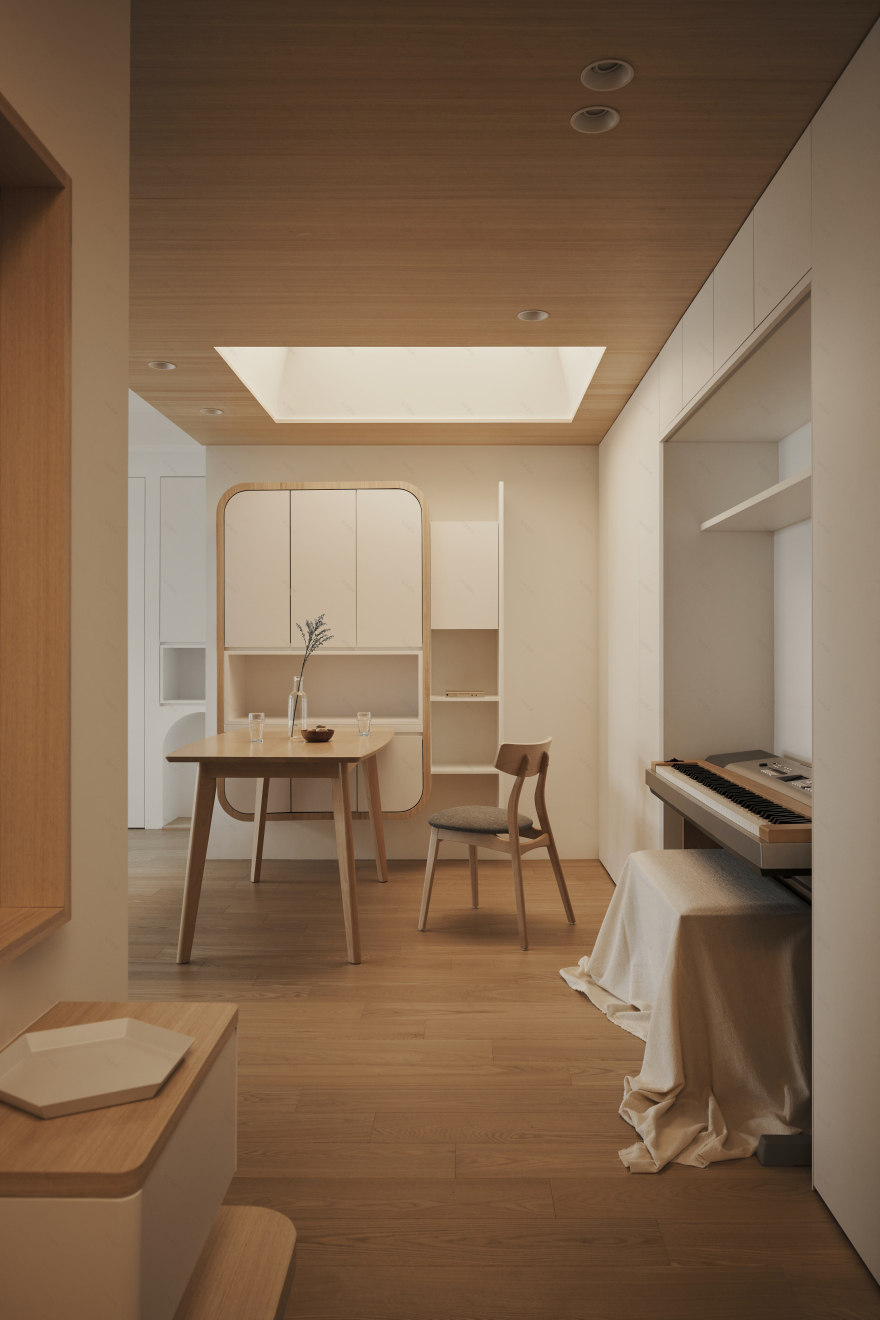
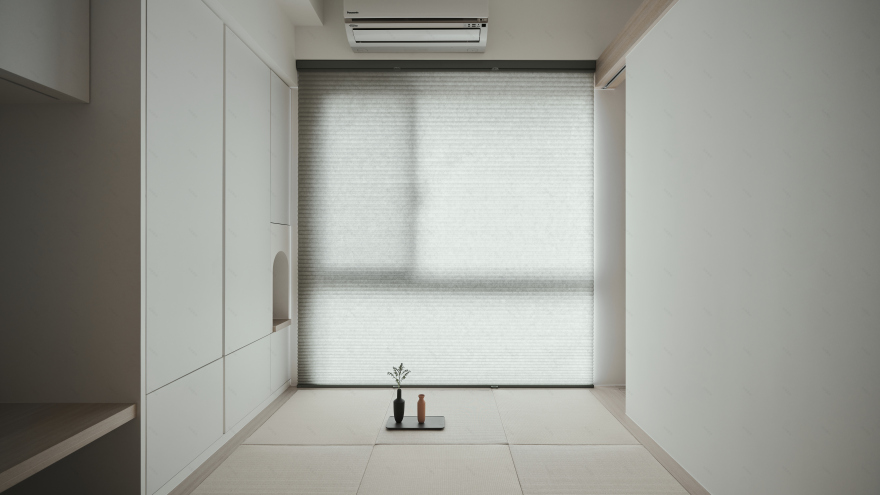
由於該基地位於公寓大廈的二樓,自然光為單面窗戶進光,
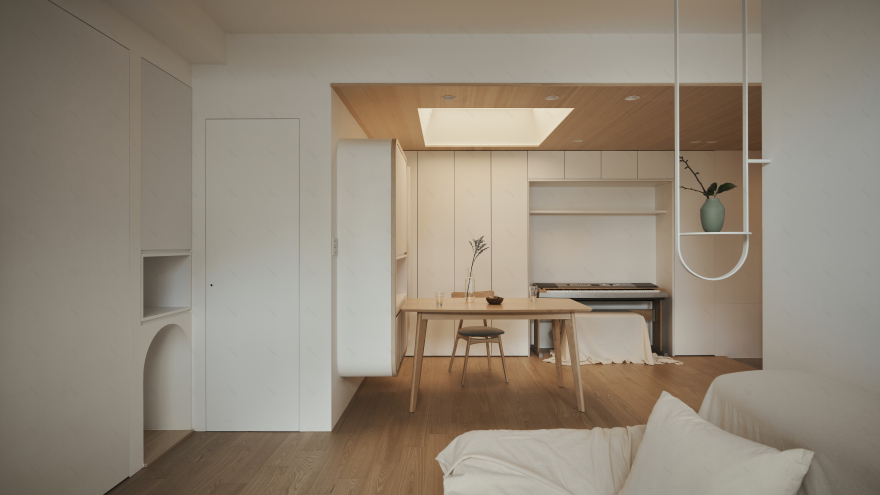
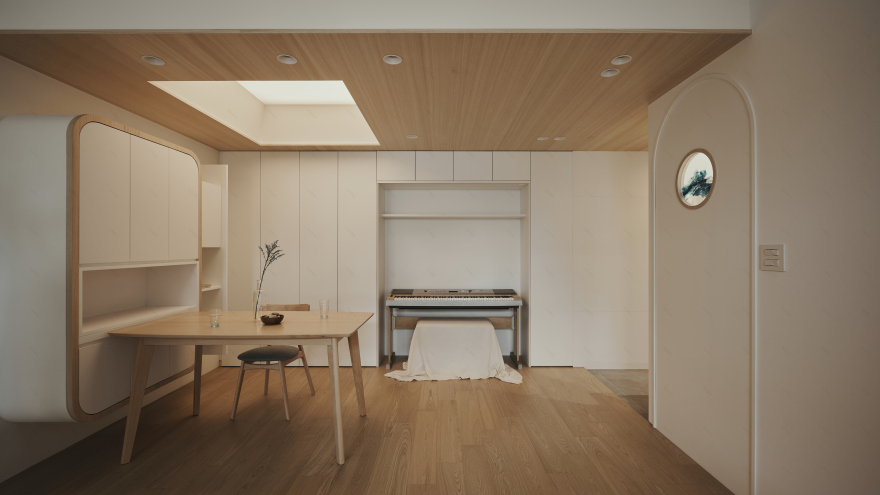
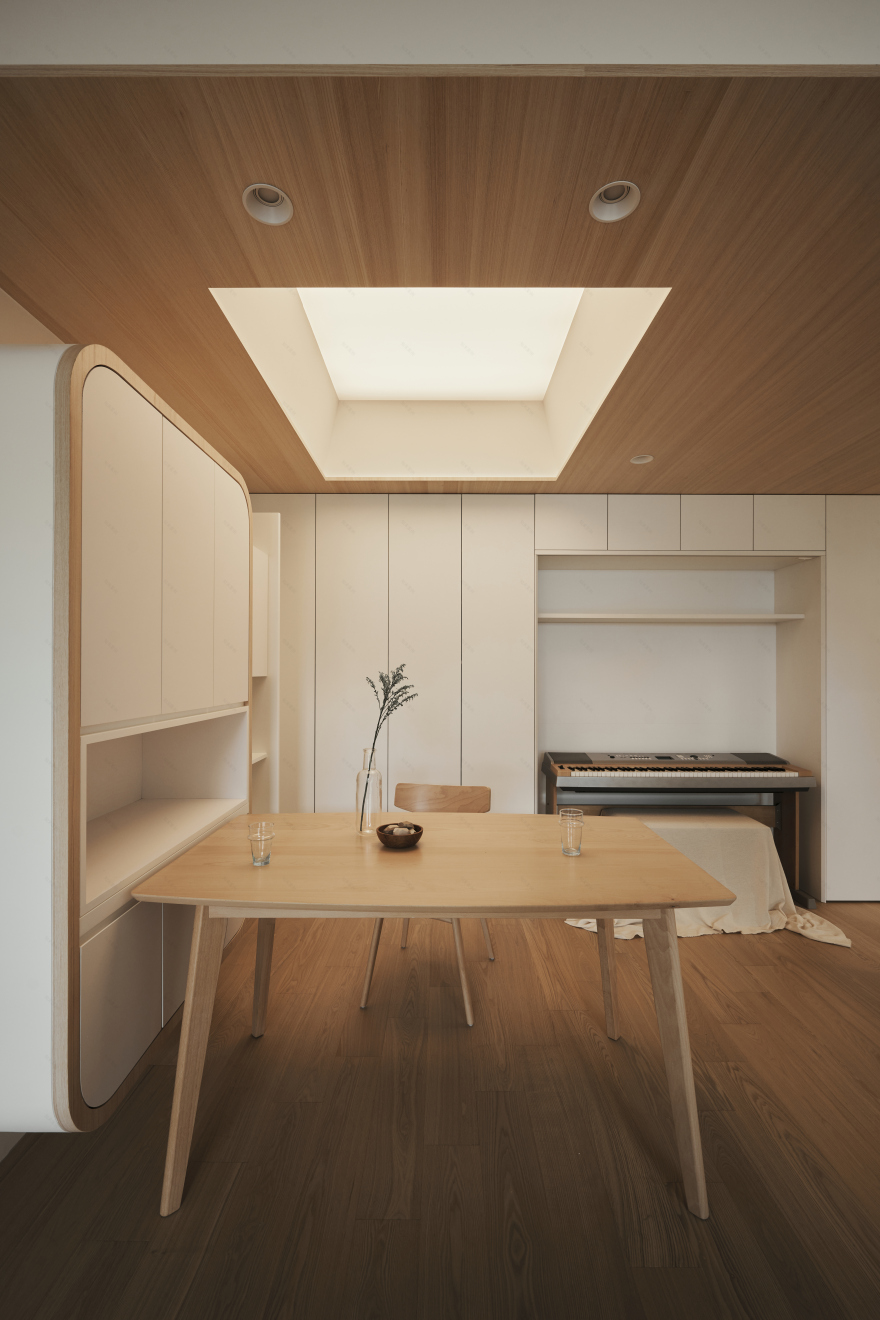
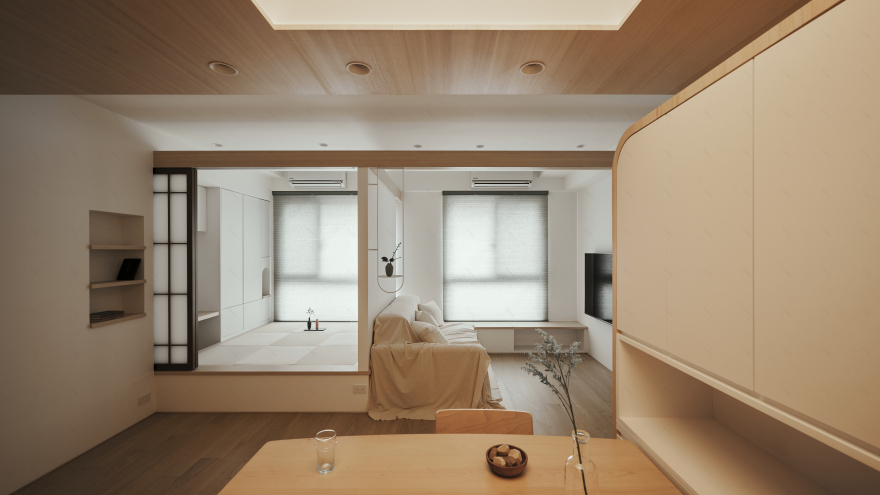
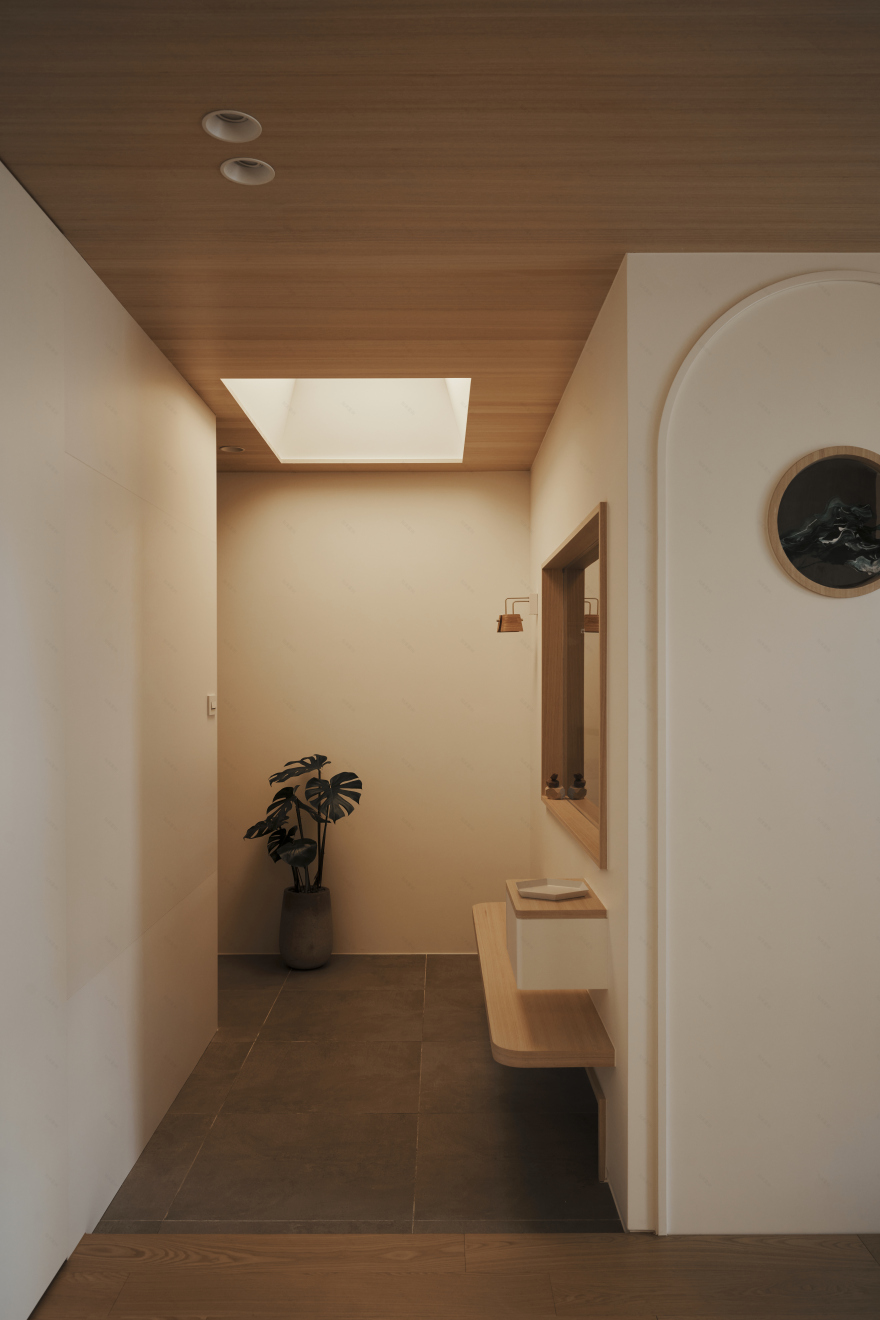
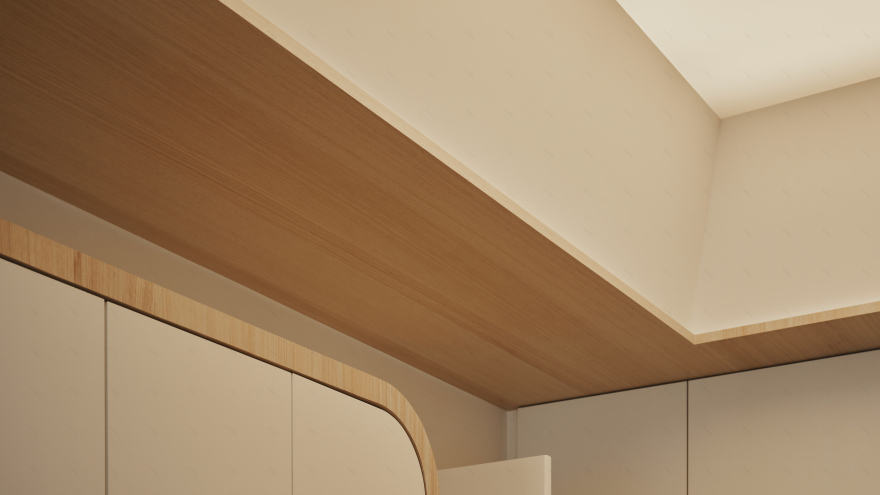
首先在相對較暗的玄關與餐廳,製造出天花板的高低落差,
且利用木皮與白色漆面的視覺差距,加上可調色溫及色光強弱的LED燈帶,
依時間模擬出上方的自然天光,為身處大廈二樓的住宅新增一面自然光帶。
(二)
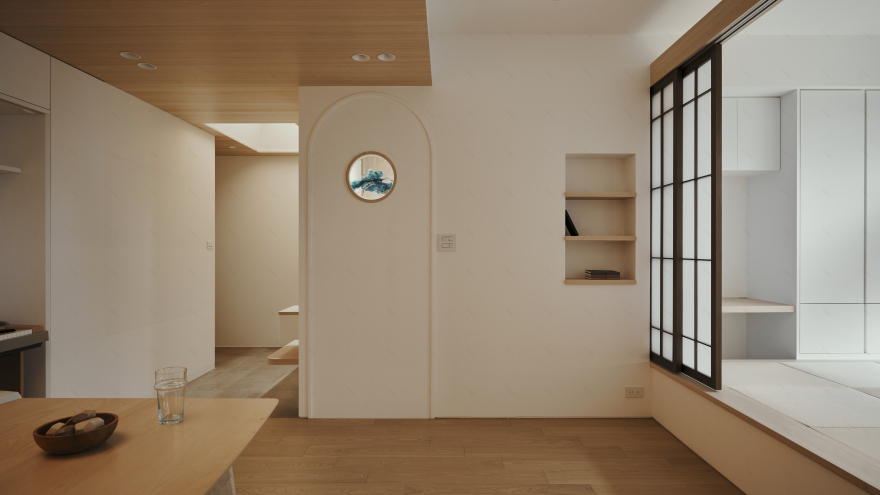
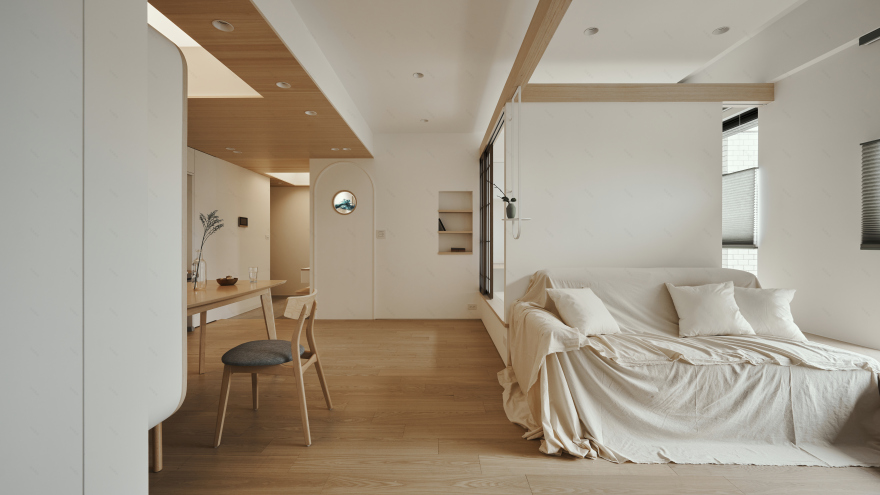
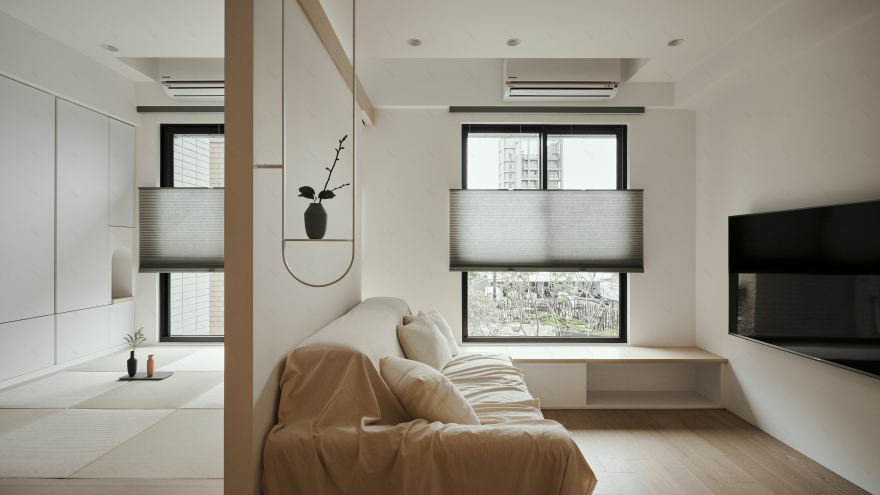
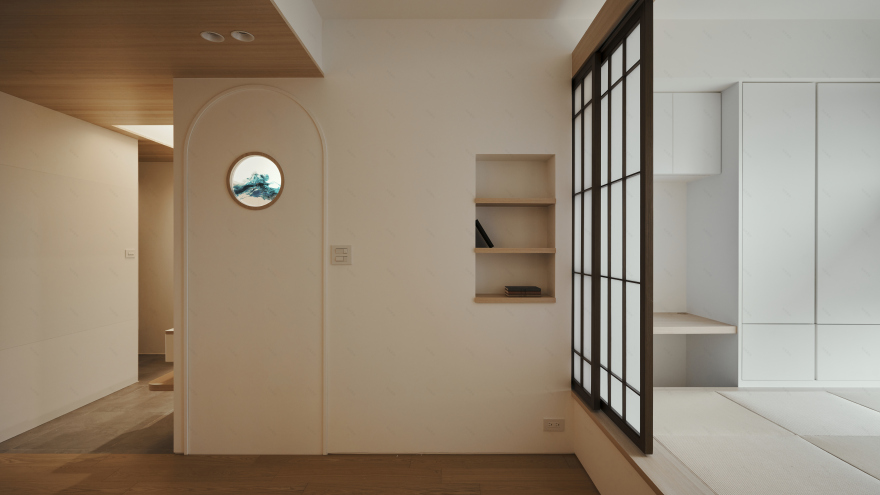
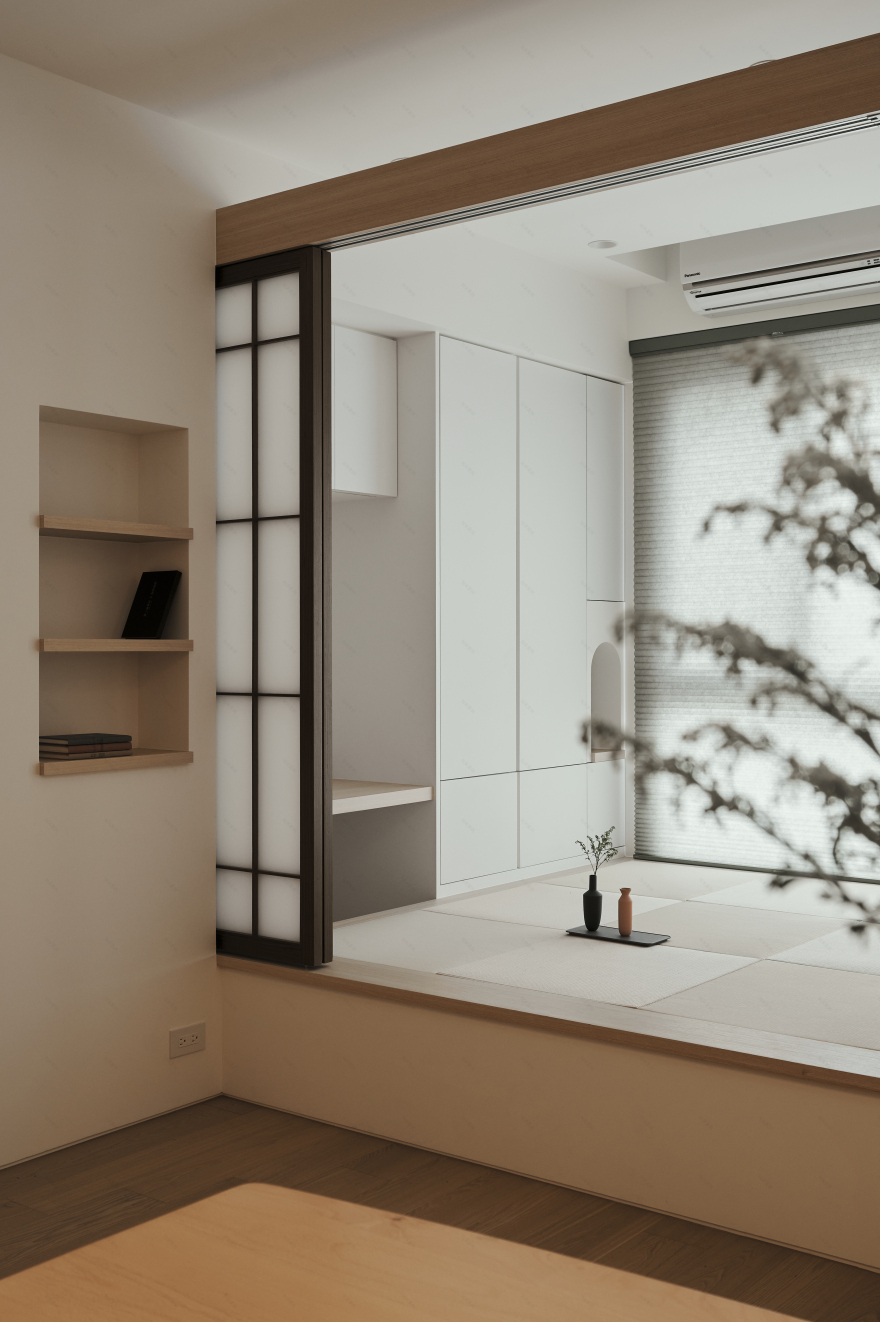
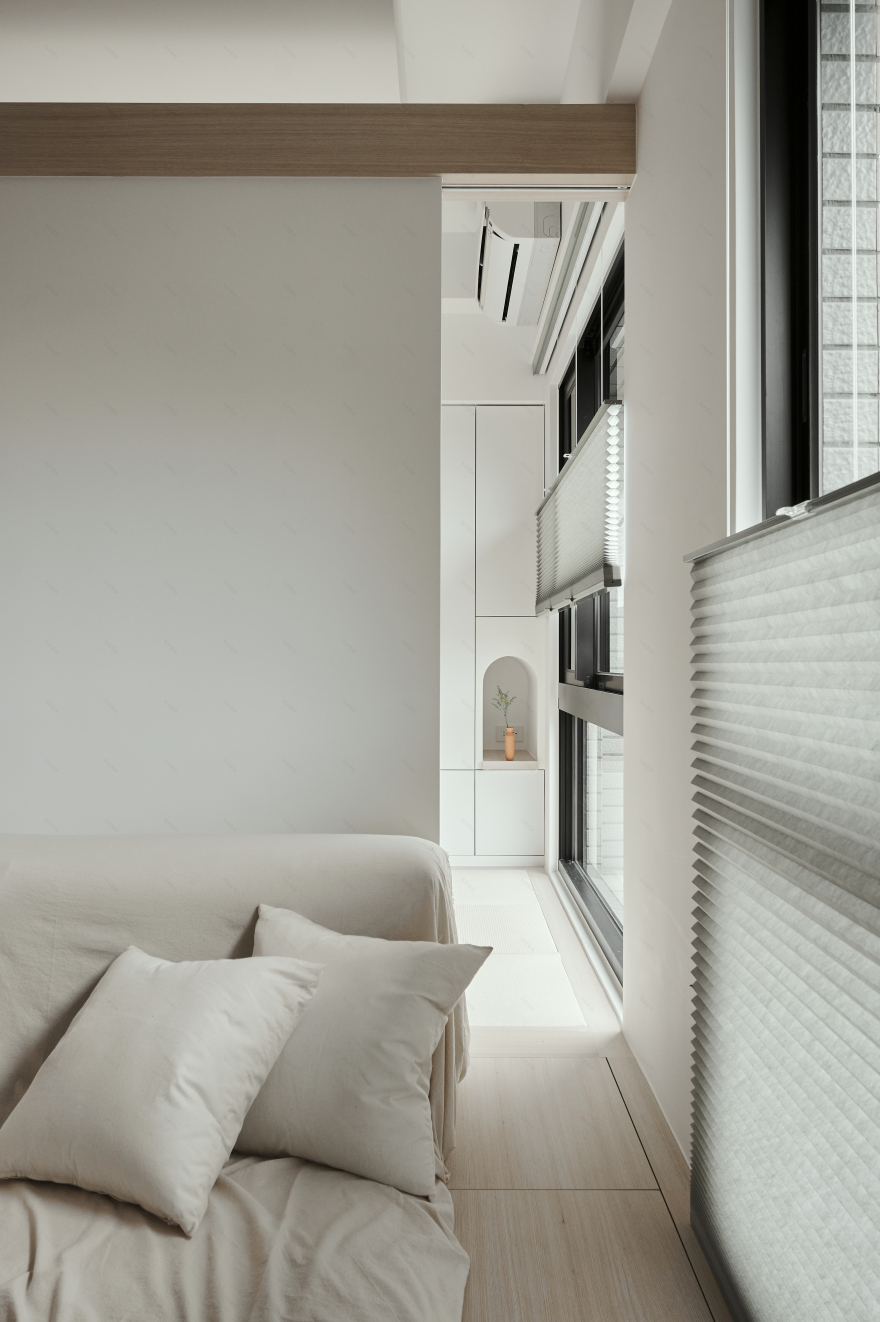
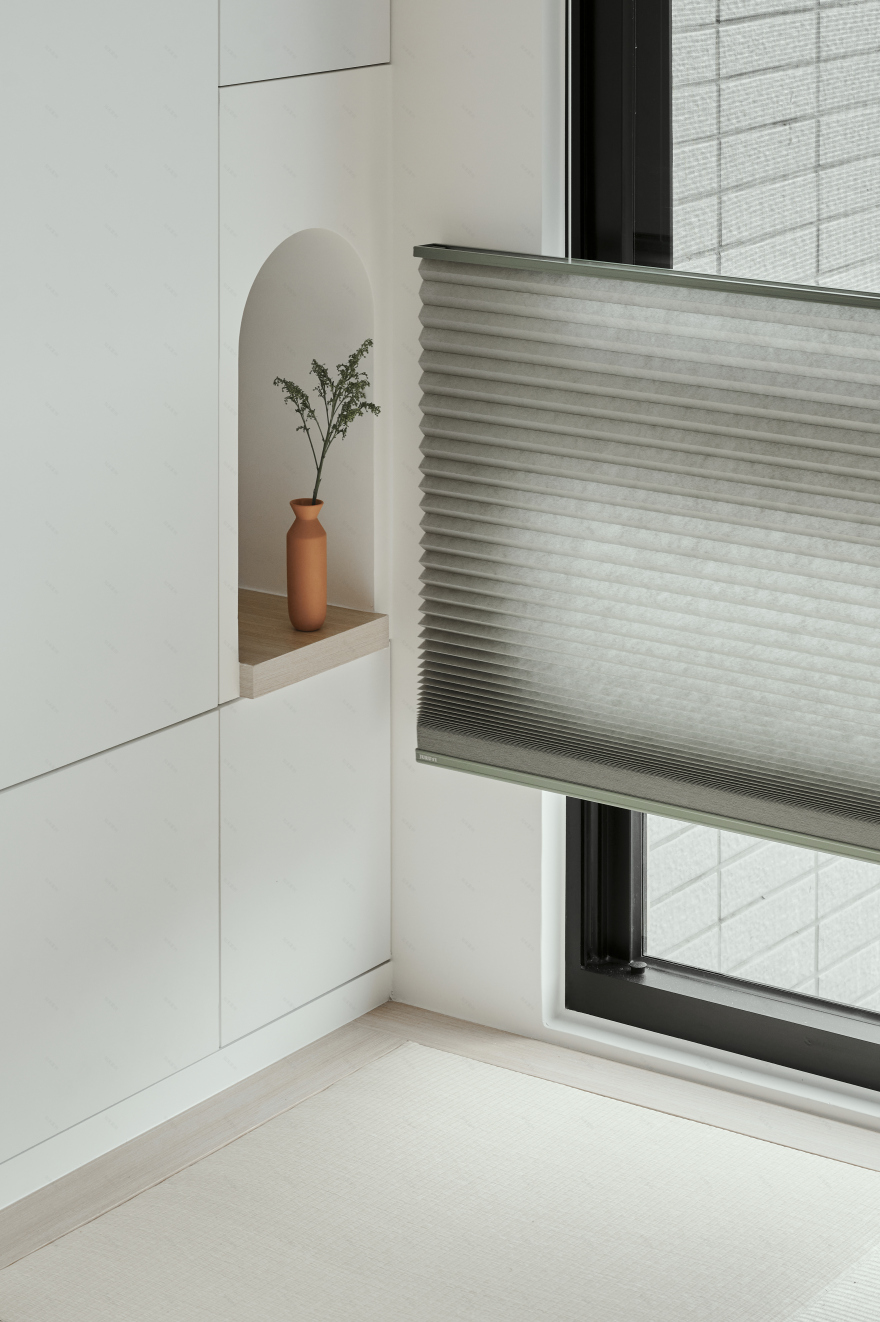
將受到浪漫主義影響的西洋拱型融入設計重點,並利用拱門形式營造大正時期洋樓立面,並以相對應的鐵件堆疊畫面,貫徹圓拱之型,以壁龕形式與木作結構整合,創造出和洋折衷的大正時期日式建築樣貌。
(三)
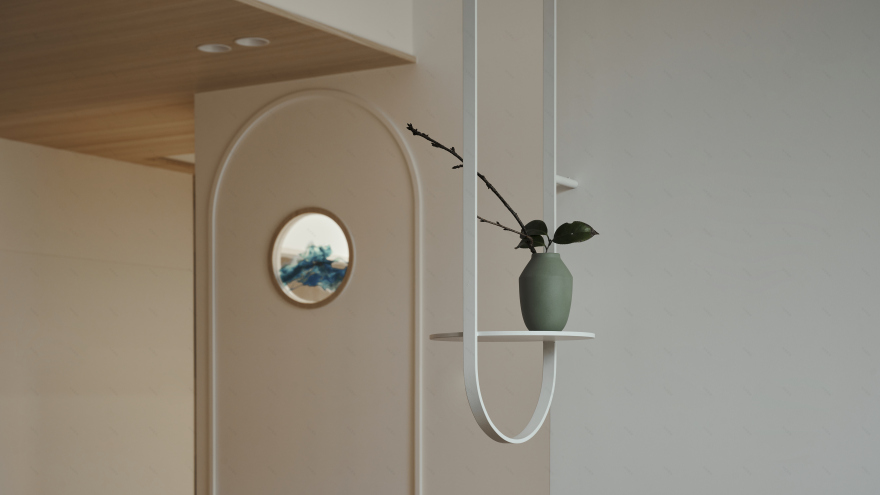
藝術玻璃為大正時期受到浪漫主義影響之重要西洋元素,
但藝術玻璃對於現代空間創造上,風格過於突兀,
並不特別適合住宅空間,於是與塑料藝術家異界結合,
將現代塑料藝術整合至空間中點綴,完成大正時期風格的最後一塊拼圖。
總結:
歷史文化與設計思考上是相輔相成的,
藉由現代手法重新演繹充滿情感的歷史風格,
並解決現有住宅劣勢,為業主創造充滿思想與舒適生活為室內設計師的職業核心。
因為了解,所以喜歡,從分析上了解業主喜好,
藉由邏輯思想與整合,教育業主文化,使他了解自己的愛好與住所,
不只是完成一個居住空間,也能使業主成為文化的共同傳遞者。
The Taisho era in Japan inherited the western atmosphere of the previous era, Meiji, which European Romanticism also influenced in the 19th century. The Japanese and western eclectic represents the style of this period.
The core of this design is to reproduce the Taisho style with modern techniques, grasping the key points of the spatial atmosphere of the era:
(1) In response to the influence of western-style, the intense sunlight was brought by the elevation of the building.
(2) The western arch is combined with the Japanese room and roof beam structure.
(3) The form of art glass.
Method:
(1)
Since the site is located on the second floor of a 15-story apartment building, natural light can only enter through the windows on one side. In the relatively dark entrance and dining room, the height difference of the ceiling is formed. A simulated natural skylight from above is created using the visual gap between solid wood skin and white painting, plus LED light strips with adjustable color temperature and color intensity.
(2)
The arch form is applied to create the facade of the Taisho period western building. The corresponding iron pieces are stacked in the picture to implement the round arch shape and integrate with the wooden structure in the form of niches, creating an eclectic Japanese-style architecture of the Taisho period.
(3)
Art glass is an essential western element influenced by romanticism. However, the style of art glass is too abrupt for the creation of modern space. We found resin artists to cooperate with. We integrated contemporary resin art into the space and completed the final piece of the Taisho-style puzzle.
Summarize:
History, culture, and design thinking are complementary. Re-interpretation of historical style full of emotion through modern methods, solving the existing residential problems creating a life full of ideas and comfortable life for the owners is the core of the interior designer's career.
Understanding the owner's preferences through logical thinking and integration, educating the owner's culture, and making him know his hobbies and residence, completes a living space and enables the owner to become a co-transmitter of culture.
Taishō ∥ Interior design
Design ∥ 墨生設計研究室 Bokusai-sei design lab.
Resin Art ∥ agape
Location ∥ Taoyuan, Taiwan
南京喵熊网络科技有限公司 苏ICP备18050492号-4知末 © 2018—2020 . All photos and trademark graphics are copyrighted by their owners.增值电信业务经营许可证(ICP)苏B2-20201444 苏公网安备 32011302321234号
苏公网安备 32011302321234号客服
消息
收藏
下载
最近