

创作上传
VIP
收藏下载
登录 | 注册有礼
查看完整案例

收藏

下载

分享

翻译


A Grade-II Listed Late-Georgian terrace in Islington, North London. Years of neglect, a warren of small dark rooms, and a layout that had long stopped working. In the hands of London architecture and interior design practice Studio Hagen Hall, it became Heion House—a quietly extraordinary home shaped by Modernist discipline and Japanese spatial philosophy, and named for the Japanese word for tranquillity (平穏).
When the practice first encountered it, the 110-square-metre property was a study in unrealised potential. The clients, a couple with a growing collection of Japanese and self-made ceramics, came to Studio Hagen Hall with a vision for a forever home for two, built around their artistic pursuits and the cultural sensibility they’d developed living and working in Japan.


The studio’s response was characteristically direct—strip the house back before building it forward. Rather than extending beyond the original footprint, they preserved and enhanced the outdoor space, reconfiguring the entire internal layout in the process. The primary bedroom moved from the first floor to upper-ground level; the main living space—now dubbed the ‘salon’—claimed the top floor to capture southern light and treetop views over the garden square. The historic outrigger was partially rebuilt, its floor lowered to create a sunken dining room that places guests at garden level, framed by new openings and bench seating that give the impression of dining among the foliage.
The Japanese references are structural, rather than decorative. Visitors arrive at a Genkan (玄関)—a traditional entryway step for removing shoes—where slippers await. Moveable textured glass panels, evoking Shoji (障子) screens, filter light between the snug and kitchen. A Tokonoma (床の間) recessed niche on the lower ground floor provides a dedicated space for displaying the clients’ ceramics and artwork. These aren’t superficial references; they’re structural to how the home breathes and moves.


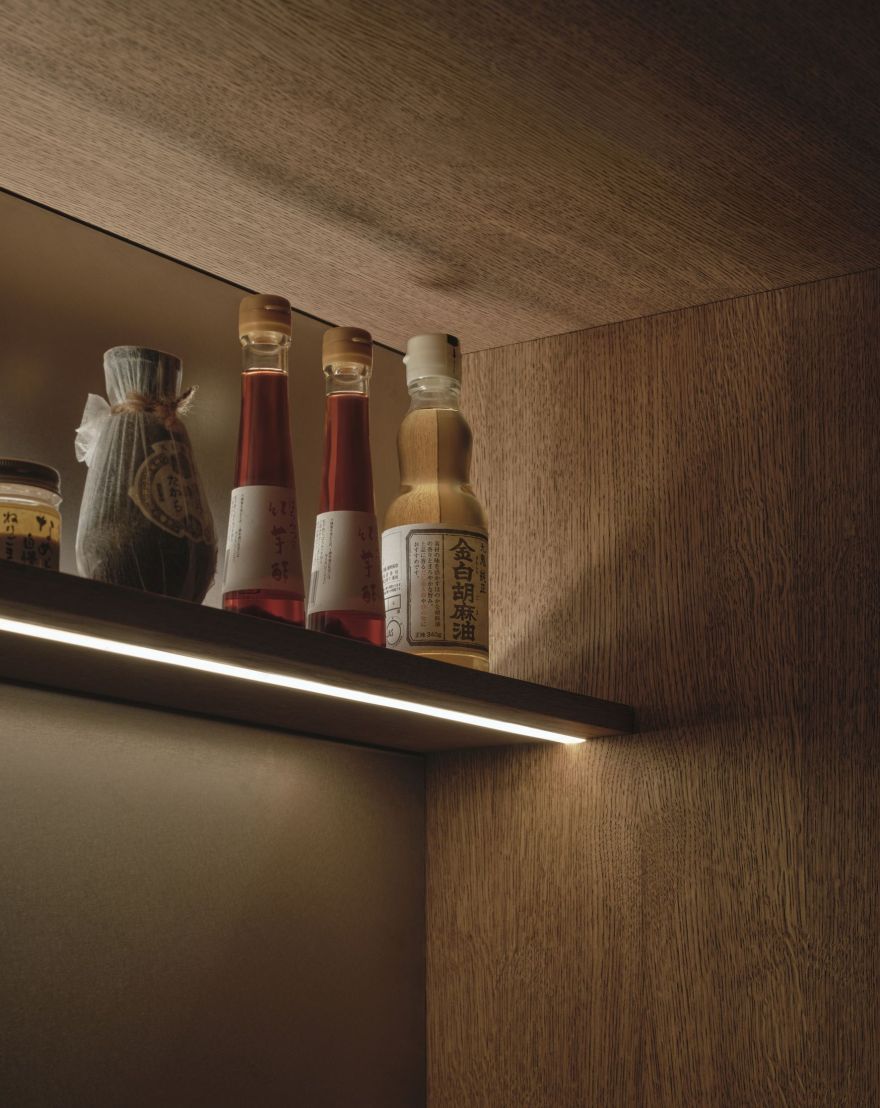
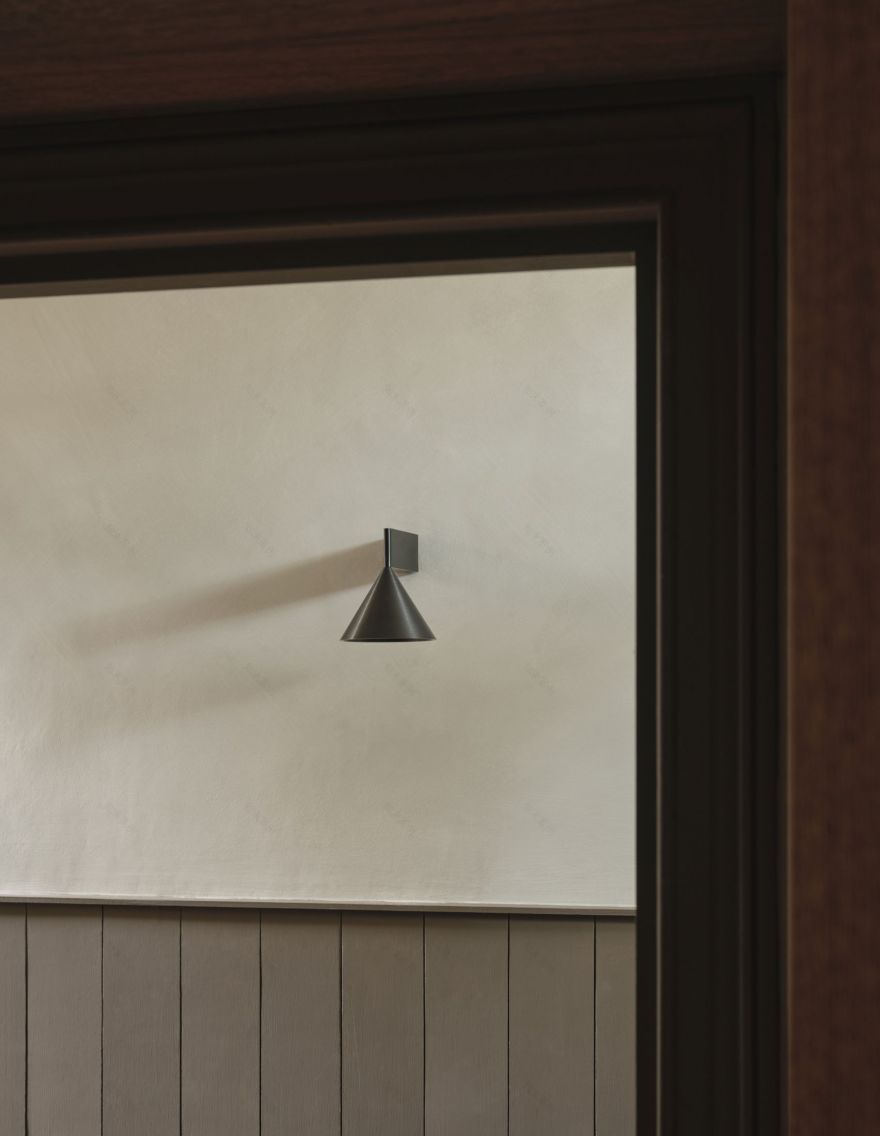
The material palette is singular and restrained: smoked oak joinery fabricated by long-time collaborators TG + Co., microcement, unlacquered brass, and white mosaic tile. Original Georgian details—skirting boards, architraves, a previously buried fireplace—were lightly treated rather than fully restored, acknowledging the different design eras rather than erasing them. And though the timber and glass joinery interventions feel permanent, they’re designed to be entirely removable, leaving the historic fabric untouched beneath.
As director Louis Hagen Hall puts it: “Heion House is guided by a belief that heritage and modernity can coexist without compromise. By carefully repairing the Late-Georgian fabric and introducing new joinery interventions, we’ve created a home that is still considerate of its past, but also now communicates a contemporary language; one of craft and atmosphere.”
Heion (平穏) is Japanese for tranquillity. This is a house that earns its name.
[Images courtesy of Studio Hagen Hall. Joinery: Studio Hagen Hall with TG + Co. Structural Engineer: Conisbee. Main Contractor: DMT Builders. Photography: Felix Speller.]






南京喵熊网络科技有限公司 苏ICP备18050492号-4知末 © 2018—2020 . All photos and trademark graphics are copyrighted by their owners.增值电信业务经营许可证(ICP)苏B2-20201444 苏公网安备 32011302321234号
苏公网安备 32011302321234号客服
消息
收藏
下载
最近