

创作上传
VIP
收藏下载
登录 | 注册有礼
查看完整案例

收藏

下载

分享

翻译

The project in Kaliningrad continues ZLT’s collaboration with the State Tretyakov Gallery. Previously, we implemented navigation solutions for the new building on Kadashovskaya Embankment, the Engineering Building in Lavrushinsky Lane, and the redevelopment of the New Tretyakov Gallery on Krymsky Val.
Each new facility requires an individual approach—in Kaliningrad, the task was to integrate navigation into the unique architectural and urban context.


ㅤ


The project, conceived by the Meganom architectural bureau, serves as a modern cultural space where the building itself acts as a neutral container for art. The ground floor integrates into the urban fabric, forming an open and active public space. The exhibition halls are elevated above this level, creating a secluded environment for contemplation and perception of art.
ㅤ


ㅤ


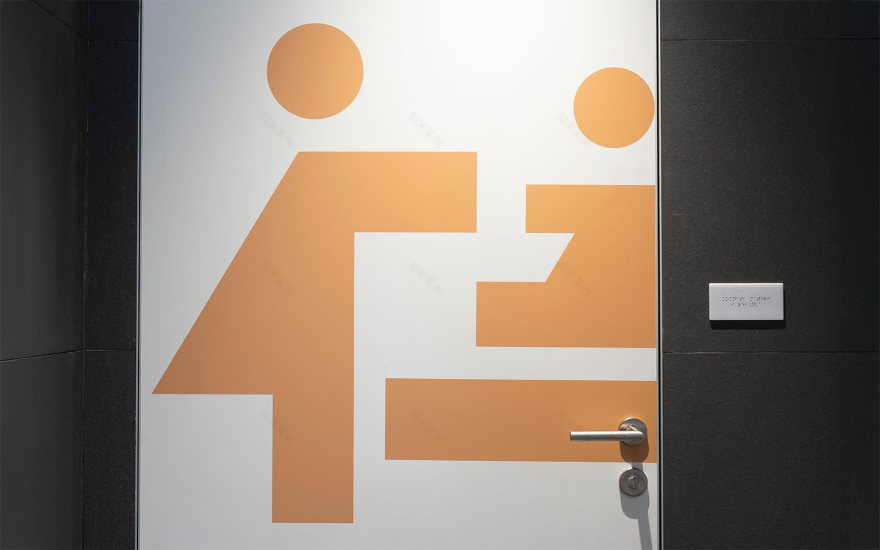
The navigation system has become a bridge between these two worlds—the dynamic and urbanistic lower level and the calm, minimalist upper level. It addresses several tasks at once: it helps visitors navigate the multifunctional space freely and confidently, supports the architectural logic without competing with it, and reveals the author’s intent behind the project.


ㅤ


On the first floor, the entrance groups, a dominant feature in the form of an amphitheater staircase, museum shop, café, rest areas, and event platforms are concentrated. Here, navigation is handled in a more “street-style,” visually distinctive manner—it fearlessly embraces contrast and presence, focusing on quick orientation and openness.


ㅤ

The second floor includes eight exhibition halls housing permanent and temporary displays. Navigation on the second floor is executed in a more minimalist and restrained style—it supports the aesthetics of the white halls, seamlessly integrates into the architecture, and avoids distracting from the exhibits.For areas related to research and educational activities—workshops, lecture halls, libraries—illustrated materials were developed. They enhance the creative atmosphere of these spaces, making the routes vibrant and intuitive for young visitors, students, teachers, and program participants.


ㅤ


ㅤ


The visual navigation system is based on the Tretyakov Gallery’s brand color palette, but it employs bolder graphic techniques and typography adapted to the space’s character and urban context. This approach allowed for preserving brand continuity while giving the system the necessary autonomy.
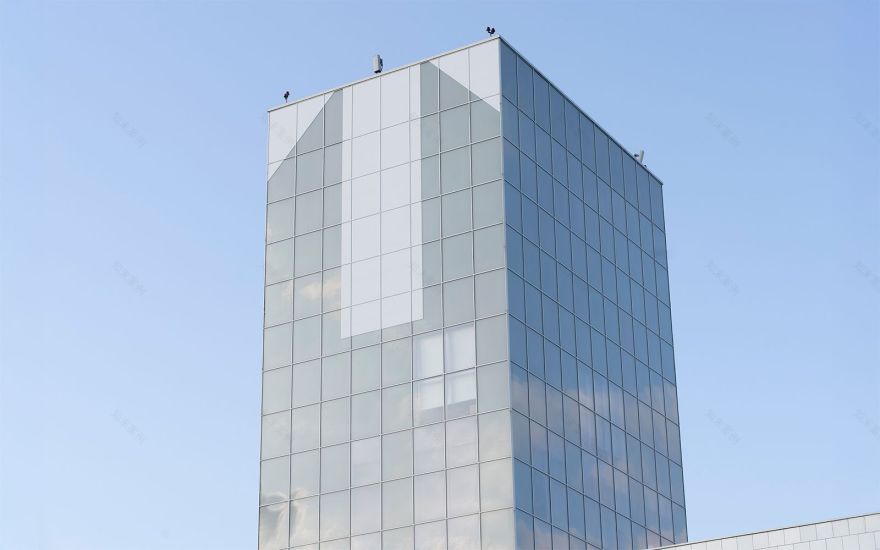
The finishing touch was the letter “T” on the building’s facade—it marked the opening of the branch and quickly became a new visual dominant in Kaliningrad’s center. This restrained yet expressive sign has already gained popularity among residents and visitors, turning into one of the most photographed elements of the facade.The Tretyakov Gallery branch in Kaliningrad is an example of how architecture, navigation, and visual identity work together to create a cohesive and multilayered experience. We are delighted to be part of this important project.We thank the branch team and personally Kamila Baidildina, Director of the Kaliningrad Branch of the Tretyakov Gallery, for the prompt and seamless collaboration.
–––––––––––––––––––––––––––––––––––––––––
Credits:Art Directior: Marina SlobodyaninaLead Designer: Elena GeyMap Designer: Alexander Pivovarov
Icon Design: Marina NovikovaIllustrator: Elena Zolotareva
Analytics Directior: Ekaterina Moskaleva
Analytics: Amerkhanov Timur, Arina Likhacheva
Project Manager: Galina Ekimova, Anastasiya Mikhaleva, Valeria GochСase Presentation: Alisa Kharas
ZLT group, 2025
南京喵熊网络科技有限公司 苏ICP备18050492号-4知末 © 2018—2020 . All photos and trademark graphics are copyrighted by their owners.增值电信业务经营许可证(ICP)苏B2-20201444 苏公网安备 32011302321234号
苏公网安备 32011302321234号客服
消息
收藏
下载
最近