

创作上传
VIP
收藏下载
登录 | 注册有礼
查看完整案例

收藏

下载

分享
1、乡村校园与“开放性建筑”
Rural Campus and “Open Architecture”
为配合“三星(中国)半导体社会公益项目”,垣建筑工作室自2020年起在秦岭脚下的三所乡村中学设计建成了三座图书馆。2021年落成的“终南书阁”聚焦校园环境更新,激活场所活力。2023年建成的“秦风书阁”探索建筑与校园内外的互动,打造面向村民的“共享空间”。
To support the “Samsung (China) Semiconductor Social Public Welfare Project,” Yuan Architectural Studio has designed and built three libraries in three rural middle schools at the foot of the Qinling Mountains since 2020. The “Zhongnan Book Pavilion” completed in 2021 focused on campus environment renewal, activating site vitality. The “Qinfeng Book Pavilion” built in 2023 explored the interaction between architecture and its surroundings, creating a “shared space” for villagers.
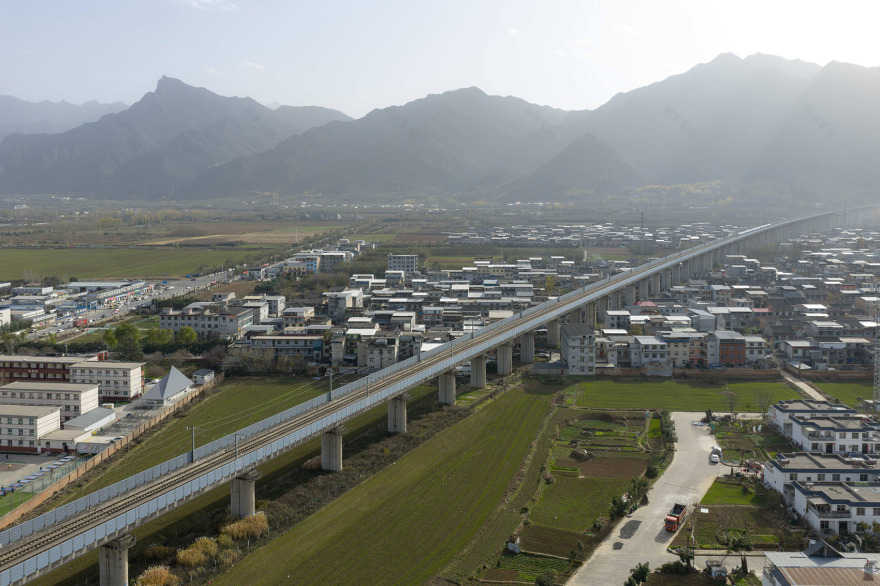
▼轻盈并融入环境的坡顶,A lightweight, sloped roof that blends into the surroundings©孔锦权
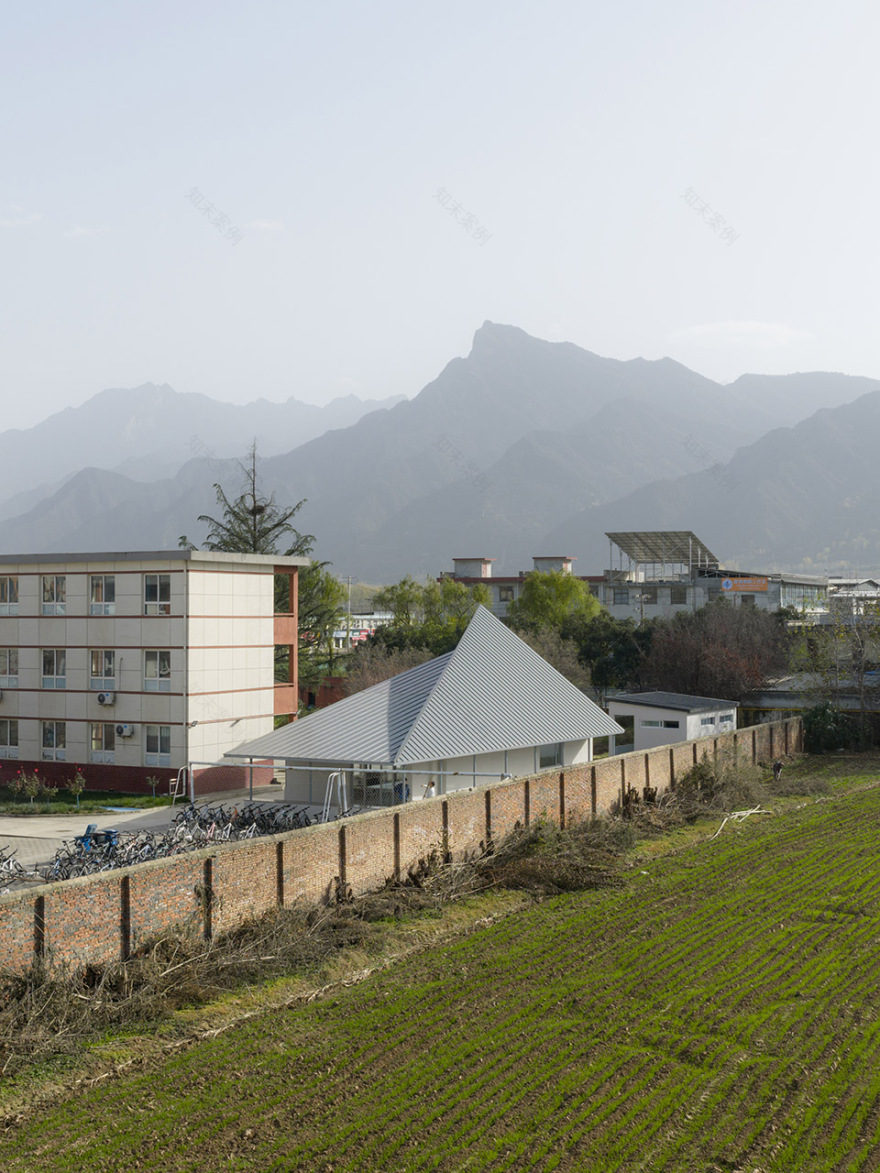
▼圭峰山下的图书馆,The library at the foot of Guifeng Mountain©孔锦权
在实践过程中,我们深刻认识到乡村营建的复杂性,建筑师需精准界定可控范围与开放部分,引导使用者共同定义场所。这一态度不免让我们联想起哈布瑞肯(N.John Habraken)所提出的“开放建筑”(Open Building)理念,它指引我们在图书馆3号的设计中,努力尝试通过简洁有效的支撑体(Support)来最大化空间自由度,满足阅读、学习、开会、休憩等多重需求,同时赋予师生自主定义的可能。
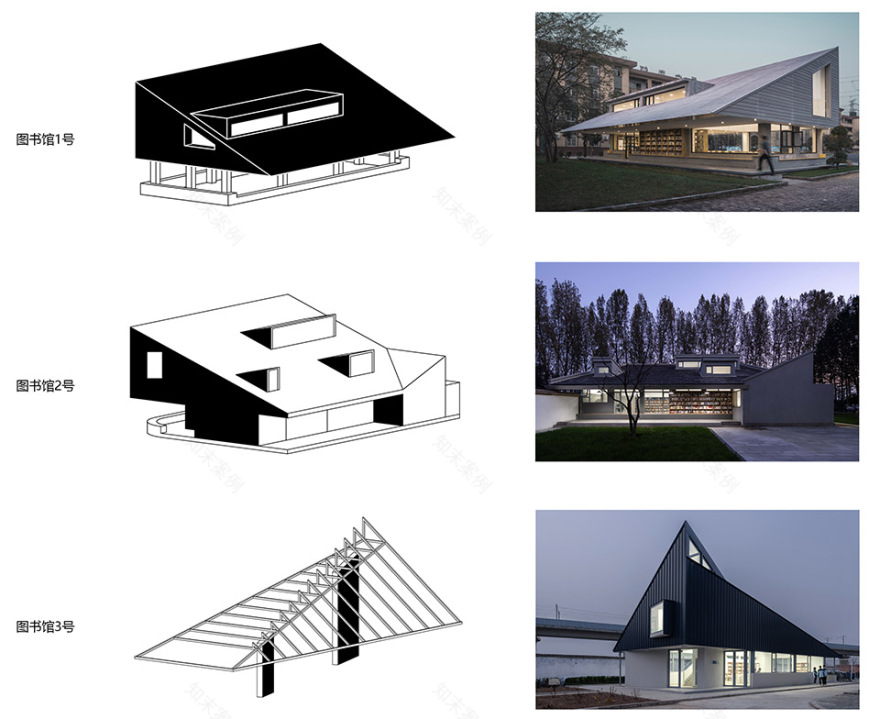
▼已建成的三个图书馆 ,The three completed libraries©垣建筑
During this process, we deeply understood the complexity of rural construction, where architects need to precisely define controllable areas and open parts, guiding users to jointly define the place. This approach inevitably reminds us of N. John Habraken’s “Open Building” concept, which guided our efforts in designing Library No.3. We tried to maximize spatial freedom through simple and effective support structures (Support), meeting multiple needs such as reading, studying, meetings, and rest, while also giving teachers and students the possibility to define their own spaces.
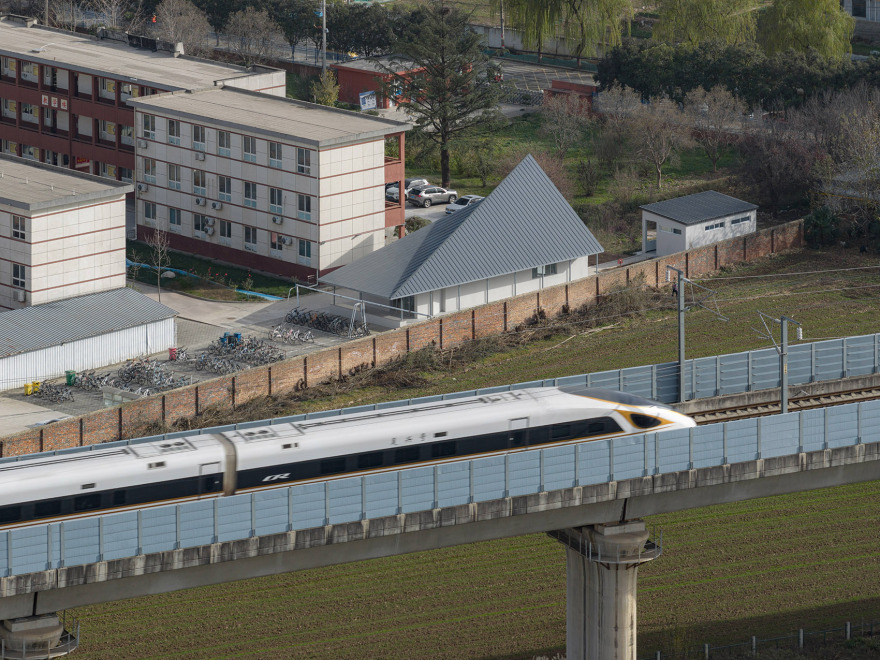
▼西成高铁旁的图书馆,The library next to the Xi’an–Chengdu High-Speed Railway©孔锦权
2、开放的空间构成
Open Spatial Composition
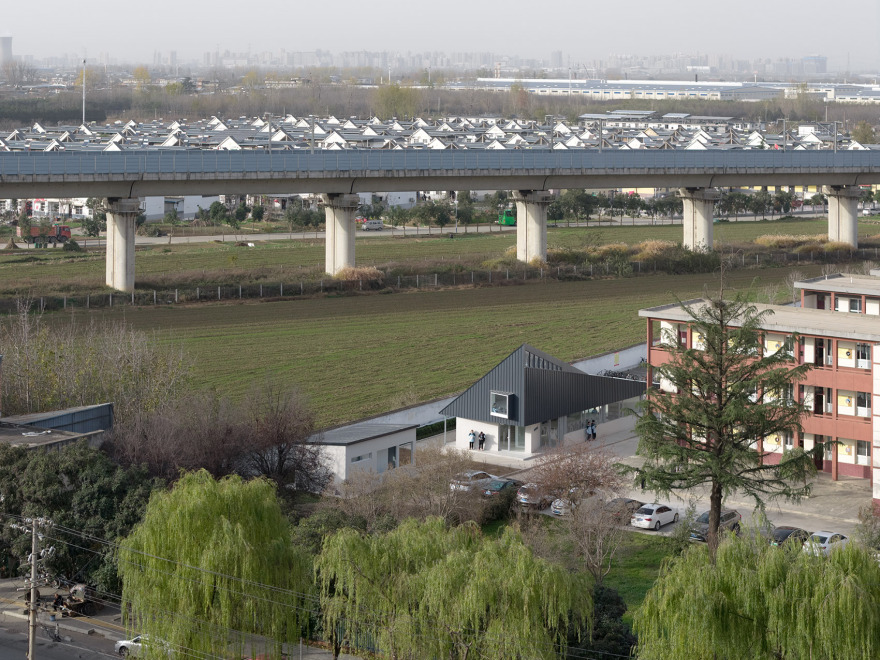
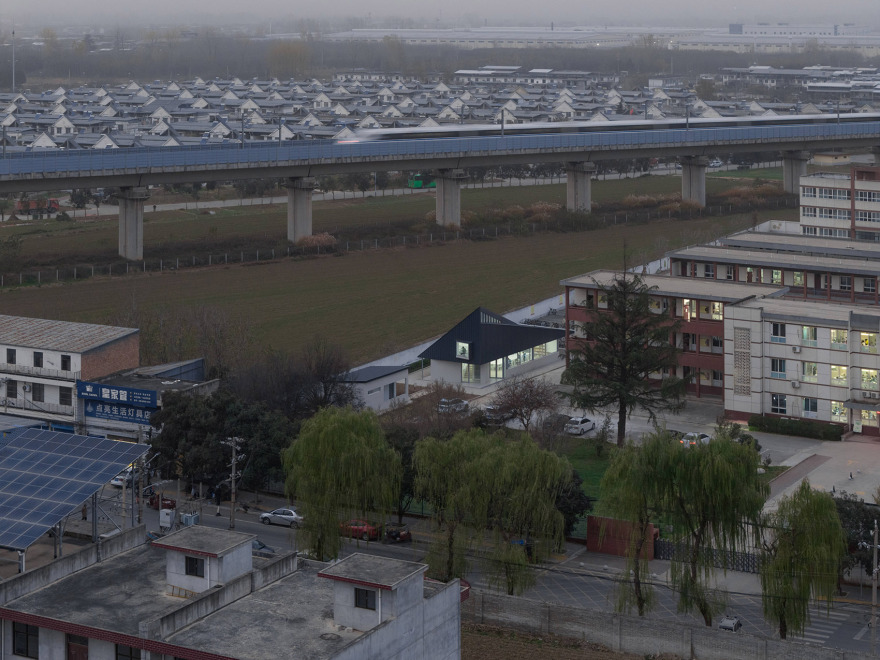
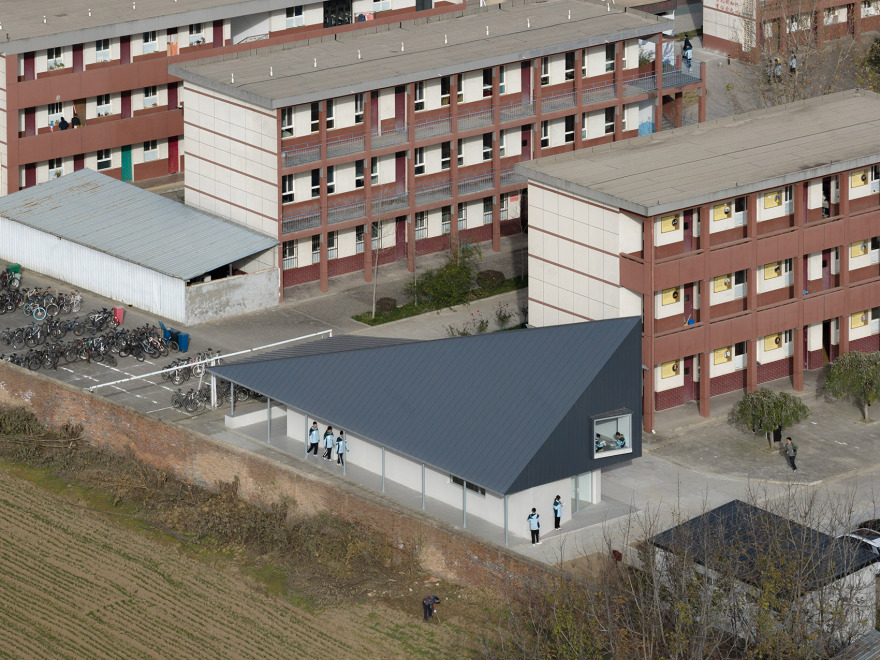
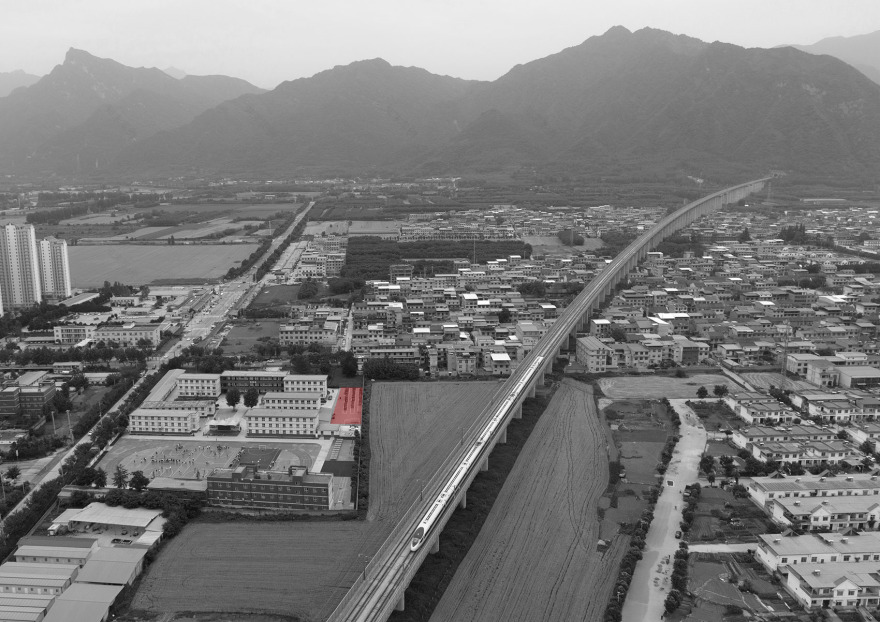
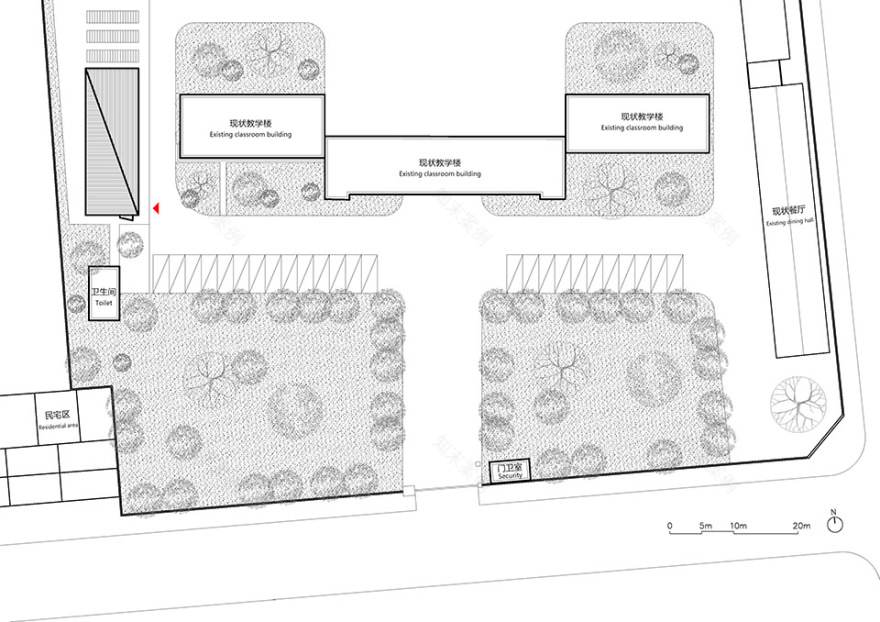
图书馆3号位于西安市鄠邑区“高新第十九初级中学”的西南角(原是自行车停放区),西侧毗邻“西成高铁”(是首条穿越秦岭山脉的高速铁路),南望秦岭山脉,东接教学主楼,北临后勤区。受限于造价与用地,校方与设计团队共同确定了矩形建设范围(21m×7.5m),居中偏南布置,既强化校园主入口形象,又预留出环形外部公共空间。
Library No.3 is located in the southwest corner of “Gaoxin No.19 Junior High School” in Hu County (formerly a bicycle parking area). It adjoins the Xi’an-Chengdu High-Speed Rail to the west (the first high-speed rail crossing the Qinling Mountains), faces the Qinling Mountains to the south, connects to the main teaching building to the east, and borders the logistics area to the north. Due to budget and land use constraints, the school and design team jointly determined a rectangular construction area (21m×7.5m), centrally placed but slightly to the south, reinforcing the image of the main campus entrance while reserving circular external public spaces.
▼图书馆东南鸟瞰,Southeast aerial view of the library©孔锦权
▼图书馆东南鸟瞰夜景,Southeast aerial night view of the library©孔锦权
▼图书馆西南鸟瞰,Southwest aerial view of the library©孔锦权
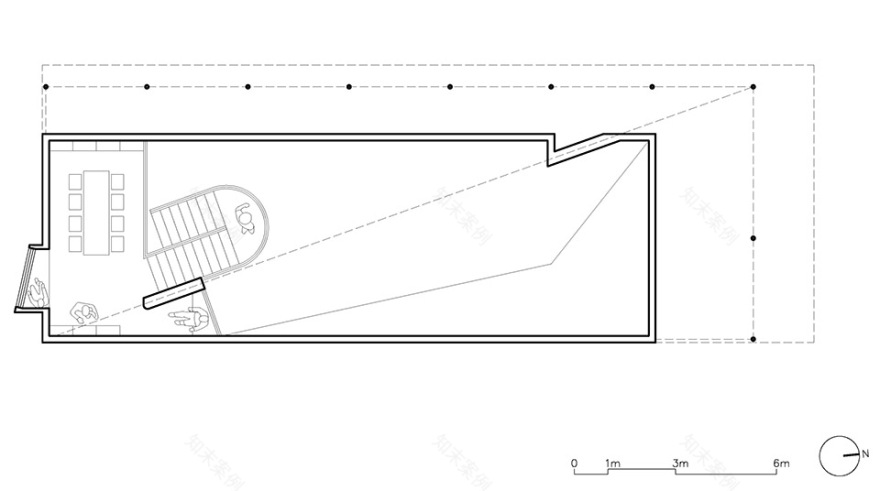
基于乡村中学需兼顾大型集体活动与静谧阅读空间的经验,本馆延续了“一层大空间+二层局部小空间”的构成关系,将小空间置于南侧以兼顾景观与采光;大空间通过顶部漫反射光营造阅读品质,同时塑造精神氛围。空间围合处通过“灰空间”与“透明界面”调和内外关系,并借四季之手馈赠给师生鸟鸣、雨水、落叶和温馨的普通日常。
▼剖透视效果图,Sectional Perspective Rendering©垣建筑设计工作室
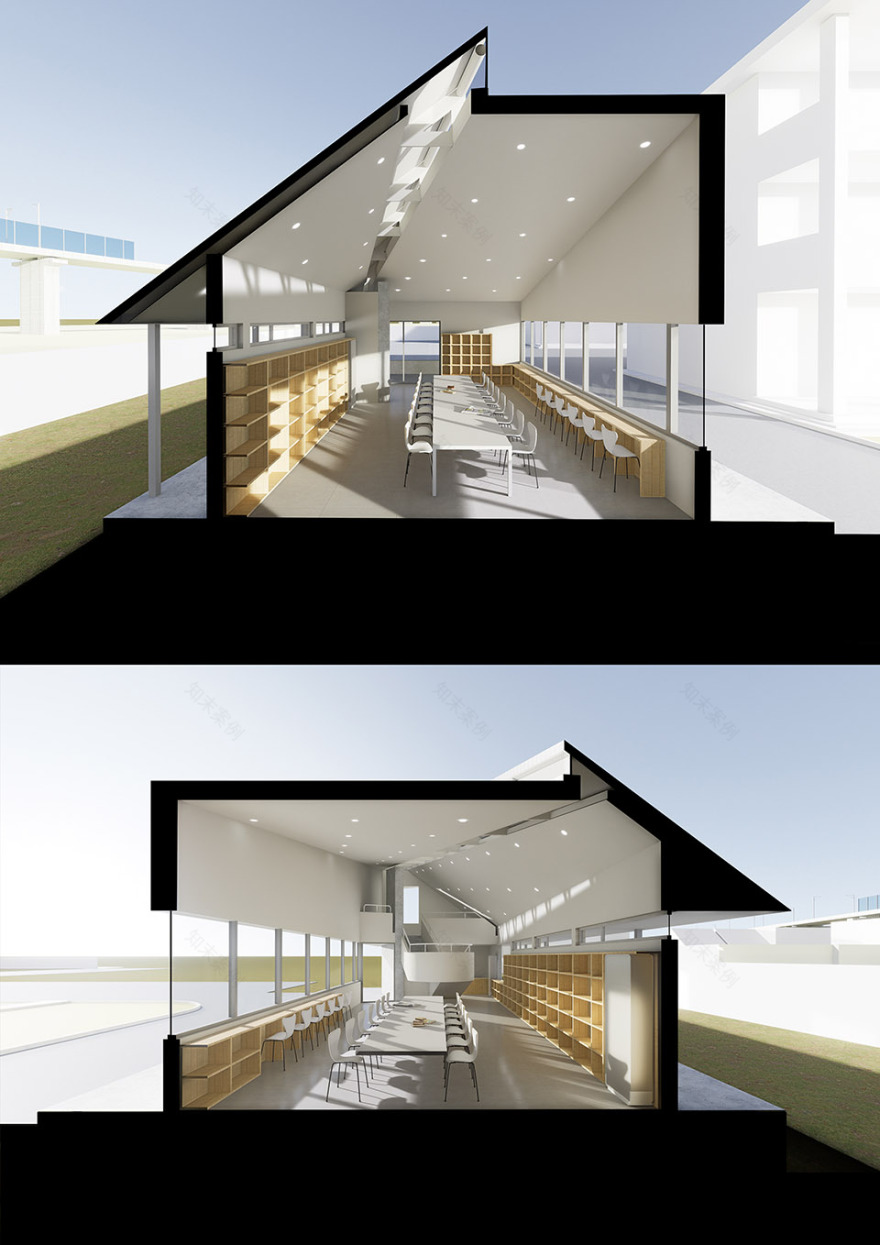
Based on the experience of balancing large group activities with quiet reading spaces in rural middle schools, this library continues the composition of “large ground floor space + smaller second-floor spaces.” Smaller spaces are placed on the south side to optimize views and lighting; large spaces use diffused top lighting to create a quality reading atmosphere and shape a spiritual ambiance. Transitional spaces mediate the relationship between interior and exterior, offering birdsong, rain, fallen leaves, and warm everyday scenes to teachers and students.
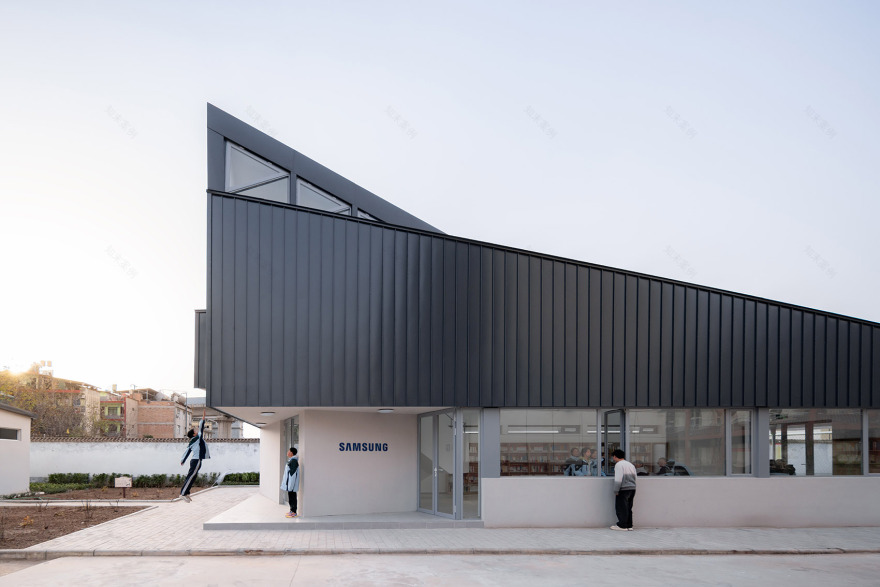
▼图书馆东立面,East Elevation of the Library©孔锦权
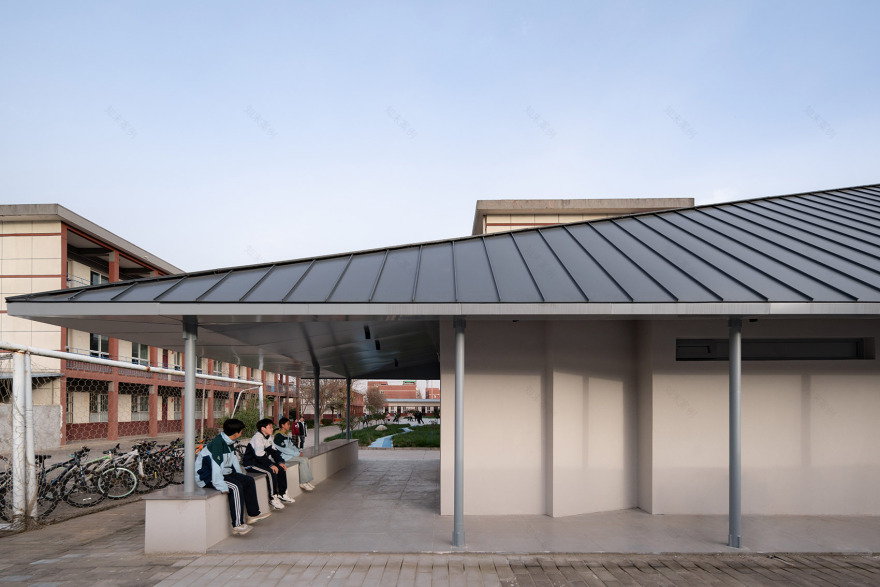
▼北侧檐廊联通校园公共空间,The north-side eaves corridor connects to the campus public space©孔锦权
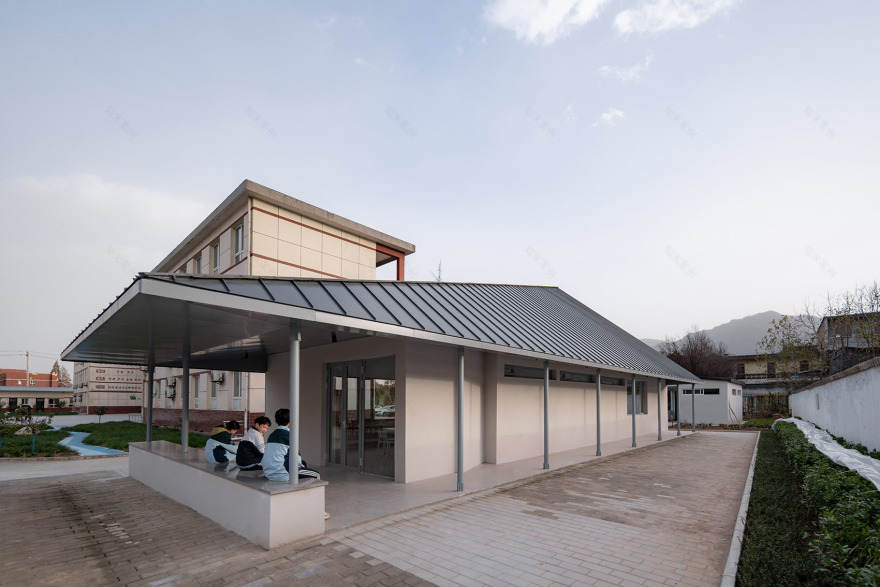
▼西侧环通的檐廊空间,The west-side circumferential eaves corridor space©孔锦权
3、自重下的再平衡
Rebalancing Under Self-Weight
空间构成确定后,我们首先回到“支撑体”的讨论,核心是减少竖向构件,尽可能释放空间给师生。
After determining the spatial composition, we focused on reducing vertical structural elements to free up more space for teachers and students.
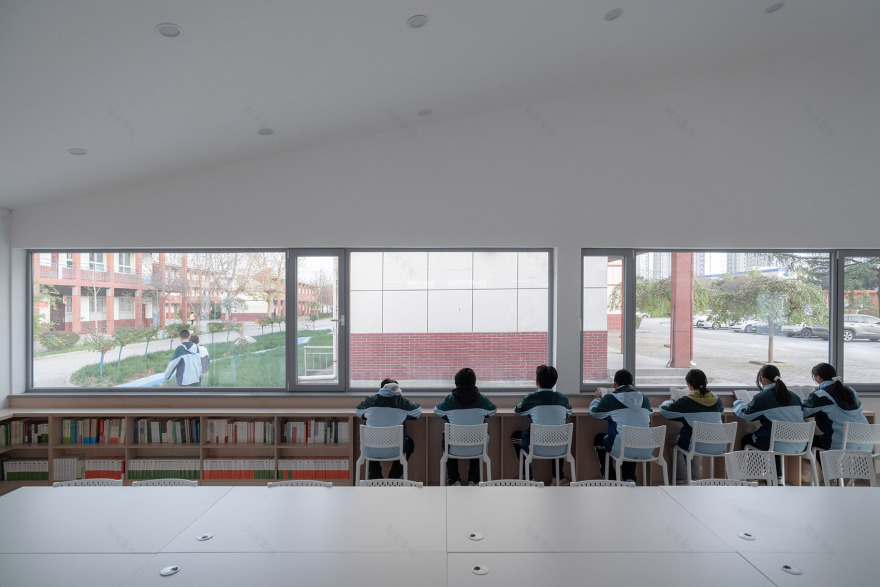
▼与校园融通的内部空间, Interior spaces integrated with the campus©孔锦权
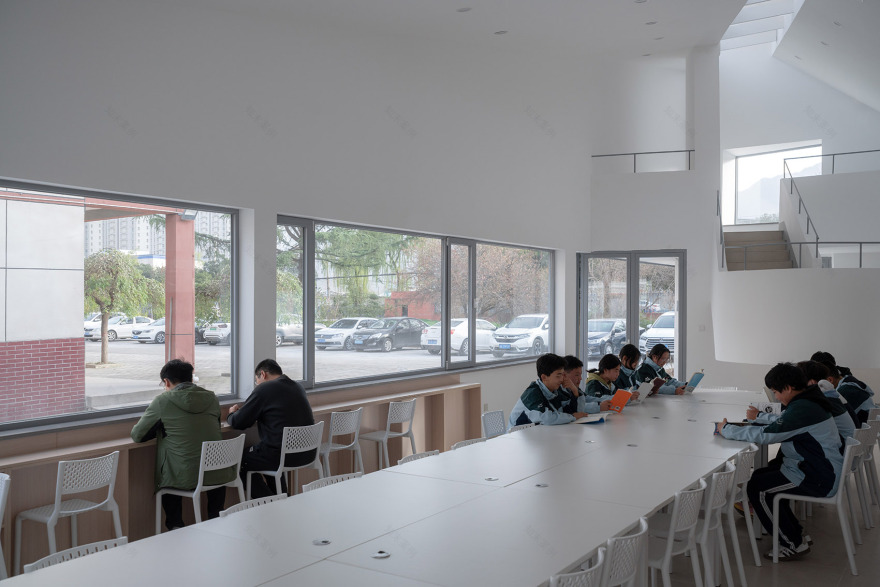
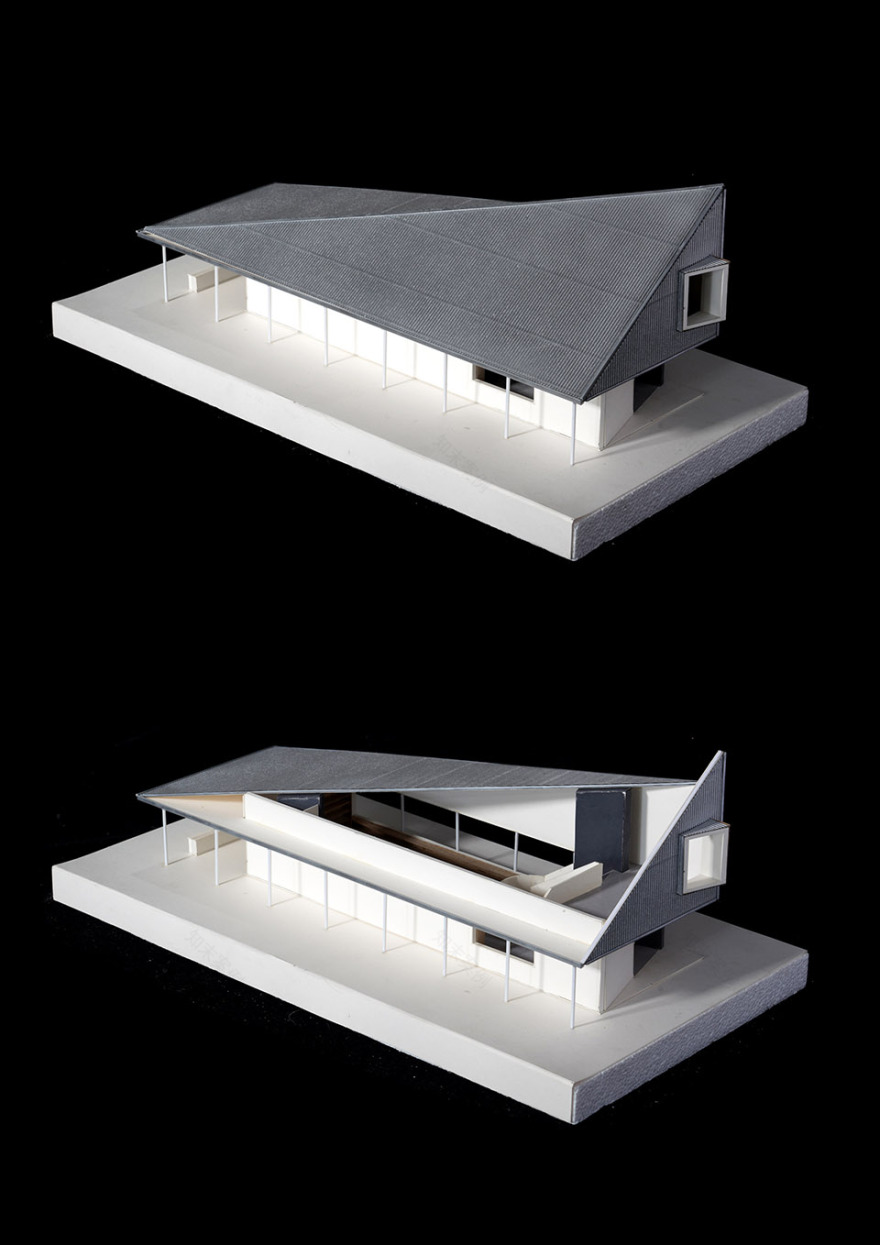
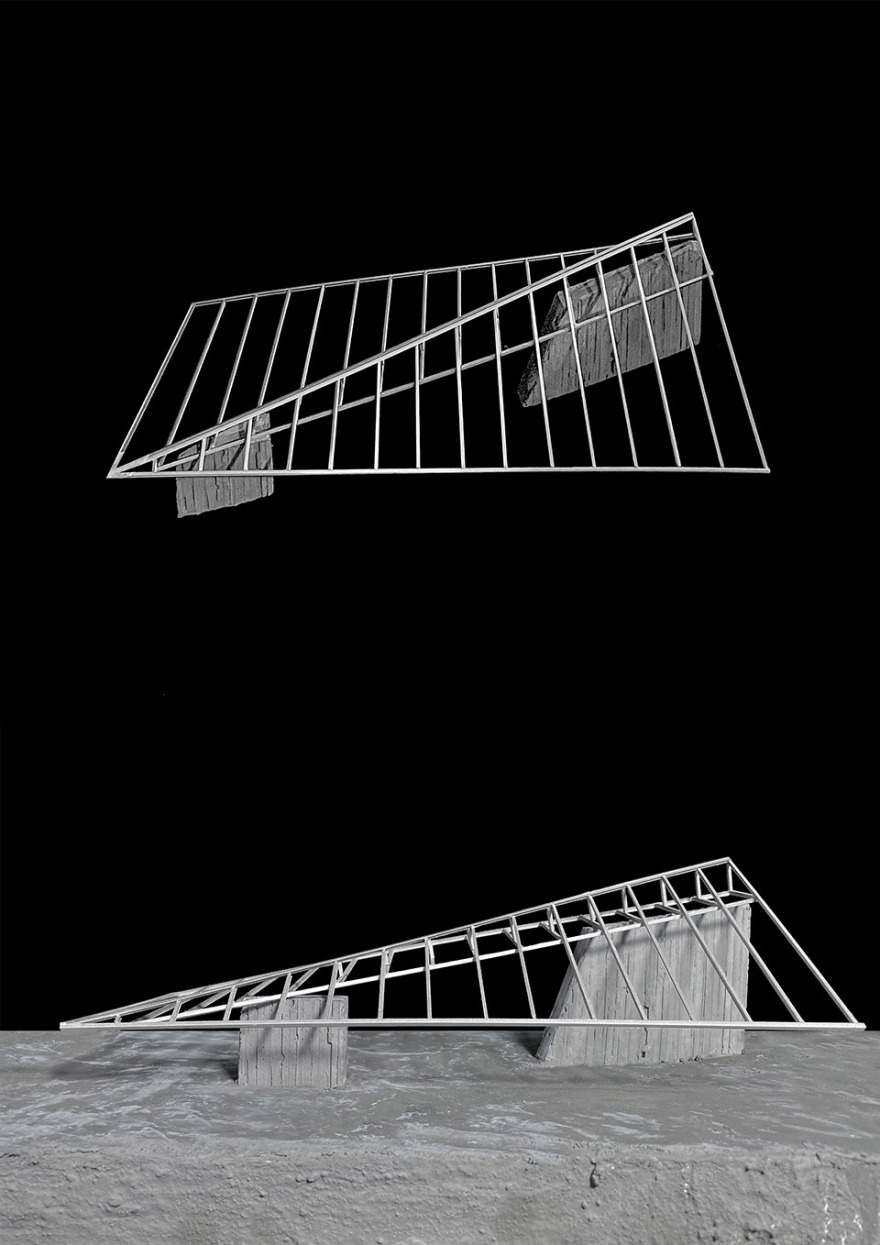
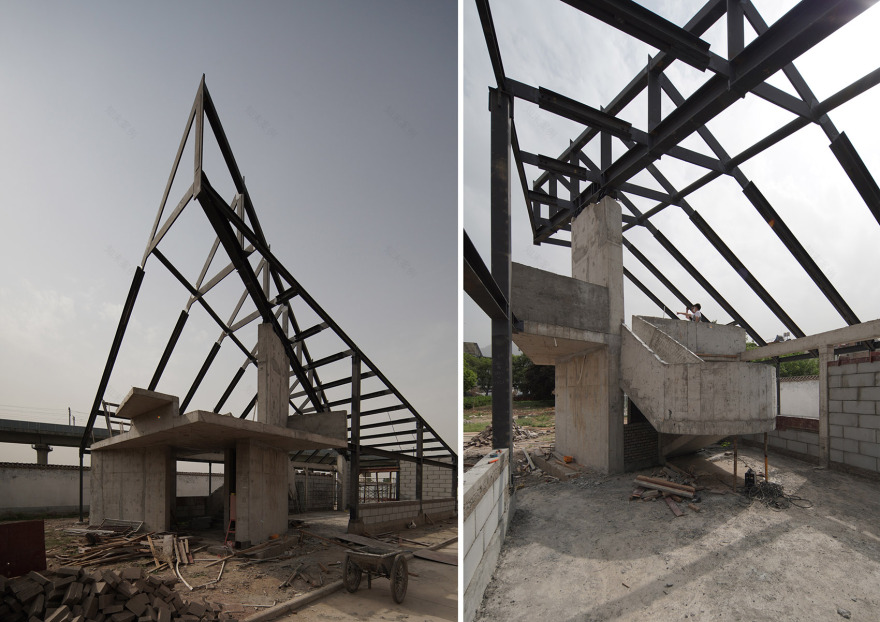
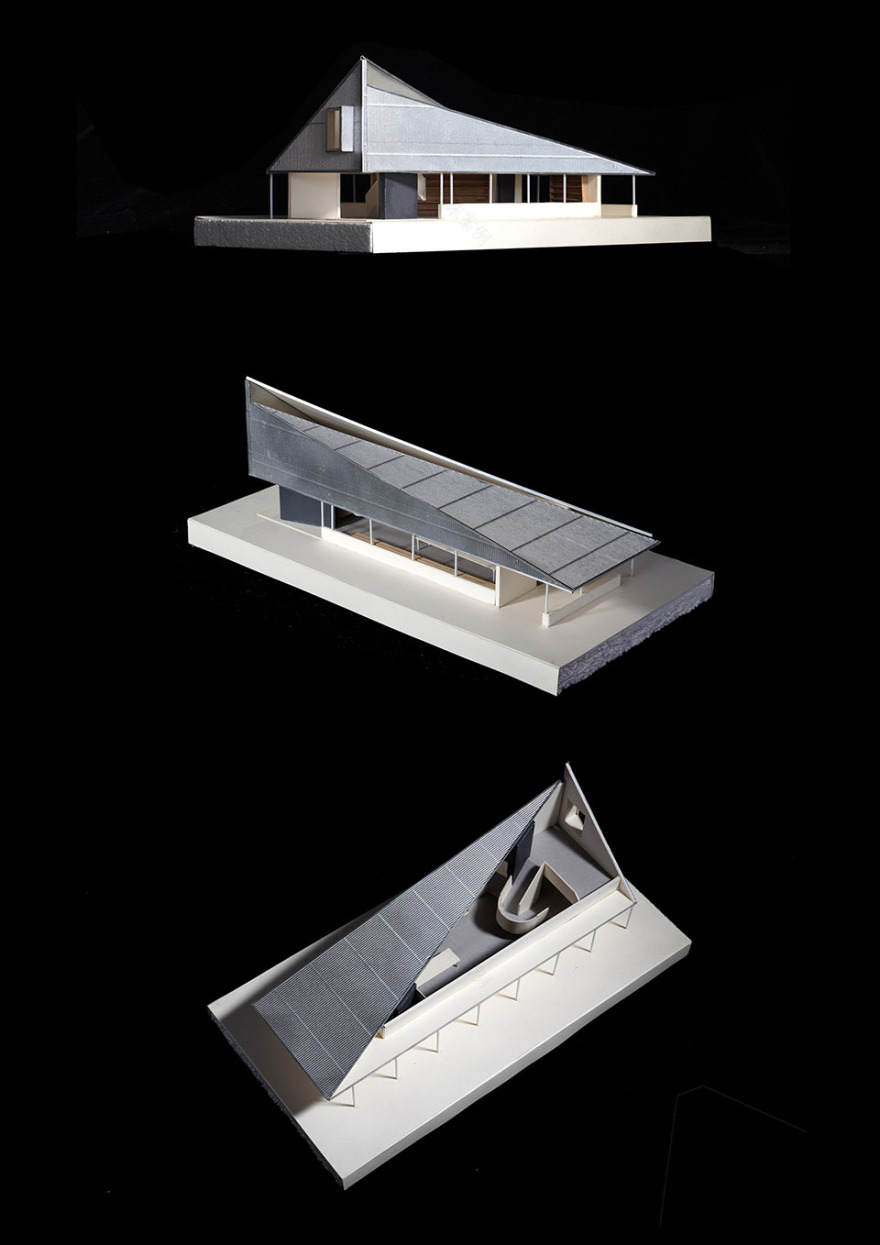
对于矩形平面,最大的跨越距离是对角线方向。我们用一张矩形卡纸,沿对角线裁剪出两个三角形,轻轻举起对角线上的中脊形成双坡,再提高西侧三角形的南角点产生可让光线进入的三角形缝隙,同时满足二层空间的净高尺寸。从南侧校园入口,则可看到一个明确的、标志性的外部形象,可谓“一举多得”。顺着这个思路,我们尝试将竖向支撑力沿对角线布置,最终产生混凝土异形墙体和顶部钢桁架的布置方式。高度渐变的三角桁架既能顺势将自然光引入室内,又能提供更加稳定的屋面钢结构体系。
▼骨骼与表皮的前后对比,Before-and-after comparison of the skeleton and skin©孔锦权
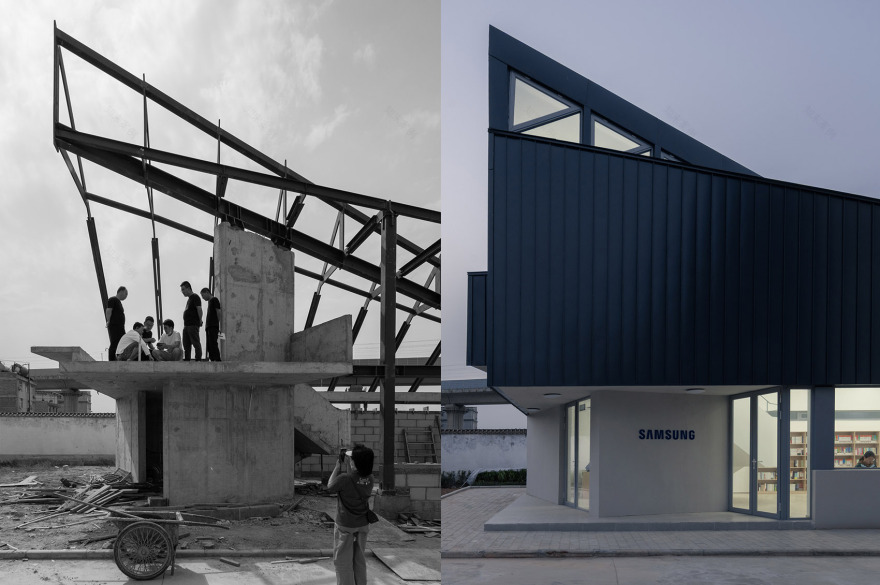
For a rectangular plan, the maximum span distance is along the diagonal. Using a rectangular card, we cut it diagonally into two triangles, lifted the spine along the diagonal to form a dual slope, raised the southern corner of the western triangle to create a triangular light gap that also meets the net height requirements of the second floor. From the southern campus entrance, one can see a clear and iconic external appearance, achieving multiple benefits. Following this idea, we arranged vertical supports along the diagonal, resulting in the layout of concrete irregular walls and steel trusses on the roof. Gradually changing triangular trusses not only guide natural light indoors but also provide a more stable roof steel structure system.
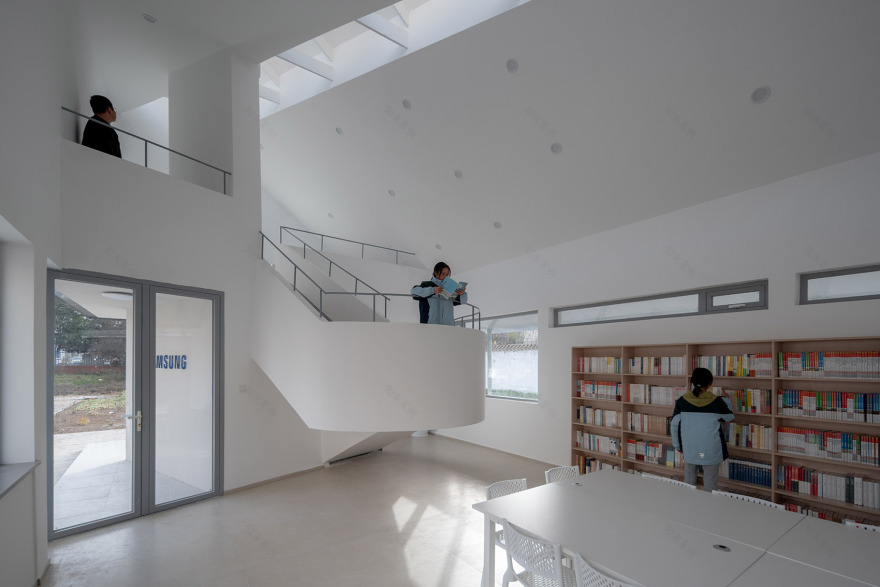
▼一体化的空间几何,Integrated spatial geometry©孔锦权
▼静谧的大空间,A serene, expansive space©孔锦权
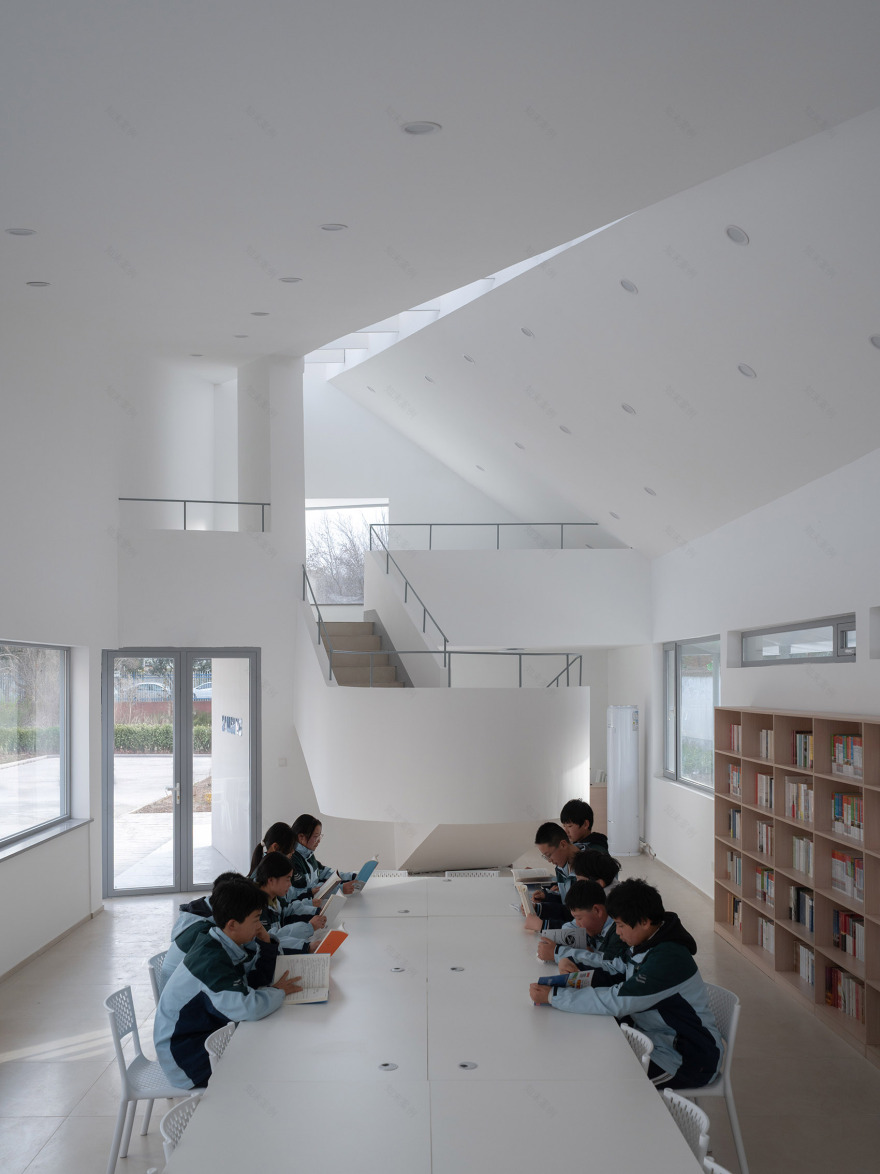
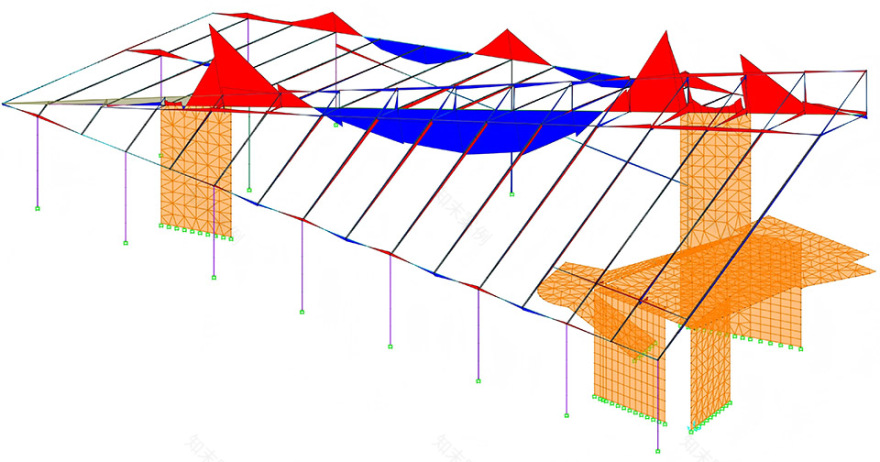
推演至此,以三角形为母题的屋面形式得以完整显现。但几何对角线上,主传力结构体系的稳定性依然是个问题。结构师认为屋脊两侧可能因为荷载的作用存在“旋转”的趋势,其变形的中轴正是钢桁架所在的对角线。为此,我们主动将屋面钢结构与外围“灰空间”的钢柱对应拉结,同时利用受拉柱截面小于受压柱截面、铰接节点可有效减少弯矩传递的特点,进一步缩减钢柱尺寸。当屋面出现“旋转”趋势时,外廊一侧的钢柱逐渐进入受拉状态,并将屋面结构缓缓拉回到“平衡”位置,之后另一侧钢柱再次进入受拉状态。这一微观往复的动态平衡,使结构体系如骨骼般实现“自重下的再平衡”。
▼结构示意图,Structure diagram©垣建筑设计工作室
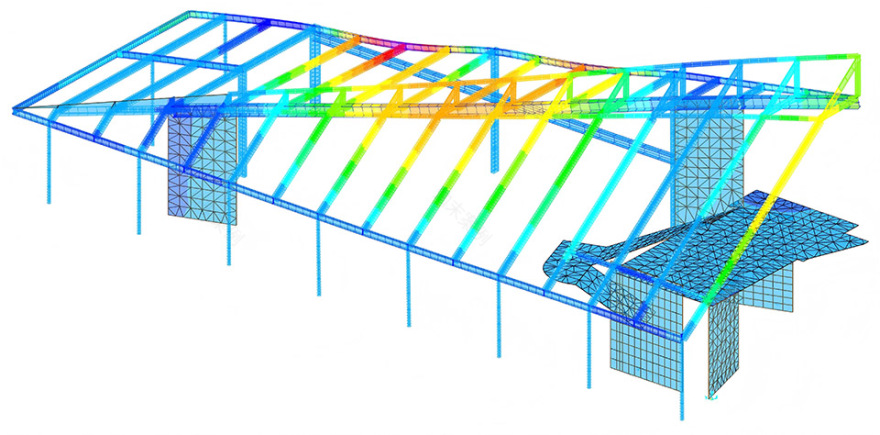
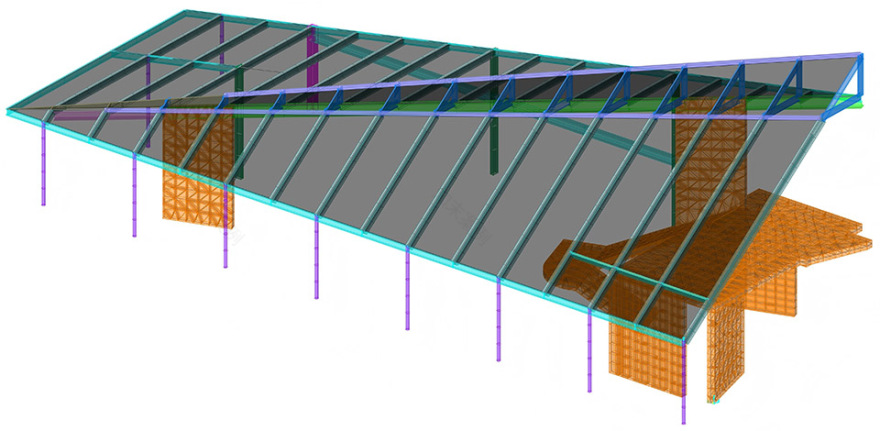
At this point, the complete triangular theme roof form was revealed. However, stability issues remained along the geometric diagonal. Structural engineers believed that the load might cause a “rotation” trend on both sides of the roof ridge, whose deformation axis is the diagonal line where the steel truss is located. To address this, we connected the roof steel structure with the perimeter “gray space” steel columns, utilizing the characteristics of tension columns having smaller sections than compression columns and hinge joints effectively reducing moment transfer to further reduce steel column sizes. When the roof shows a “rotational” trend, the outer corridor steel columns gradually enter a tensile state, slowly pulling the roof structure back to a “balanced” position, after which the other side steel columns again enter a tensile state. This micro-reciprocal dynamic balance makes the structural system achieve “rebalancing under self-weight” like bones.
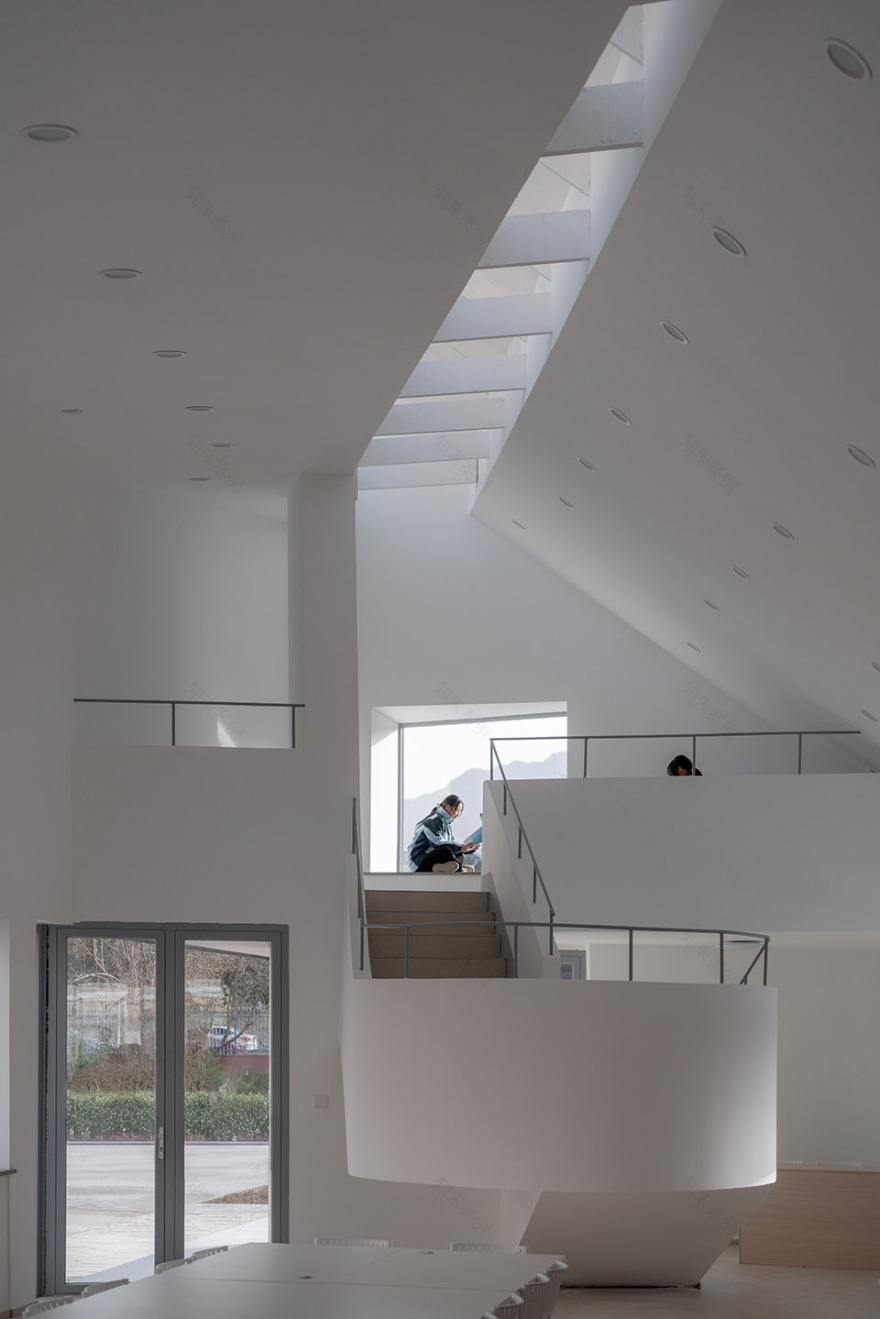
▼从一层空间看向二层空间,View from the first-floor space toward the second-floor space©孔锦权
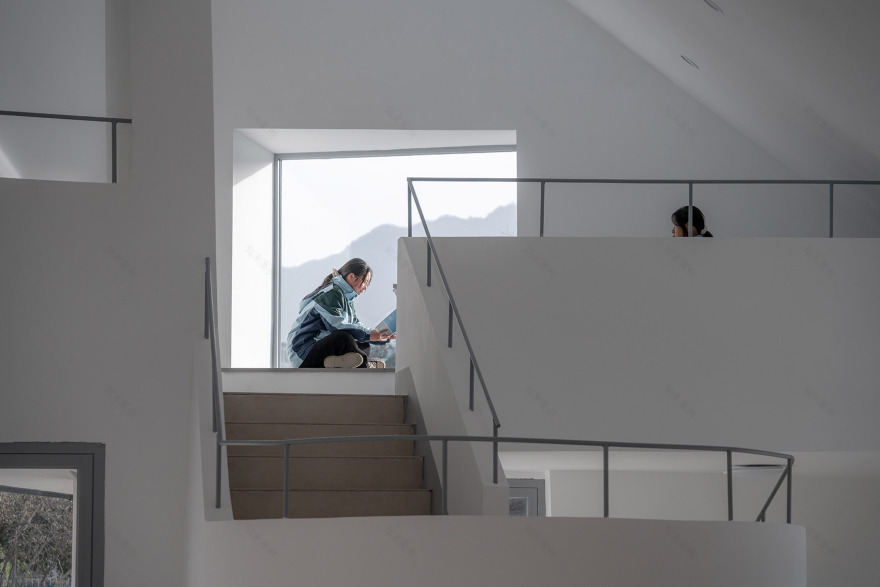
▼从二层空间看向一层空间,View from the second-floor space toward the first-floor space©孔锦权
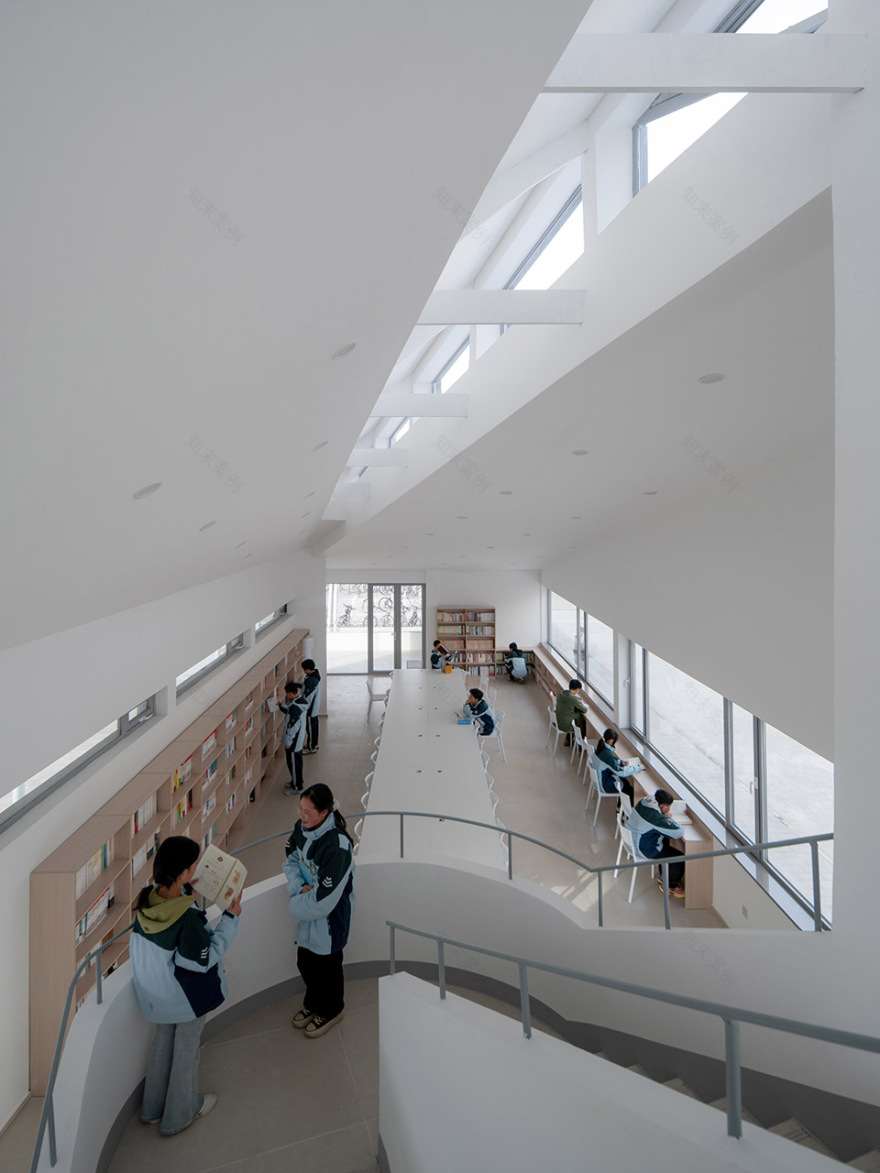
联系上下的剪刀悬挑混凝土楼梯,为剪力墙提供了侧向稳定支撑,成为结构关键构件。其姿态轻盈,化作空间纵深的视觉焦点,伸入主空间的平台还可作为师生的演讲台。
The scissors cantilevered concrete staircase connecting above and below provides lateral stabilization for shear walls, becoming a critical structural component. Its light posture becomes a visual focal point within the main space, with platforms extending into the main space serving as podiums for teachers and students’ speeches.
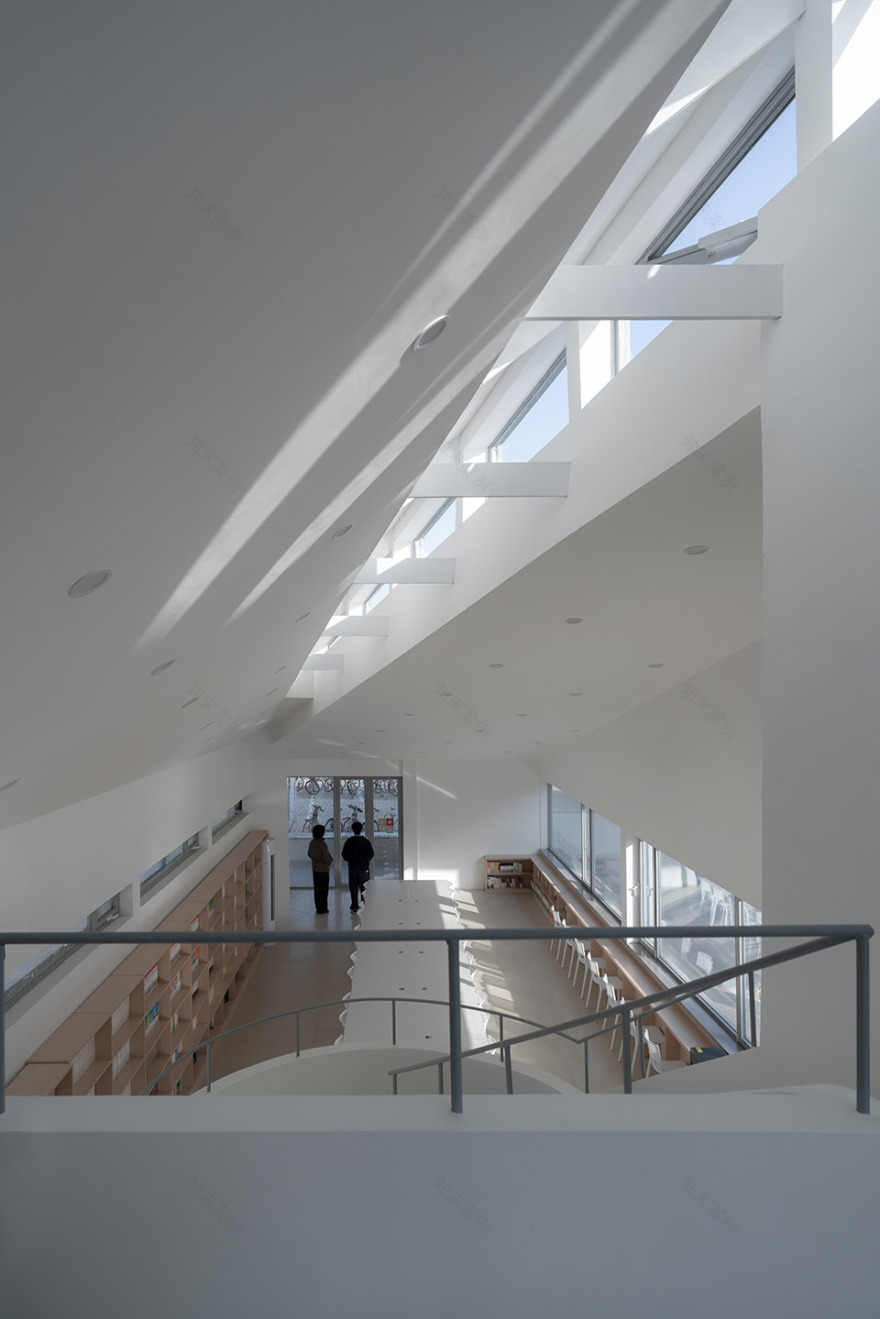
▼高侧窗的光影,The play of light and shadow from the high-side windows©孔锦权
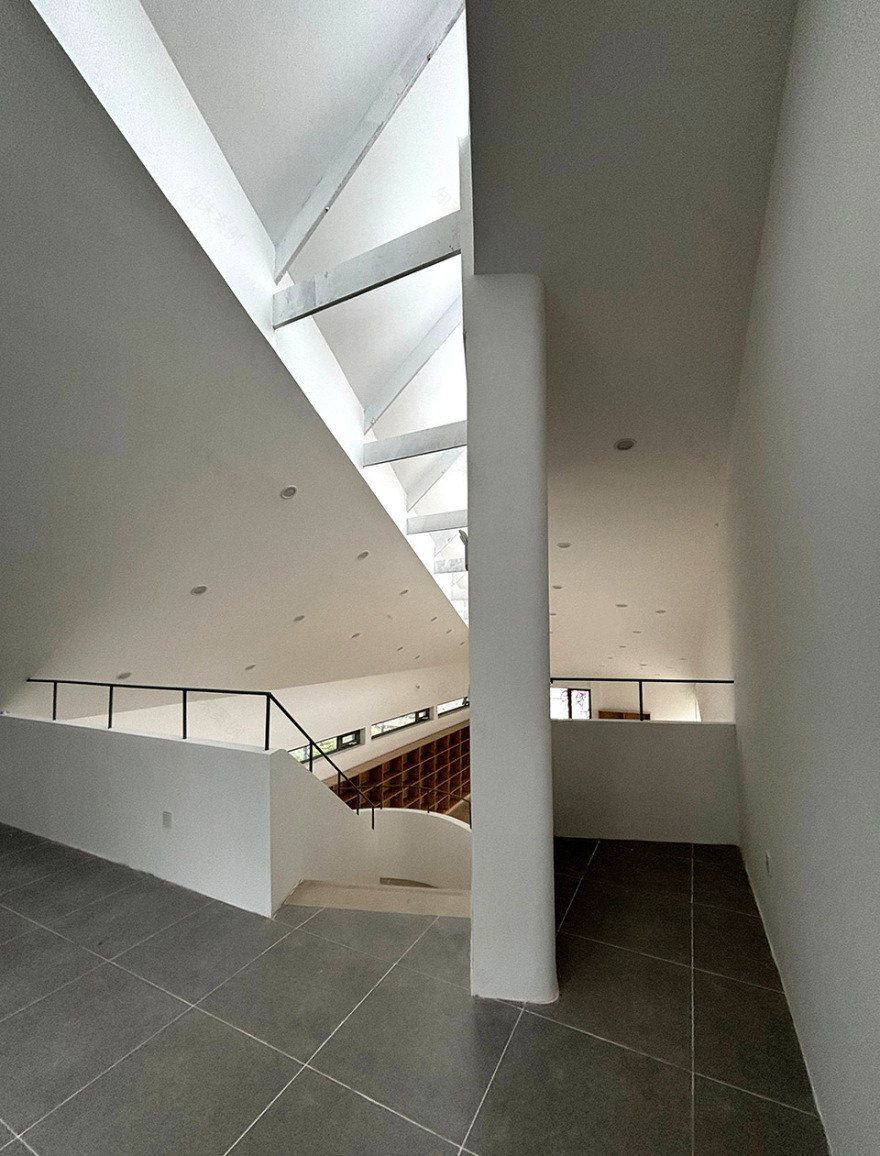
▼阴天的漫反射光线,Diffuse light on an overcast day©孔锦权
4、小结
Conclusion
图书馆3号以“开放务实”的态度推进着设计,结合钢结构施工预制优势,建构出乡村校园的“开放建筑”。落成之日,师生迎着朝阳步入校园,从初见建筑的“惊”,到踏入空间的“喜”,再到沉浸于天光云影中的“思”,完成了从空间美育到精神共鸣的升华。
Library No.3 advances design with an “open and pragmatic” attitude, combining prefabricated steel structure advantages to construct “open architecture” suitable for rural campuses. On completion day, teachers and students entered the campus facing the sunrise, experiencing the transformation from initial awe at seeing the building, joy upon entering the space, to contemplation amidst natural light and cloud shadows, completing the elevation from spatial aesthetic education to spiritual resonance.
▼图书馆东北鸟瞰夜景,Northeast aerial night view of the library©孔锦权
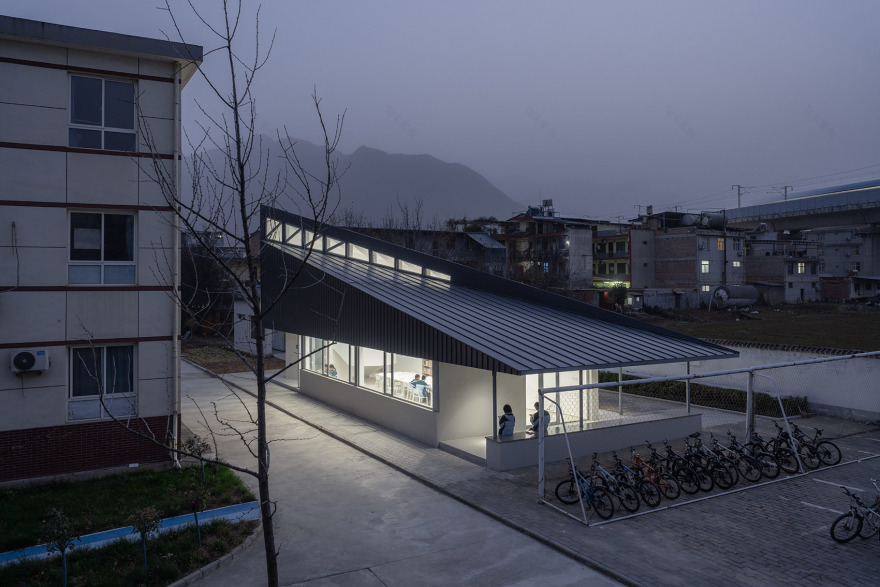
▼图书馆东南鸟瞰夜景,Perspective view from the southeast corner of the library©孔锦权
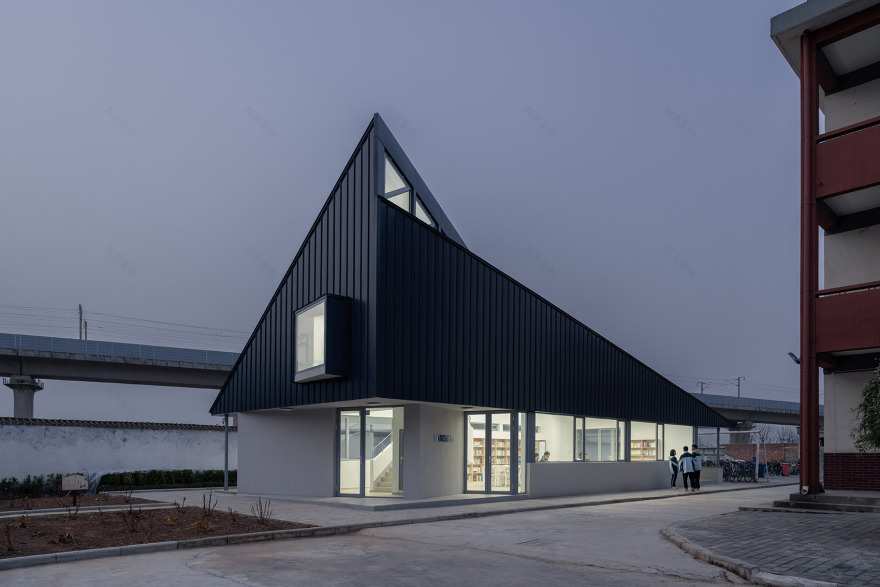
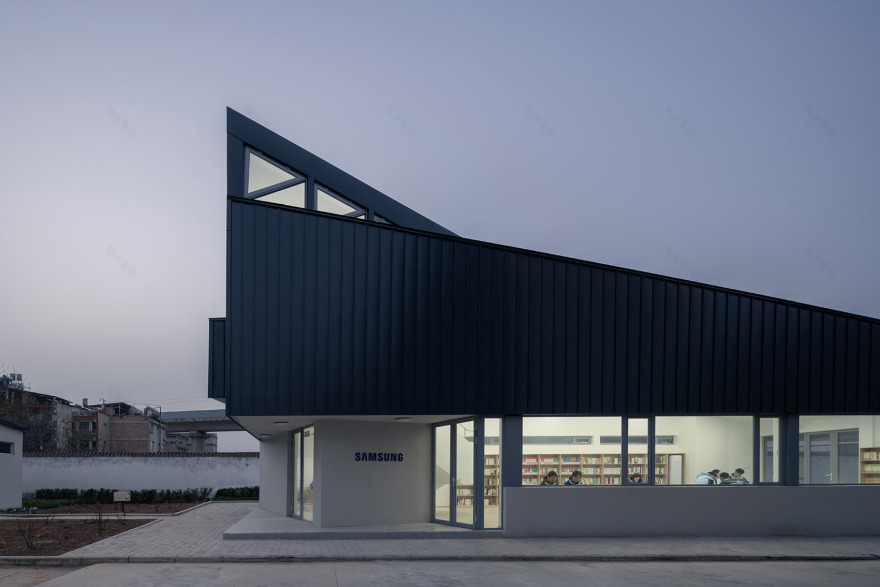
▼图书馆东立面夜景,East Elevation Night View of the Library©孔锦权
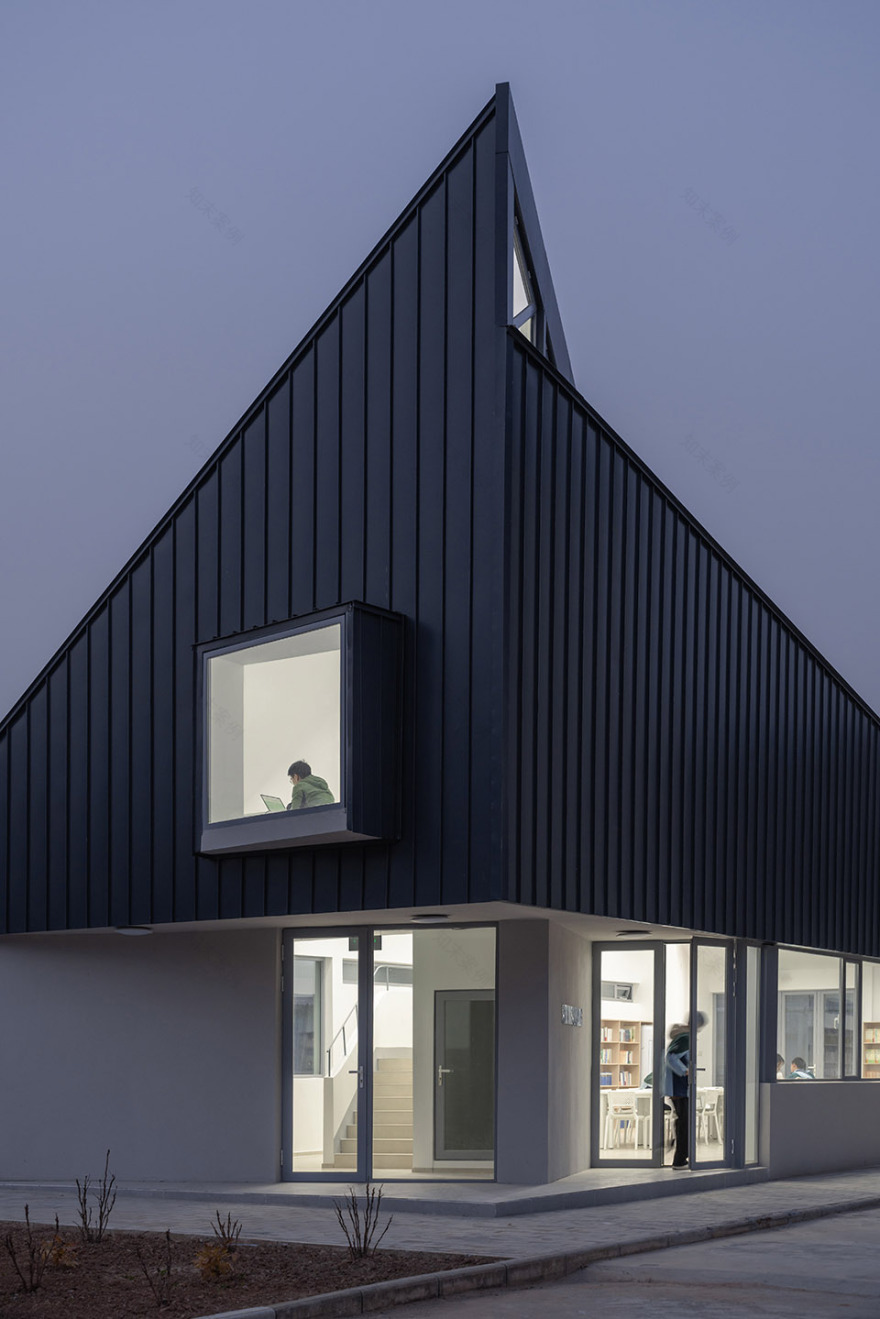
▼图书馆东南角入口细节,Detail of the entrance at the southeast corner of the library©孔锦权
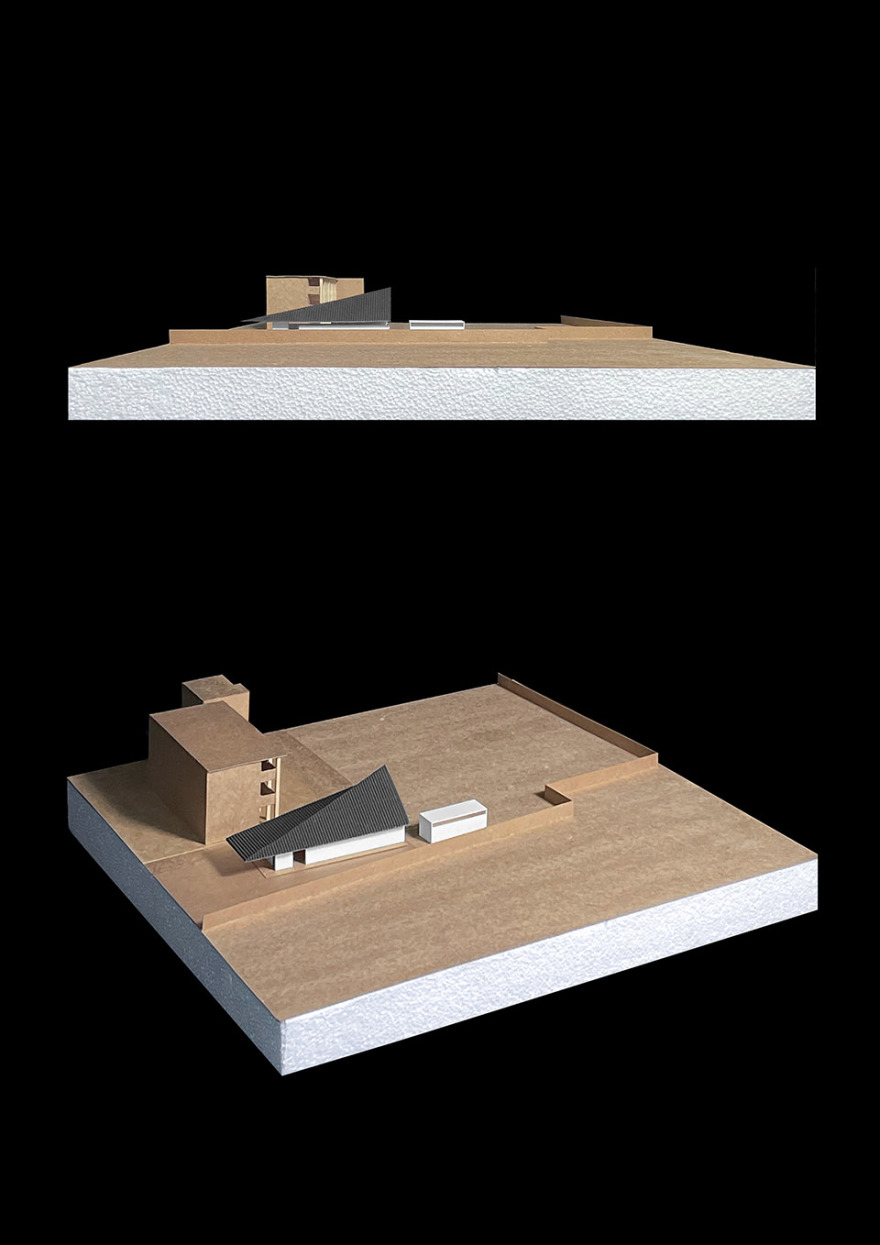
▼模型,model©垣建筑设计工作室
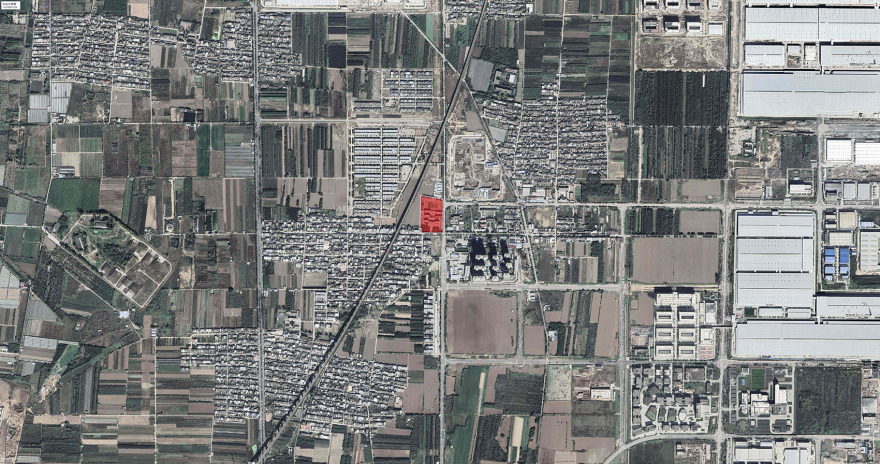
▼项目环境原状航拍,Project Location and Surrounding Context©垣建筑设计工作室
▼总平面图,Site plan©垣建筑设计工作室
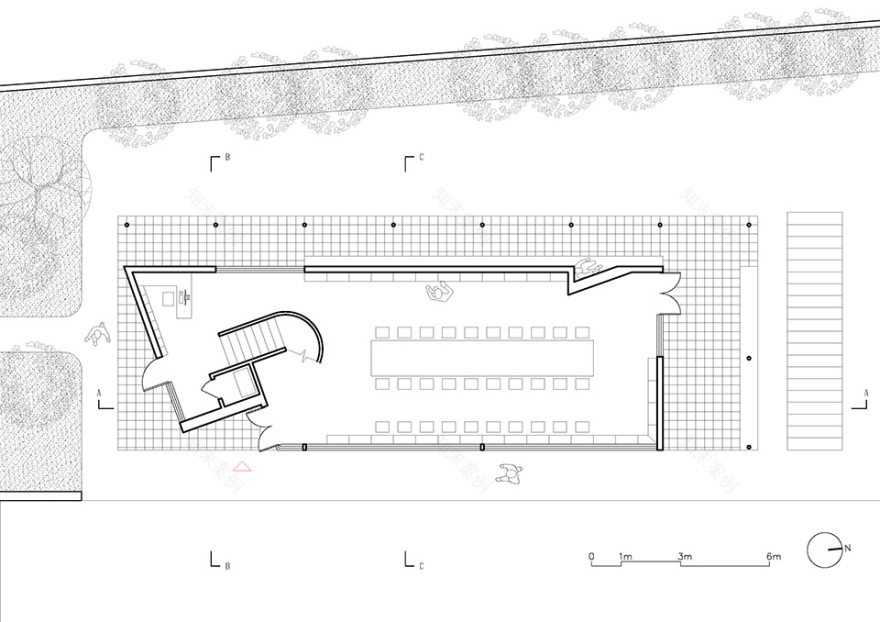
▼一层平面图,ground floor plan©垣建筑设计工作室
▼二层平面图,first floor plan©垣建筑设计工作室
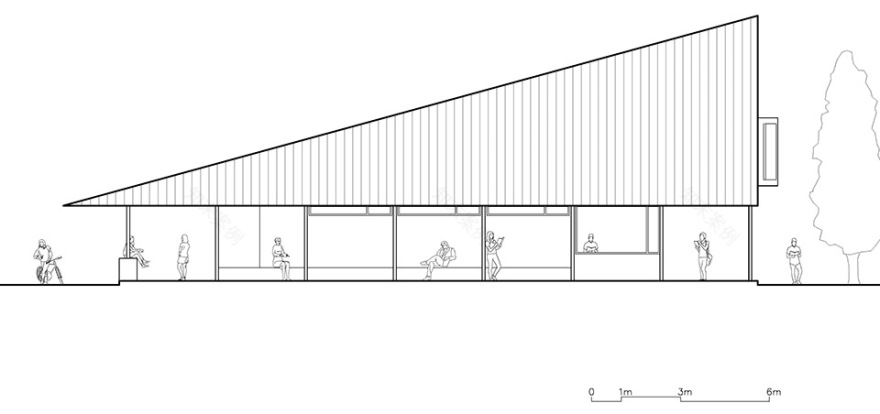
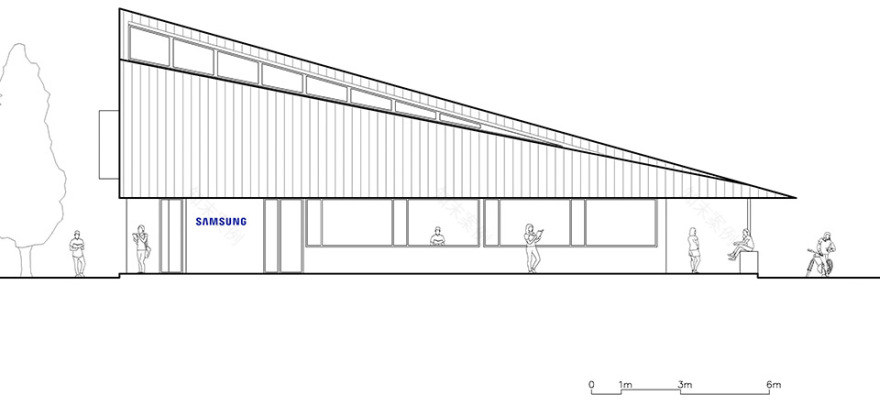
▼立面图,elevation©垣建筑设计工作室
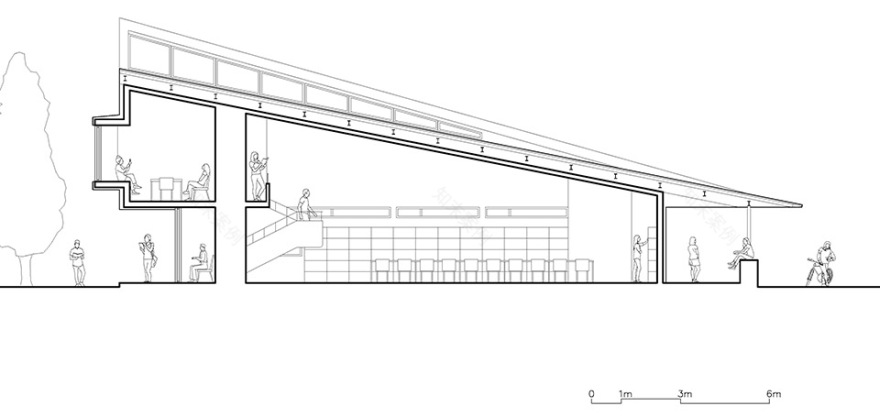
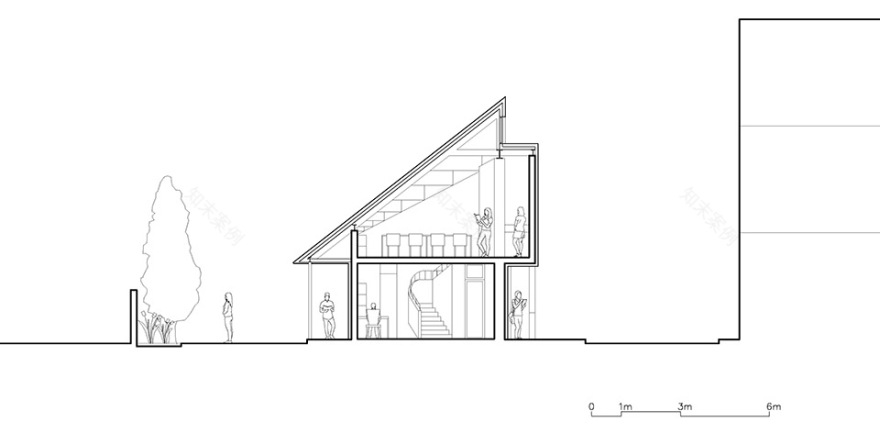
▼剖面图,section©垣建筑设计工作室
项目名称:陕西希望工程援建——三星图书馆3号
项目类型:乡村公共文化教育类建筑
设计方:垣建筑设计工作室(西安建筑科技大学建筑学院)
项目设计:2024.05-2024.08
完成年份:2025.11
设计团队:吴瑞、王毛真、刘泽宪、高佳乐、汪鹏飞、侯兰欣、张木岩、张焕悦、曹静媛、全俊龙
合作建筑师:白翌尧
结构:胡晓劼
给排水:何尚轩
电气:曹喆
项目地址:中国陕西省西安市鄠邑区庞光街道“西安高新第十九初级中学”
建筑面积:350㎡
摄影版权:孔锦权
施工方: 西安舟正实业有限公司
客户:西安高新第十九初级中学,三星(中国)半导体有限公司
材料:混凝土、钢、铝镁锰金属板、铝板、玻璃
Project name: Samsung Library No. 3, supported by the Shaanxi Hope Project
Project type: Rural public cultural and educational buildings
Design: Wall Architects of XAUAT
Design year: 2024.05 - 2024.08
Completion Year: 2025.11
Leader designer & Team: Wu Rui, Wang Maozhen, Liu Zexian, Gao Jiale, Wang Pengfei, Hou Lanxin, Zhang Muyan, Zhang Huanyue, Cao Jingyuan, Quan Junlong
Collaborating Architects: Bai Yiyao
Structural engineer: Hu Xiaojie
Plumbing engineer: He Shangxuan
Electrical engineer: Cao Zhe
Project location: Xi’an High-tech No. 19 Junior Middle School, Pangguang Subdistrict, Huyi District, Xi’an City, Shaanxi Province, China
Gross built area: 350㎡
Photo credit: Kong Jinquan
Contractor: Xi’an Zhouzheng Industrial Co., LTD
Clients: Xi ‘an Gaoxin No.19th Middle School, Samsung China Semiconductor Co., Ltd.
Materials: Concrete, steel, aluminum - manganese metal panels, aluminum panels, glass
南京喵熊网络科技有限公司 苏ICP备18050492号-4知末 © 2018—2020 . All photos and trademark graphics are copyrighted by their owners.增值电信业务经营许可证(ICP)苏B2-20201444 苏公网安备 32011302321234号
苏公网安备 32011302321234号客服
消息
收藏
下载
最近