

创作上传
VIP
收藏下载
登录 | 注册有礼
查看完整案例

收藏

下载

分享

翻译
Architects:Constanze Ladner
Area:185m²
Year:2025
Photographs:Robert Rieger
Manufacturers:BLASTATION,Branca Lisboa,Knoll International,Minotti,Moroso,Philippe Starck
Category:Interior Design,Apartment Interiors
Lead Team:Constanze Ladner
Engineering & Consulting > Structural:Schreinerei Stauder, Gmall
Engineering & Consulting > Services:Vogt & Schoor
City:Wiesbaden
Country:Germany
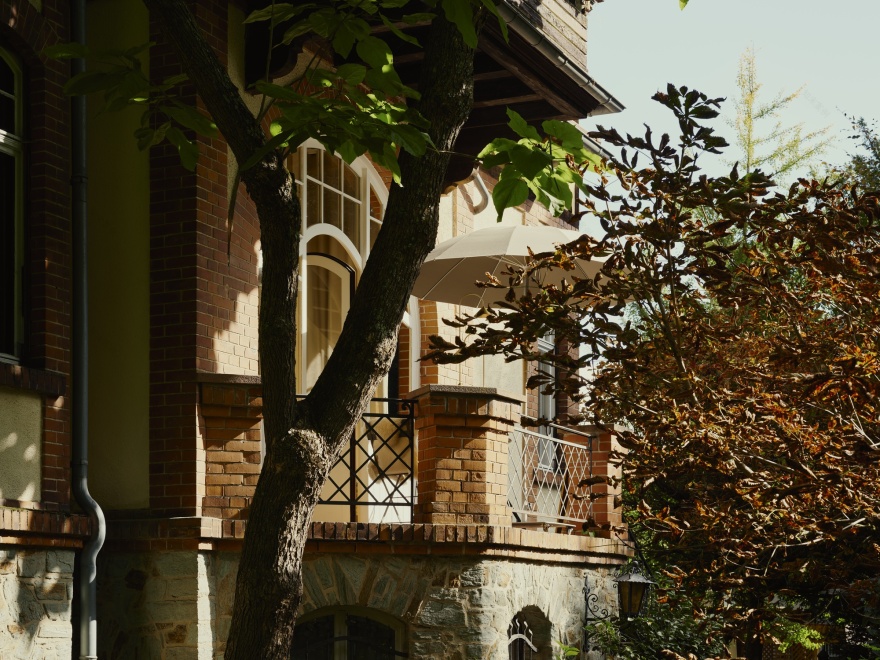
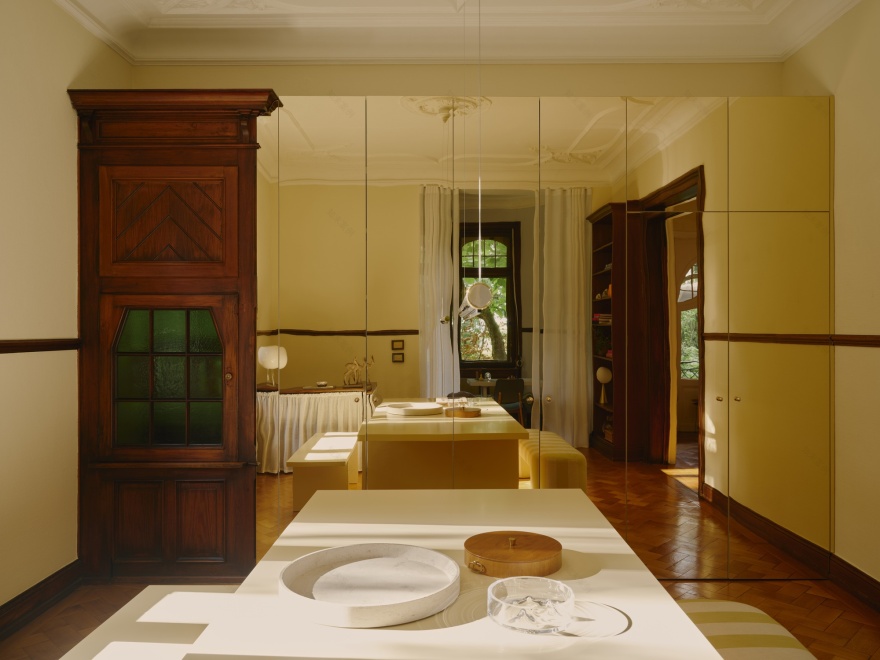
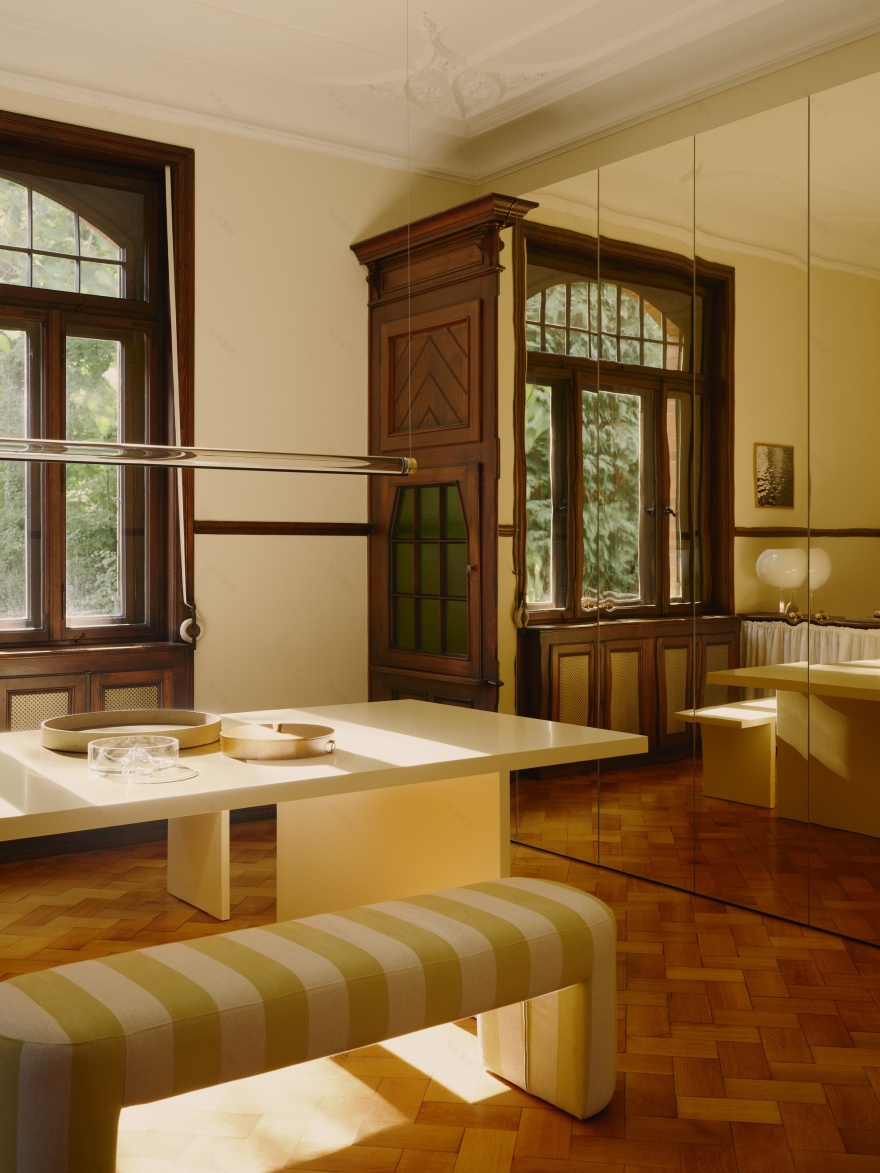
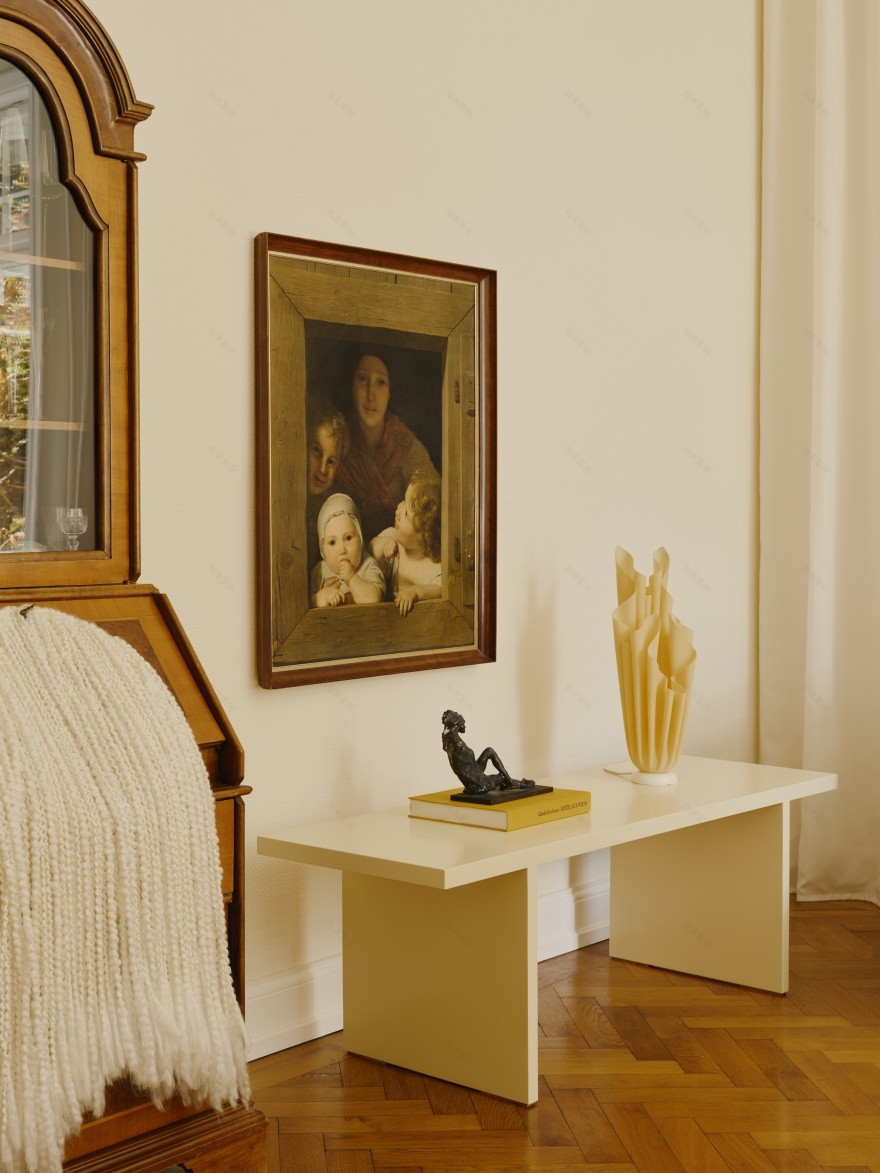
Text description provided by the architects. On the outskirts of Wiesbaden, directly adjacent to the city forest, this historic apartment unfolds as a sequence of clearly articulated rooms shaped by a remarkably intact original fabric. The spatial character is defined by finely detailed stucco ceilings, ranging from restrained to floral, paired with herringbone parquet in the connecting rooms and wooden floorboards in more private areas. Dark door and window frames, original built-in elements, and subtle traces of former uses lend the interiors a layered depth and establish a strong narrative foundation for the project.
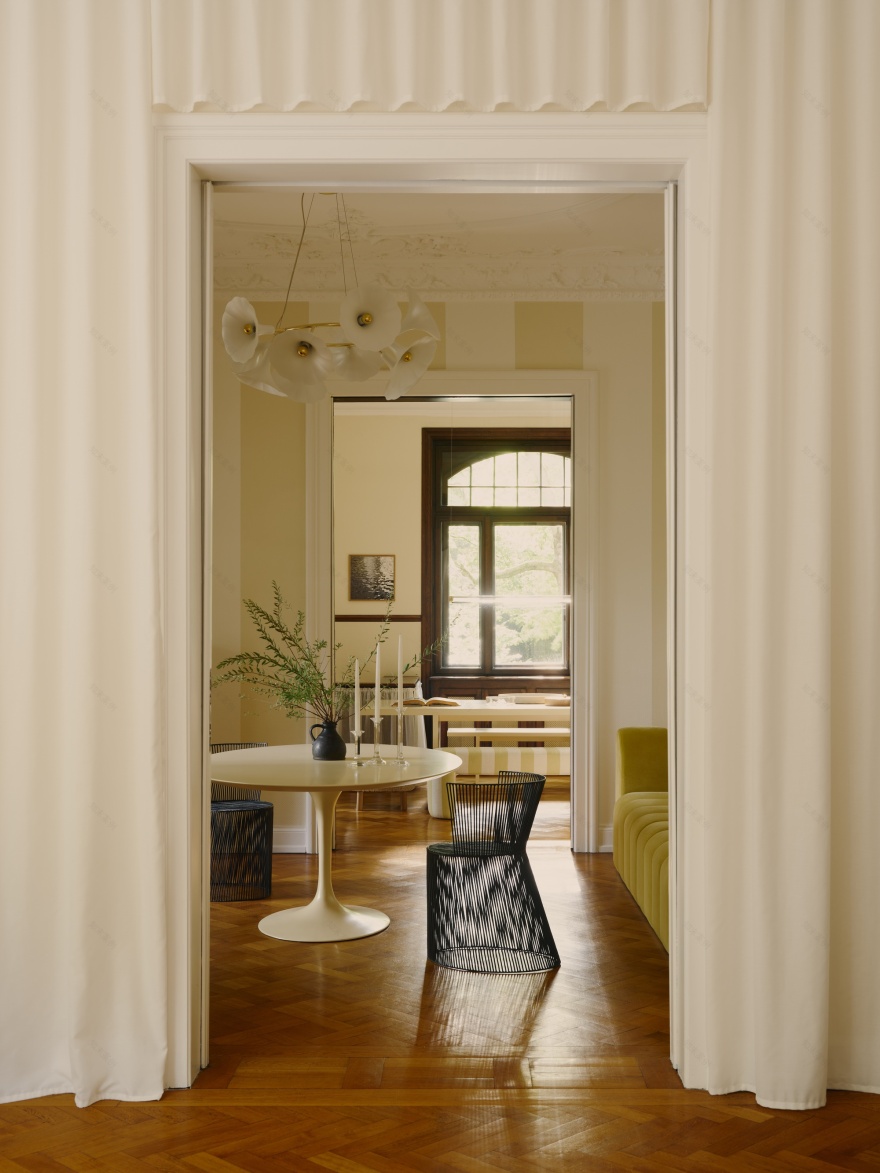
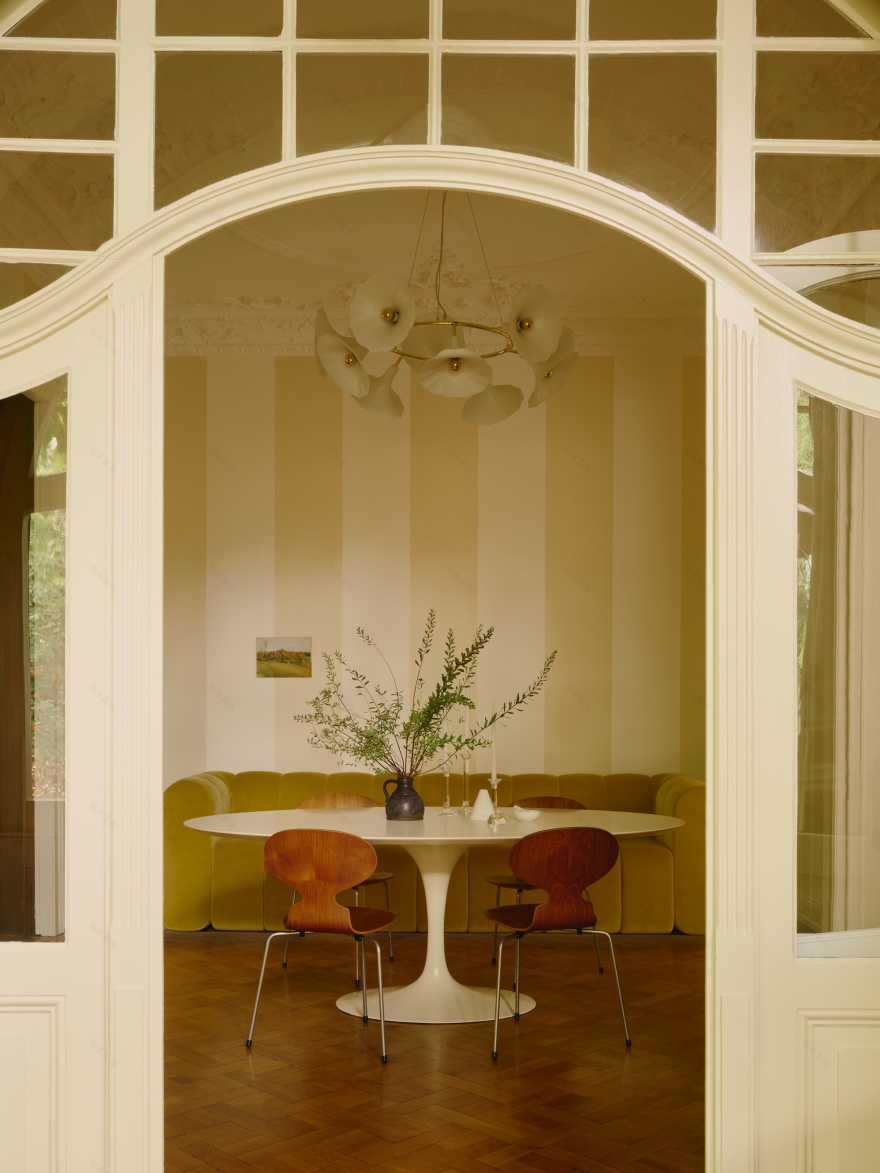
Rather than imposing a new identity, the design approach builds on these existing qualities through careful preservation and precise intervention. The concept is guided by a respect for what is already there. Original structures are maintained wherever possible, while new elements are introduced in a way that complements and extends the apartment's inherent logic.
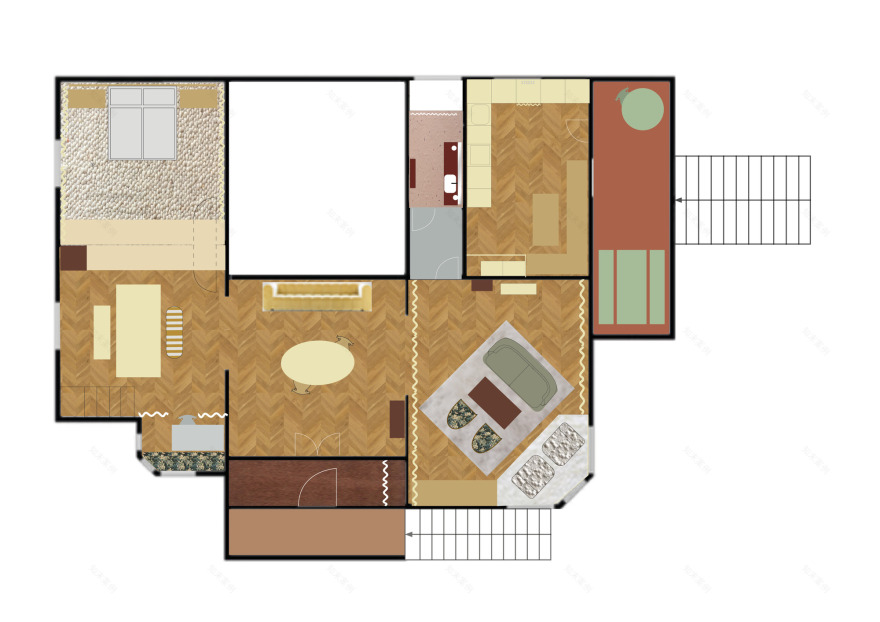
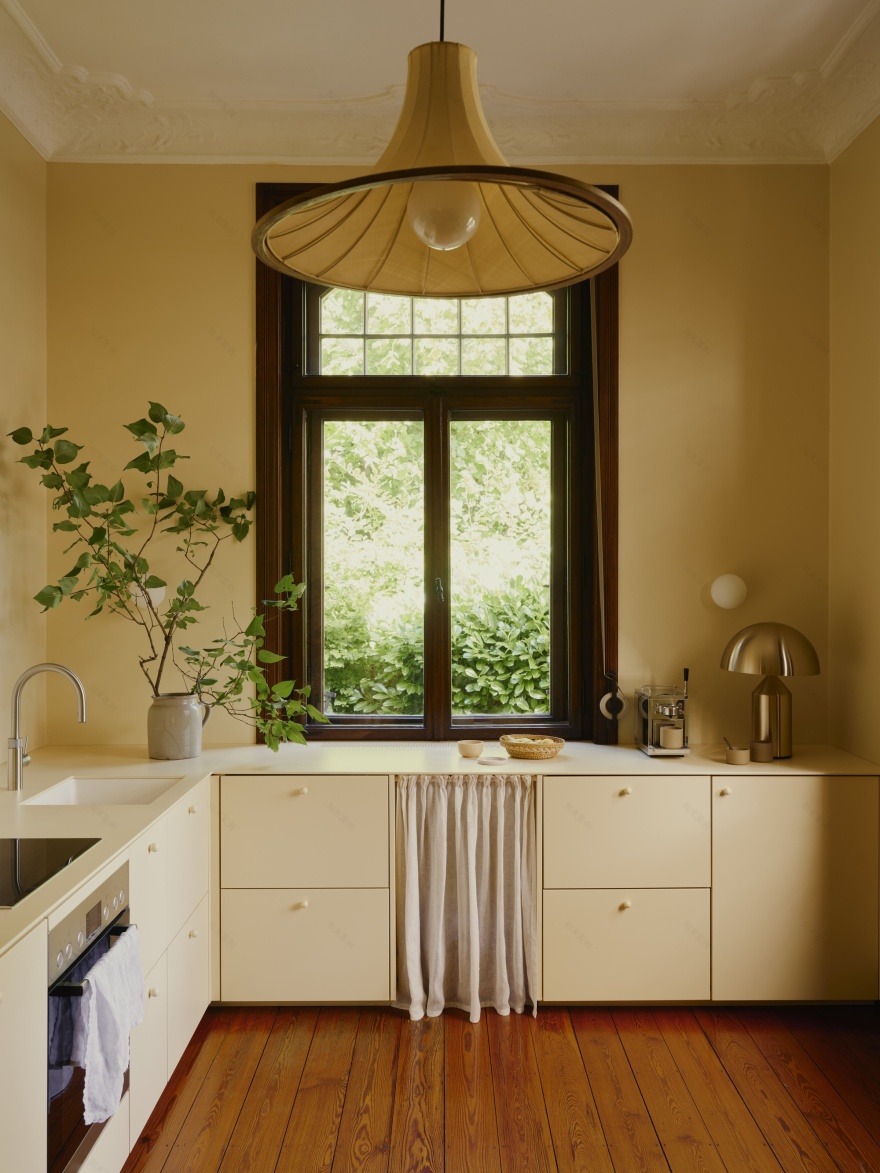
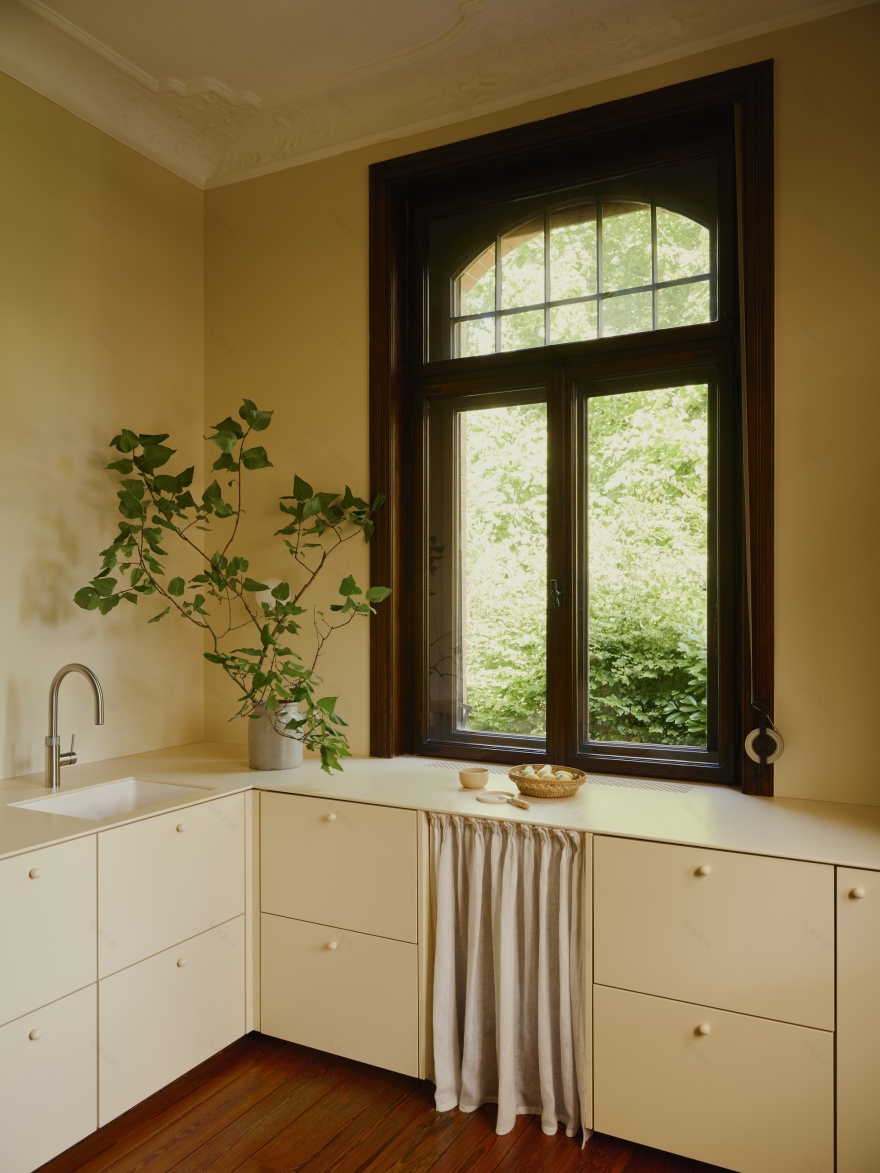
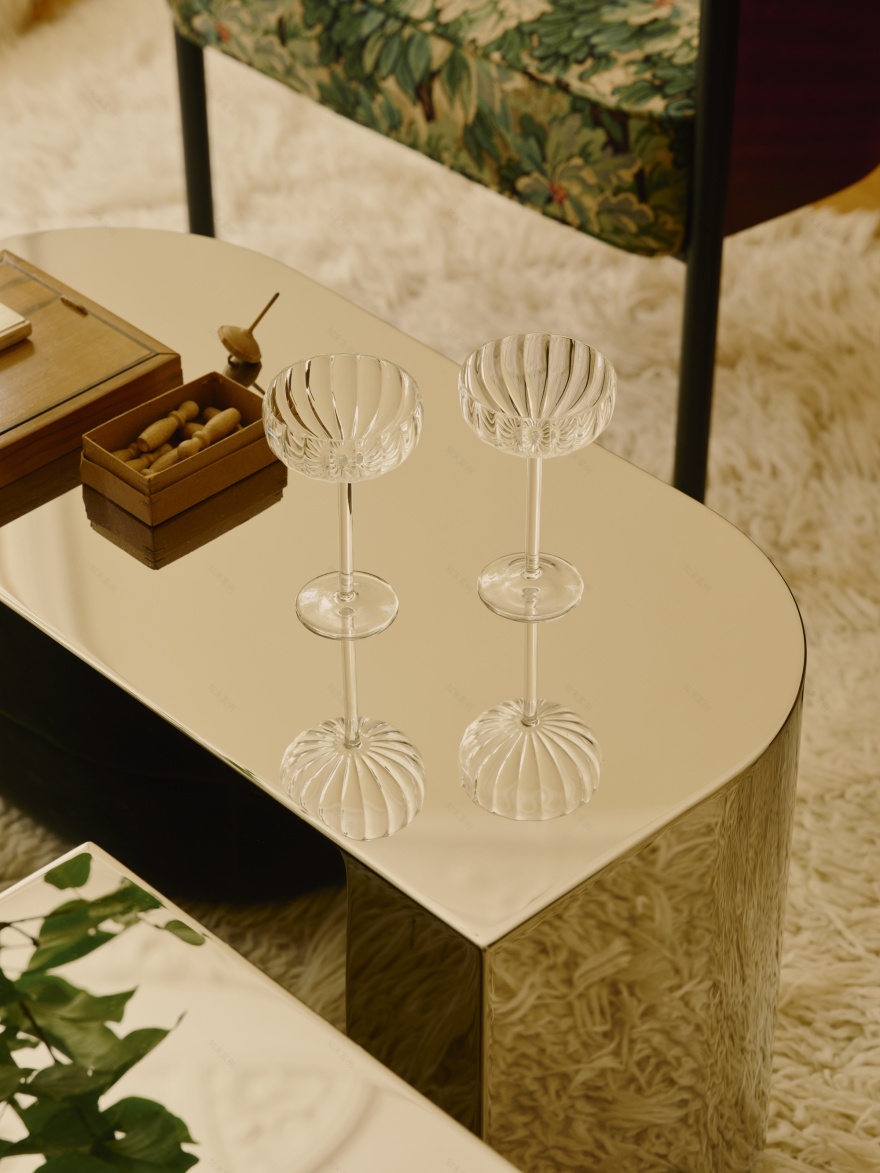
A key gesture lies in the reinterpretation of the kitchen, which is based on an existing IKEA system. This familiar framework is transformed through the use of butter yellow fronts, a matching worktop, and vertically stacked upper cabinets that function as a pantry. Gold-toned acrylic mirror surfaces frame the composition, adding depth and a subtle reflective quality that enhances the spatial experience.
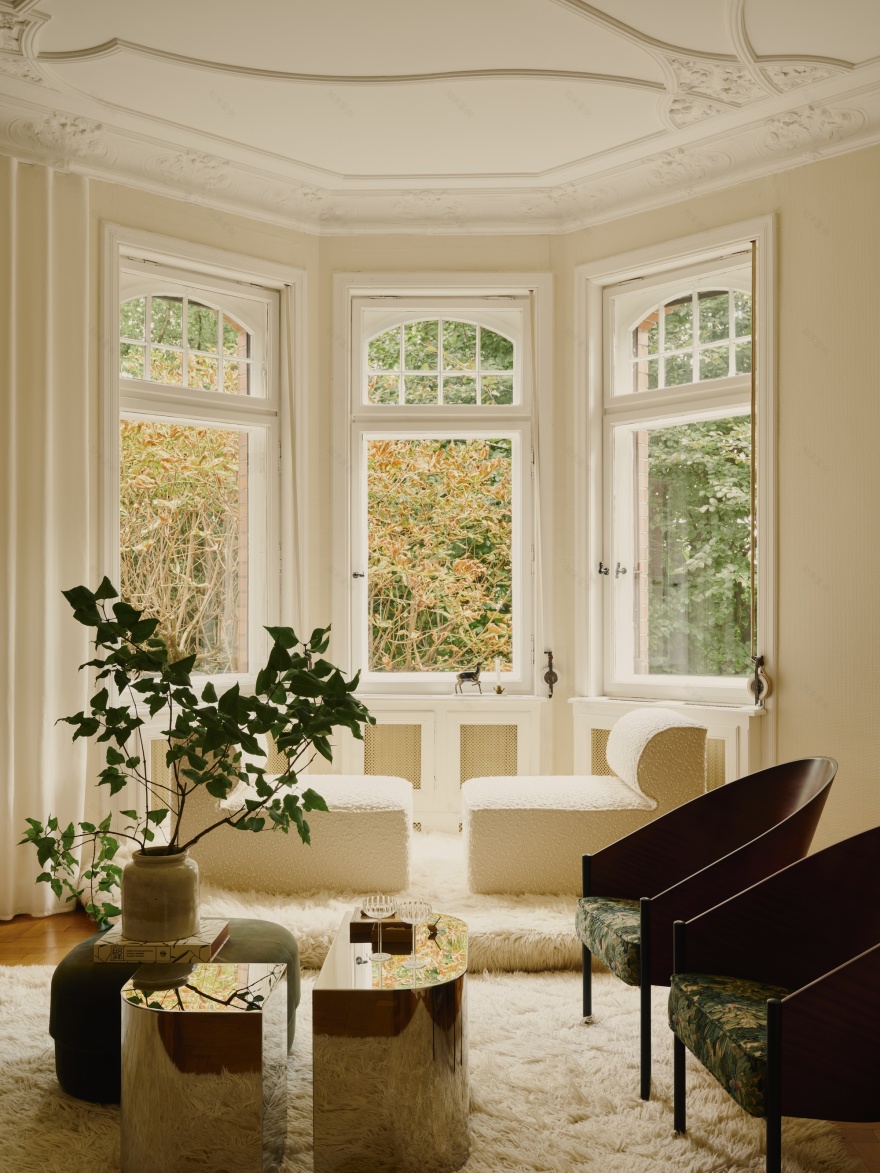
Throughout the apartment, existing furniture elements, some originating from a 1960s house, have been carefully integrated into the historic setting, where ceiling heights reach up to 3.40 meters. Approximately ten meters of built-in cabinetry were extended and reworked with new fronts, now accommodating storage, a material library, as well as wardrobe and pantry functions. Curtains already present in the space were adapted and deliberately employed as architectural elements, contributing to a soft and flexible definition of zones.
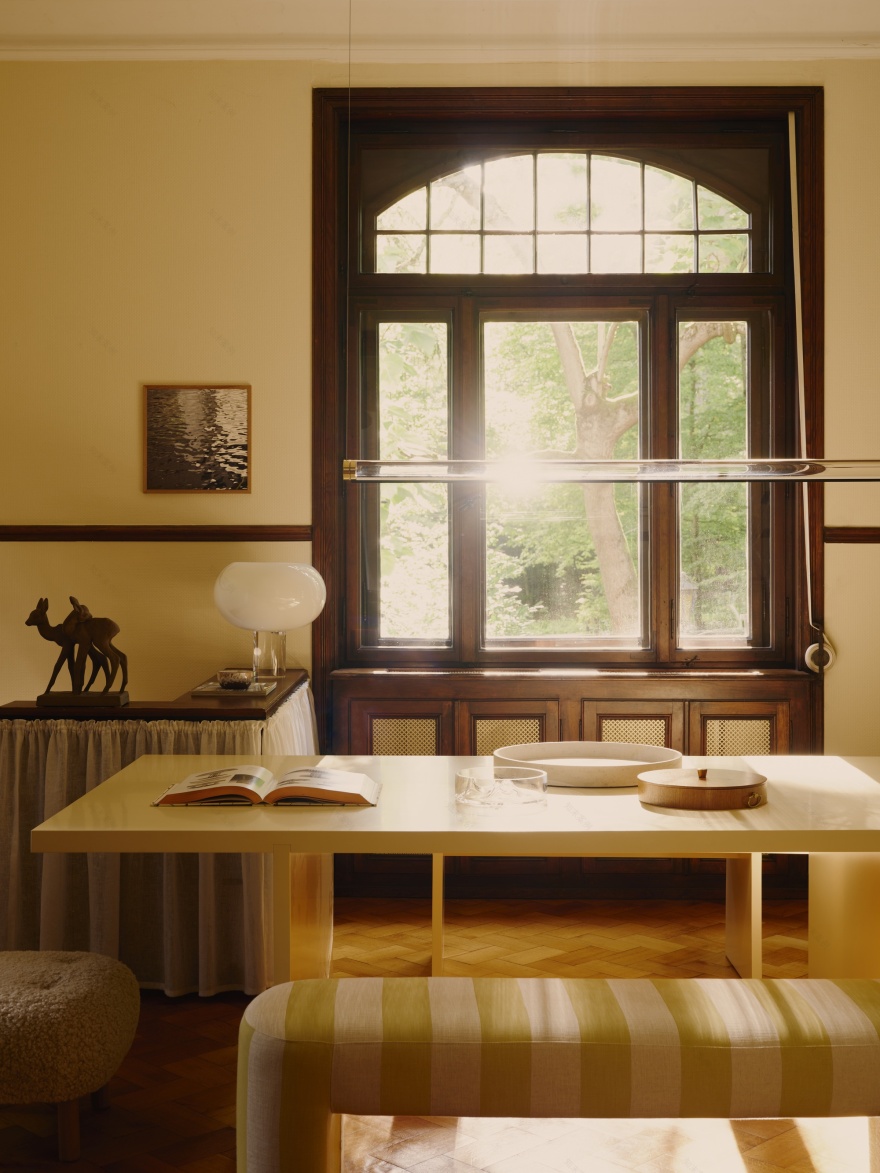
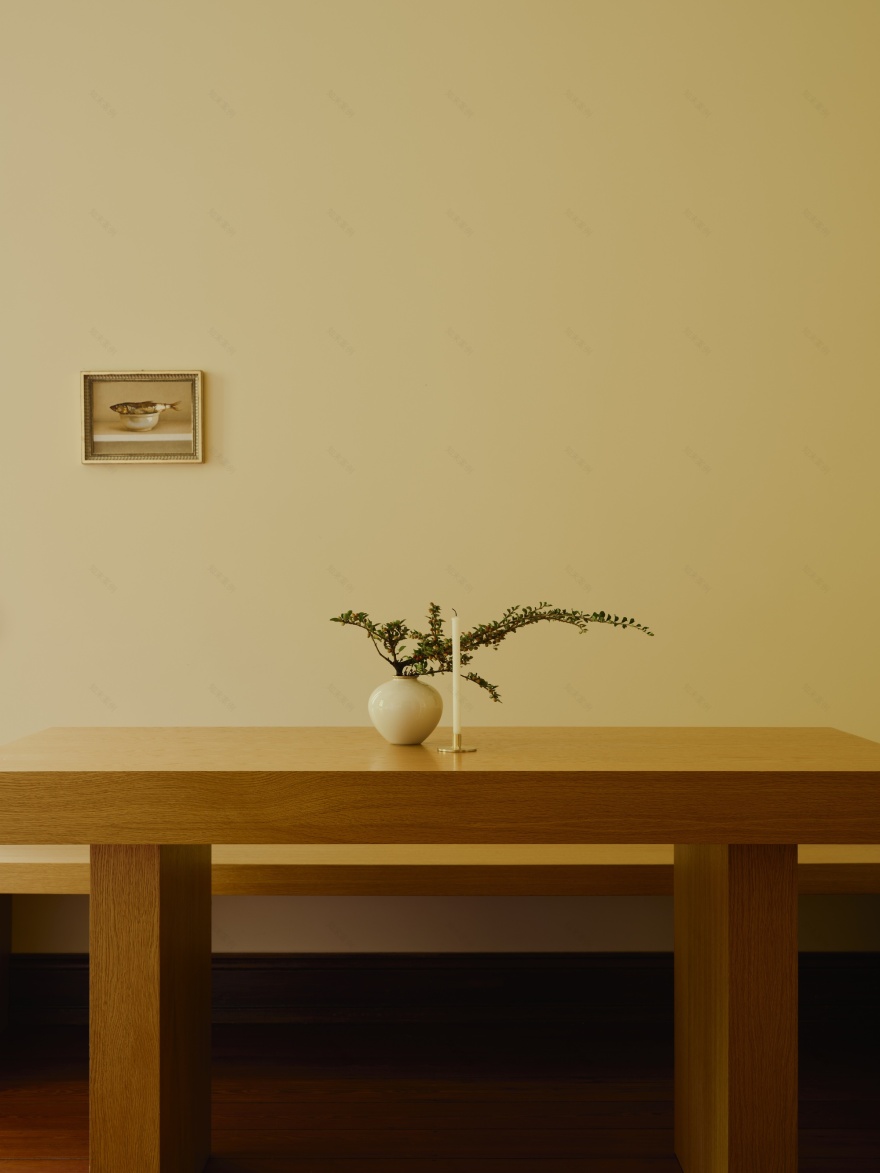
A unifying design strategy is established through the use of a warm yellow tone, which appears across all rooms and ties the different interventions into a coherent whole. Custom-made additions further enrich the spatial narrative. A former service lift has been transformed into a built-in cabinet, while existing storage systems are concealed behind full-height acrylic mirror panels. In the bedroom, a hidden door leads to a carpenter's extended wardrobe that spans the entire width of the room, continuing the butter yellow palette.
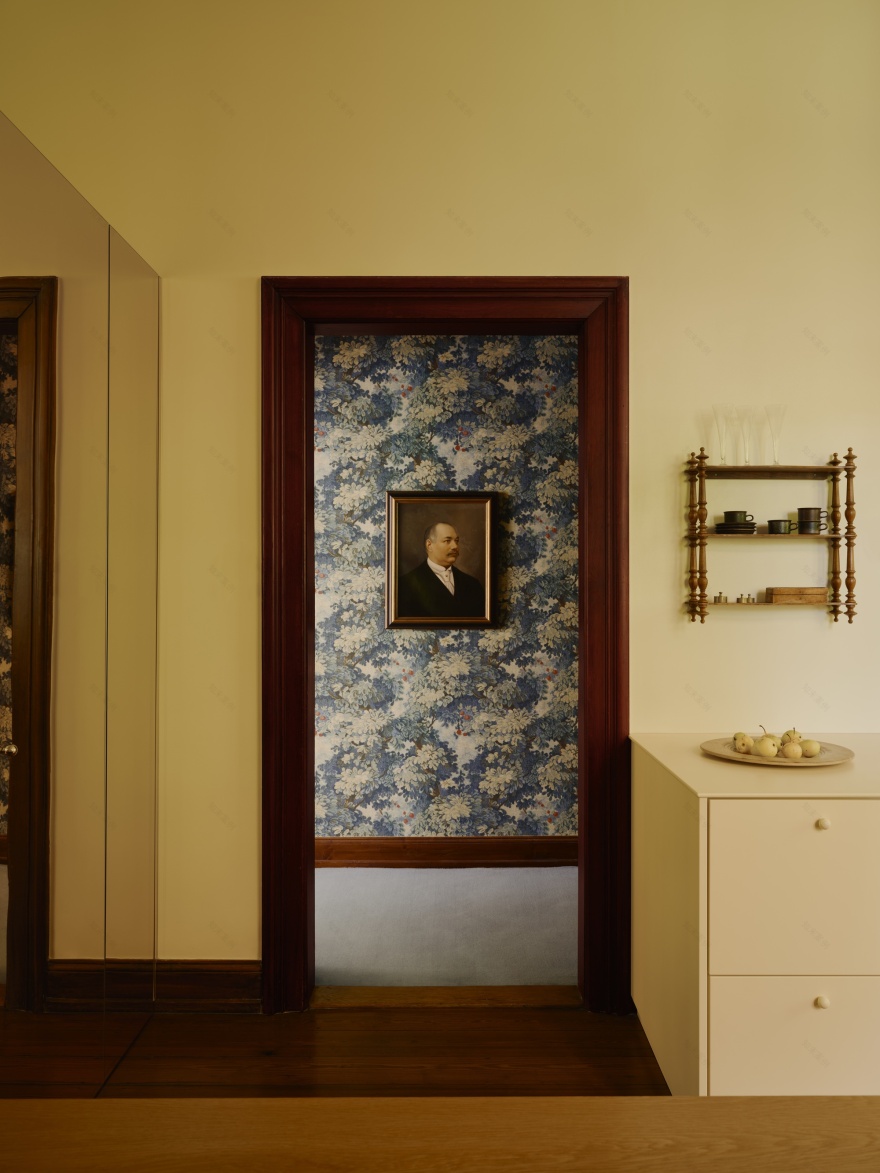
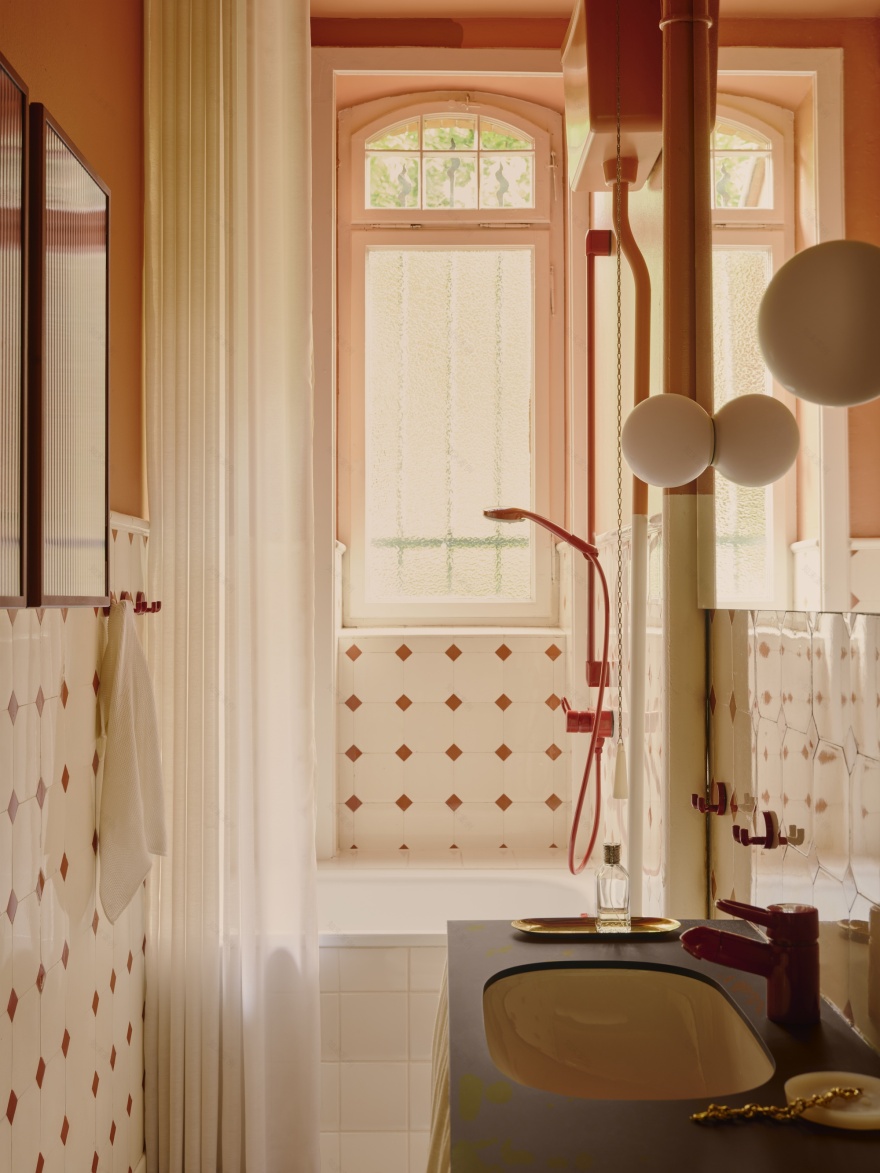
Particular attention was given to the small bathroom dating from around 1900. Here, the original tiles were preserved and complemented with earthy red tones applied to the walls and ceiling, creating an intimate and atmospheric space. An adjacent hallway, finished with Colony wallpaper and a color-coordinated carpet, establishes a visual and material connection and subtly links past and present within a carefully balanced interior composition.
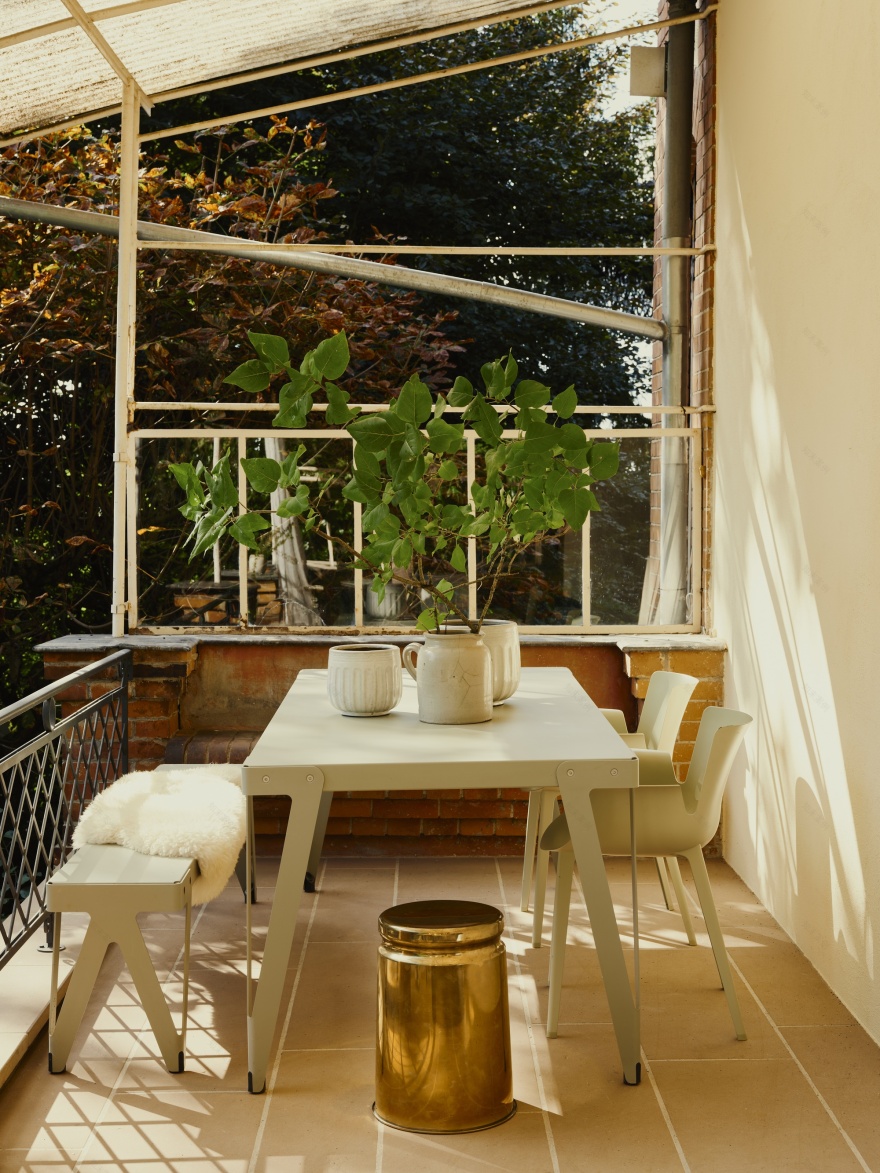
Project gallery
南京喵熊网络科技有限公司 苏ICP备18050492号-4知末 © 2018—2020 . All photos and trademark graphics are copyrighted by their owners.增值电信业务经营许可证(ICP)苏B2-20201444 苏公网安备 32011302321234号
苏公网安备 32011302321234号客服
消息
收藏
下载
最近