

创作上传
VIP
收藏下载
登录 | 注册有礼
查看完整案例

收藏

下载

分享

翻译
Architects:Hyunjoon Yoo + Partners
Area:16028m²
Year:2024
Photographs:Kyung Roh,Kyungsub Shin,Hyunjoon Yoo + Partners
Manufacturers:Eagon
Lead Architects:Hyunjoon Yoo, Jiyoung Jon
Constructor:HYUNDAI E&C
structural Engineer:WONWOO ENG
M/E Engineer:JUNGDO
Interior Designer:DAEHYE
Energy Consultant:Hnc Construction Institute
Landscape Designer:Studio HYMH
Category:Housing,Apartments
Team:Hyunjoon Yoo, Jiyoung Jon, Jaehong Kim, Jiho Kim, Boram Kim, Jin Kim, Eunsuk Noh, Sangki Nam, Changhee Yoo
Co Architect:AA archigroup
Construction Documents:AA archigroup
City:Seoul
Country:South Korea
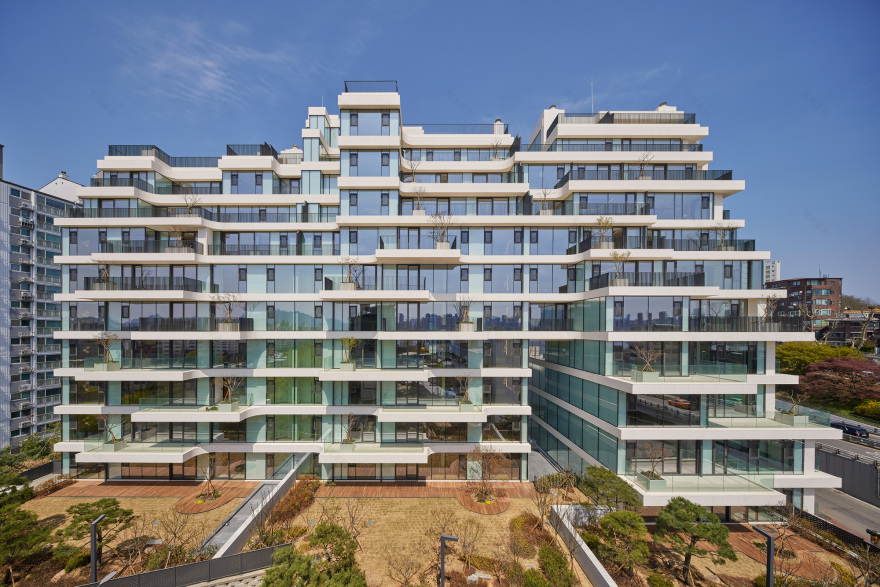
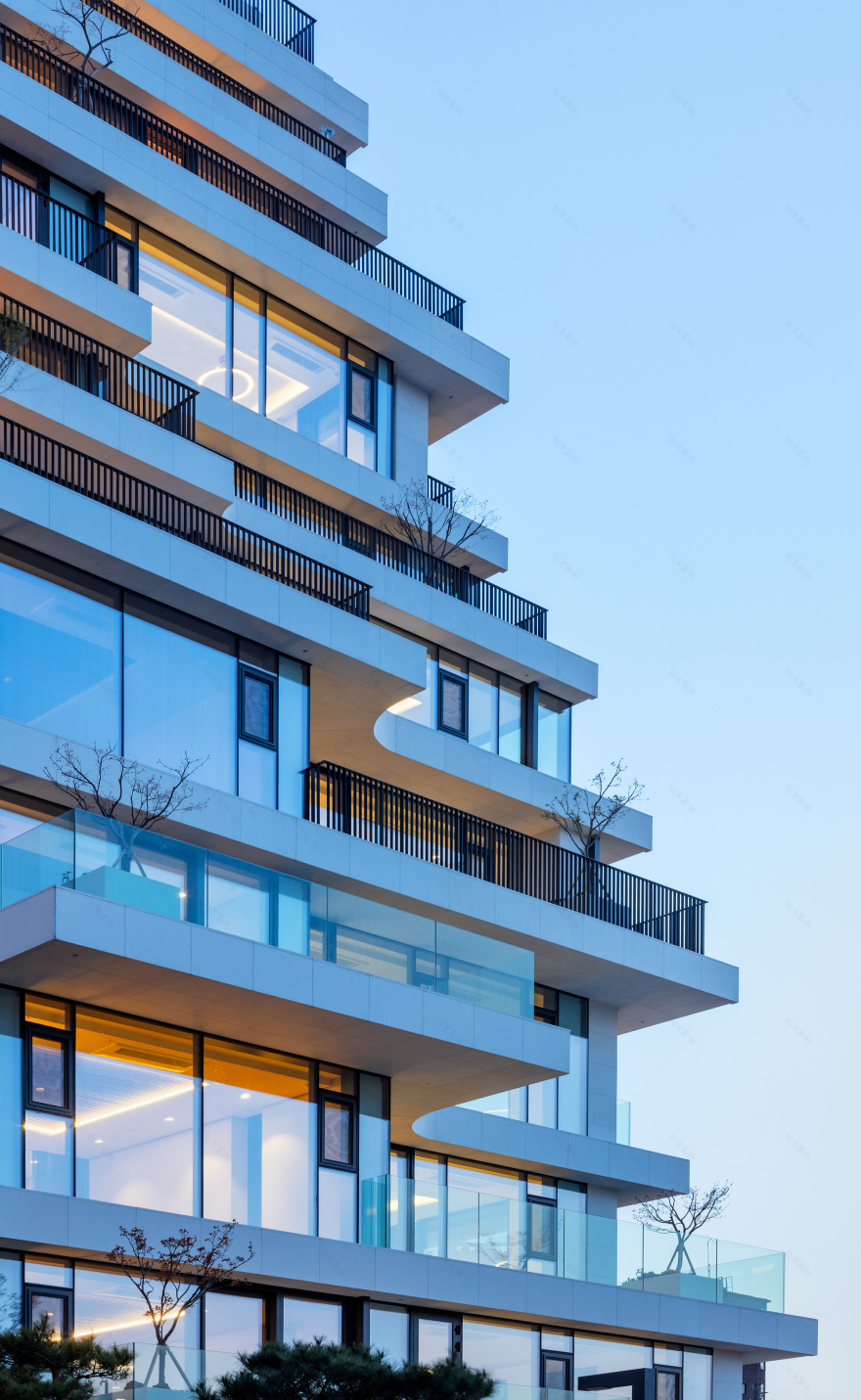
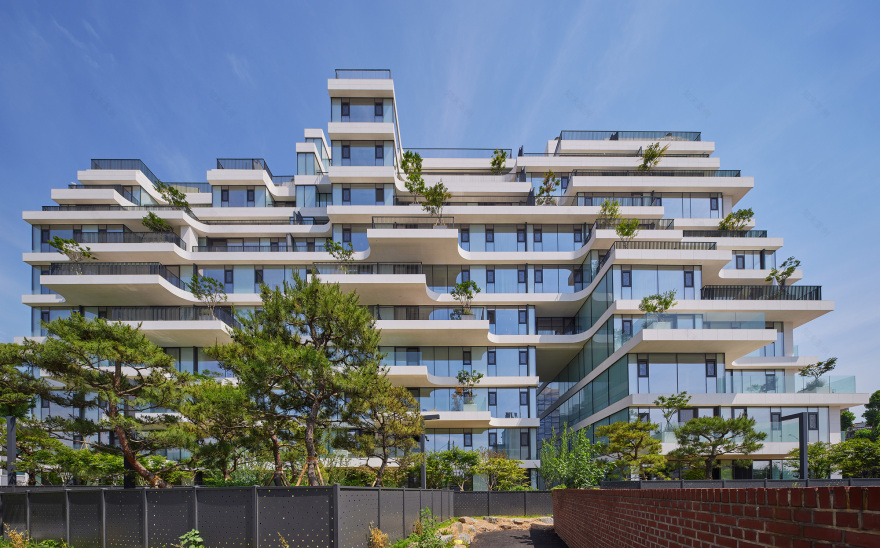
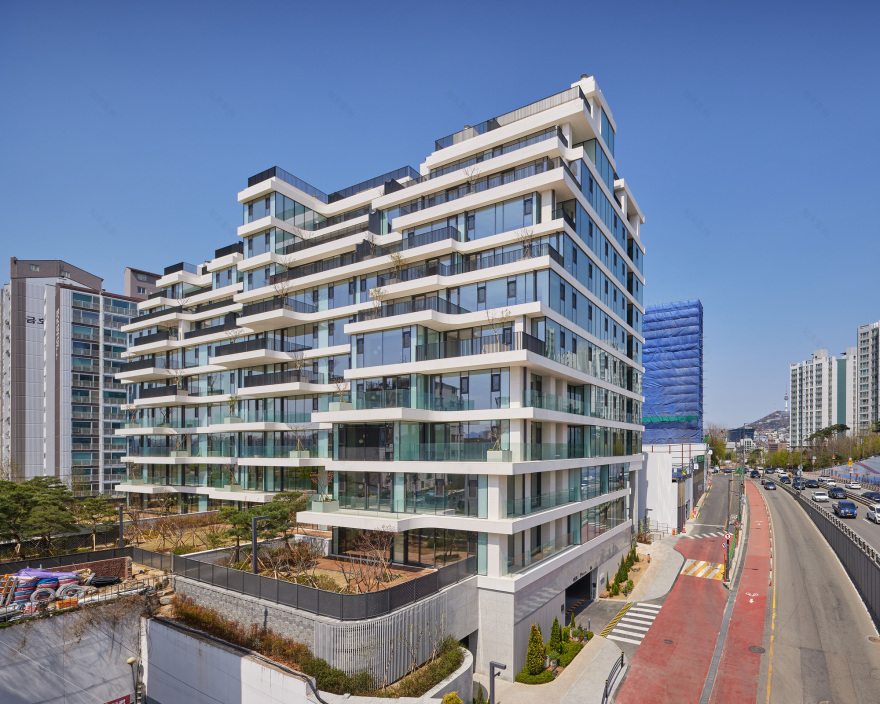
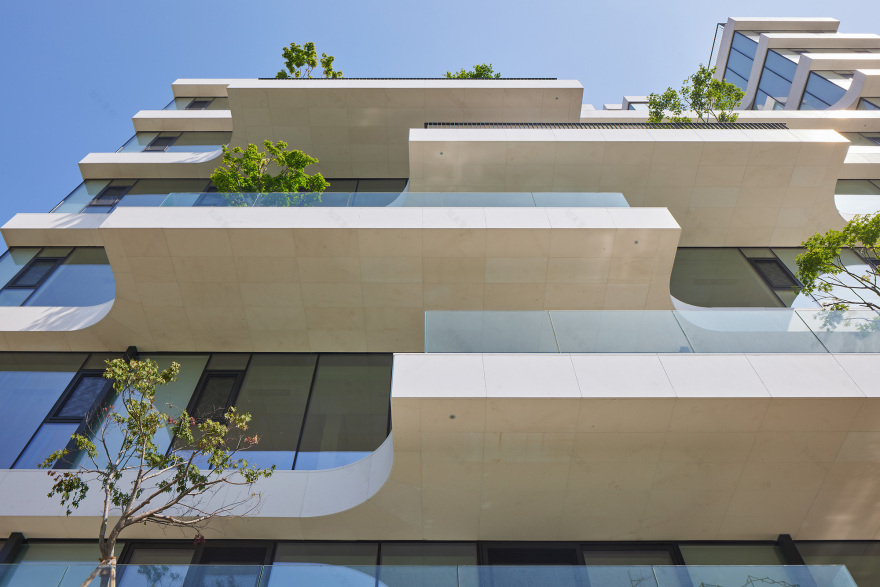
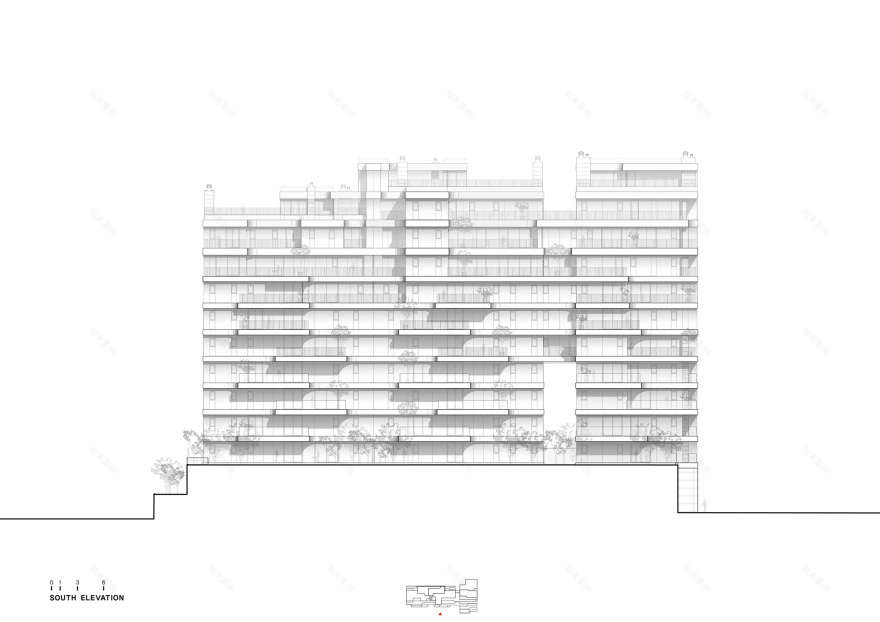
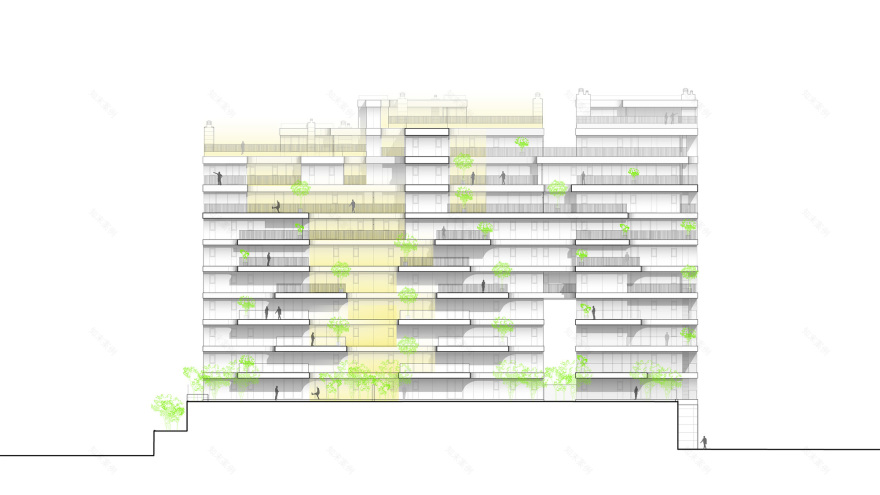
Text description provided by the architects. The site of this project had complex and stringent constraints. Due to various regulations, it was not possible to freely shape the building form, and among these, the most restrictive condition was the setback regulation. As a result, the building naturally recedes as it rises, creating terraces along the way. We considered this a good excuse to persuade the client to create an apartment with terraces. In Korea, balconies are generally assumed to be enclosed and incorporated into the interior space. However, the terraces resulting from the setback regulation are unavoidable.
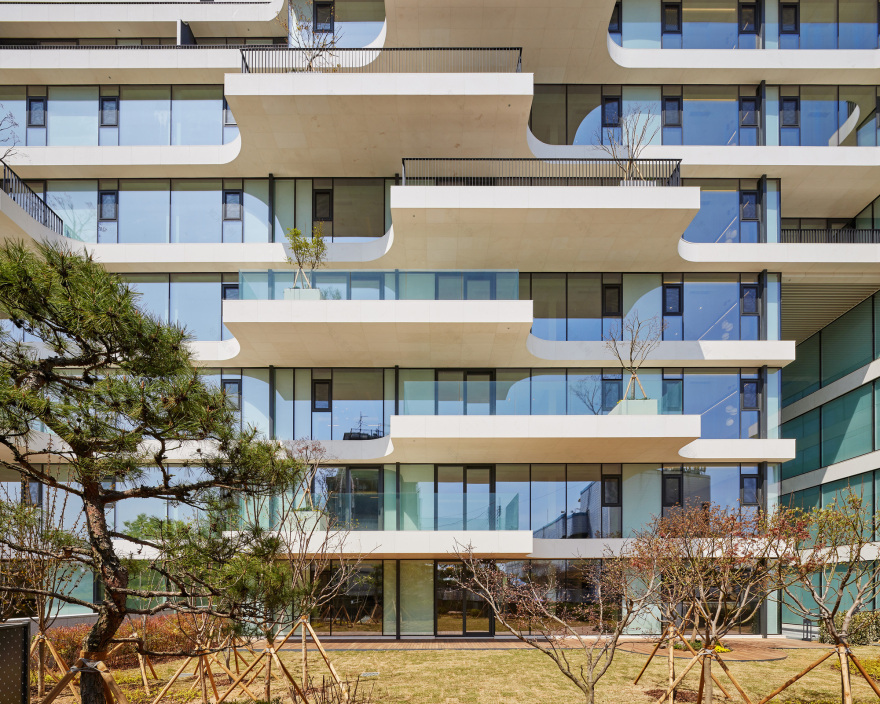
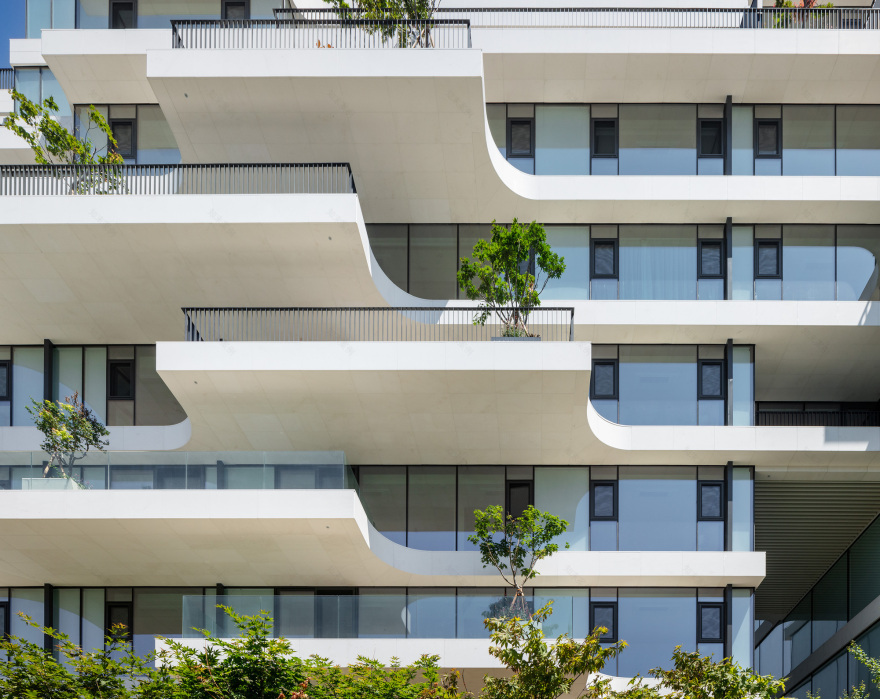
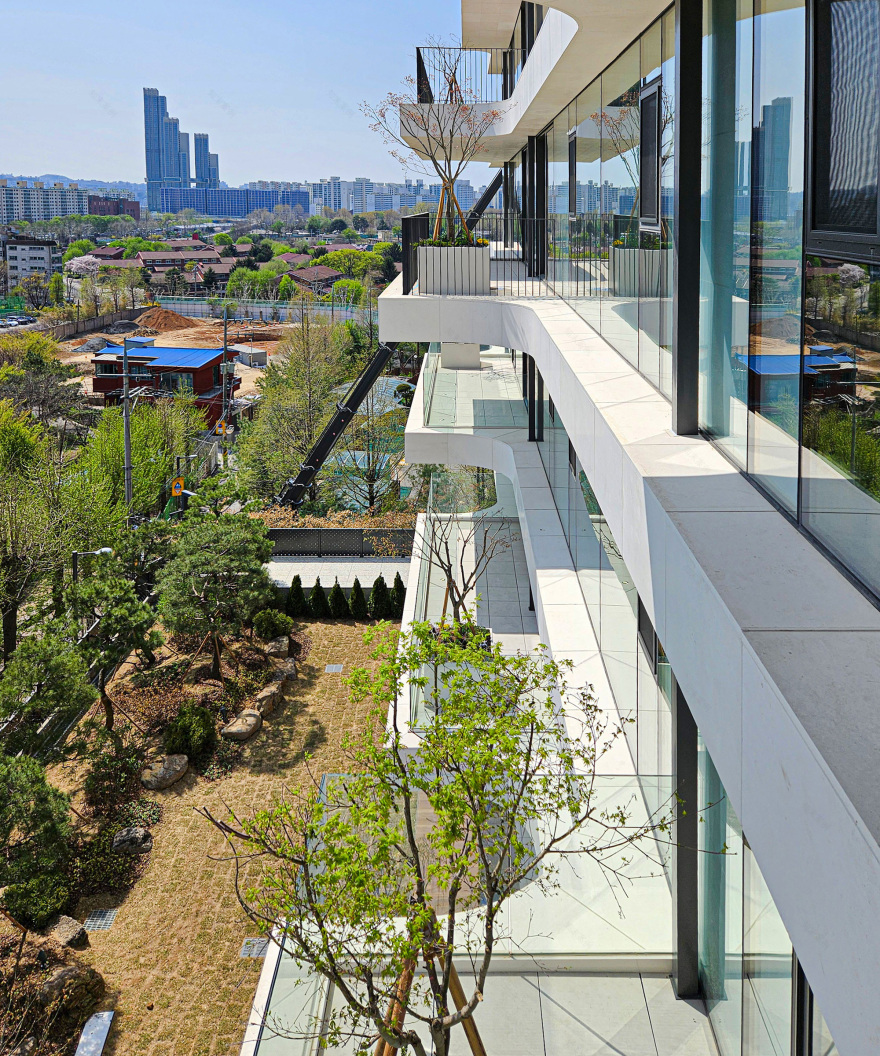
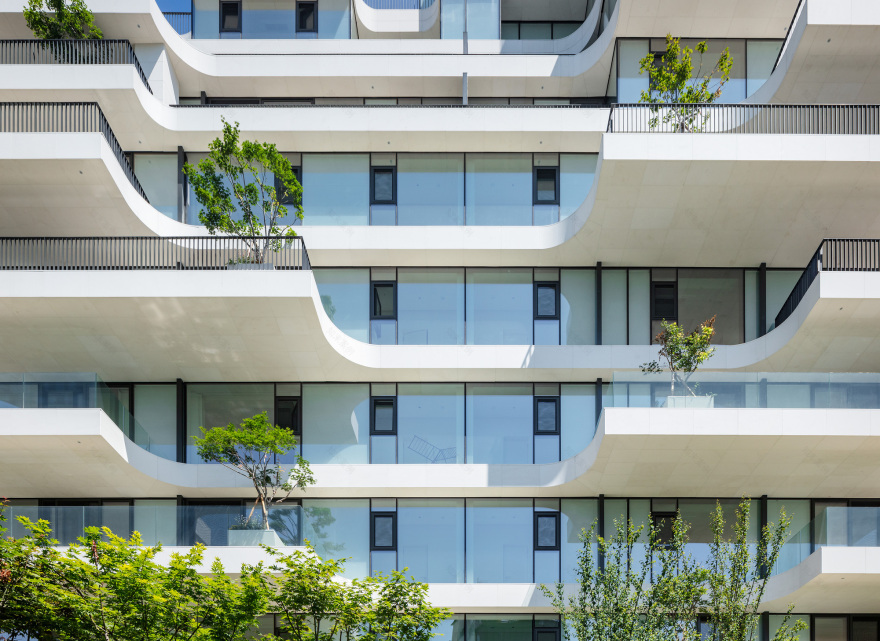
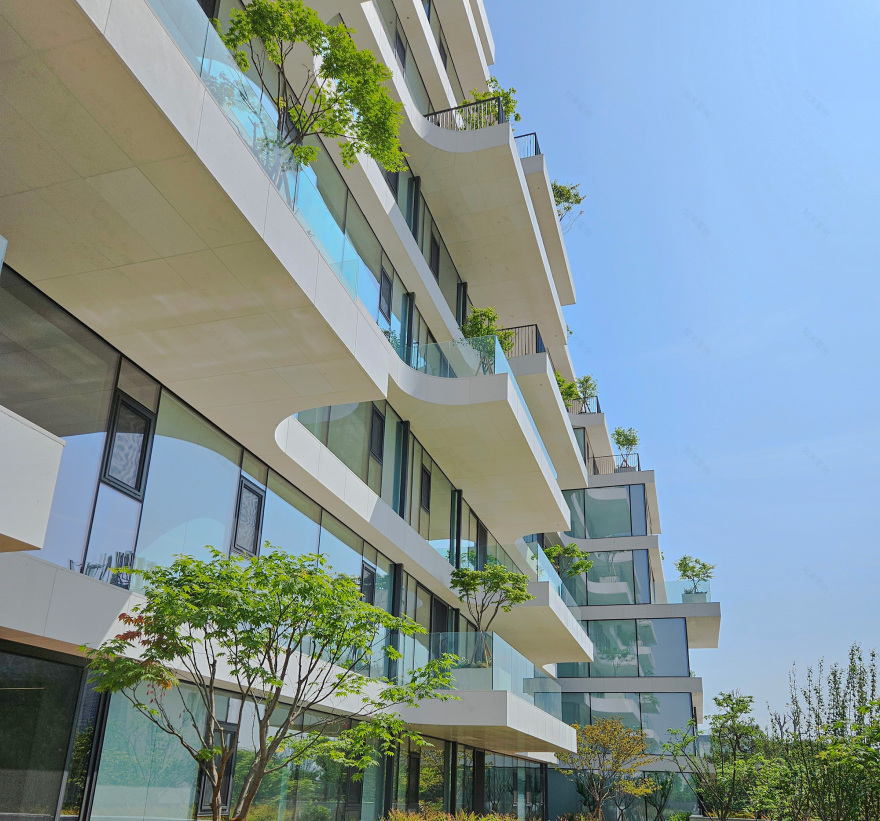
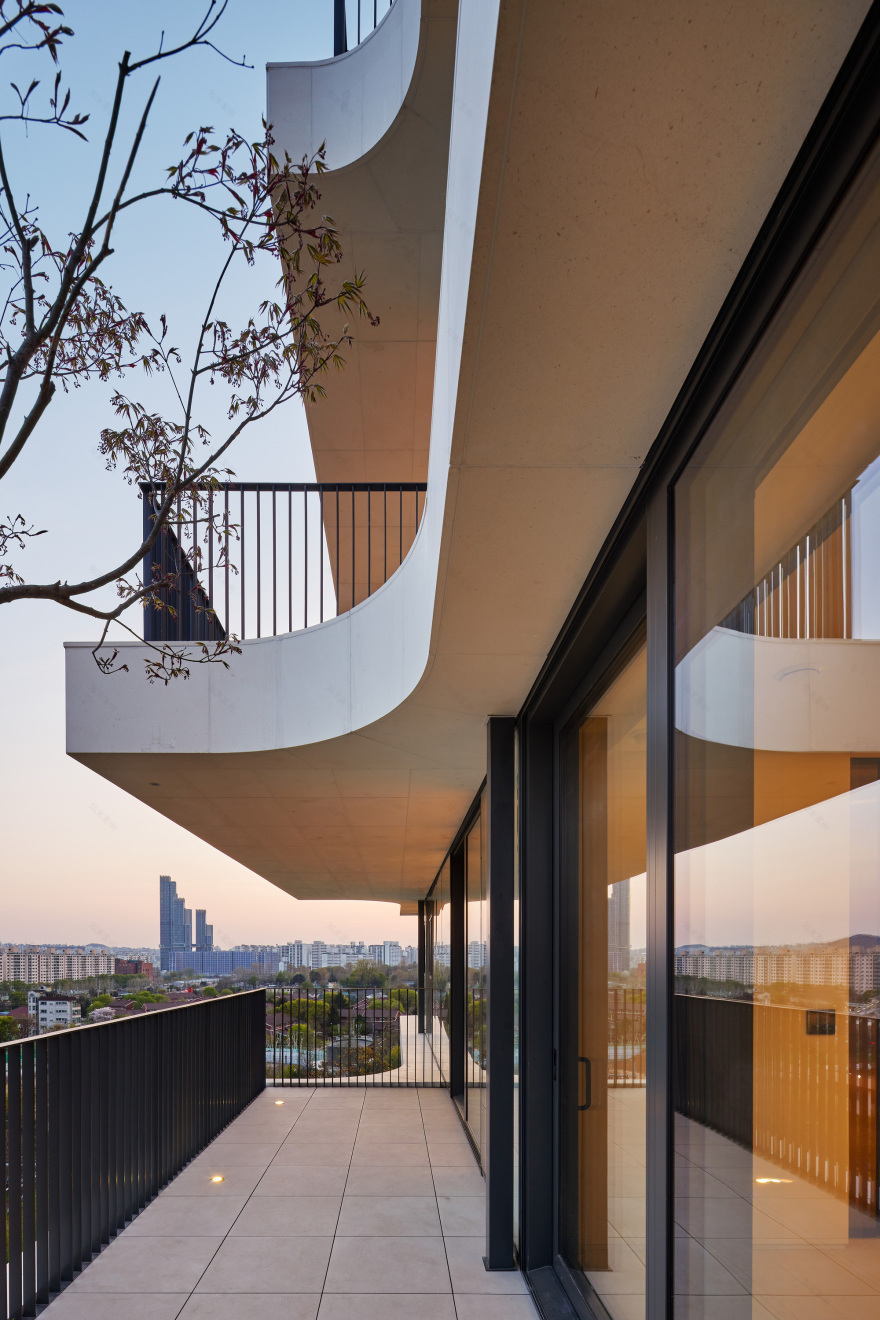
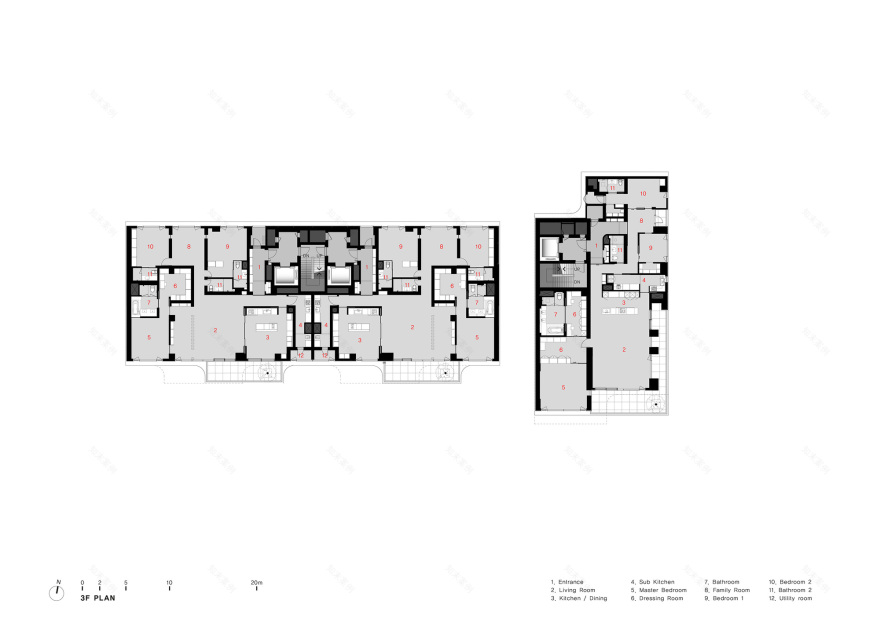
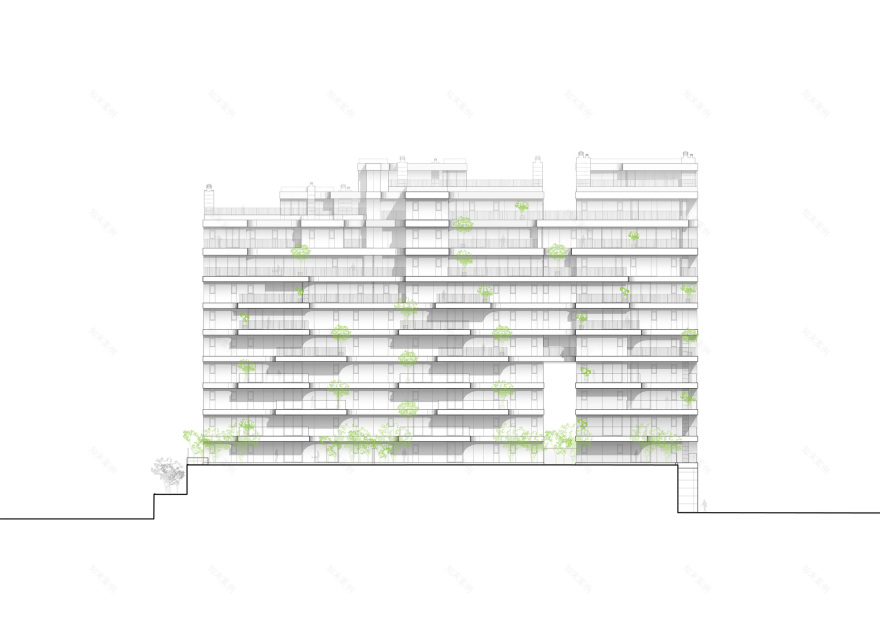
These inevitably formed terraces are open to the sky, allowing exposure to rain and sunlight, thus becoming genuine outdoor spaces connected to nature. Based on this idea, we provided balconies with a width of over 2 meters for all units. As the mass was shaped in response to the setback regulation, each unit resulted in a different floor plan configuration.
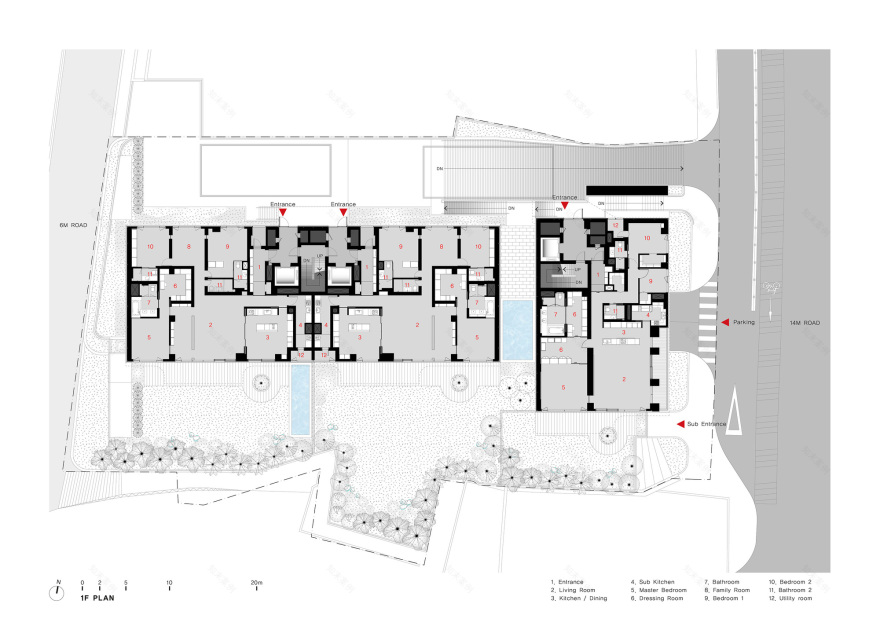
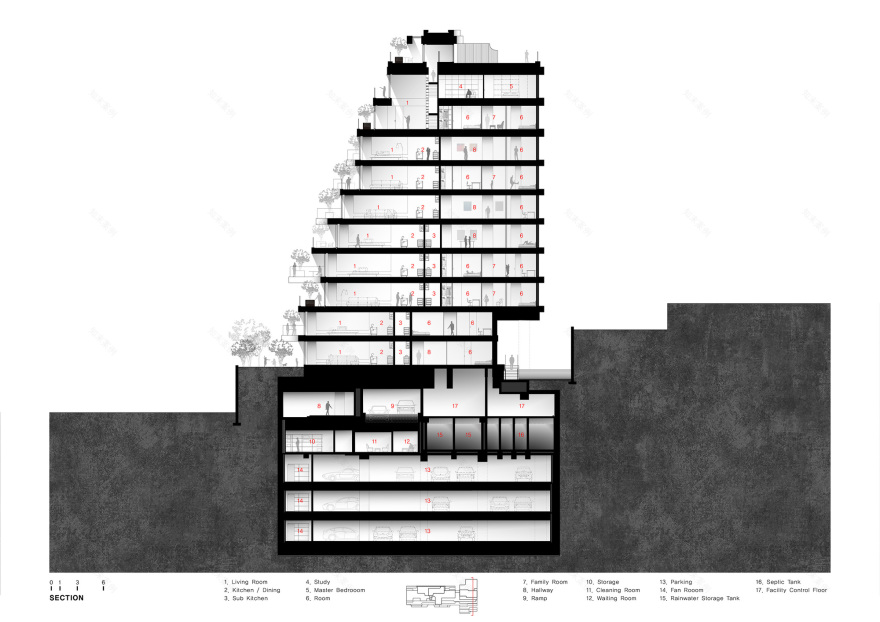
Consequently, despite being an apartment building, all 28 units were designed as unique living spaces with individual character. The balconies were designed with sufficient soil depth to allow for planting trees. In doing so, we were able to realize my long-held vision of "an apartment with balconies that function like yards."

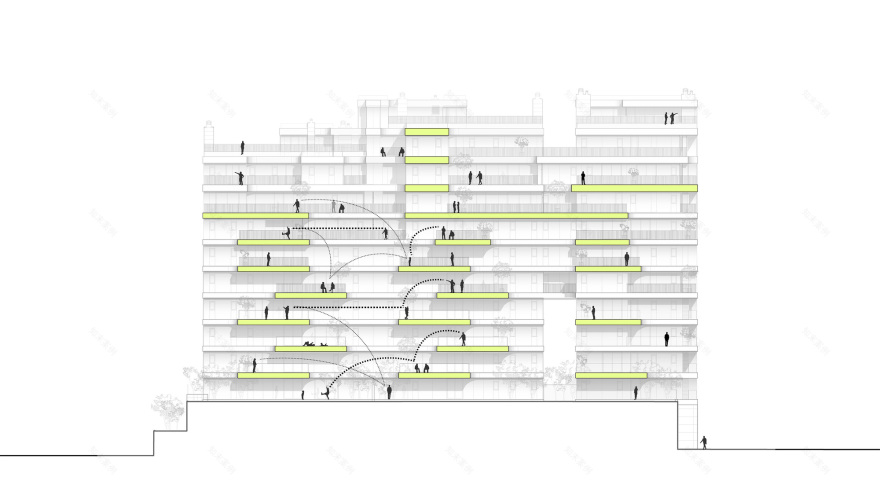
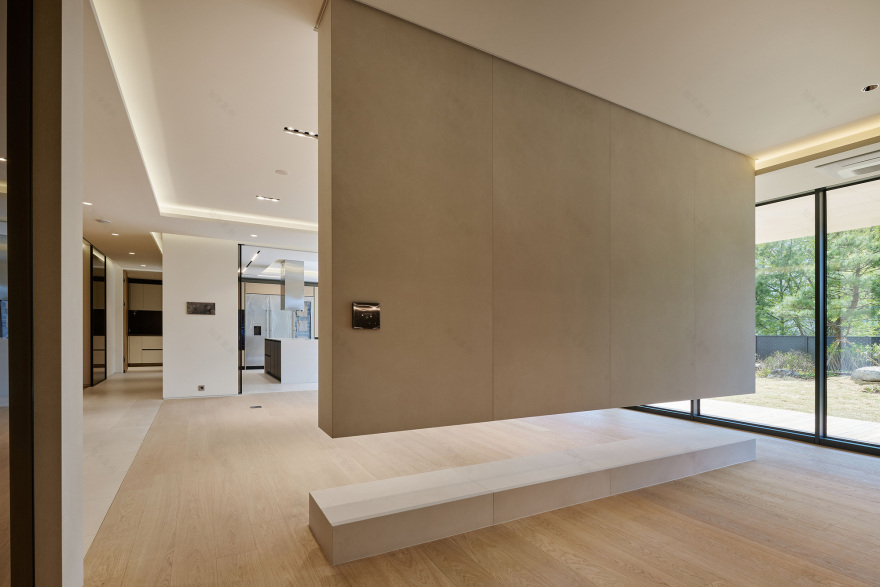
The second key focus of this project was "windows that allow rooms to look into other rooms." In traditional Korean hanok houses, when a window in the main room is opened, one can see the sarangbang located across the courtyard. In this way, rooms could visually communicate with each other across the courtyard. However, in contemporary Korean apartments built with wall-structure systems, there are no windows facing the living room, which can be considered a transformed version of the hanok courtyard.

This condition limits communication among family members. In this project, we introduced small windows between rooms wherever possible, allowing the space to feel larger while also encouraging selective visual communication among family members.
Project gallery




南京喵熊网络科技有限公司 苏ICP备18050492号-4知末 © 2018—2020 . All photos and trademark graphics are copyrighted by their owners.增值电信业务经营许可证(ICP)苏B2-20201444 苏公网安备 32011302321234号
苏公网安备 32011302321234号客服
消息
收藏
下载
最近