

创作上传
VIP
收藏下载
登录 | 注册有礼
查看完整案例

收藏

下载

分享

翻译
Architects:FP Arquitectura
Area:11853m²
Category:Social Housing
Design Team:Iván Forgioni, José Puentes, Juan José López, Camilo Cano, Lorena Mejía, Daniel Vergara, Oscar Meneses, Juan Camilo Osorio, Natalia Gómez, Akemi Iwai, Luisa Cardona
Developer:Secretaría de Integración Social de Bogotá
Constructor:Consorcio Bacata
City:Bogotá
Country:Colombia

Text description provided by the architects. El Camino is the city’s largest public infrastructure for housing and social services, where people receive accommodation, food, clothing, and comprehensive care.
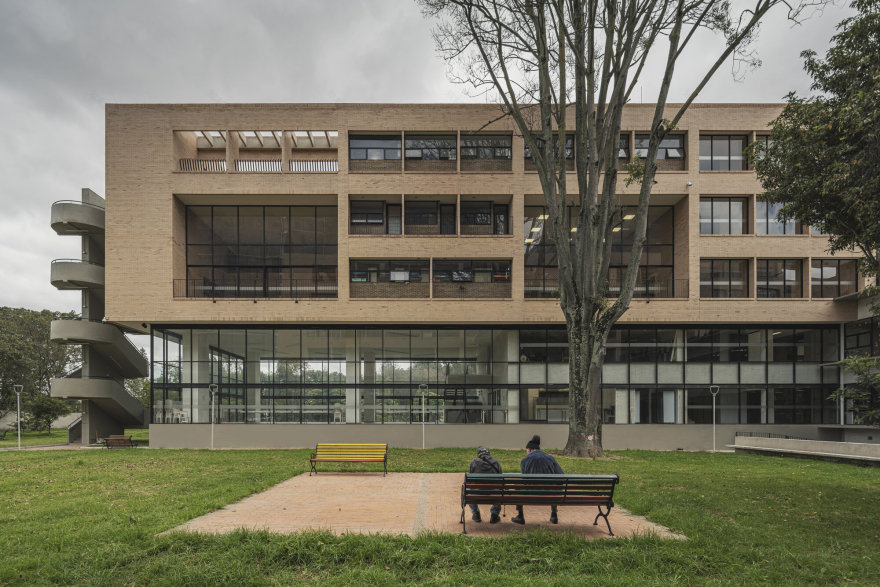
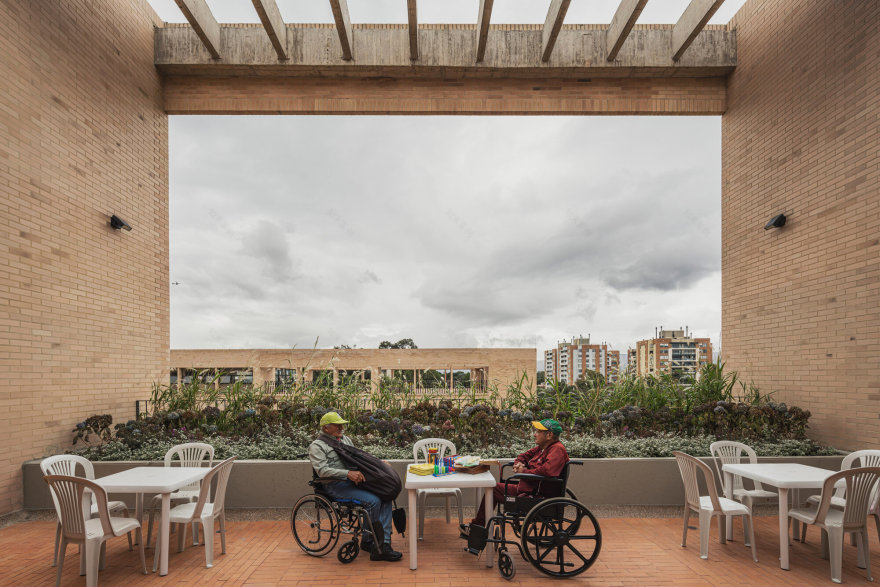
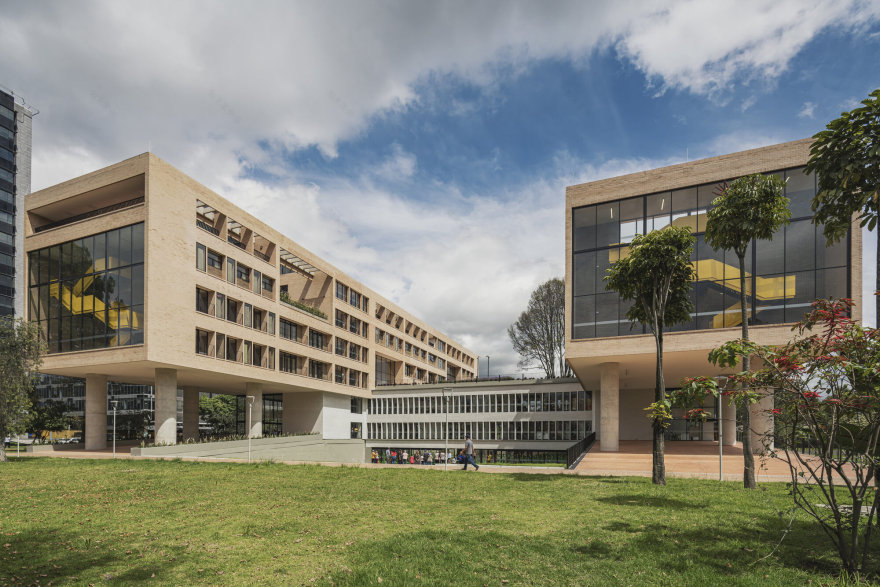
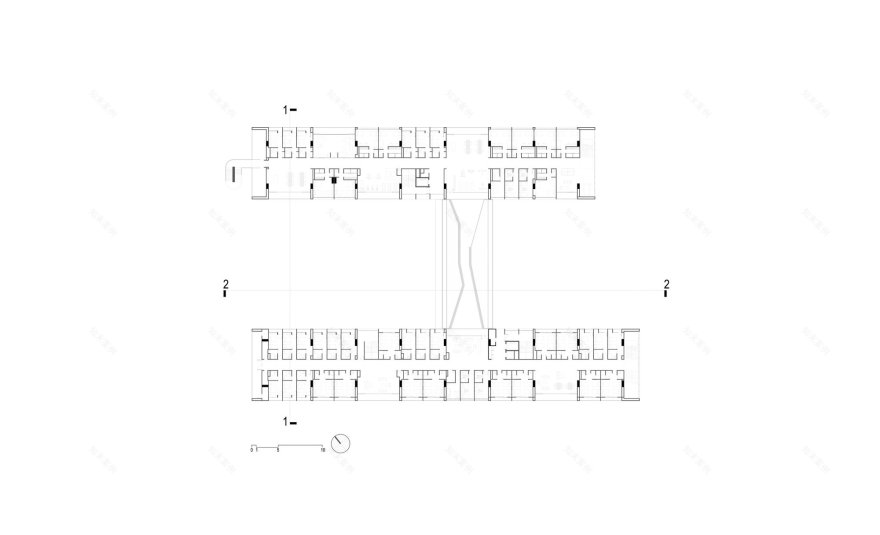
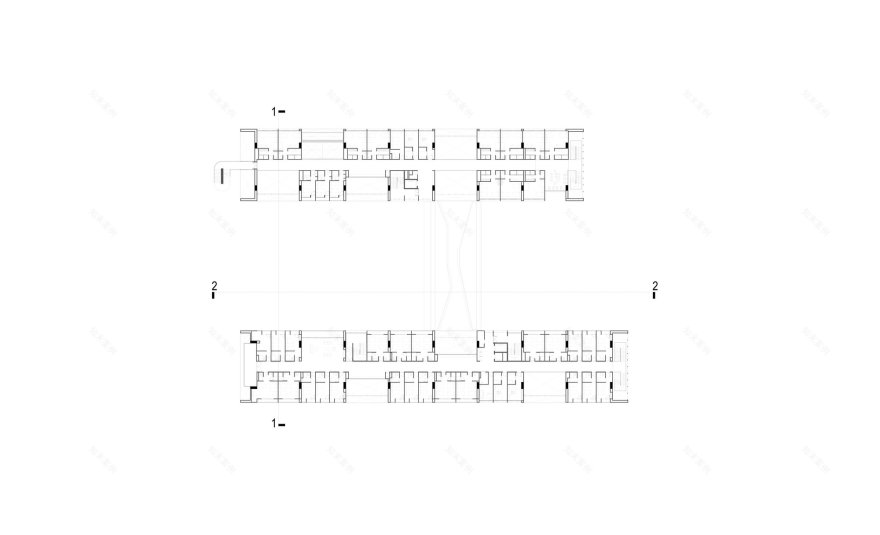
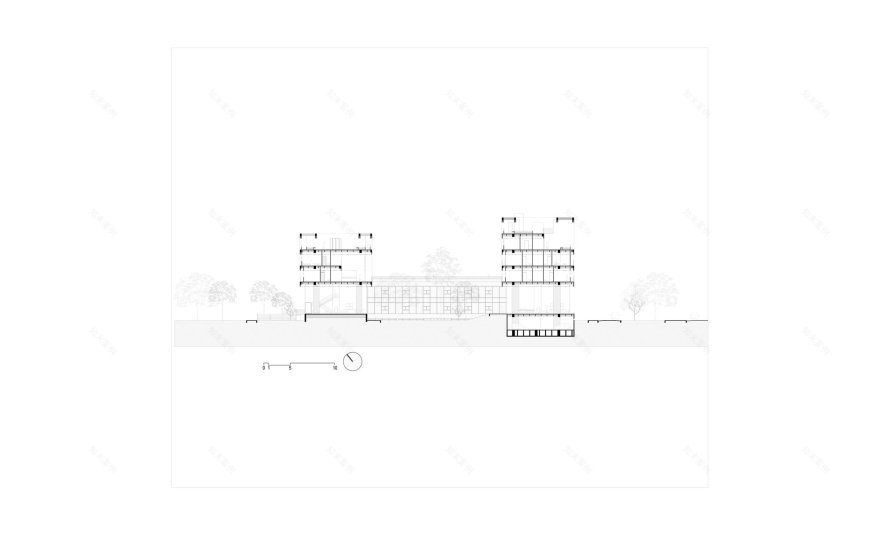
The center has 118 rooms grouped into different types according to users’ physical condition, level of autonomy, and specific needs, and integrates three services: Centro Vida, which provides permanent care for formerly unhoused people in a process of social reintegration; Centro Día, which offers comprehensive daily care for older adults; and Centro Protección, which shelters and supports older adults living in poverty or vulnerability due to abandonment or lack of family support.
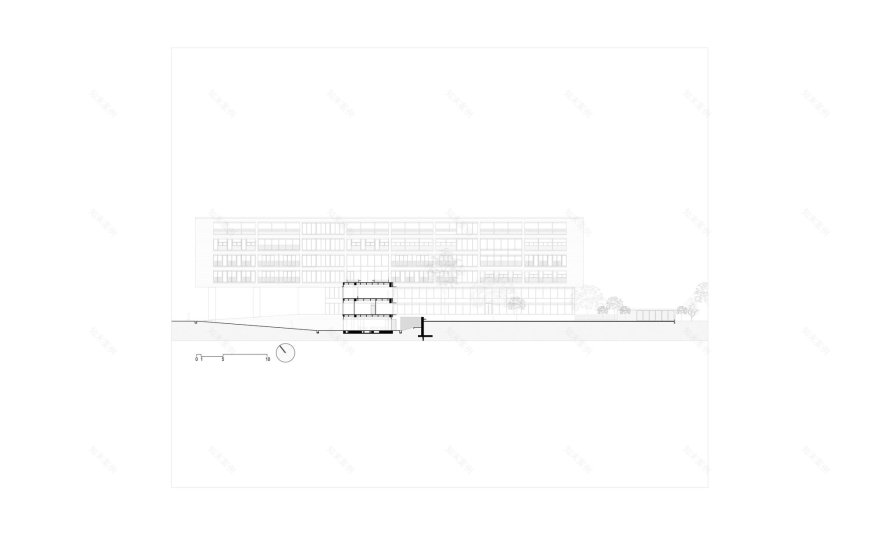
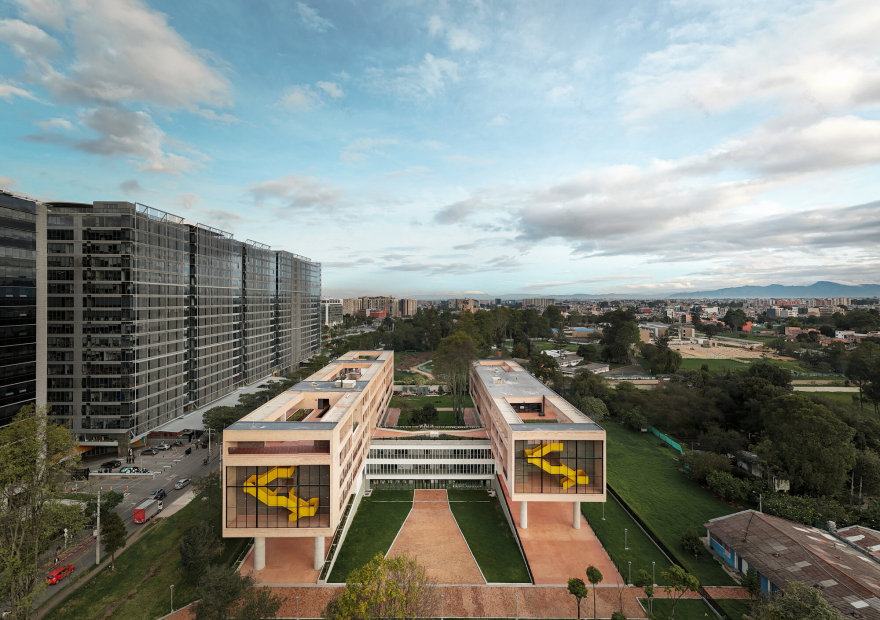
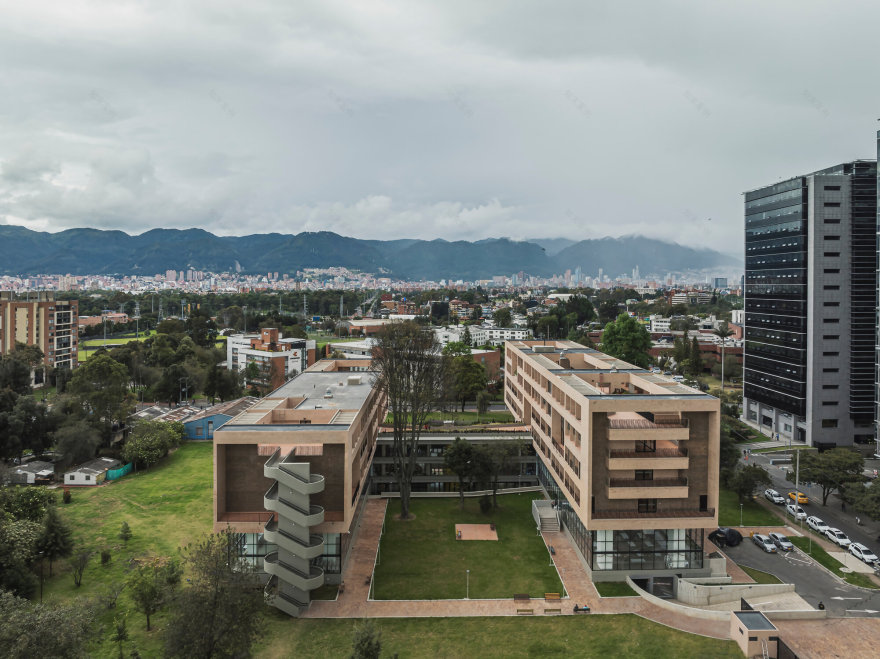
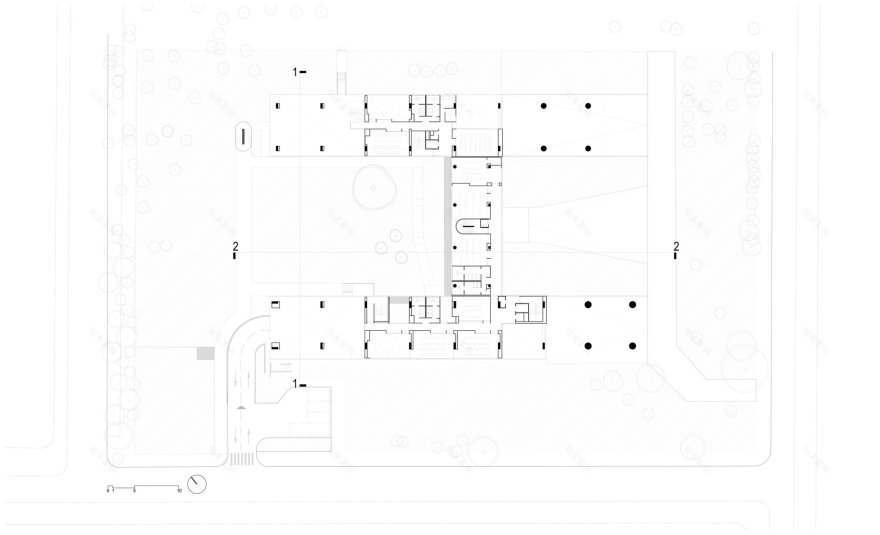
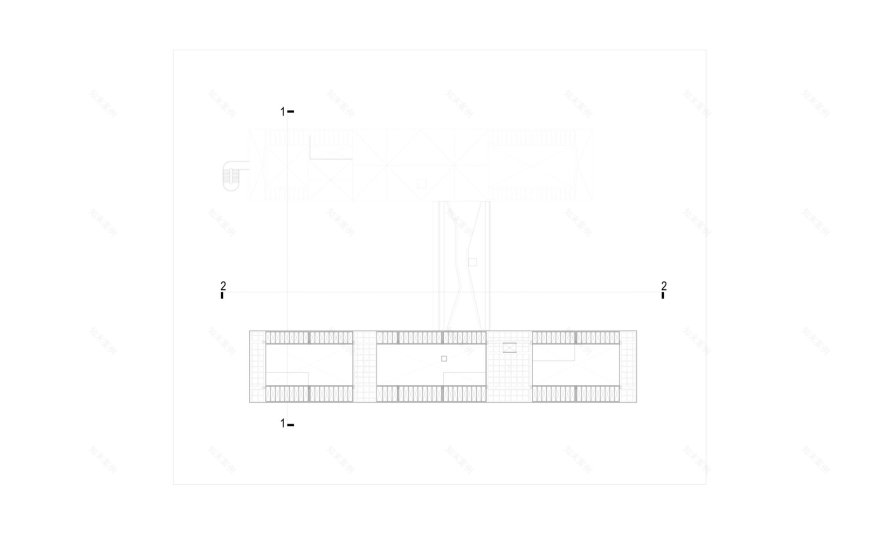
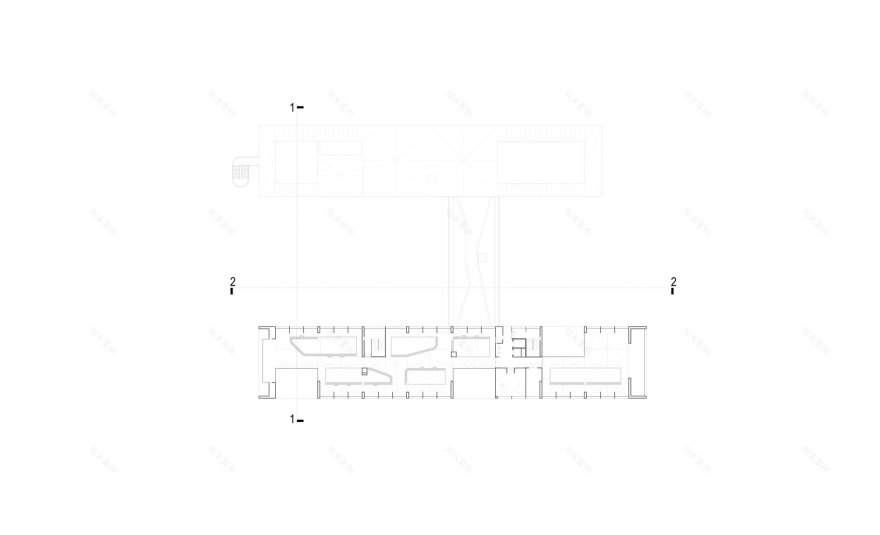
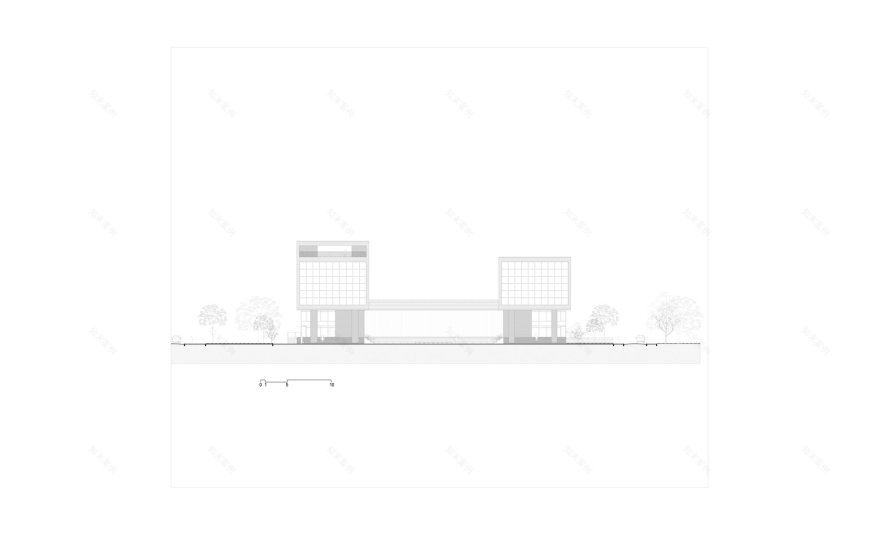
The design begins by clearly differentiating the three components without losing the ability to read them as a single building. The project is organized on an “H”-shaped plan that enables the formation of two large open spaces: a plaza integrated with the existing public realm and an internal courtyard. The location of this courtyard is determined by the need to preserve several existing trees, most notably a Urapán, a heritage tree of Bogotá.

Toward its edges, the building steps back from the surrounding streets to create pedestrian buffer zones with green areas and tree planting. These street-facing areas, previously enclosed from public access by a fence, are now fully open and public.
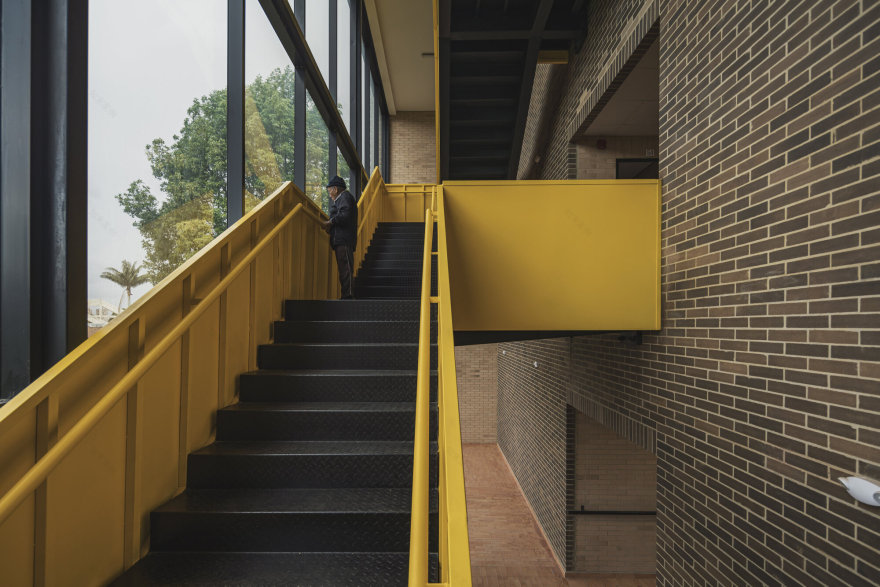
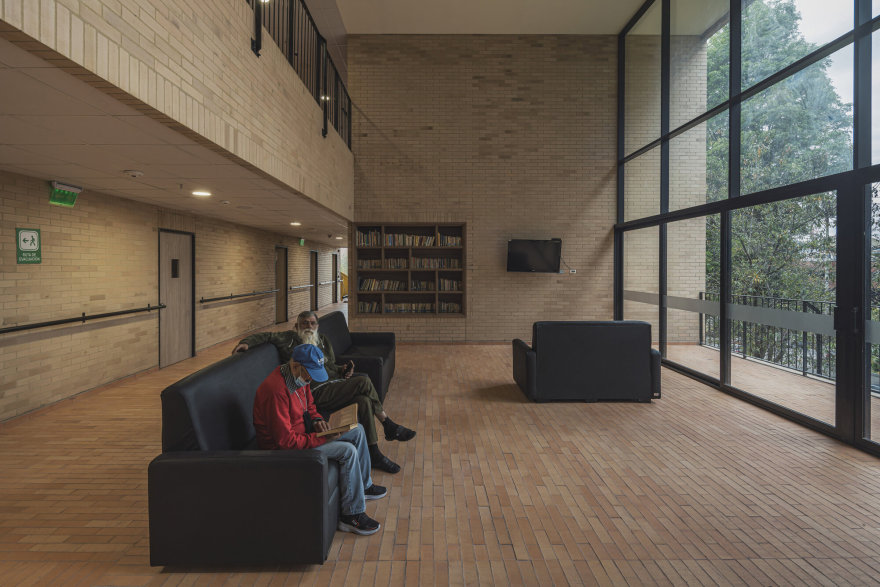
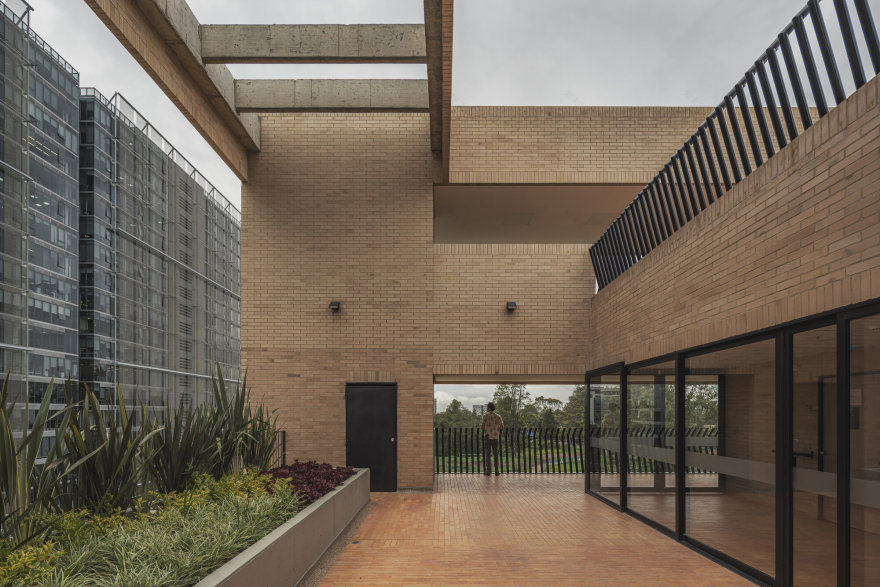
Access to the services is provided through two folded lobbies and a sloped plaza that enables continuity of the urban surface and the overlap of public scenarios into the building. A glazed base housing administrative and service areas—such as art workshops, music classrooms, and dining spaces—establishes a transparent and permeable relationship with the everyday life of the city.
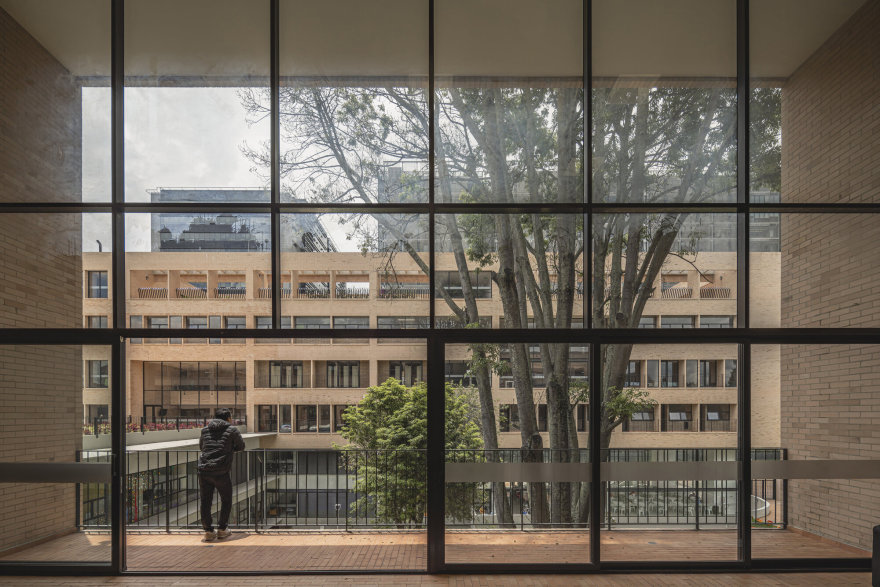
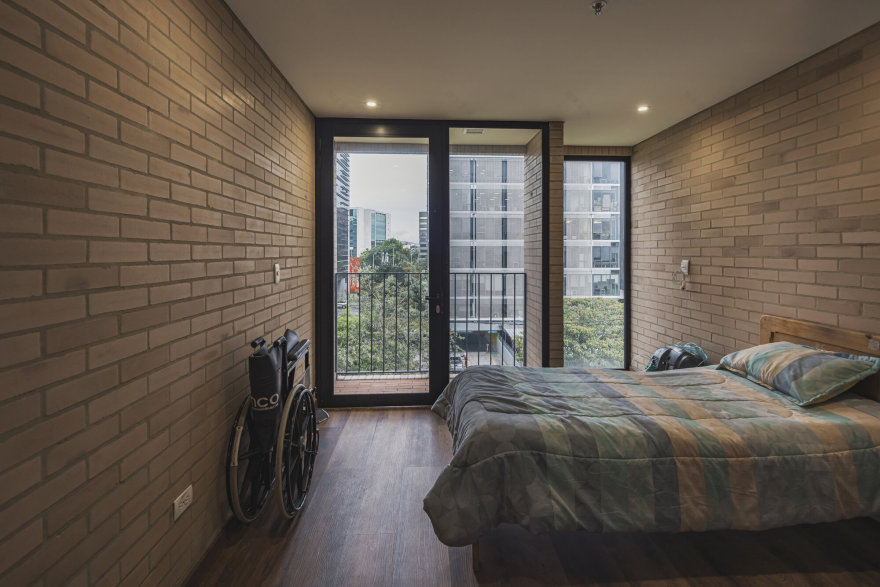

Project gallery





南京喵熊网络科技有限公司 苏ICP备18050492号-4知末 © 2018—2020 . All photos and trademark graphics are copyrighted by their owners.增值电信业务经营许可证(ICP)苏B2-20201444 苏公网安备 32011302321234号
苏公网安备 32011302321234号客服
消息
收藏
下载
最近