

创作上传
VIP
收藏下载
登录 | 注册有礼
查看完整案例

收藏

下载

分享

翻译
Architects:BAUEN
Area:408m²
Year:2025
Photographs:BAUEN
Category:Services
Team Lead:Aldo Cristaldo
Design Team:Saúl Acosta, Ana Ponti, Juan Romero
Technical Team:Tamara Pappalardo, Hernán Morínigo, Nilze Cantero
City:Asunción
Country:Paraguay
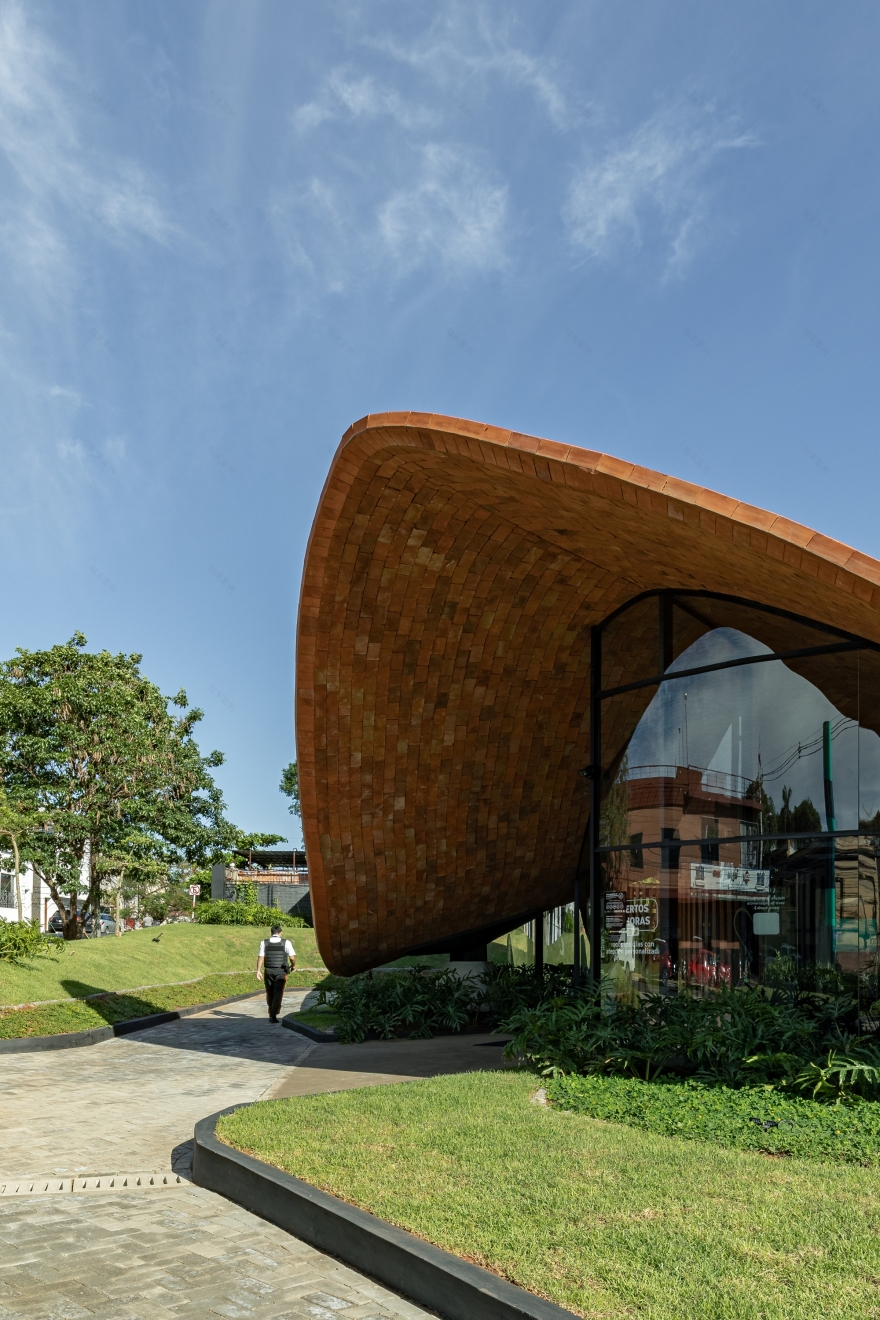
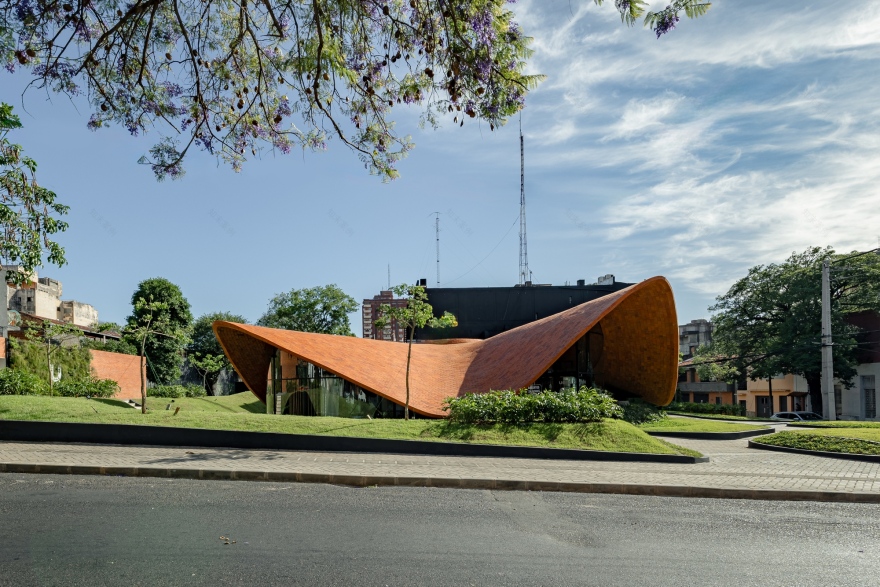
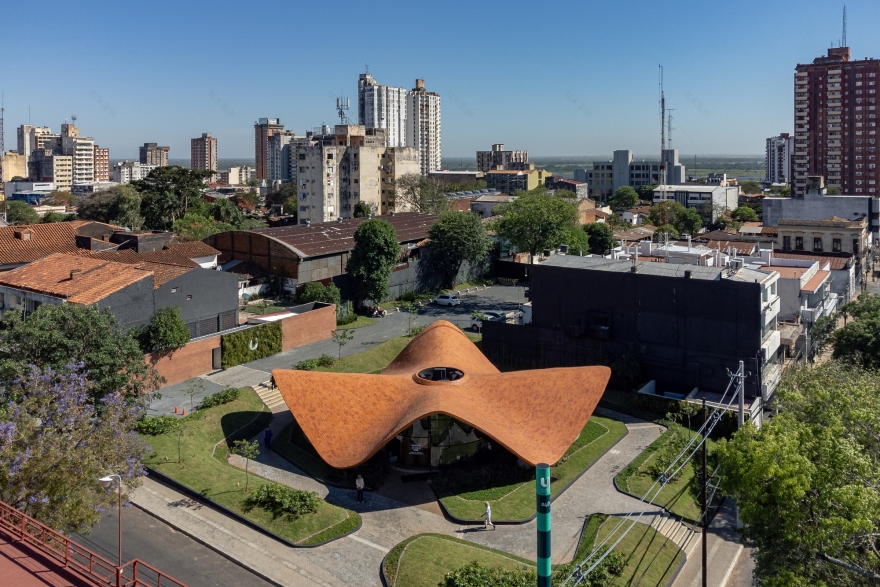
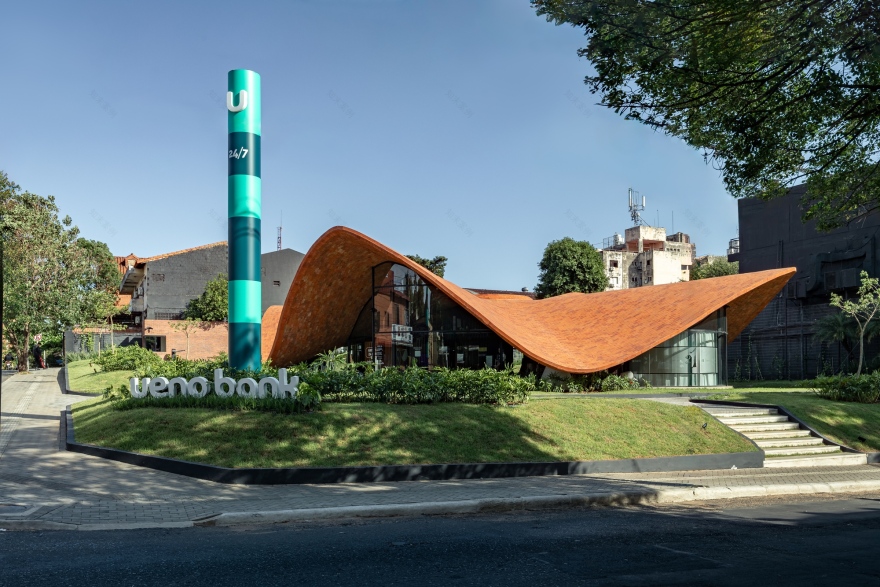
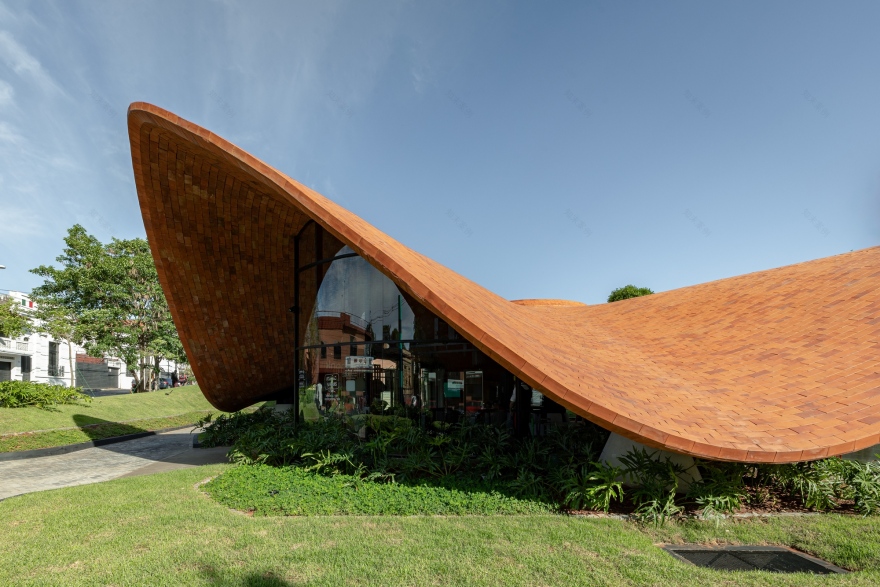
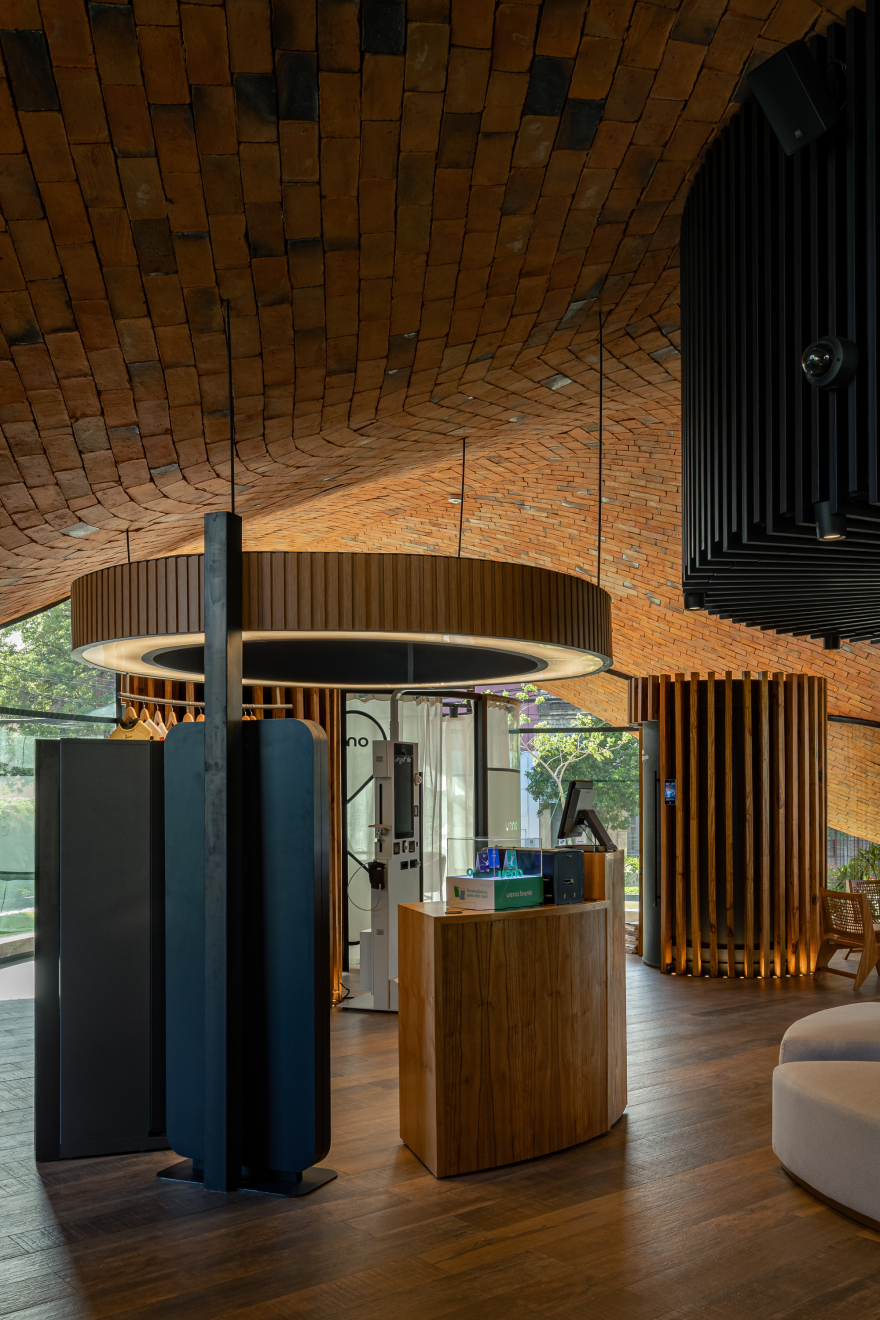
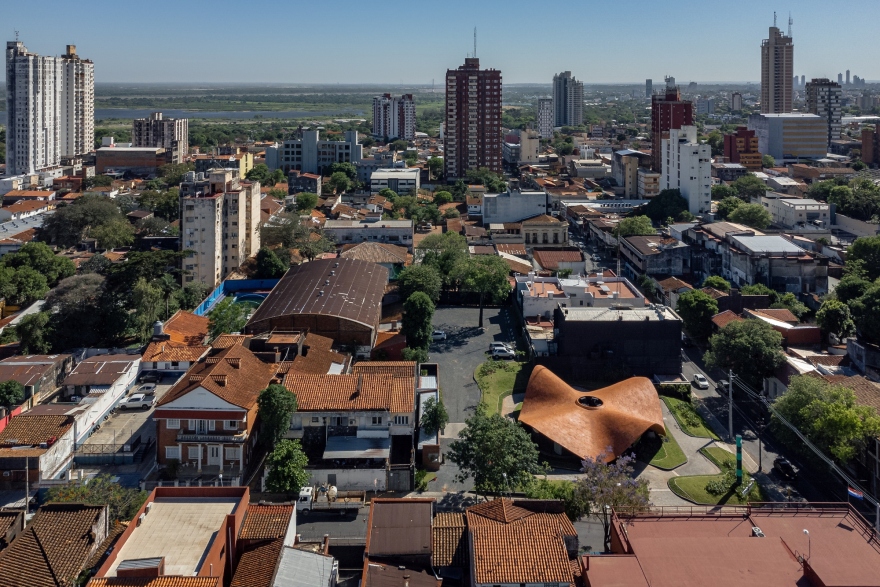
Text description provided by the architects. A bank is not a building: it is an agreement, an ecosystem of trust. The amoeba is born from this idea: roofs that float, made of thousands of bricks that, together, raise something much greater. An open architecture, without hierarchies, honest and accessible from all sides. A living surface that breathes with the climate, transforms the technical into poetic, and embraces instead of imposing. The amoeba is not just an aesthetic gesture. It is a statement of principles. A manifesto in brick.

A bank is an agreement. A trust put into circulation. It is the space where strangers meet, not only to exchange values but to enable possibilities. First came bartering. Then came coins, paper, systems. But beyond the means, one intention persists: to transform resources into opportunities, needs into connections, ideas into action. A bank is an ecosystem of trust, where the sum of small gestures —savings, a loan, a decision— can sustain something much greater.

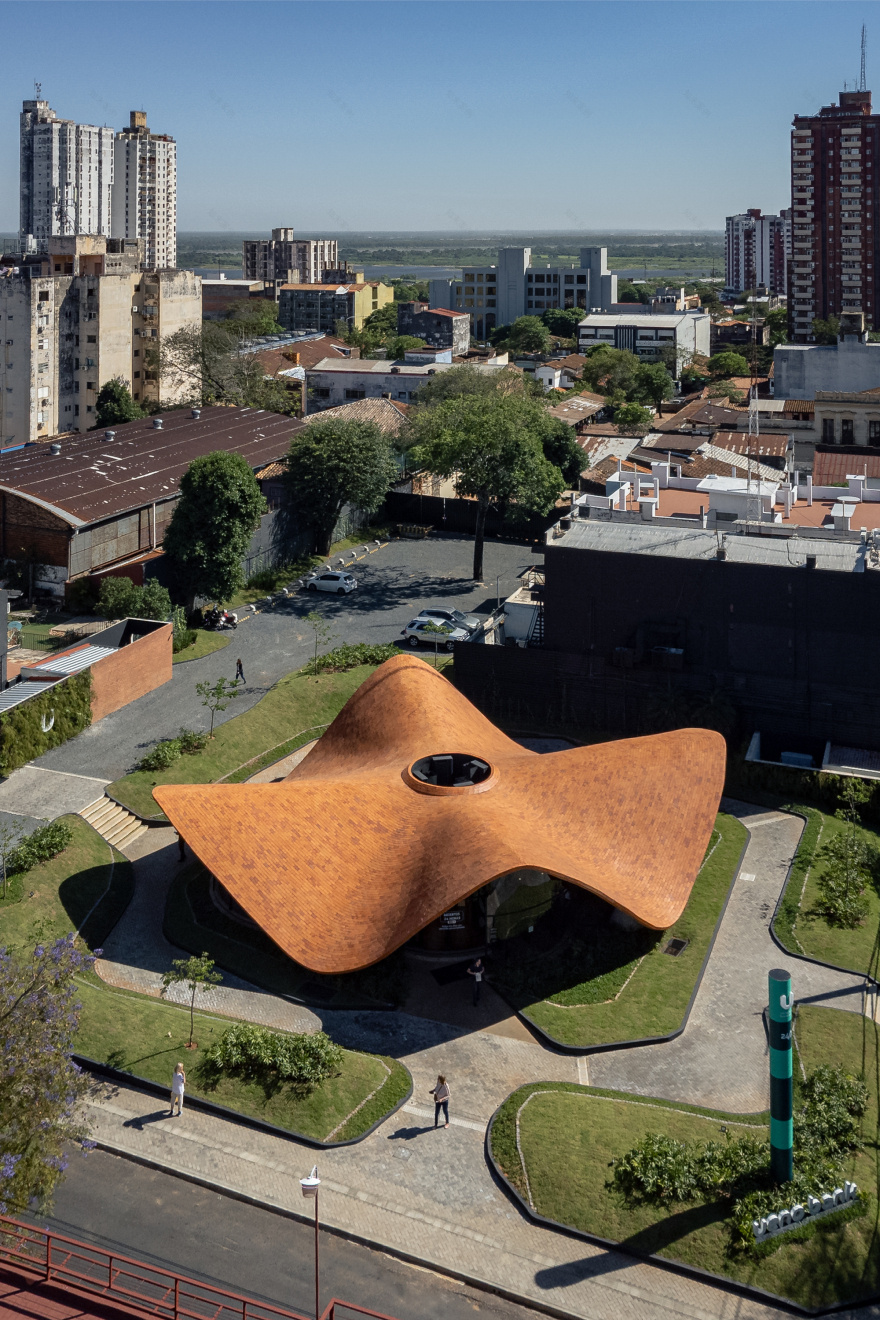
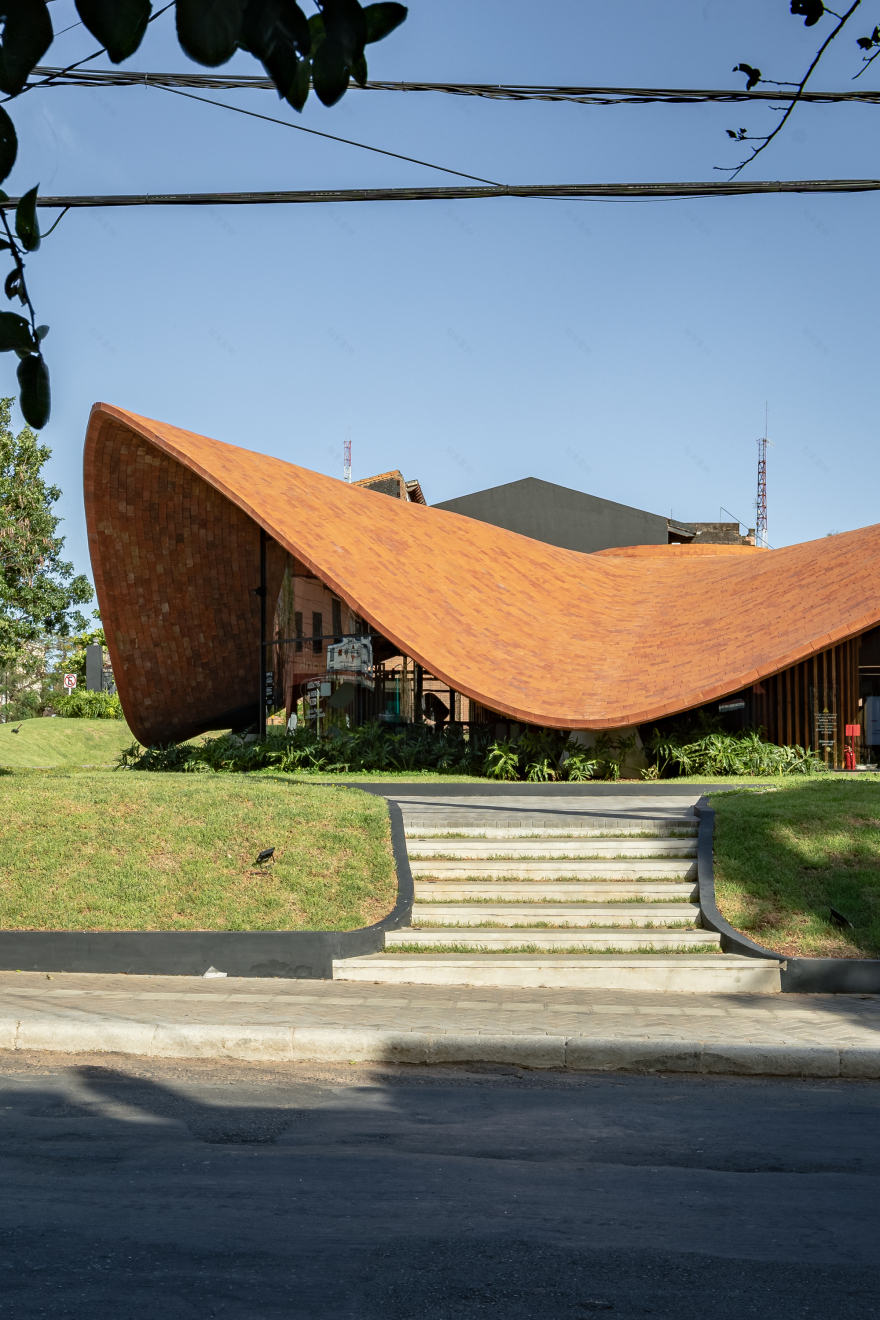
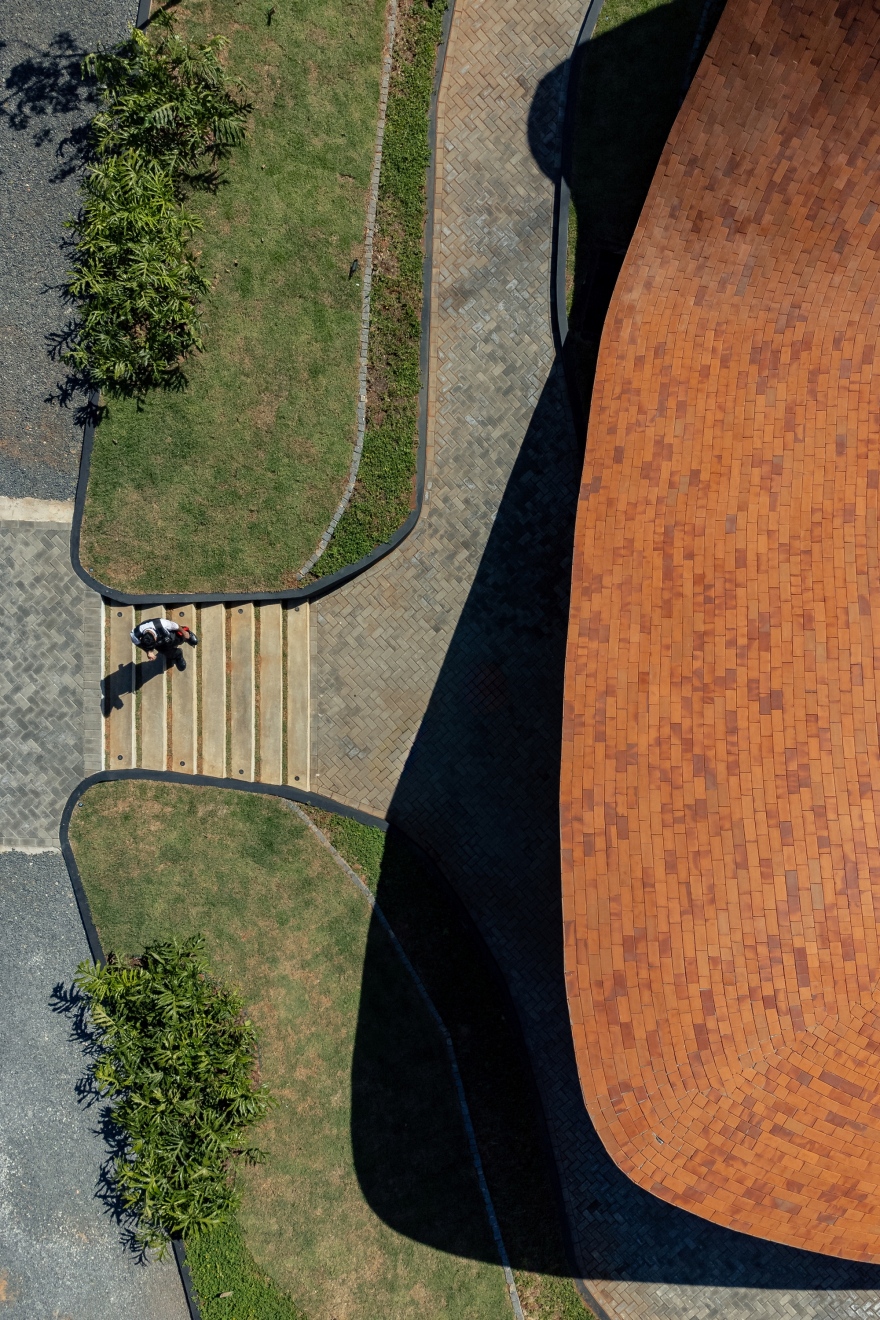
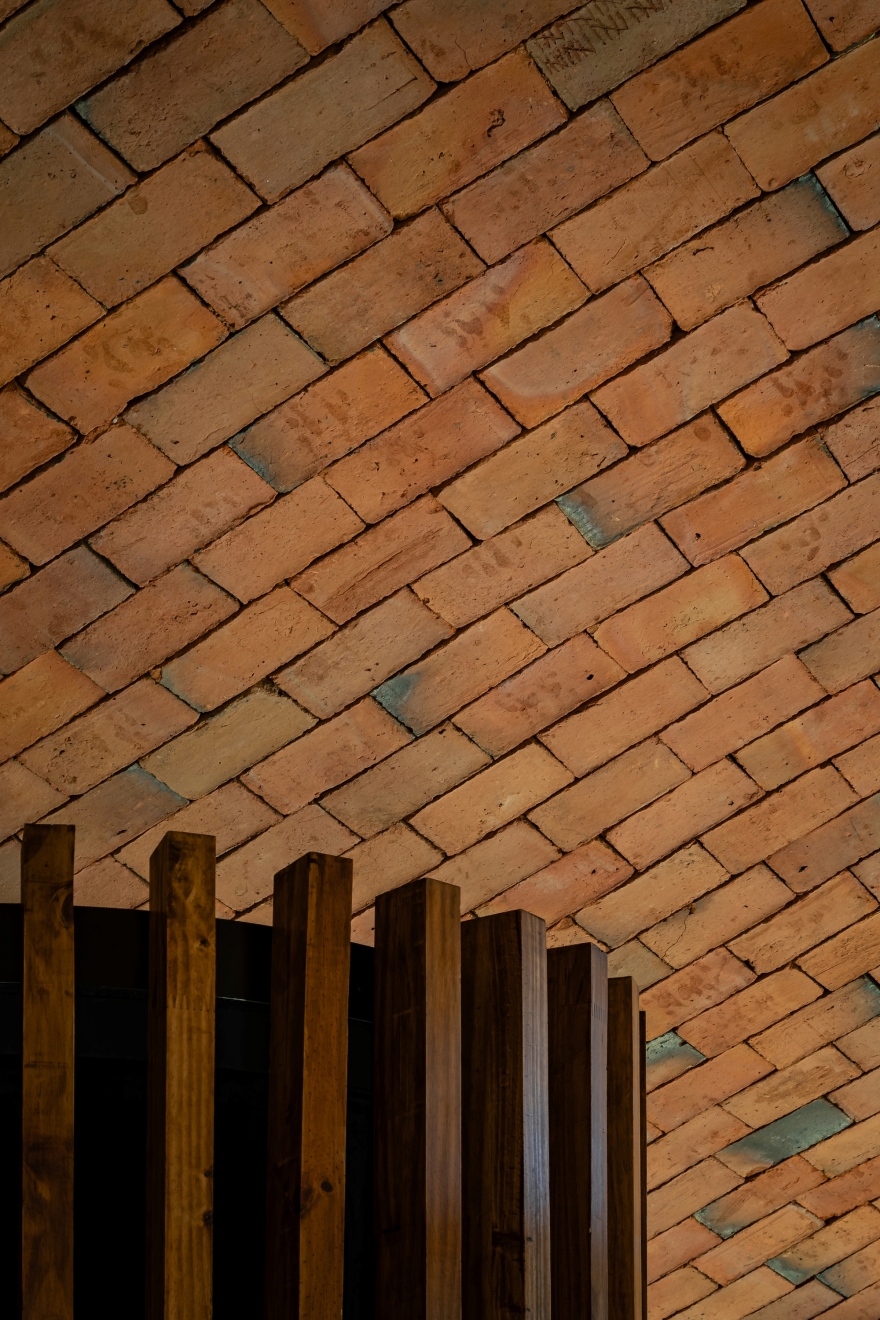
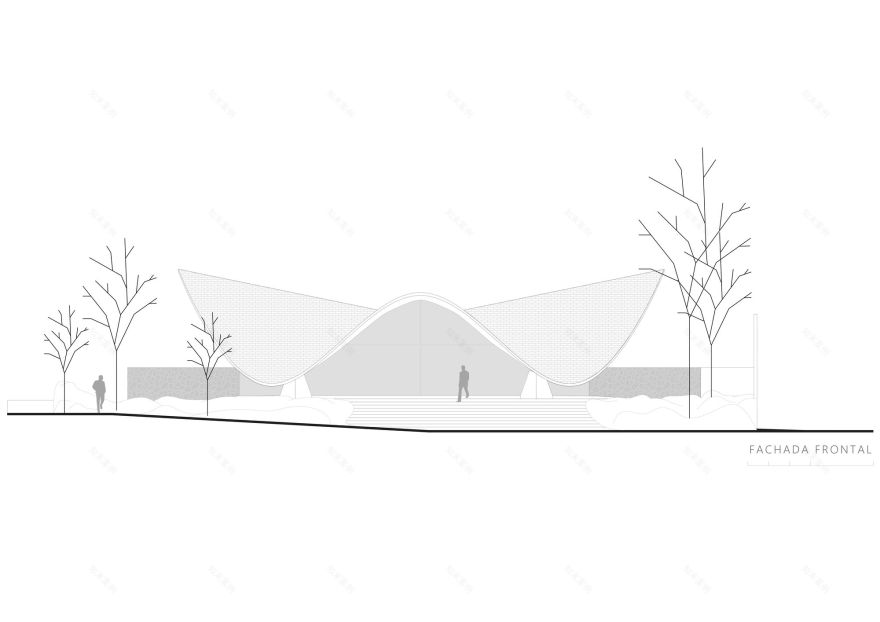
Like in the forest, where strength lies in cooperation and not in individuality. Like in architecture, where a single brick supports nothing, but many, together, are capable of raising a roof. The building of UENO is constructed from this premise: unity in diversity, solidity born from the whole. The roof of the new branches, which we call "amoeba," is a structure that seems to float. Made of thousands of bricks, it does not seek to hide its materiality. It is honest. It is what you see: a geometry that does not impose, but emerges from a structural and symbolic need.
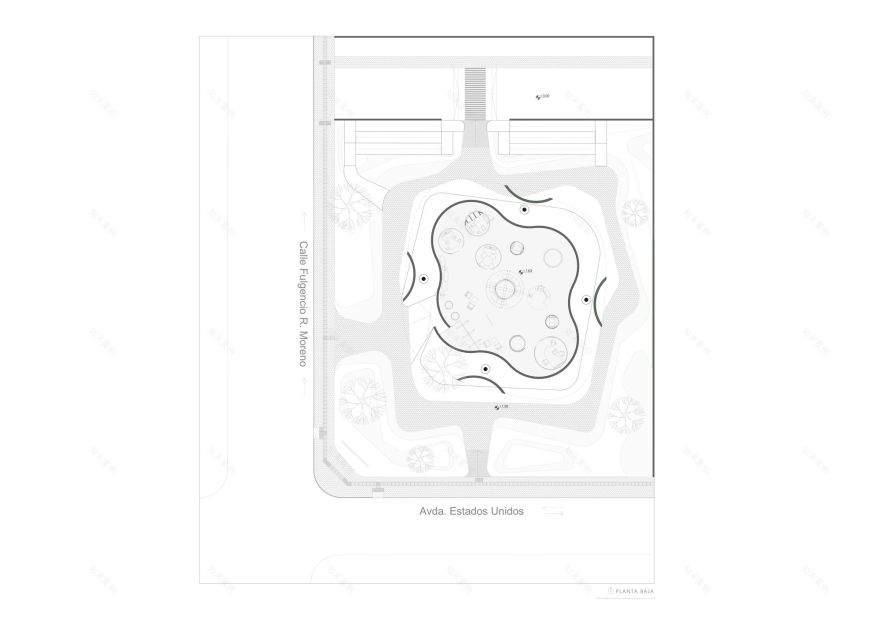
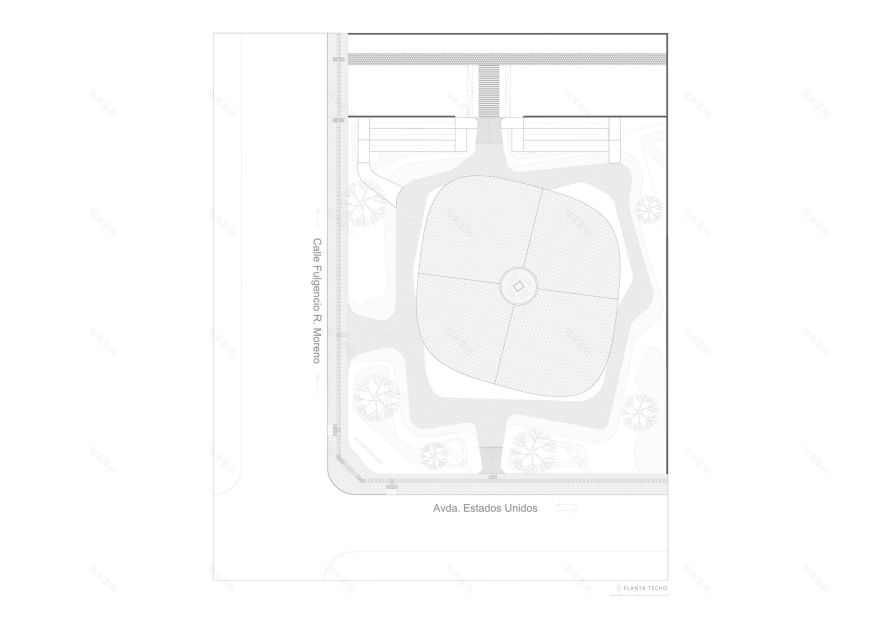
Form is not whim. It is efficiency. It is knowledge put at the service of a vision. The architecture we propose is open, accessible from all sides. Without hierarchical facades, without unique entrances. An architecture that can be traversed, without secrets or decorations, like the bank it wants to represent: agile, transparent, kind.

Returning to essential geometry is returning to the origin. Returning to the roof as shelter, as a gesture of care. Returning to the center of what matters: trust as a foundation, as the symbolic ground that holds us; community as form, as living geometry woven into a network, like a textile or a refuge. There, between support and weave, resides the profound meaning of this architecture.
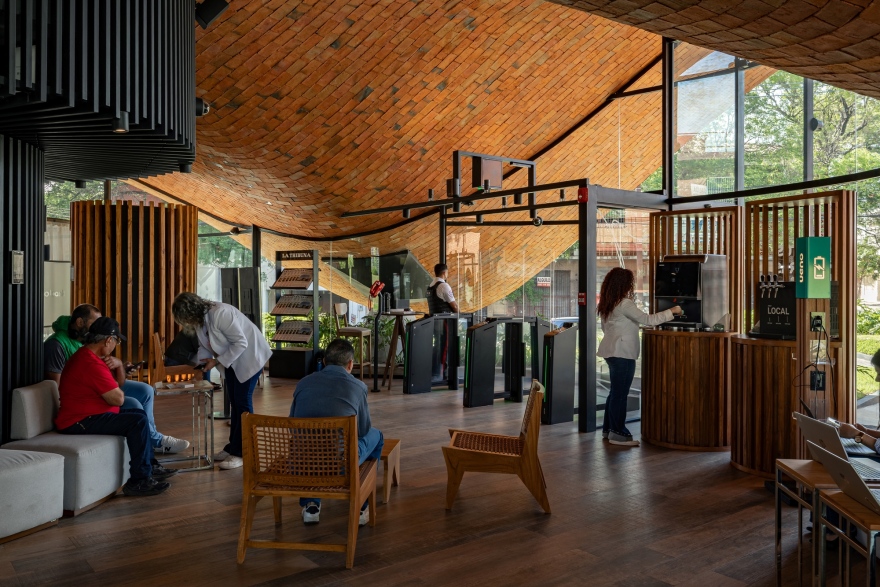
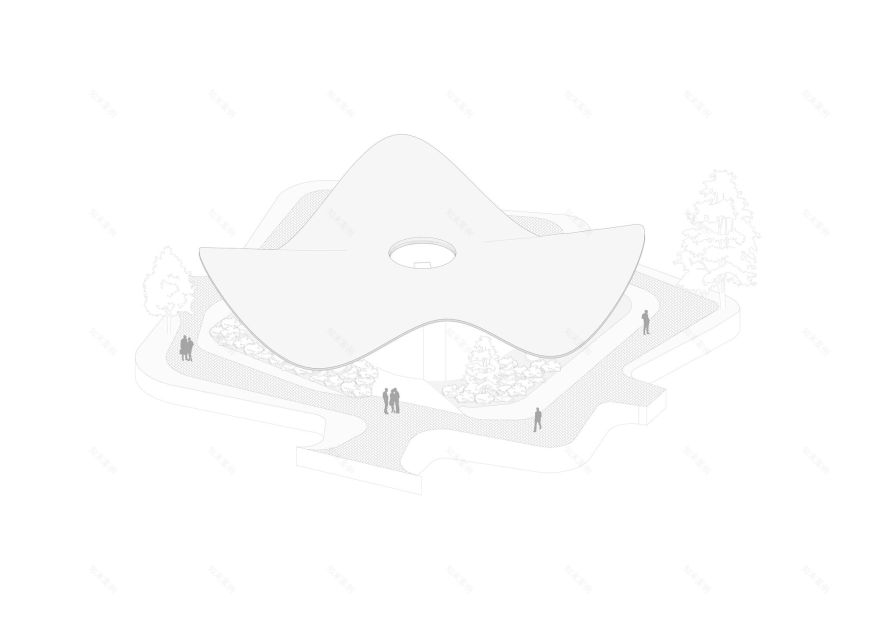
A living surface. This roof is not just a structure. It is a living surface, sinuous, sensitive to the environment. A undulating geometry that breathes with the climate and transforms the technical into poetic. When it rains, it activates: water descends between the folds of the bricks, drawing new, unpredictable shapes that make the invisible visible. Natural light enters with precise calculation, dialoguing with the climate, with time, with those who inhabit the space. Thus, the everyday becomes ritual. And the refuge, a stage.
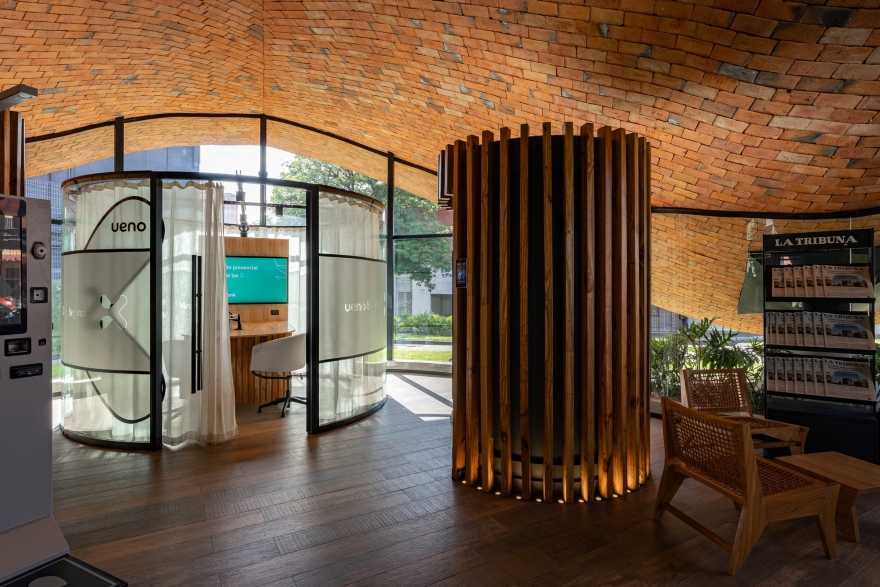
The use of local brick is not solely aesthetic or functional: it is a commitment to the local economy, to the chain of work, to an architecture that considers its surroundings. Each brick is also a gesture of belonging, a way to redistribute investment and build community from the ground up. Designing, in this case, was not just projecting: it was taking a stand. Choosing how, with what, and for whom to build. In that choice also lies the ethics of form.
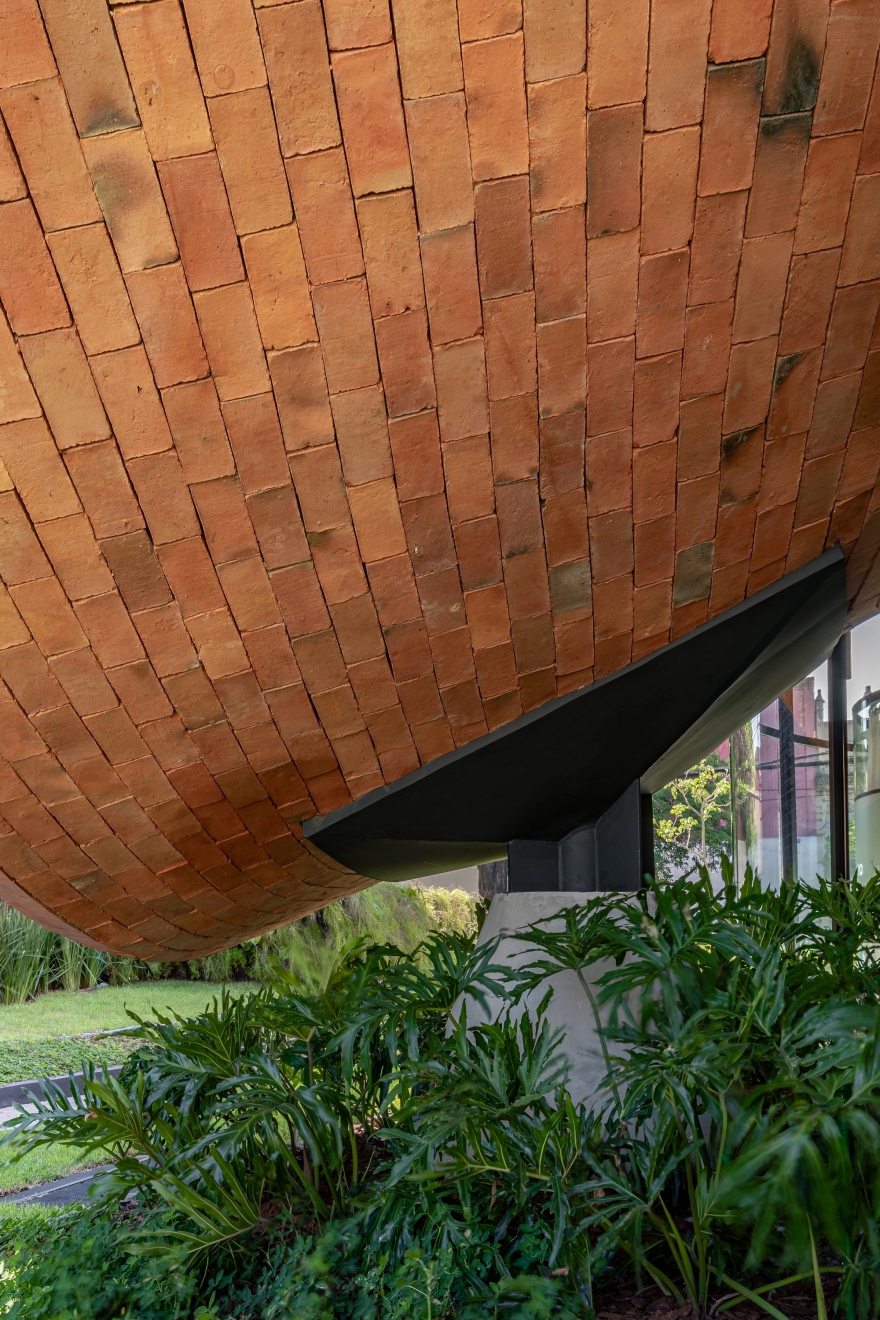
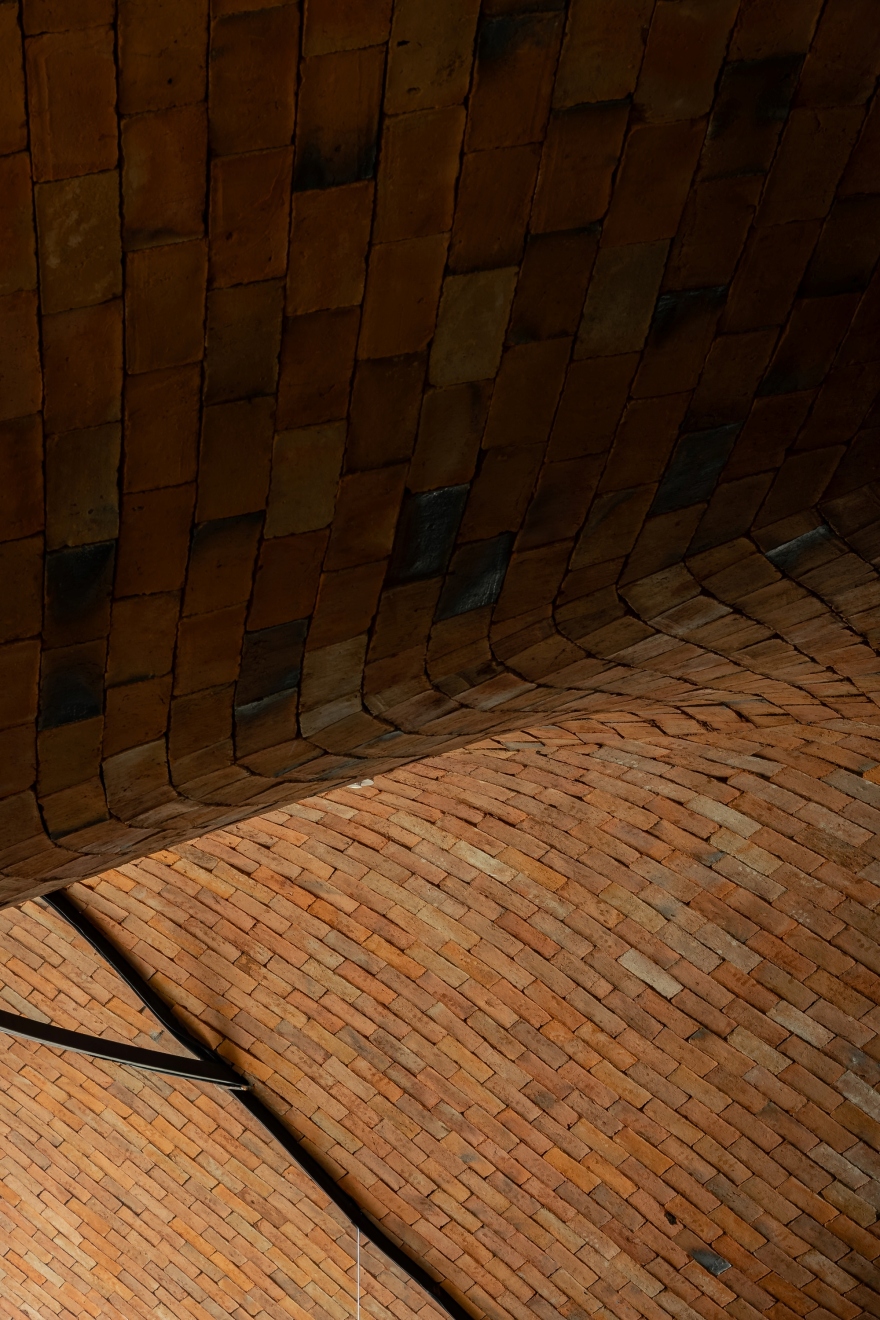
About amoeba. An amoeba is a cell without a fixed shape. It adapts, expands, folds. It has no corners, no rigidities, no hierarchies. It lives in movement. We chose this name because the roof of our branches behaves the same way: it flows, curves, conforms to its environment without imposing. It is a living structure that embraces instead of delimiting, that welcomes without excluding. Like the banking we envision: mobile, flexible, empathetic. The "amoeba" is not just an aesthetic gesture. It is a statement of principles. It is a form that represents other ways of inhabiting, of meeting, of building the future. Because when the design is coherent with the purpose, architecture becomes a manifesto.
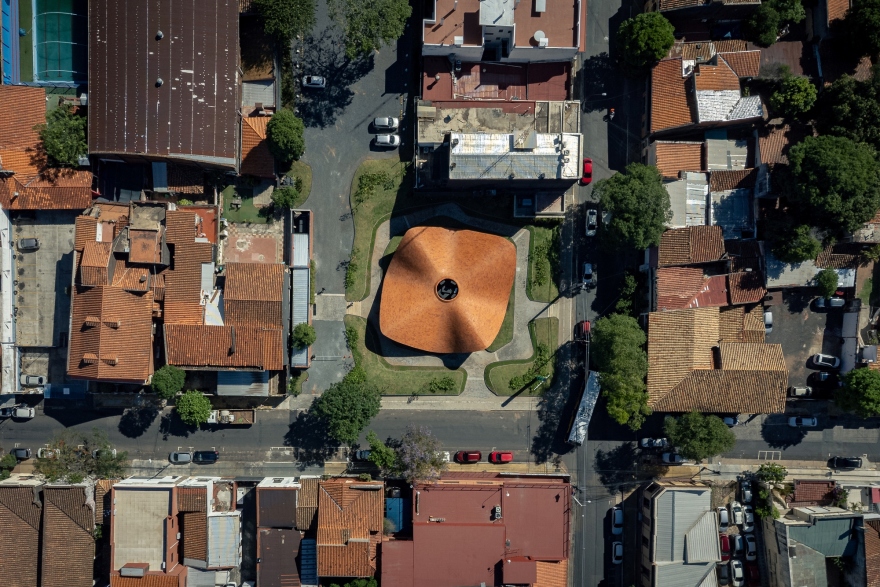
Project gallery

南京喵熊网络科技有限公司 苏ICP备18050492号-4知末 © 2018—2020 . All photos and trademark graphics are copyrighted by their owners.增值电信业务经营许可证(ICP)苏B2-20201444 苏公网安备 32011302321234号
苏公网安备 32011302321234号客服
消息
收藏
下载
最近