

创作上传
VIP
收藏下载
登录 | 注册有礼
查看完整案例

收藏

下载

分享

翻译
Architects:S.O.S Architects
Area:285m²
Year:2025
Photographs:Rungkit Charoenwat
Lead Architects:Chaikla Dangboon
Category:Houses
Lead Team:Chaikla Dangboon
Design Team:Kittiyanee Treearayapong
Technical Team:Chaiwat Kaewkam, Creative Design, Rungkit Charoenwat
Architecture Offices:S.O.S Architects
General Contractor:Creative Design
City:Chiang Mai
Country:Thailand
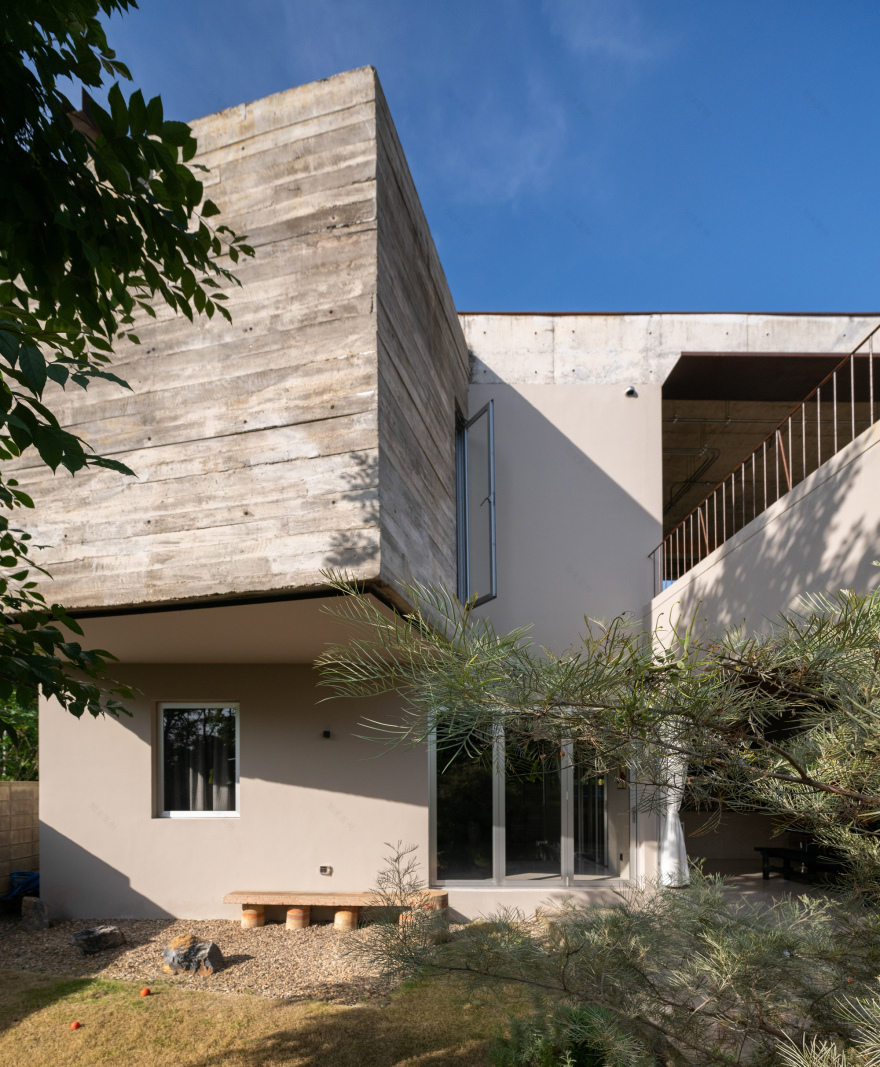
Text description provided by the architects. The Terrace House began with a simple question: if a household consists of only two people and a dog, how should a home be organized to truly support their way of living? Rather than following the conventional model of a family house, the project defines itself through shared living spaces and a generous upper terrace that becomes the center of everyday life.
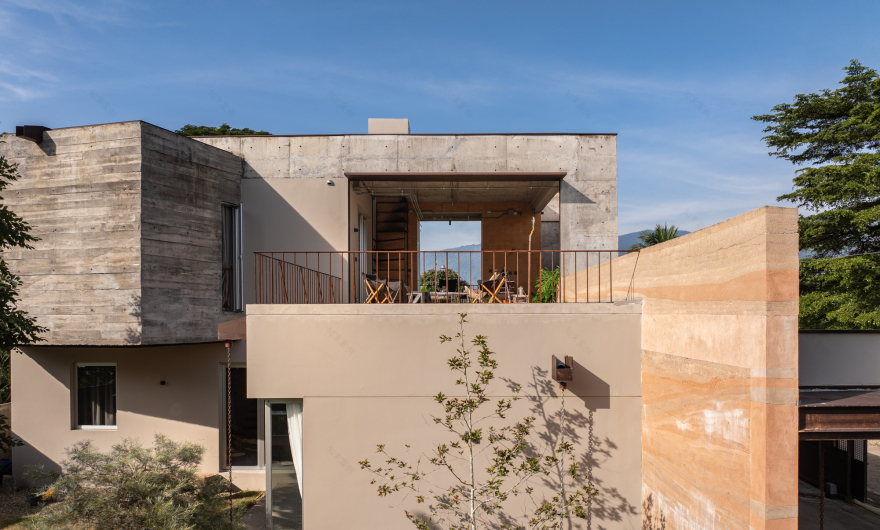
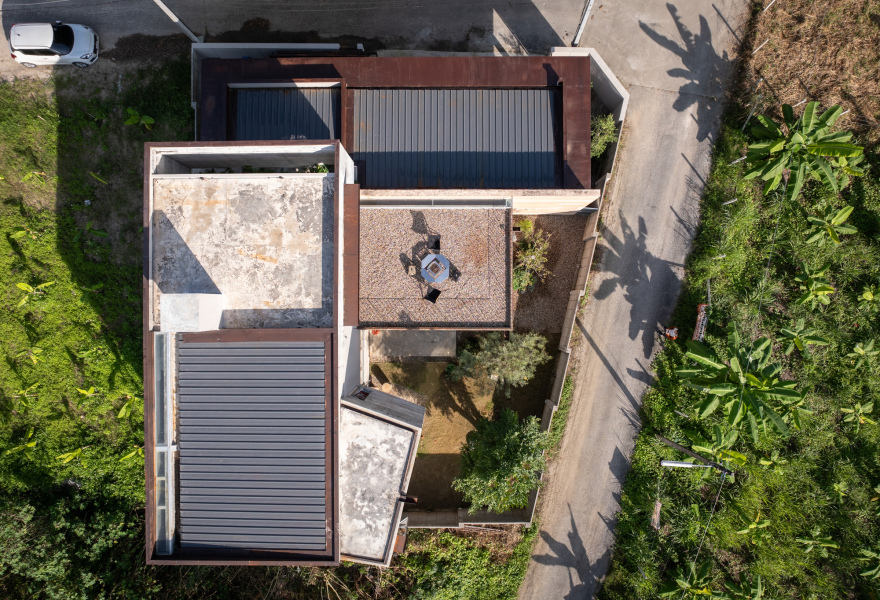
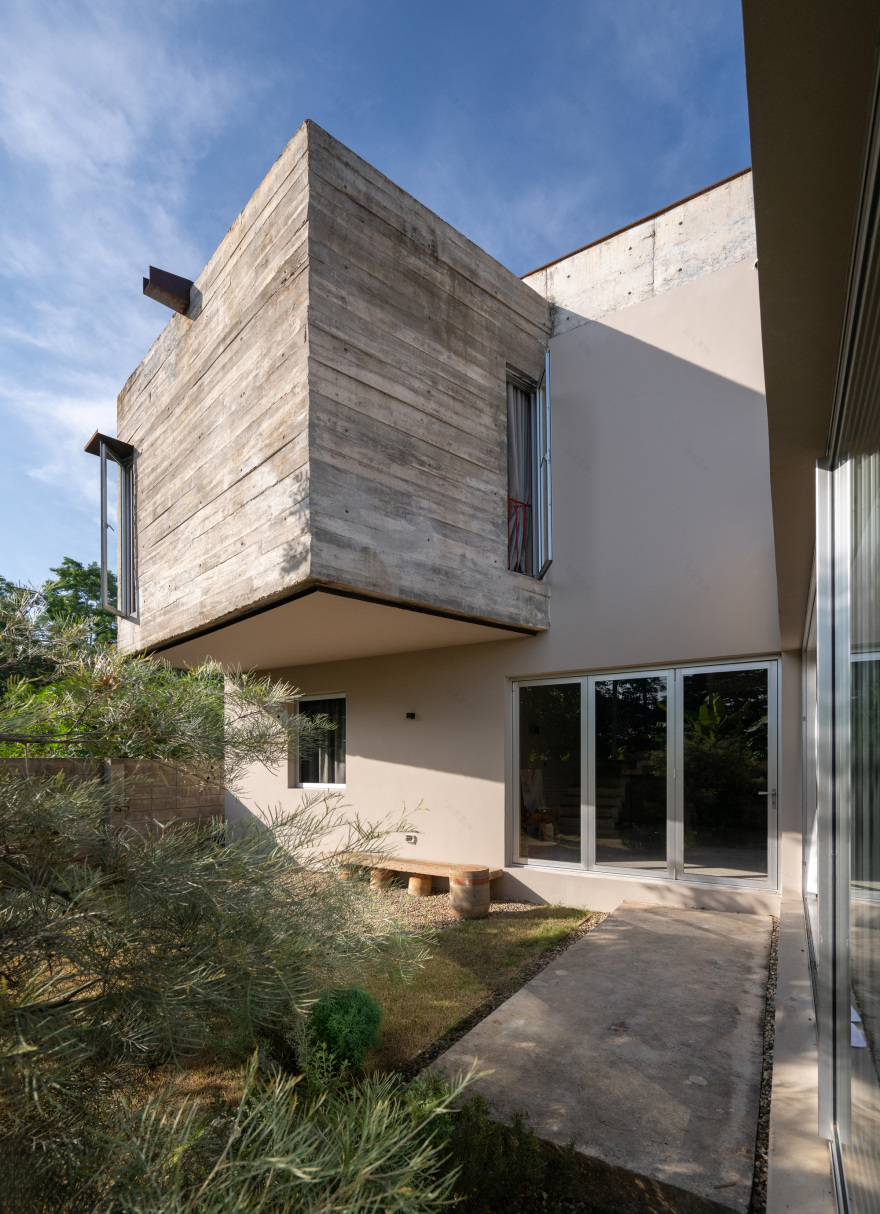
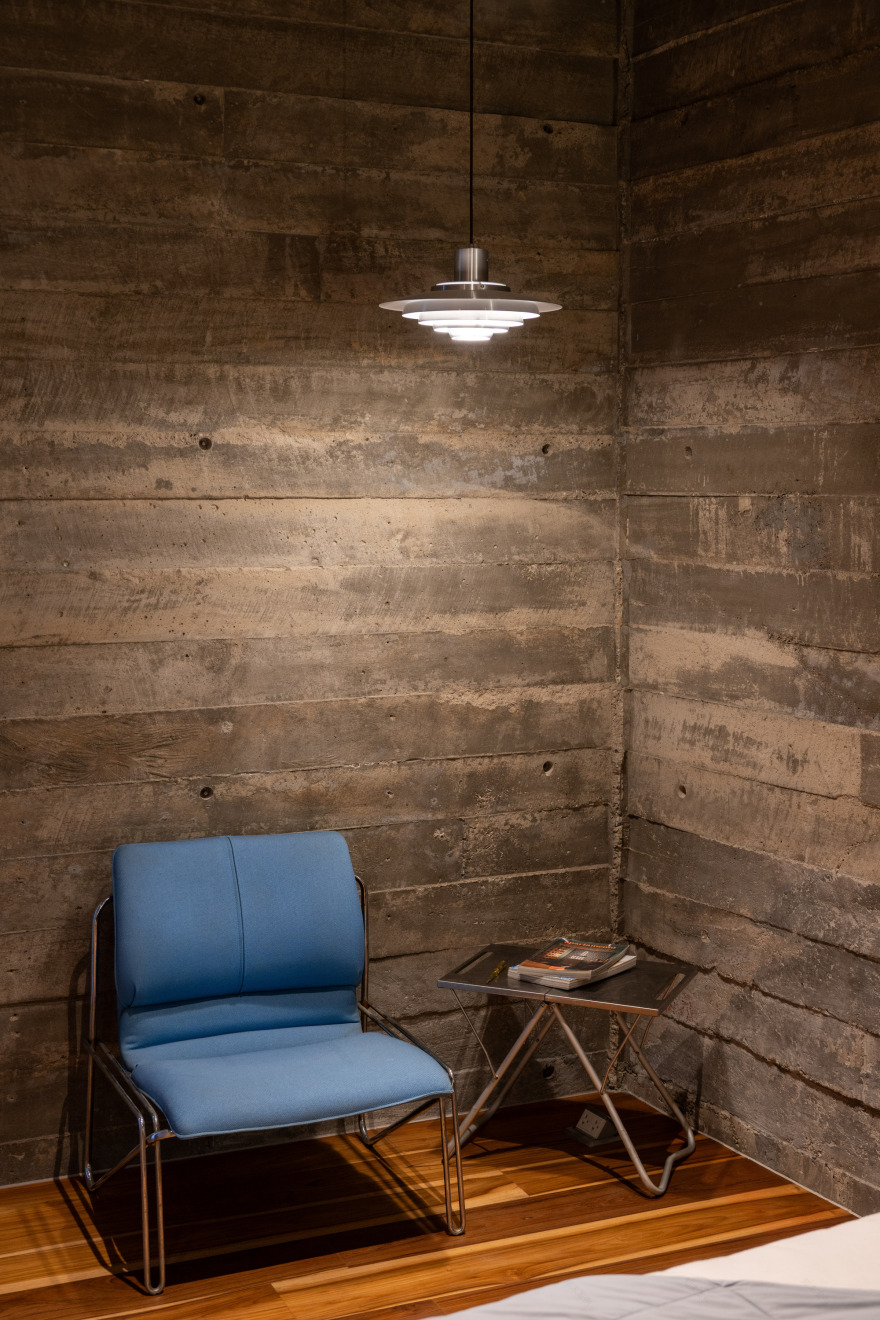
Designed for three occupants—a couple and their dog—the house prioritizes quality of shared living over the number of rooms typically found in conventional homes. The layout, therefore, includes only two bedrooms, both intentionally compact, as they are conceived primarily as spaces for rest. Solid wood flooring is used in the main bedroom to introduce warmth into the interior, balancing the raw presence of concrete walls and exposed steel elements that form the architectural language of the house.
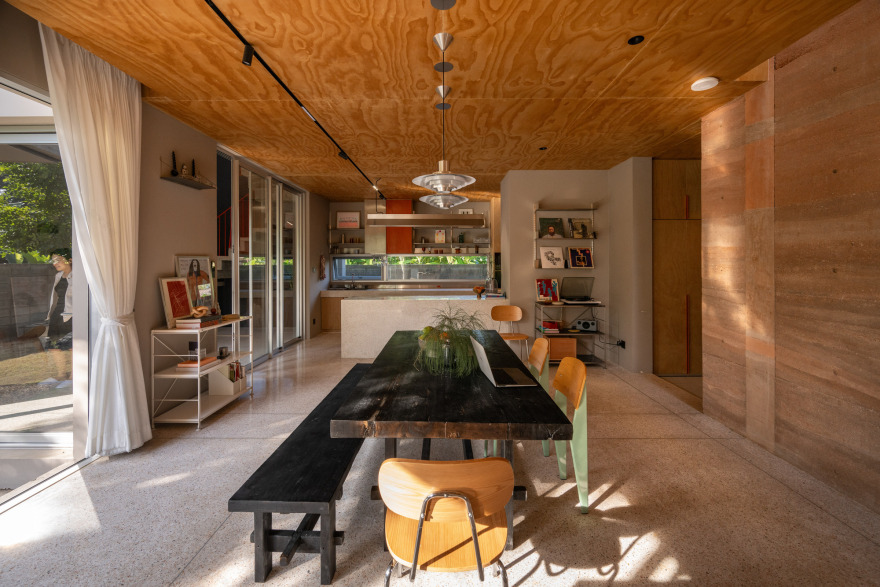
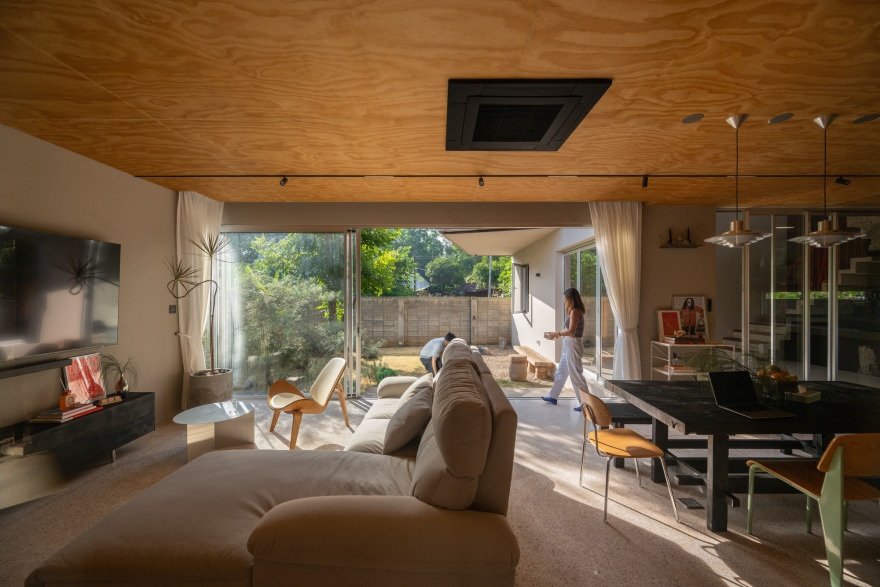
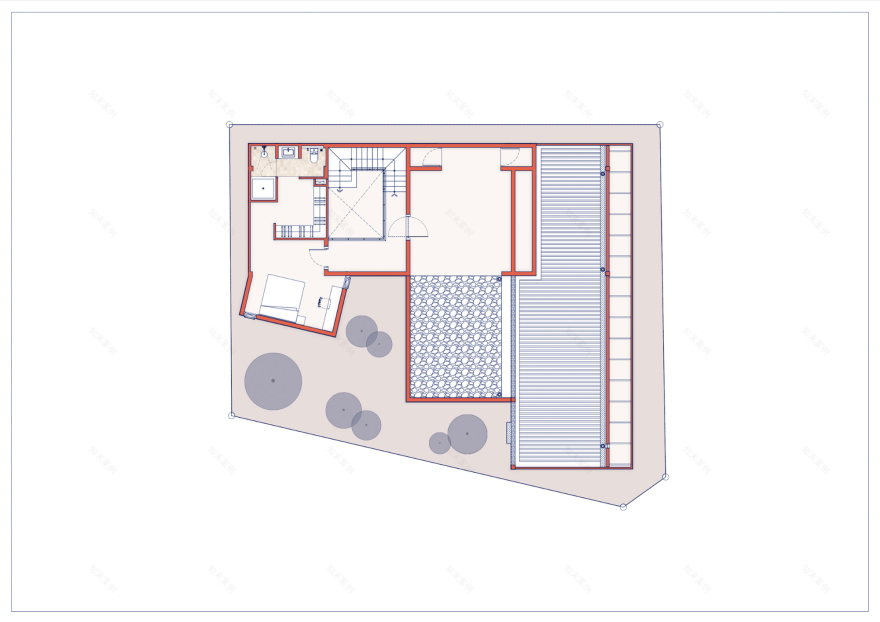
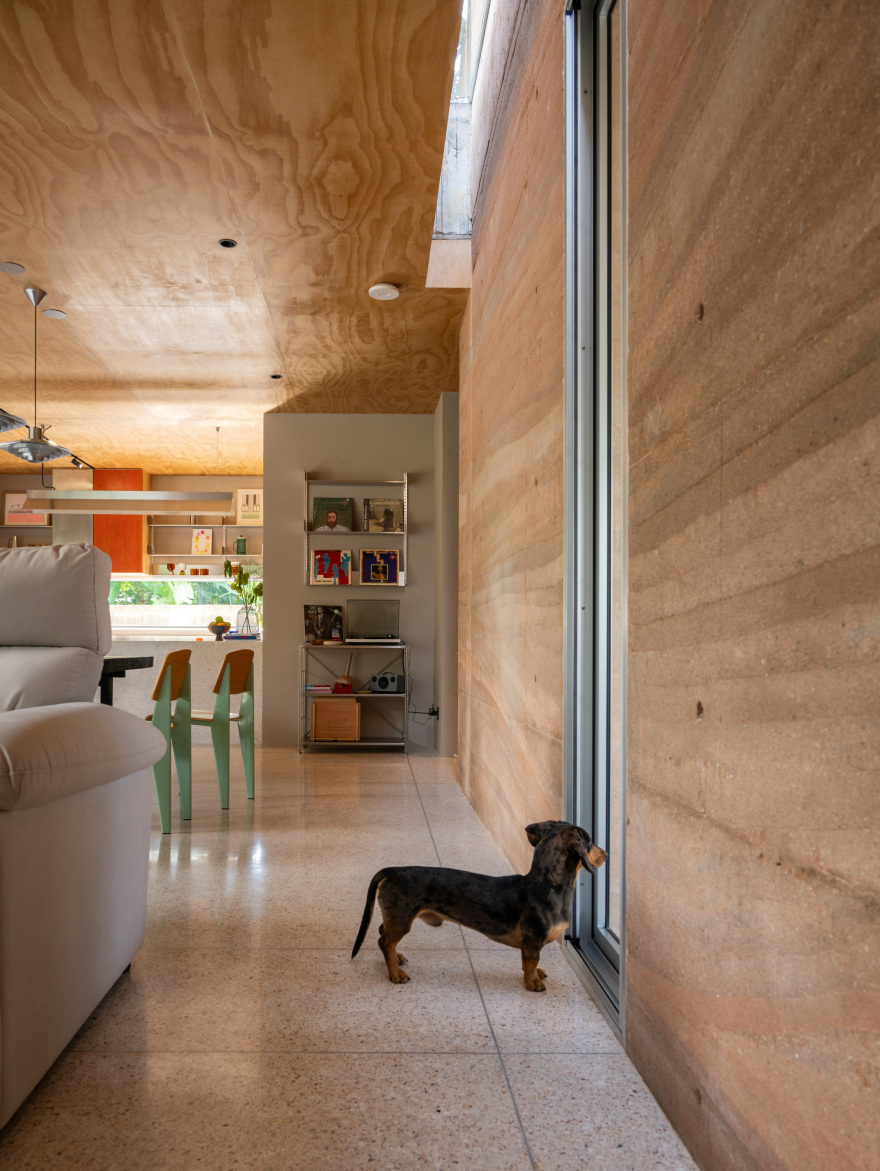
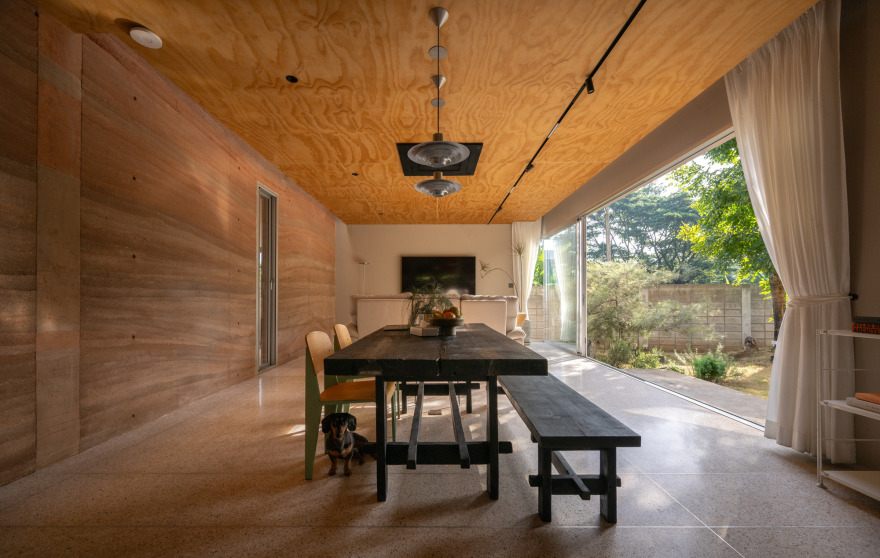
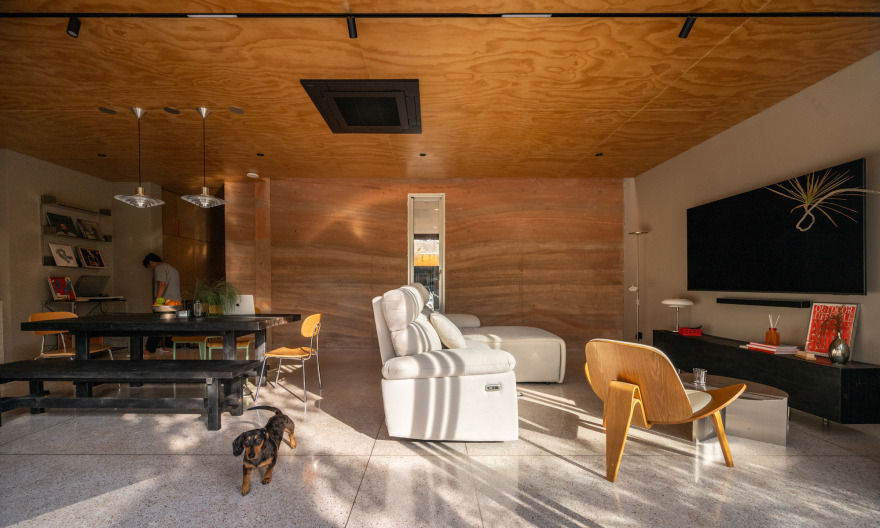
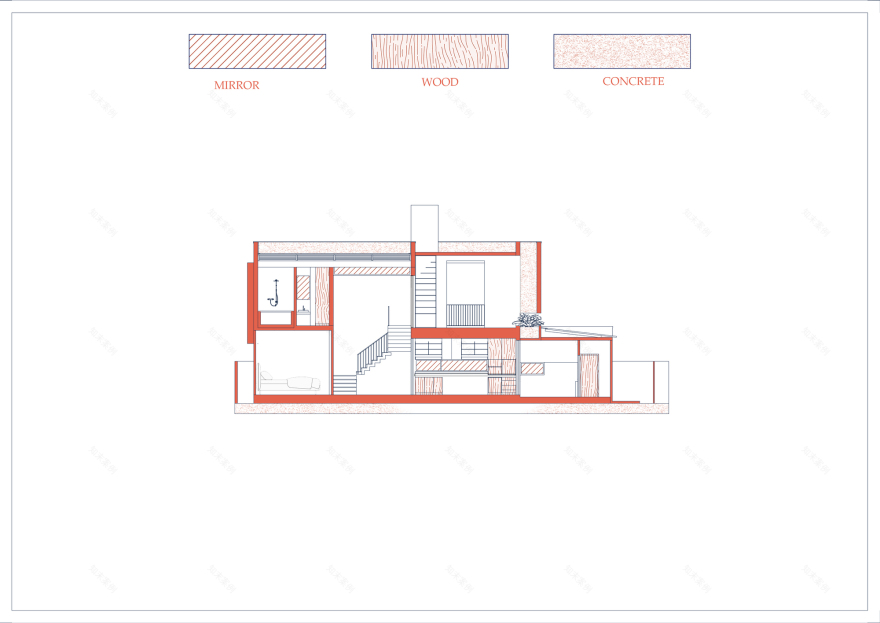
The main living areas are organized as an open-plan public space comprising the living room, dining area, and bar pantry. These functions connect seamlessly with a double-volume stair hall, conceived as a flexible spatial core capable of accommodating future activities and hobbies. Both the living room and stair hall open toward the backyard garden, allowing natural light and greenery to become part of the interior experience. Meanwhile, the bathrooms, kitchen, and service areas are positioned along the western side of the house, acting as a thermal buffer that reduces heat gain from the afternoon sun. Skylights introduce natural light into the bathrooms, improving brightness while helping reduce humidity.
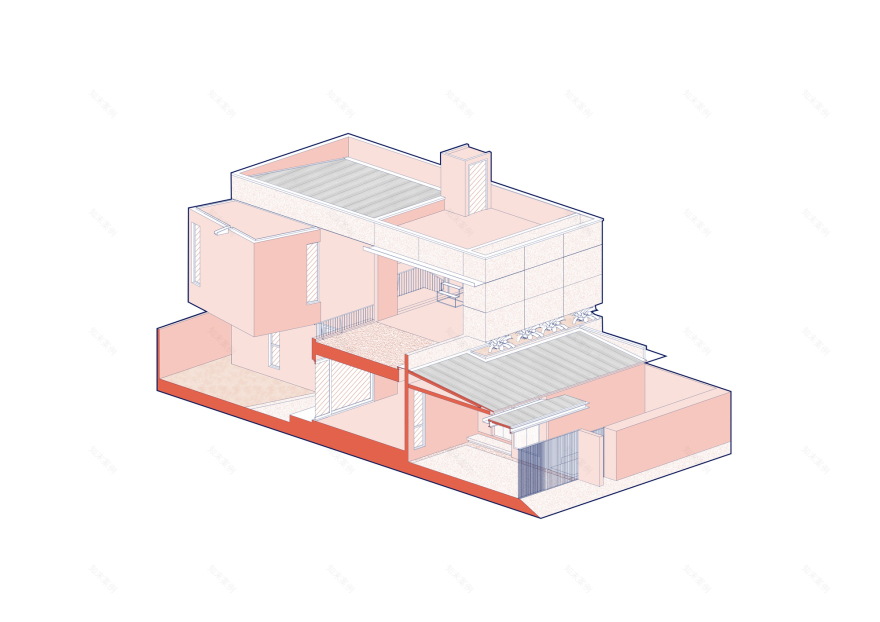
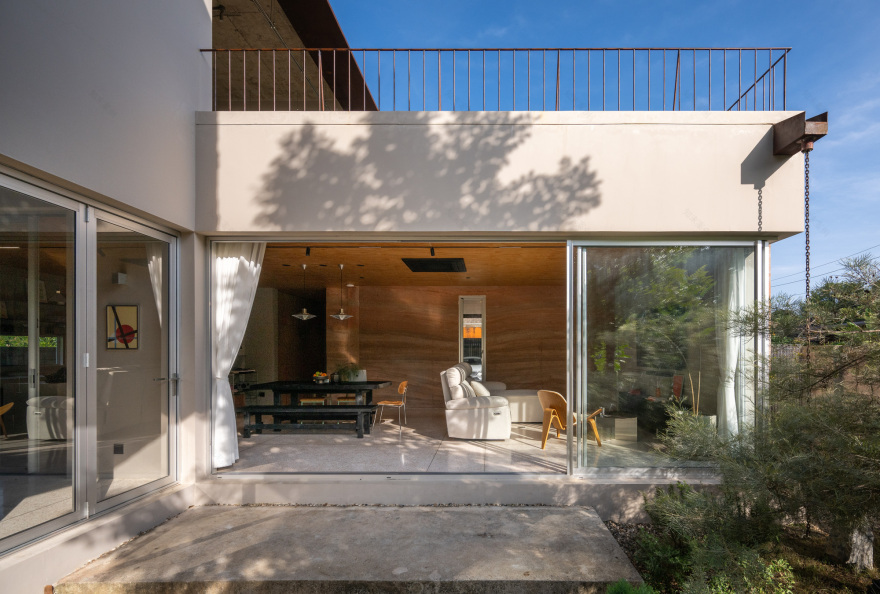
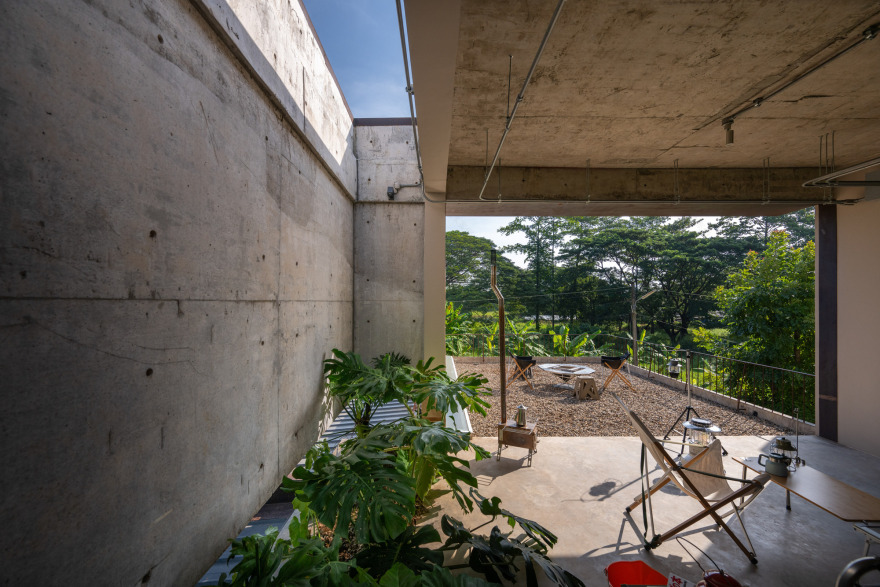
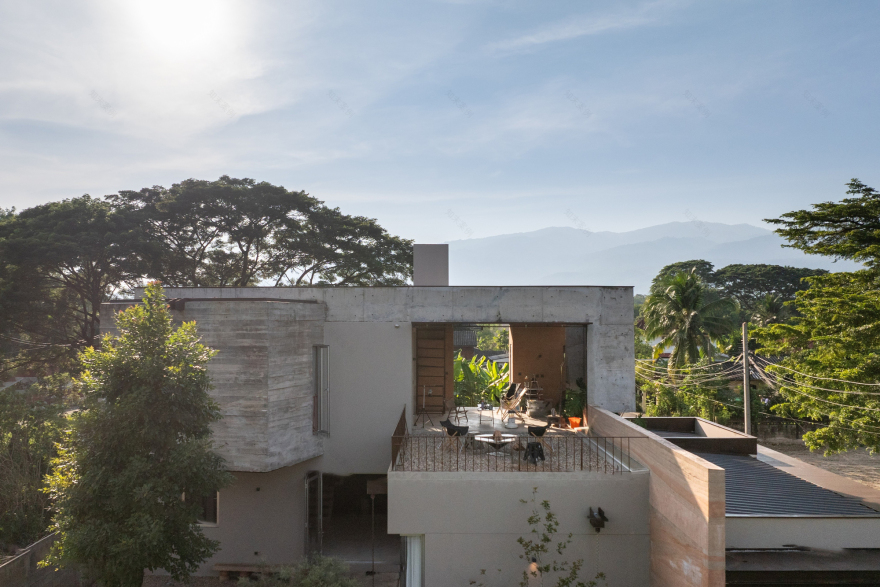
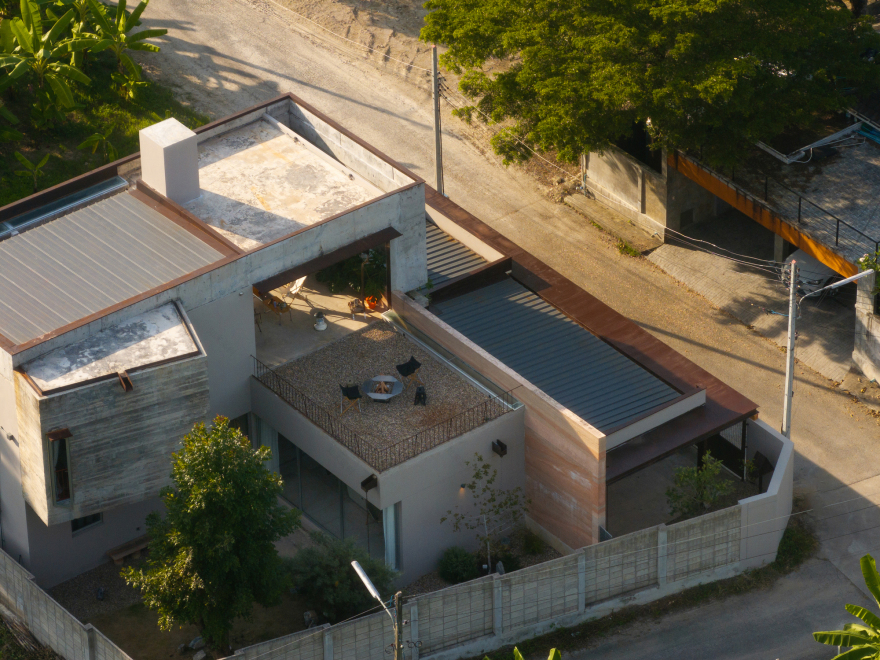
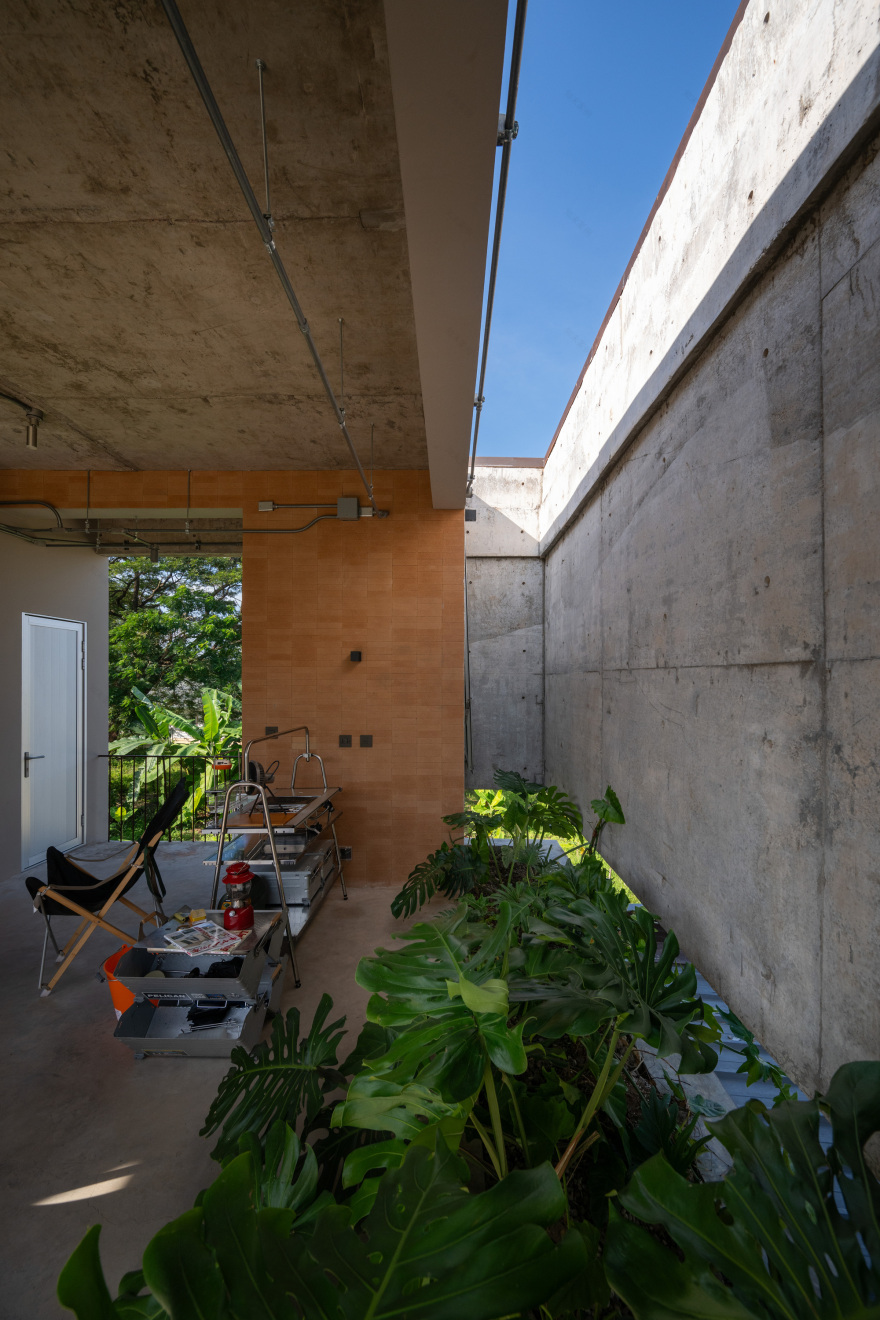
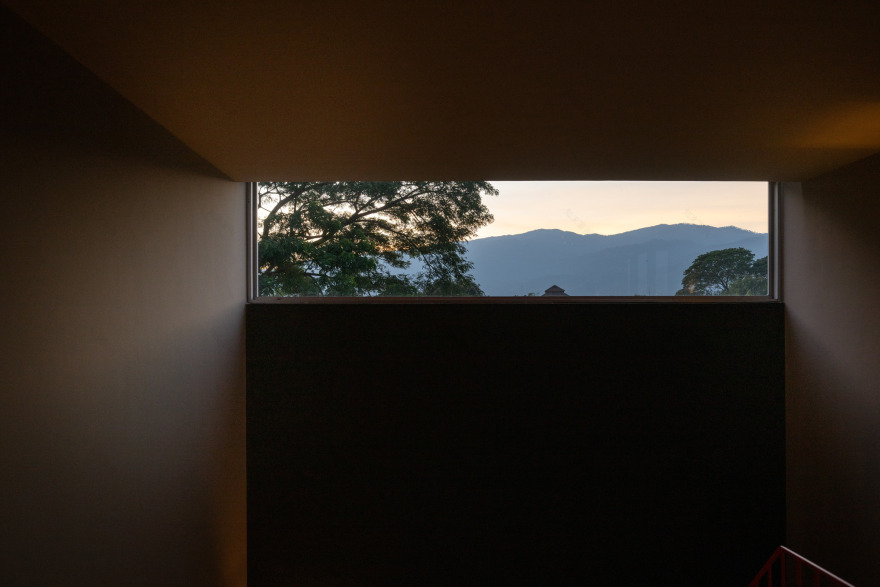
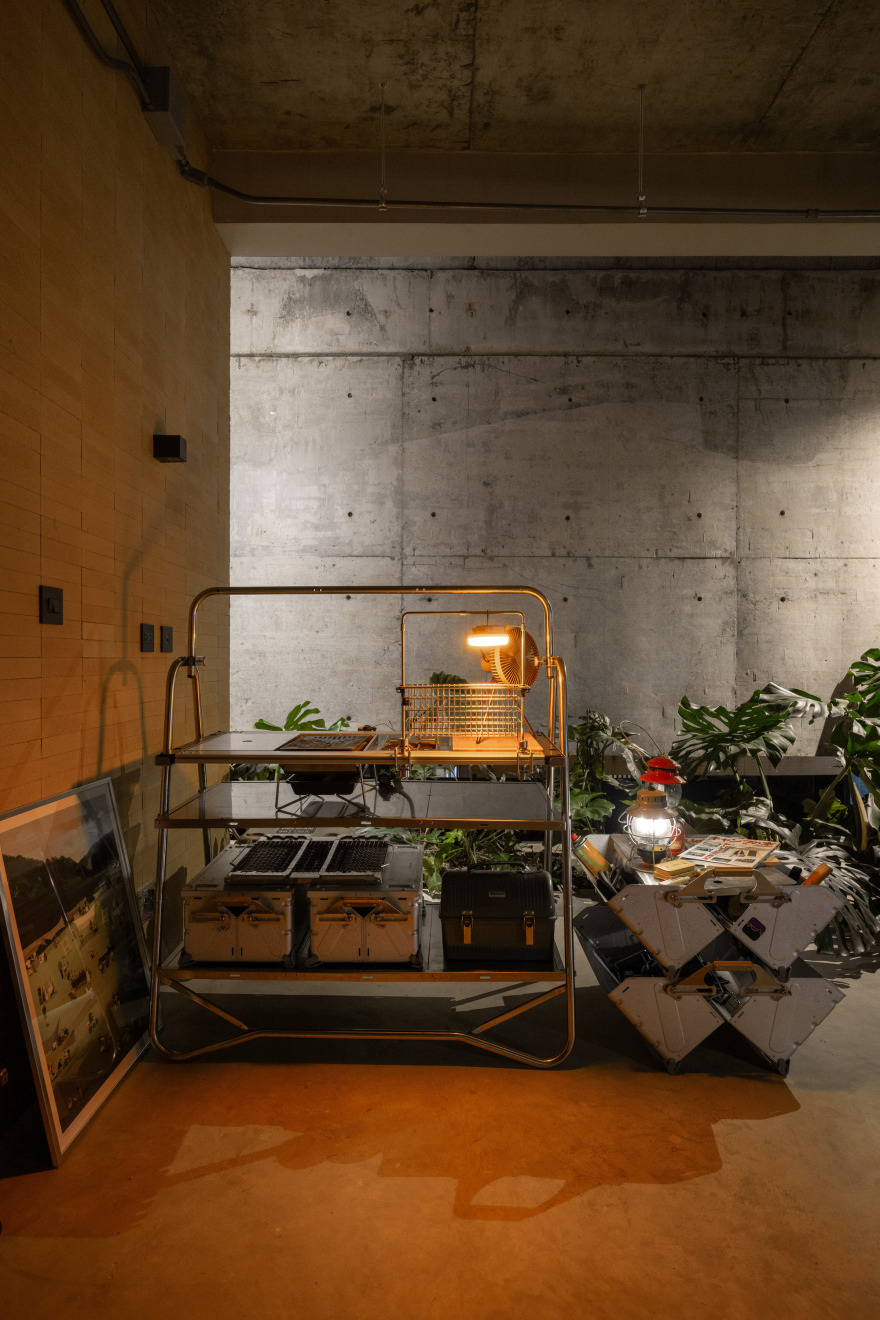
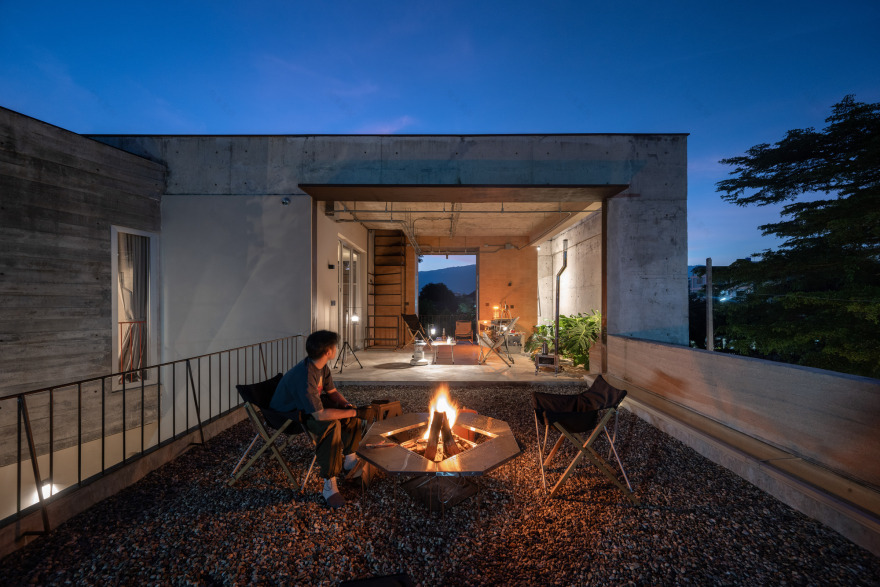
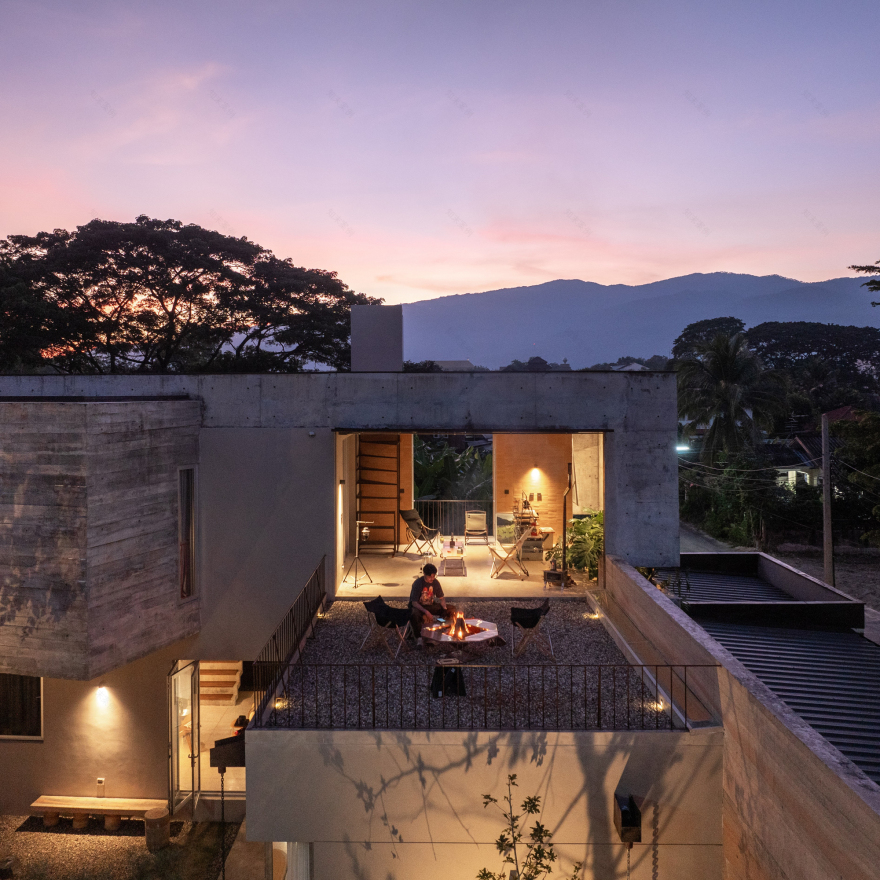
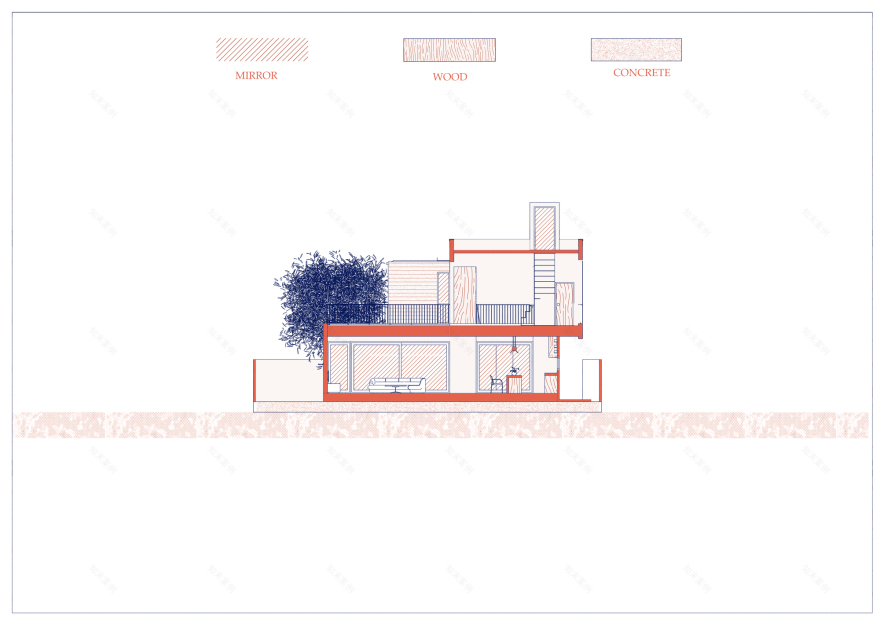
A defining feature of the house is the expansive second-floor terrace, which functions as an additional living space. Reflecting the owners' passion for travel and outdoor camping, the terrace is conceived as an "urban campsite" within the home—a place for relaxation as well as social gatherings. Carefully positioned openings frame views of Doi Suthep, while the eastern edge of the terrace opens toward a large rain tree in the garden, visually connecting the space with the surrounding landscape.
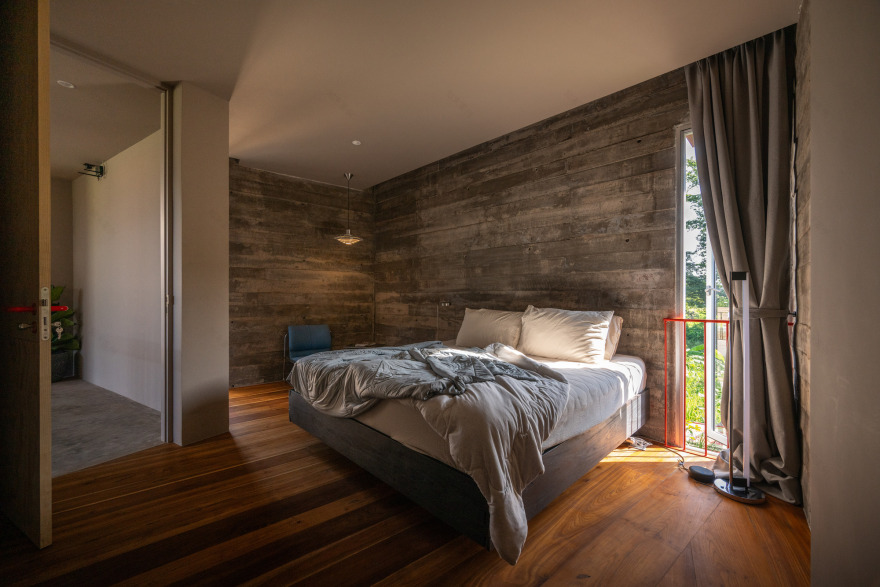
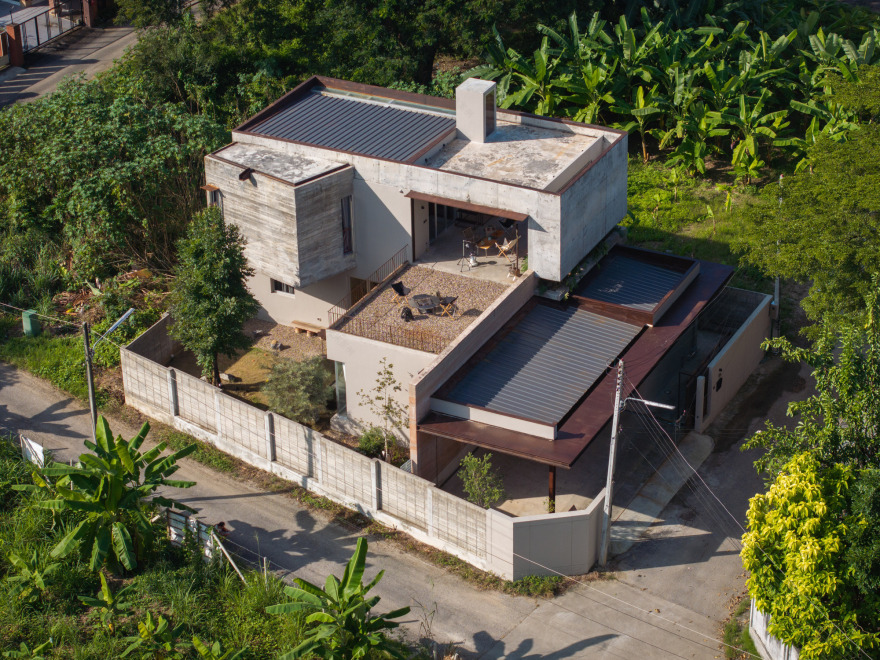
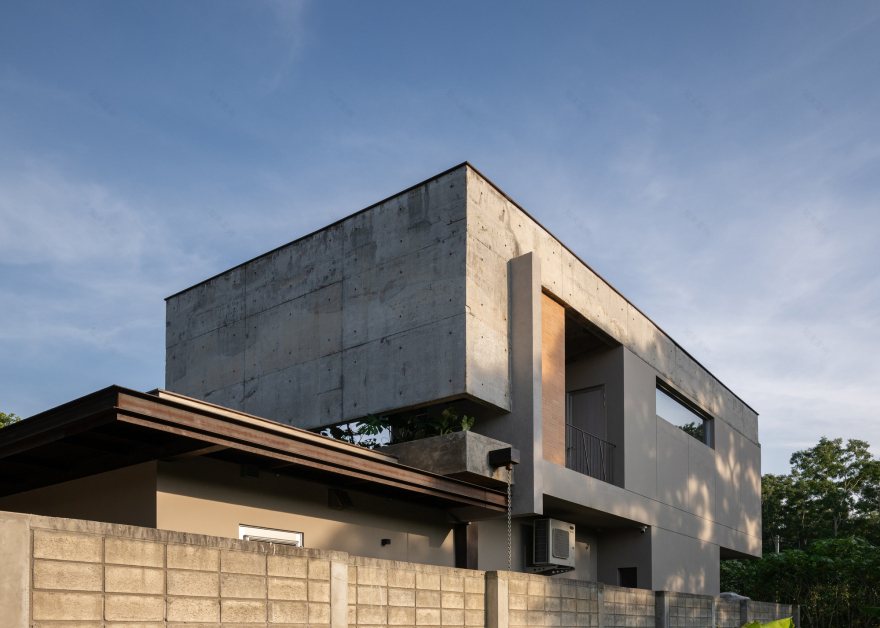
While the terrace remains open toward the east and west, the northern façade facing the street is defined by a large concrete wall that provides privacy from outside views. Narrow horizontal openings allow filtered daylight to enter the interior, while skylights bring light and rainwater into a planted courtyard within the house. Above the terrace, a spiral staircase leads to the rooftop, prepared for future solar panel installation and also functioning as an elevated viewpoint overlooking the landscape.
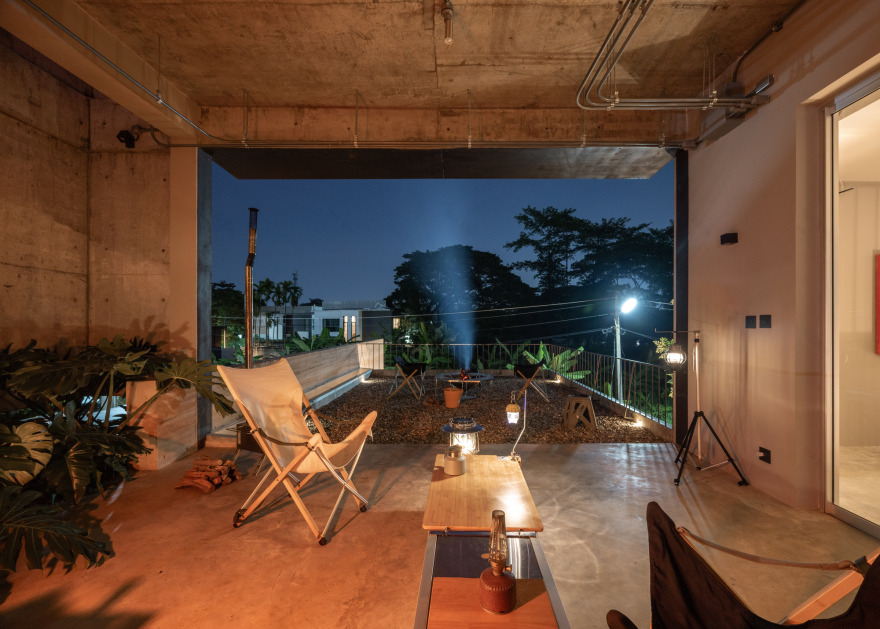
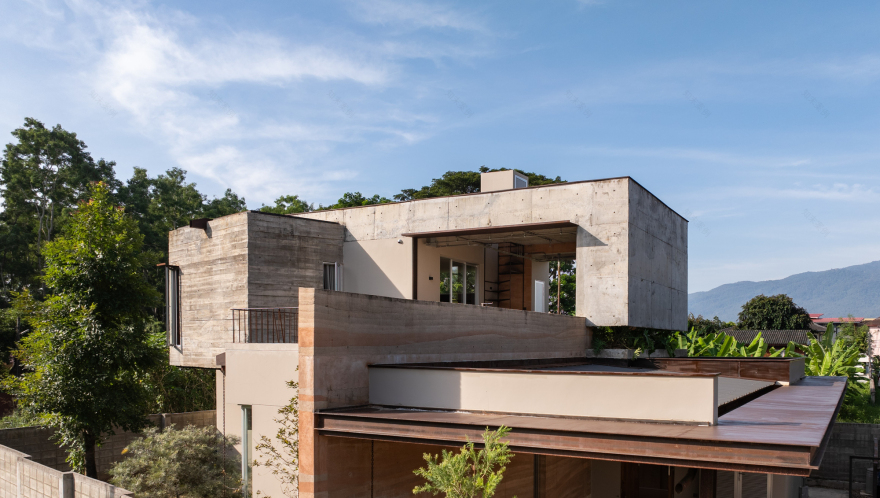
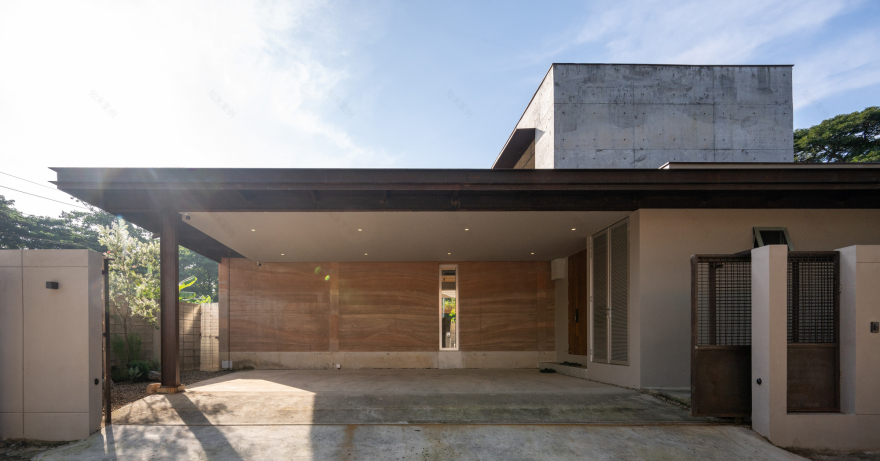
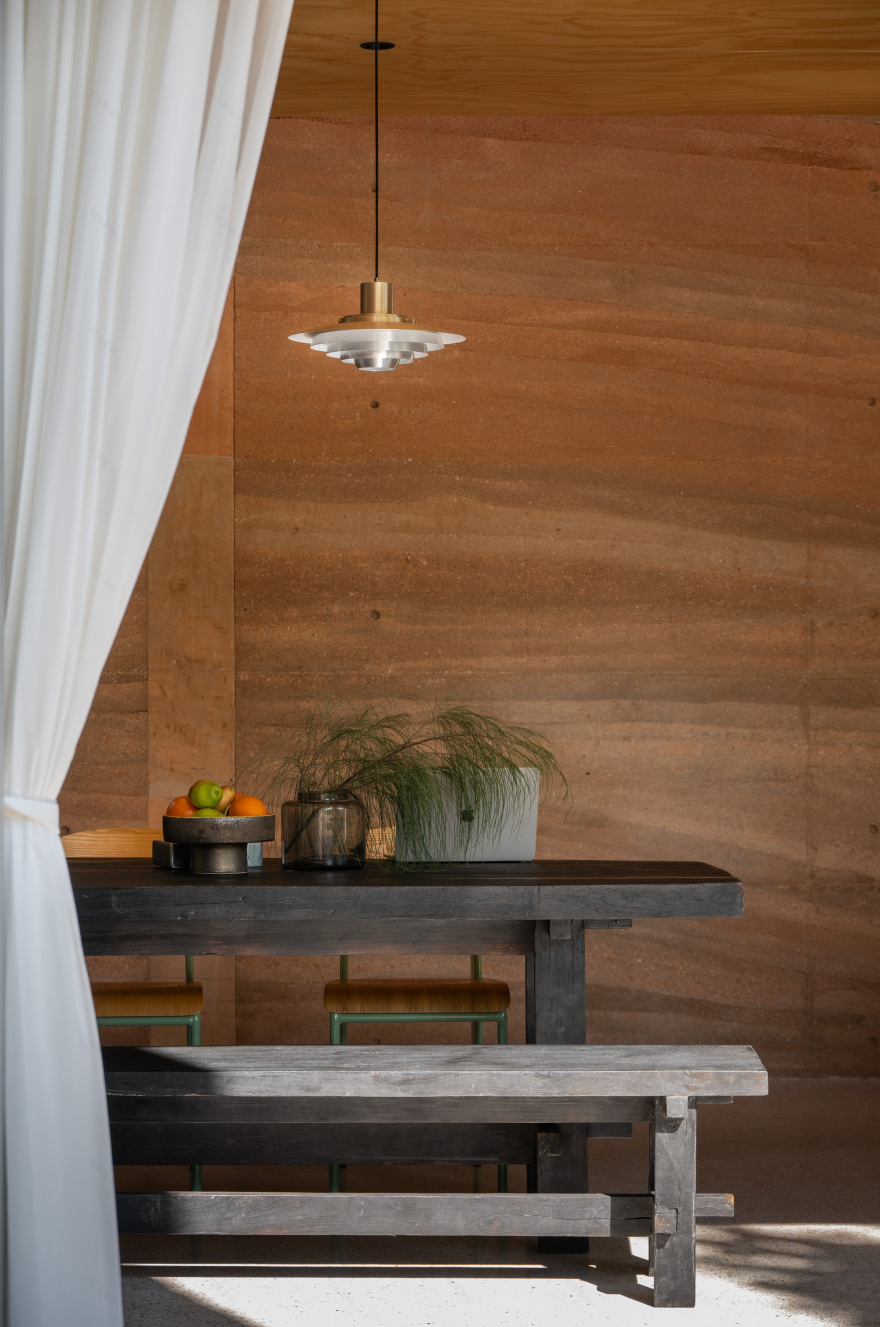
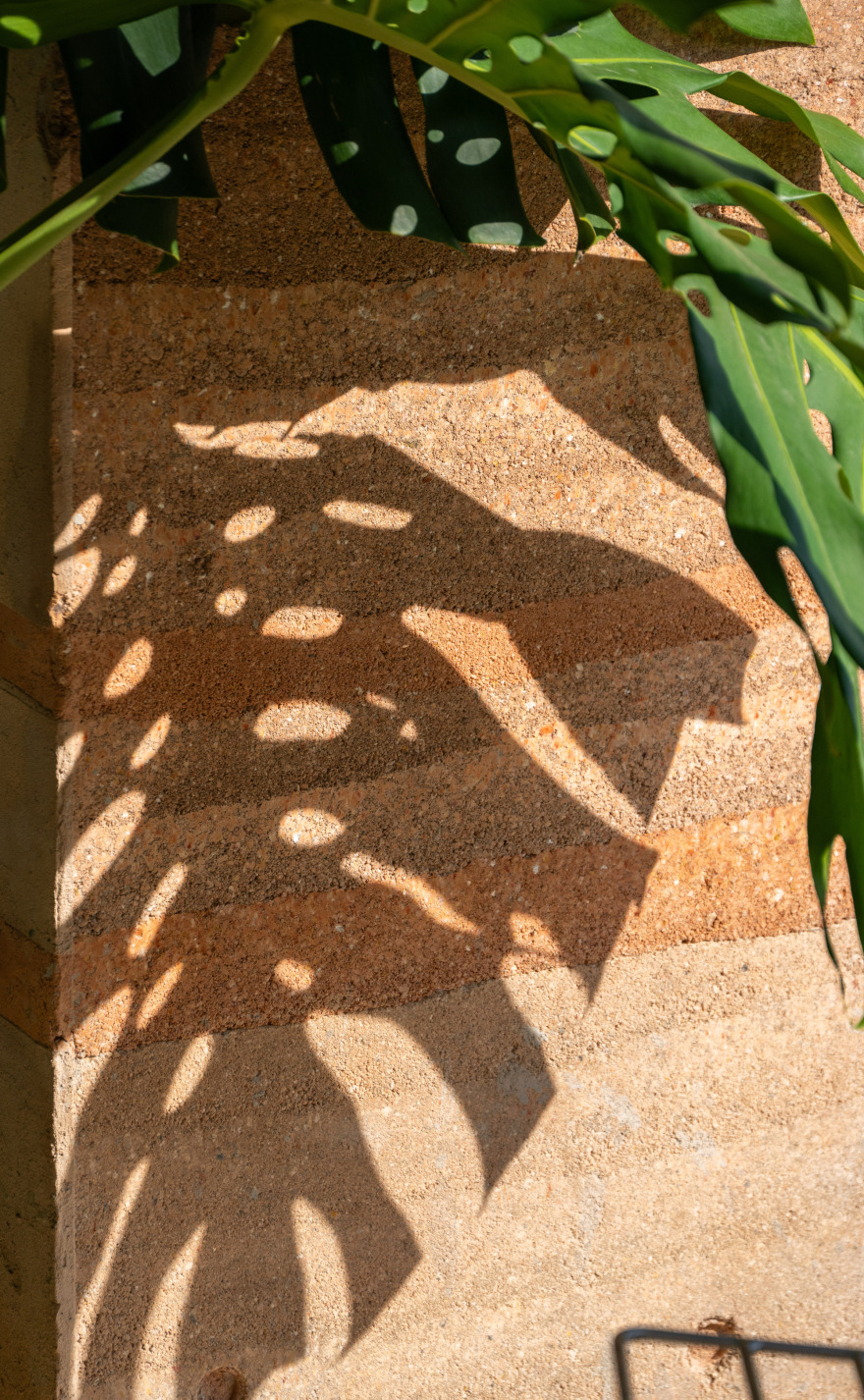
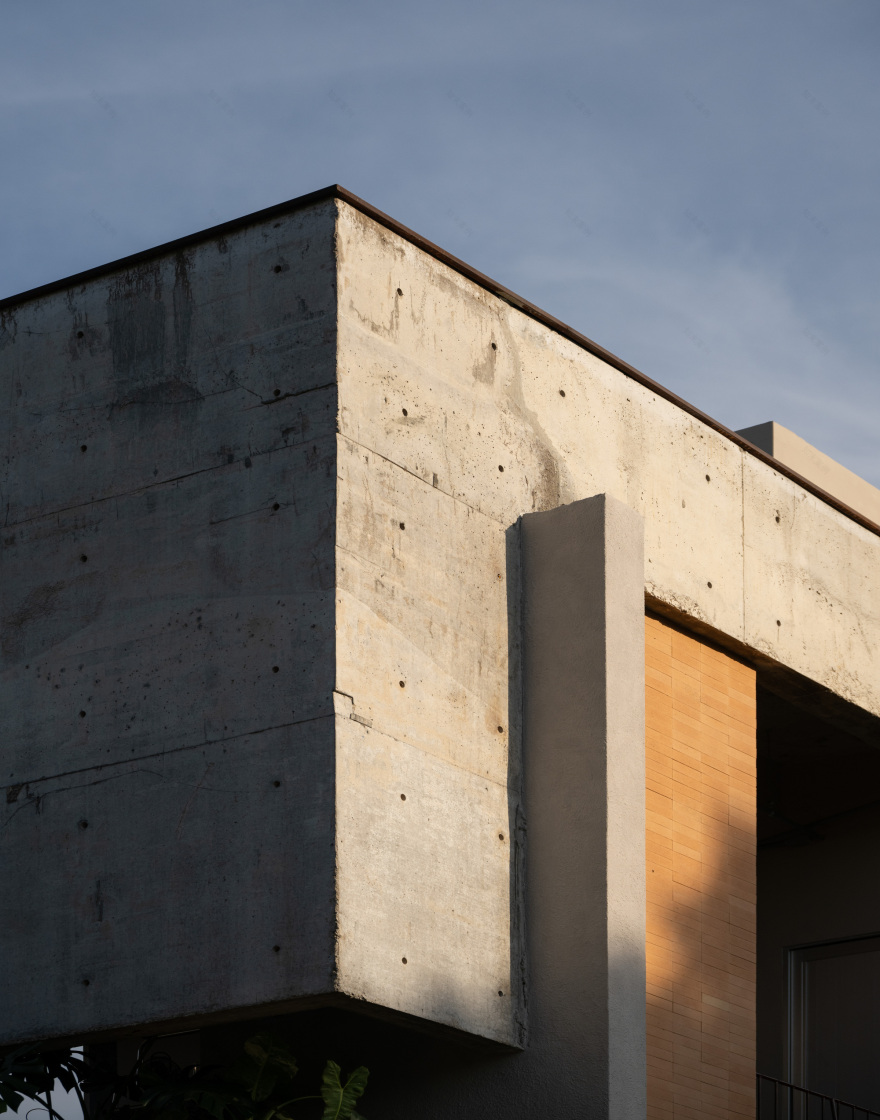
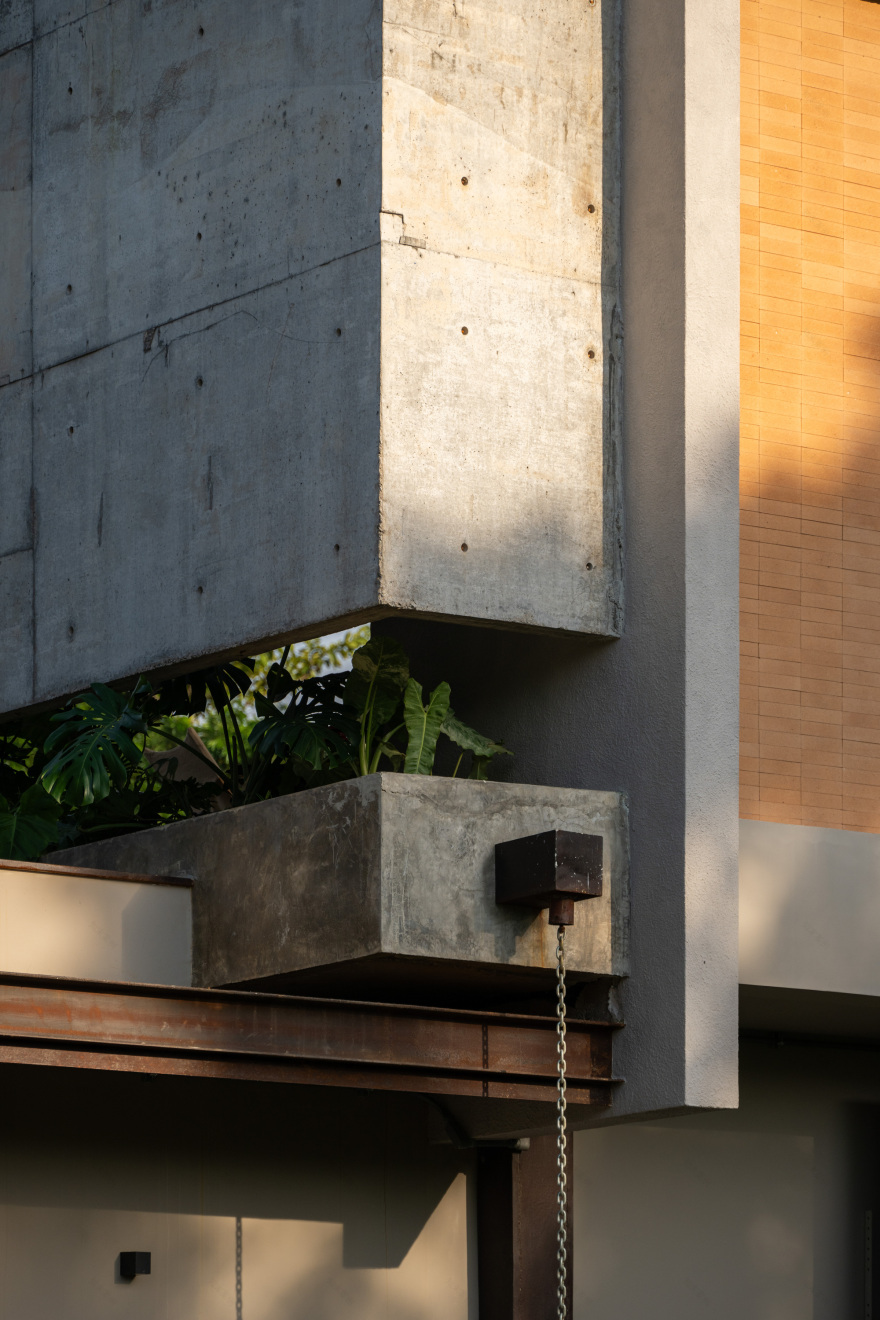
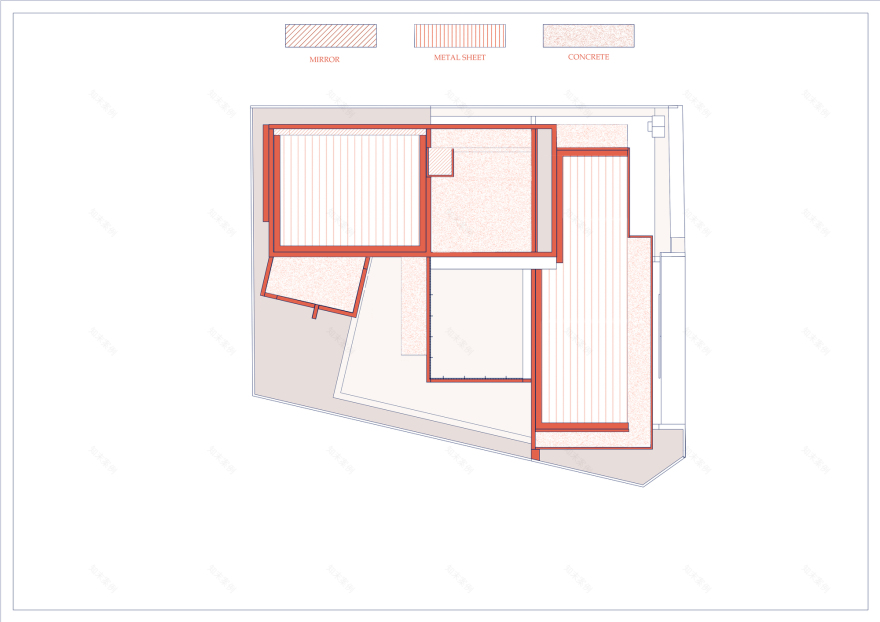
Materiality plays a central role in the project's architectural expression. Reflecting the owner's fascination with material honesty, the house employs concrete and steel as its primary elements, referencing both brutalist and industrial traditions. Rammed earth is introduced as an experimental material, forming a prominent façade element at the front of the house and extending into the living area before continuing vertically as part of the terrace railing above. Steel components are intentionally oxidized to produce a rusted orange tone that resonates with the earthy color of the rammed earth walls, creating a balance between the rawness of industrial materials and the warmth of natural textures.
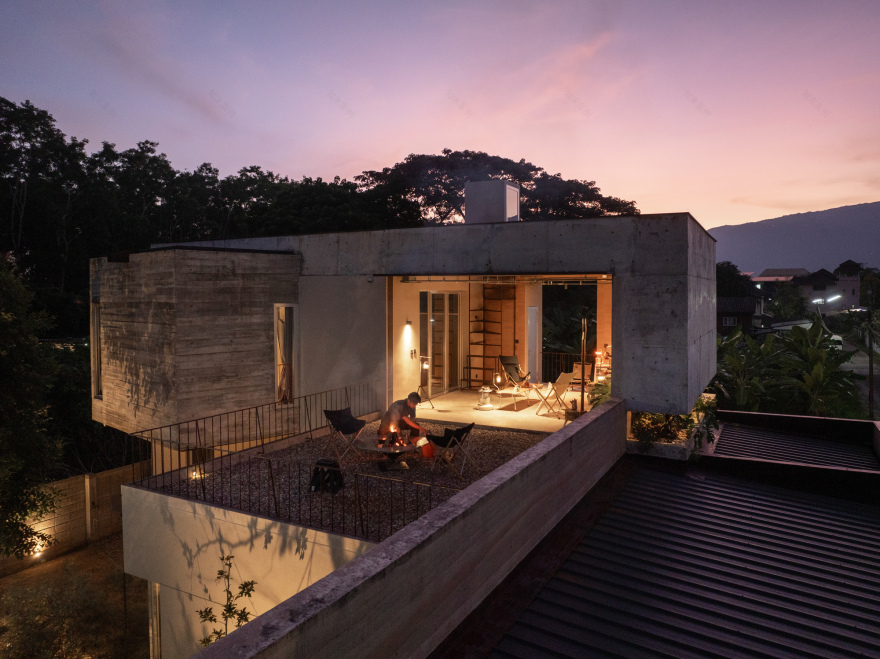
Ultimately, The Terrace House becomes an exploration of both space and material, where the rugged character of architecture is carefully balanced with the warmth and comfort of domestic living, reflecting a lifestyle that values simplicity, flexibility, and a close connection with nature.
Project gallery
南京喵熊网络科技有限公司 苏ICP备18050492号-4知末 © 2018—2020 . All photos and trademark graphics are copyrighted by their owners.增值电信业务经营许可证(ICP)苏B2-20201444 苏公网安备 32011302321234号
苏公网安备 32011302321234号客服
消息
收藏
下载
最近