

创作上传
VIP
收藏下载
登录 | 注册有礼
查看完整案例

收藏

下载

分享

翻译
Architects:H&P Architects
Area:1200m²
Year:2022
Photographs:Le Minh Hoang
Category:Houses
Designers:Doan Thanh Ha, Nguyen Hai Hue, Tran Van Duong, Luong Thi Ngoc Lan, Vu Minh Dien, Nguyen Van Thanh, Nguyen Van Thinh
City:Hue
Country:Vietnam
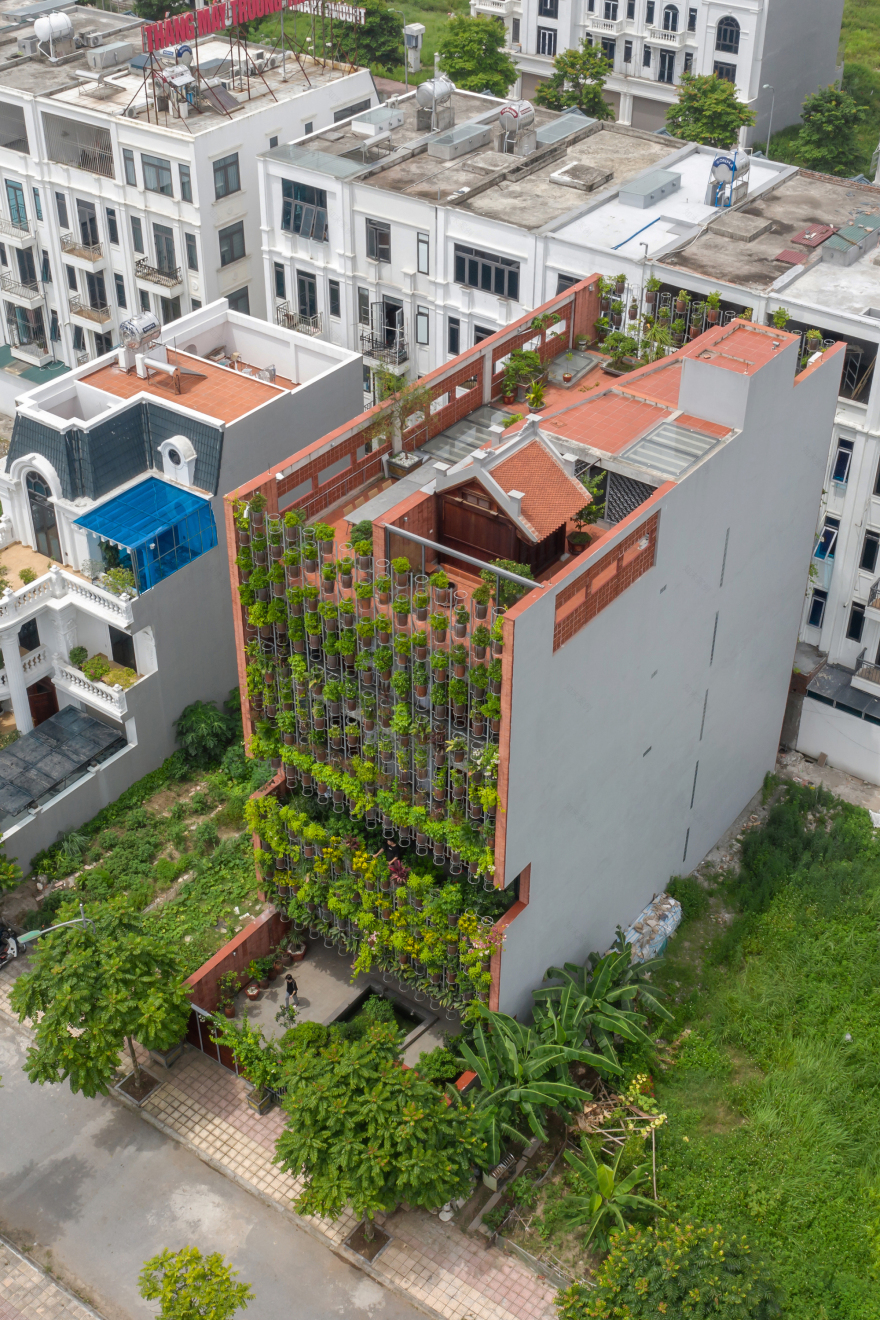
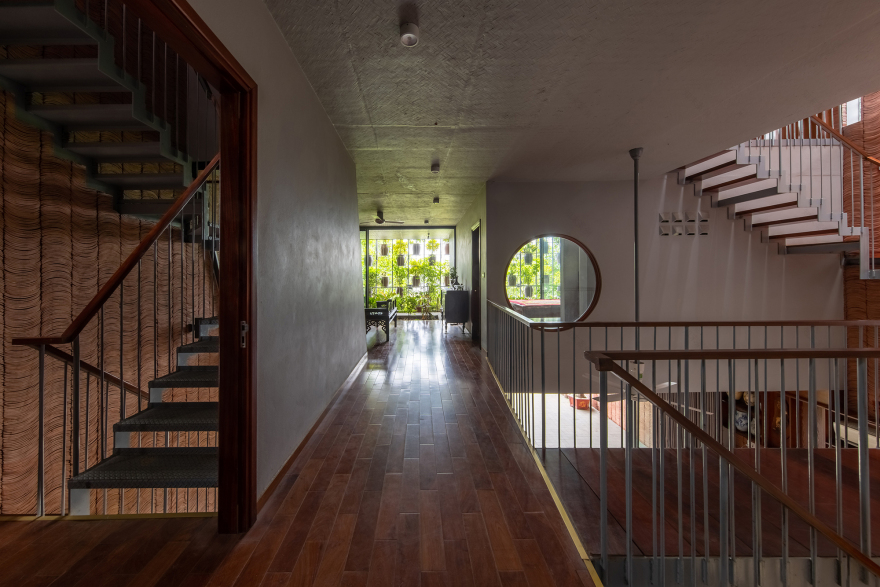
'Flying vegetation' is a works in a series of those toward the Agritecture perspective: combining Architecture with Agriculture in order to create a living space for the future in the context of global climate change. The prevalent urbanization process across Vietnam has been causing an imbalance in rural areas. The area of agricultural land is decreasing, seriously affecting the sedentary farming and resettlement of the community.
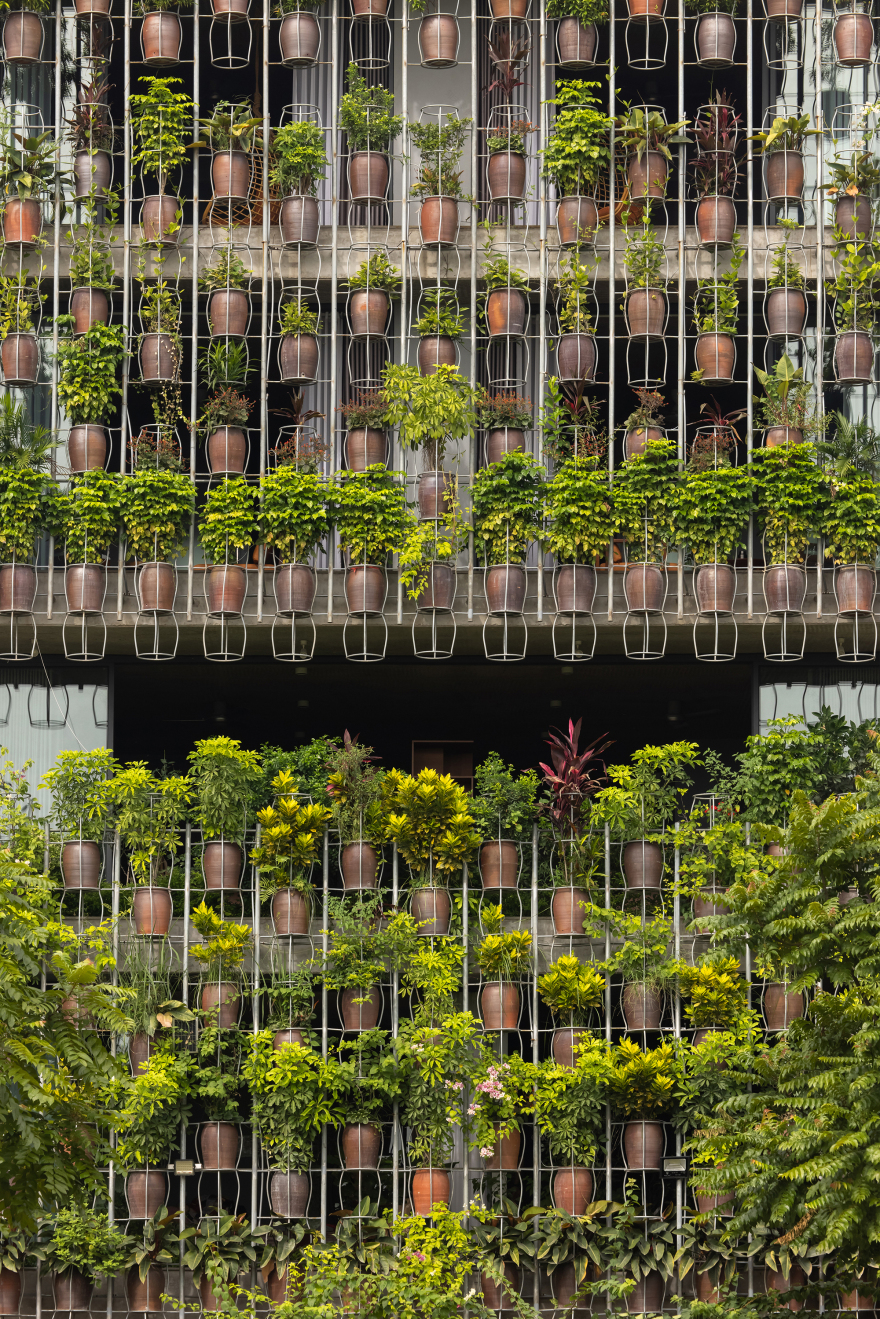
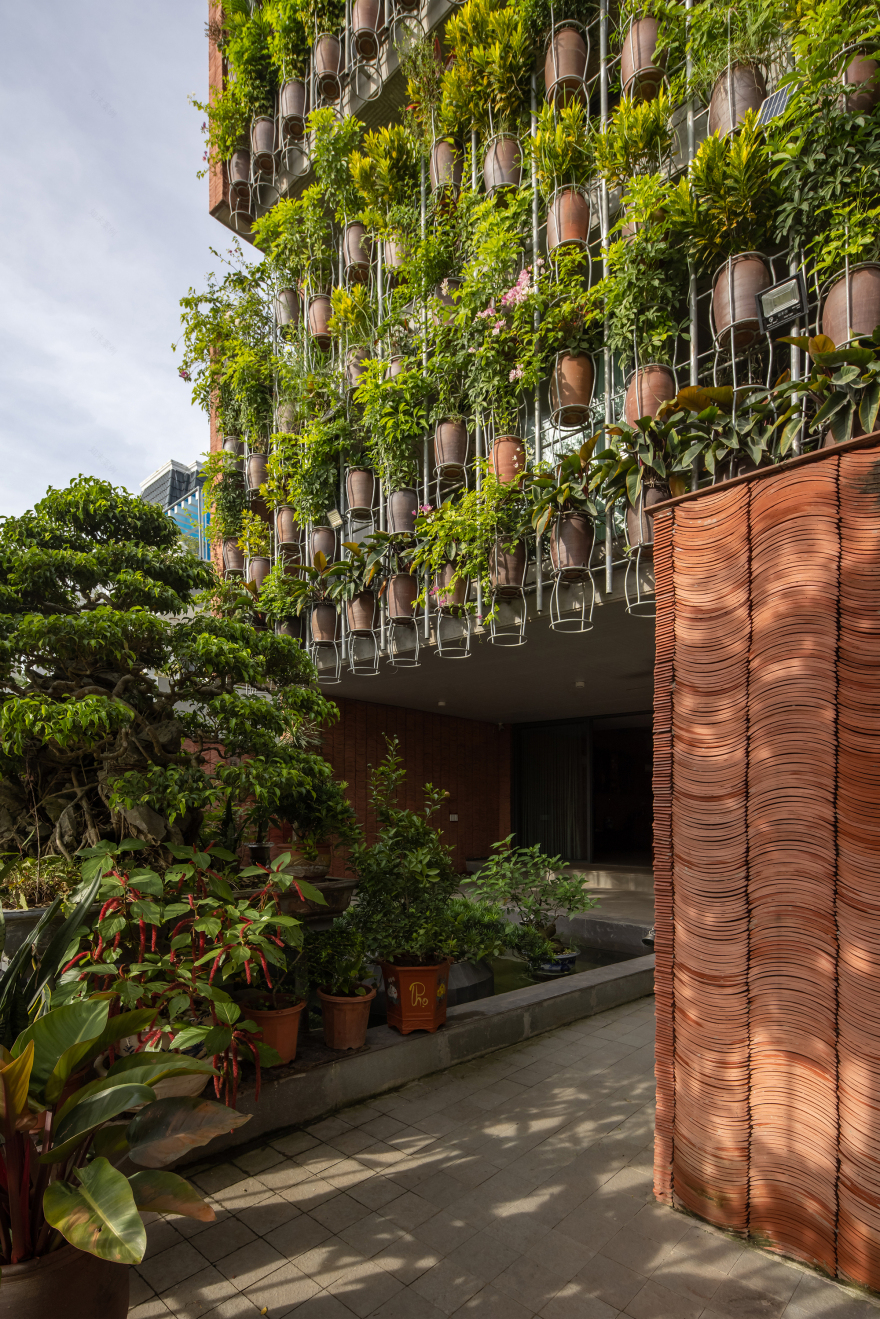
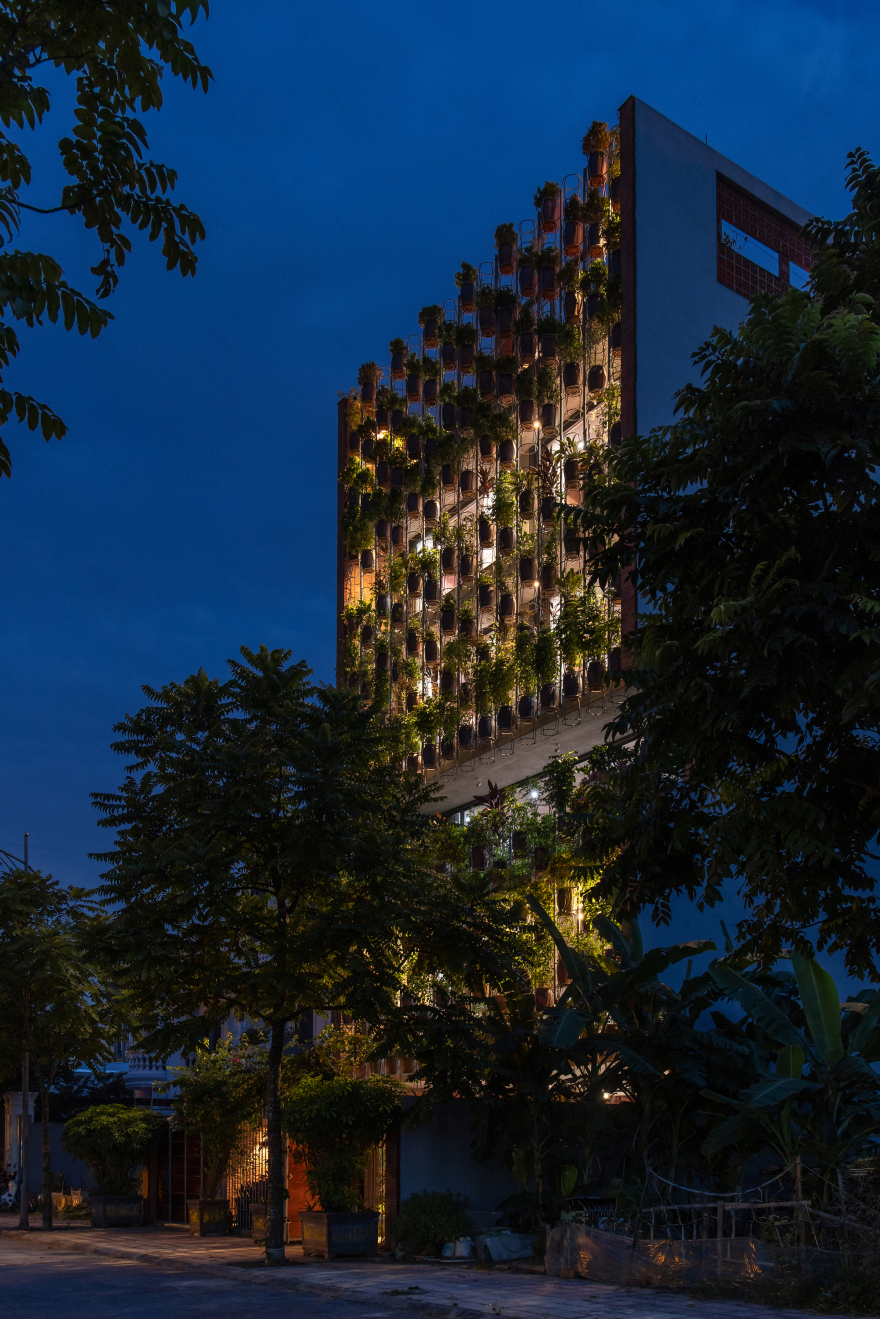
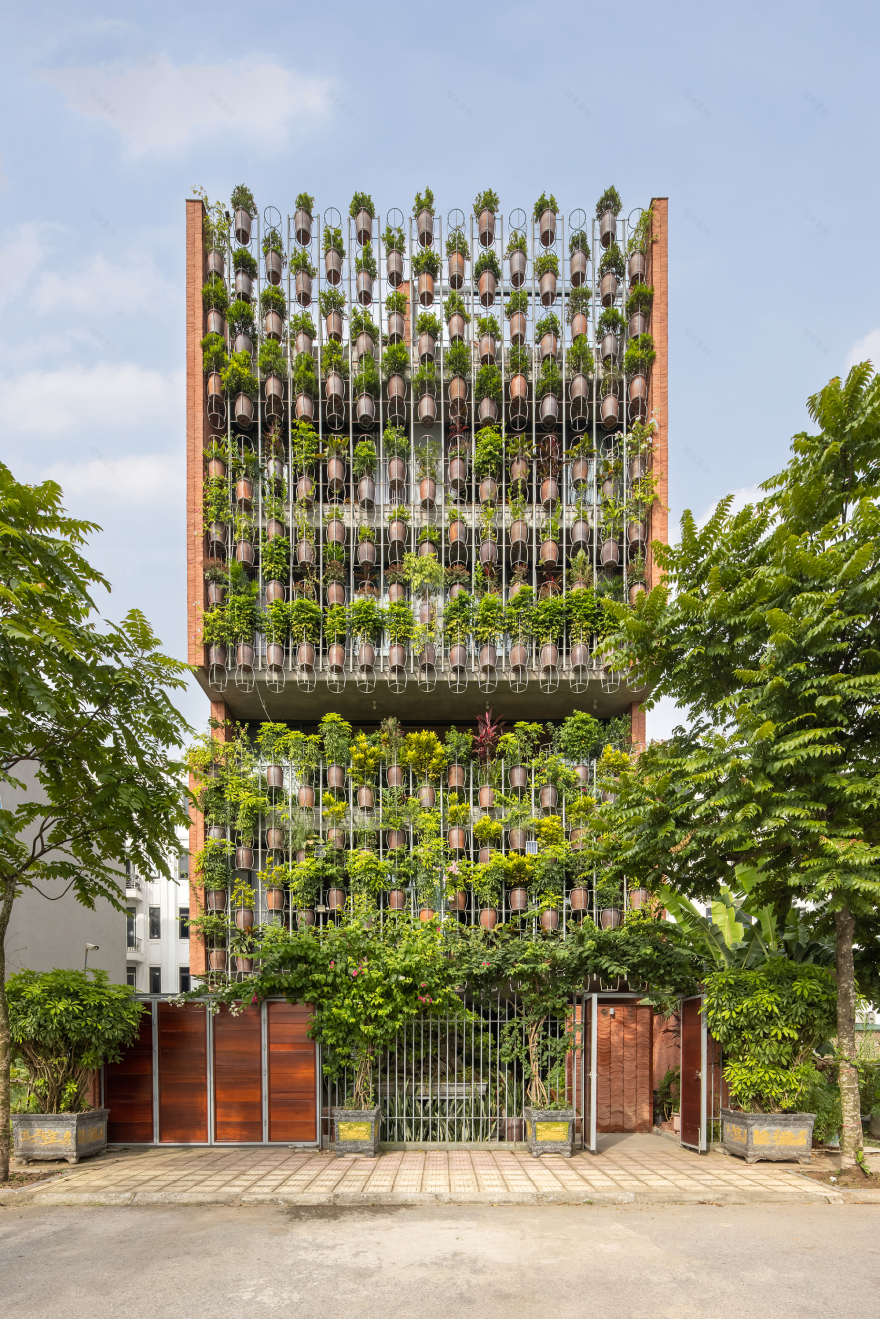
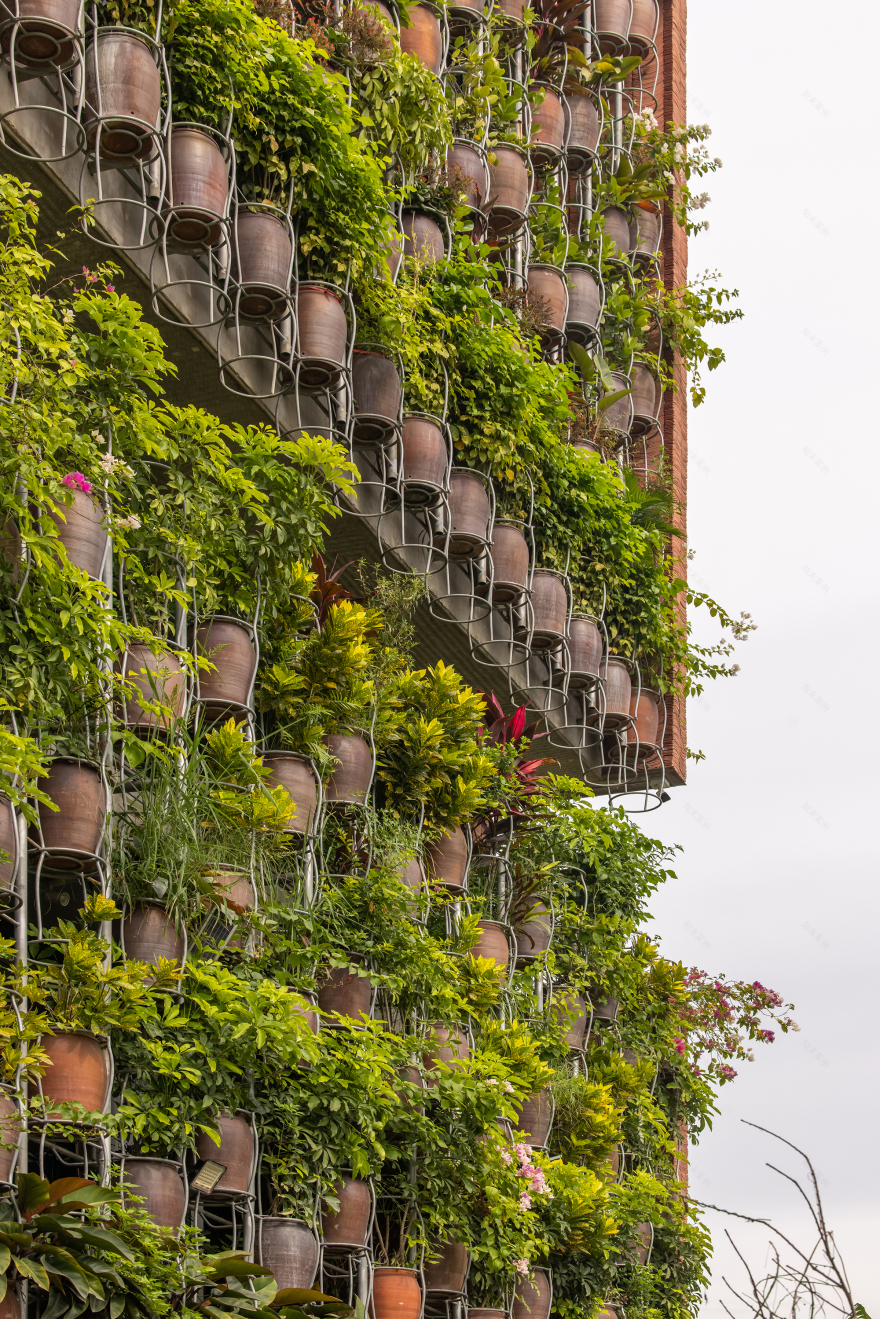
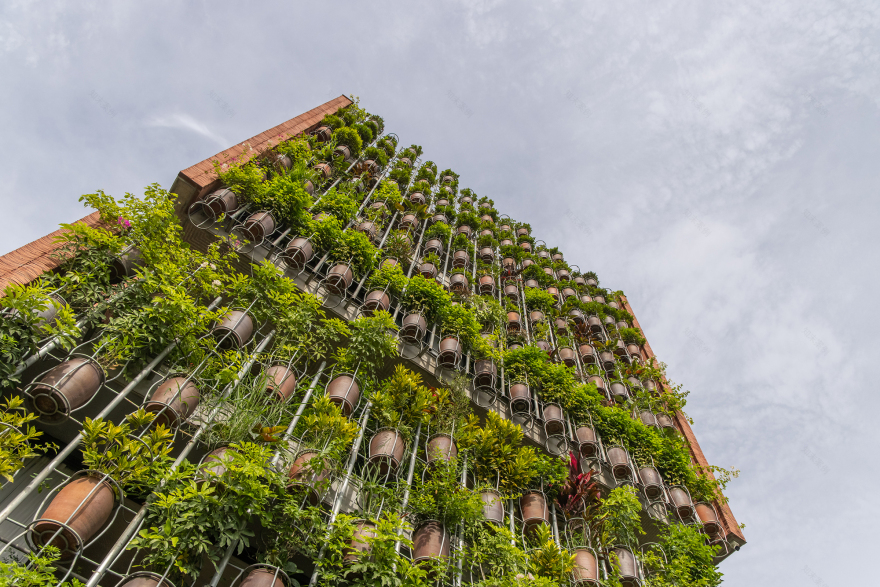
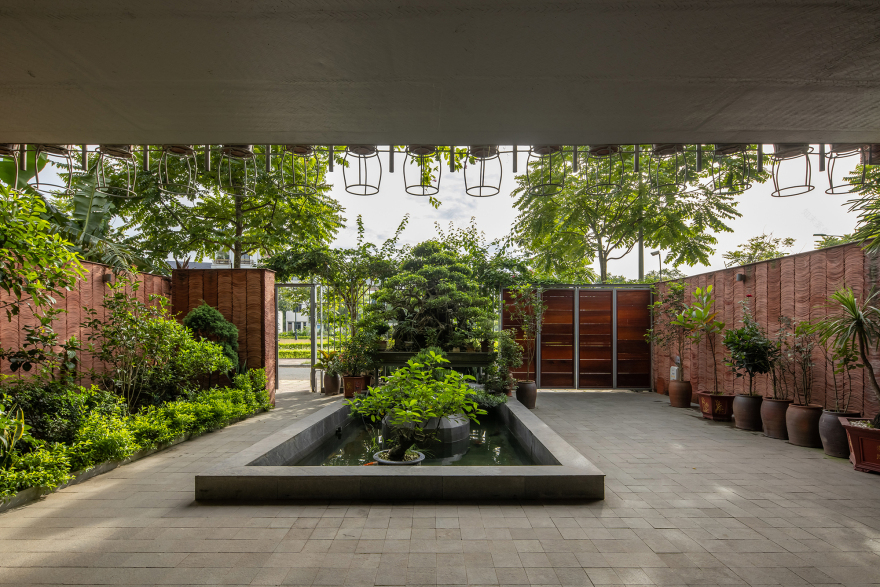
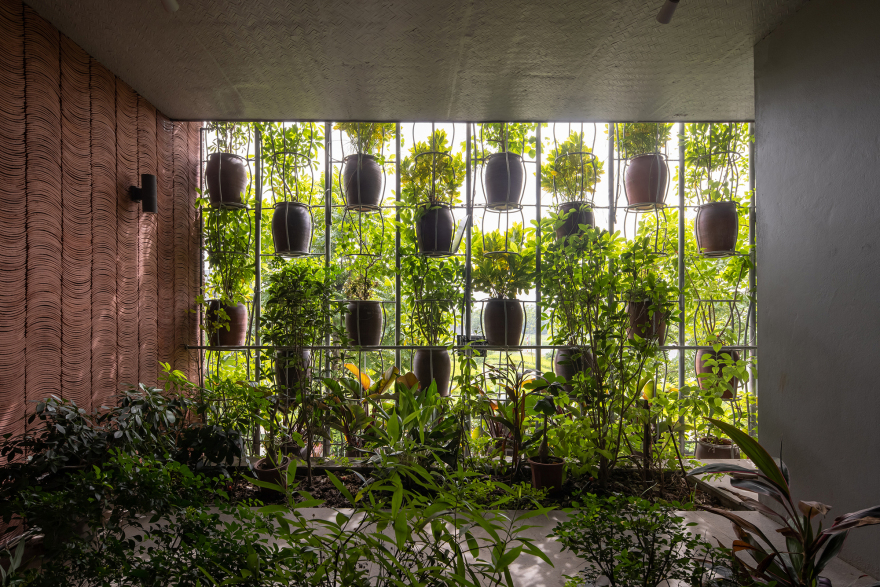
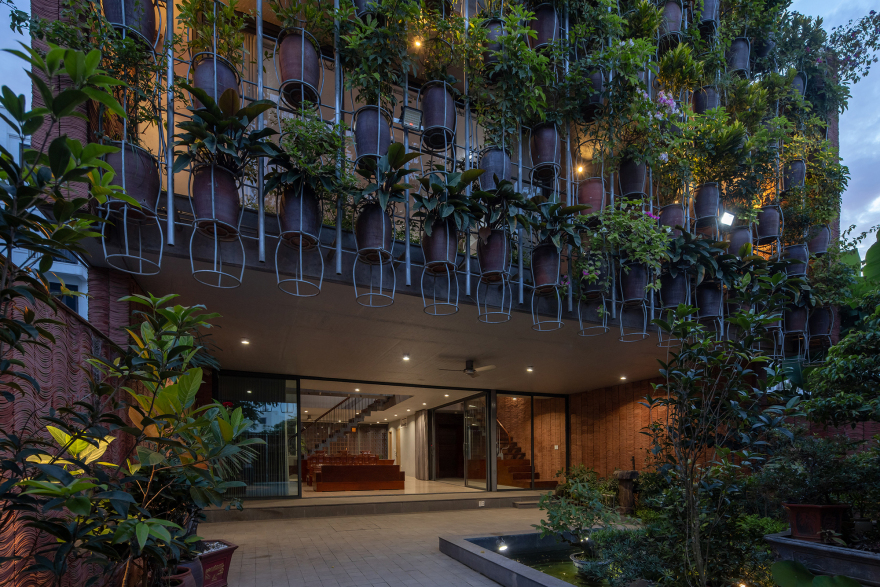
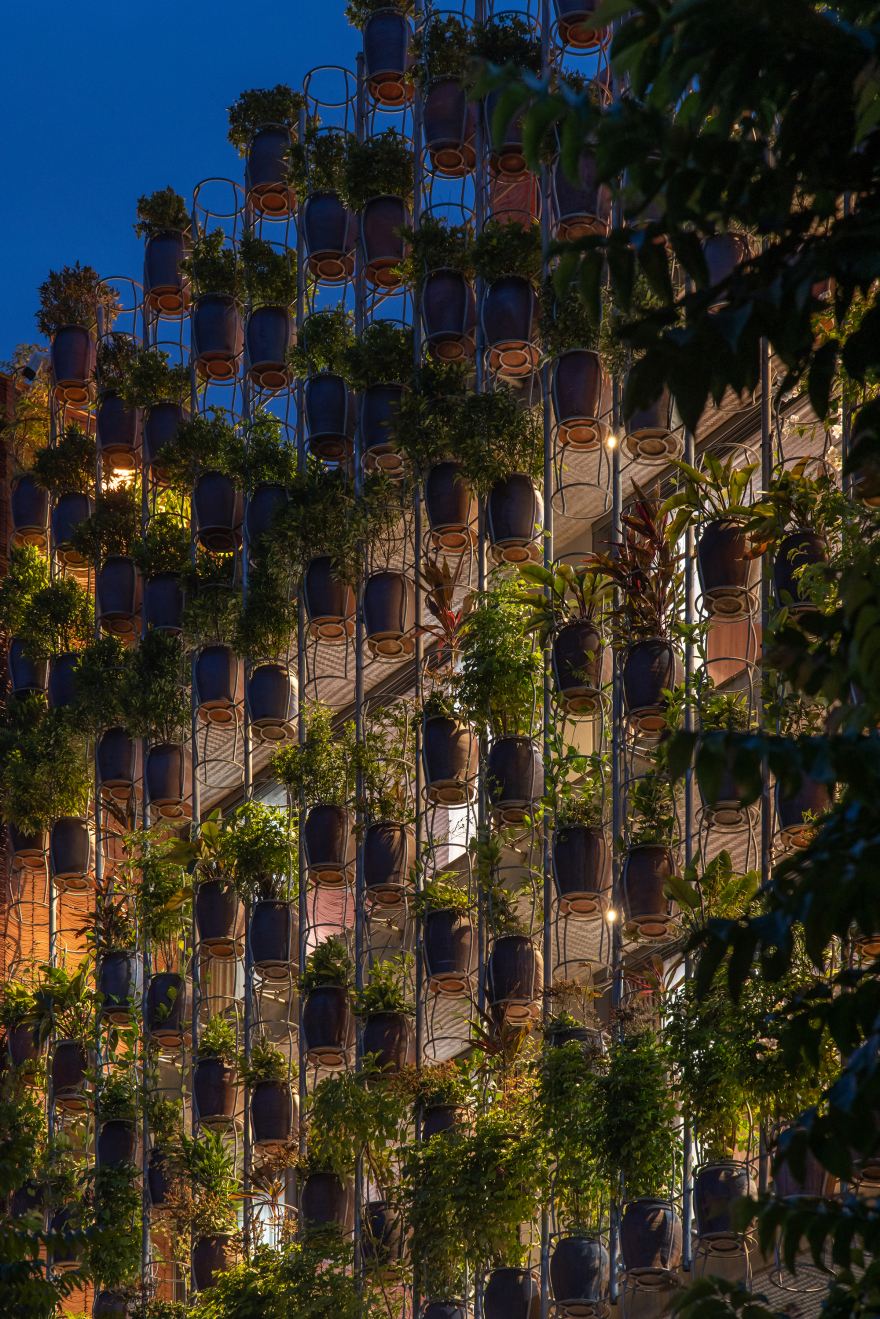
Flying vegetation is a house located in a new urban area in Thai Binh city. In front of the construction site is a common garden of the neighbourhood, which generates the idea of creating a vegetation screen - a private buffer for the living space, thus reducing noise and dust while still open enough for the house owners to enjoy the green space. The screen seems to fly in the air, blurring the boundary between architecture and landscape, creating the feeling of living in the forest or next to the rice fields.
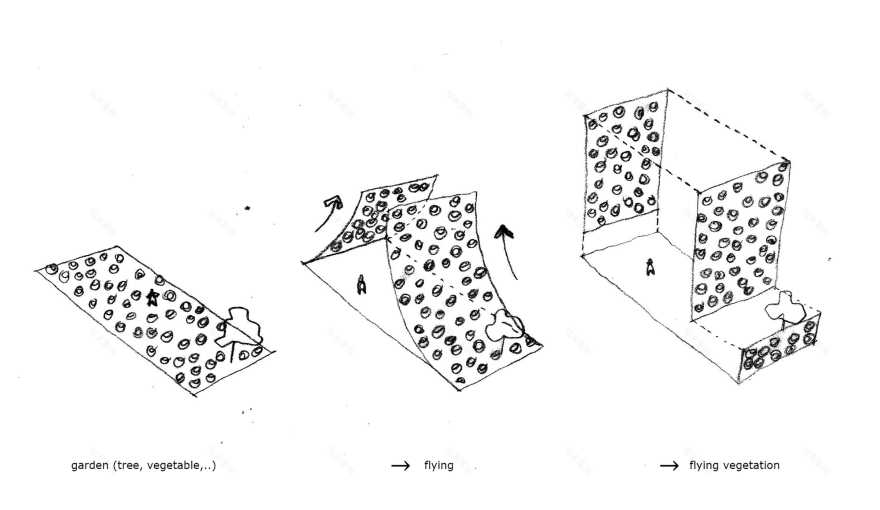
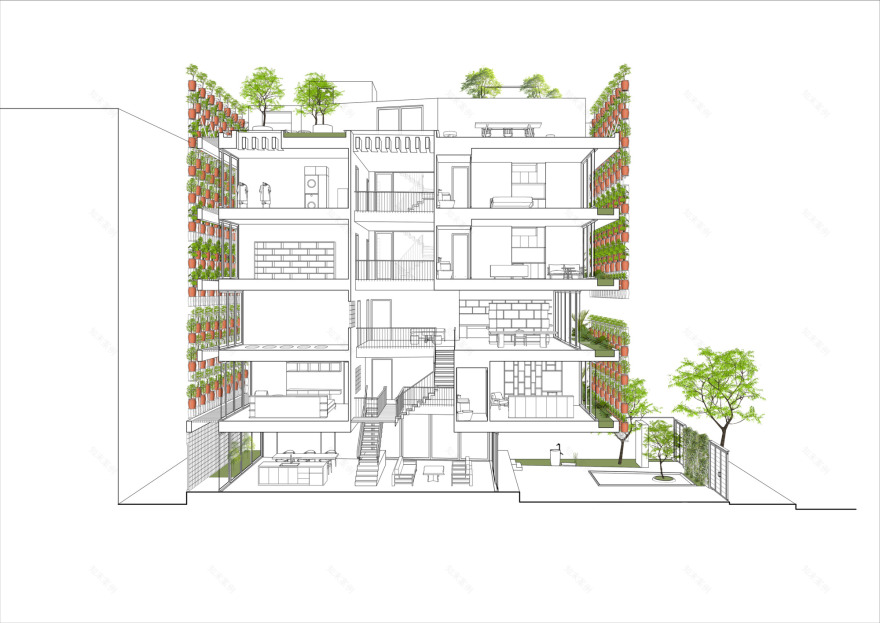
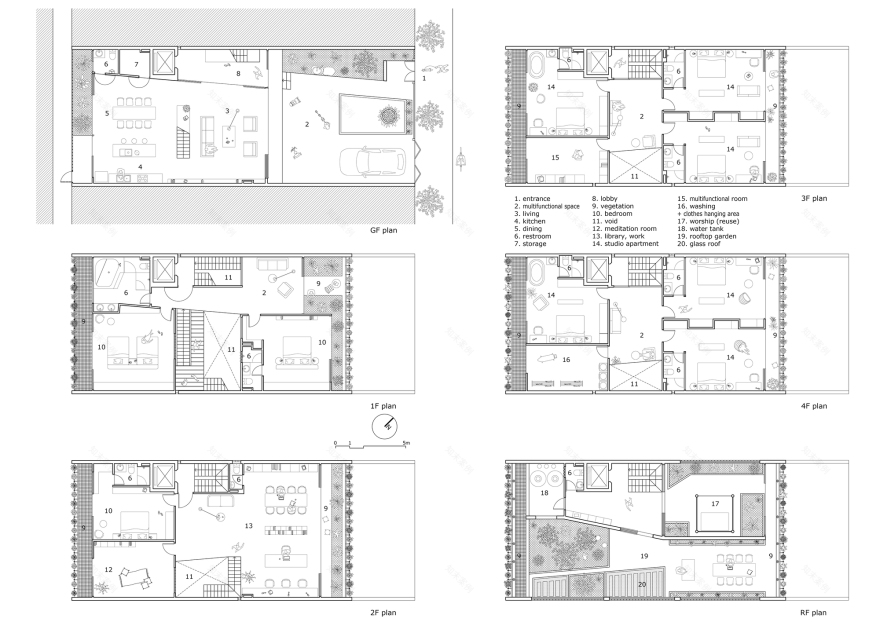
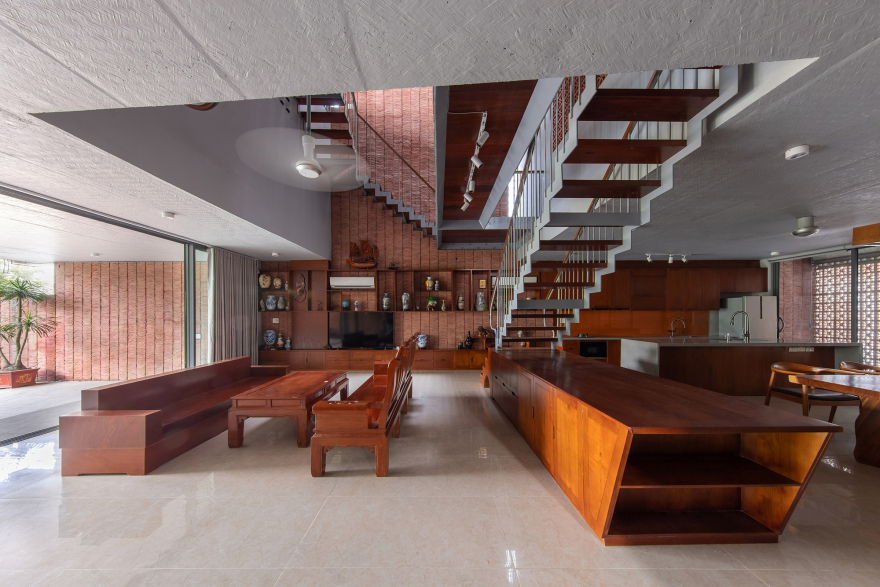
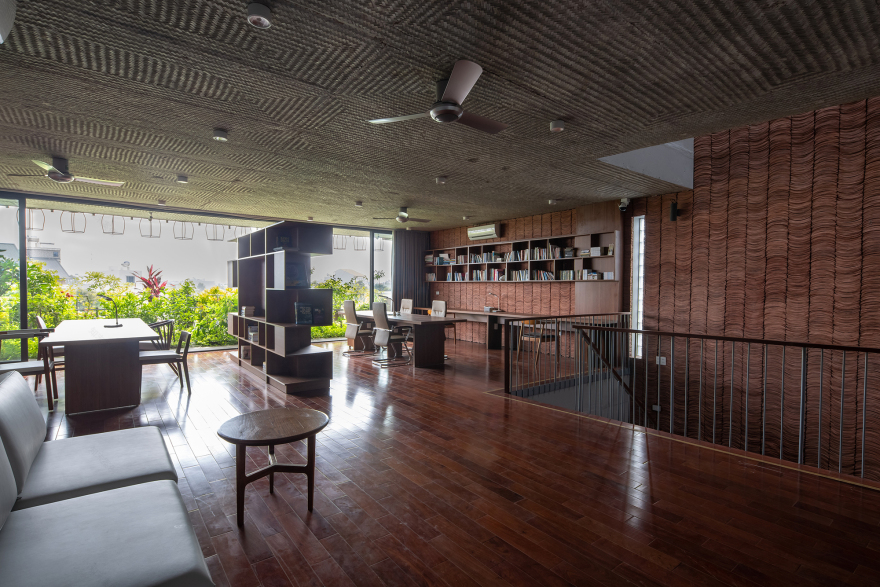
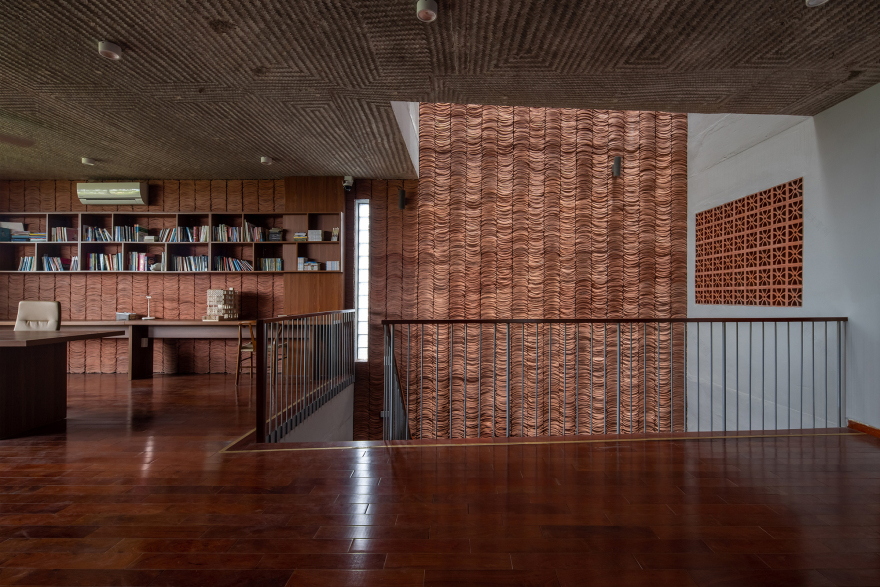
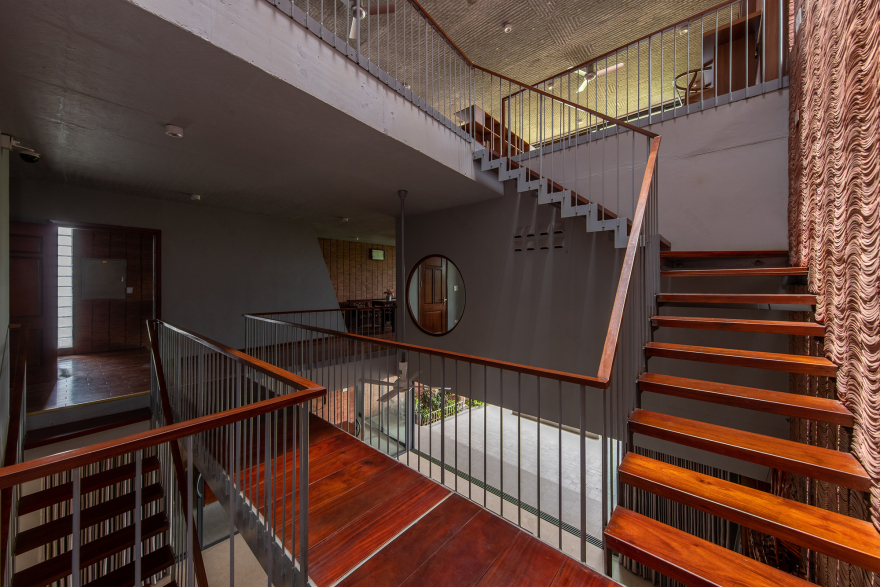
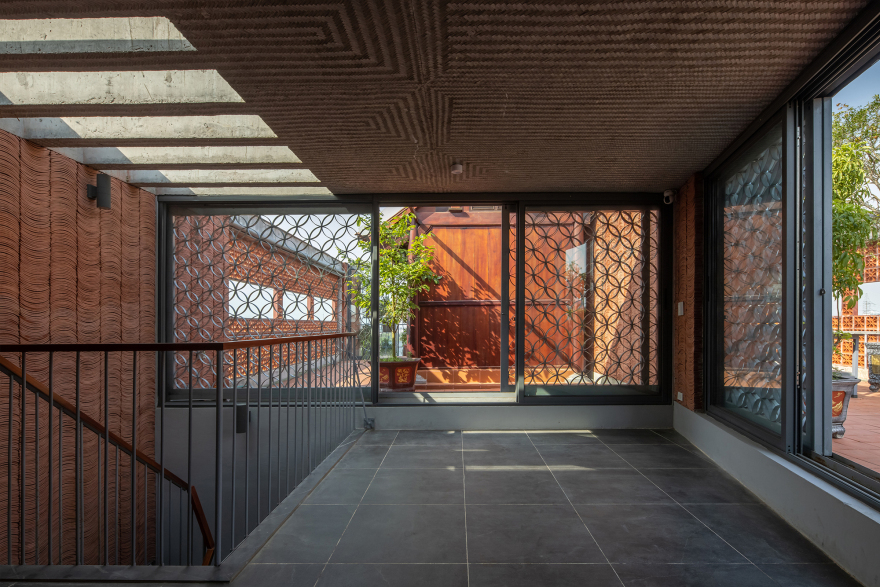
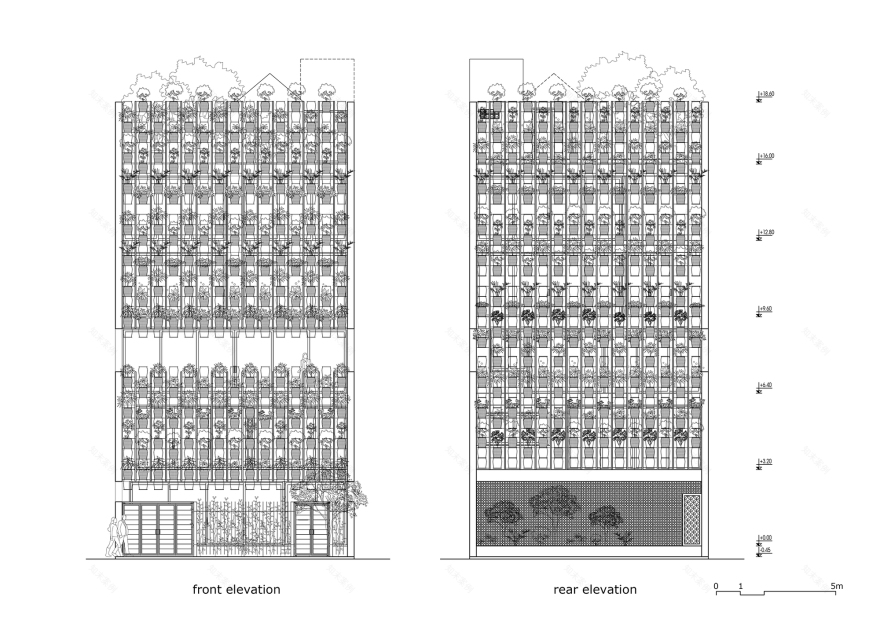
The house is for residential purpose (1st-2nd-3rd floors) and for rent (4th-5th floors), which is operated in a spirit of sharing (non-profit) the living space between its owners and tenants. The 3rd floor and the roof are multifunction meeting spaces for members living on each floor.
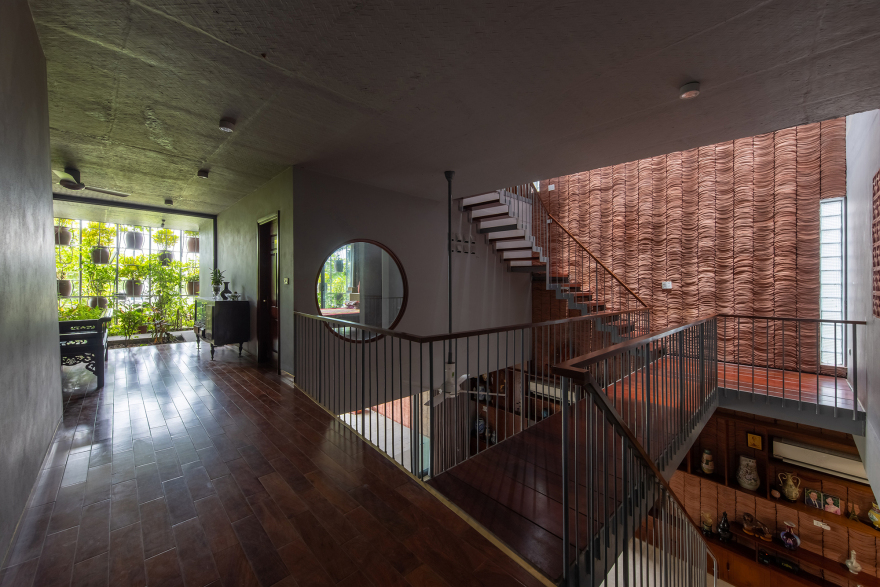
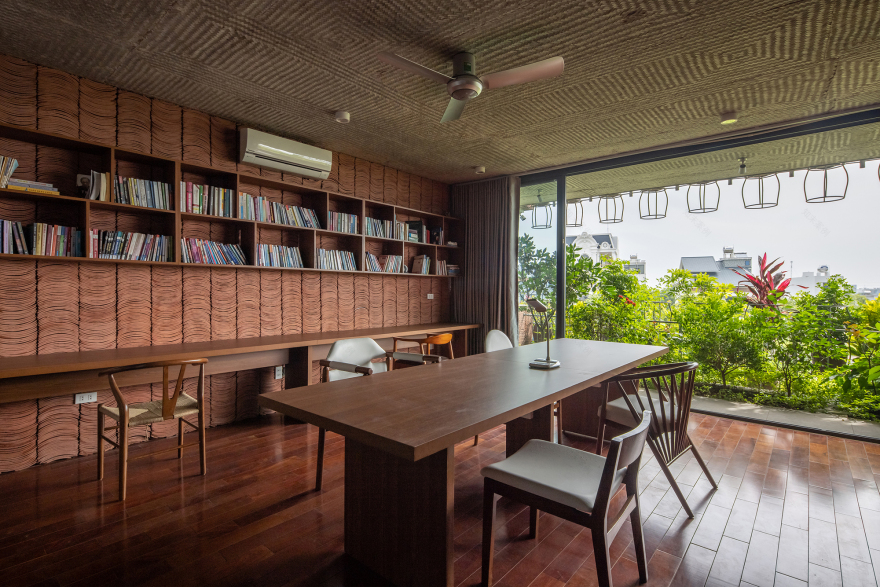
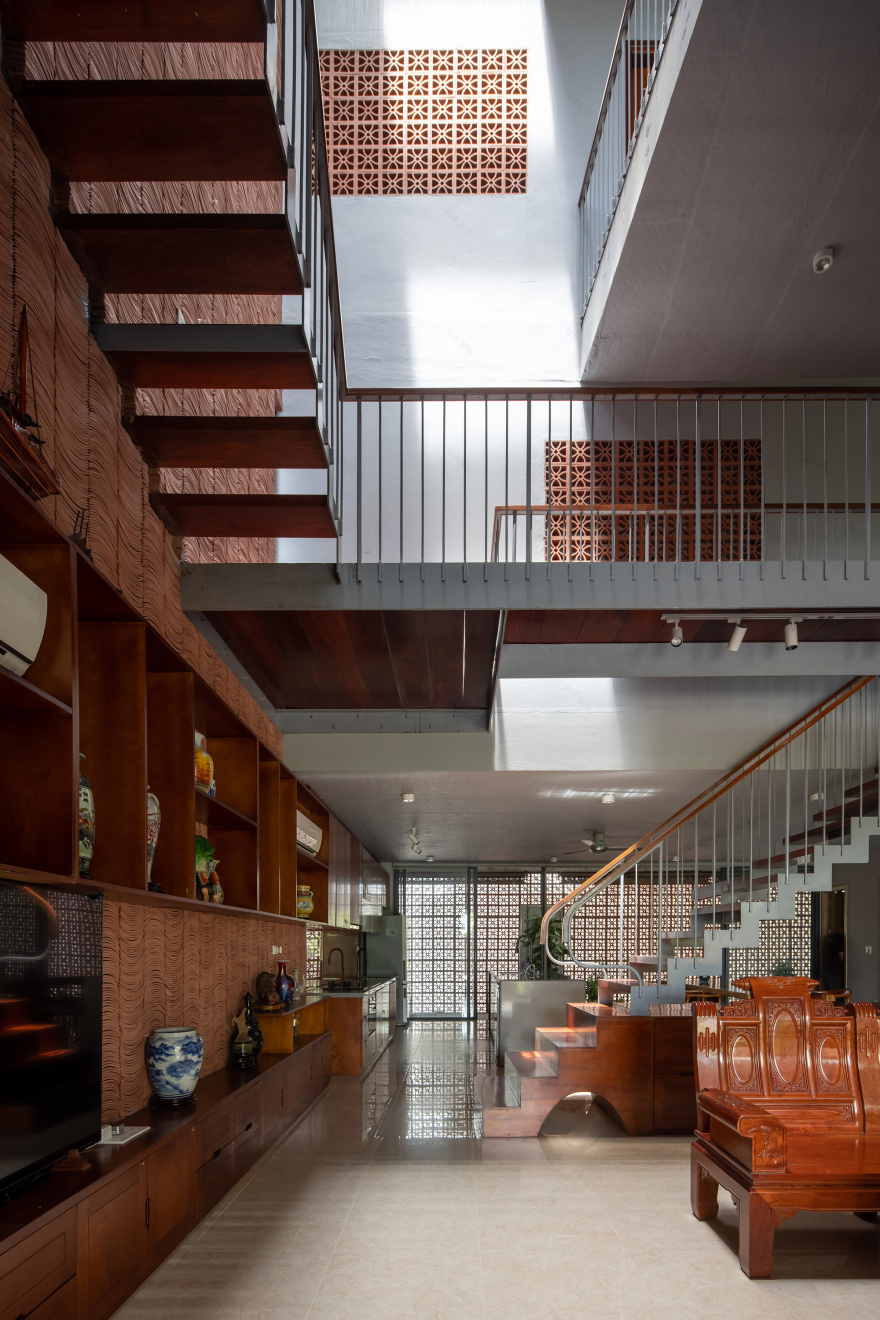
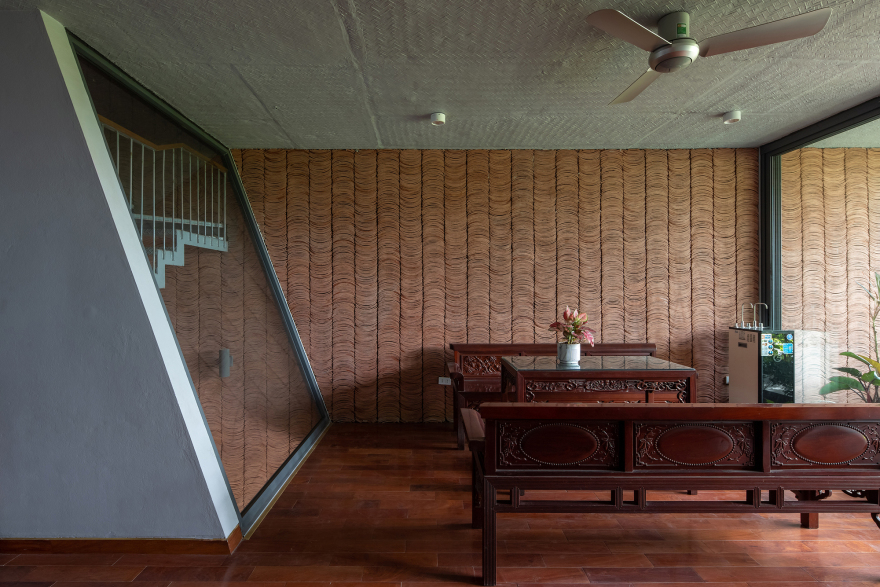
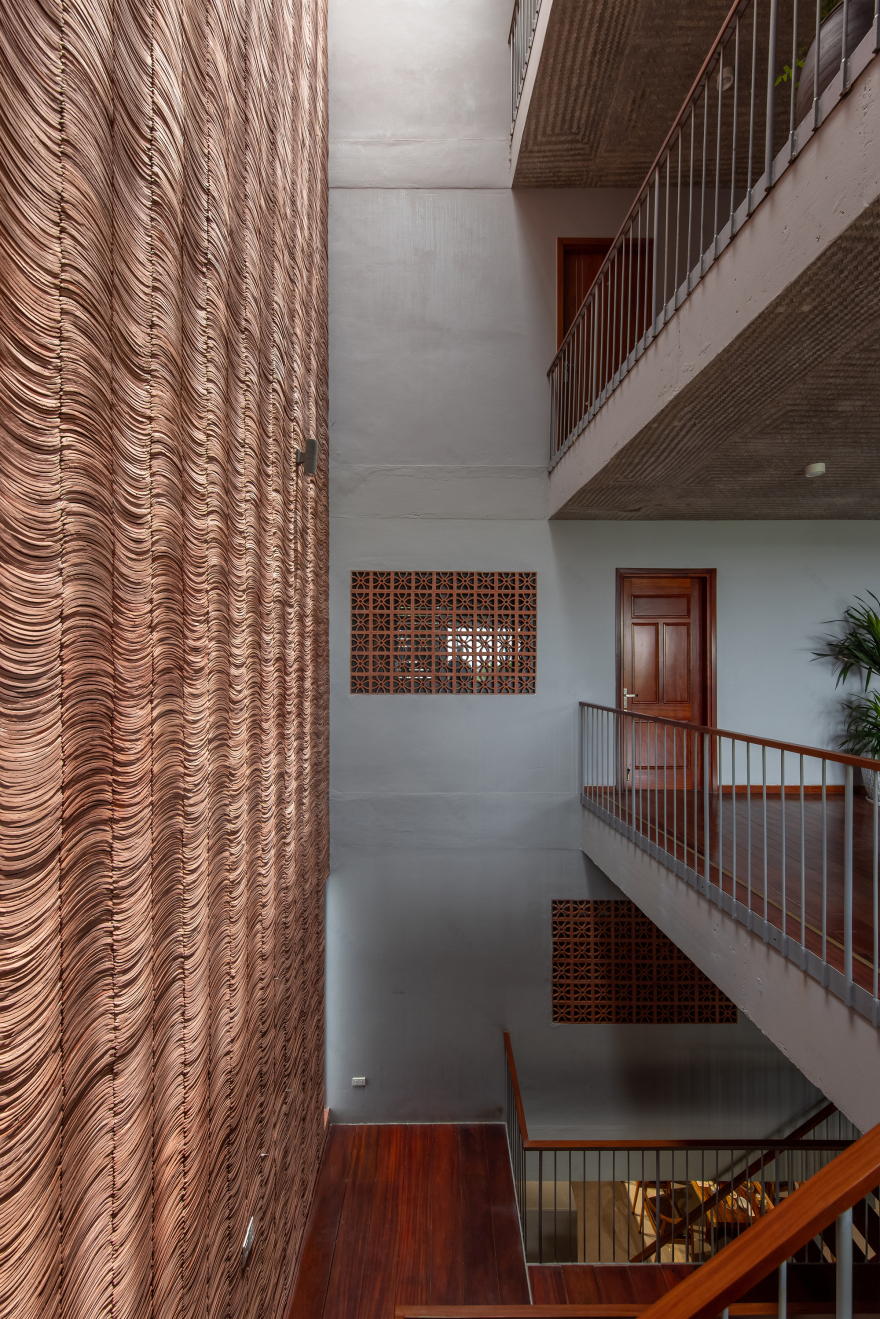
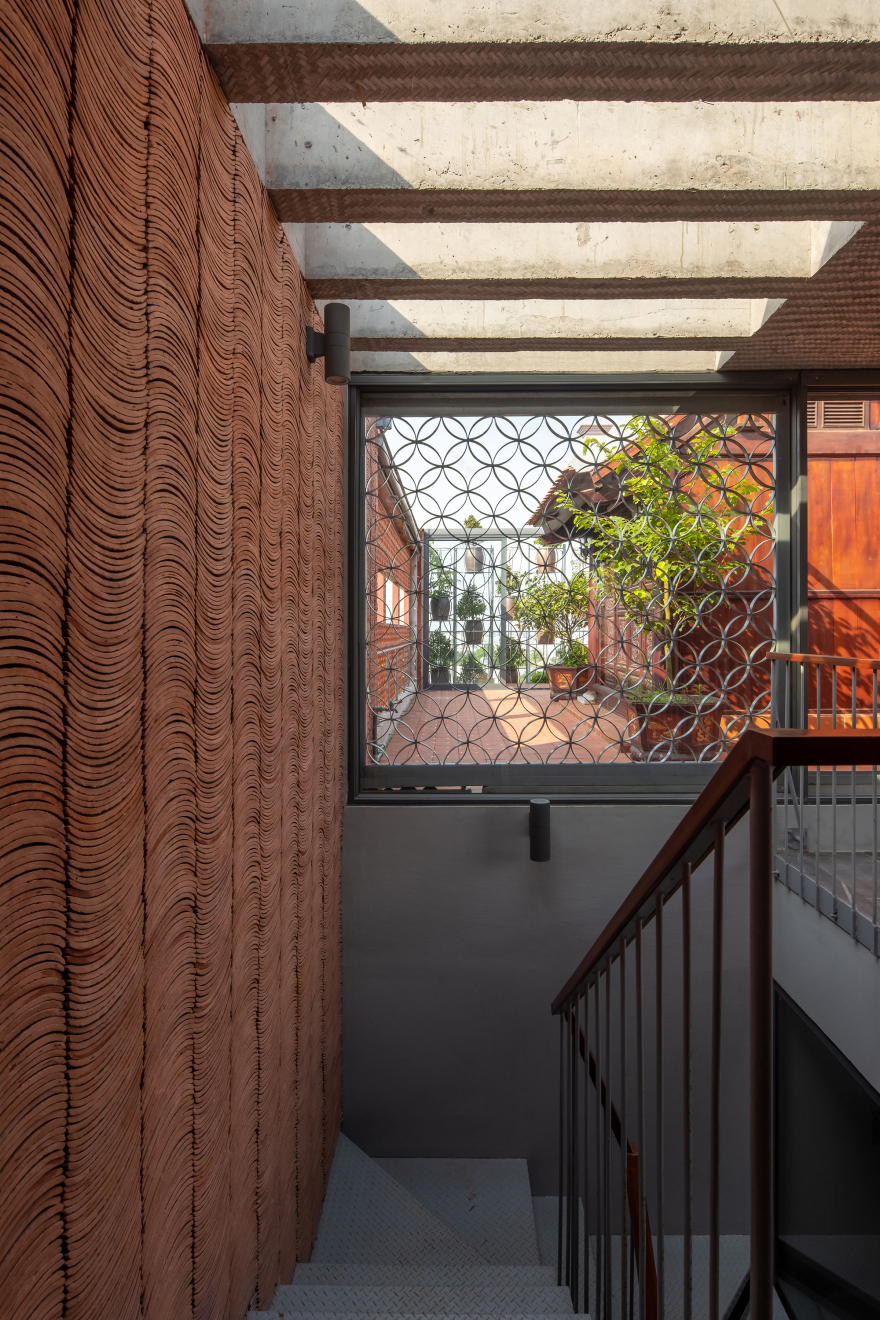
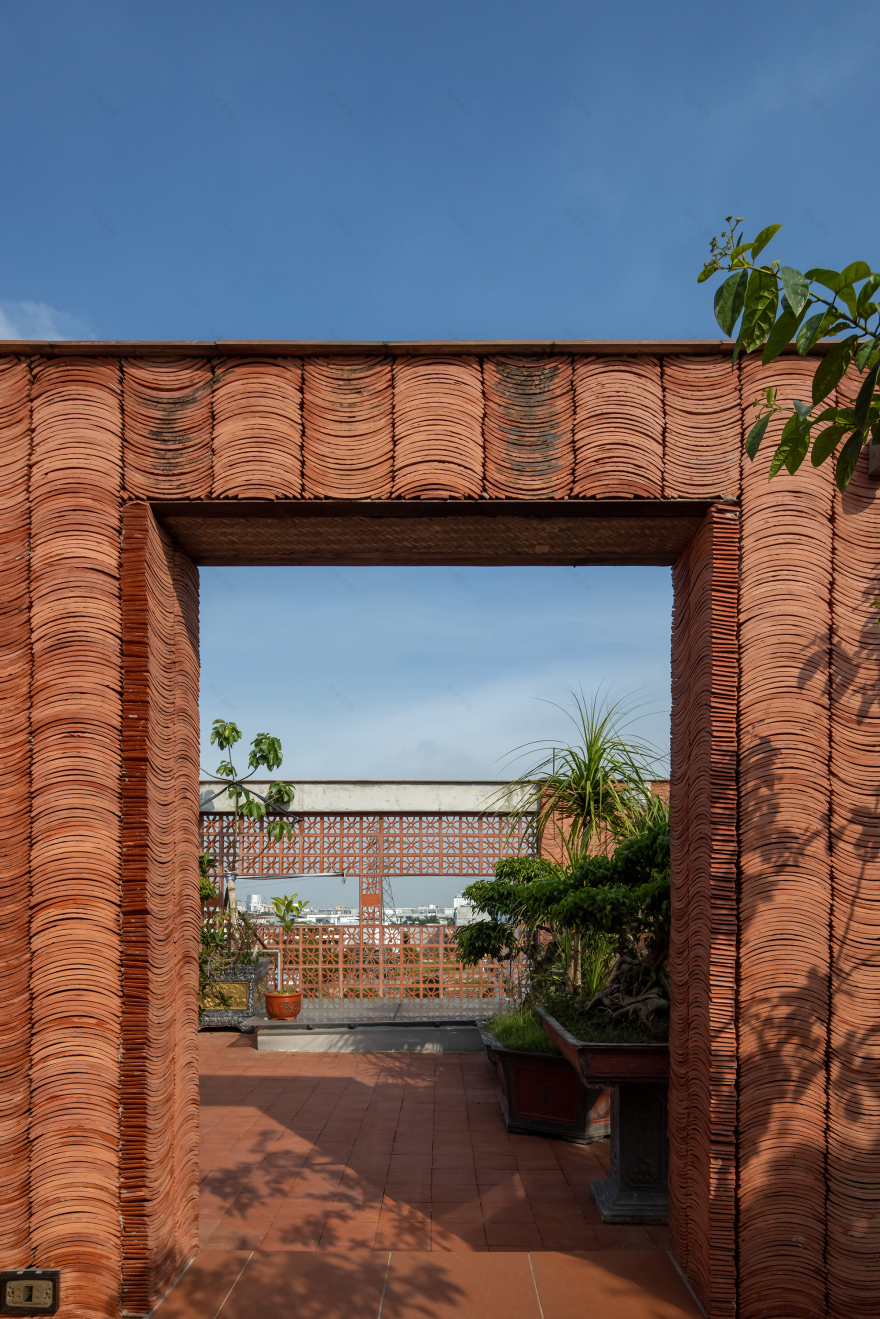
House owners are people interested in plants, have green fingers and understanding that Trees and Soil (for planting trees and making tiles and ceramic jars out of raw materials) are two primitive materials familiar to all cultures. Trees and Soil connect and gather people from many continents in a common house.
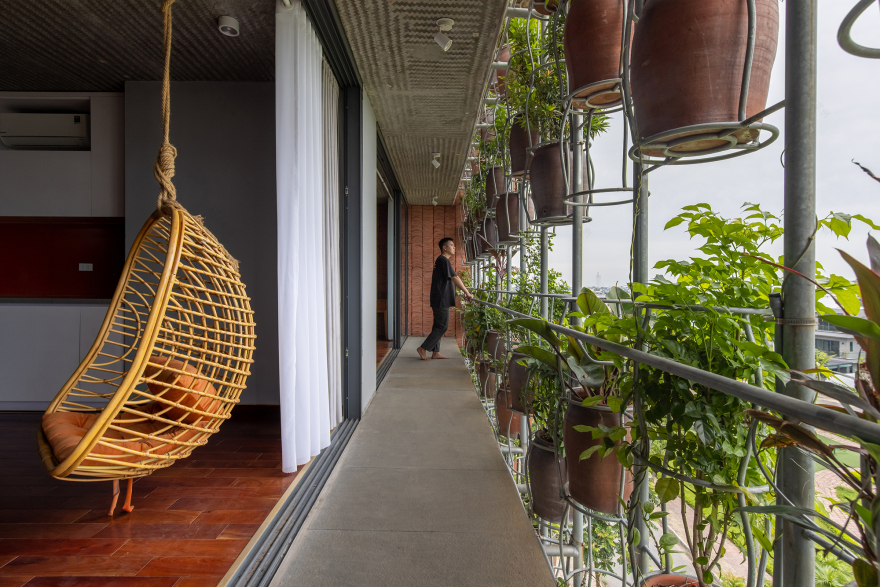
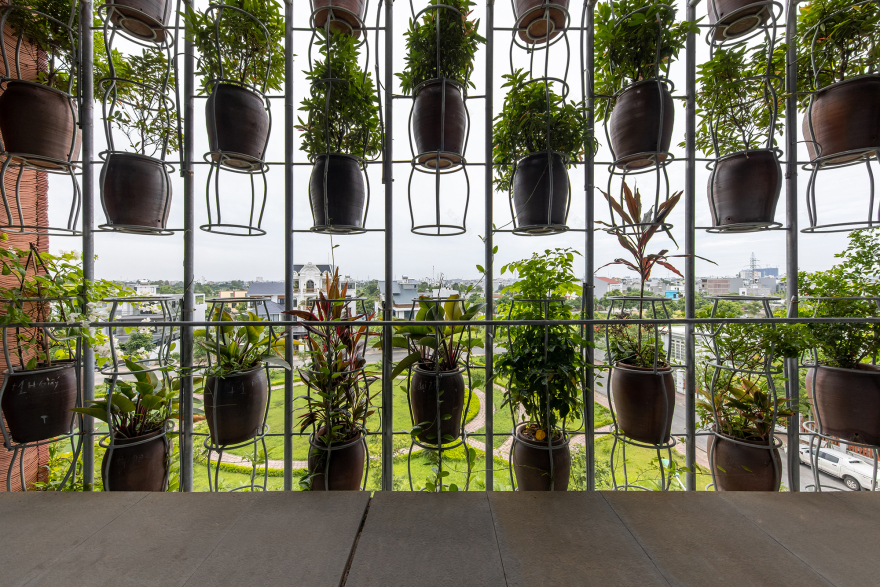
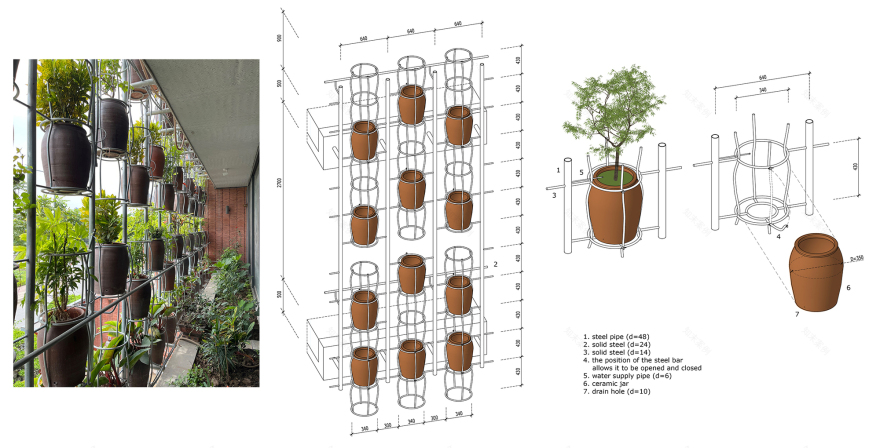
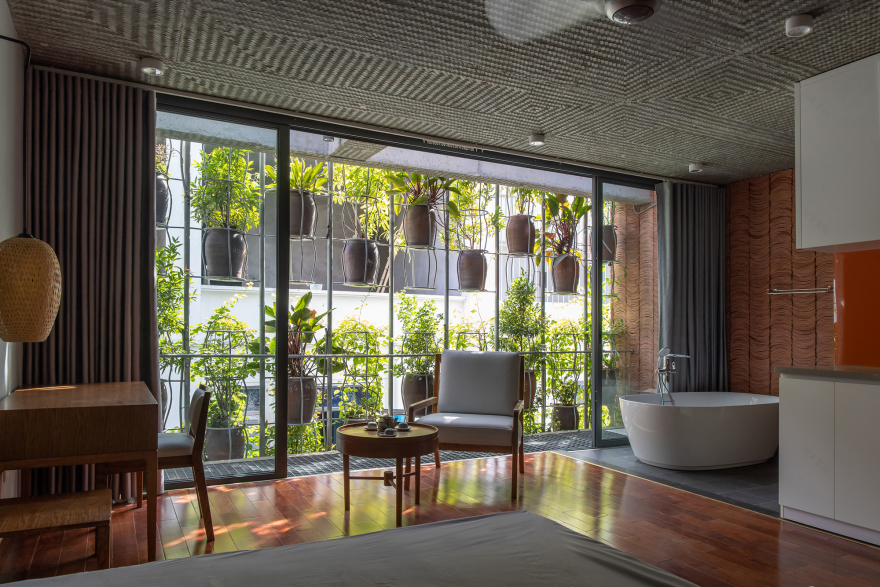
The front and back of the house are shaped by a system of hanging pots of plant in endless columns that seem to be flying. The frame system that creates the columns can be opened and closed at the positions where pots of plants are placed for maintenance and replacement when needed. These pots are arranged in an alternate and spaced manner so that the plants can grow healthily.
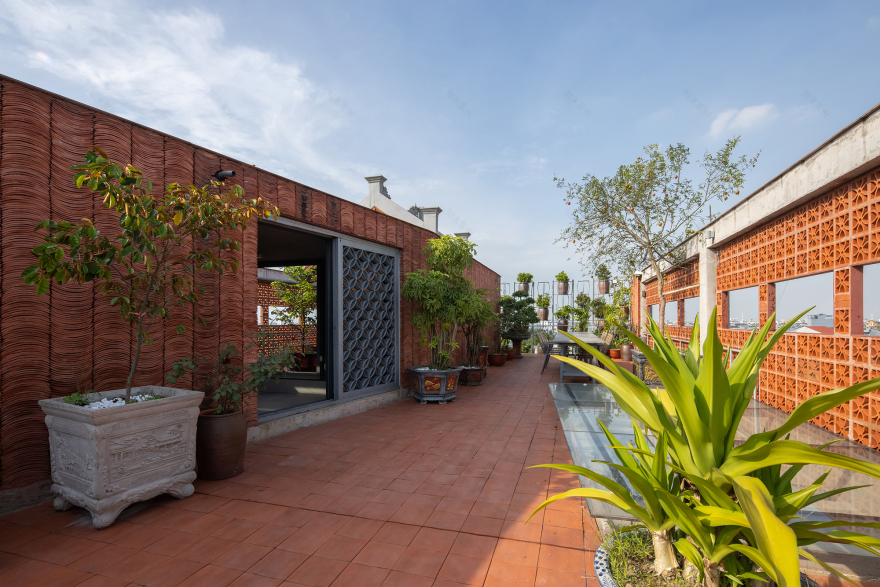
The house has helped its owners find joy in their daily activities because they have a chance to grow plants, take care of them and share products from their vegetable pots and gardens with their neighbours. Home-based farming also allows city residents to live closer to nature and to the countryside, thereby evoking a feeling of attachment to their homeland. For this reason, this model is likely to be multiplied and become "Fields inside the city", providing green living spaces and vegetables for people's daily needs.
Project gallery
南京喵熊网络科技有限公司 苏ICP备18050492号-4知末 © 2018—2020 . All photos and trademark graphics are copyrighted by their owners.增值电信业务经营许可证(ICP)苏B2-20201444 苏公网安备 32011302321234号
苏公网安备 32011302321234号客服
消息
收藏
下载
最近