

创作上传
VIP
收藏下载
登录 | 注册有礼
查看完整案例

收藏

下载

分享

翻译
Architects:Atelier dmb
Area:400m²
Year:2024
Photographs:György Palkó,András Weiszkopf
Lead Architects:Balázs Falvai, Márton Nagy, Dávid Török
Category:University,Renovation
Lead Team:Balázs Falvai
Design Team:Dóra Szuszik, Tamás Zsirnamenszki, Éva Zbisko, Marcell Korhán, Csaba Riczu, Angéla Soltész, Julianna Skrabák
City:Debrecen
Country:Hungary
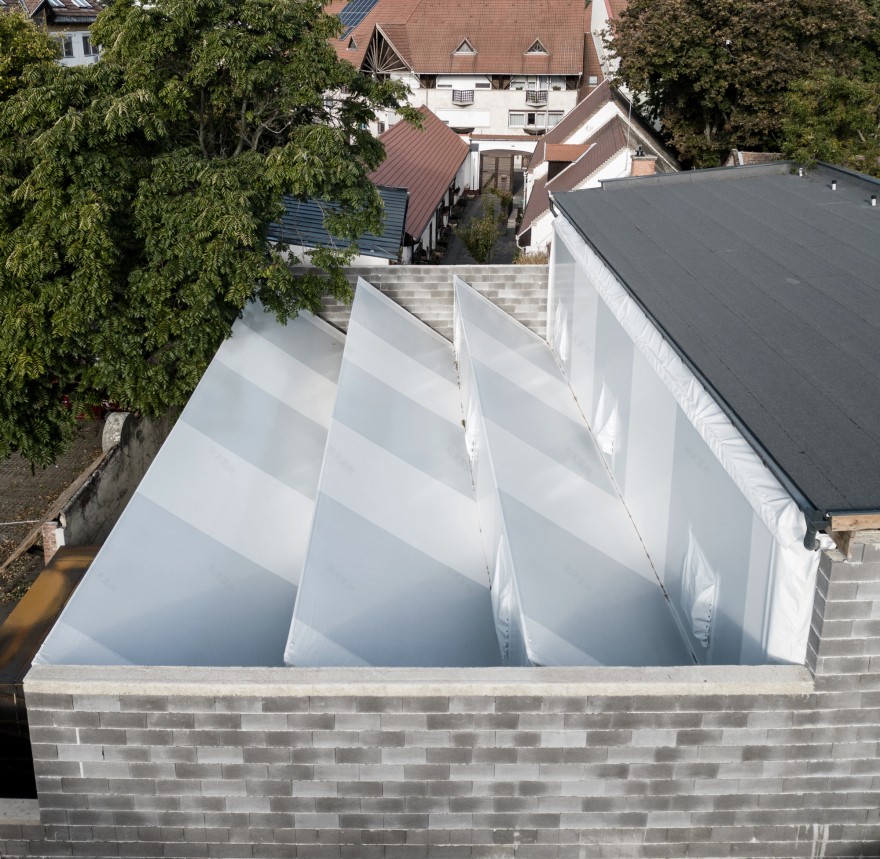
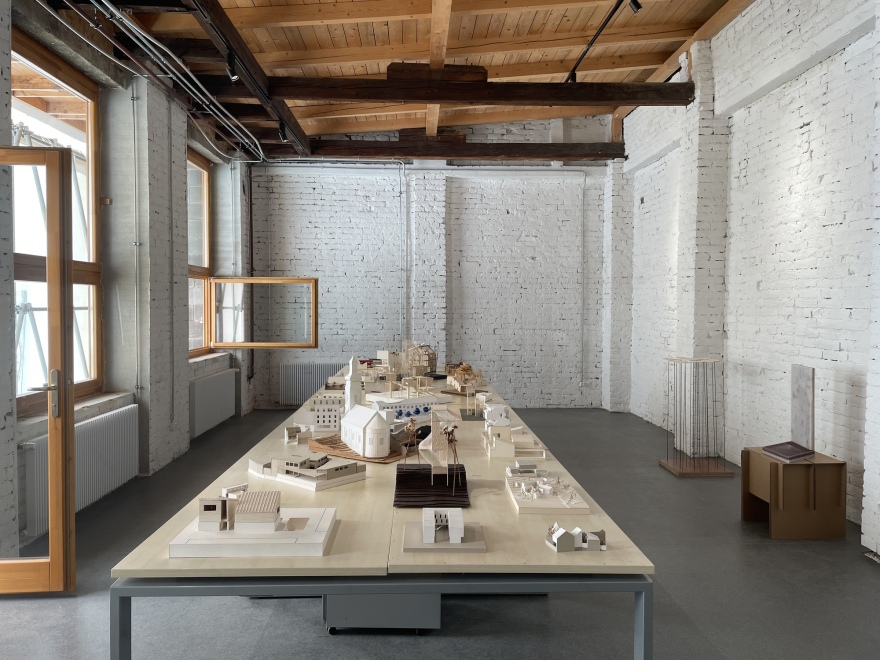
Text description provided by the architects. The project creates an incubator house for the Department of Architecture, University of Debrecen by renovating a dilapidated building. The bricoleur's attentiveness to the existing structure is in every detail – exposed surfaces, courtyard roof, evoking the old leather-drying space of the building.
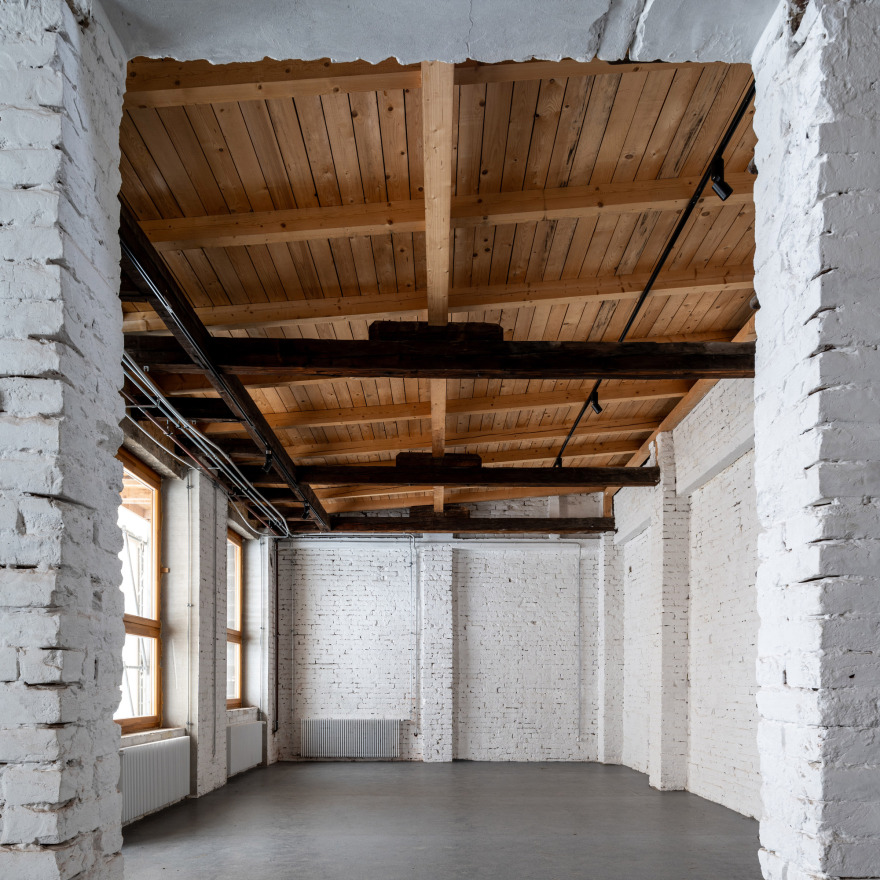
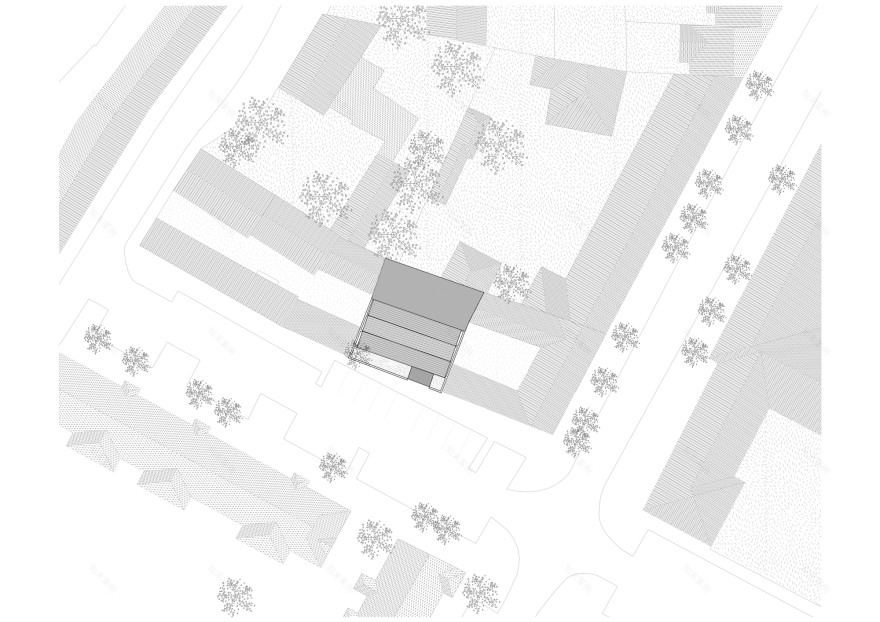
Our project started ten years ago when, as faculty members of the Faculty of Architecture at the University of Debrecen, we were searching for a new home. We found this in freer, adaptable spaces, where one can actively engage and be part of a community outside the confines of the university framework. We developed our incubator house by renovating an existing, dilapidated workshop building, which we had acquired from the city municipality. This building once functioned as a leather-traditional drying factory in the former tanner's district.
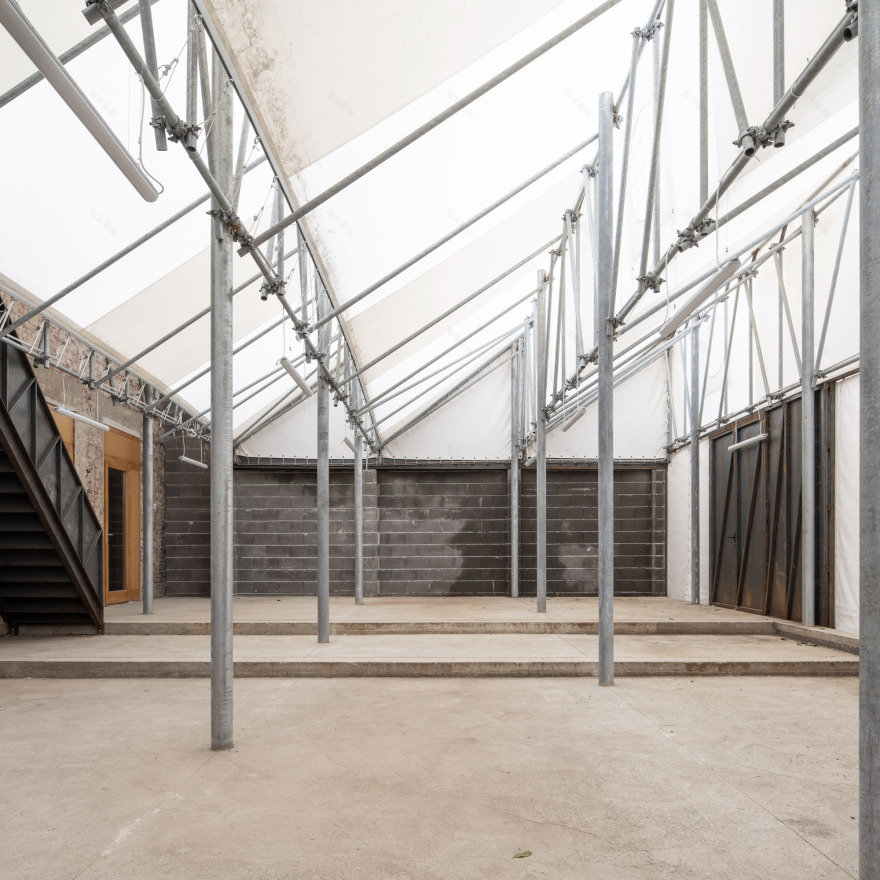
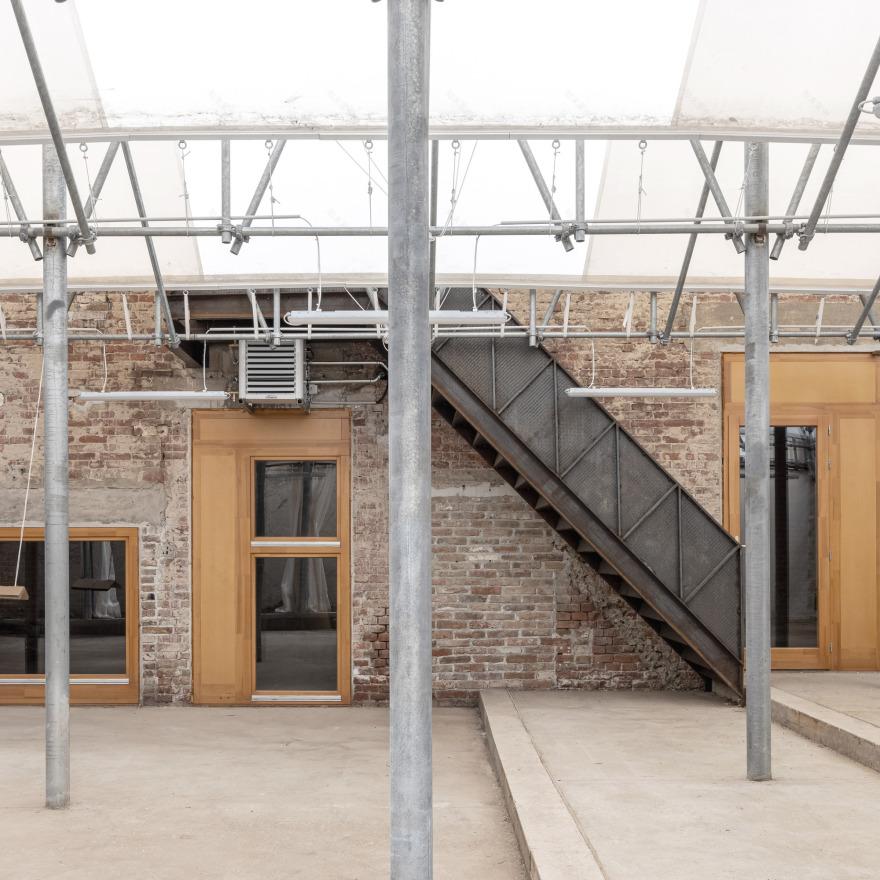
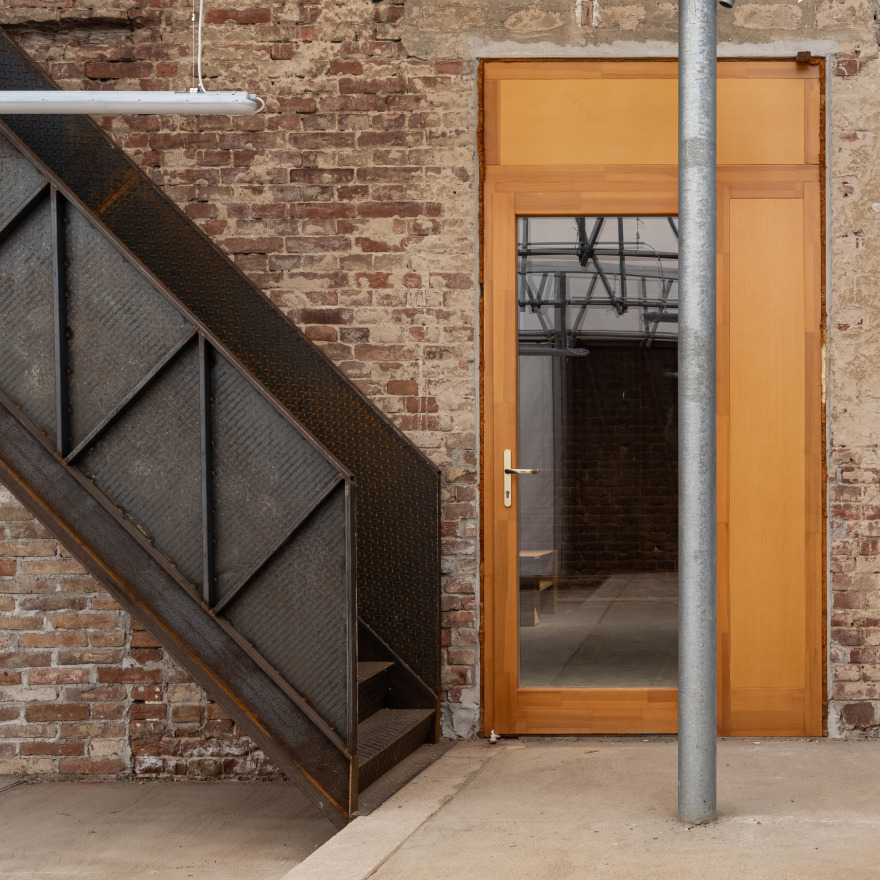
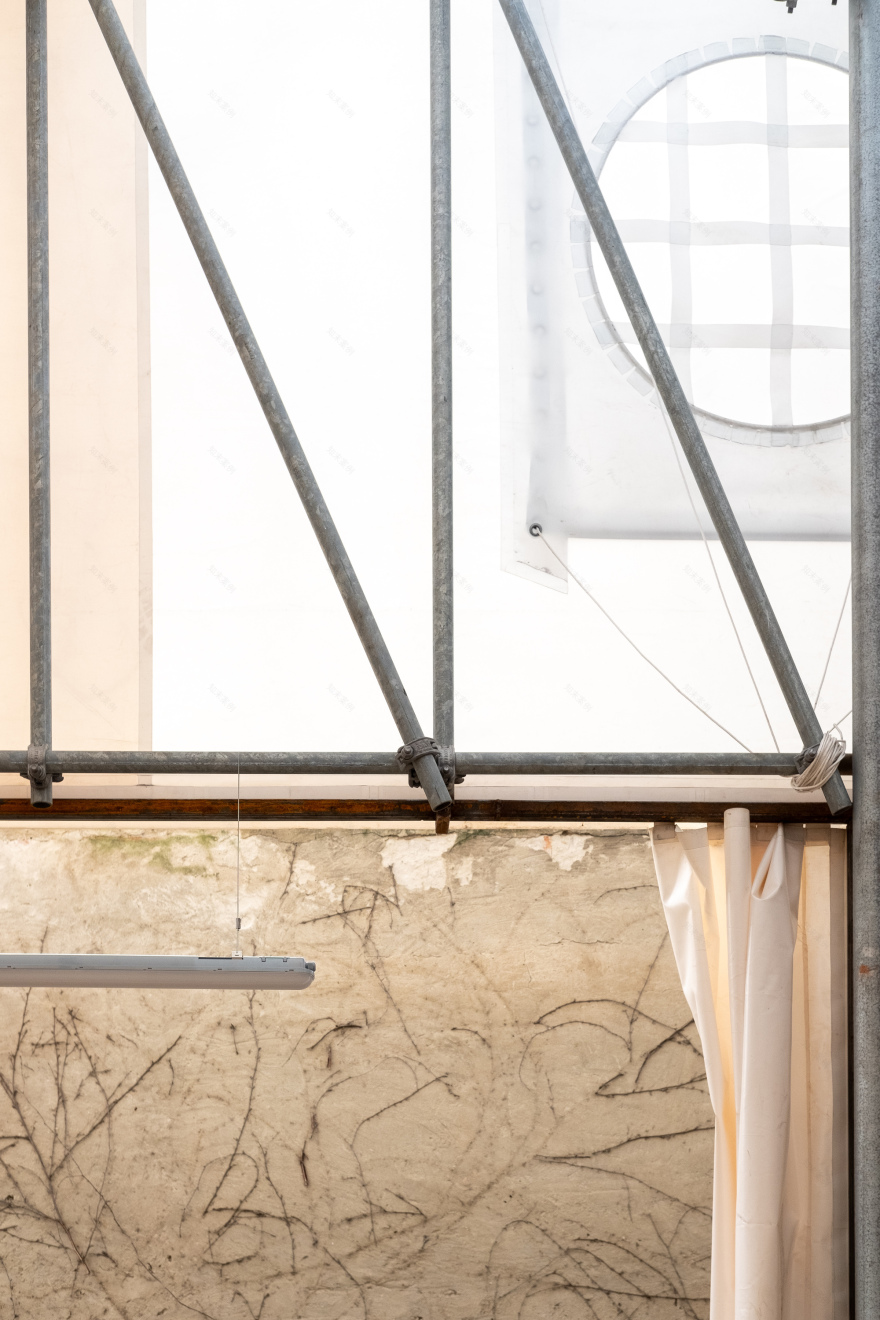
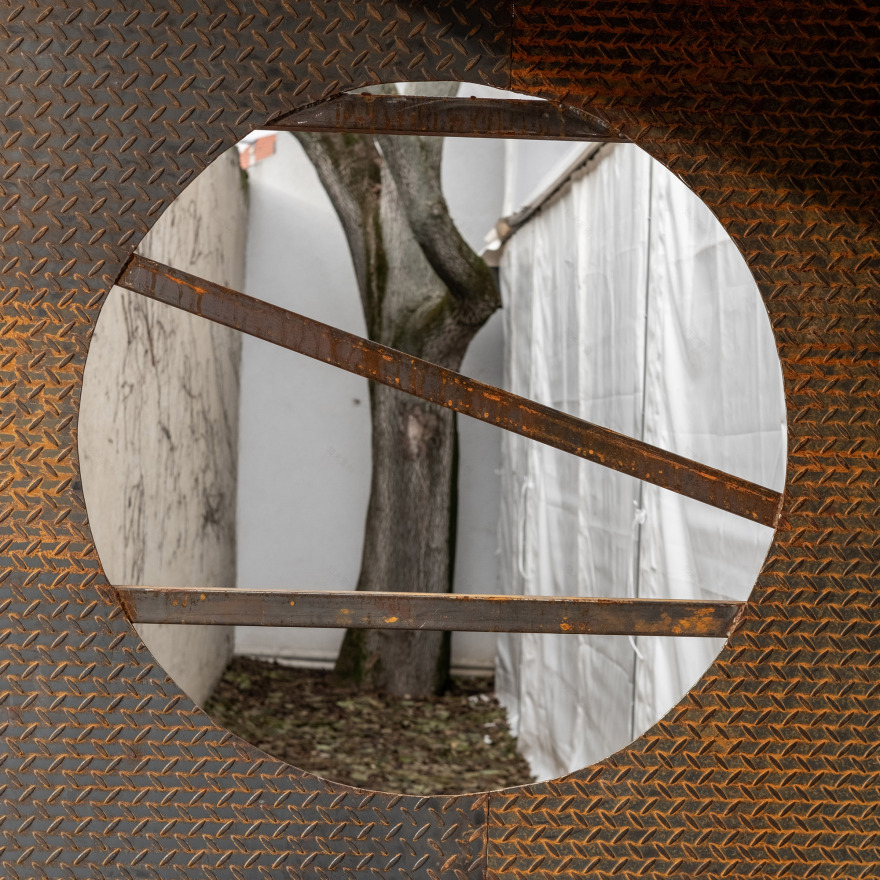
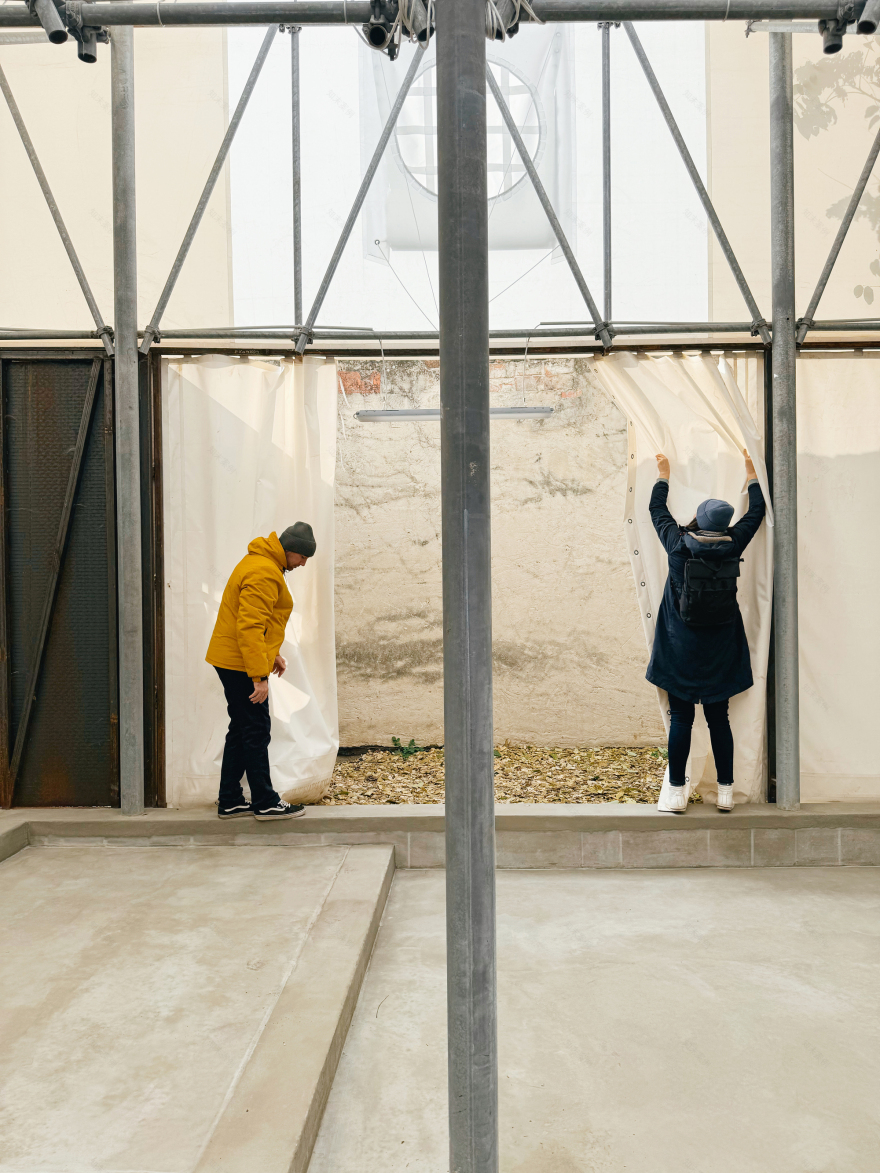
An important part of our story is kaláka, the collective building process. The collaborative construction process and the open design process running in parallel activated our community, and the old drying workshop became our living home. The message of our project is that a bricoleur can find beauty in almost everything. This sensitivity to the existing is reflected in every detail of our house – whether it is the preservation of a tree that grew in the yard during the five-year construction, the visibility of unfinished surfaces in the building, or the tarpaulin-covered courtyard roofing that evokes the spatial world of leather drying once spread out in the old building.
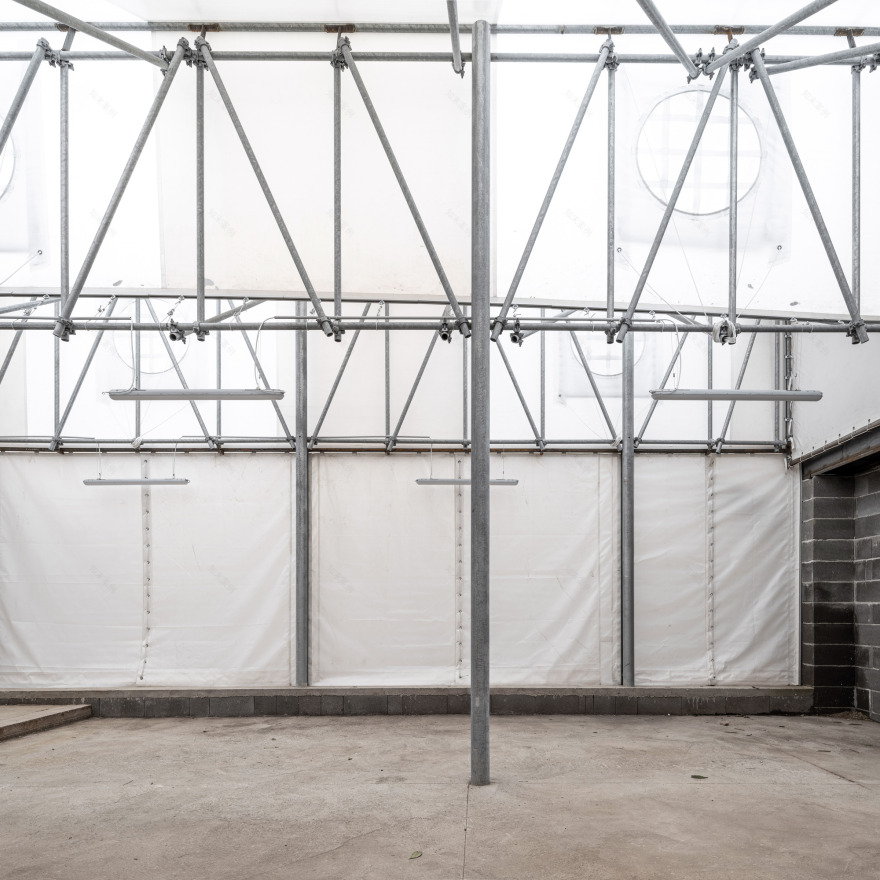
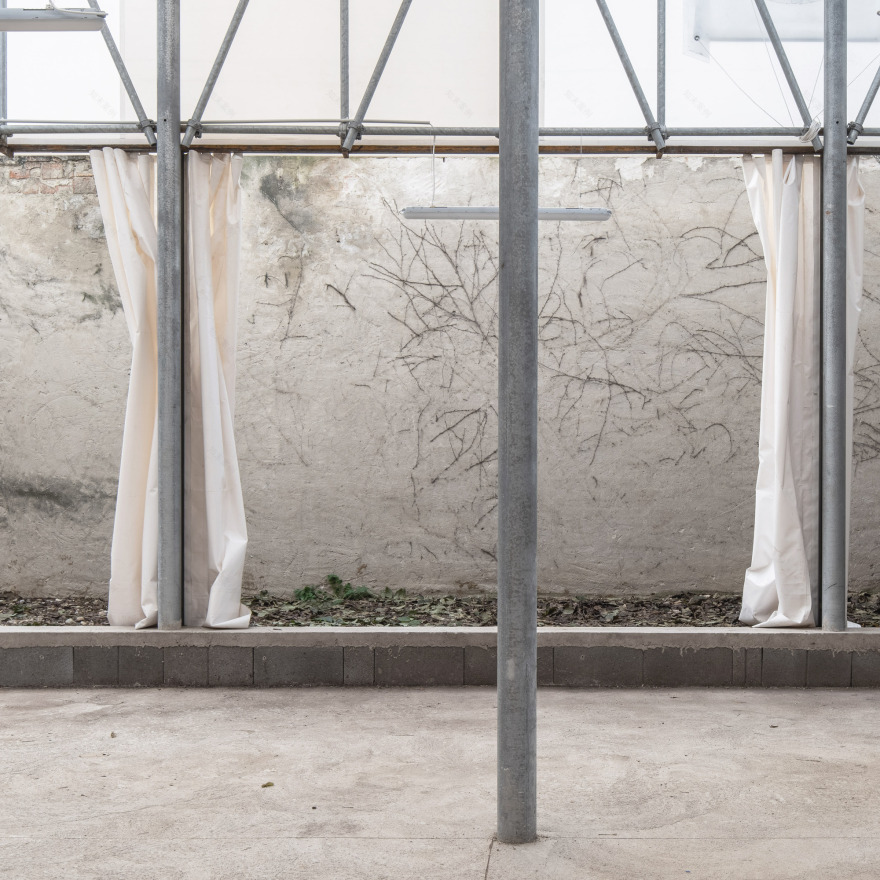
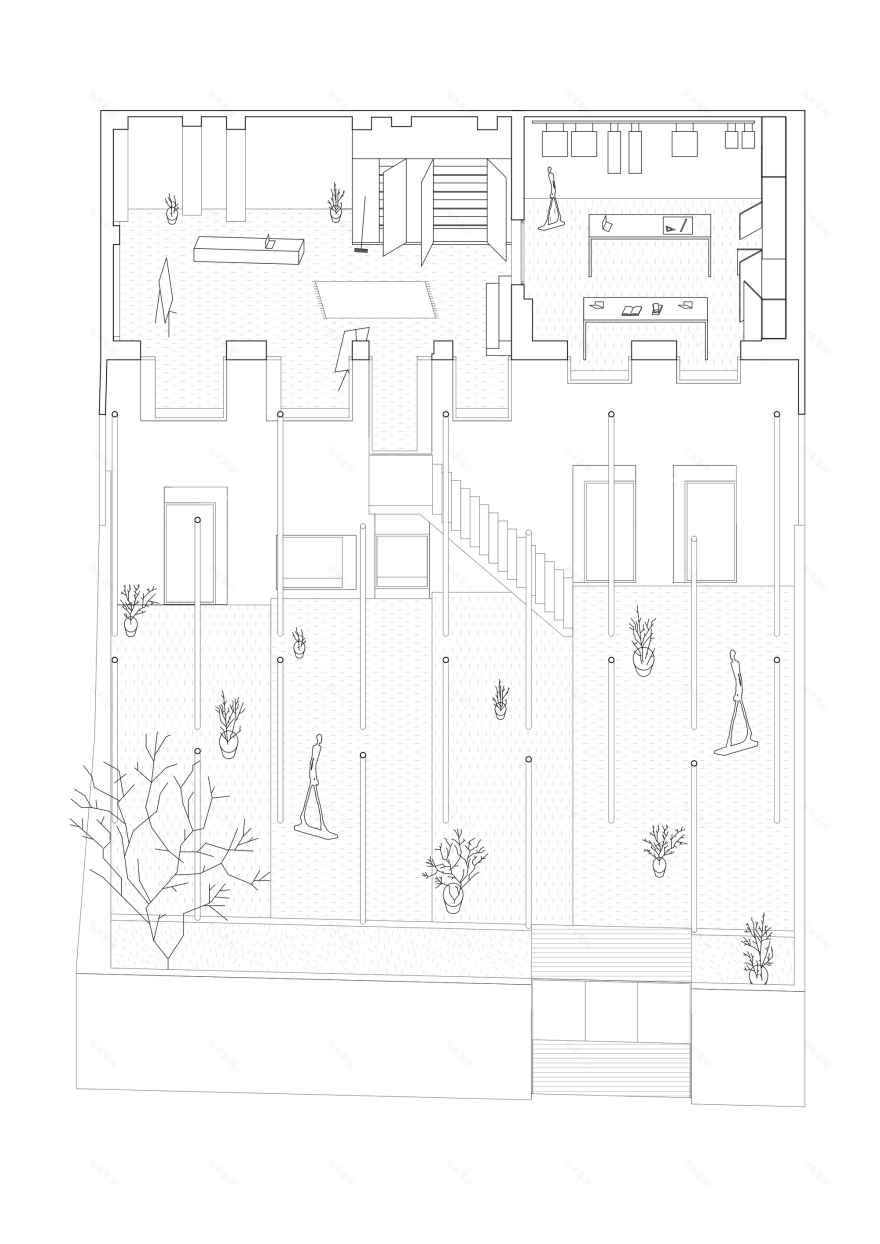
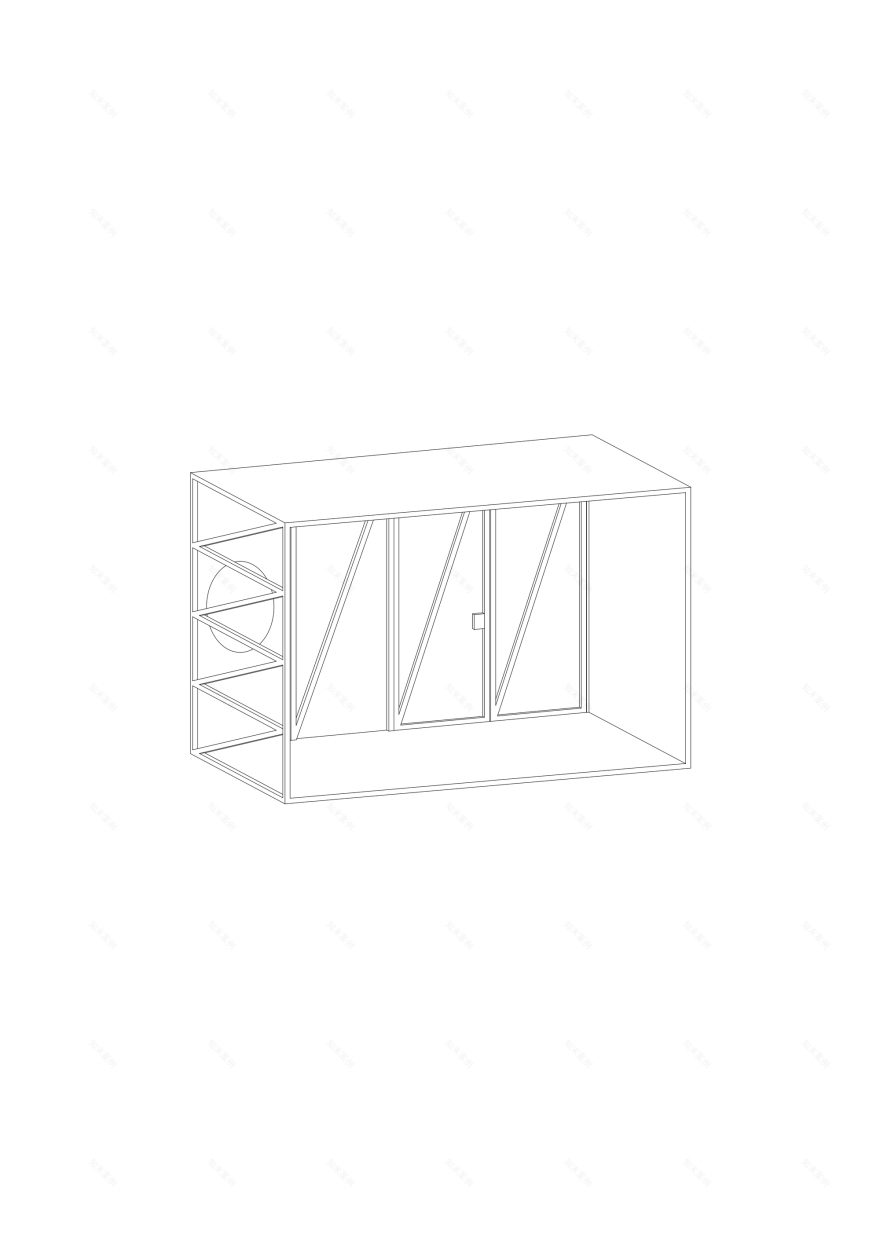
The building includes four workshop rooms and a covered, tempered courtyard suitable for events and exhibitions. Our architectural tools are flexibility and craftsmanship. We started ten years ago, but the history of its use is only now beginning.
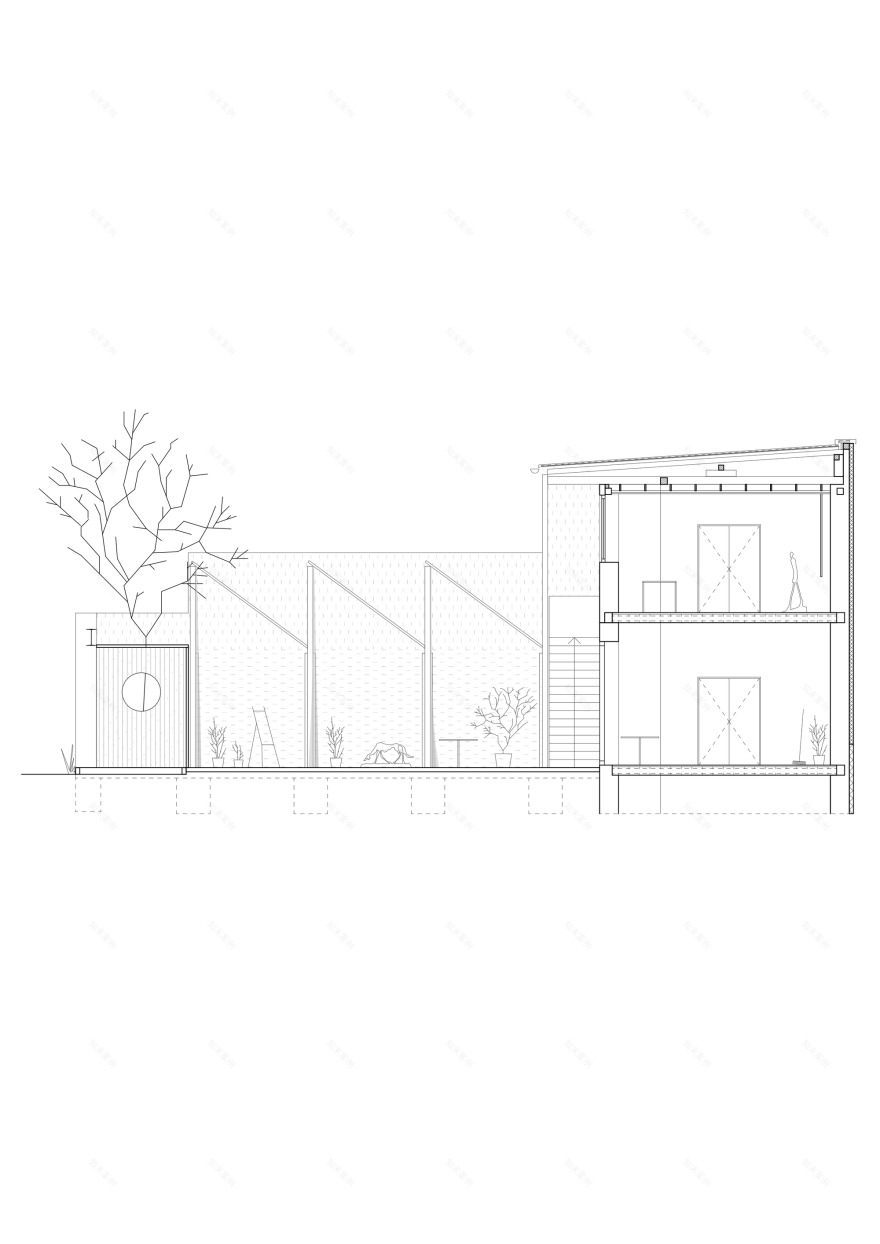
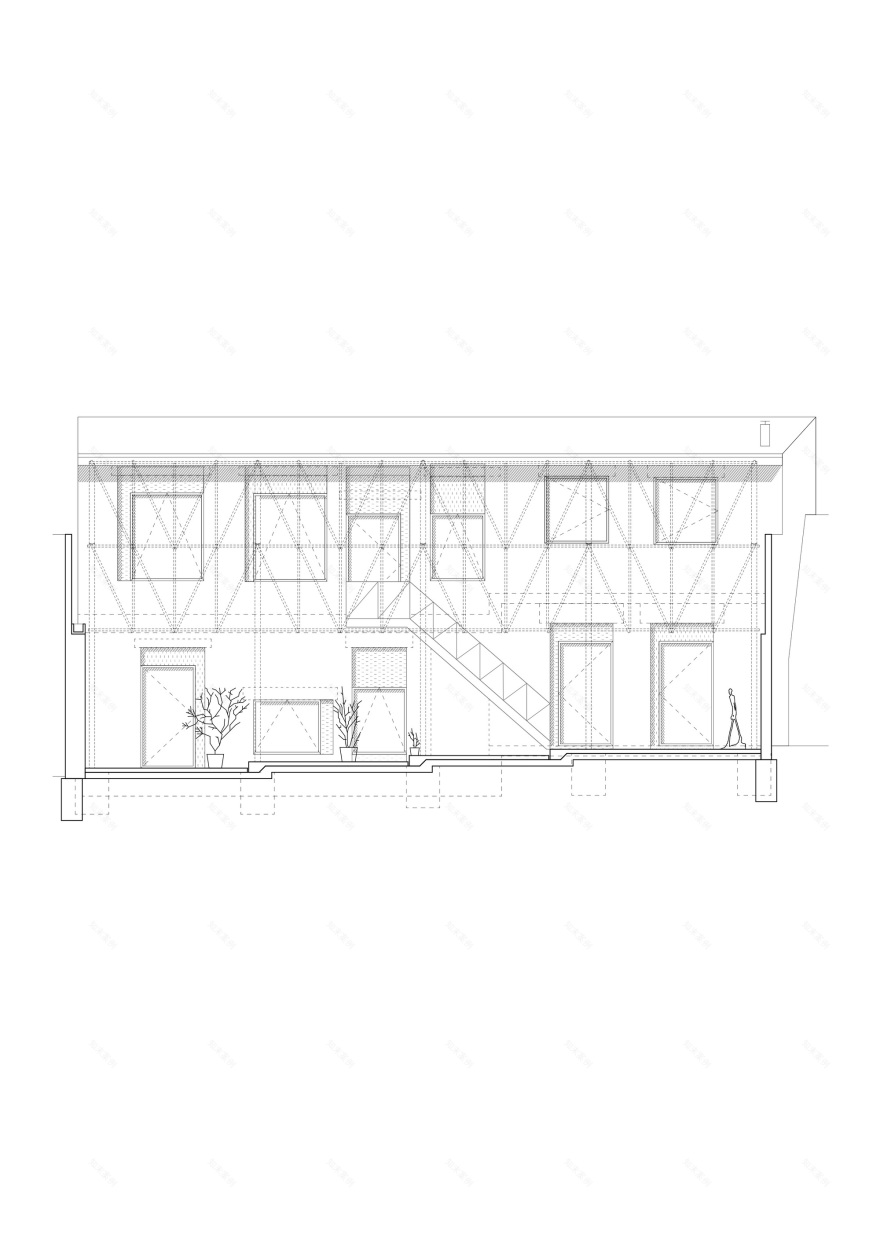
This project confirmed an idea we have long held: that reestablishing a close connection between design and construction is crucial. Our goal is to plan and build in a way that maintains a certain openness throughout the construction process, allowing for handcrafted, context-sensitive, and proportionate solutions, so that architecture can continue writing our cultural heritage with unique, contemporary chapters.
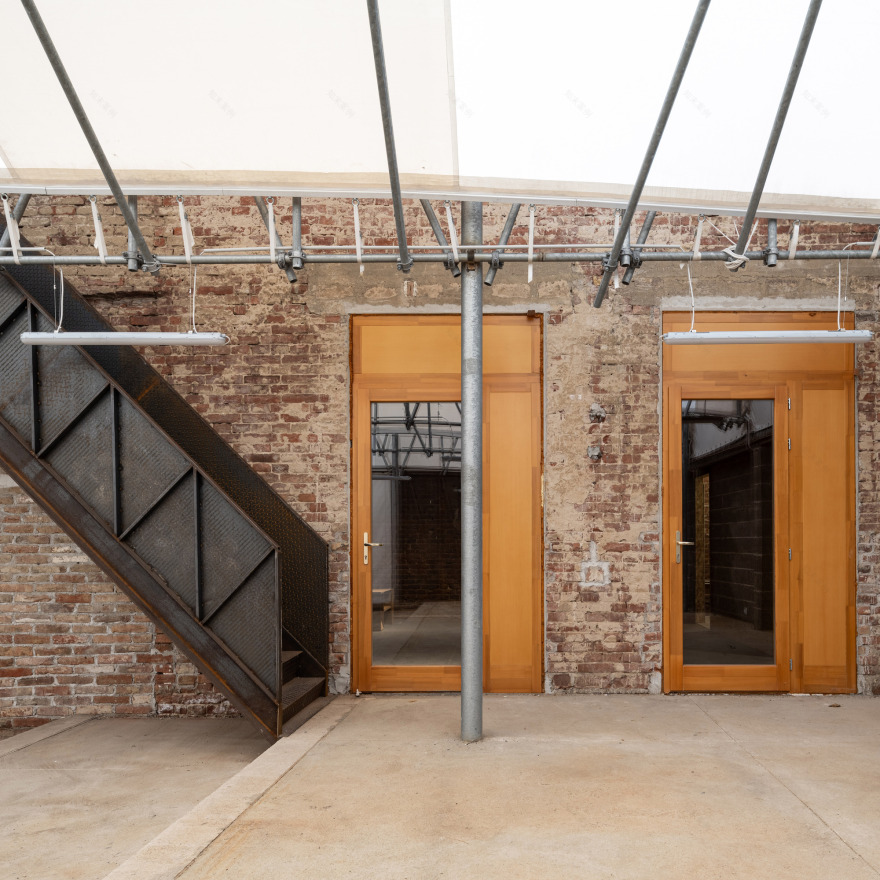
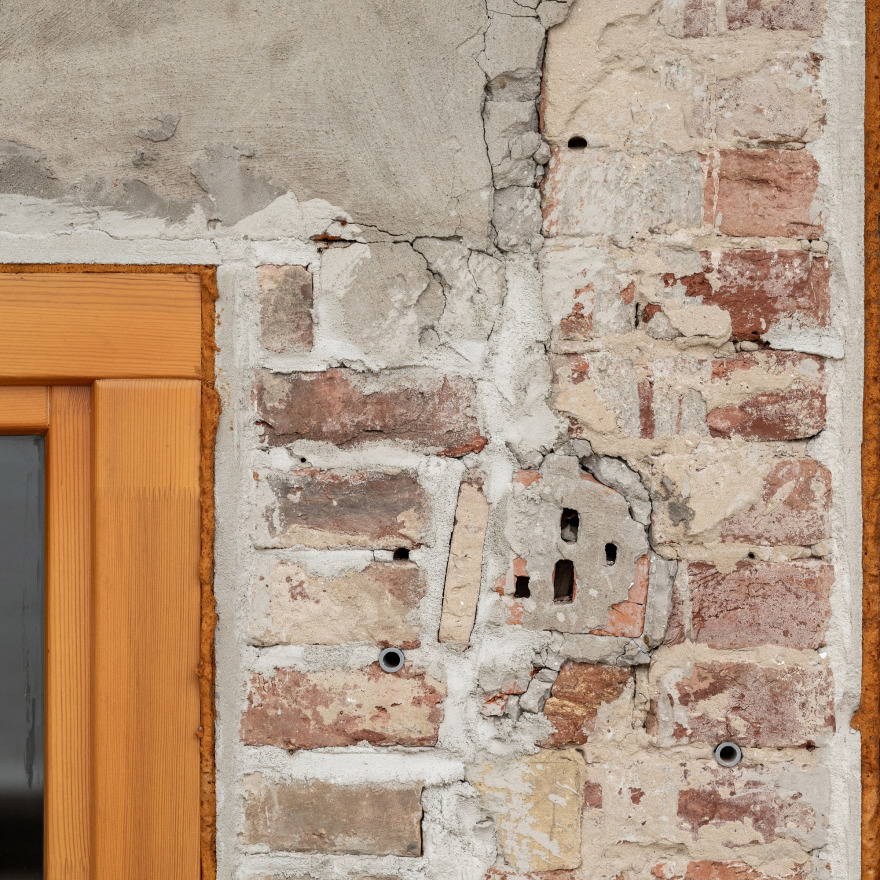
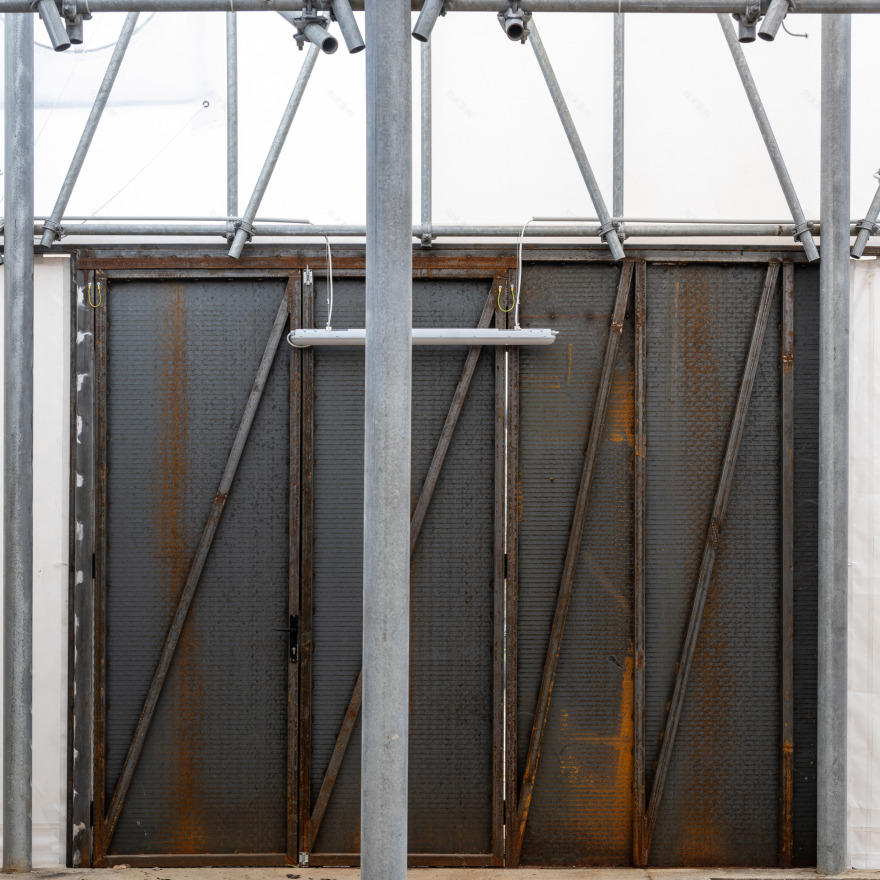
For the first aid of the existing building and the courtyard covering, we used the simplest materials. These include the unplastered bitumen-covered exterior facade of the old house, the raw concrete block structures, the profiled metal sheet used as a ceiling replacement, the composite roof structure — a playful blend of old and new load-bearing elements — and even the tarpaulin structure covering the courtyard, whose supporting elements and facades were made from a scaffolding system.
Project gallery
南京喵熊网络科技有限公司 苏ICP备18050492号-4知末 © 2018—2020 . All photos and trademark graphics are copyrighted by their owners.增值电信业务经营许可证(ICP)苏B2-20201444 苏公网安备 32011302321234号
苏公网安备 32011302321234号客服
消息
收藏
下载
最近