

创作上传
VIP
收藏下载
登录 | 注册有礼
查看完整案例

收藏

下载

分享

翻译
Architects:David Brodsky + Alexander Brodsky
Area:309m²
Year:2025
Photographs:Grigory Sokolinsky
Lead Architects:David Brodsky, Aleksander Brodsky
Category:Houses,Refurbishment
City:Tbilisi
Country:Georgia
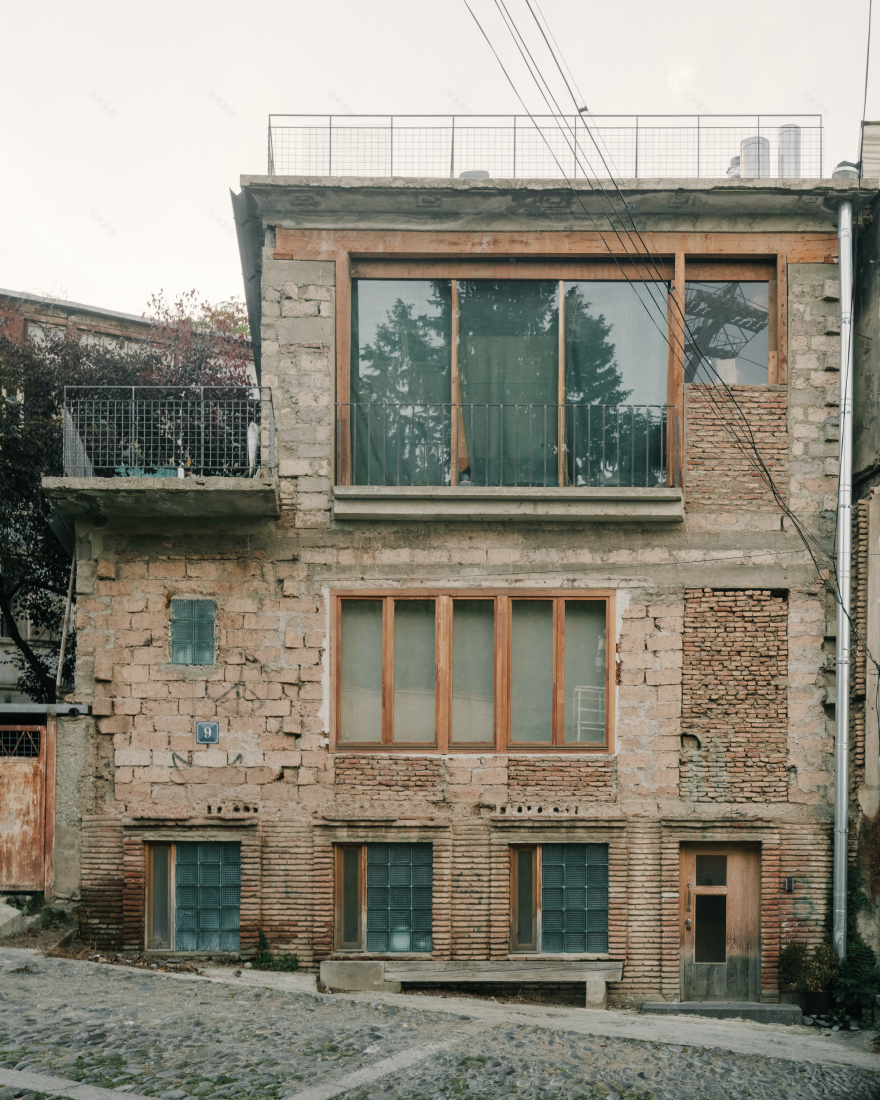
«Transforming, using what already exists. It means accurately observing from the inside and as close as possible, understanding, being curious, being attentive to the places, to the trees, to the people. It means looking positively, with optimism, and taking advantage of that which is already there as an opportunity and additional value.» Anne Lacaton, "Reinvent," November Conferences at Polytecnico di Milano, December 2013.
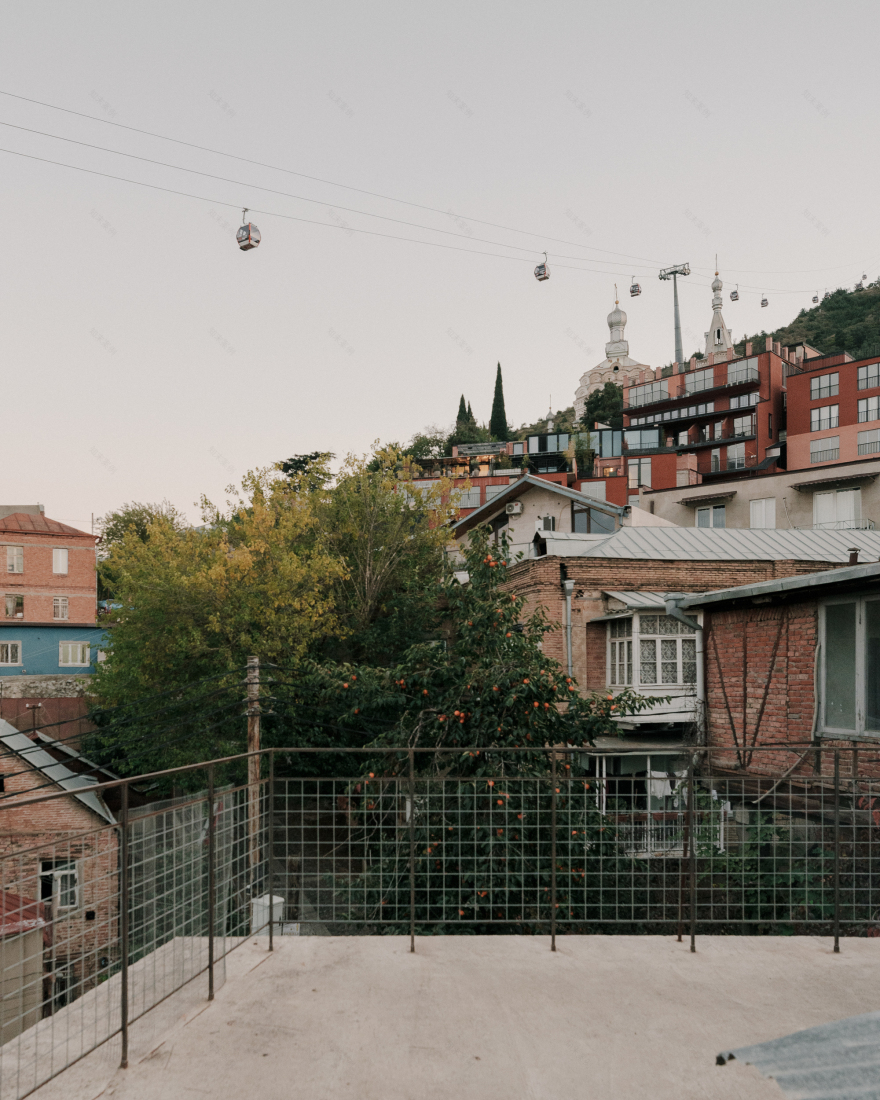
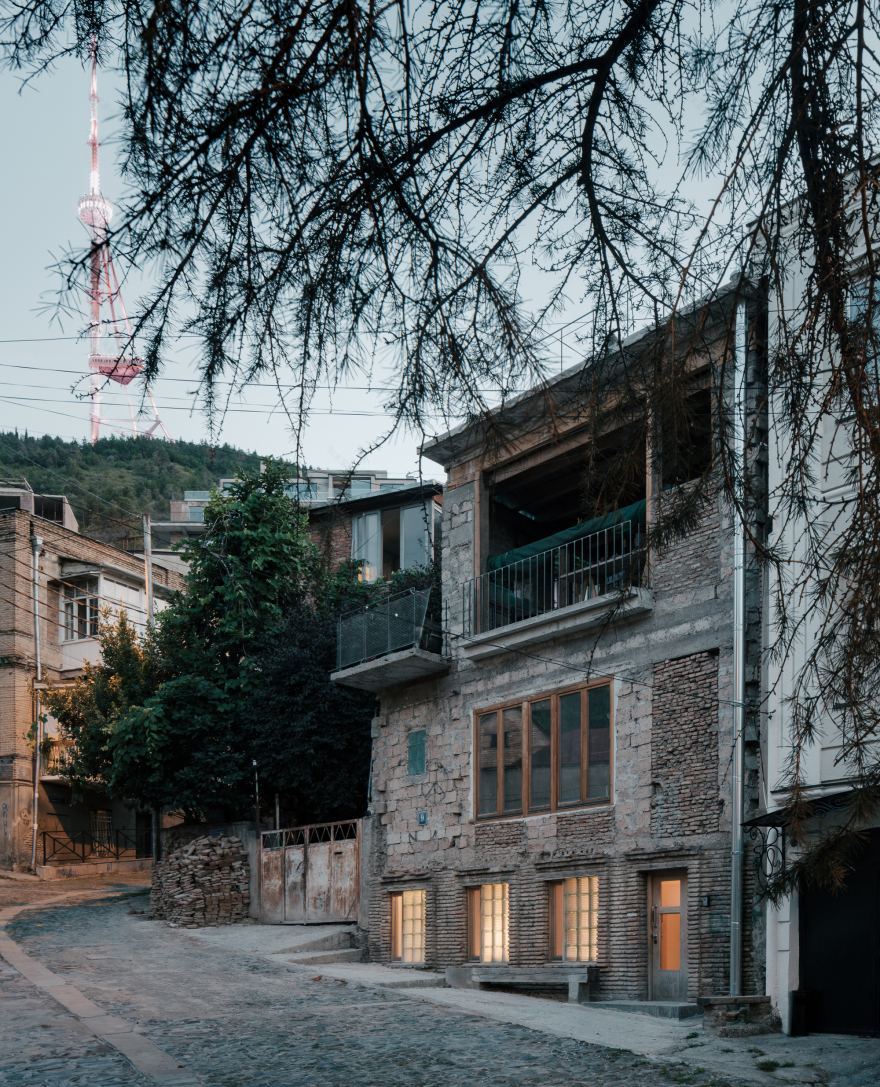
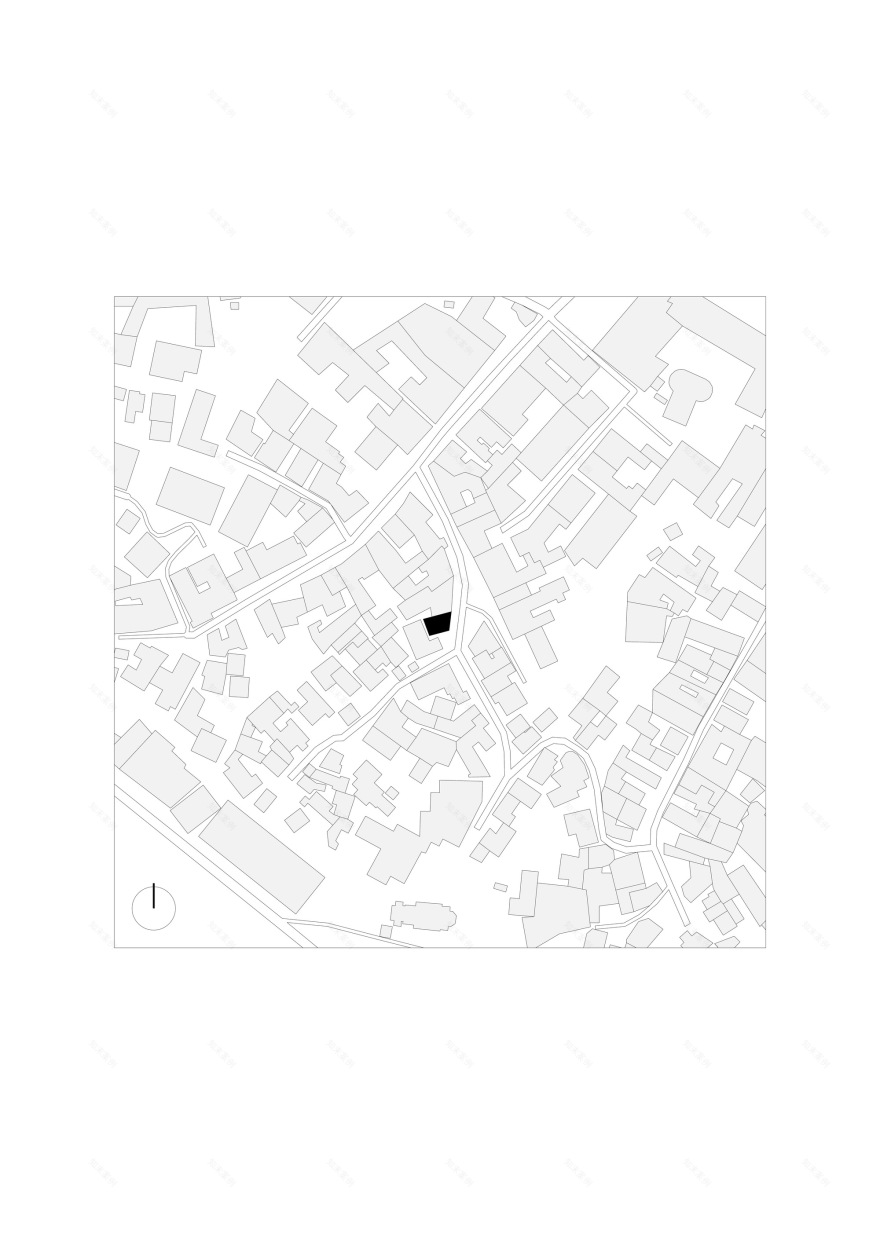
The project focuses on the reconstruction of a residential building located in the Mtatsminda district of Tbilisi. This neighborhood is known for its historic urban structure and for specific design elements that include narrow cobbled streets and hand-carved wooden balconies.
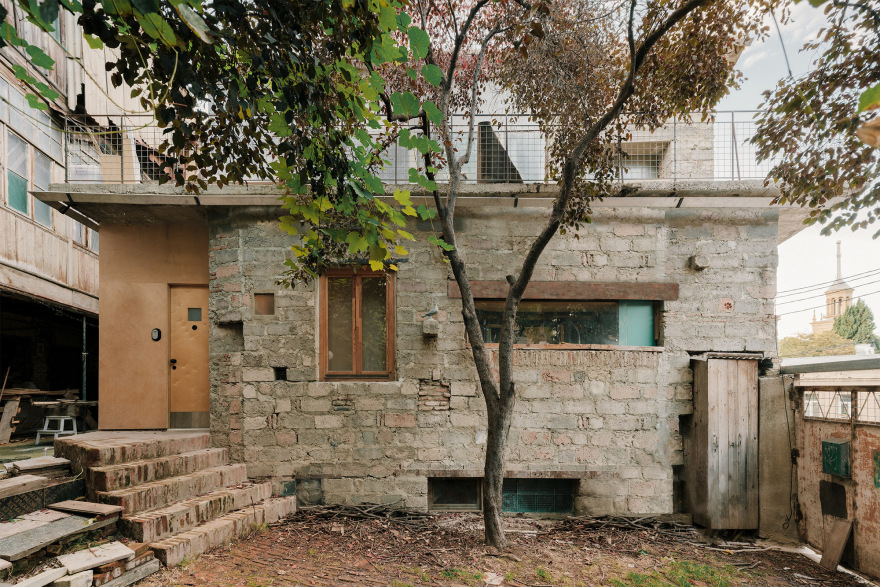
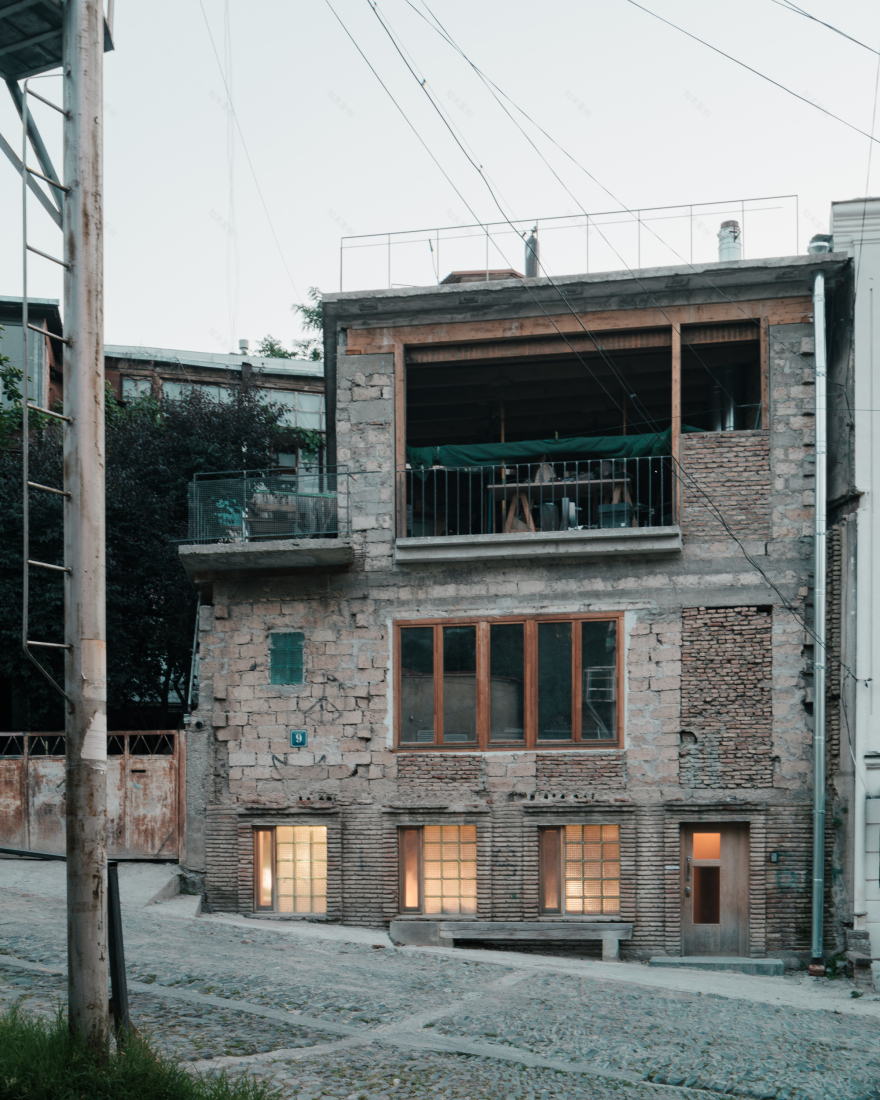
Archival images from the late 20th century show the house in its original condition: a small two-storey brick building constructed in a style typical of Tbilisi's traditional residential architecture from that period. The façade displayed a mix of materials —hand-laid brick, partial plastering, and irregular repairs— each a reflection of the construction methods and maintenance practices that were common in the Mtatsminda neighborhood.
A later photograph documents the first reconstruction, carried out by a previous owner in the 1990s without professional design input. The old structure was dismantled, and a new two-storey building was erected in its place. Reused materials from the original house were combined with interlocking concrete blocks (known in Georgian as garbage blocks"), a cheap and popular material that was widely produced in Georgia. The project remained incomplete due to financial limitations.
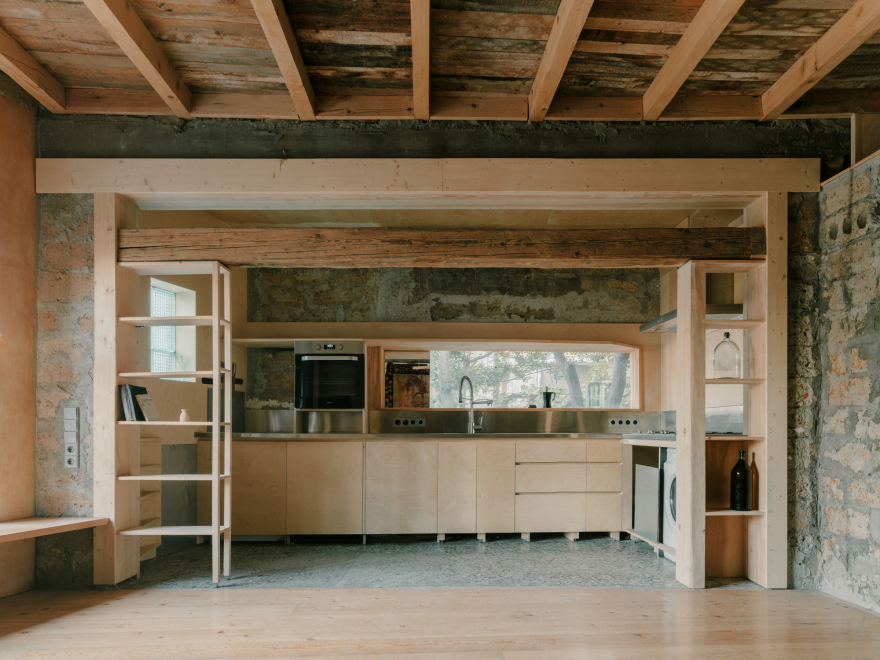
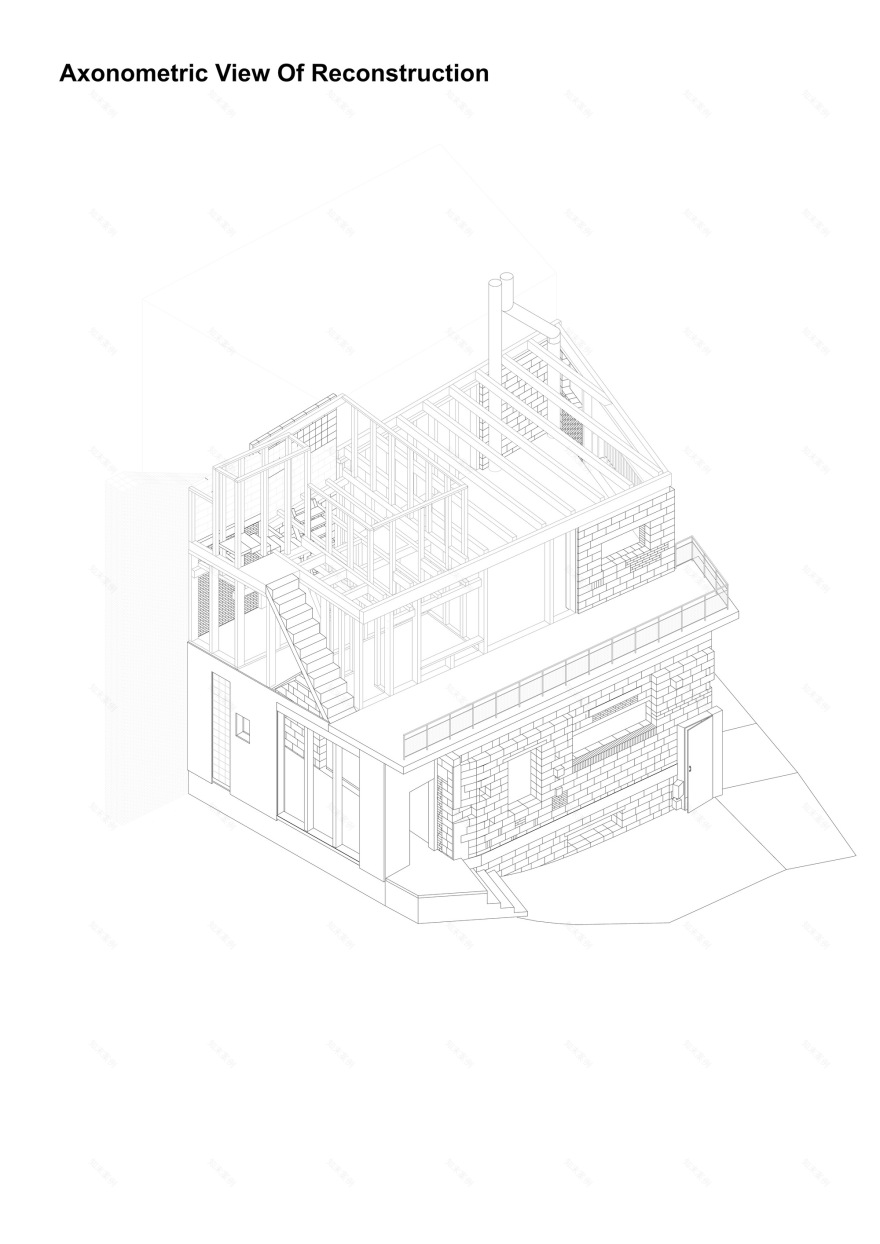
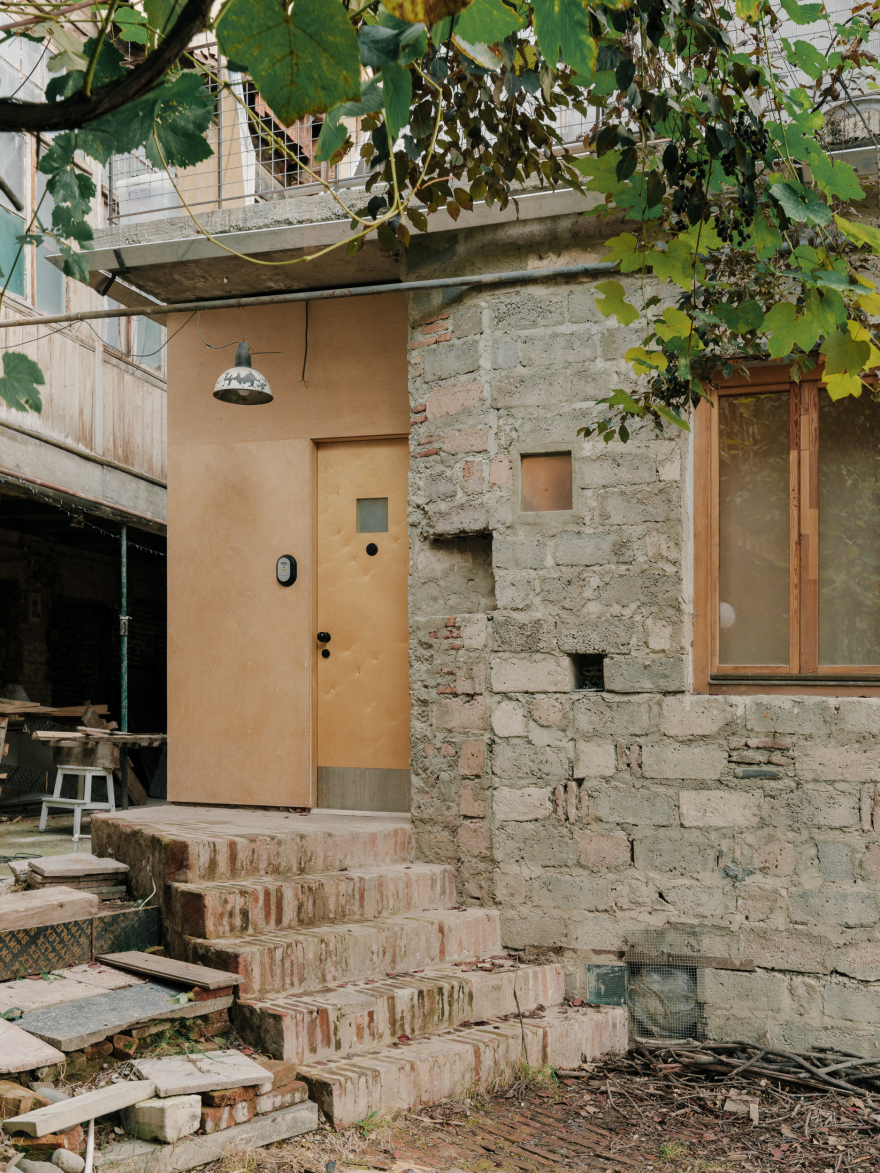
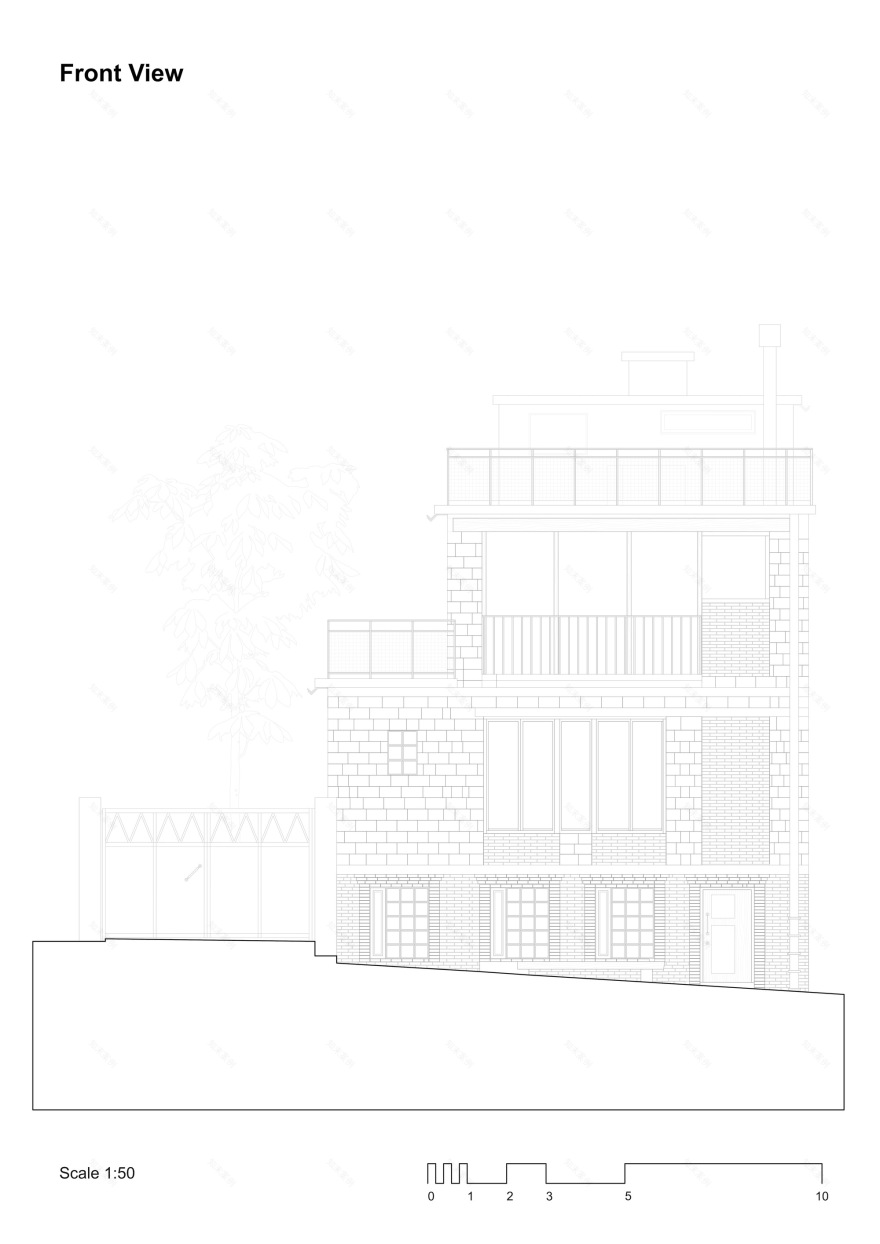
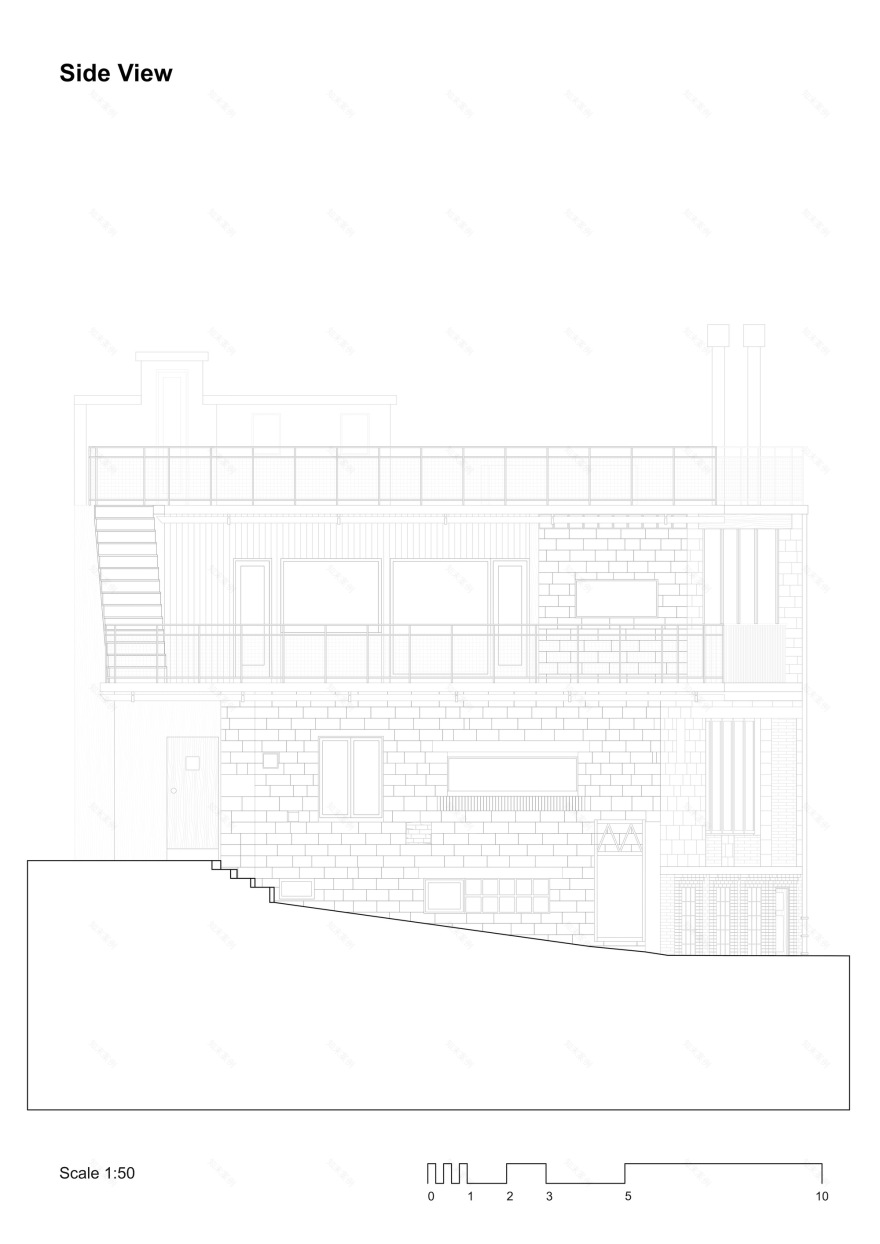
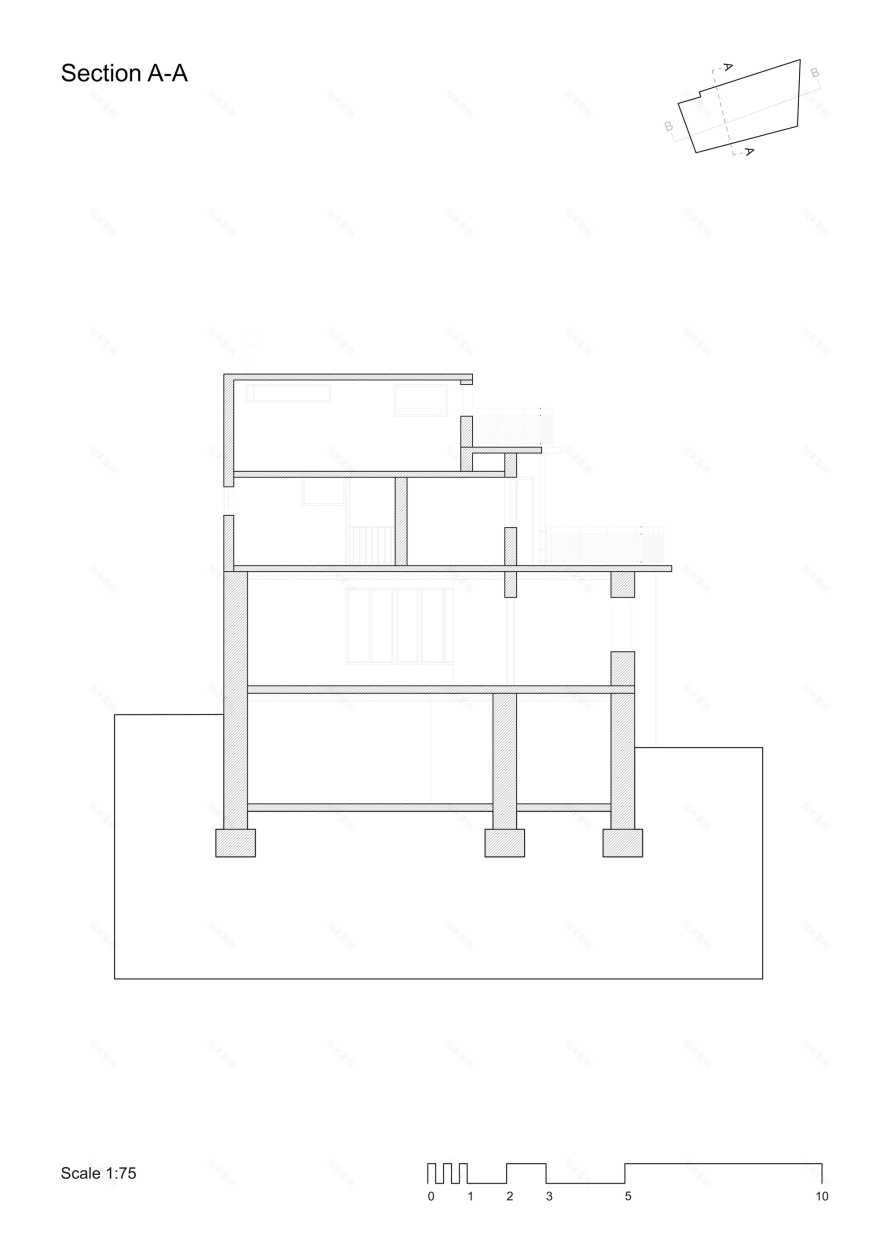
Our goal was to preserve the building's existing material layers and spatial structure while ensuring its functional and structural renewal. The design approach integrated elements of Tbilisi's architectural identity into a contemporary domestic context. Materials from previous construction stages —Georgian brick, handmade cement blocks, corrugated metal roofing, and reclaimed timber— were intentionally kept and reused. The composition of these materials expresses the historical and economic conditions of different periods in the city's development and contributes to the authenticity of the reconstructed building.
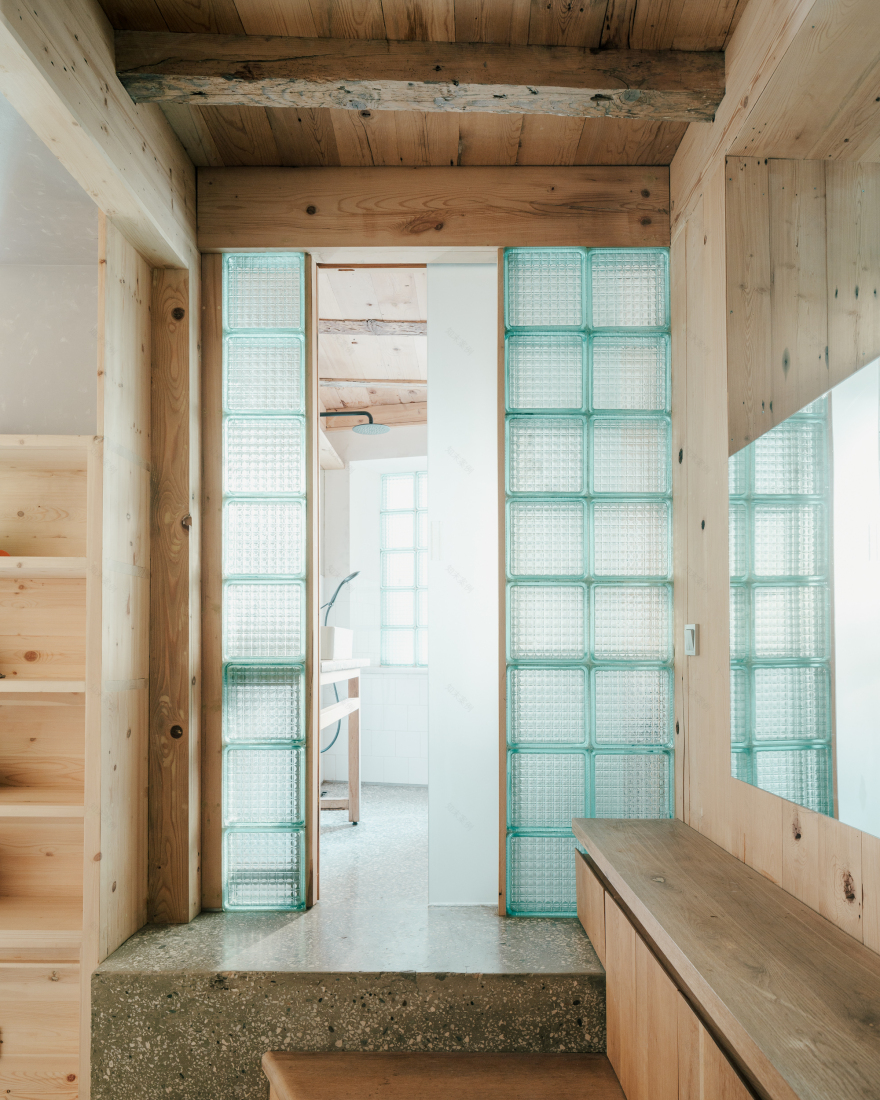
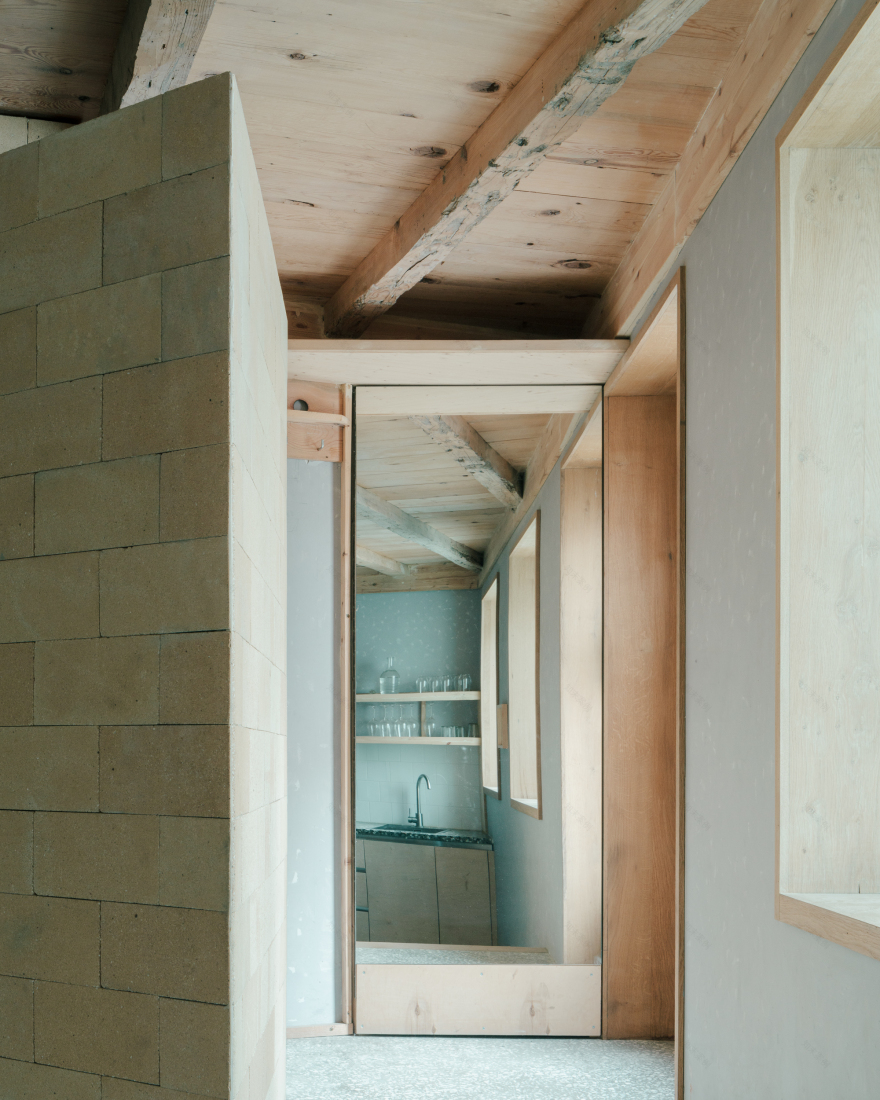
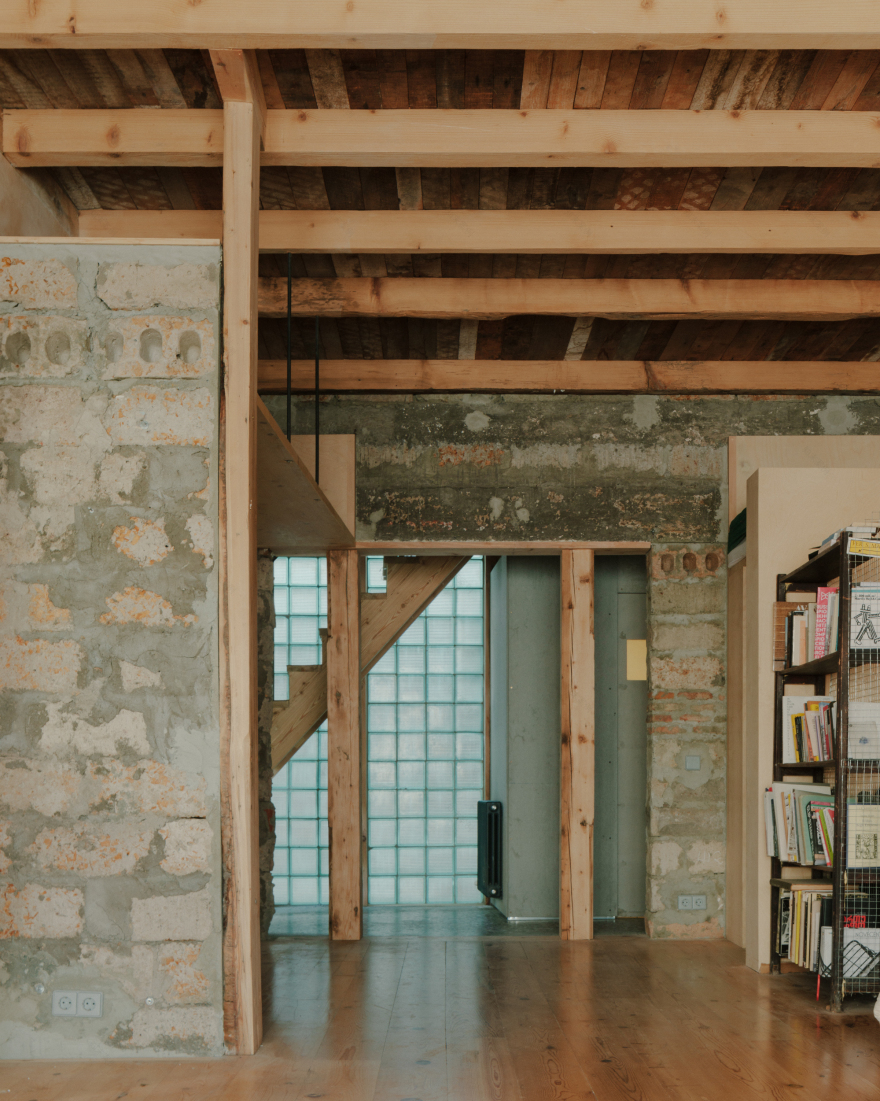
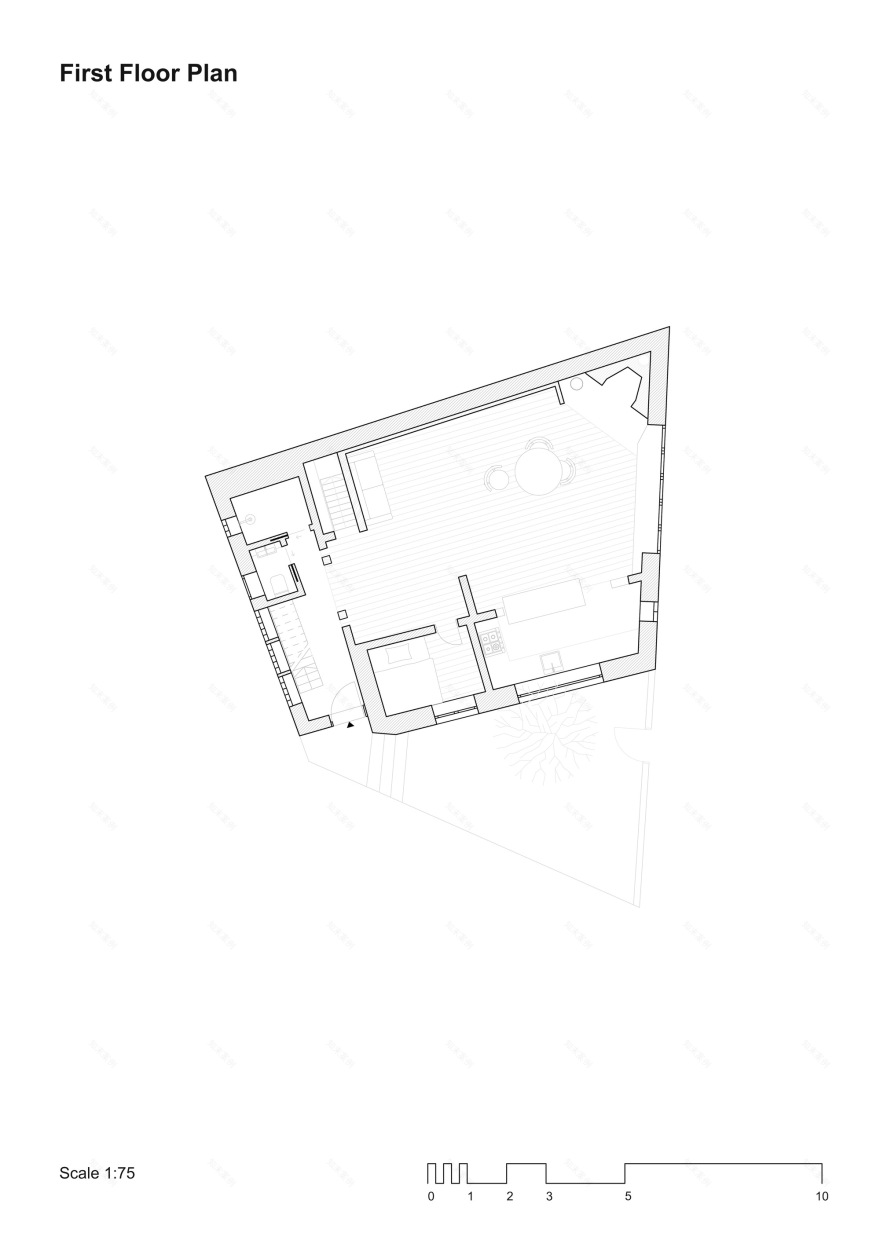
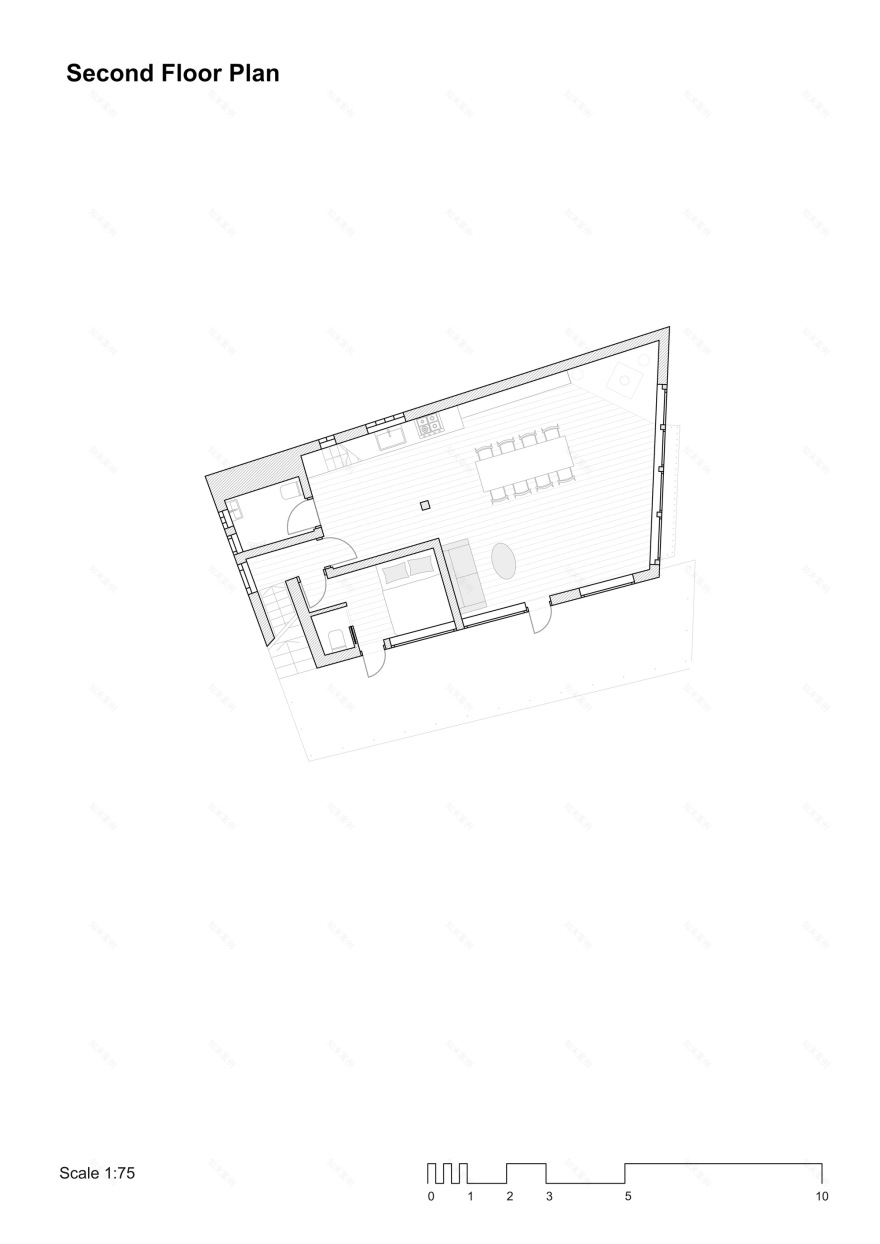
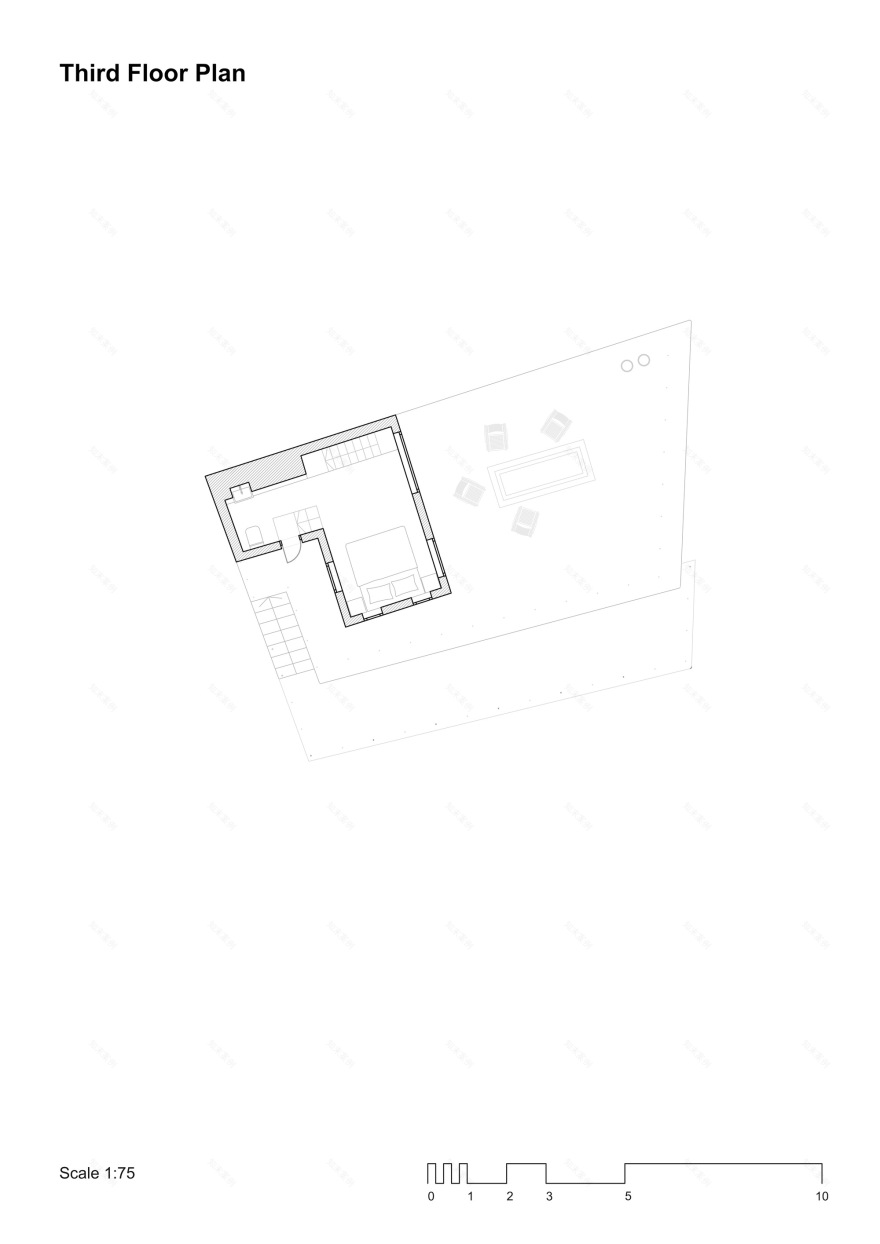
The house was redesigned primarily as a family residence. However, the first floor was conceived as a flexible multifunctional space that can also accommodate small public or cultural events when needed. Several architectural elements were preserved in their existing condition, including the basement façade.
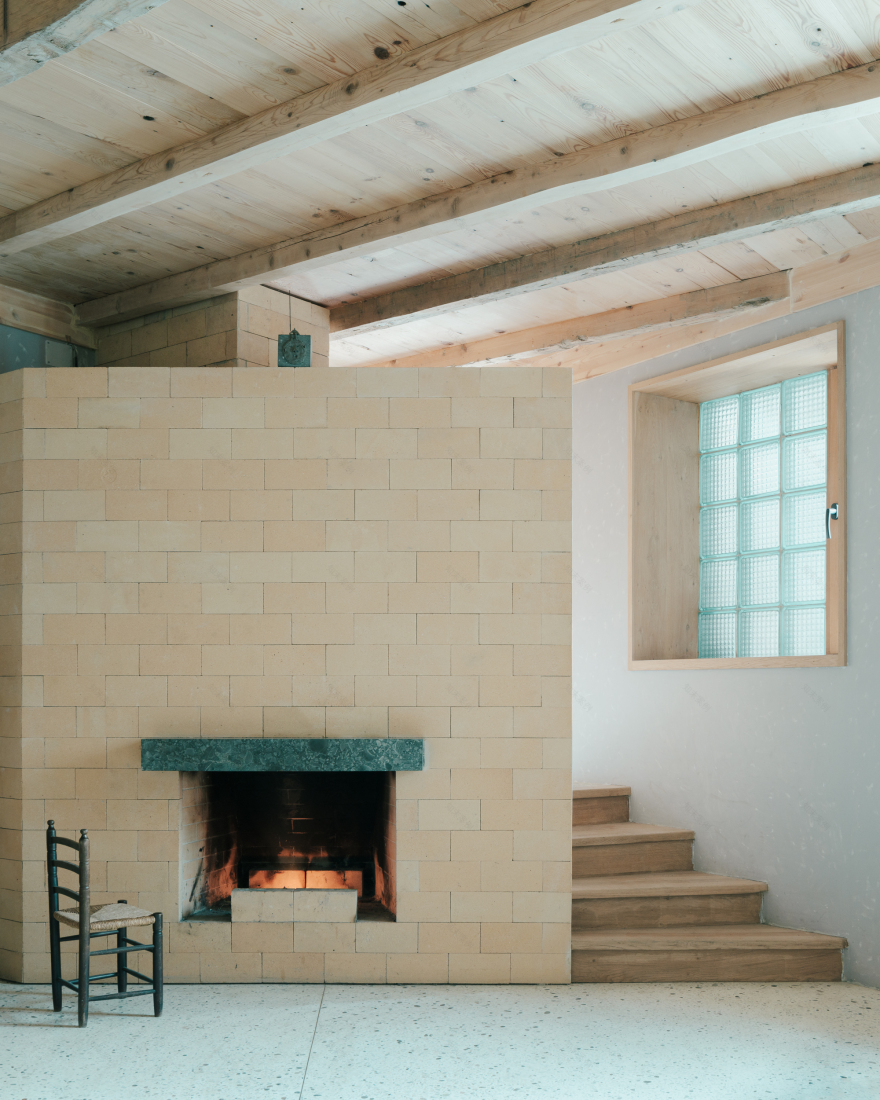
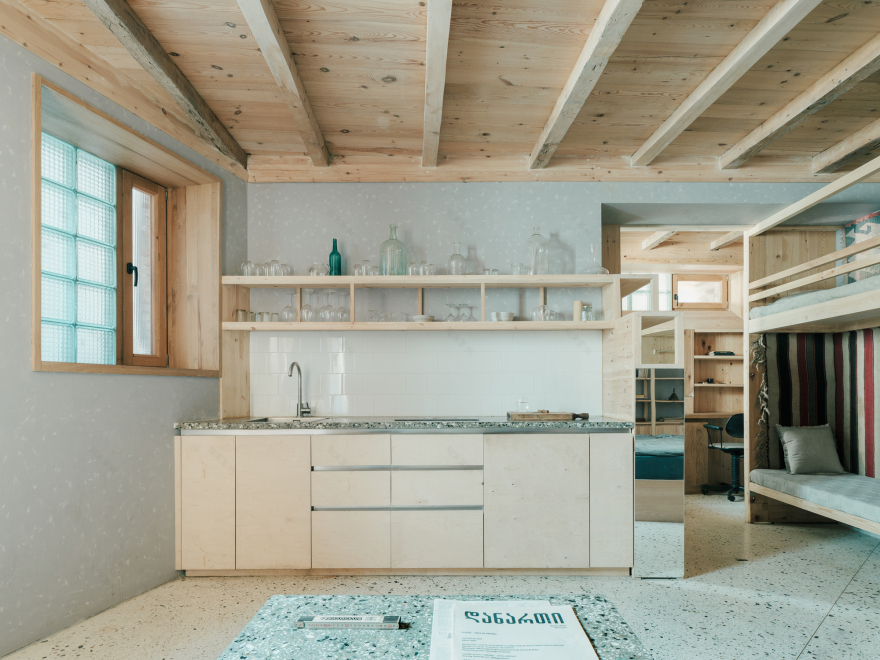
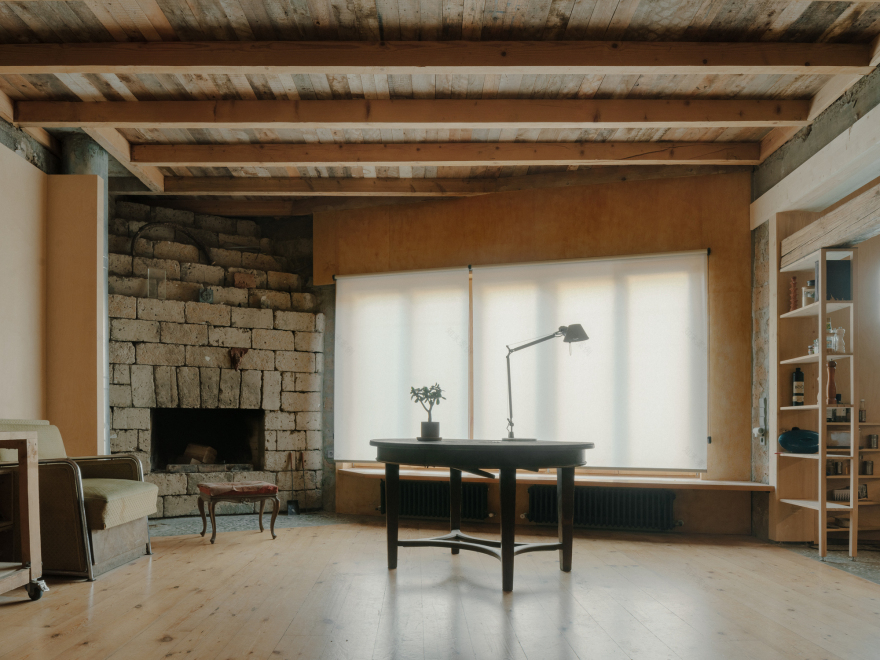
Where dismantling was necessary, the recovered materials were reintegrated into new construction. For example, the reused cement blocks were applied as fireplace cladding on the first floor. Additional secondary materials were sourced locally, such as Soviet-era glass blocks, reclaimed bricks, handmade cement blocks, and recycled wood. The use of these materials aligns with a sustainable strategy and reinforces the connection between the project and its local building culture.
The construction phase of the project was characterized by an experimental, self-organized methodology. This approach engaged a diverse group of participants, including architecture students focused on hands-on craftsmanship, hired tradespeople for specialized tasks, and collaborators from various age groups and professional backgrounds, primarily friends.
Initially, workshop spaces were established sequentially on the first and then the second floor to facilitate material processing, detail fabrication, and collective assembly. This extended workshop operated over several years, fostering a collaborative environment where practical construction knowledge was collectively developed and exchanged, reflecting principles of adaptive, decentralized project execution with a strong emphasis on material engagement and skill sharing. This description emphasizes the procedural and technical aspects of the process, referring to the spatial setup, participant roles, material sourcing, duration, and collaborative nature of the construction.
Project gallery
南京喵熊网络科技有限公司 苏ICP备18050492号-4知末 © 2018—2020 . All photos and trademark graphics are copyrighted by their owners.增值电信业务经营许可证(ICP)苏B2-20201444 苏公网安备 32011302321234号
苏公网安备 32011302321234号客服
消息
收藏
下载
最近