

创作上传
VIP
收藏下载
登录 | 注册有礼
查看完整案例

收藏

下载

分享

翻译
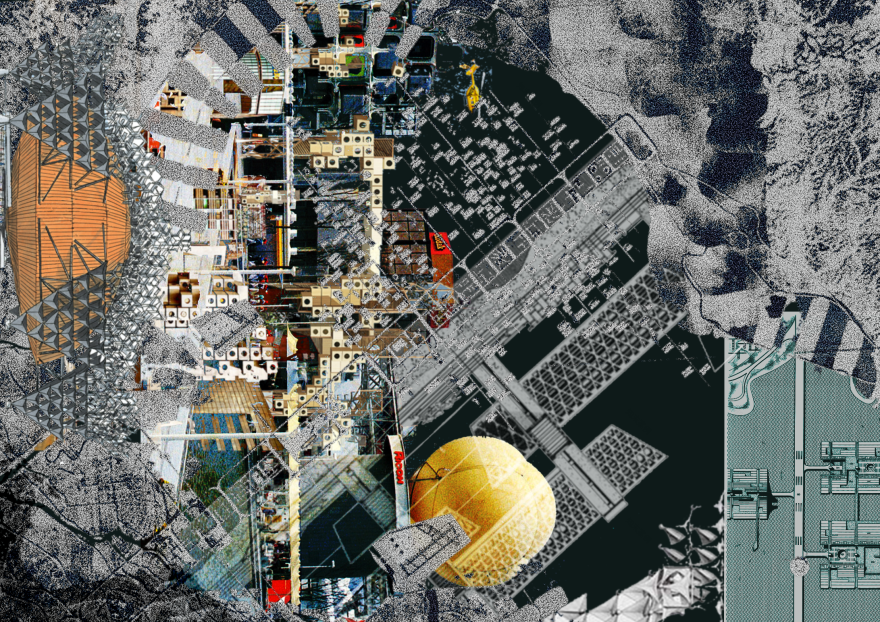
AKIRA: A Board Game
During the 1960s and 1970s, Japan underwent a period of rapid economic growth known as the Izanagi Boom. Tokyo, in particular, experienced significant development during this time, with crowded streets, a surge in technology, and a proliferation of advertisement screens on tall buildings. Despite these advancements, the city also faced challenges, such as a sharp increase in population, leading to urban expansion. The metabolism movement emerged as a response to these societal issues, proposing that buildings, much like cells, should be adaptable to accommodate such changes. The movement's achievements were highlighted at Expo '70, showcasing their ideals and structure, including the Toshiba Ihi Pavilion.
The game–Akira– is situated in Japan's optimistic growth, provides an opportunity to develop Tokyo with the group's metabolic structure. The aim is to simulate how these structures can benefit society, as proposed in their idealism. Key architects from the movement were invited to gather at the theater of the Toshiba Ihi Pavilion. The theater shows a short film about kids building a better future. After the movie ends, the game begins as they take on the role of children tasked with creating a better future using their metabolic structure.
Akira is a role-playing city simulation game. To play, the game master sets the scenario, and each player takes a turn playing their action card. The governor creates a decree, the architect builds, and the civilian climbs the socio-economic ladder. Ultimately, the goal is to create a good society with metabolism architecture, achieving the group's idealism.
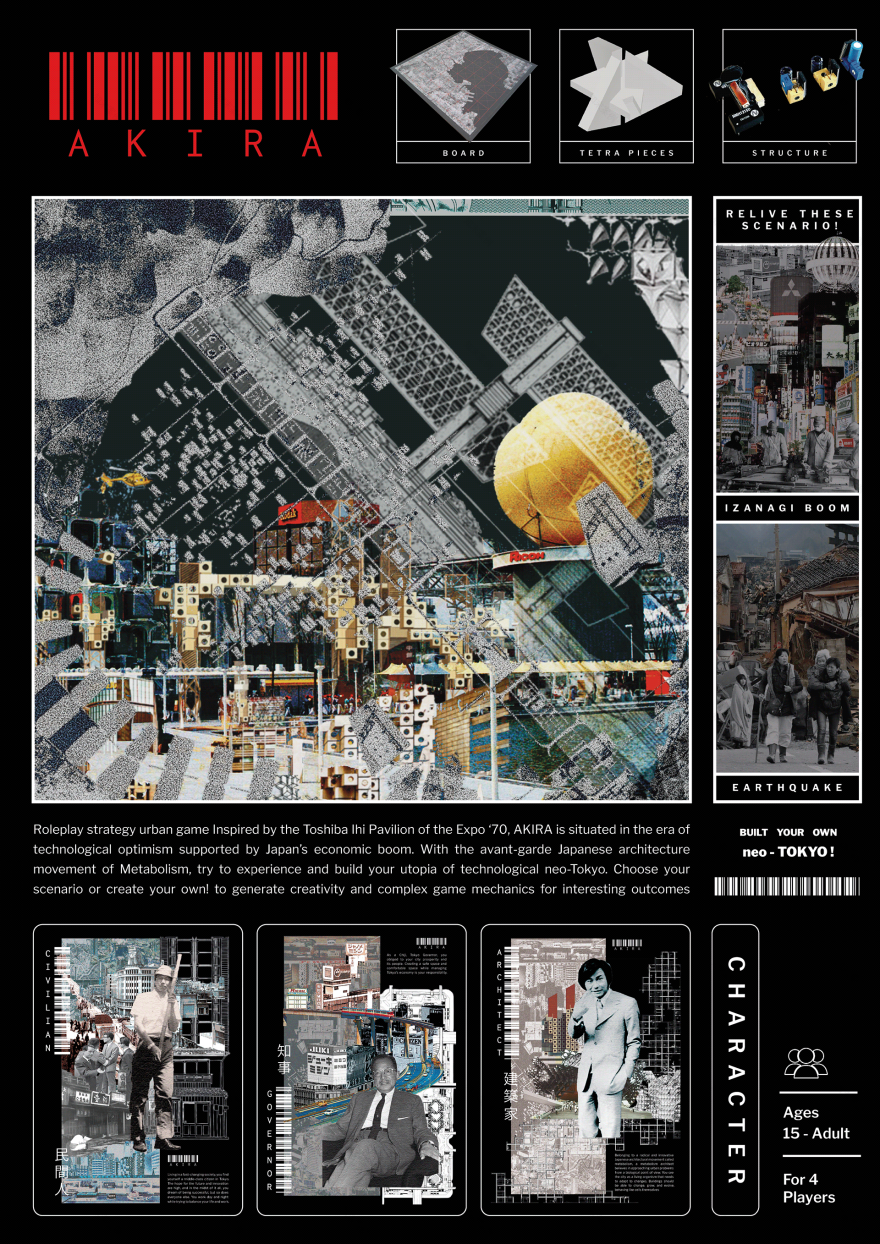
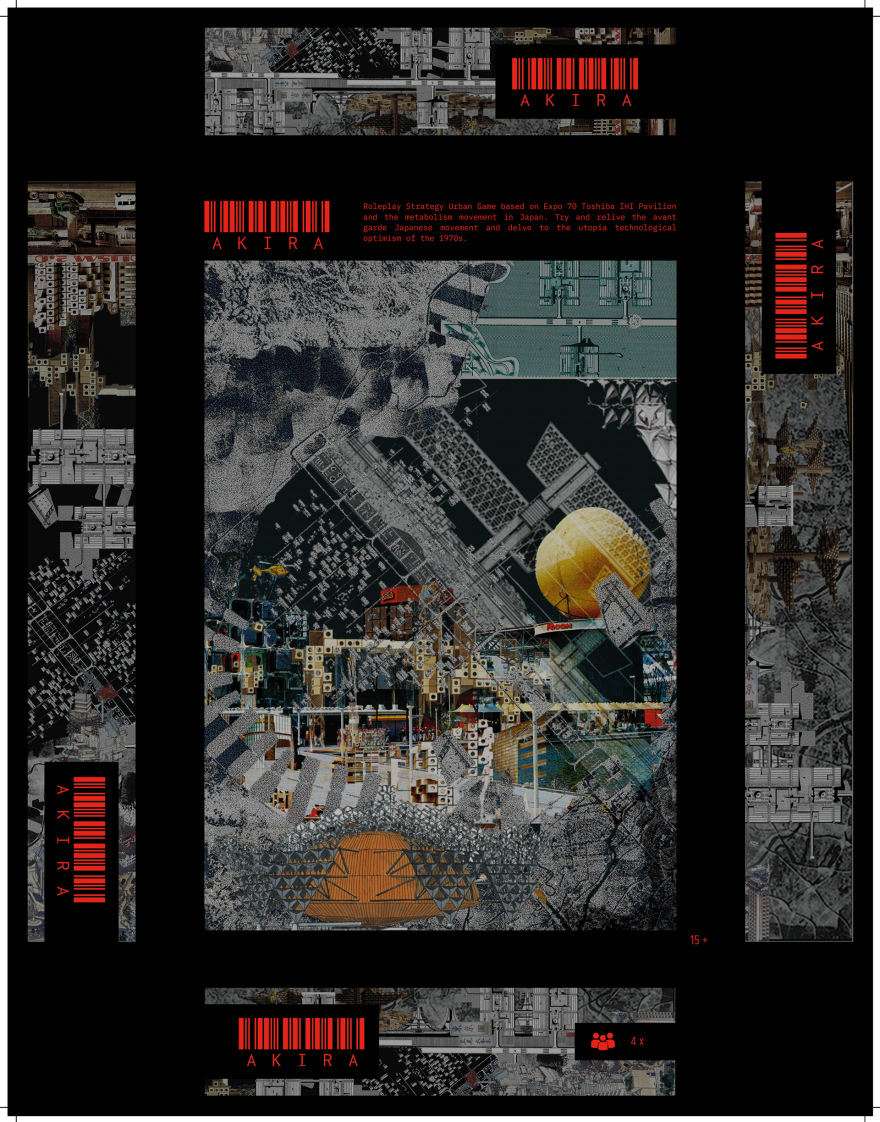
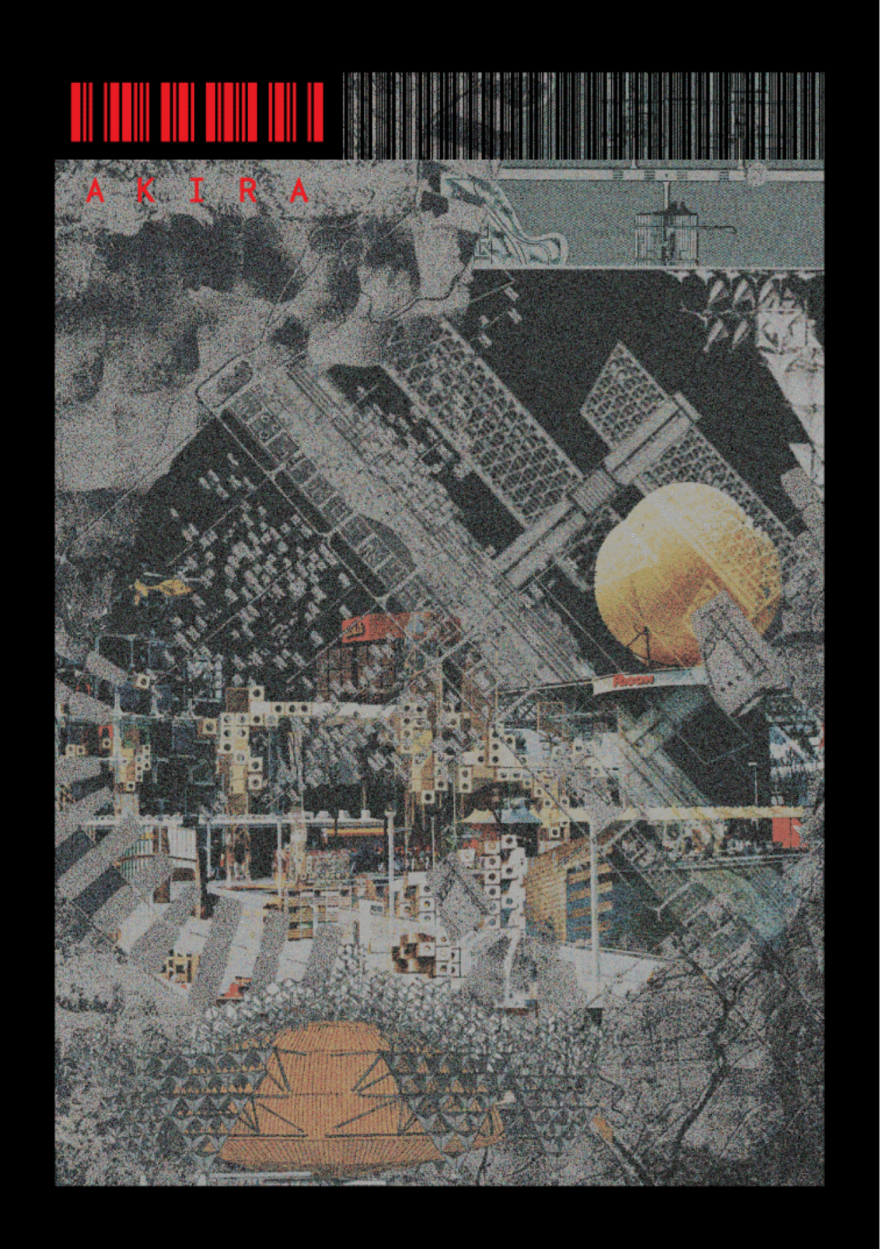
Poster; Box Cover;Rule Book Cover
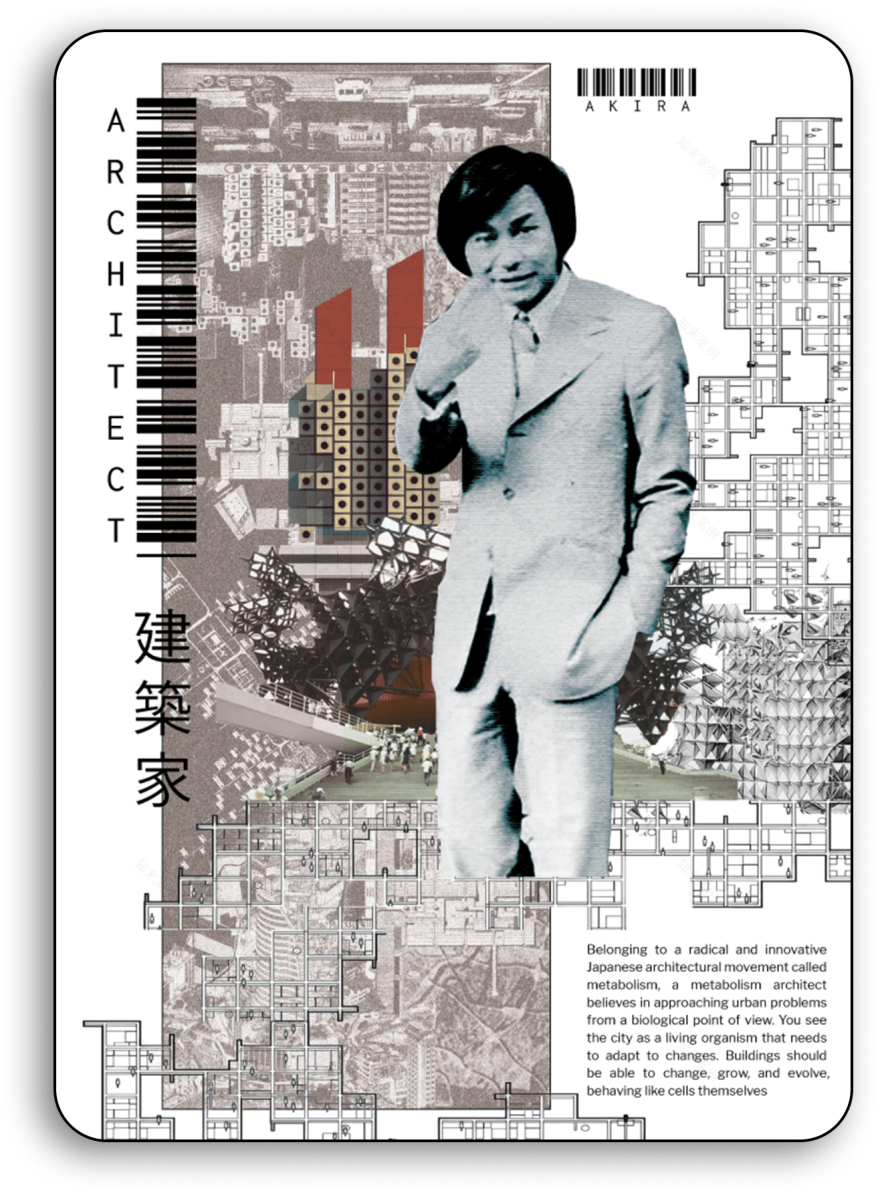
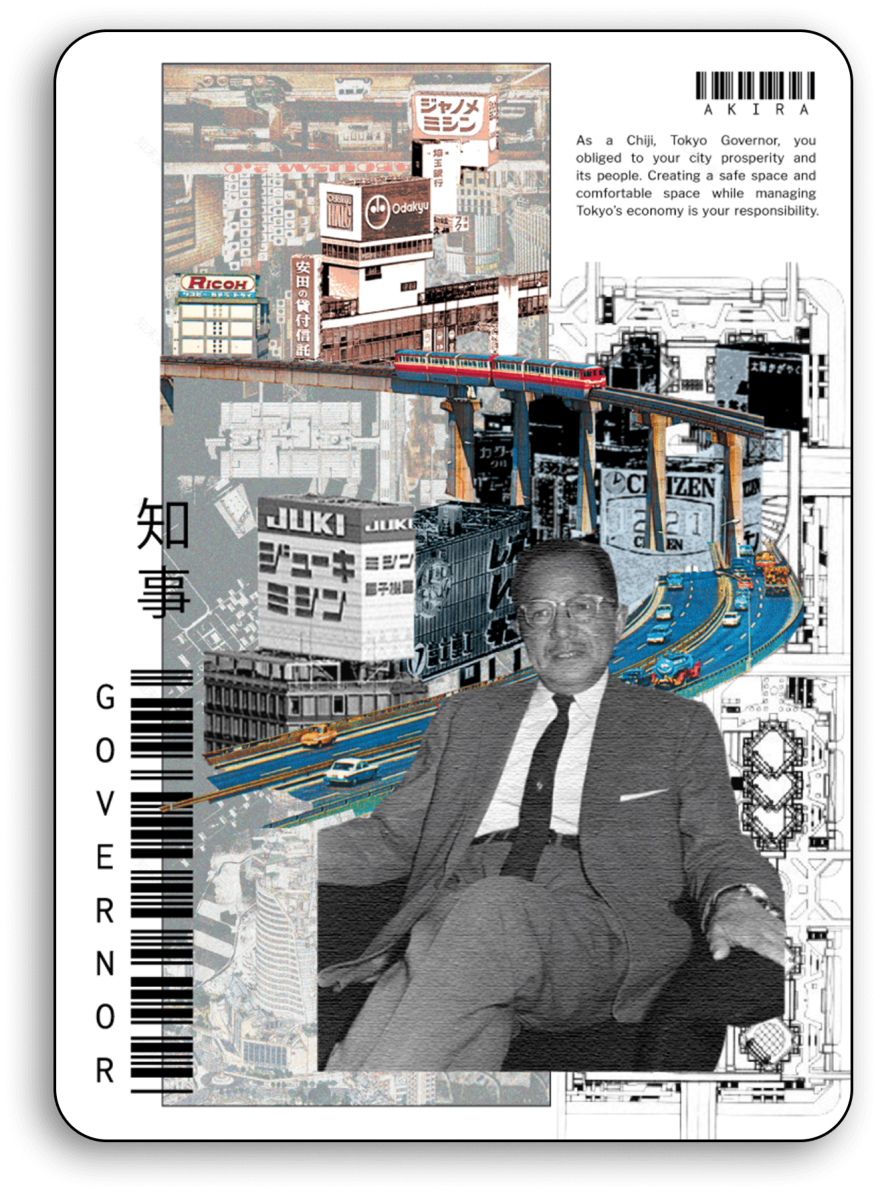
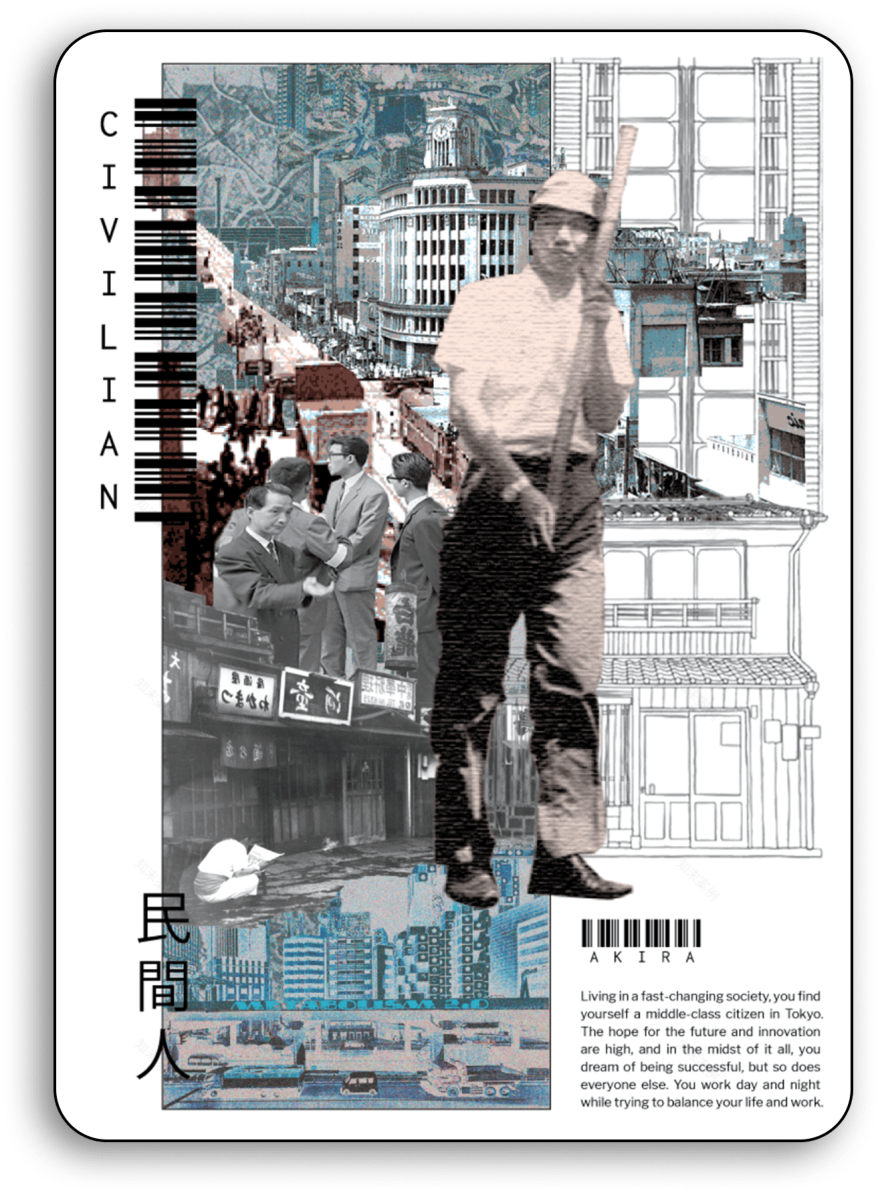
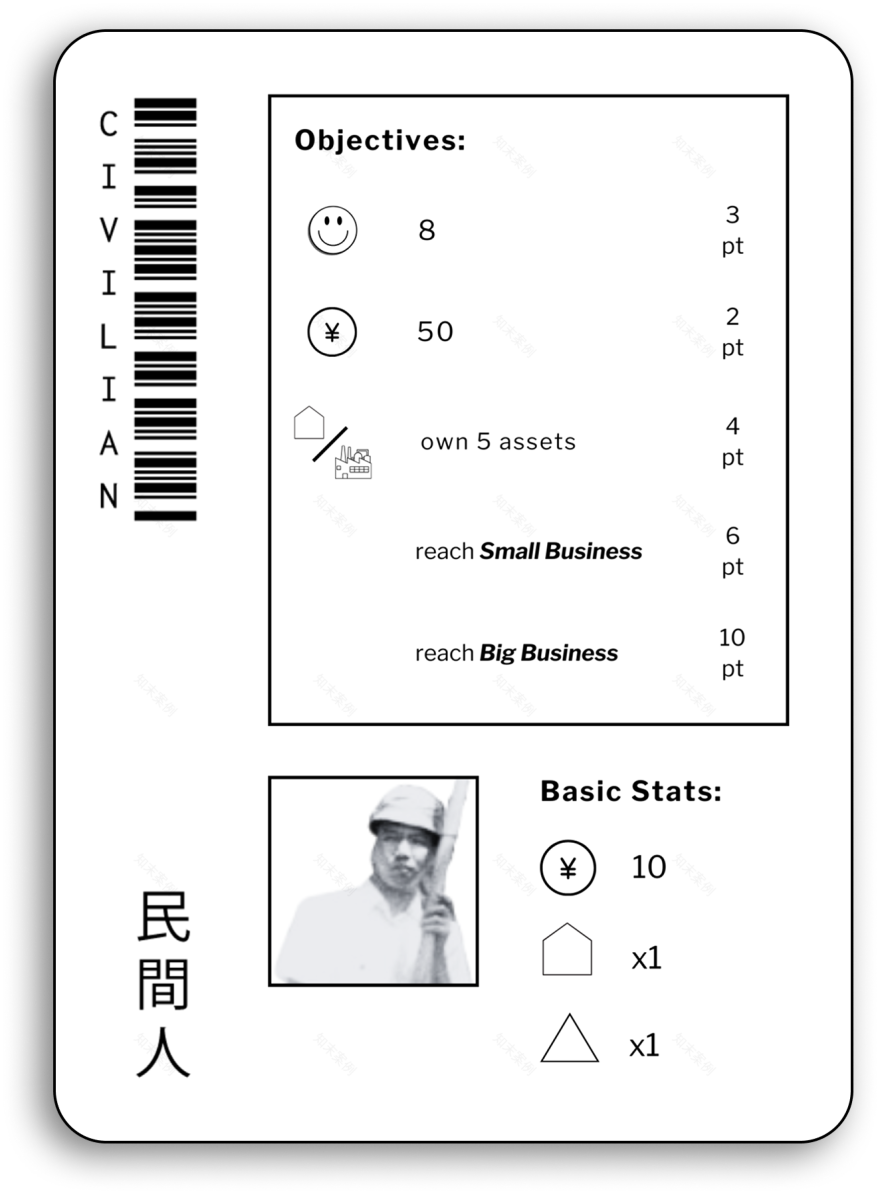
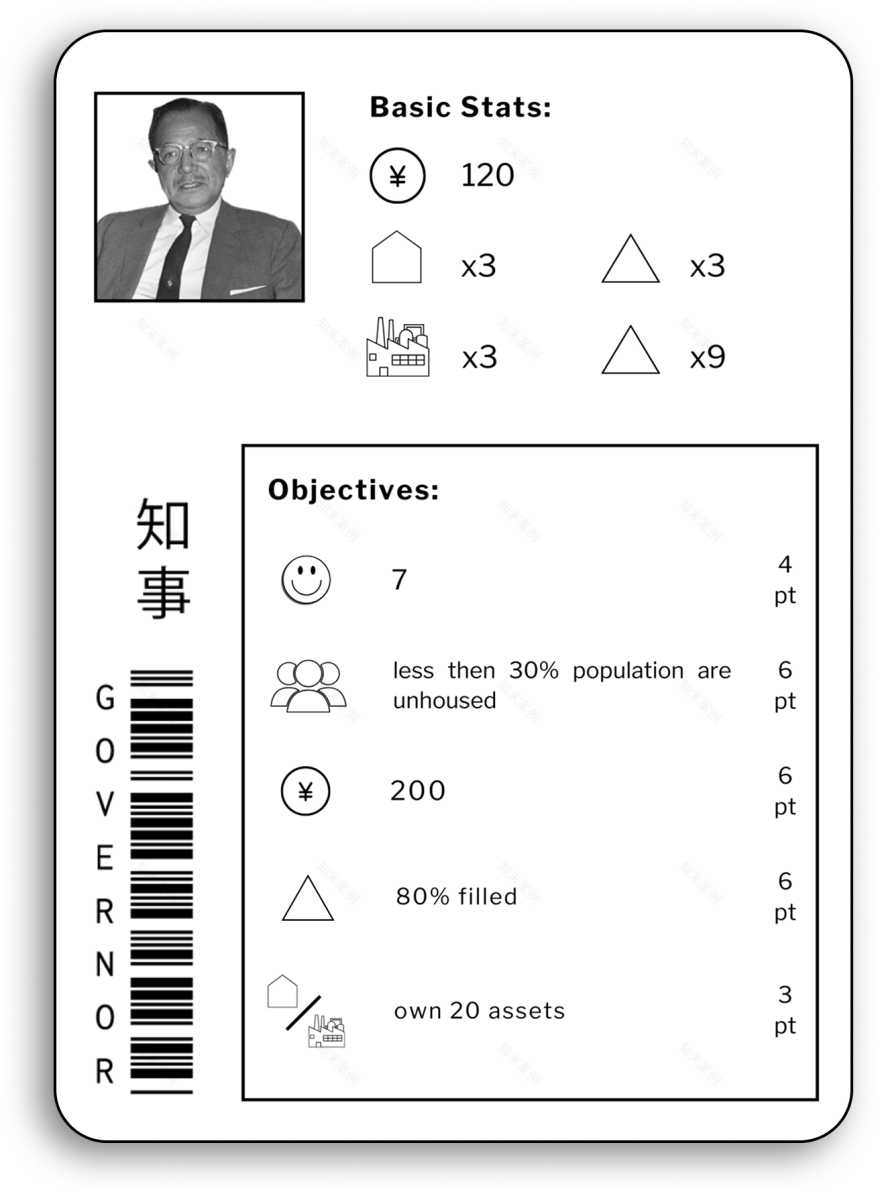
Character Cards: Architect, Governor, Civilian

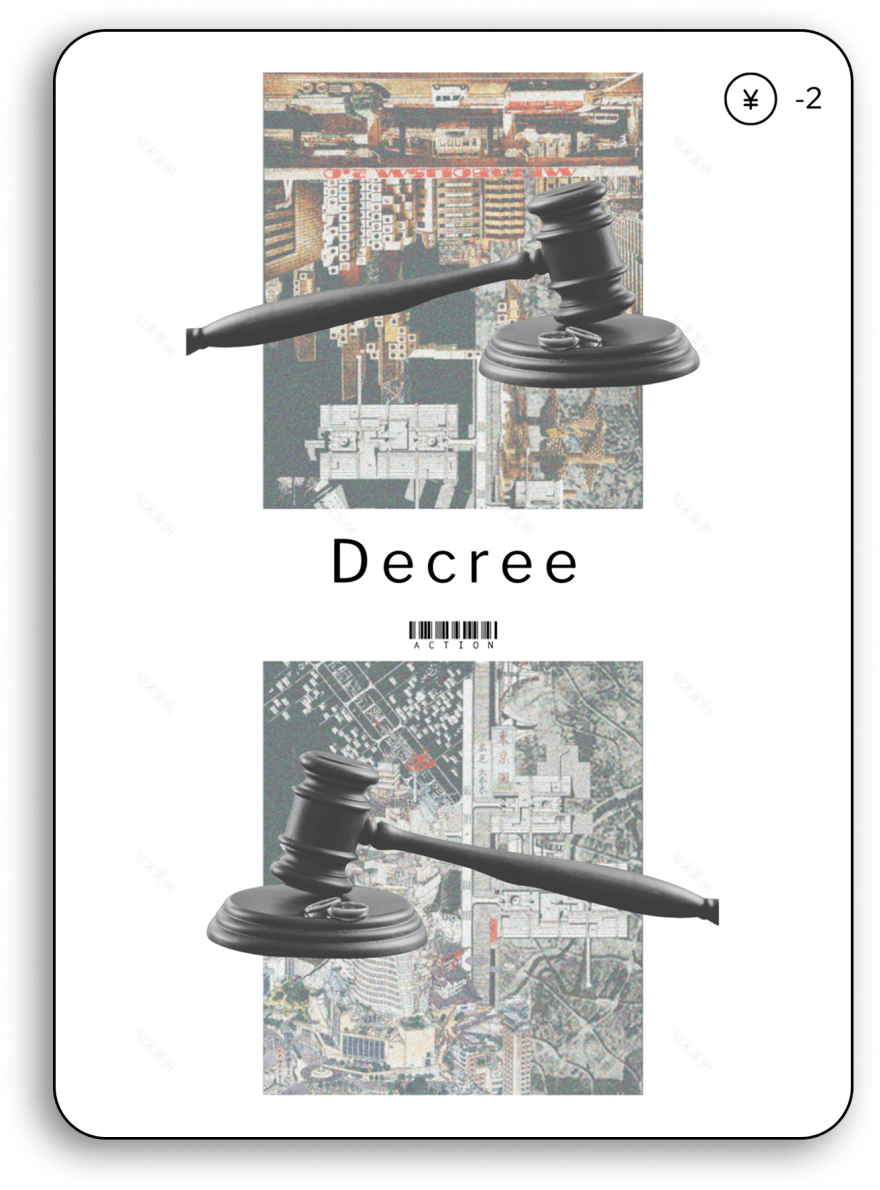
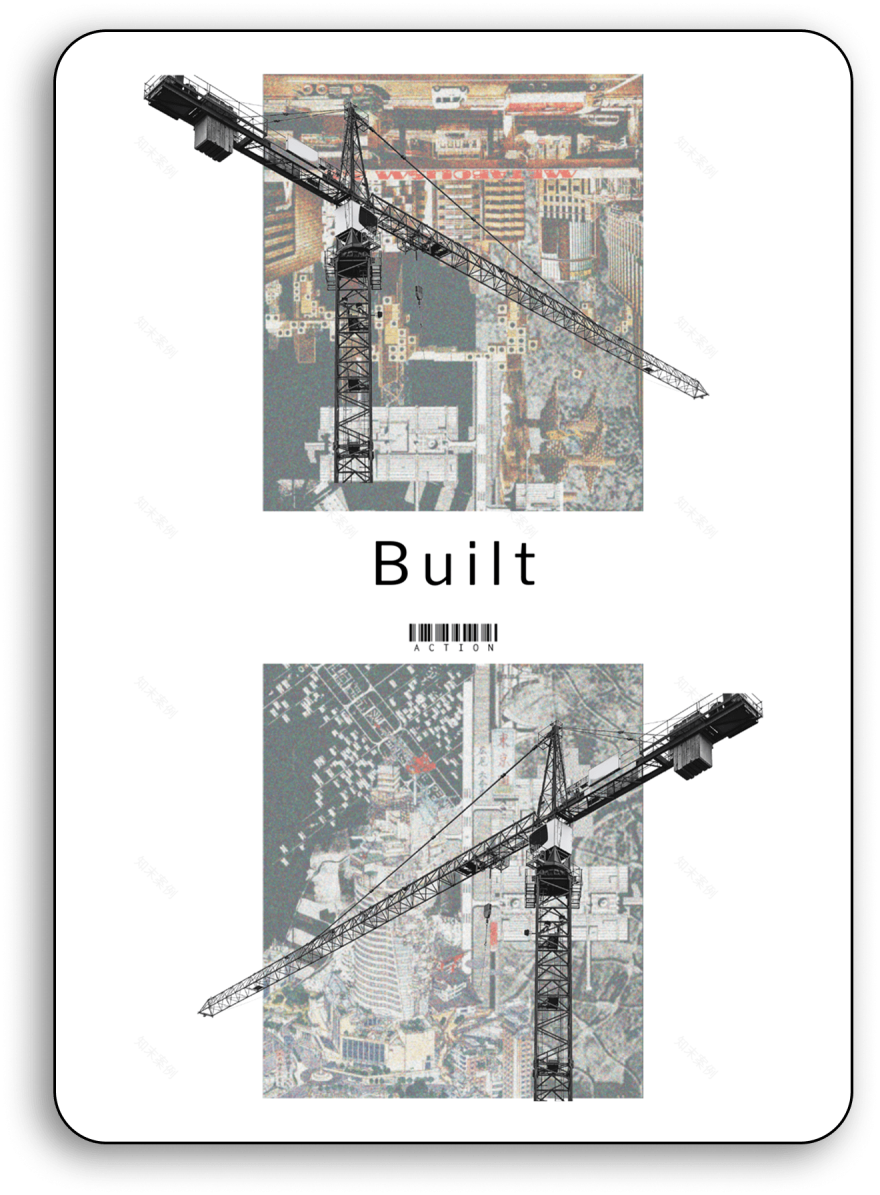

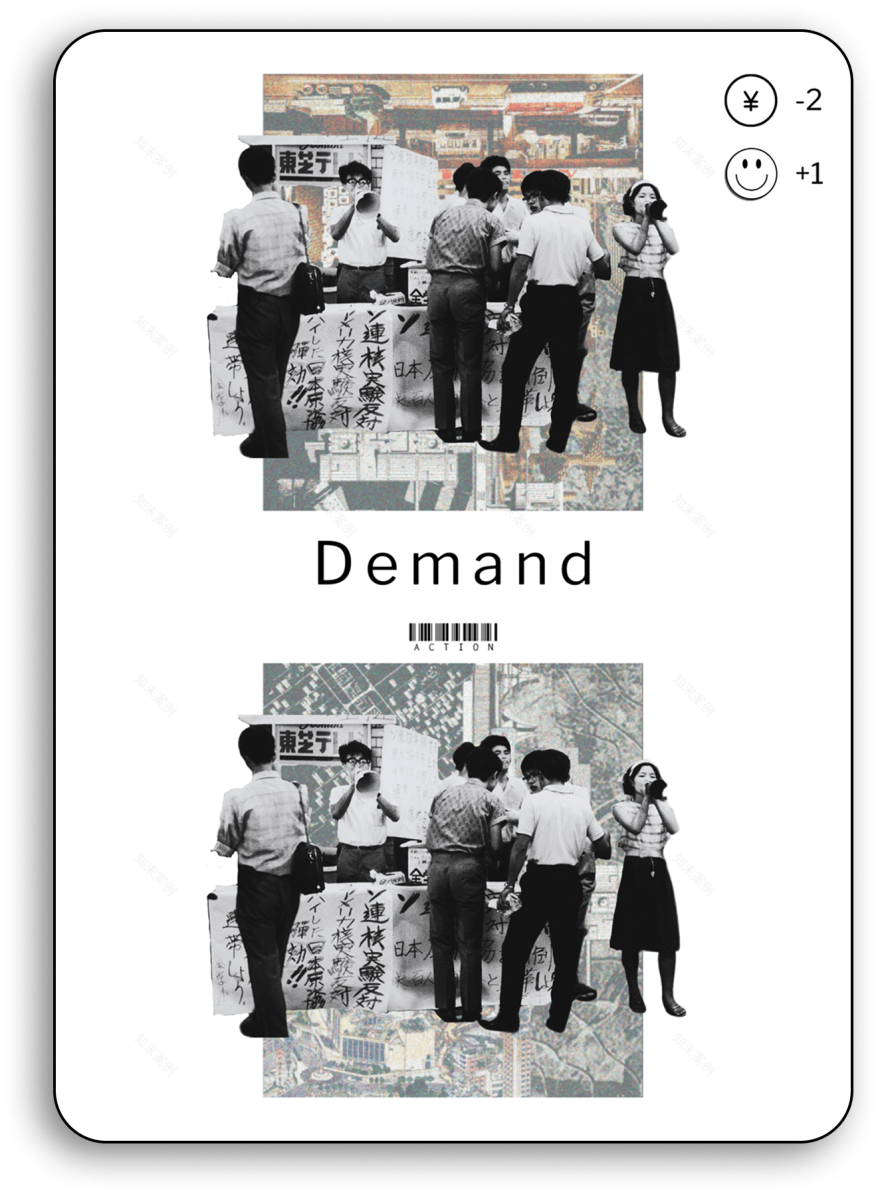
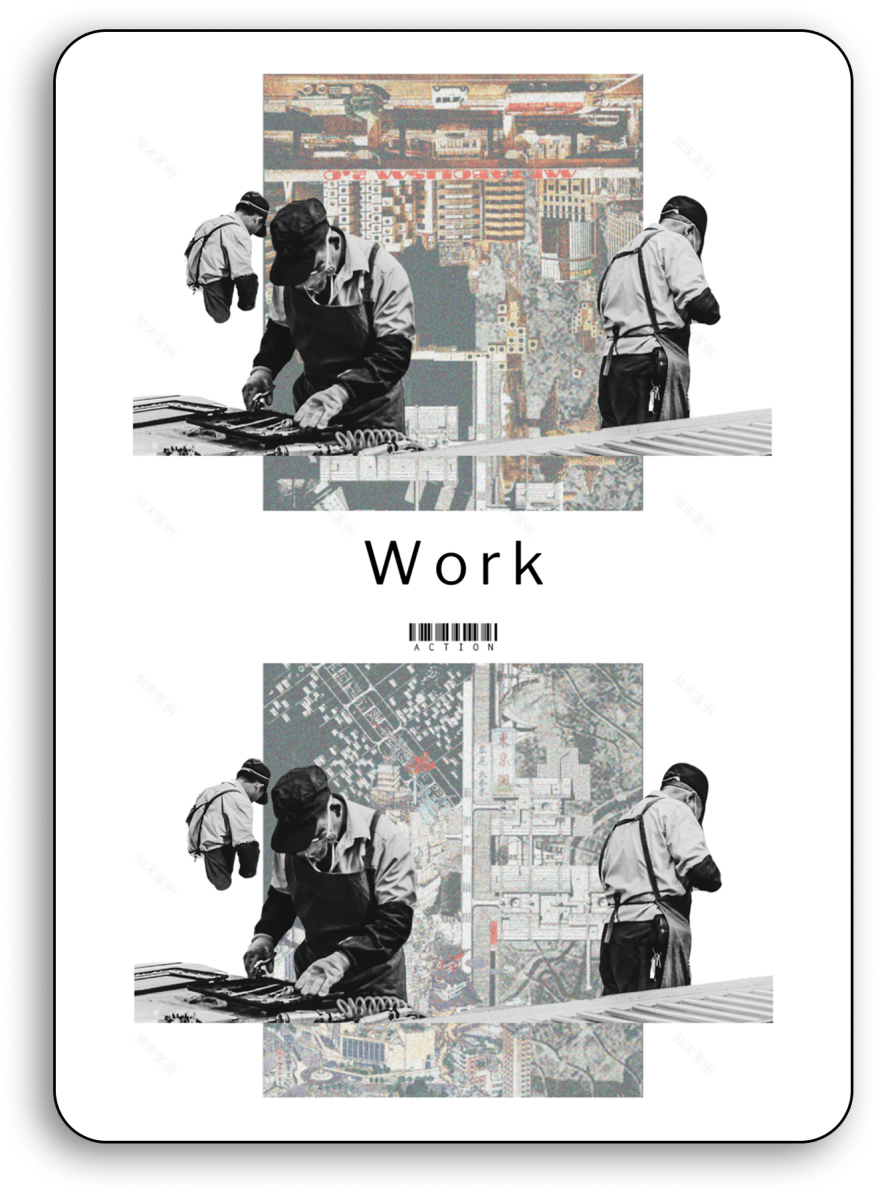
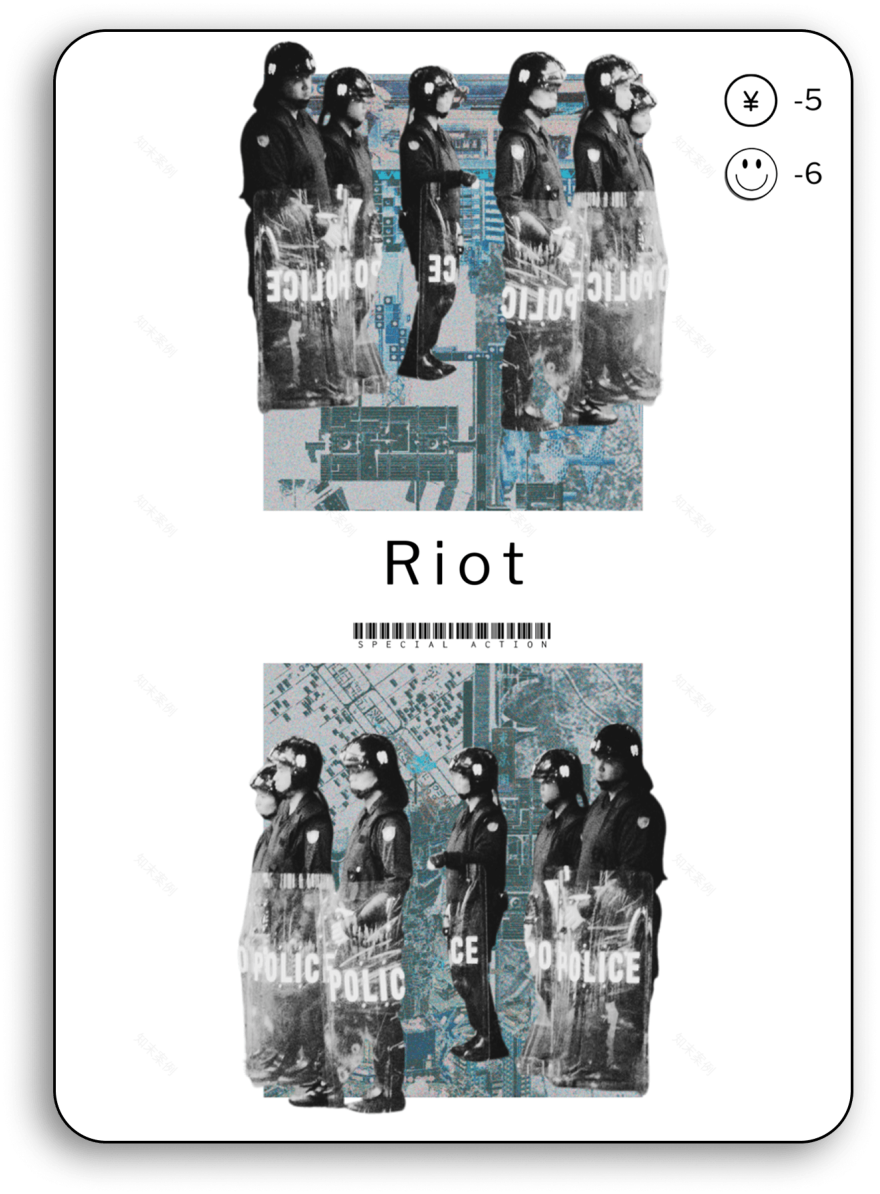
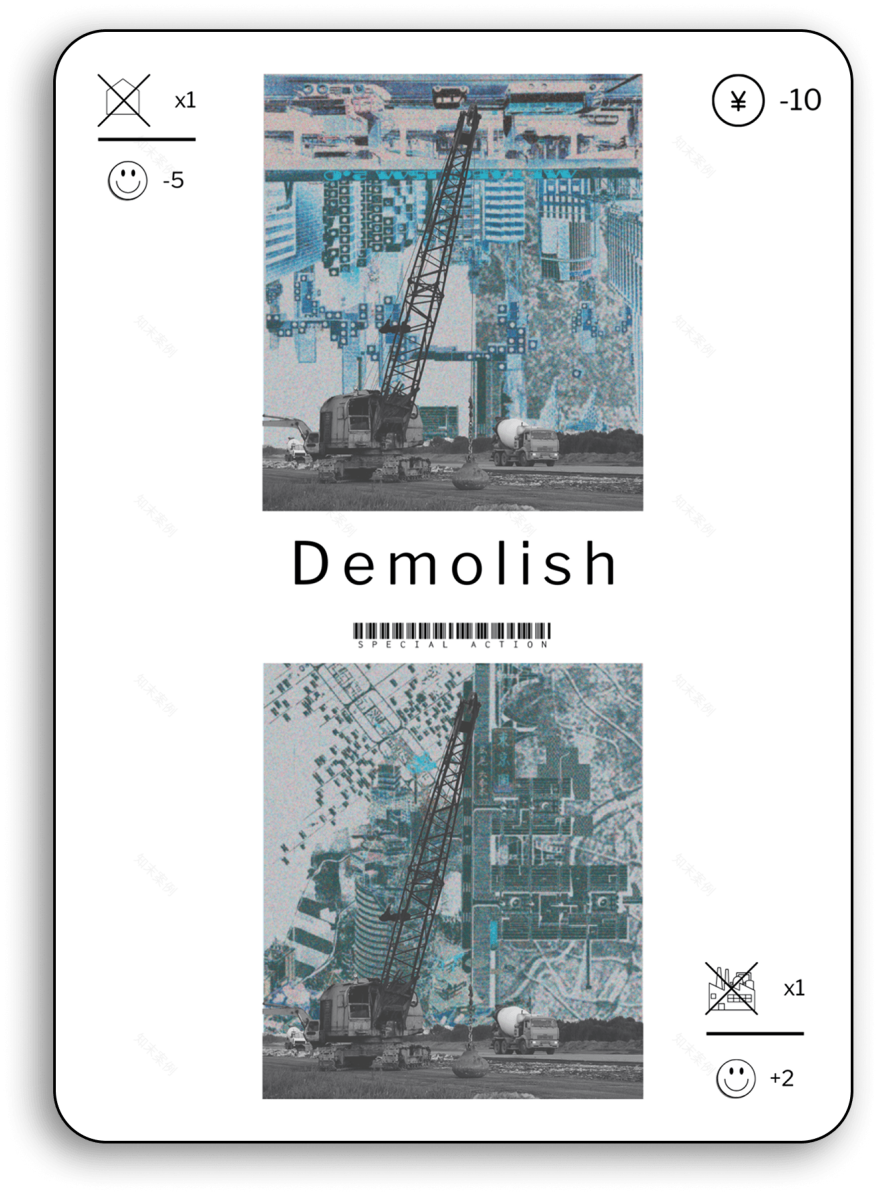
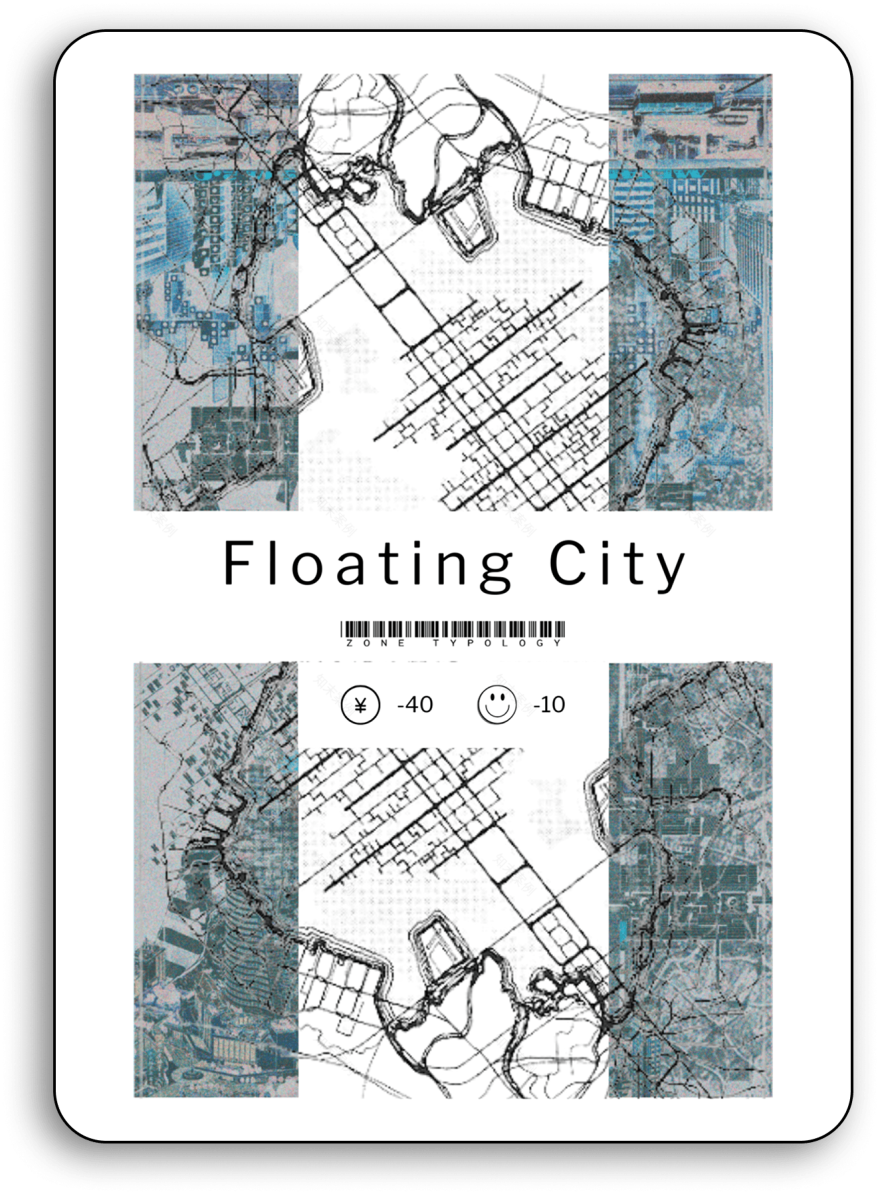
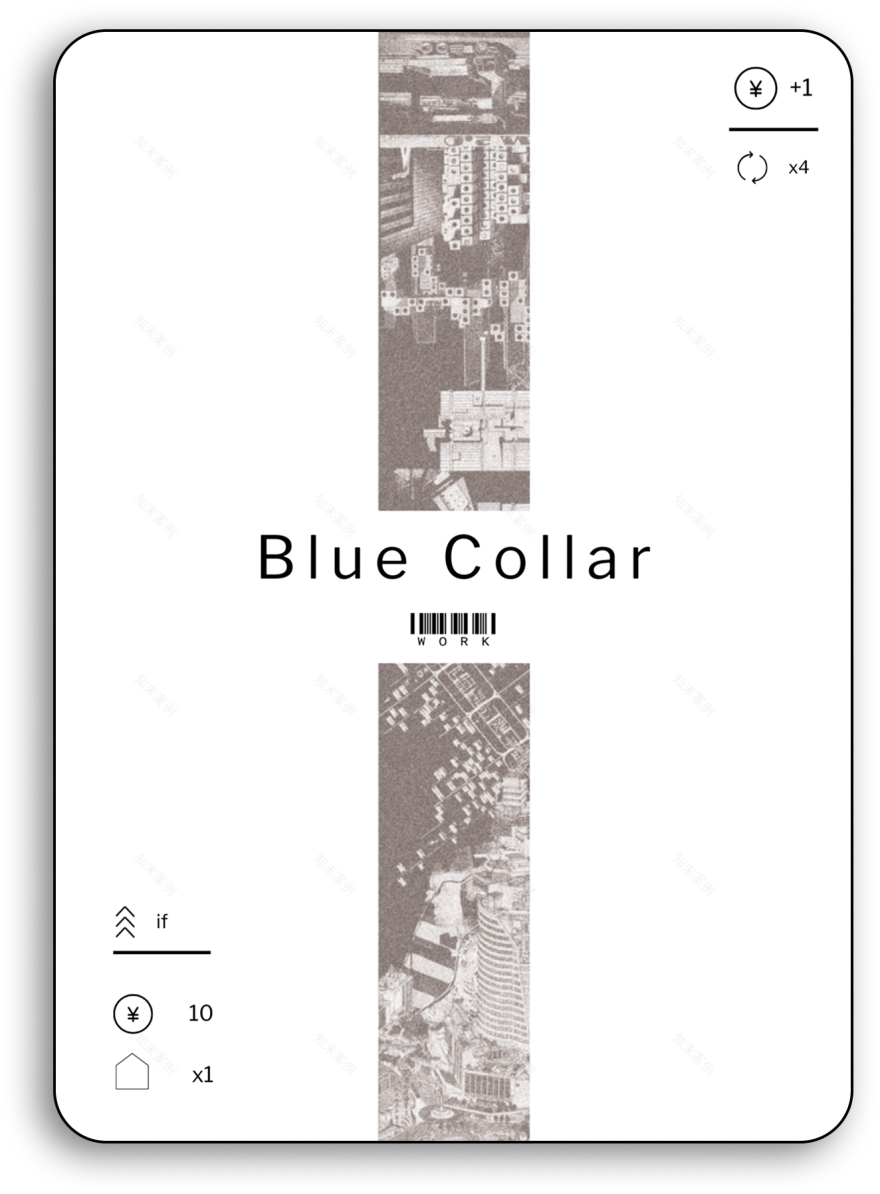
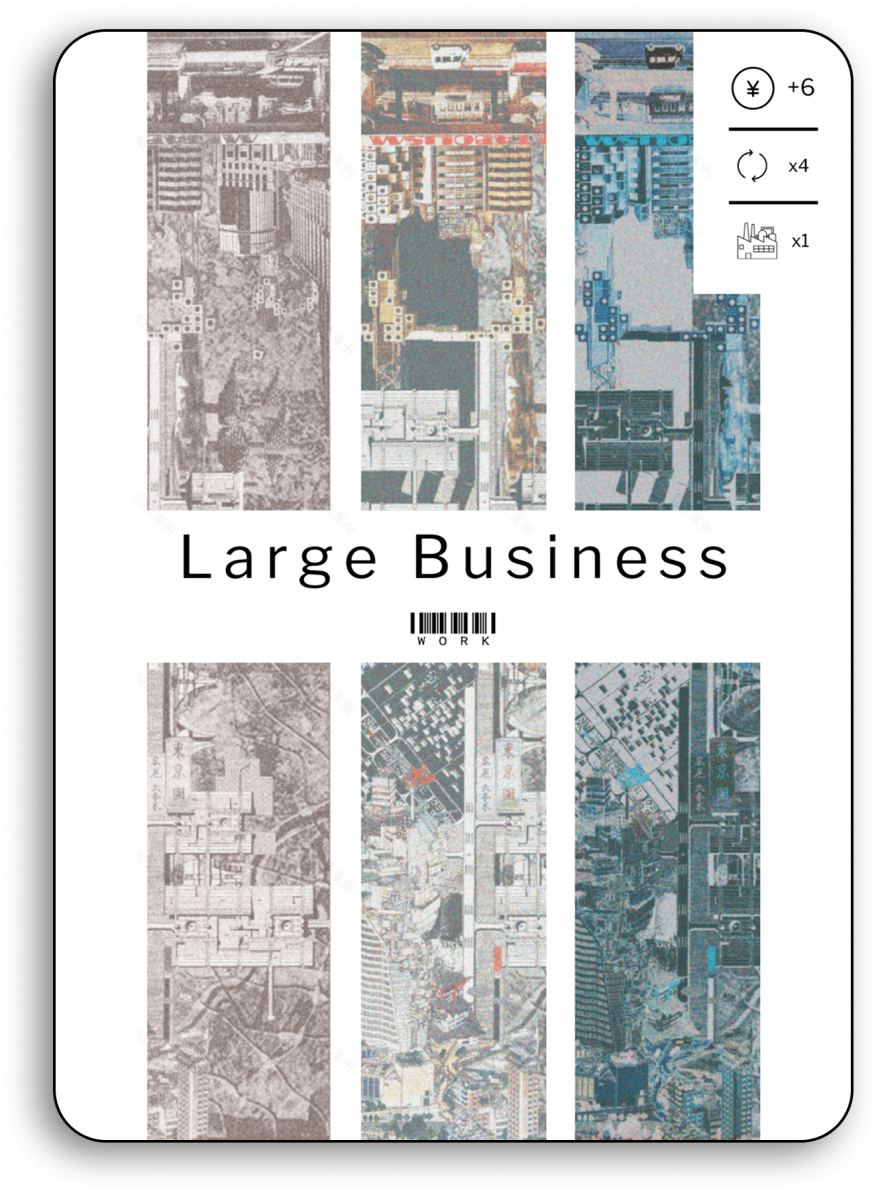
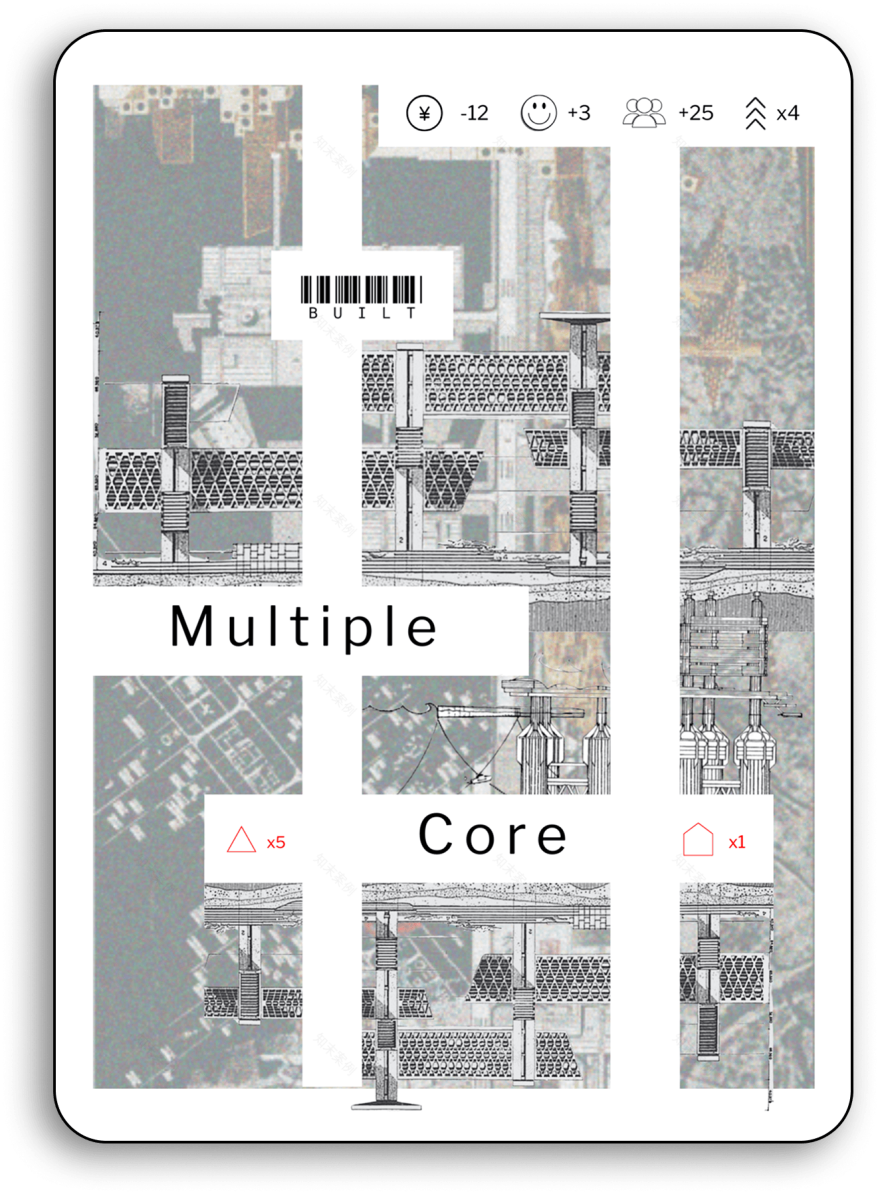
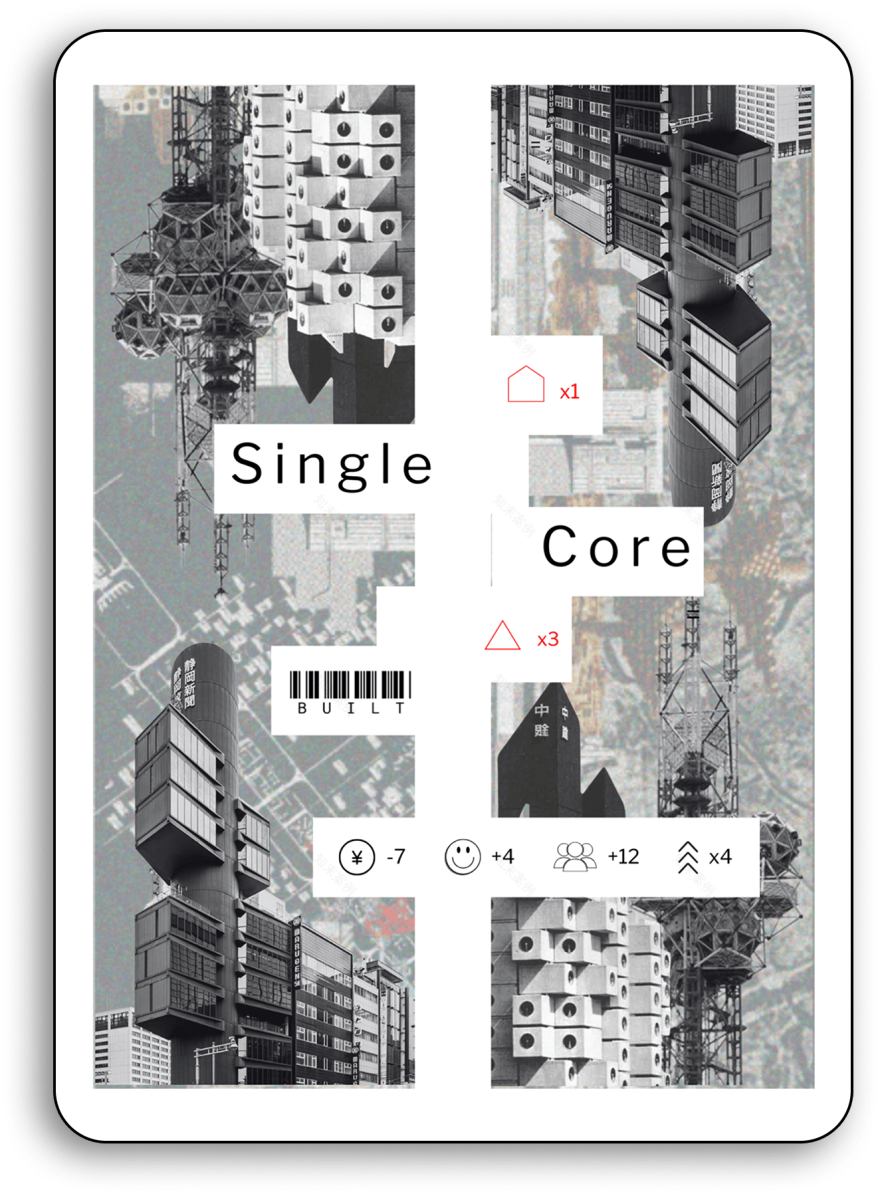
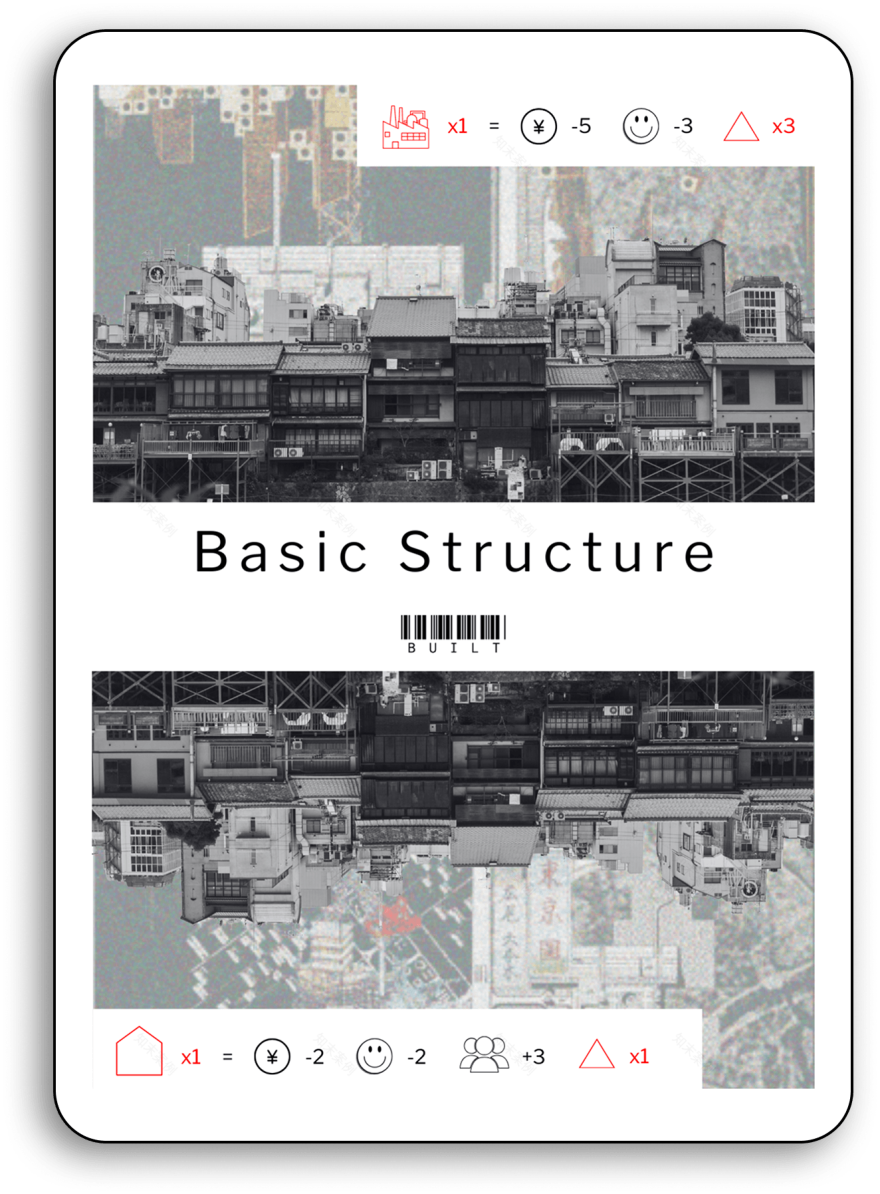
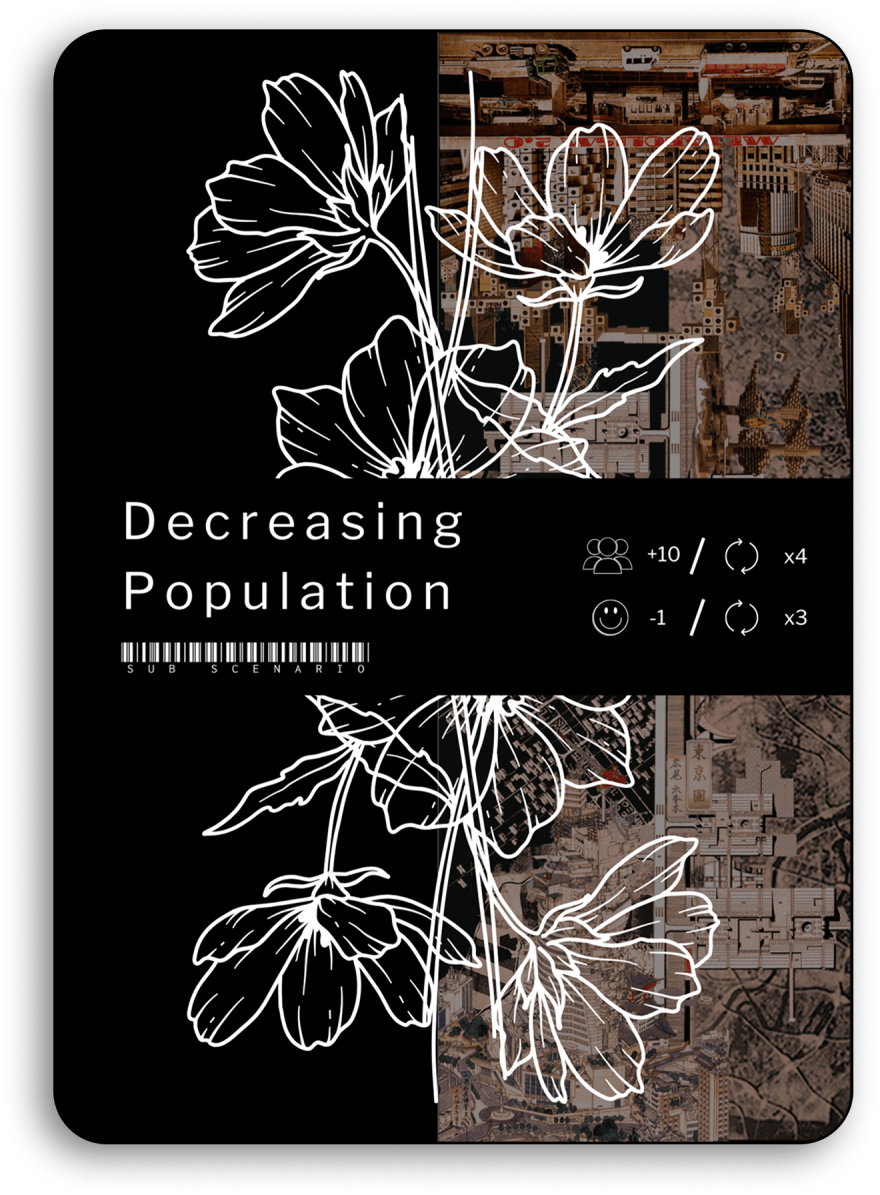
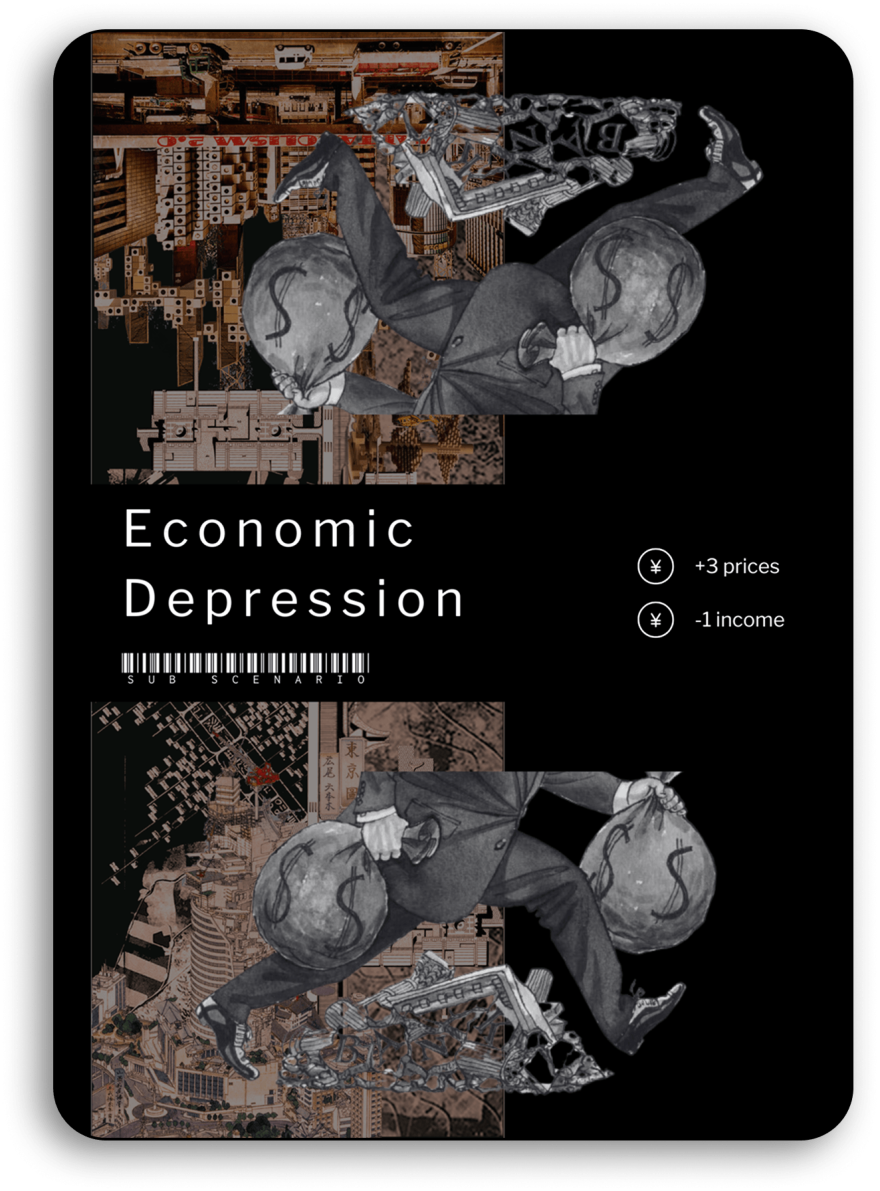
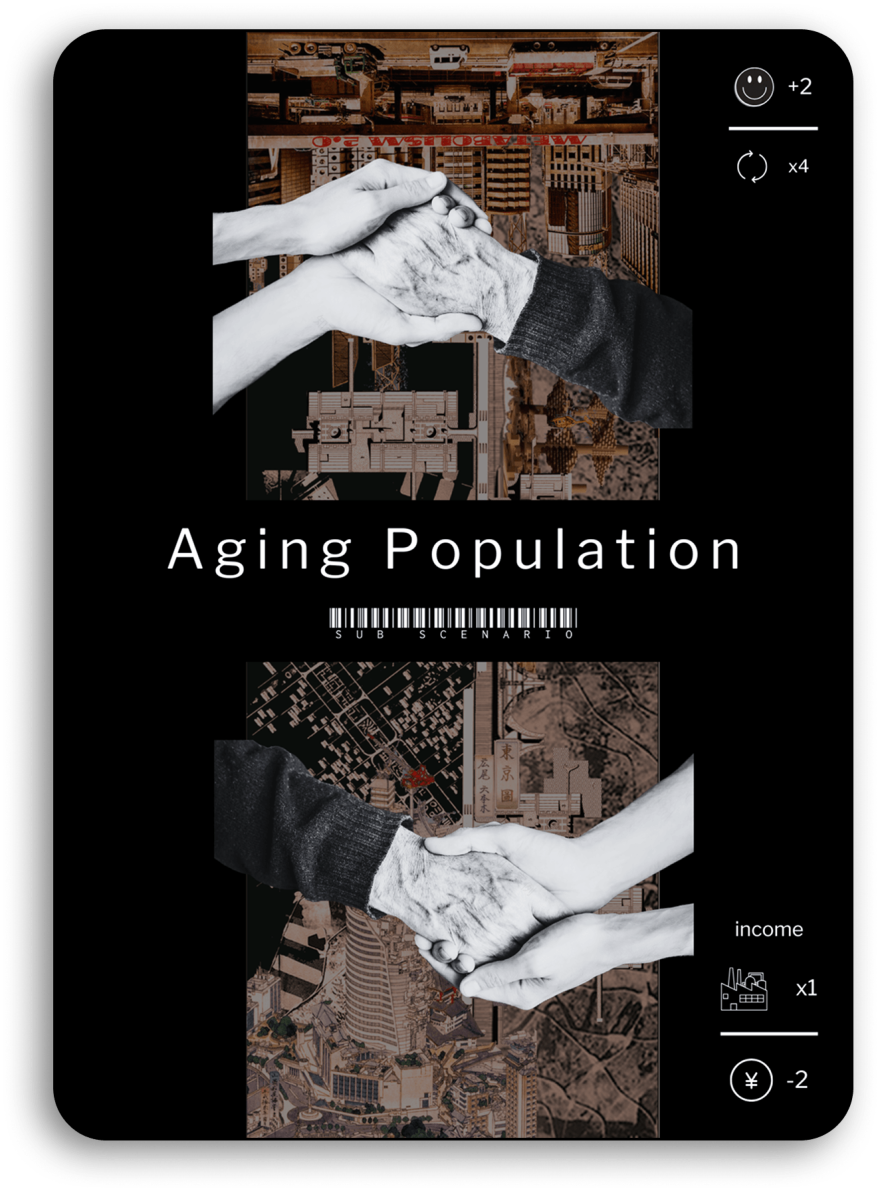
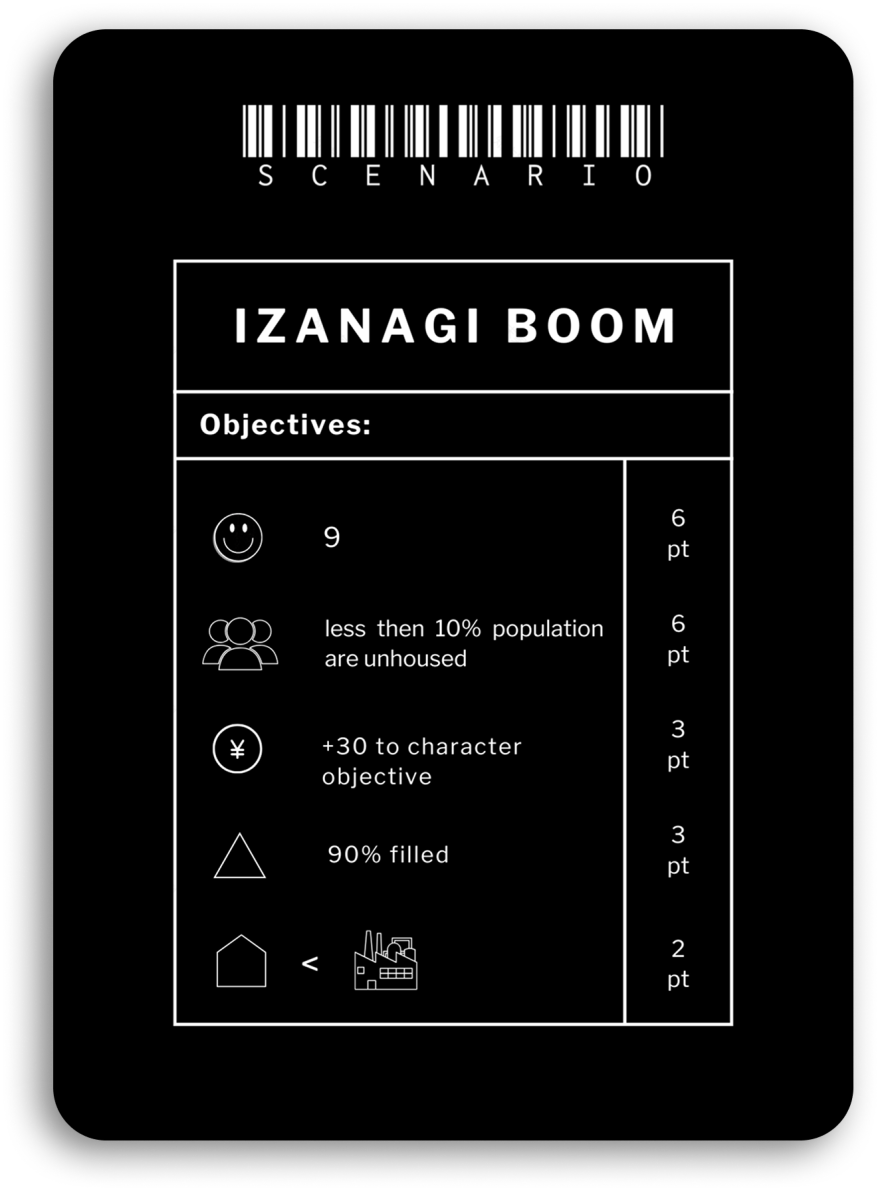
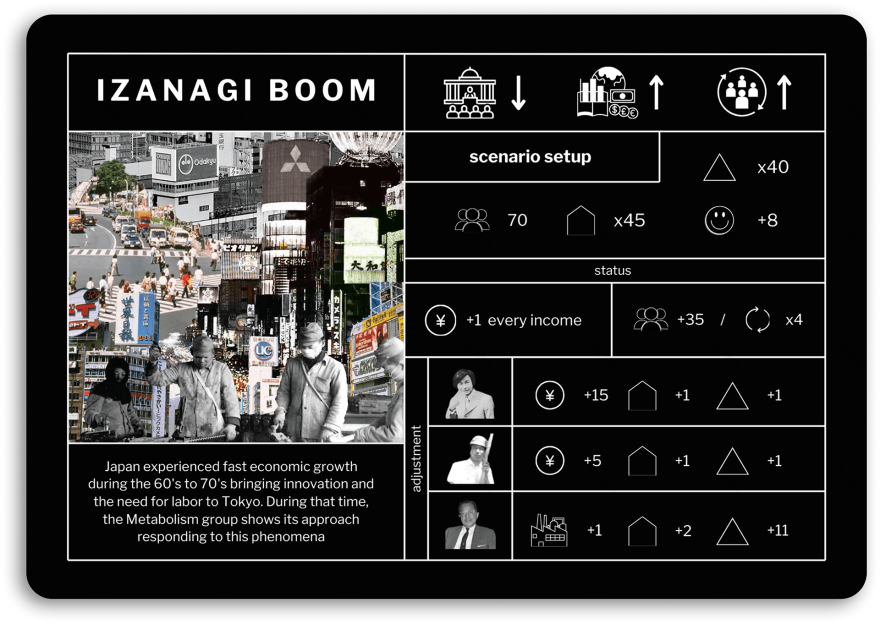
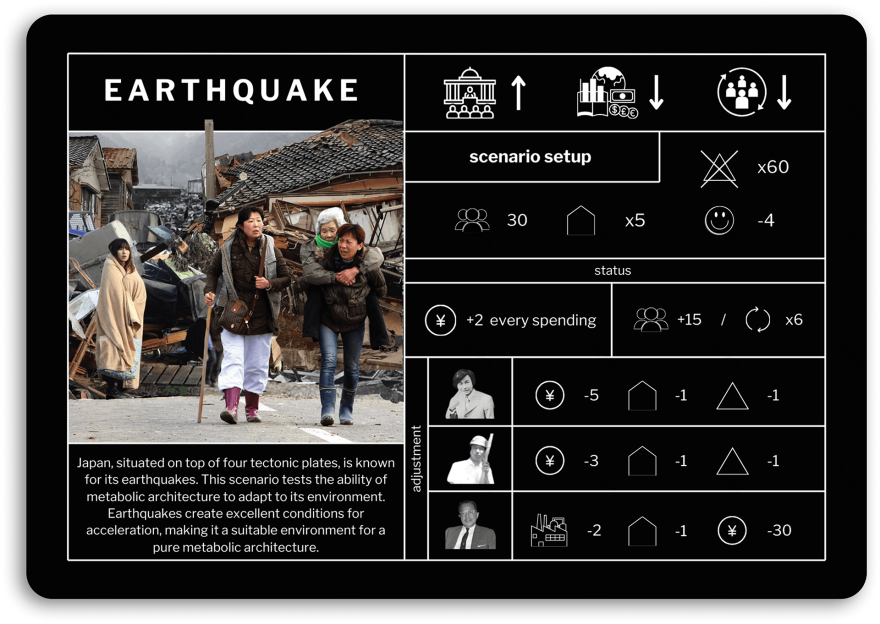
Card Sets: Action, Special Action, Structure, Work, Built, Scenarios
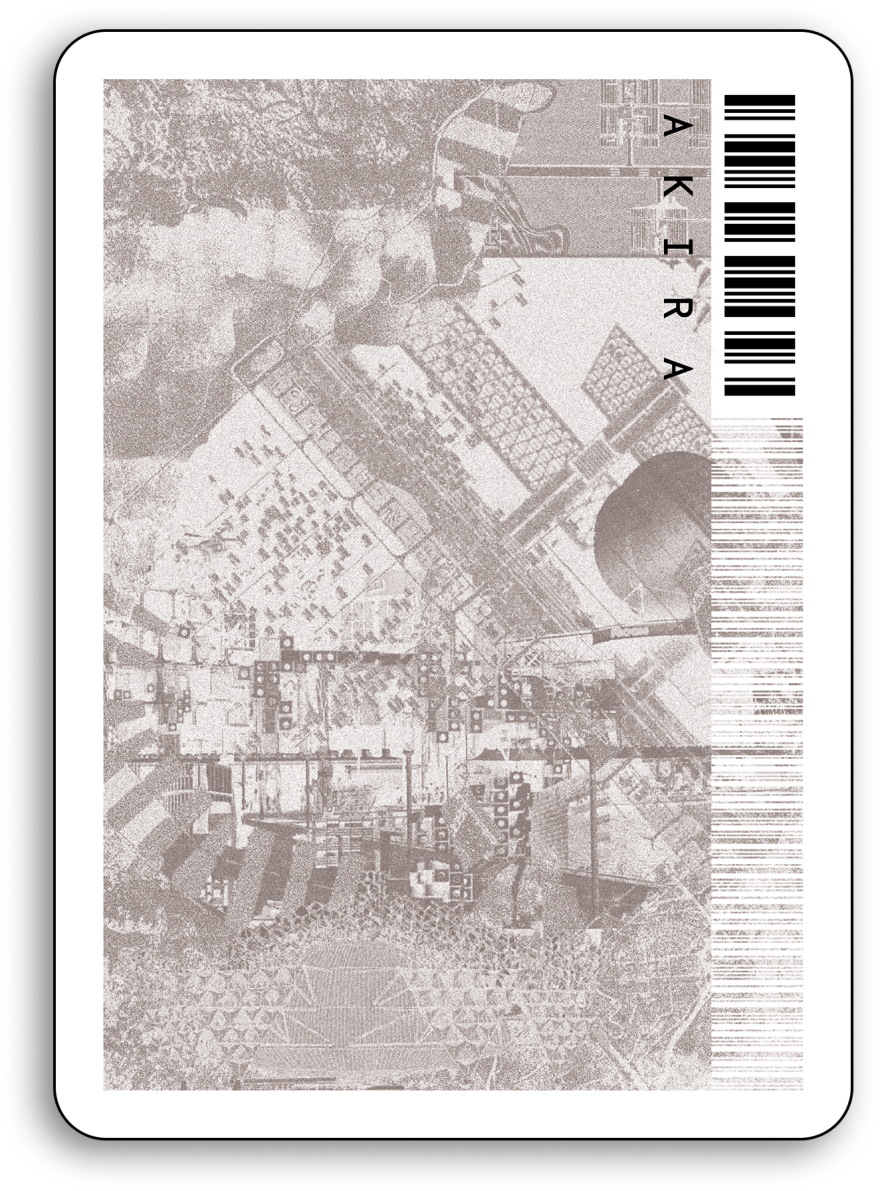
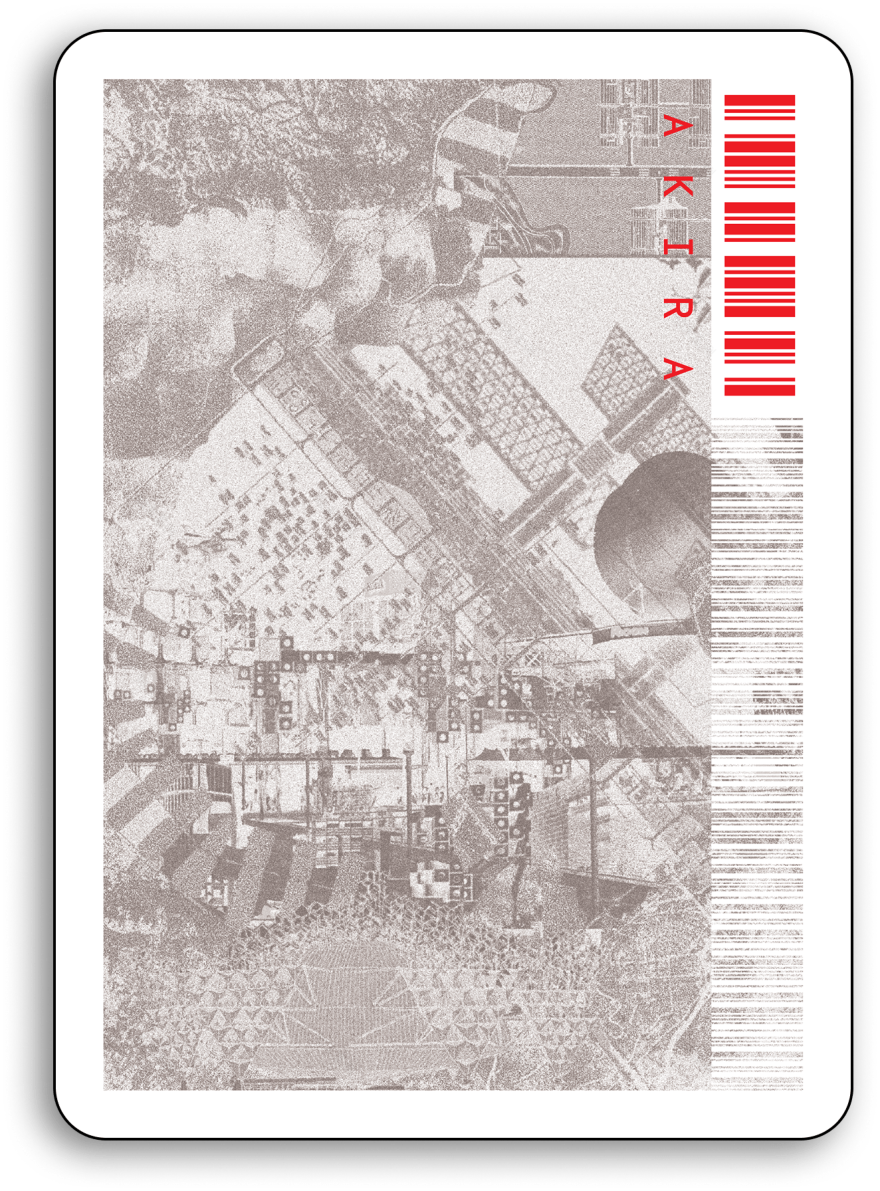
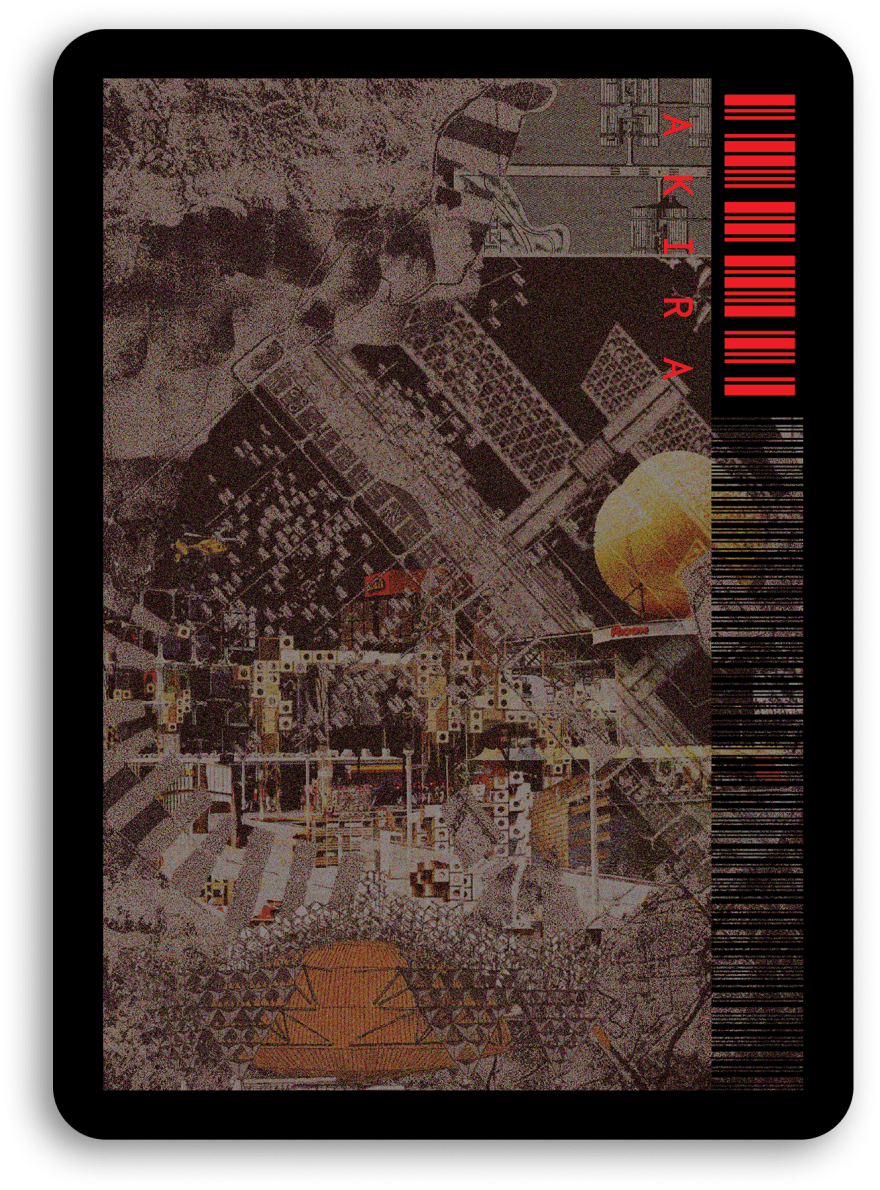
Back Design
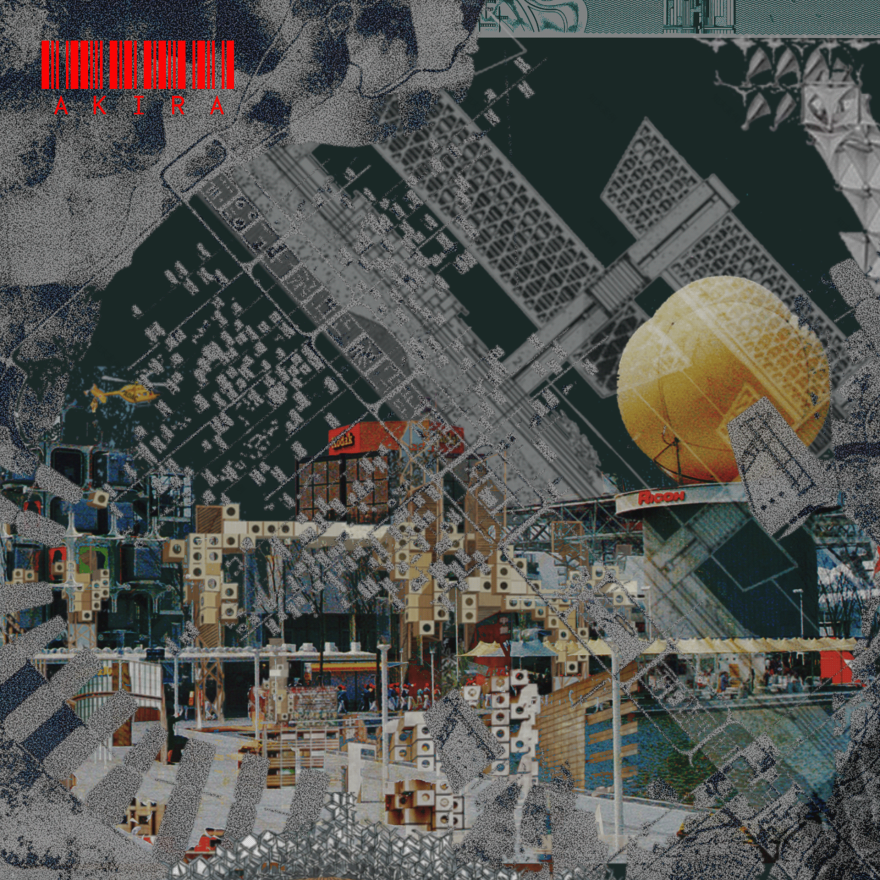
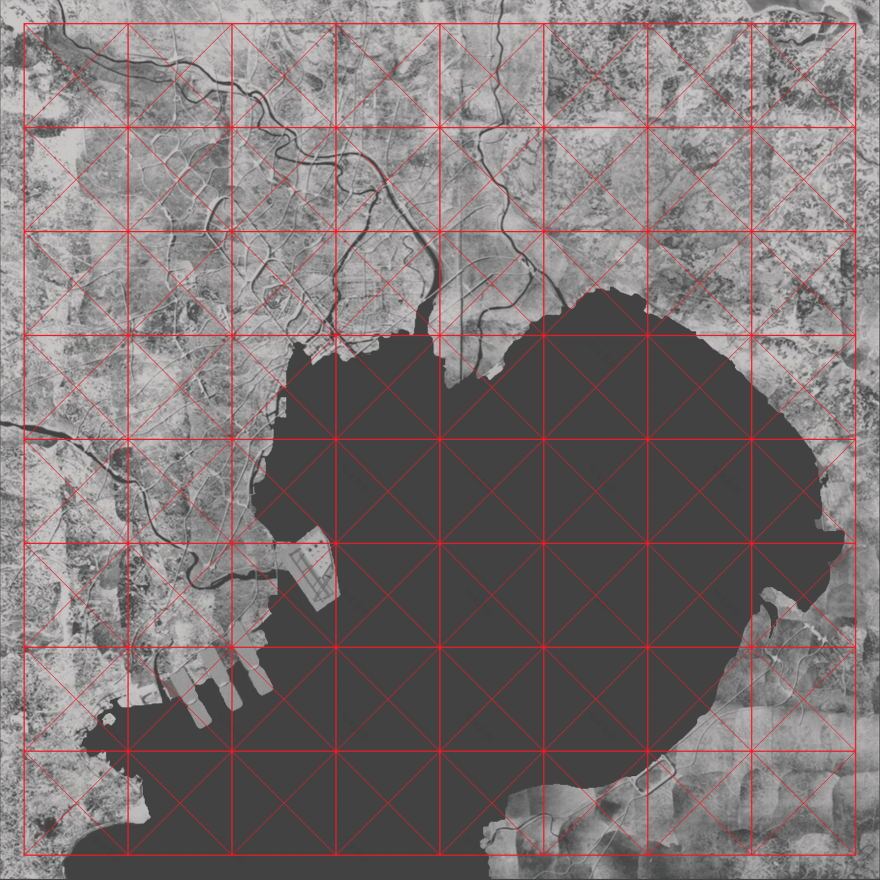
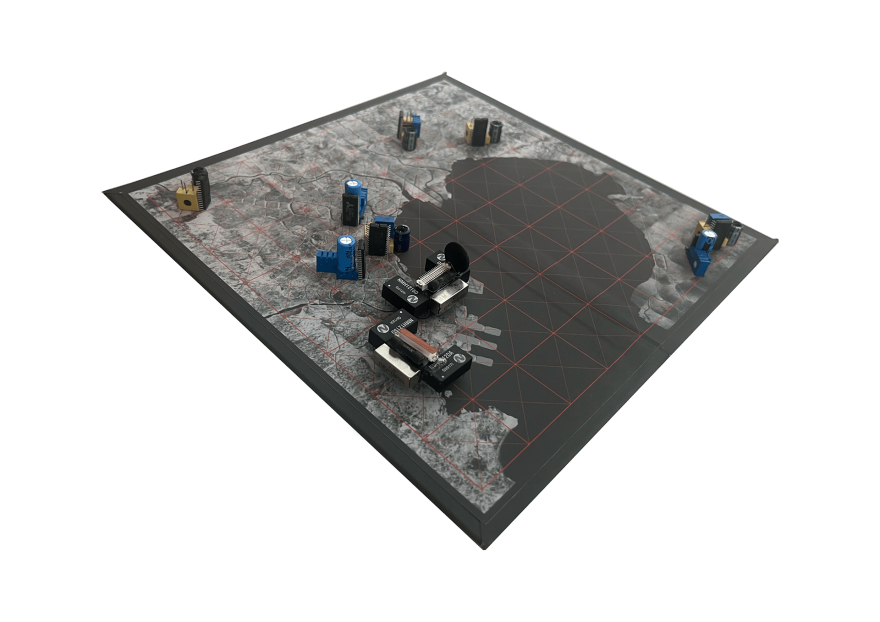
Board Design
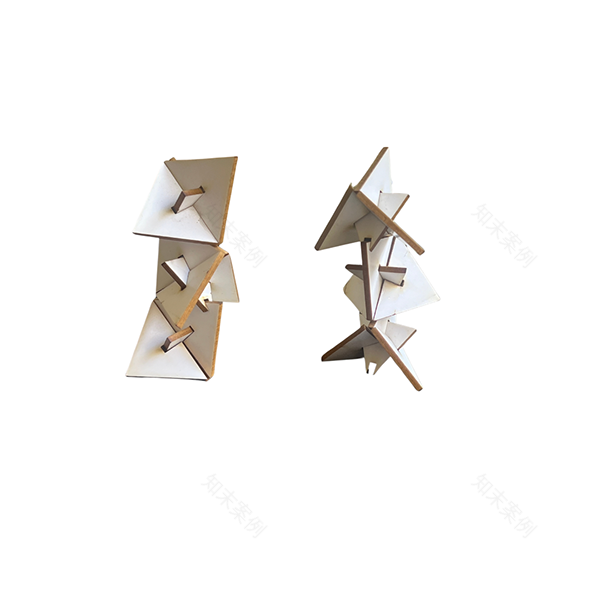
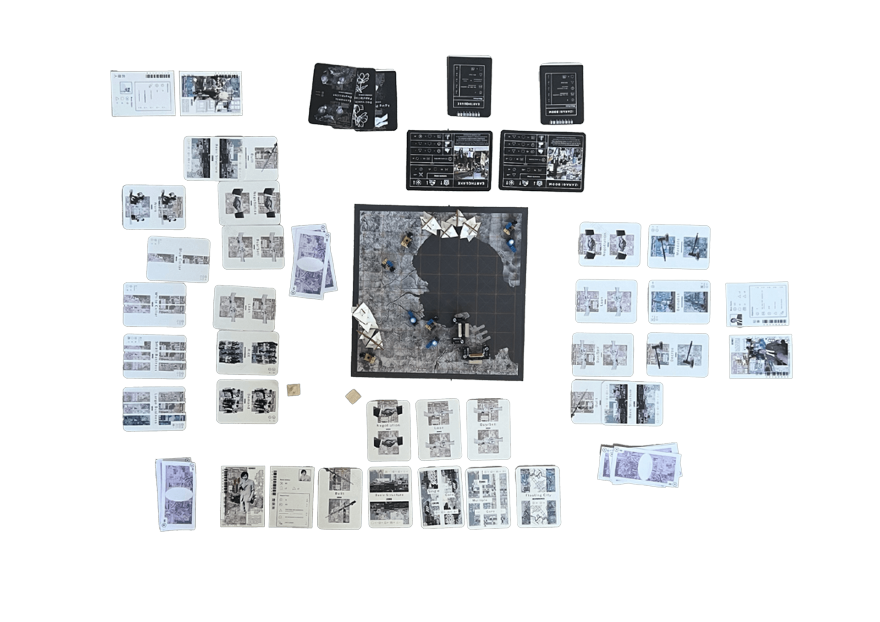
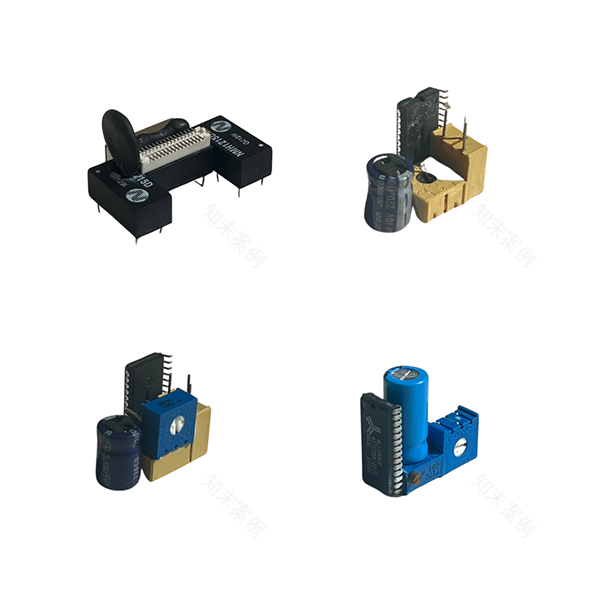
Tetra Pieces, Building Pieces and Board Setup
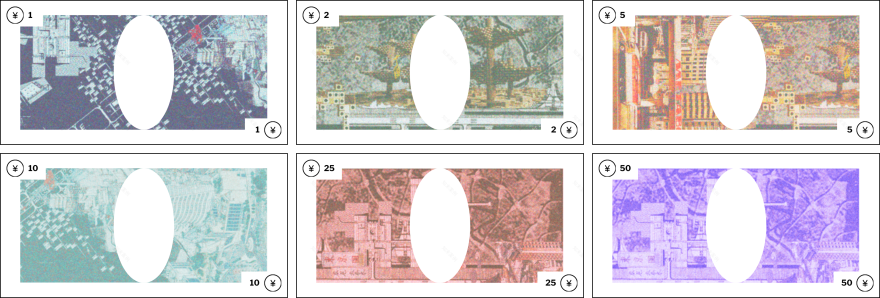
Money Design
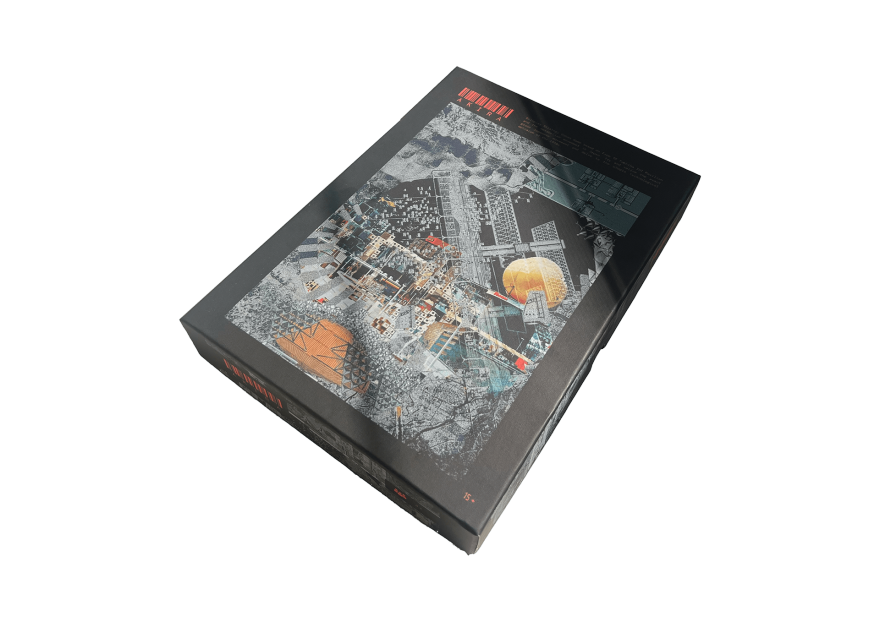
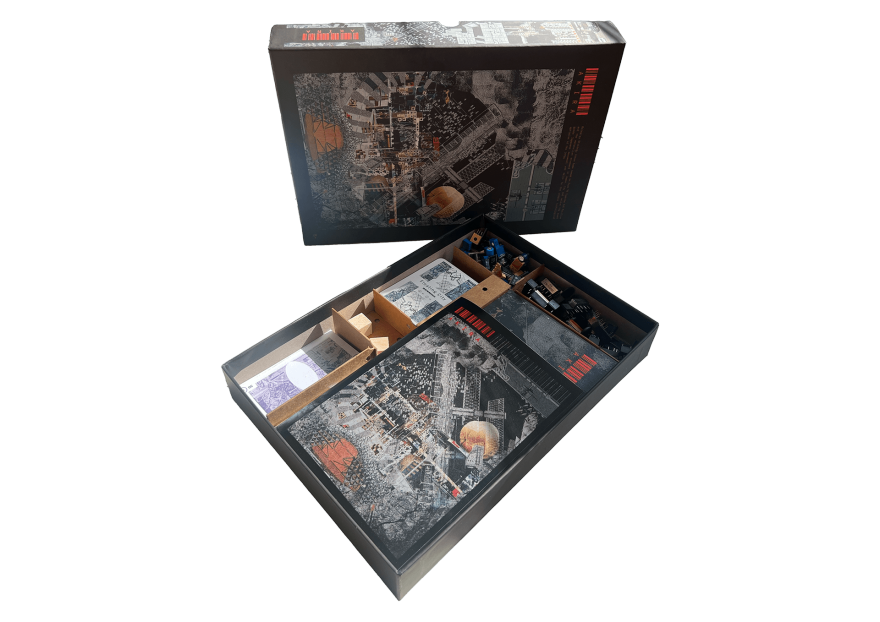
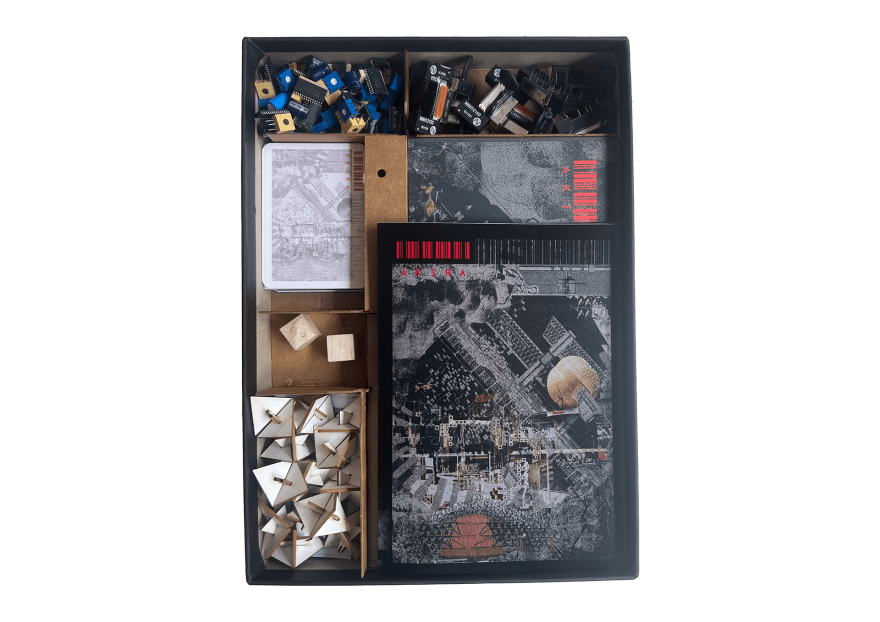
Box;Box Content
南京喵熊网络科技有限公司 苏ICP备18050492号-4知末 © 2018—2020 . All photos and trademark graphics are copyrighted by their owners.增值电信业务经营许可证(ICP)苏B2-20201444 苏公网安备 32011302321234号
苏公网安备 32011302321234号客服
消息
收藏
下载
最近