

创作上传
VIP
收藏下载
登录 | 注册有礼
查看完整案例

收藏

下载

分享

翻译
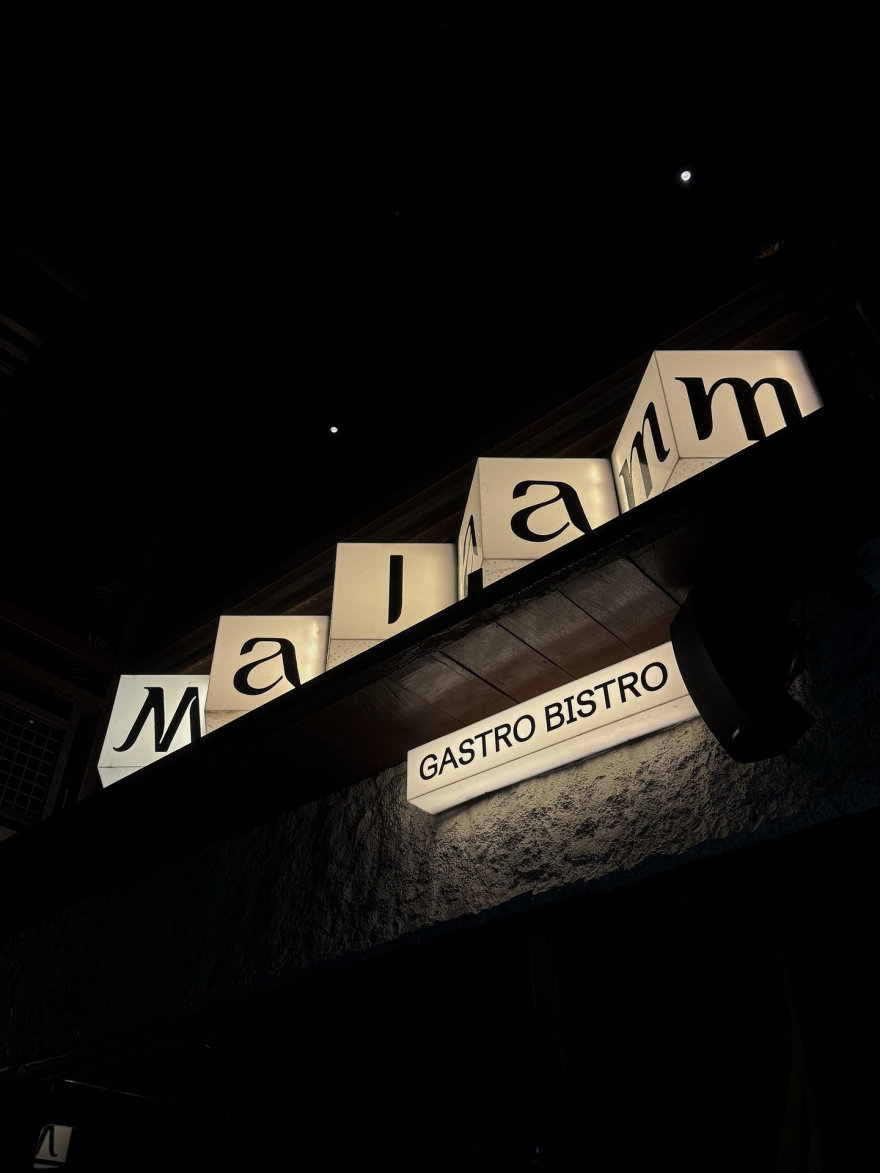
MALAM Gastro Bistro
Location: Ubud, Bali
Year: 2025
Total area: 155m², 68 seats
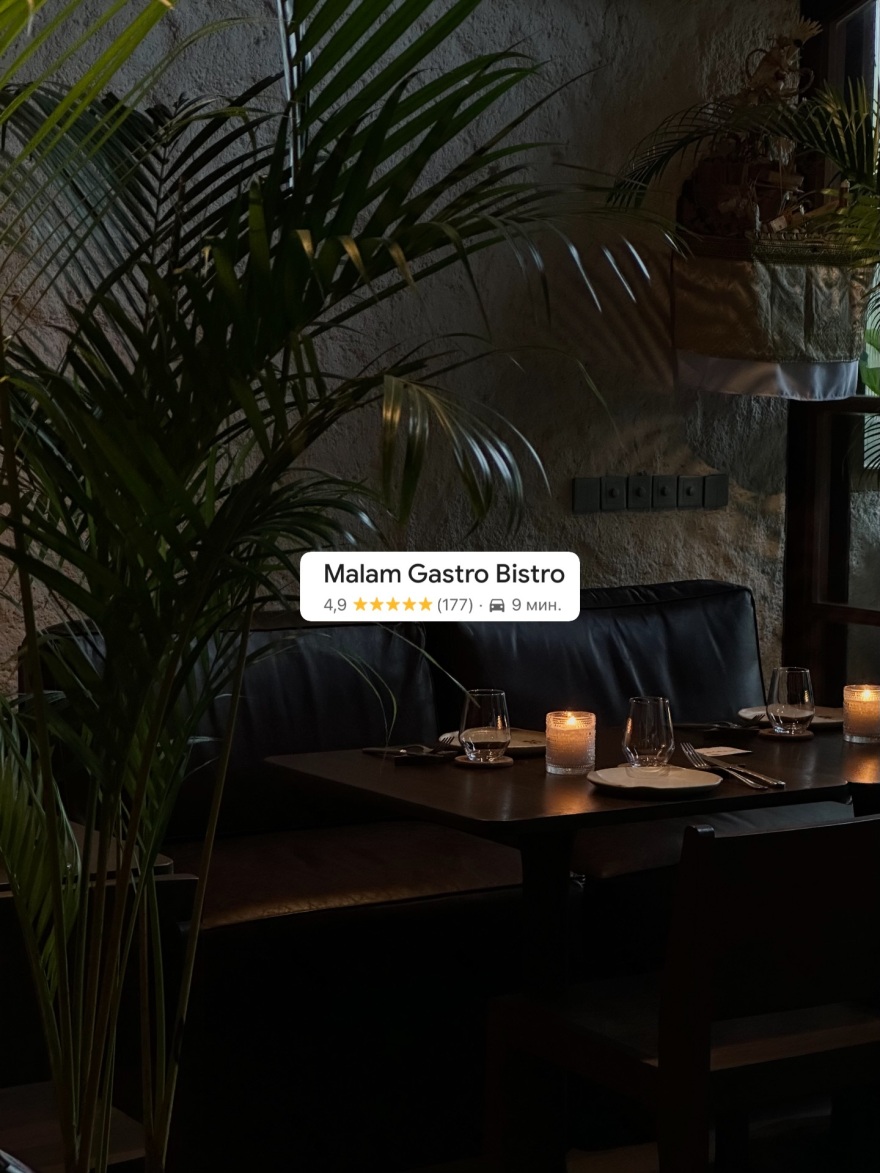
Malam means night in Bahasa Indonesia. Darkness as atmosphere, not absence.
The restaurant opens at 6pm and never pretends otherwise. Every material decision follows from that single question: how does this read after dark. The answer was always the same - go local, go raw, let the candlelight do the rest. Terracotta glows differently than plaster. Reclaimed steel holds shadow. Teak gets darker and heavier the less you do to it. Ubud at night already has the mood. The job was not to fight it.

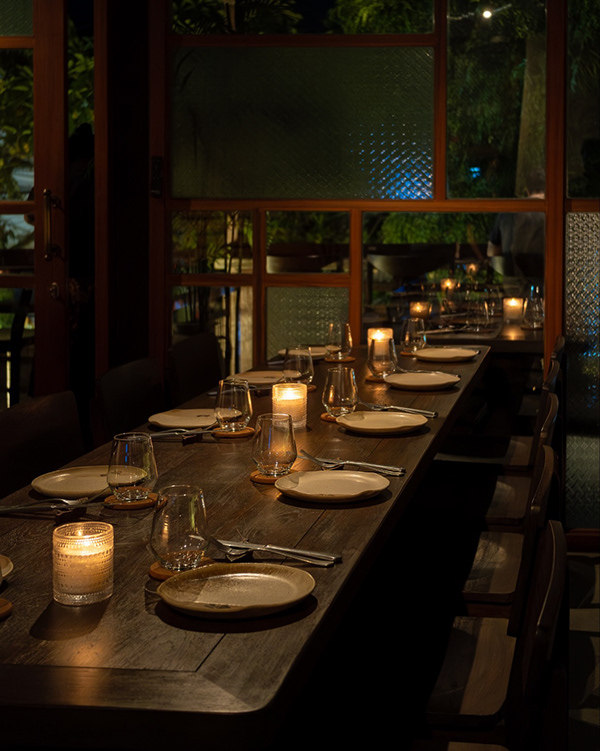

Local materials only.
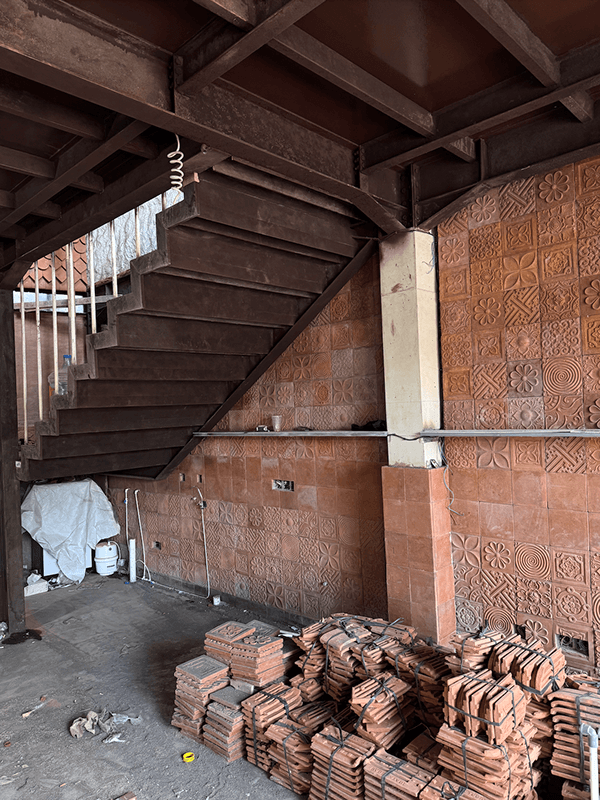
Corrugated steel pulled from a demolition site ($0) lines the ceiling and frames the open kitchen. Terracotta roof tiles at $0.11 a piece cover the staircase wall, backlit in amber. Carved terracotta behind the bar. Reclaimed ironwood on the stairs and kitchen counter. Recycled teak for every piece of furniture. Locally made patterned glass (kaca grafir) in the teak-framed partitions.
The cost logic is the design logic. Cheap sourcing, high visual return. That gap is where the design lives.
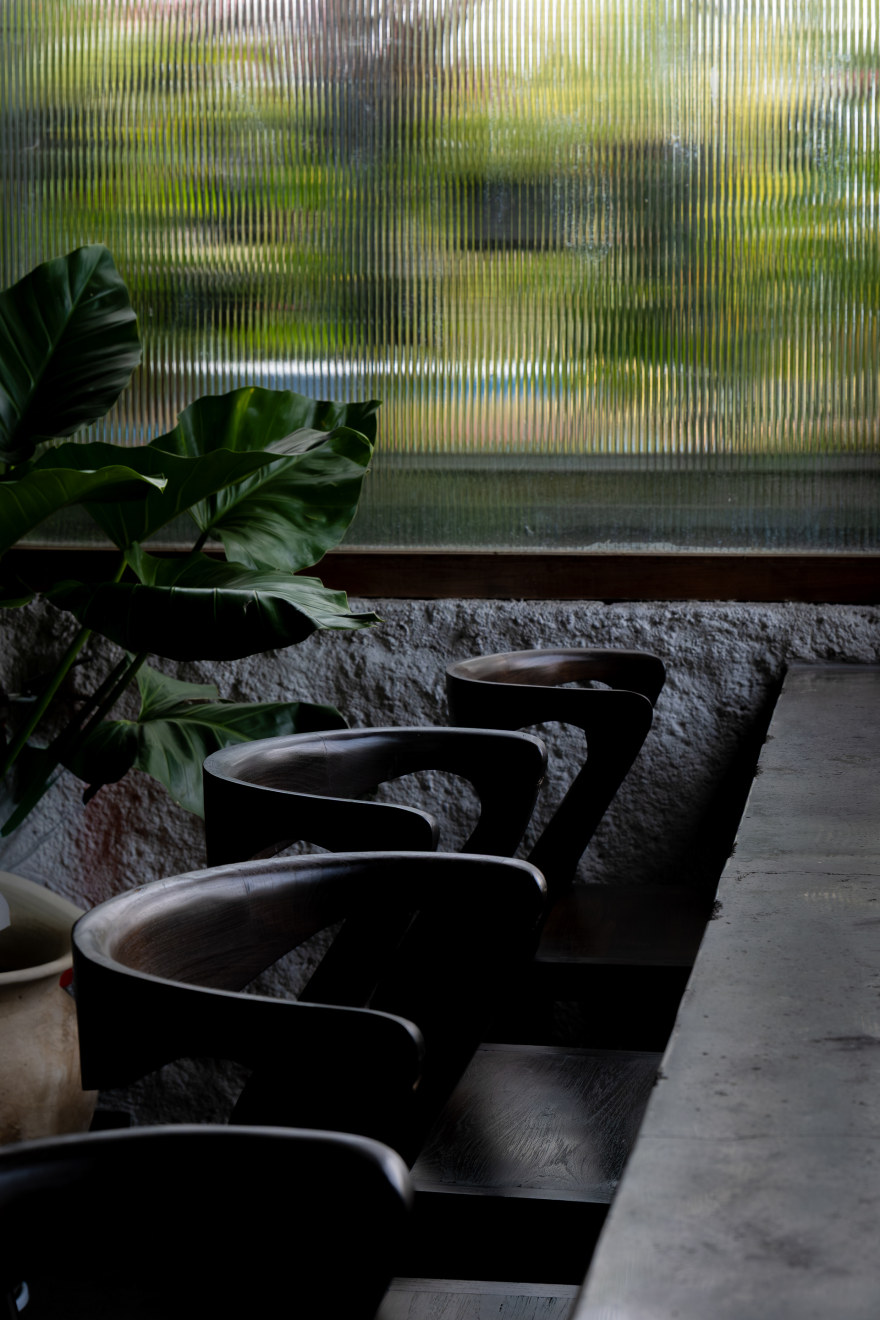
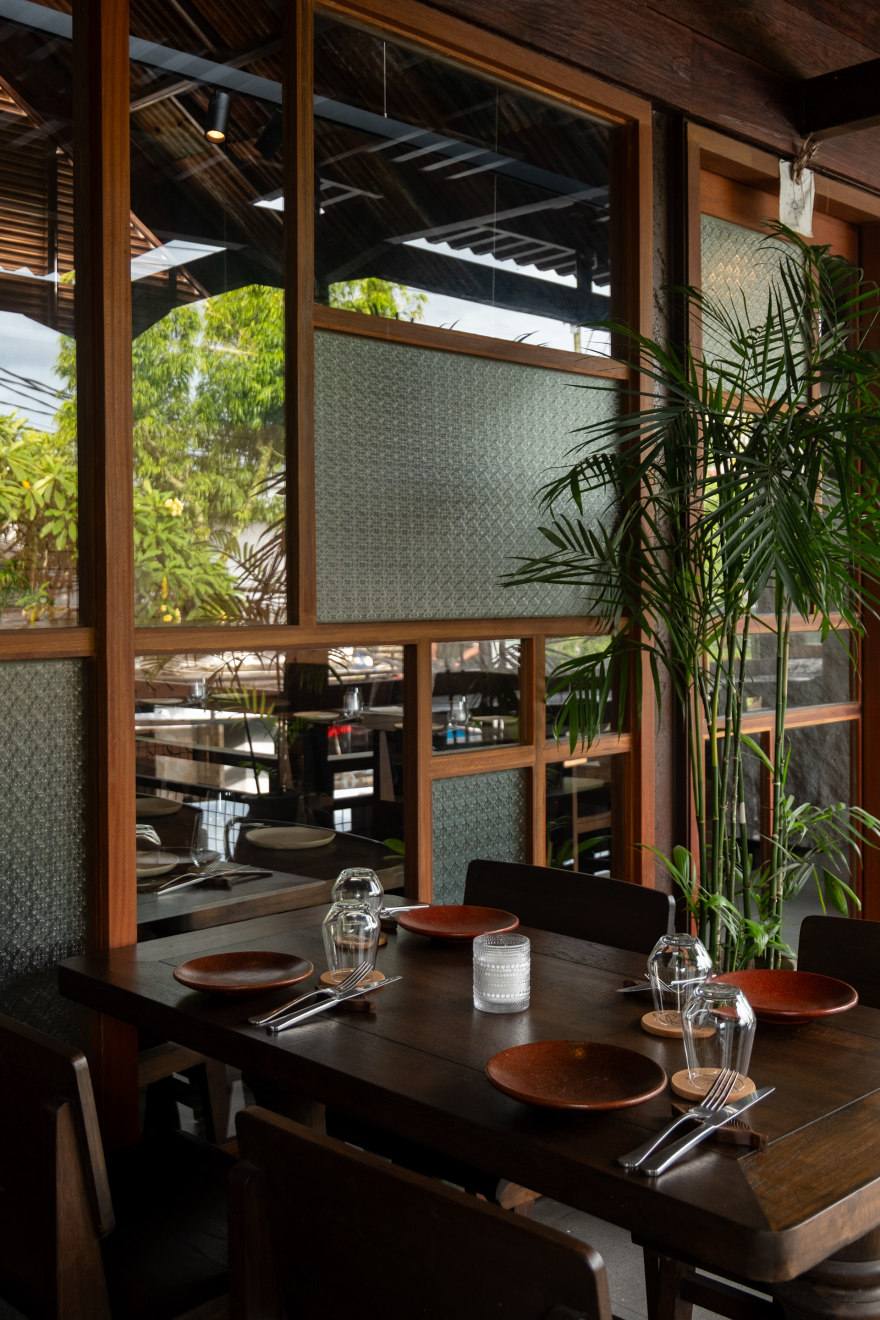
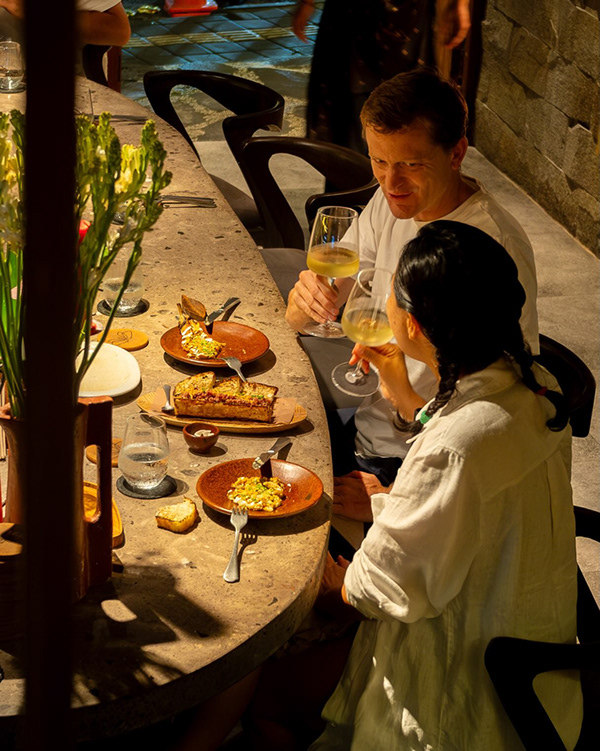

Malam is a project about what Bali already has. The island produces extraordinary craft materials - terracotta, ironwood, teak, tile - at prices that most markets would find hard to believe. The design challenge was not sourcing, but restraint: deciding which materials to let speak, and how to place them so the space reads as considered rather than collected.
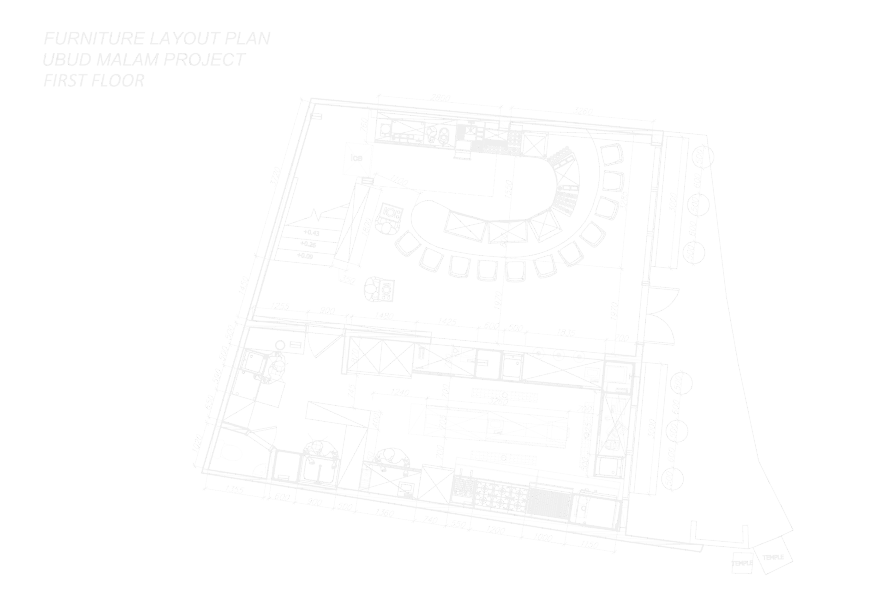
The bar was the hardest part. A circular bar in 70m2, with a full kitchen behind it, service stations, ice storage and a floor plan that needed to work at both 20 covers and 60. We spent a week on-site resolving it. That kind of work doesn't show in the photographs - but it determines whether a restaurant actually operates.
FLOOR PLANS
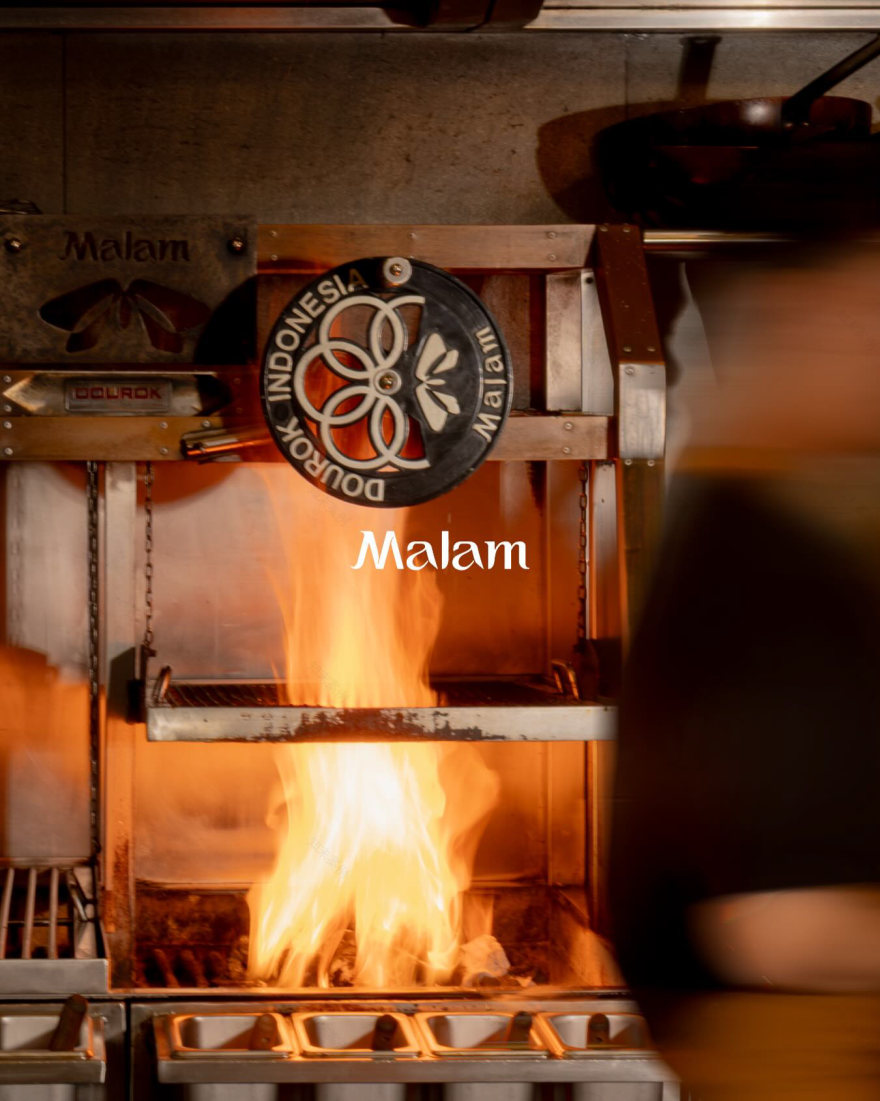
Ground floor centres on the circular bar with open kitchen directly behind it - fully visible, cleanly separated from guest circulation.
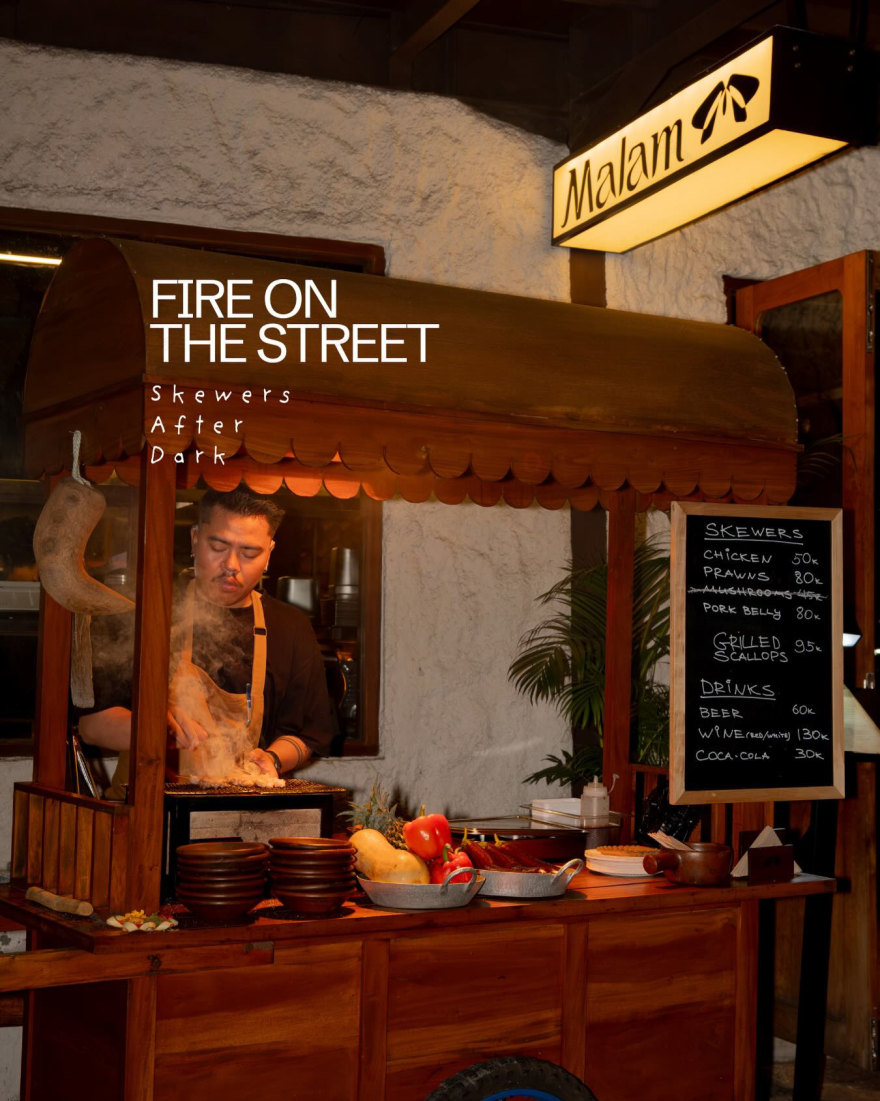
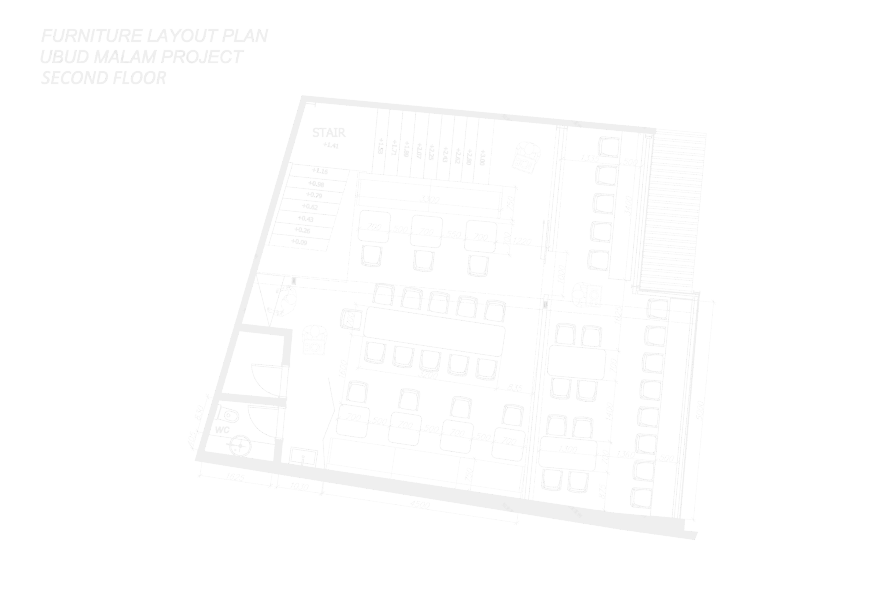
Street terrace with live skewer station at the entrance. Second floor is pure dining: communal table, four-tops, lounge seating. 68 seats total. FOH and BOH separated on both levels without crossing guest flow. The staircase connects the two floors through the terracotta tile wall - a circulation element that became the material centrepiece of the project.


The full project completion took three months. The space was an existing commercial fit-out, which compressed the timeline and made every material and furniture decision faster and sharper. There was no room for indecision. That constraint is visible in the result.
Spaces that earn their keep.



南京喵熊网络科技有限公司 苏ICP备18050492号-4知末 © 2018—2020 . All photos and trademark graphics are copyrighted by their owners.增值电信业务经营许可证(ICP)苏B2-20201444 苏公网安备 32011302321234号
苏公网安备 32011302321234号客服
消息
收藏
下载
最近