

创作上传
VIP
收藏下载
登录 | 注册有礼
查看完整案例

收藏

下载

分享

翻译
Architects:Casanova + Hernandez Architects
Area:21400m²
Year:2026
Photographs:MIR
Lead Architects:Jesus Hernandez Mayor, Helena Casanova
Category:Museum,Renovation
Local Architects:iRI
City:Tiranë
Country:Albania
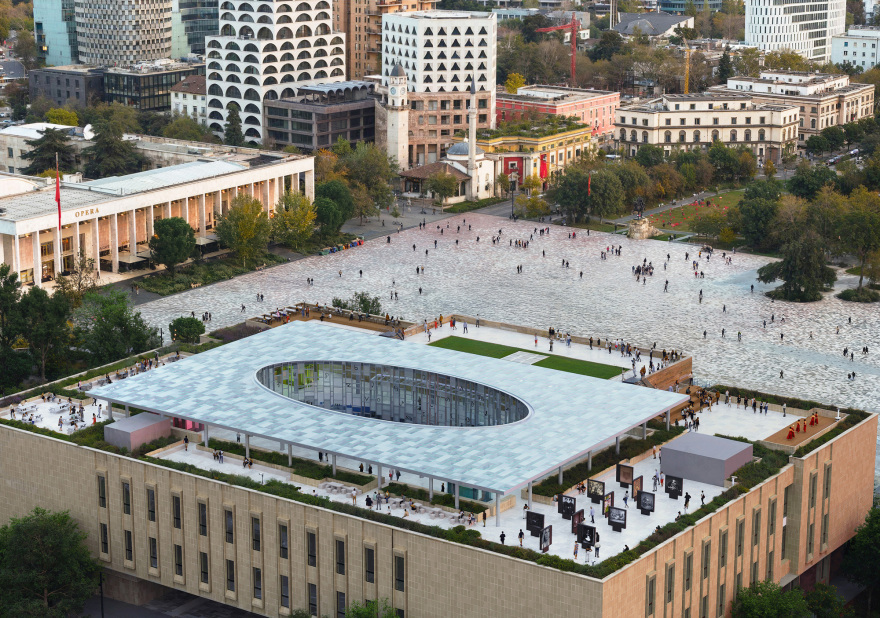
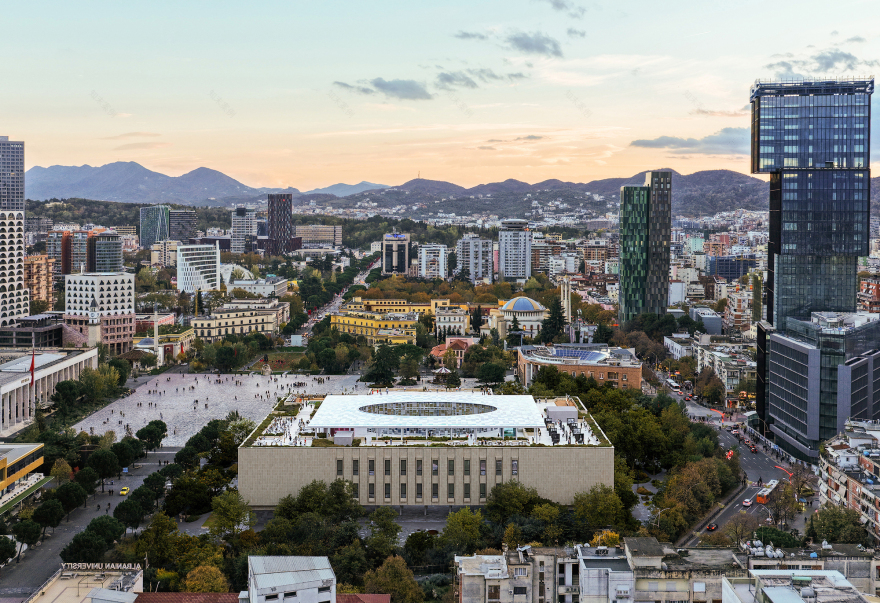
THE TRANSFORMATIVE ROLE OF ARCHITECTURE: FROM IDEOLOGICAL INSTRUMENT TO PLATFORM FOR CRITICAL ENGAGEMENT — Tirana is rapidly transforming, reflecting Albania's shift from decades of communist isolation toward a modern Mediterranean destination. The proliferation of towers designed by international architects makes this shift highly visible. However, a more subtle yet equally significant transformation is taking place within the city's cultural infrastructure.
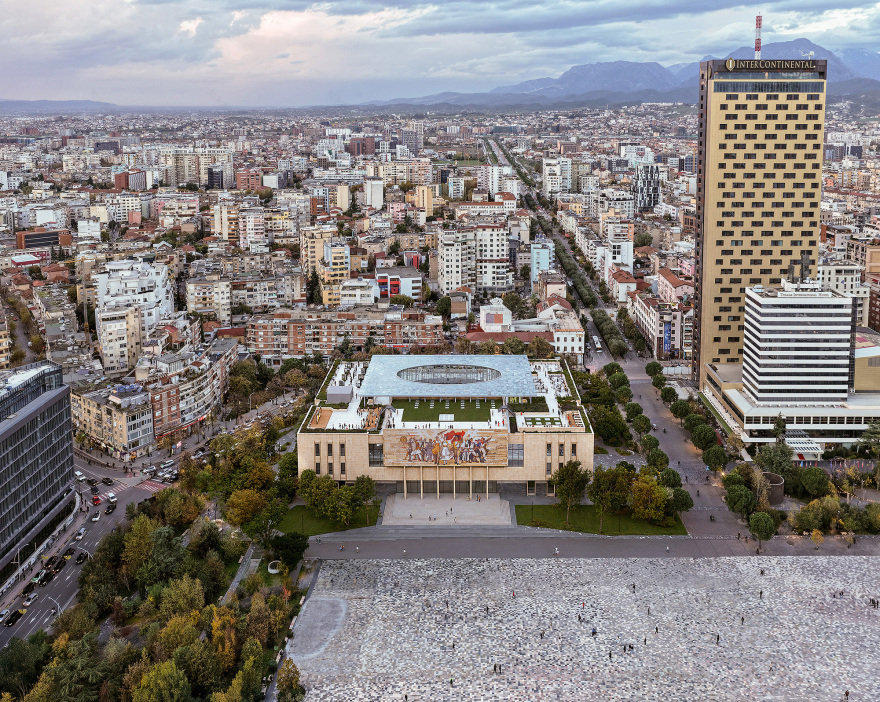
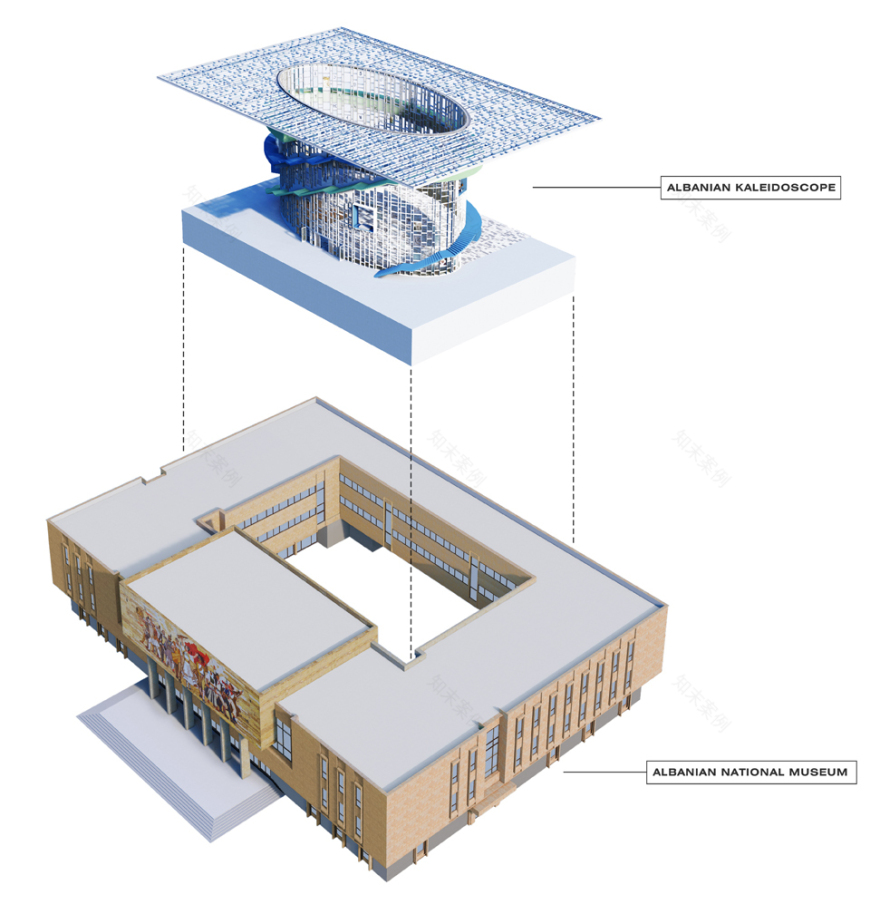
The National Historical Museum building is an example of this transformation. Built in the 1980s, it originally presented a linear, state-controlled narrative from prehistory to the Antifascist War. Its architecture guided visitors passively through a fixed sequence. Post-communist updates of the museum did not fundamentally alter this structure.
Forty years later and beyond the consolidation and restoration following the November 2019 earthquake, the project redefines its role to reflect contemporary society through plural, inclusive, and critically engaging narratives aligned with modern museology.
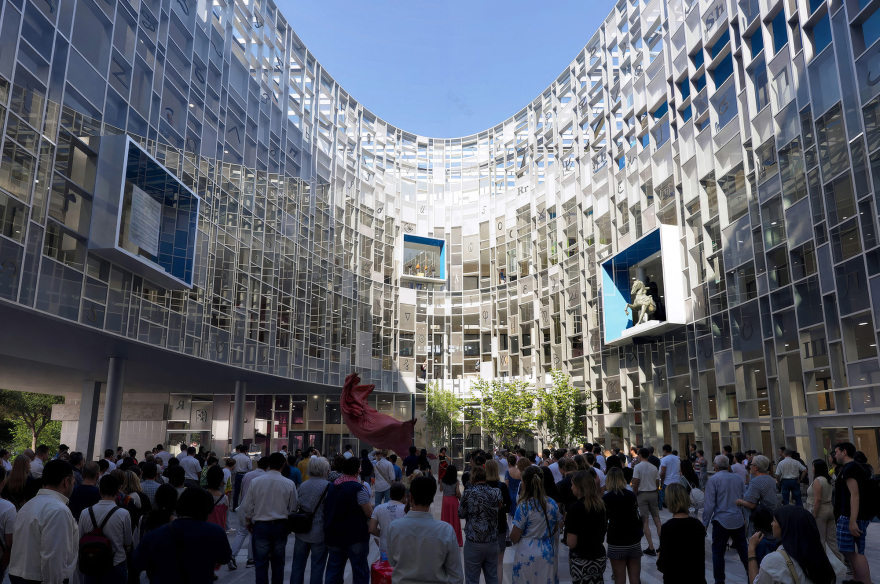
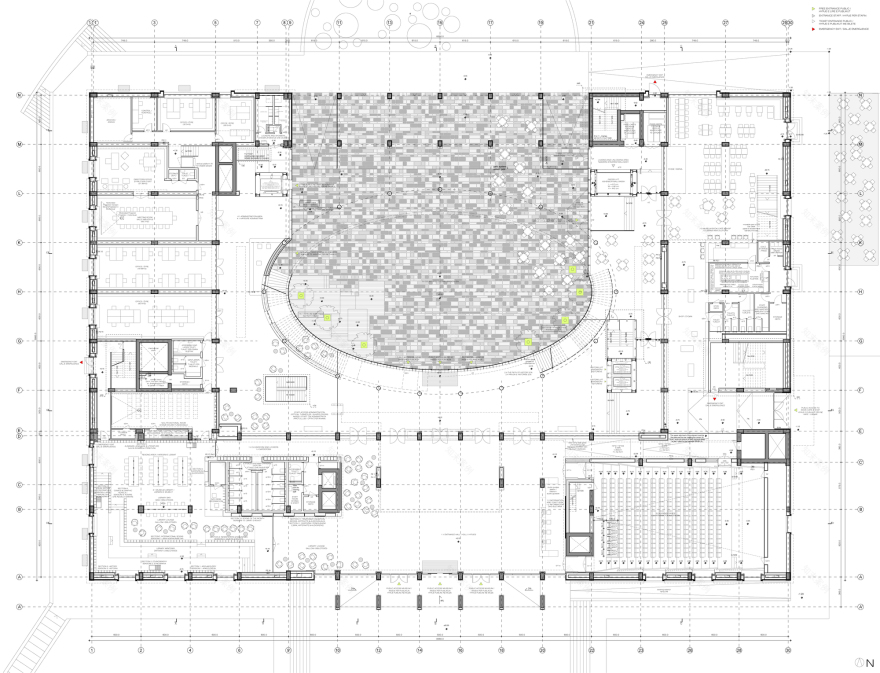
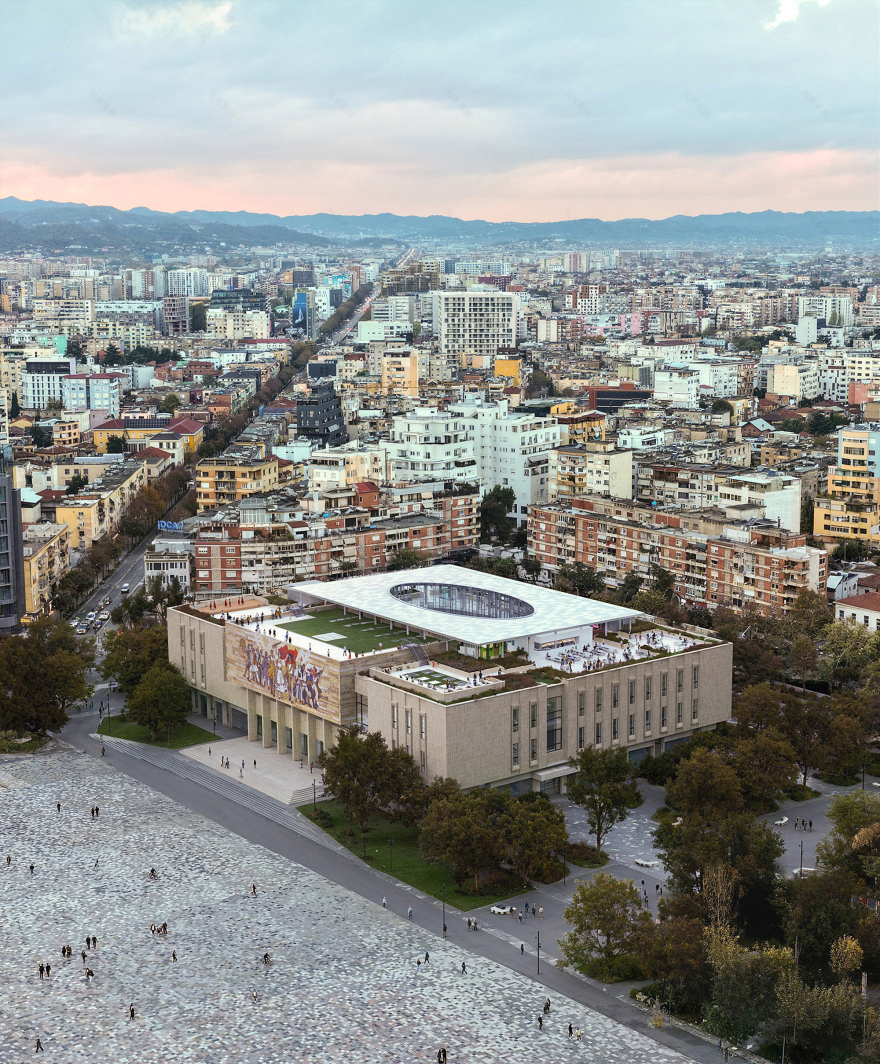
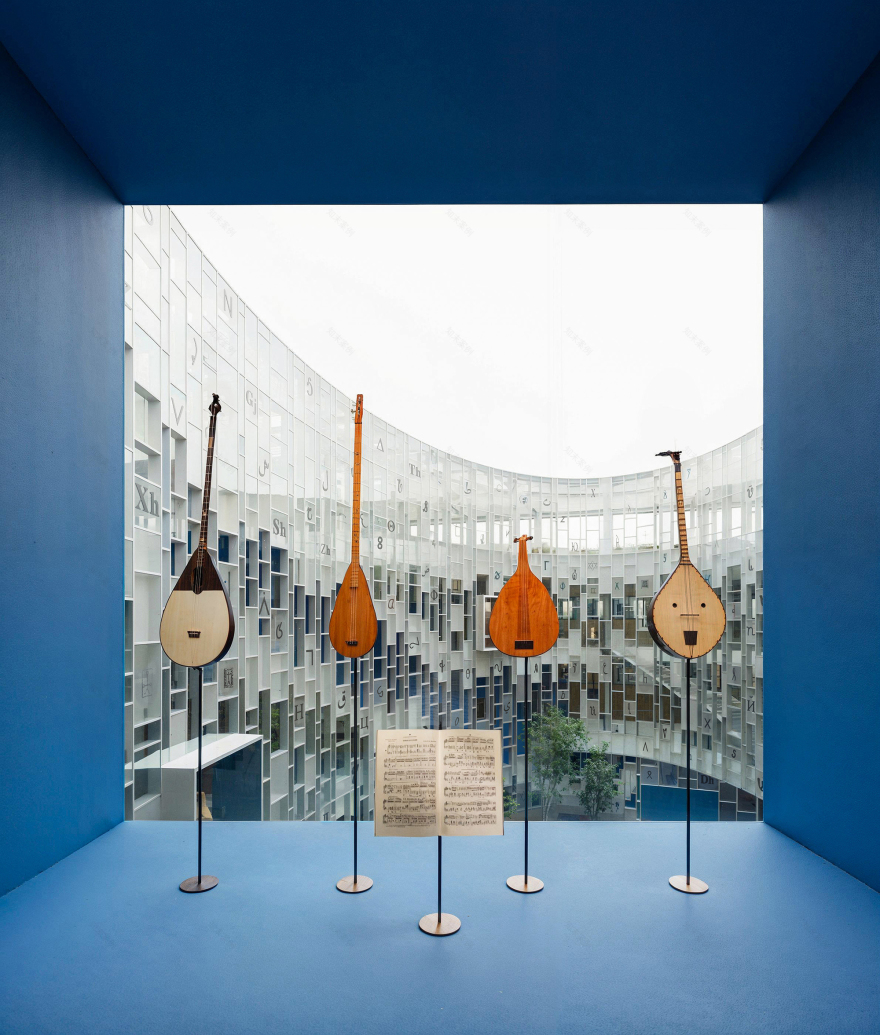
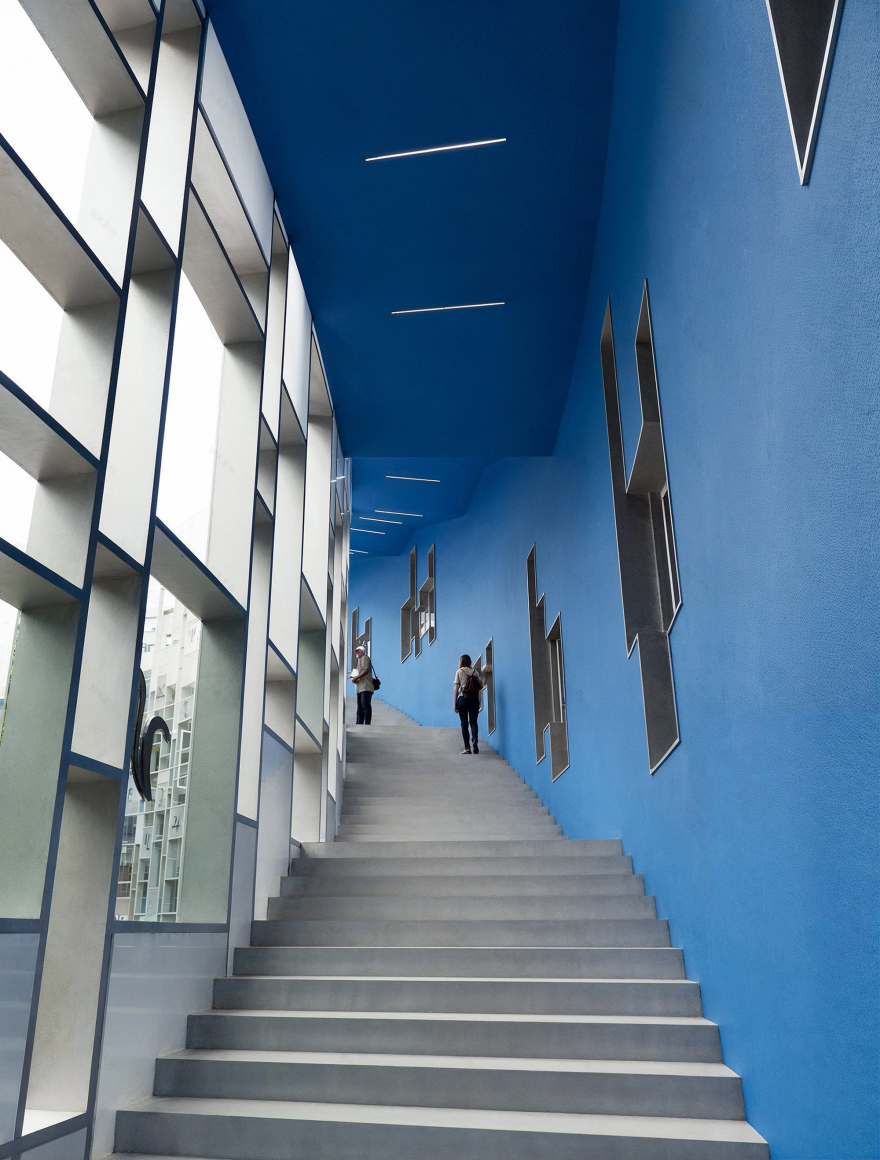
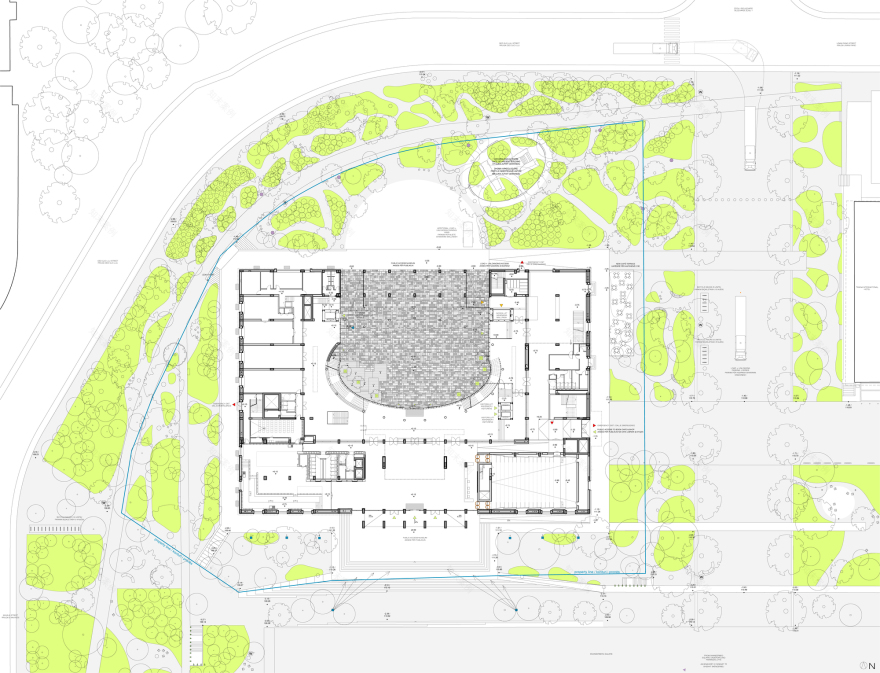
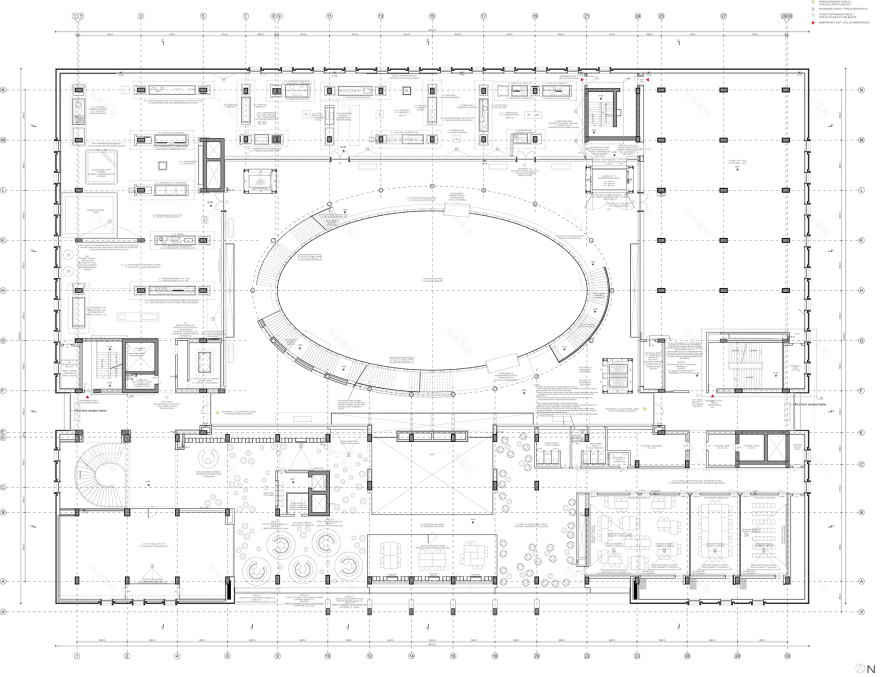
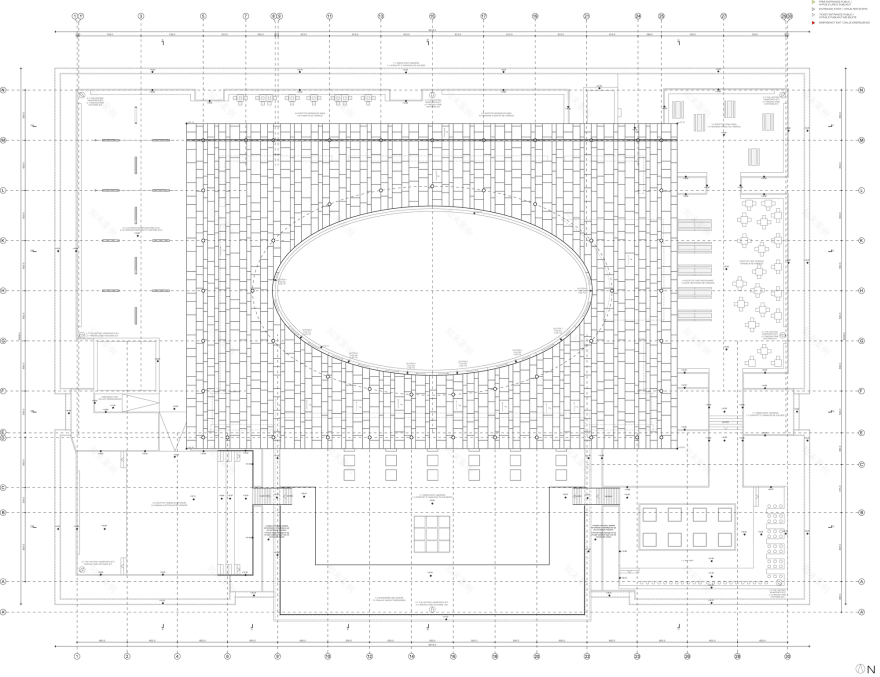
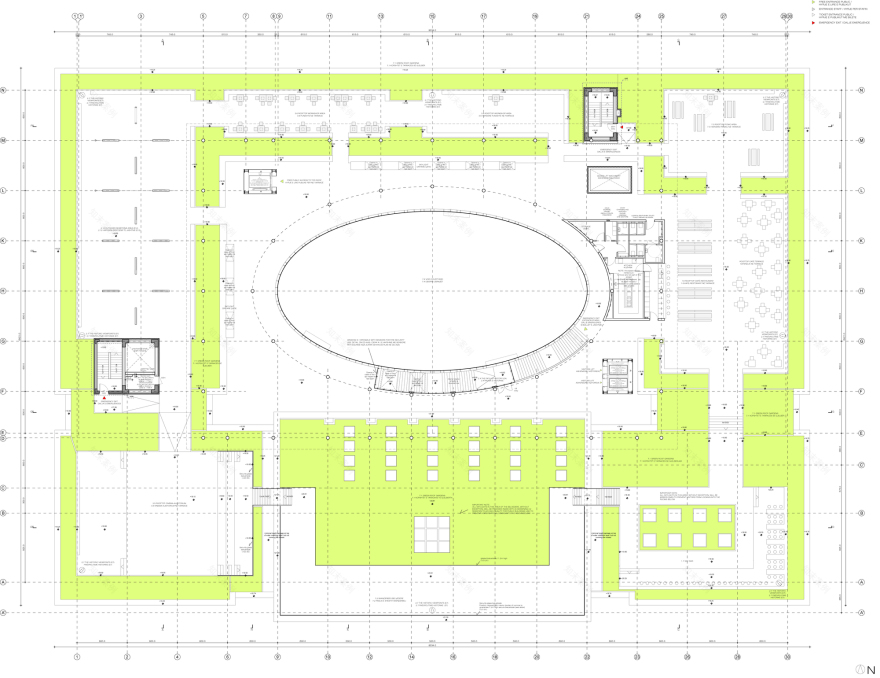
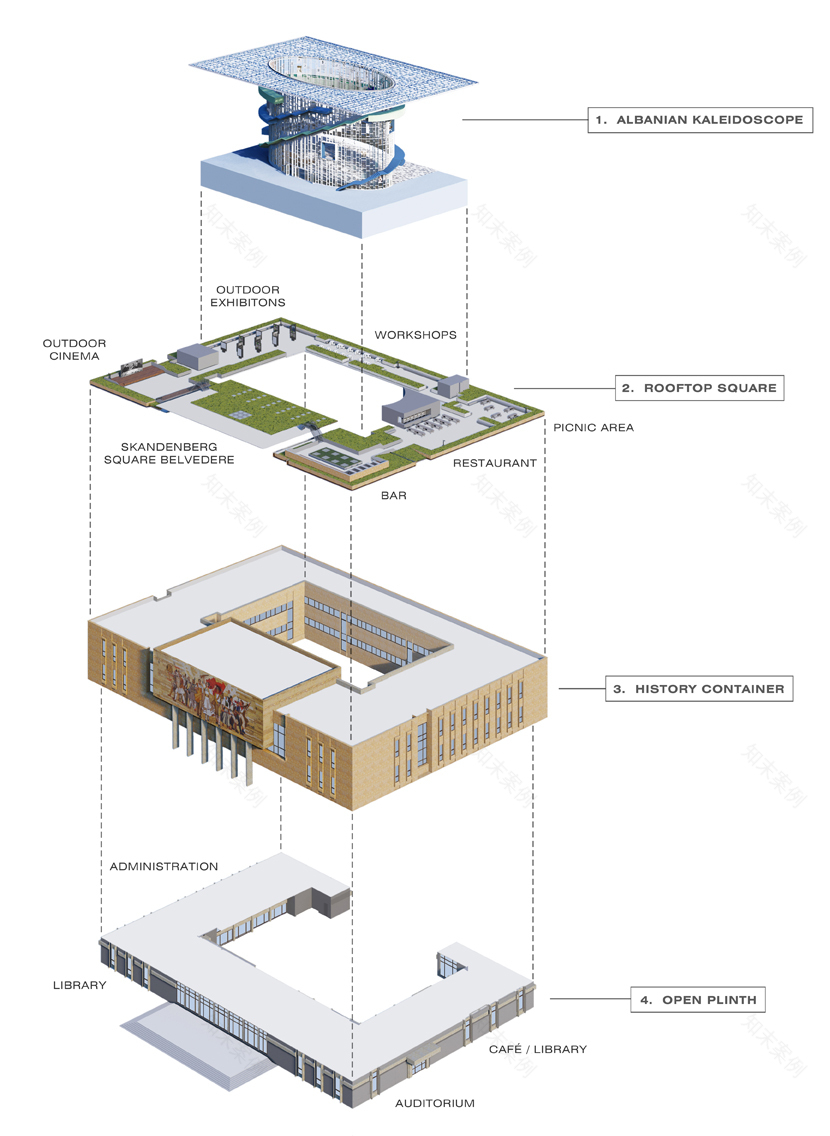
ALBANIAN KALEIDOSCOPE: PLUG-IN TRANSFORMATIVE INTERVENTION — The project is conceptualized as a plug-in architectural-museological intervention, "The Albanian Kaleidoscope." It is primarily executed through an independent architectural insertion within the courtyard, which respects the existing building while stimulating a comprehensive regeneration of the museum's circulation, functionality and symbolic values through four elements:
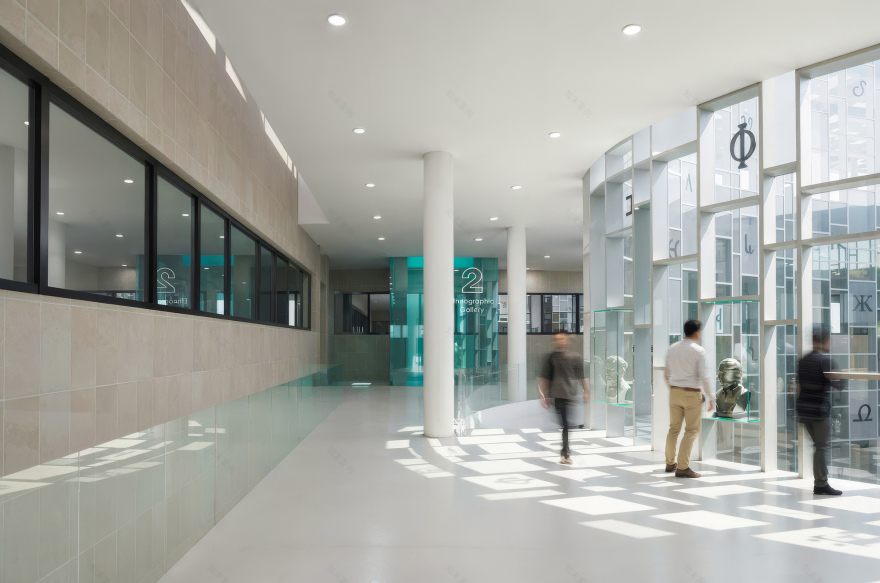
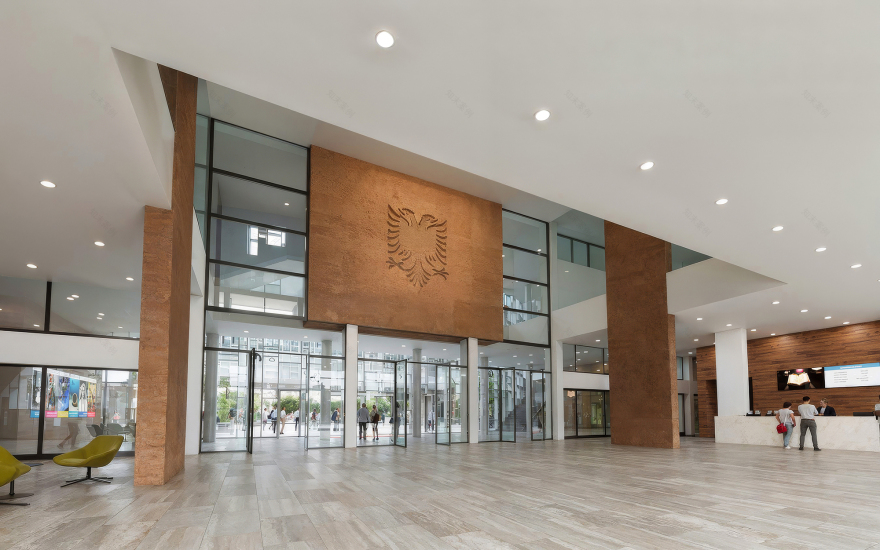
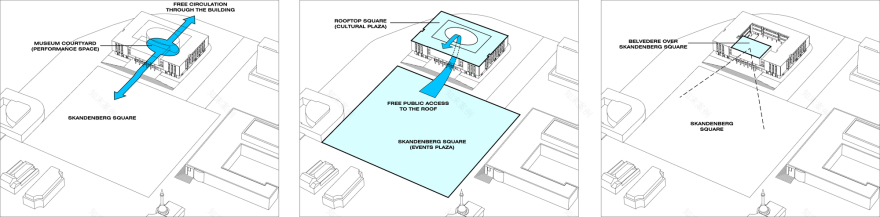
OPEN PLINTH: A FREE-TICKET INTERFACE BETWEEN MUSEUM AND CITY — The ground floor, originally designed as a massive plinth supporting the exhibition volume above, is opened to provide greater transparency and accessibility. It contains a bookstore-café, library, and event spaces, and connects with multipurpose and educational areas above. This space allows access to the new Events Courtyard, an intimate public venue for concerts, workshops, and exhibitions.
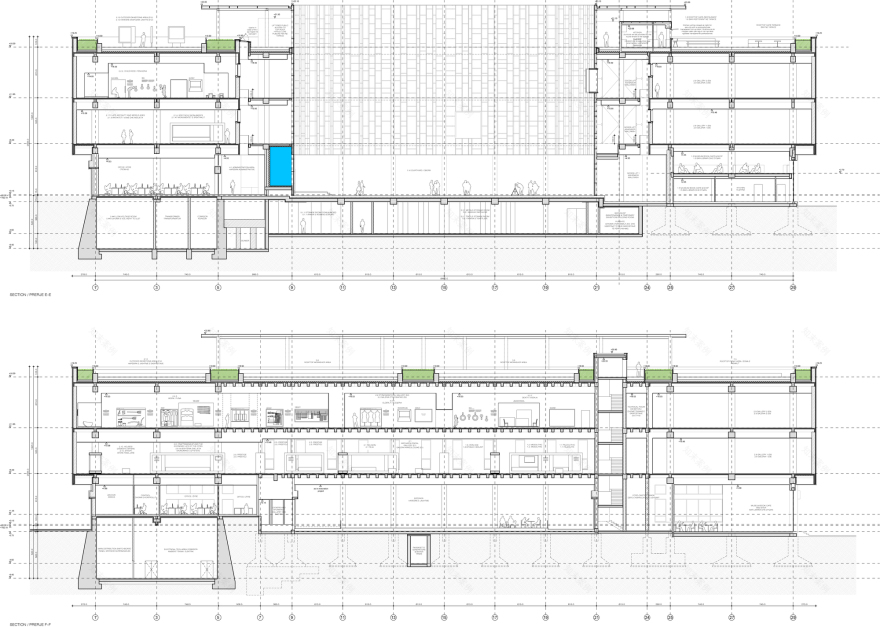
ROOFTOP SQUARE: A PUBLIC SPACE FOR MEETING AND CULTURE — The roof is transformed into a public cultural space hosting events, exhibitions, and dining with panoramic views. Organized as flexible "rooms," it is accessible via the Roof Path and internal circulation. A canopy provides climatic comfort, creating a year-round elevated green oasis.
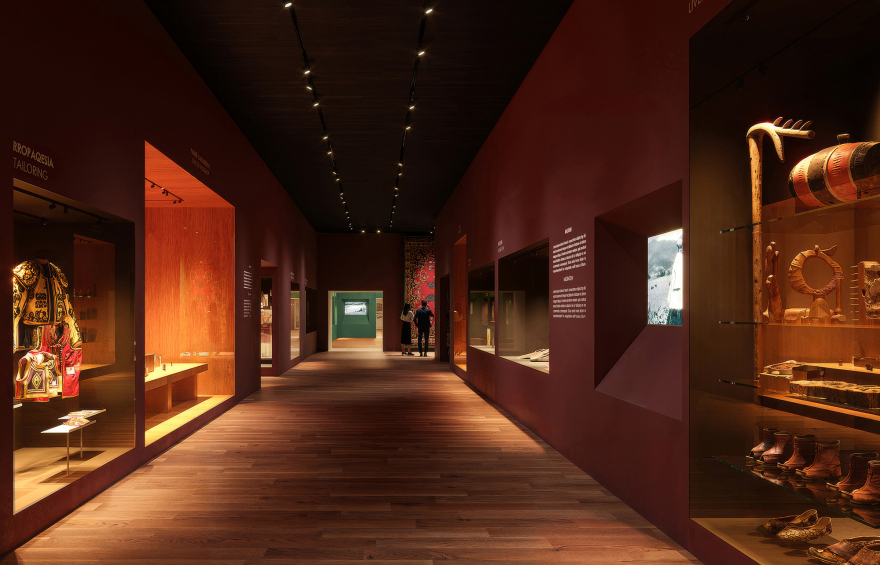
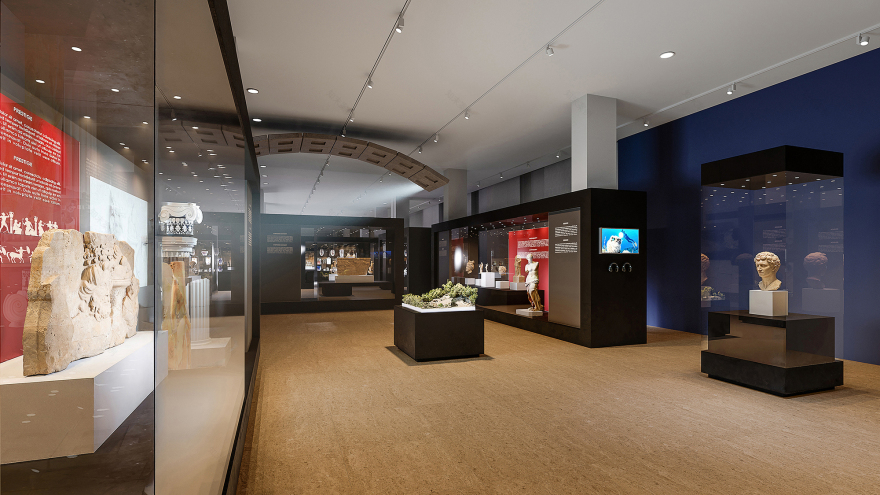
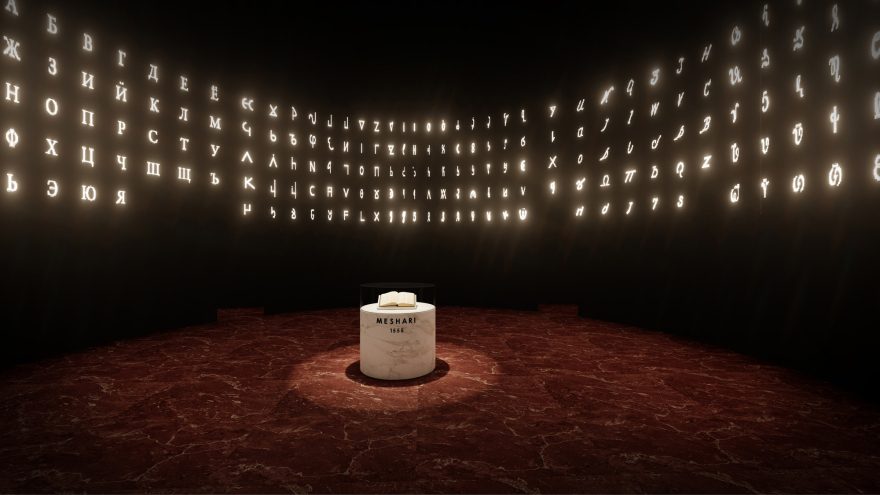
HISTORY CONTAINER: A FLEXIBLE SPACE FOR EVOLVING NARRATIVES — The exhibition volume is reconfigured into adaptable galleries accessible via the new circulation system, enabling exhibition rotation without disruption. The museum evolves into a dynamic institution through four strategies:

Project gallery
南京喵熊网络科技有限公司 苏ICP备18050492号-4知末 © 2018—2020 . All photos and trademark graphics are copyrighted by their owners.增值电信业务经营许可证(ICP)苏B2-20201444 苏公网安备 32011302321234号
苏公网安备 32011302321234号客服
消息
收藏
下载
最近