

创作上传
VIP
收藏下载
登录 | 注册有礼
查看完整案例

收藏

下载

分享

翻译
Architects:Atelier RITA,Francois Brugel Architectes Associes
Area:10600m²
Year:2025
Photographs:Jared Chulski,Francois Brugel Architectes Associes
Category:Residential Architecture,Social Housing
Project Managers:Adrien Fau, Anaïs Chaumier, Anaïs Blanchard
Project Owner:ADOMA
General Contractor :GTM
City:Paris
Country:France
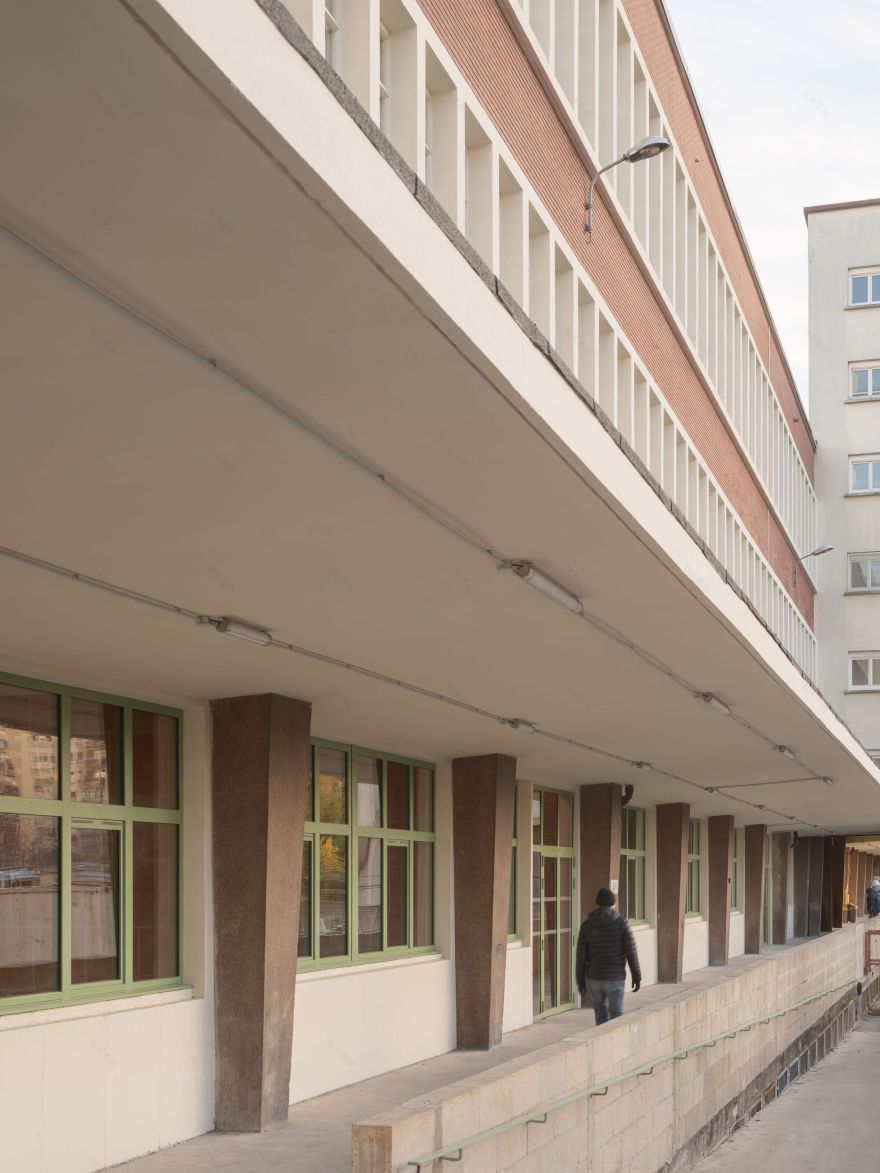
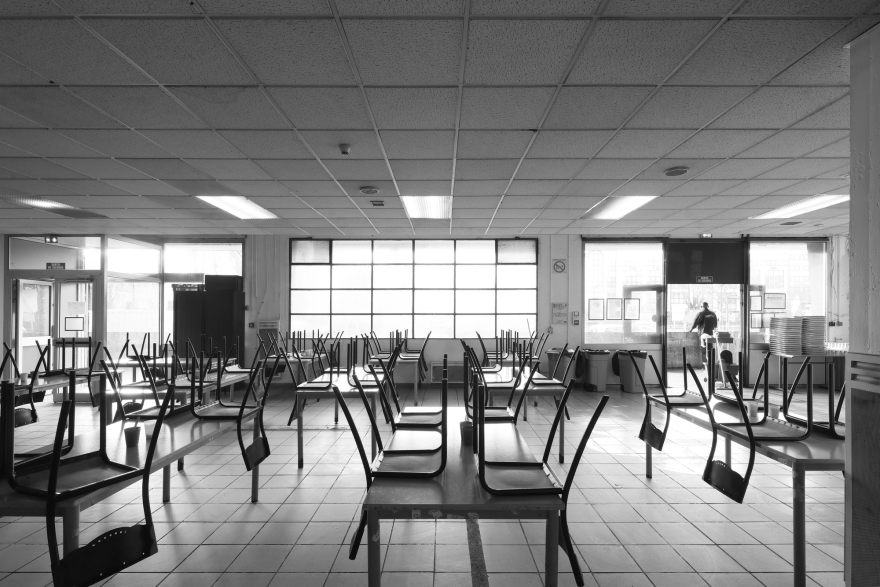
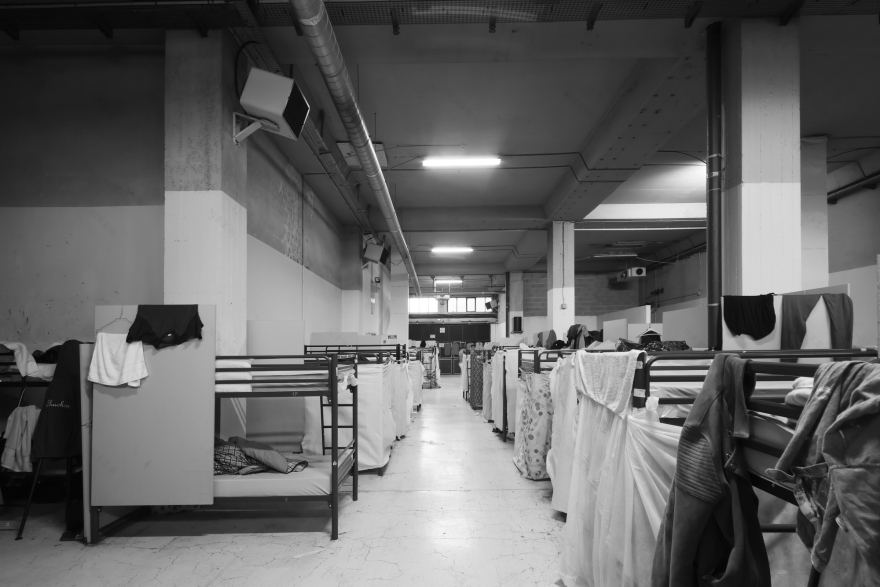
Text description provided by the architects. Its 400 bunk beds, lined up side by side, had served as the setting for the film *La vie de Souleymane* (2024), which depicts 48 hours in the life of a young Guinean asylum seeker (Abou Sangaré) who, every day, must earn his place to sleep in an Emergency Accommodation Centre… Since it was converted into an emergency accommodation centre as part of the 'Grand Froid' plan for the winter of 2004, the former military bakery on Boulevard Ney had offered conditions that were more than Spartan to people in need.
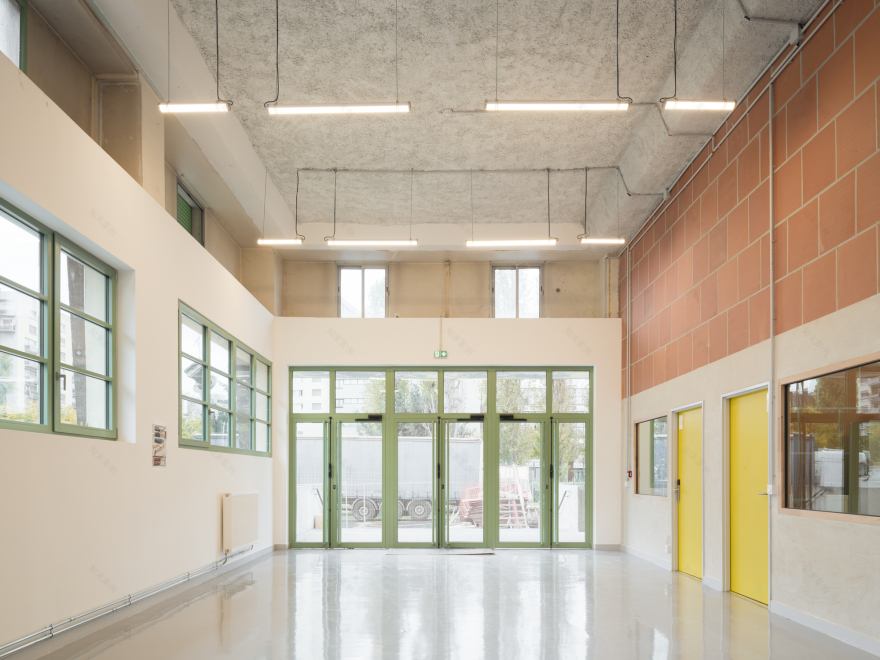
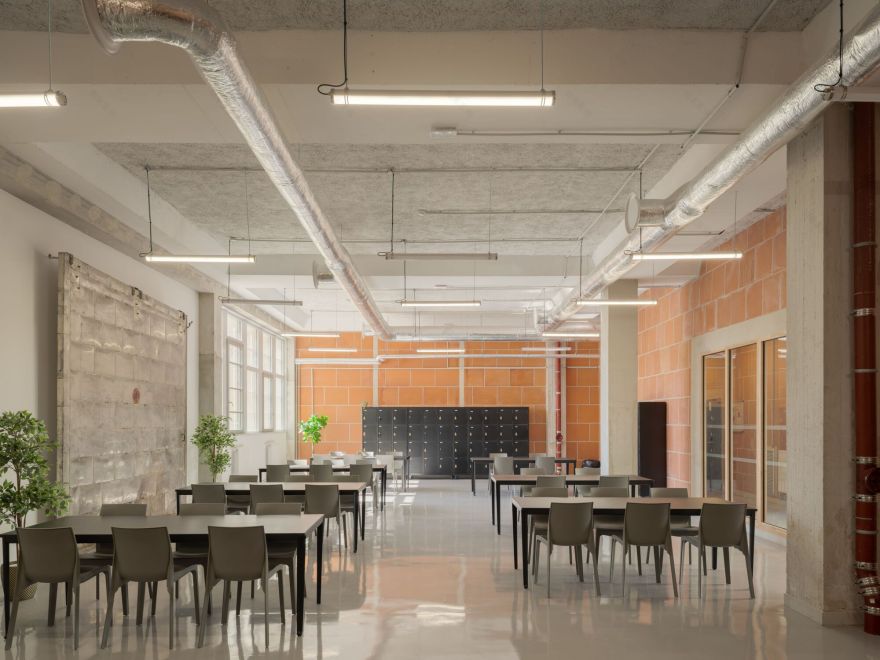
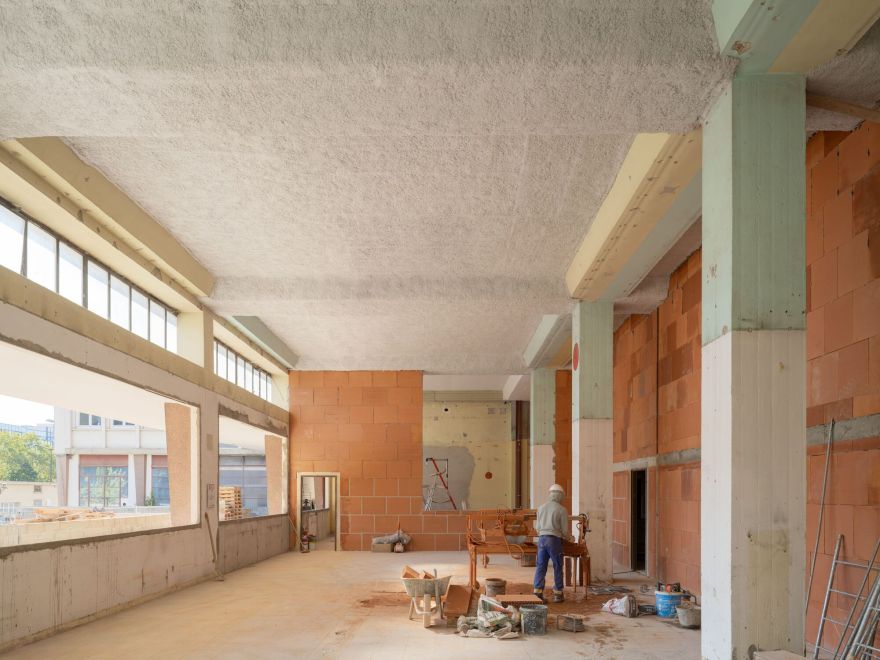
Nearly 20 years after it opened, to cope with 350,000 people without a fixed abode in France today, in more dignified and secure conditions, its manager, Adoma, has decided to convert its two floors into shared rooms and to create communal spaces on the ground floor. This project, entrusted to François Brugel (Silver T-Square Award) and Rita (First Work Award), is now complete.
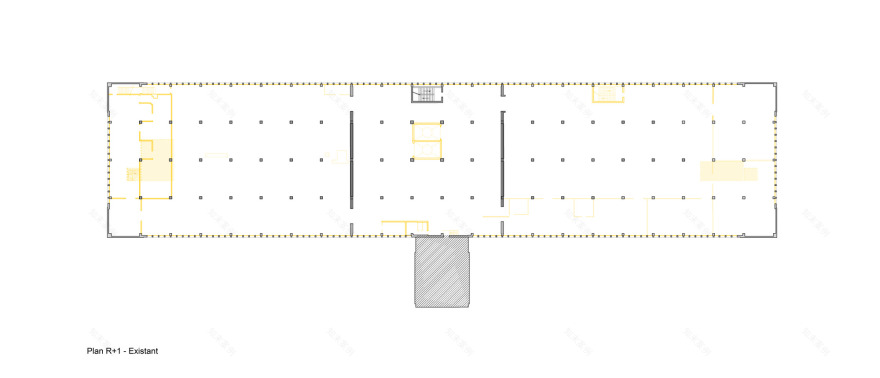
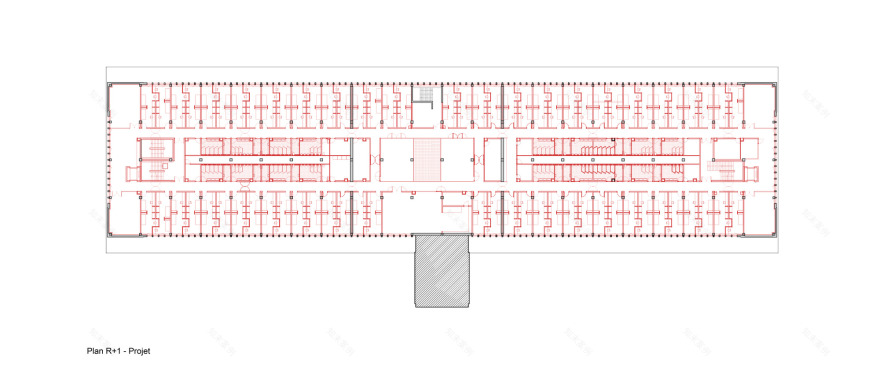
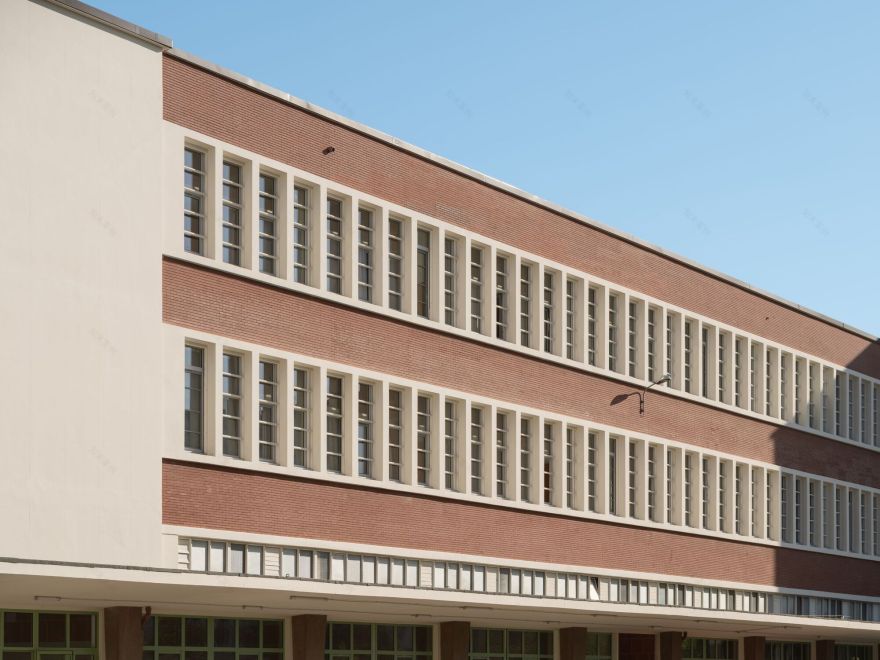
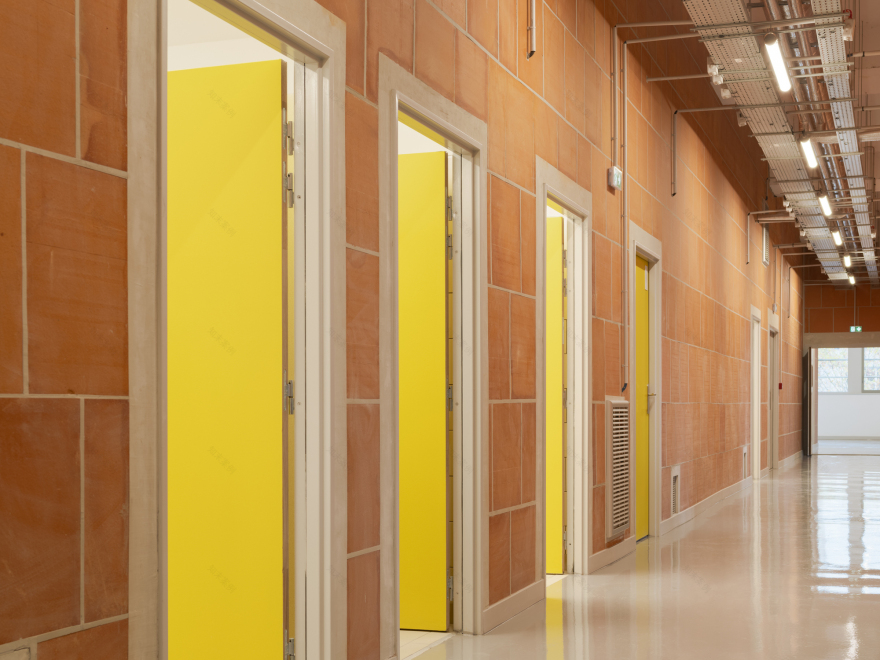
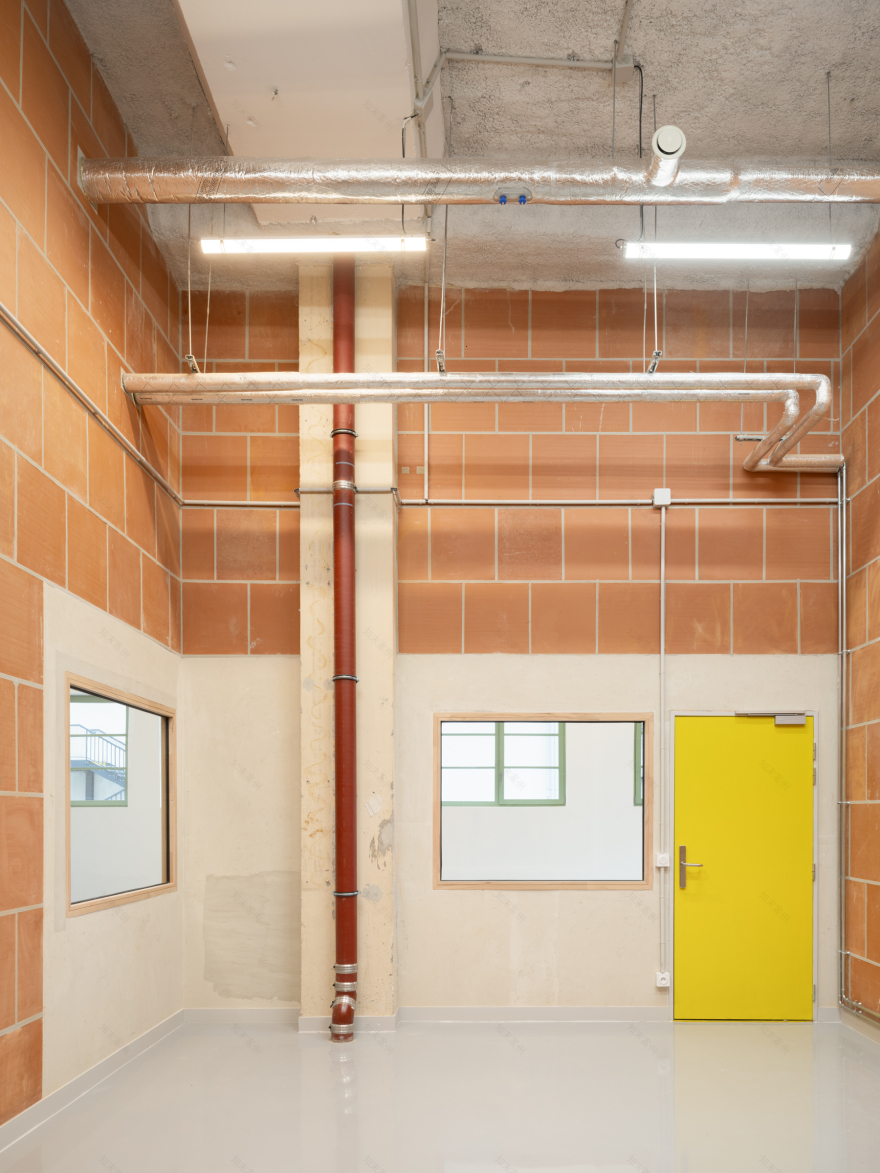
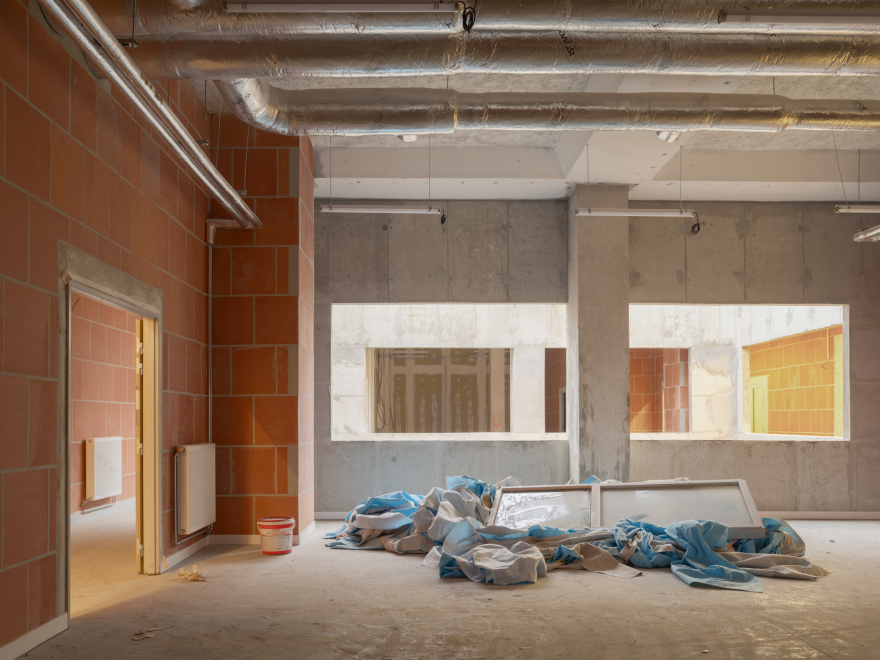
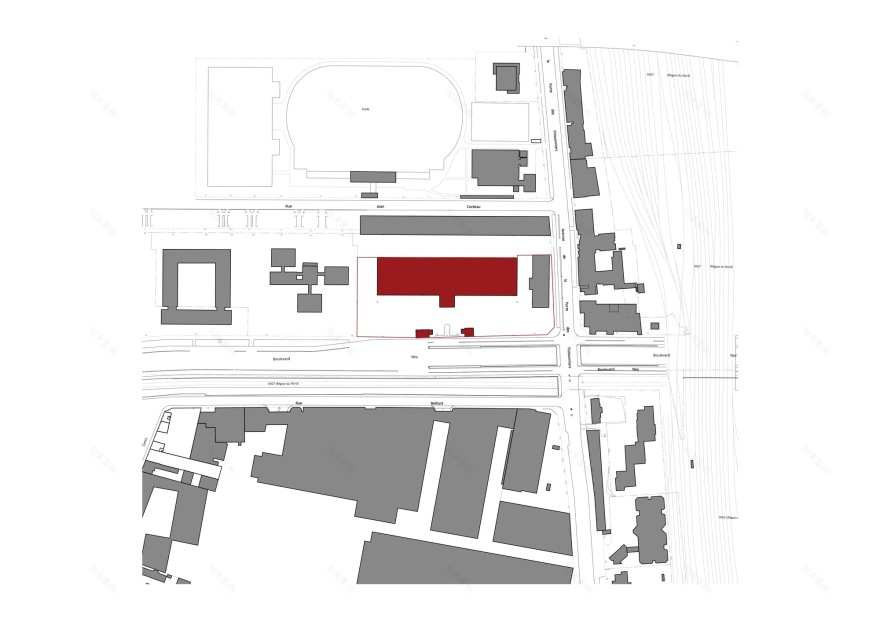
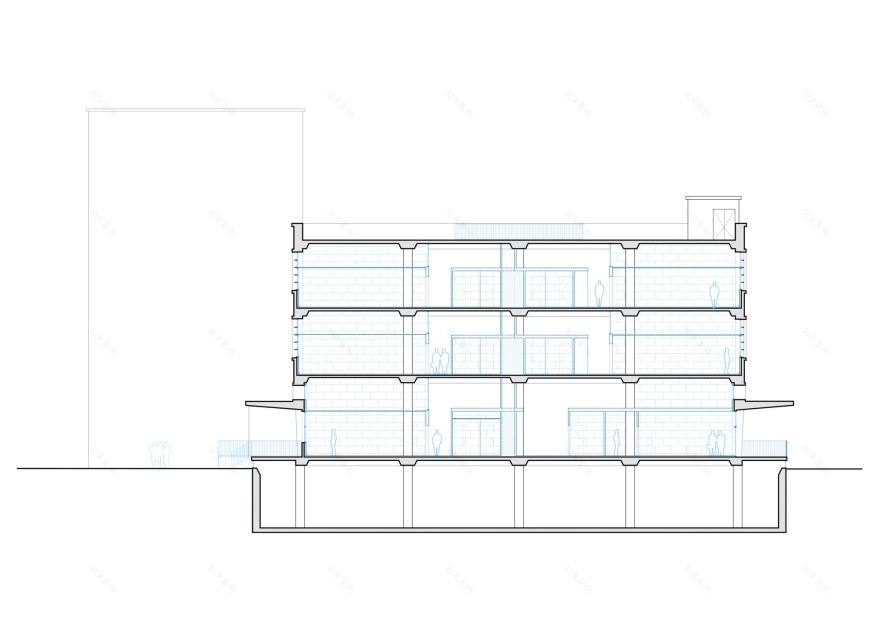
130 m long, 30 m wide, 5 m high: from logistics to accommodation - Converted into a residential centre, the former Gley barracks had retained its original architectural features: measuring 130 m long by 30 m wide and 5 m high, supported by a post-and-beam framework of uninviting proportions, where dormitories were haphazardly arranged on the ground floor. Carried out whilst the site remained occupied, the conversion involves creating 172 new accommodation rooms within the structure's cells. For economic, ecological, and aesthetic reasons, a single partitioning material is used: terracotta brick. This means that the layouts established today can be easily modified tomorrow.
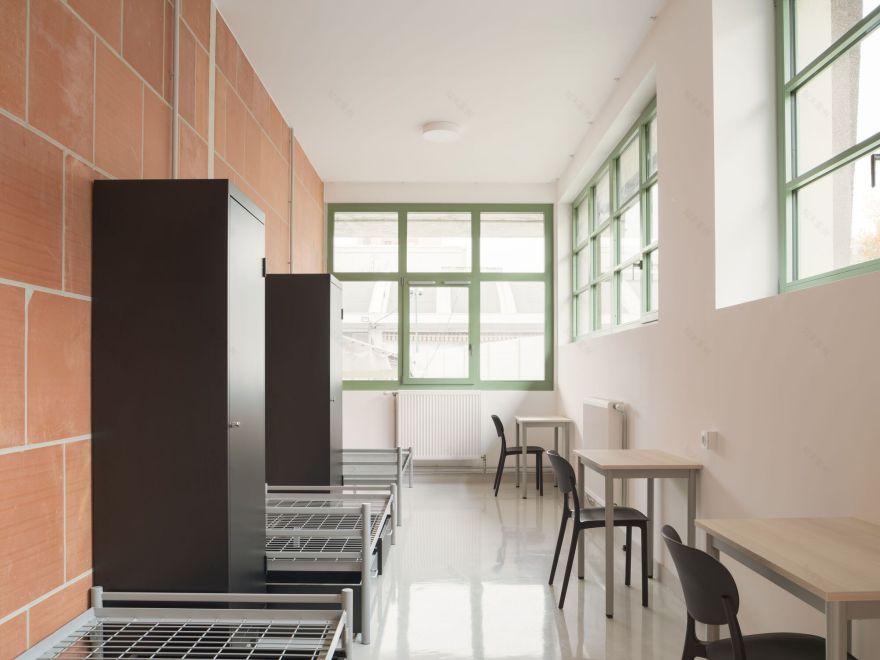
Negotiating the details, preserving the essential: dignity - Faced with exceptionally high ceilings and a lack of insulation, the architects chose to heat only the bedrooms, relying also on the thermal comfort provided by the thermal mass of the brick, which retains heat in winter and cools in summer. New double-glazed windows filter noise and heat in rooms shared by two or three residents. The beds, desks, and storage units create within these spaces as many thresholds of privacy as there are residents.
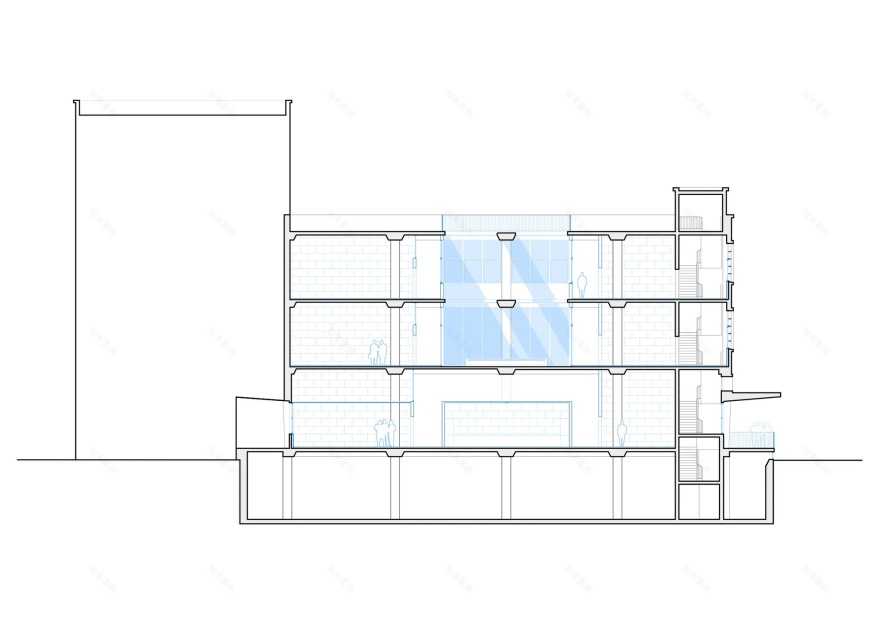
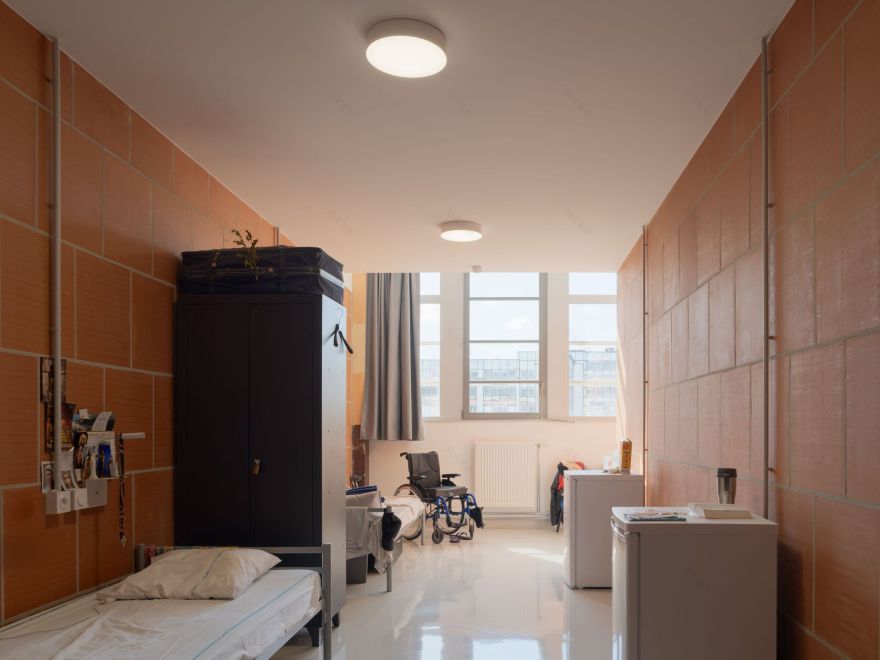
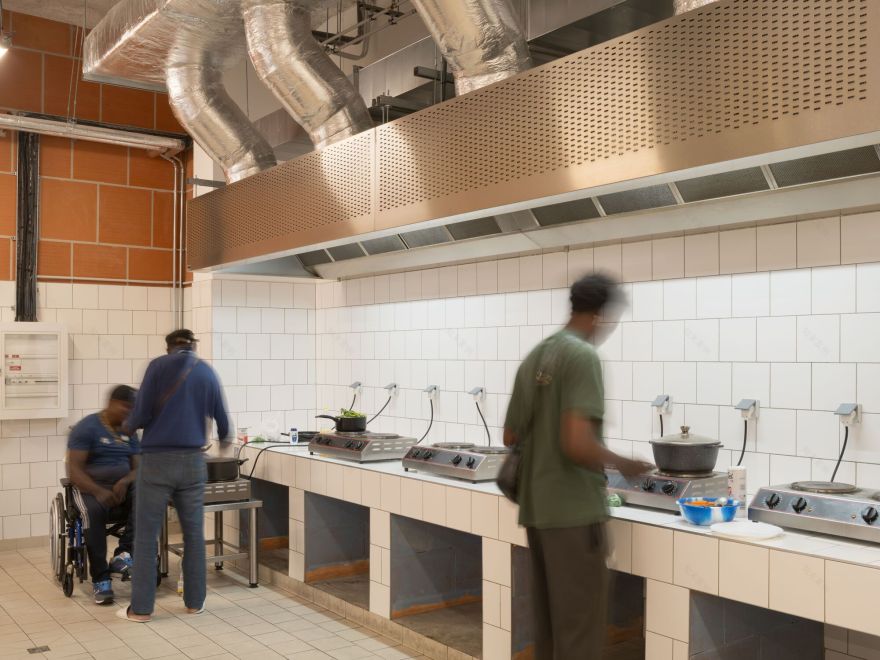
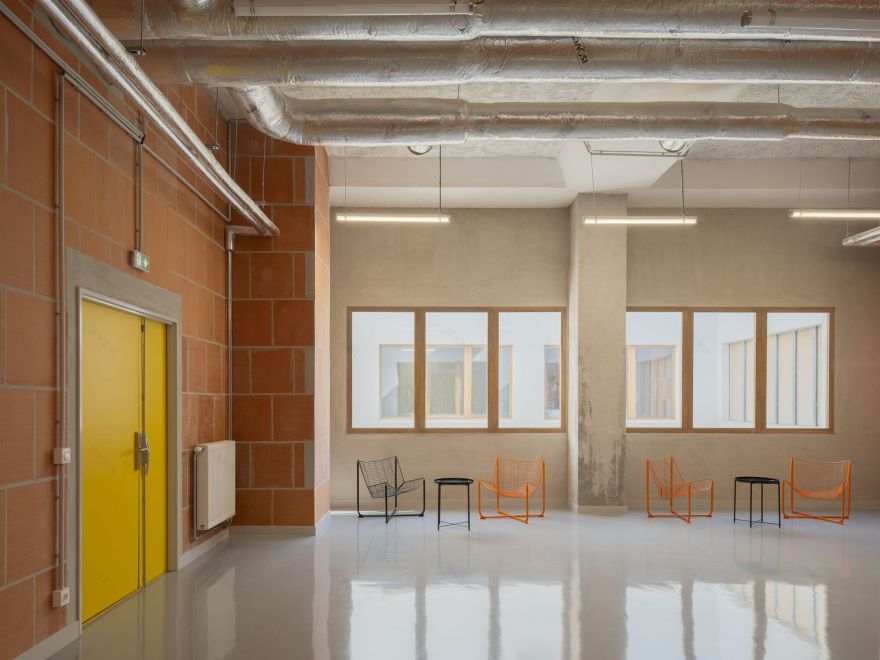
Emergency accommodation: a long-term endeavour - The ground floor has largely been reclaimed for communal life. The dining hall, kitchens, workrooms, and lounges all benefit from improved acoustics, transforming them into vibrant spaces. Whilst the accommodation is temporary, the staff work there all year round. Maintenance and upkeep are made easier: the services are exposed, the floors are smooth, and the service ducts are easily accessible.
Project gallery
南京喵熊网络科技有限公司 苏ICP备18050492号-4知末 © 2018—2020 . All photos and trademark graphics are copyrighted by their owners.增值电信业务经营许可证(ICP)苏B2-20201444 苏公网安备 32011302321234号
苏公网安备 32011302321234号客服
消息
收藏
下载
最近