

创作上传
VIP
收藏下载
登录 | 注册有礼
查看完整案例

收藏

下载

分享

翻译
Architects:7th Hue Architecture Collective
Area:2023ft²
Year:2024
Photographs:Marc Frames
Manufacturers:Tostem,VitrA
Lead Architects:Ar. Shyamraj Chandroth
Category:Houses
Lead Team:Ar. Aziya H Mondal
Design Team:Ar. Vinaya M M
Technical Team:Er. V. Nandahari
Landscape Architecture:Poornima Home Decors
Project Management:viewpoint dezigns
Interior Design:7th Hue Architectural Collective
General Contractor:WARP Ventures
City:Kerala
Country:India
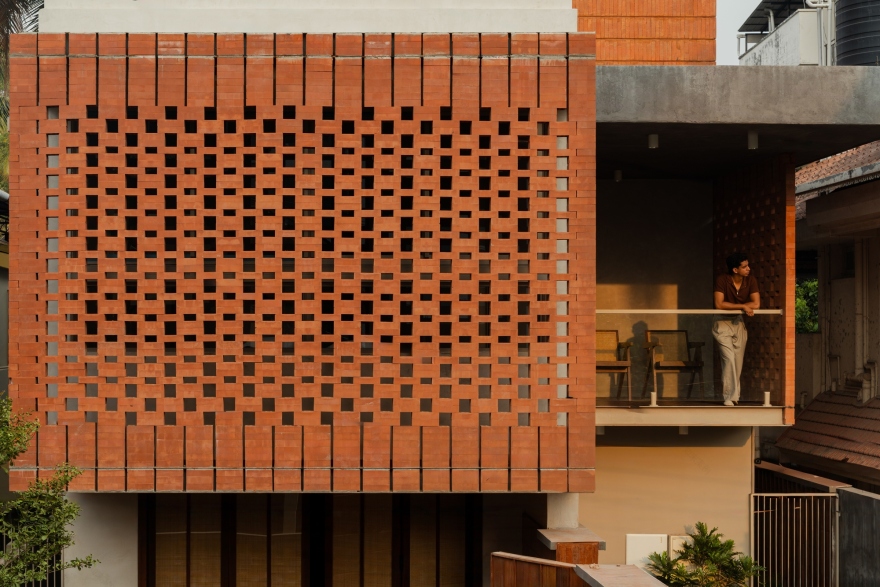
"Within limits, the idea of space is not reduced—it is reimagined." Tiny House emerges as a response to constraints, where compact living is shaped through light, ventilation, and spatial clarity. Inspired by tropical design principles and a minimalist approach, the project focuses on creating an environment that feels open and breathable despite its limited footprint. The design is driven by the idea of transforming inward—using courtyards, layered volumes, and filtered openings to establish a strong connection between built form and nature.
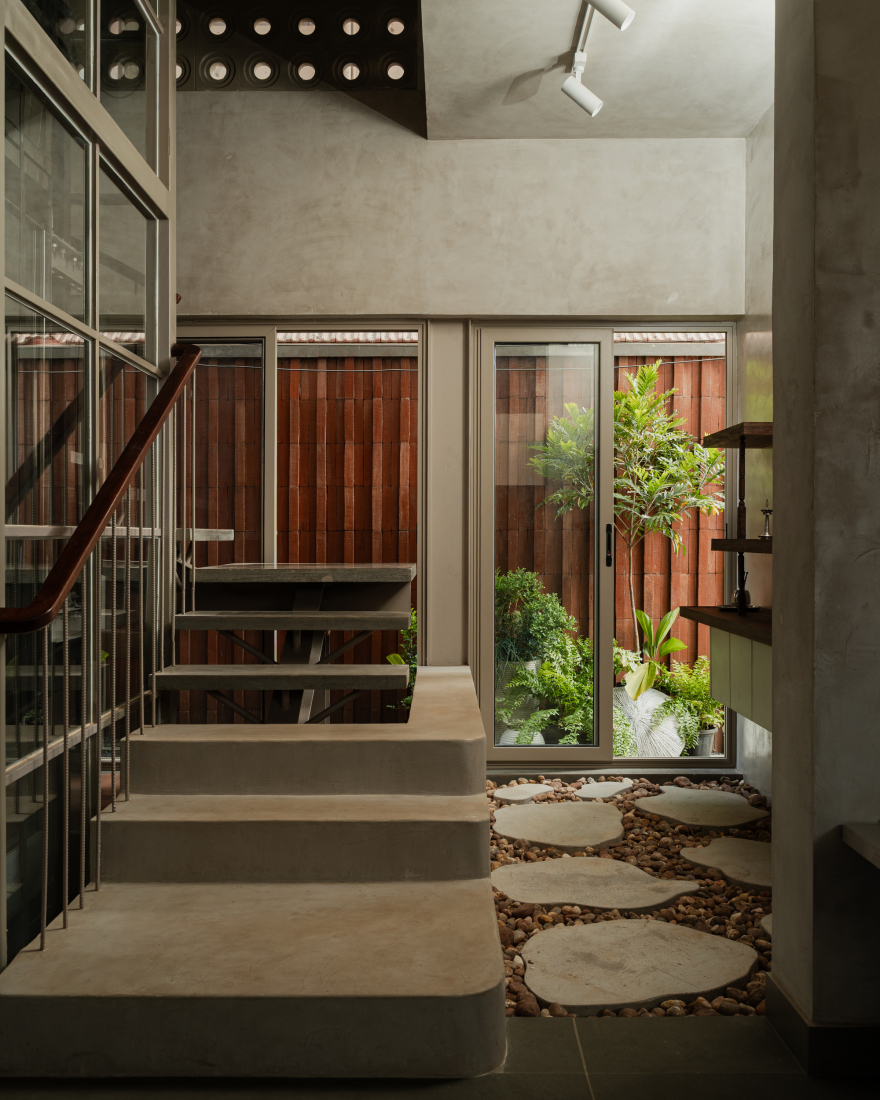
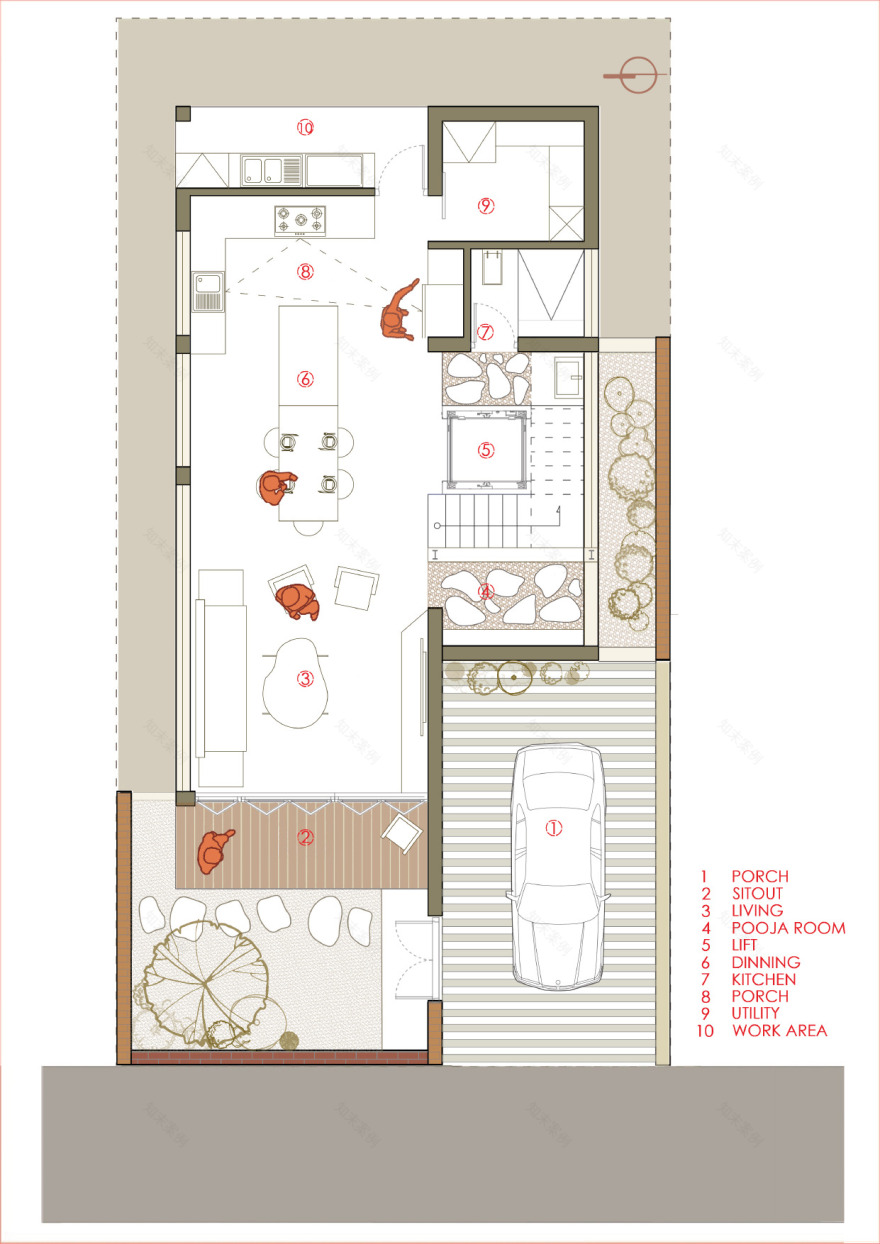
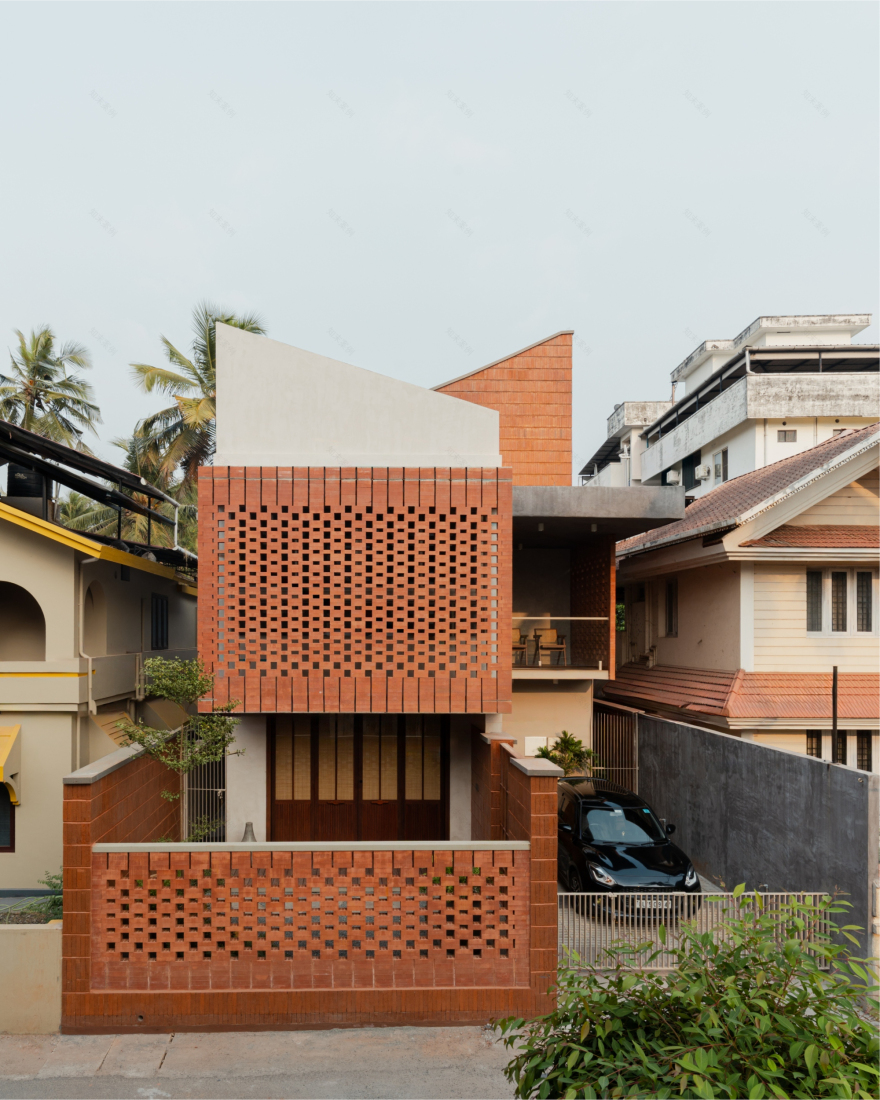
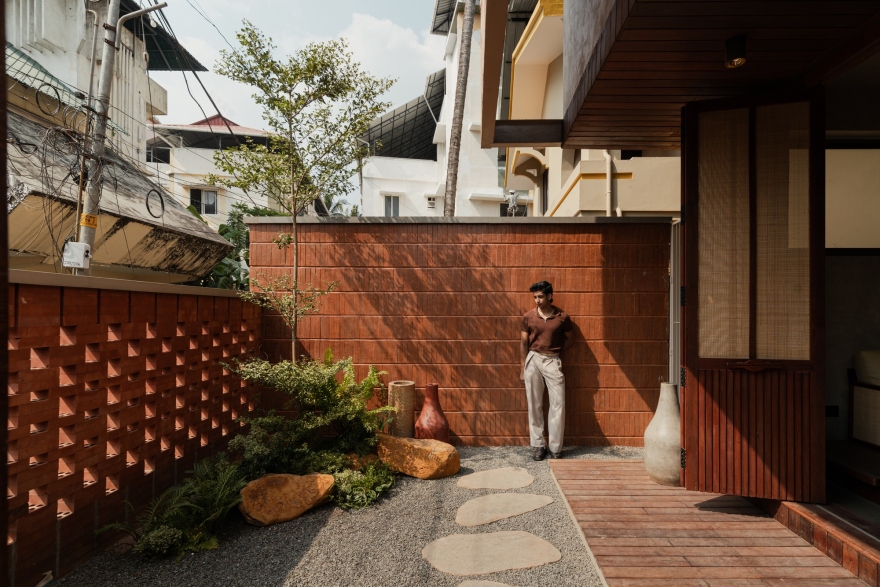
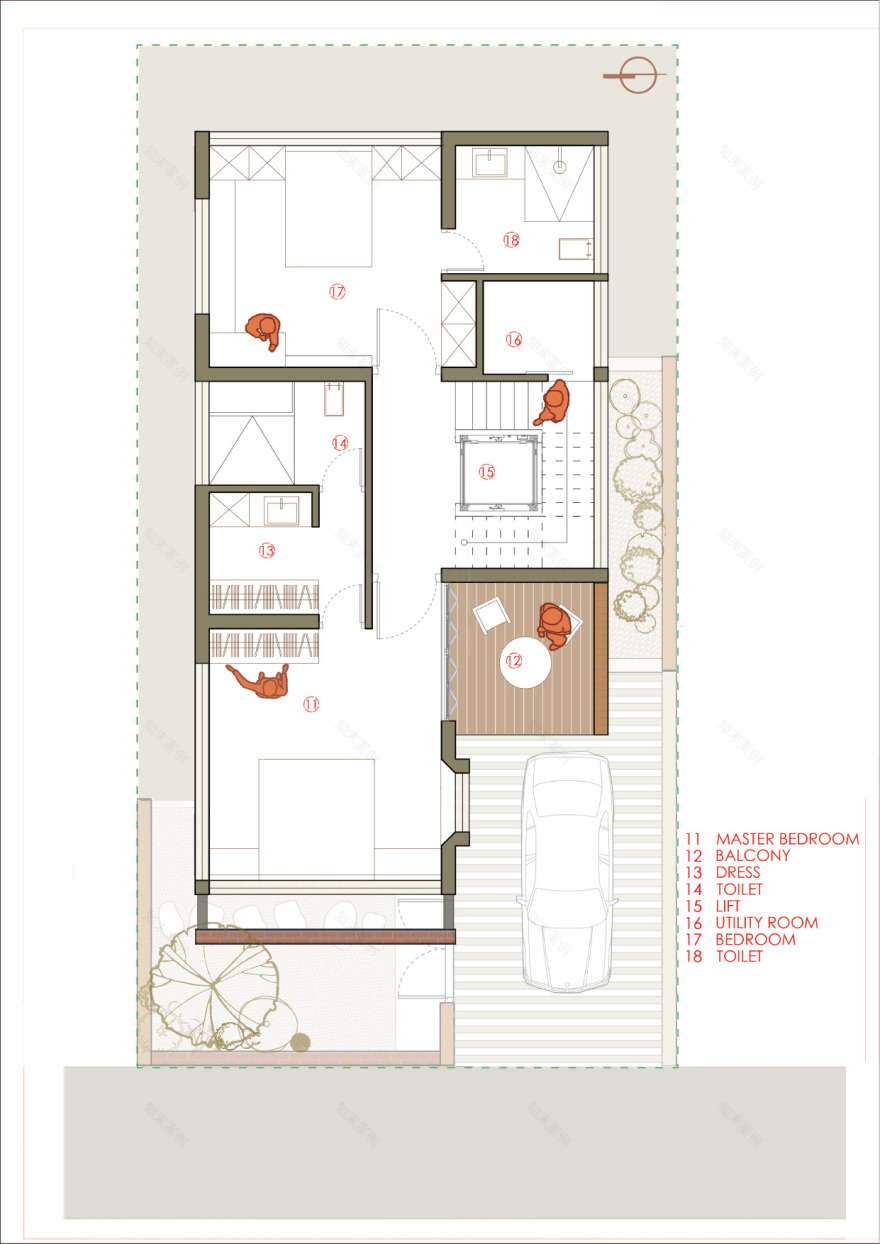
Located within a tight residential context, the site presented challenges of restricted views, limited natural light, and the need for privacy from surrounding structures. These conditions became the starting point for the design. Instead of looking outward, the house turns inward, organizing itself around a central dry courtyard that brings in light, air, and greenery. Another key challenge was accommodating a two-bedroom layout with a mezzanine without creating a sense of congestion. This was resolved through careful spatial planning, vertical layering, and minimizing unnecessary partitions to maintain continuity and openness.
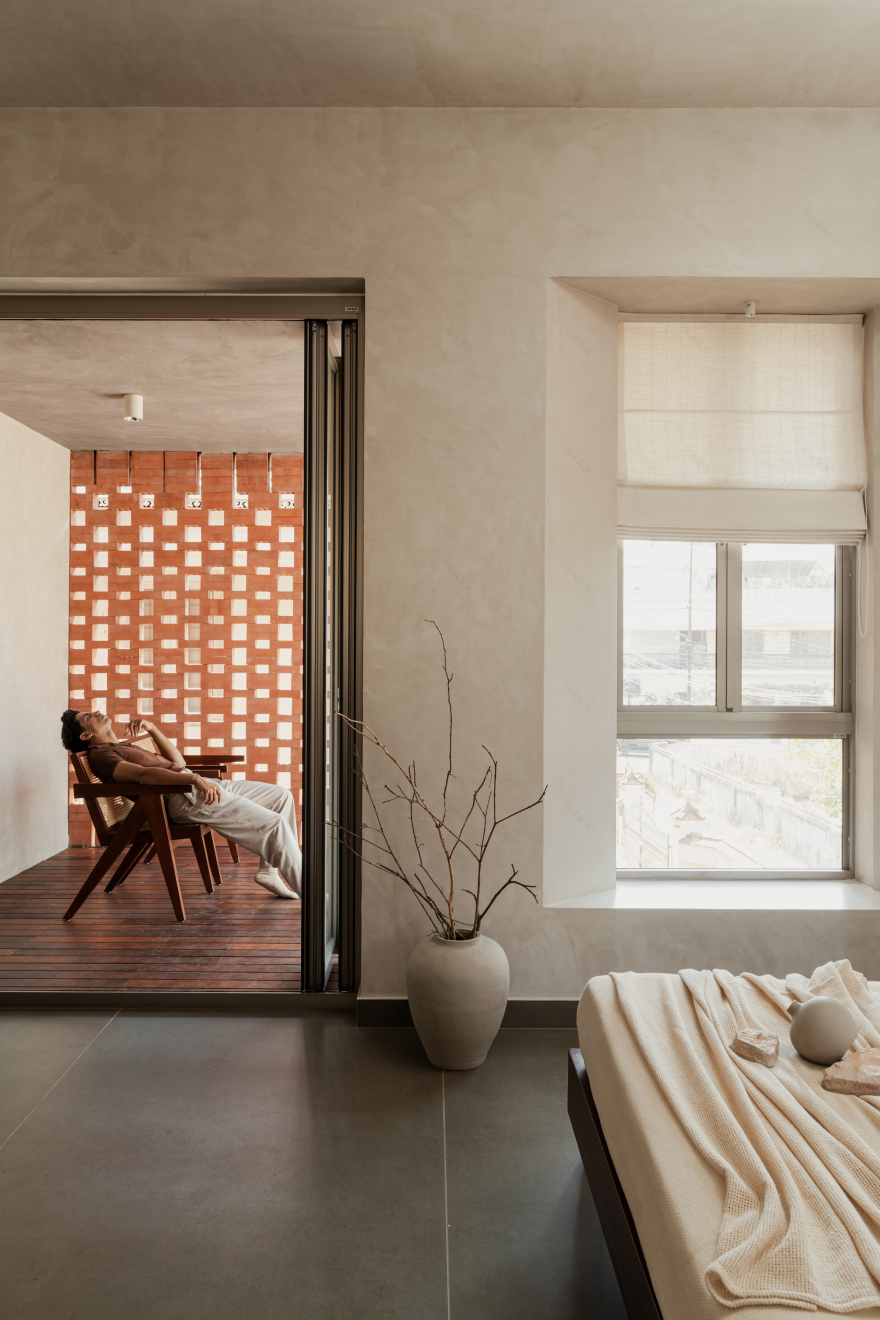
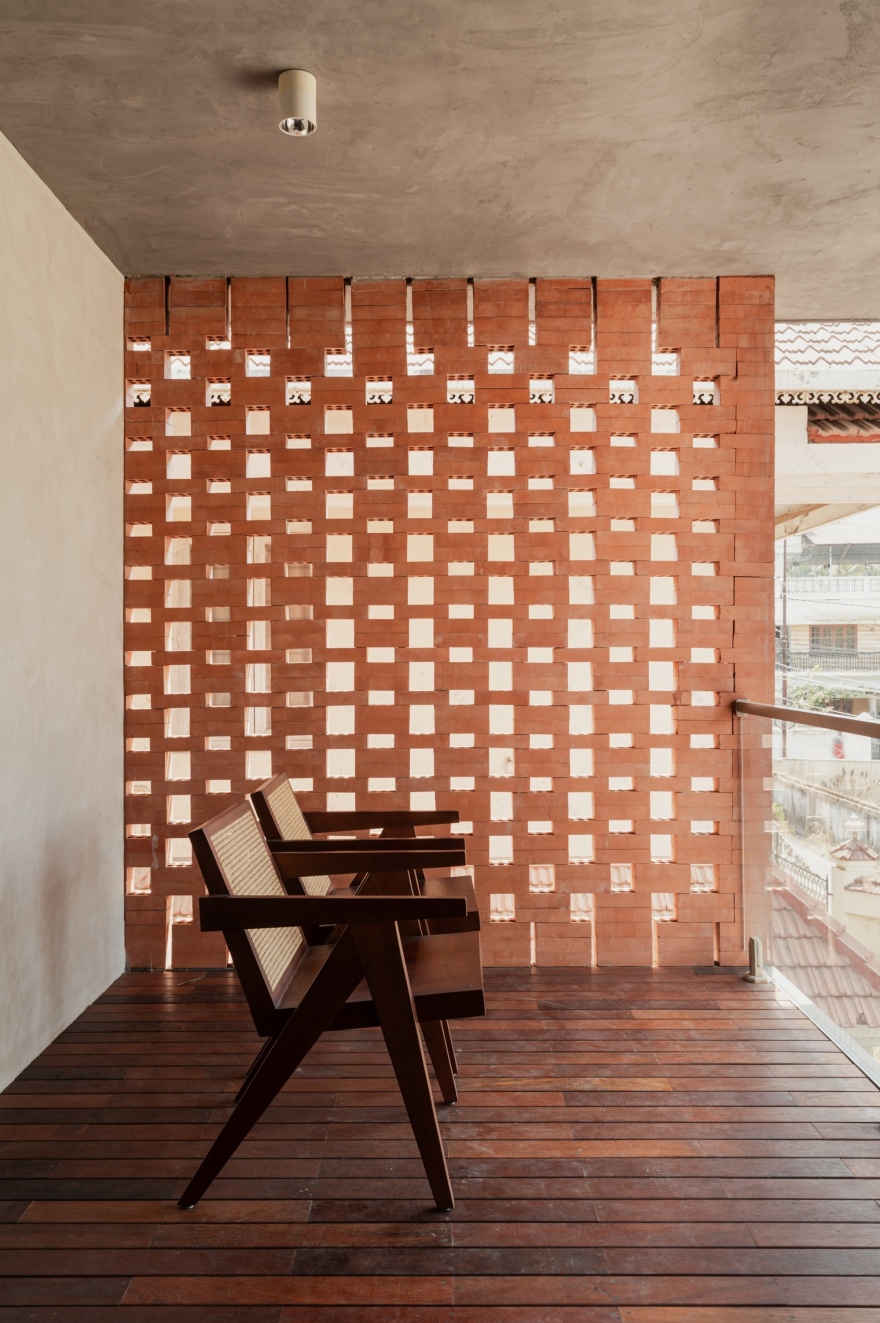
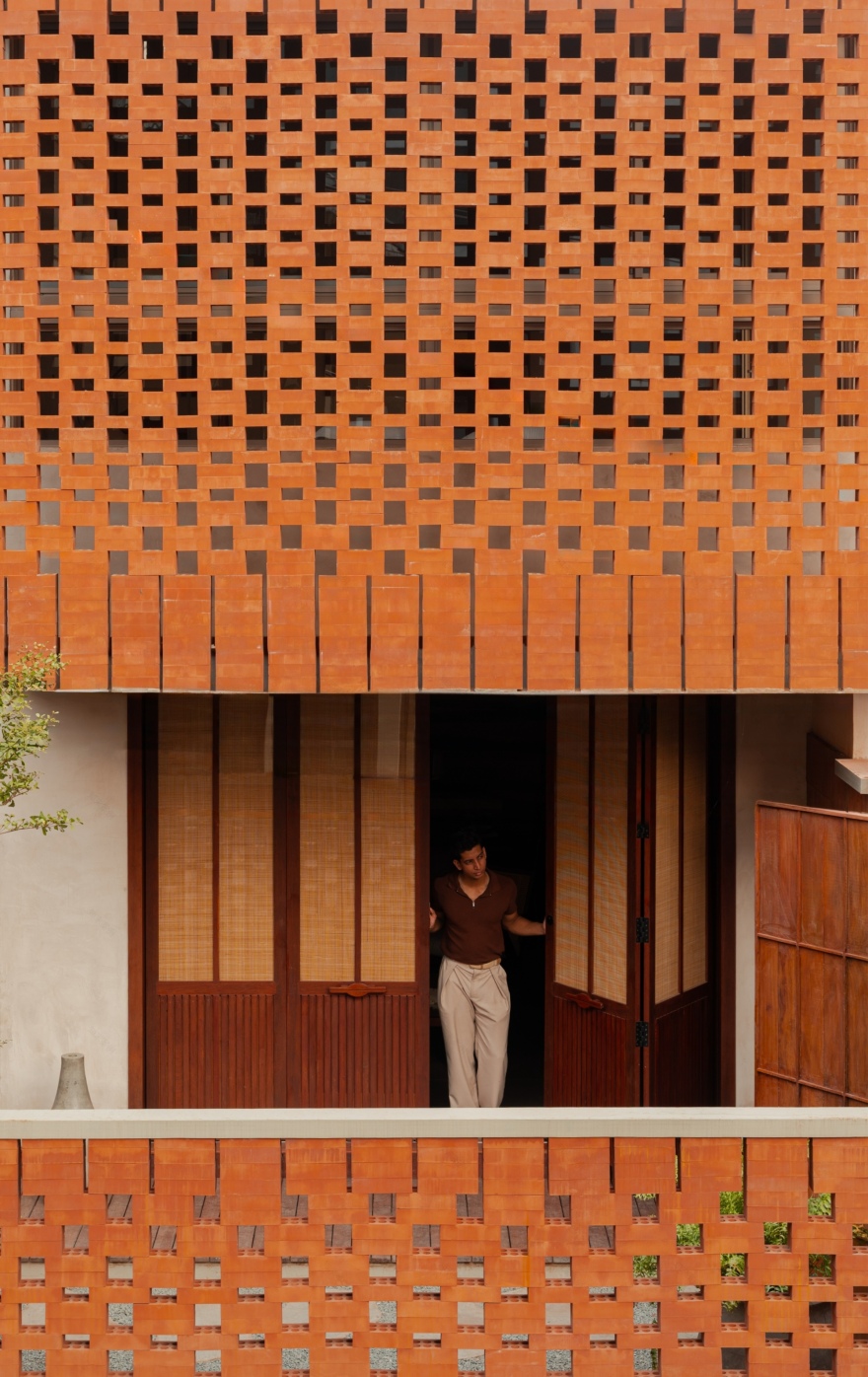
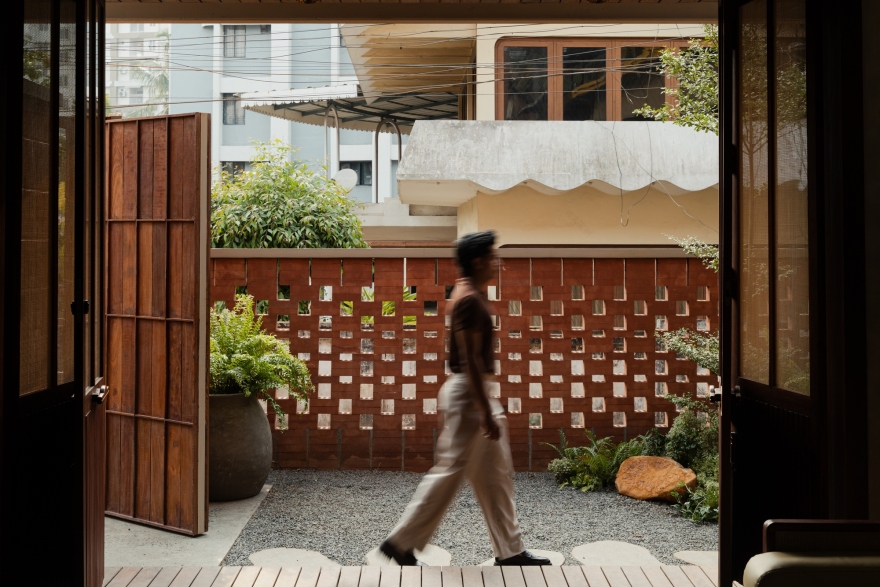
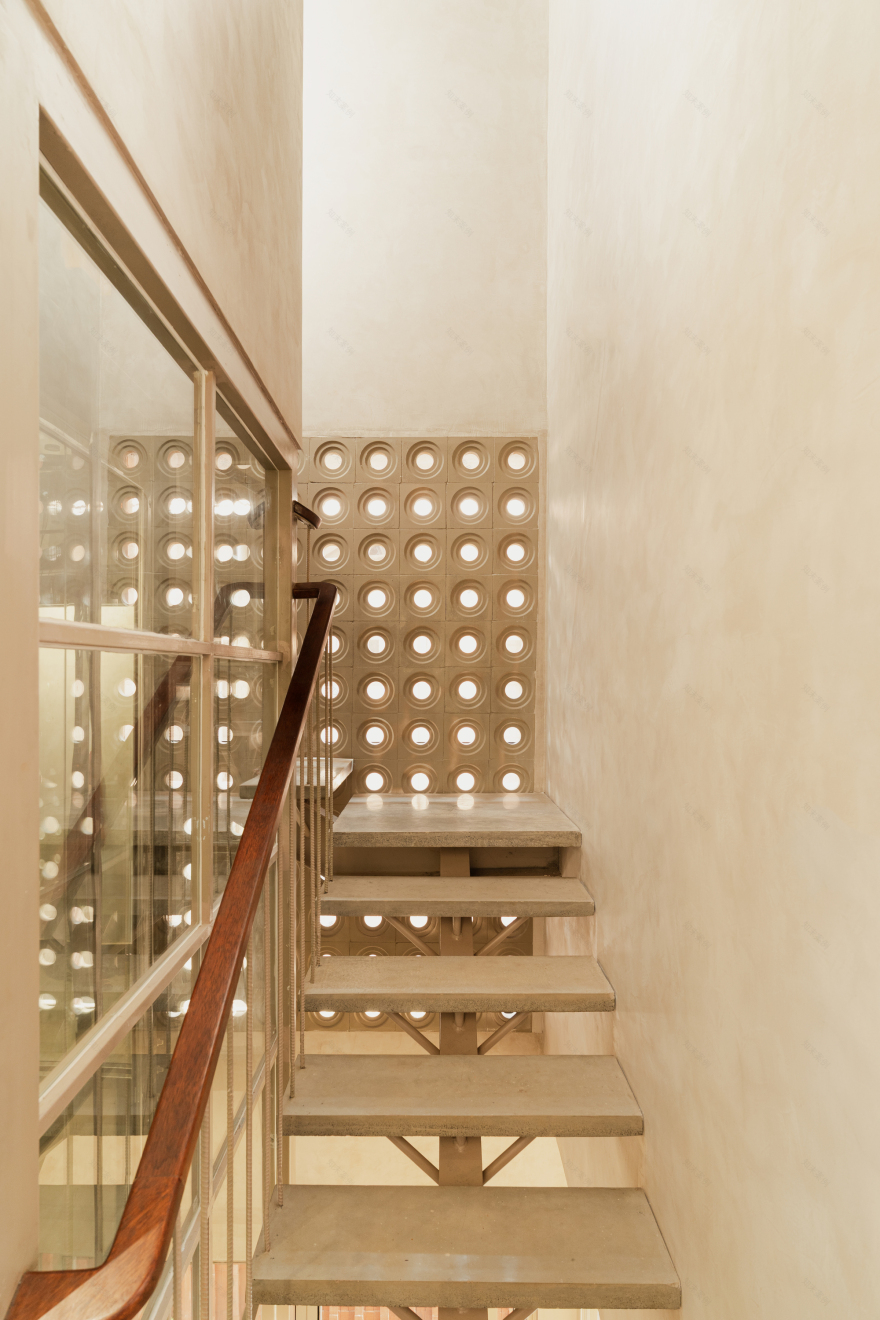
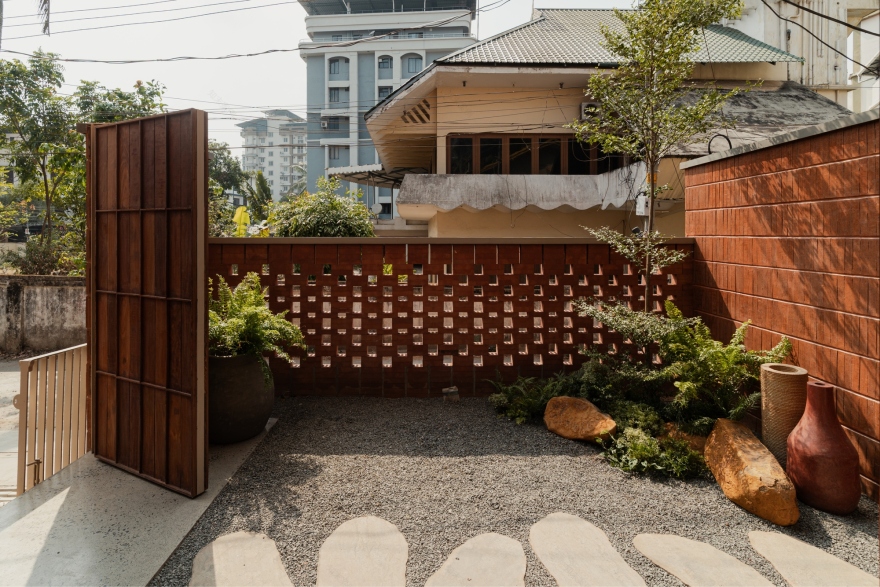
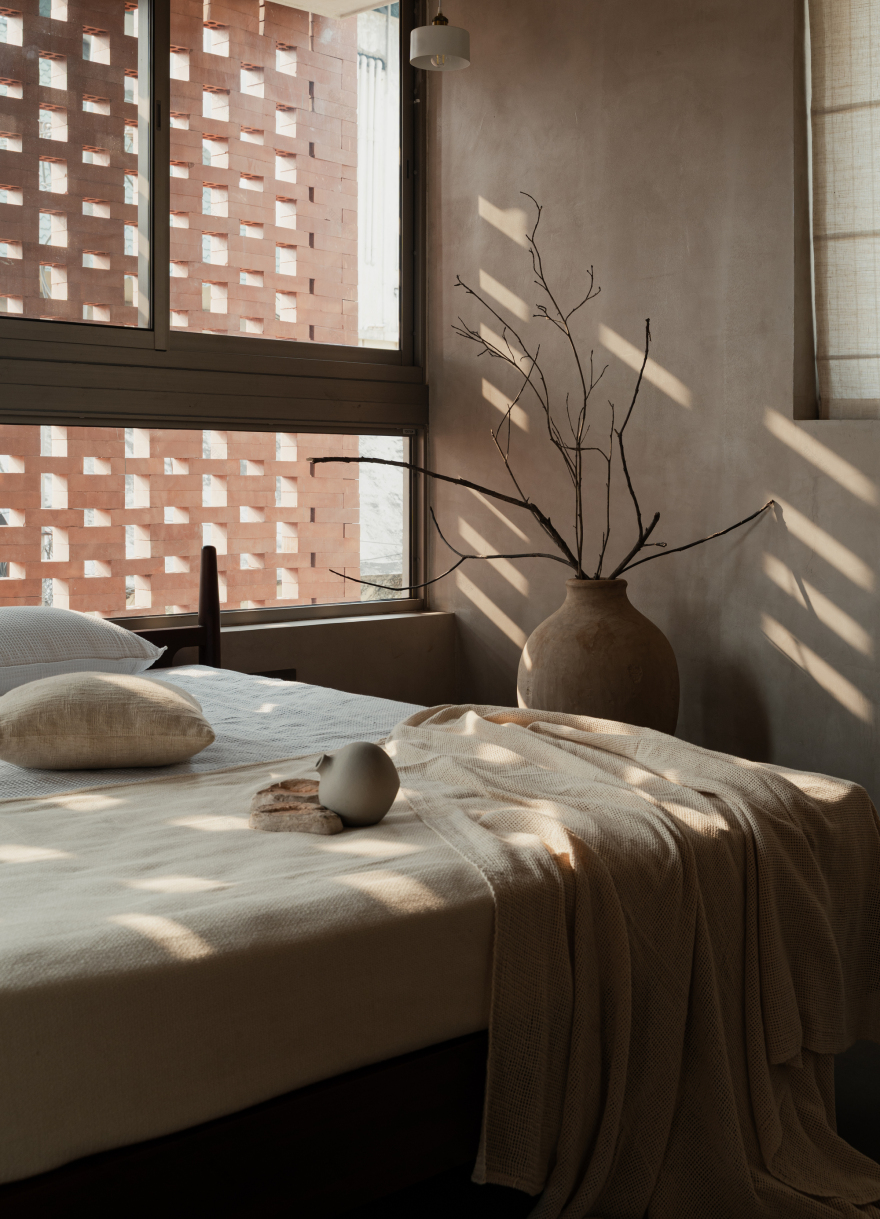
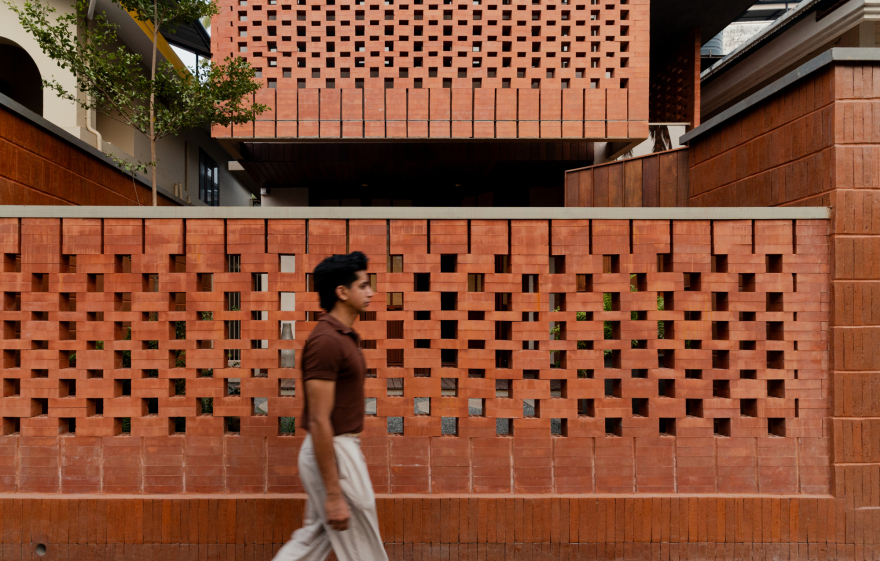
The architectural form is composed of simple volumes articulated through subtle variations in height. A perforated brick façade acts as a climatic and visual filter, allowing diffused light and cross ventilation while maintaining privacy. Internally, the house unfolds as a sequence of interconnected spaces, where double-height volumes and the mezzanine level enhance vertical connectivity and spatial depth. The courtyard acts as the heart of the home, visually linking spaces and creating a moment of pause within the everyday flow.
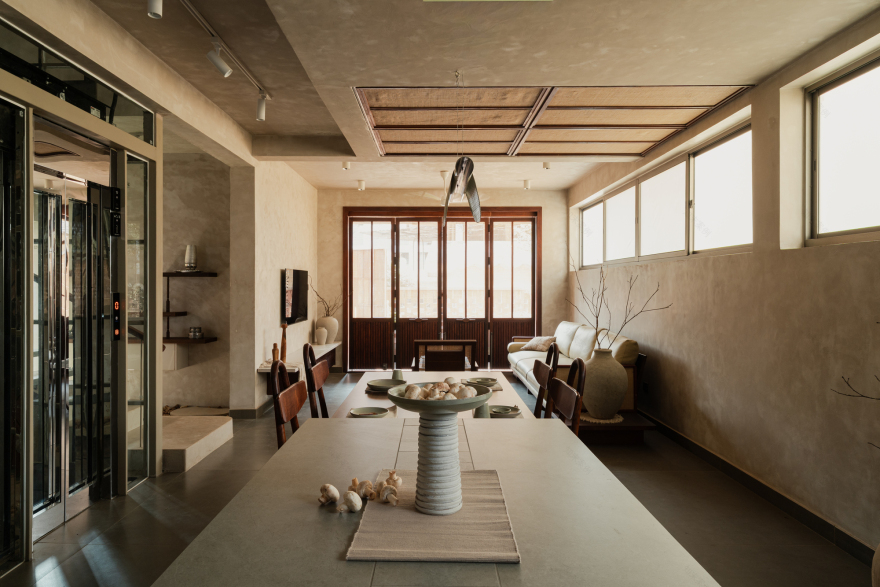
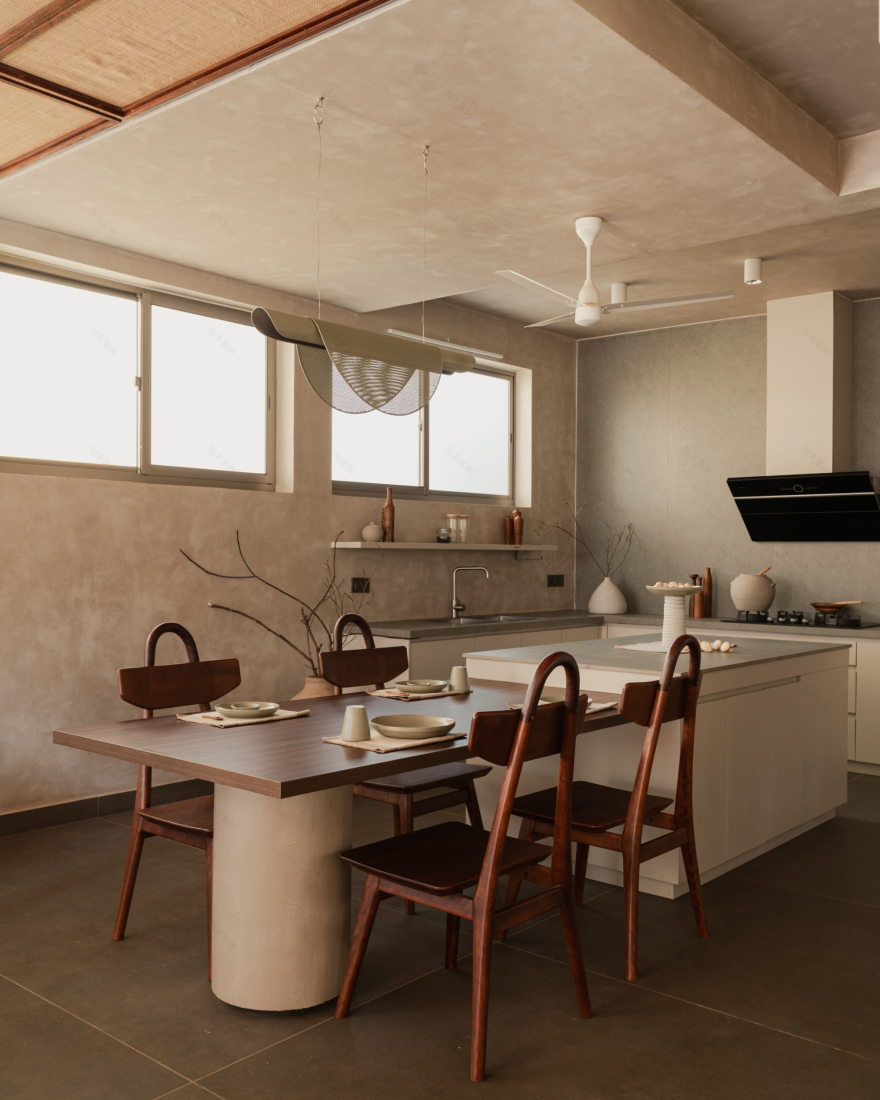
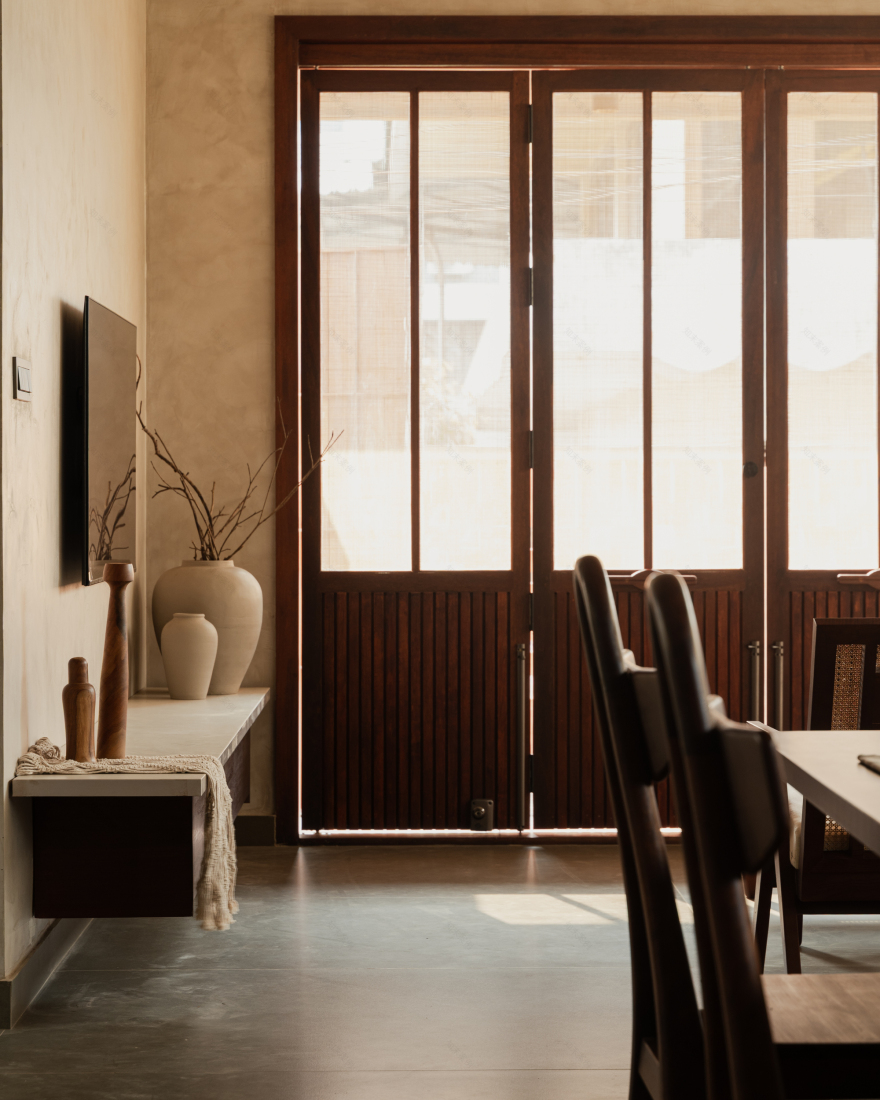
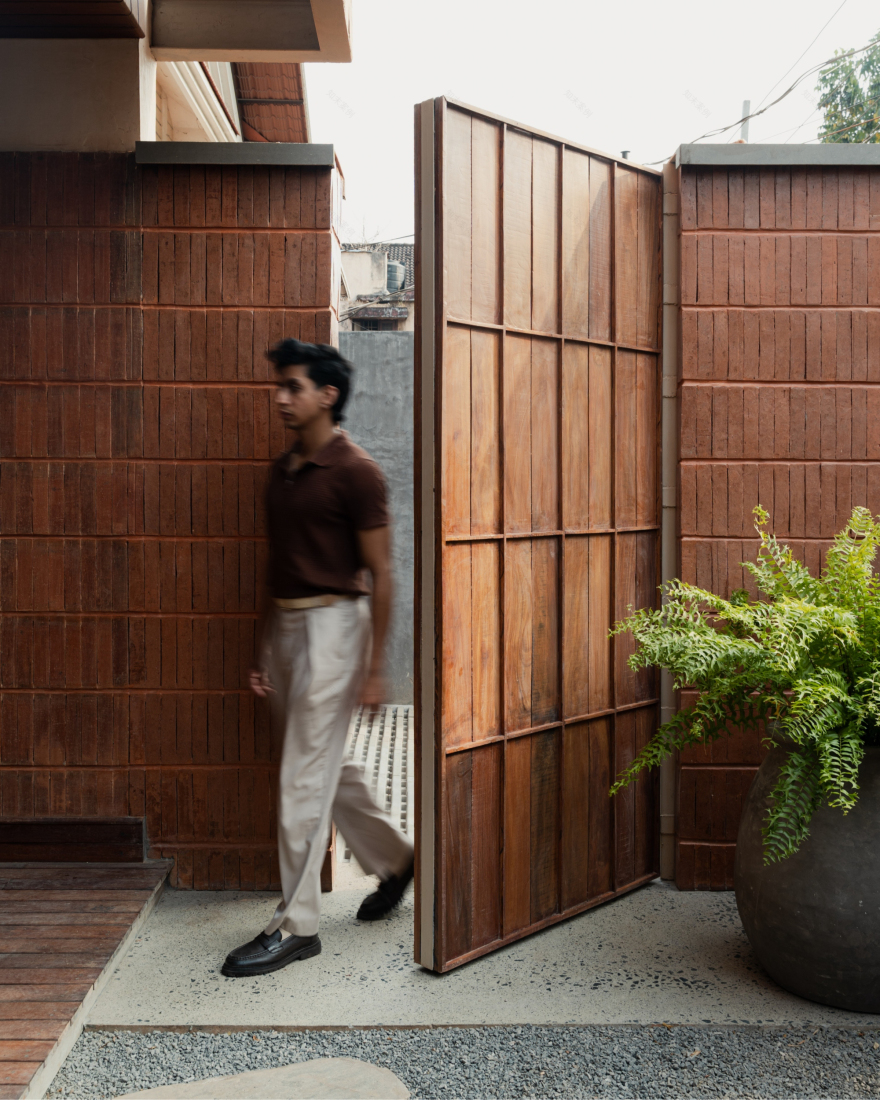
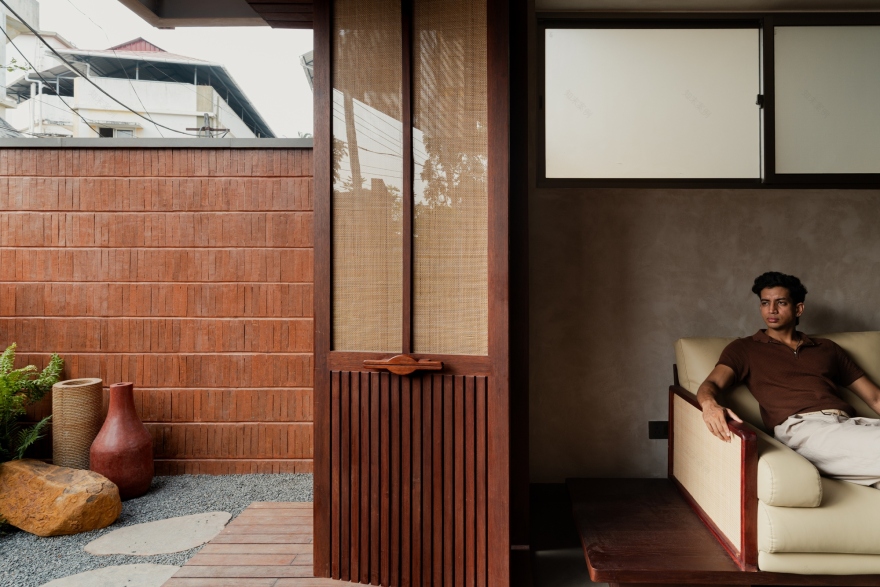
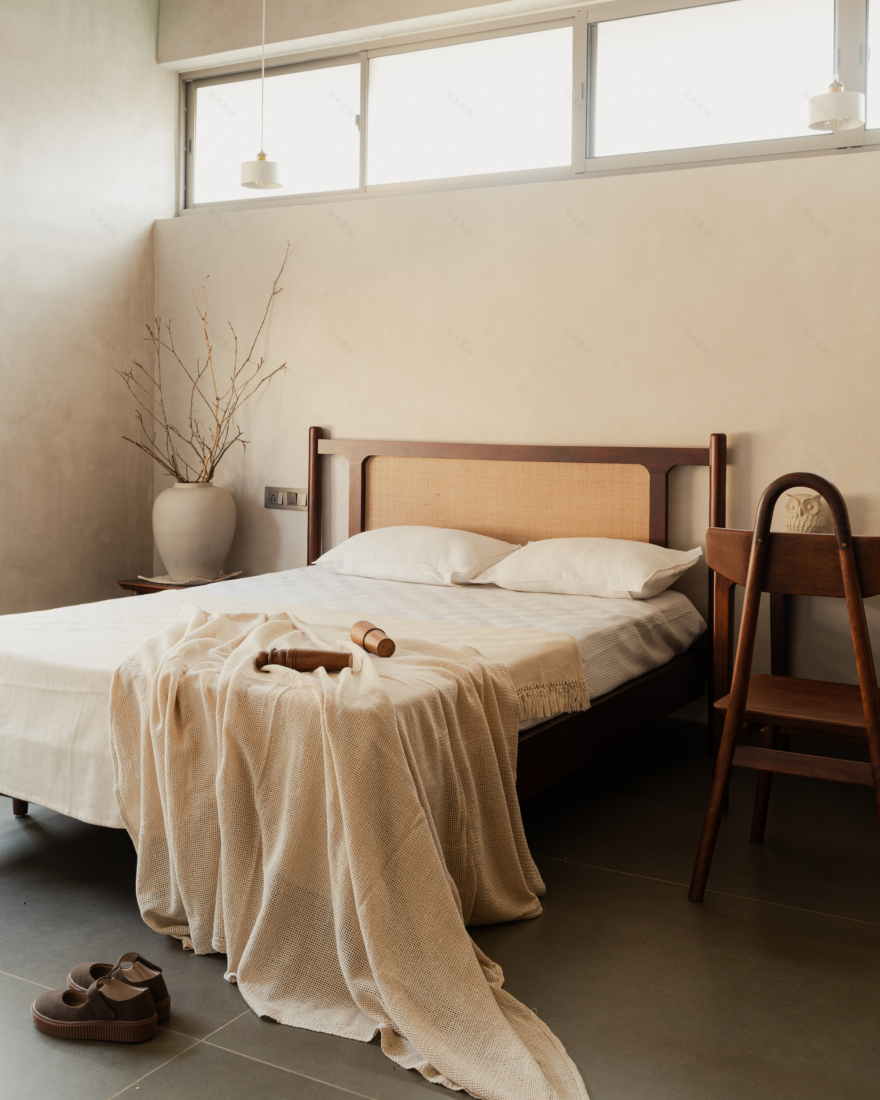
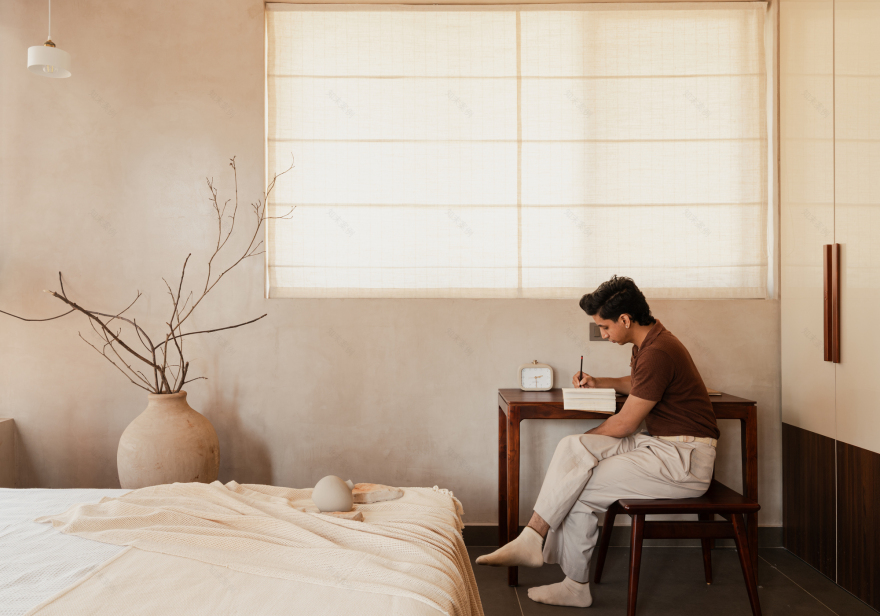
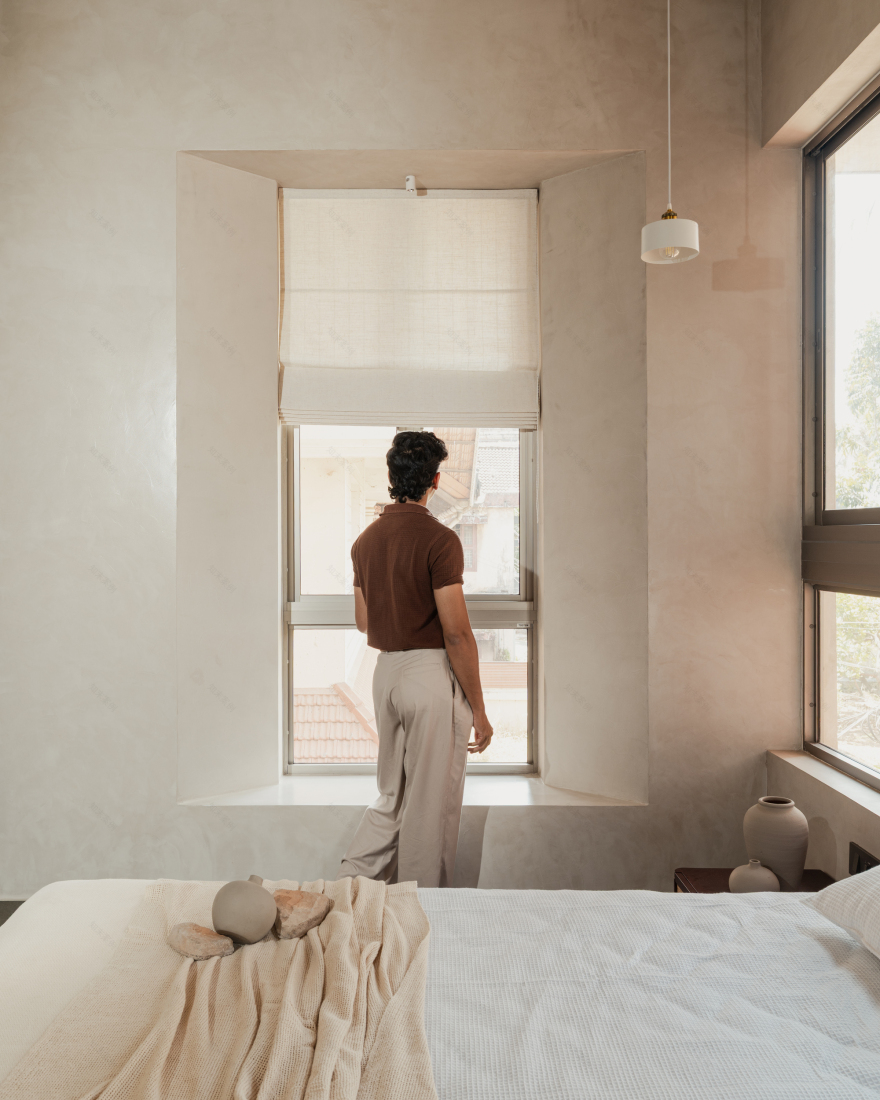
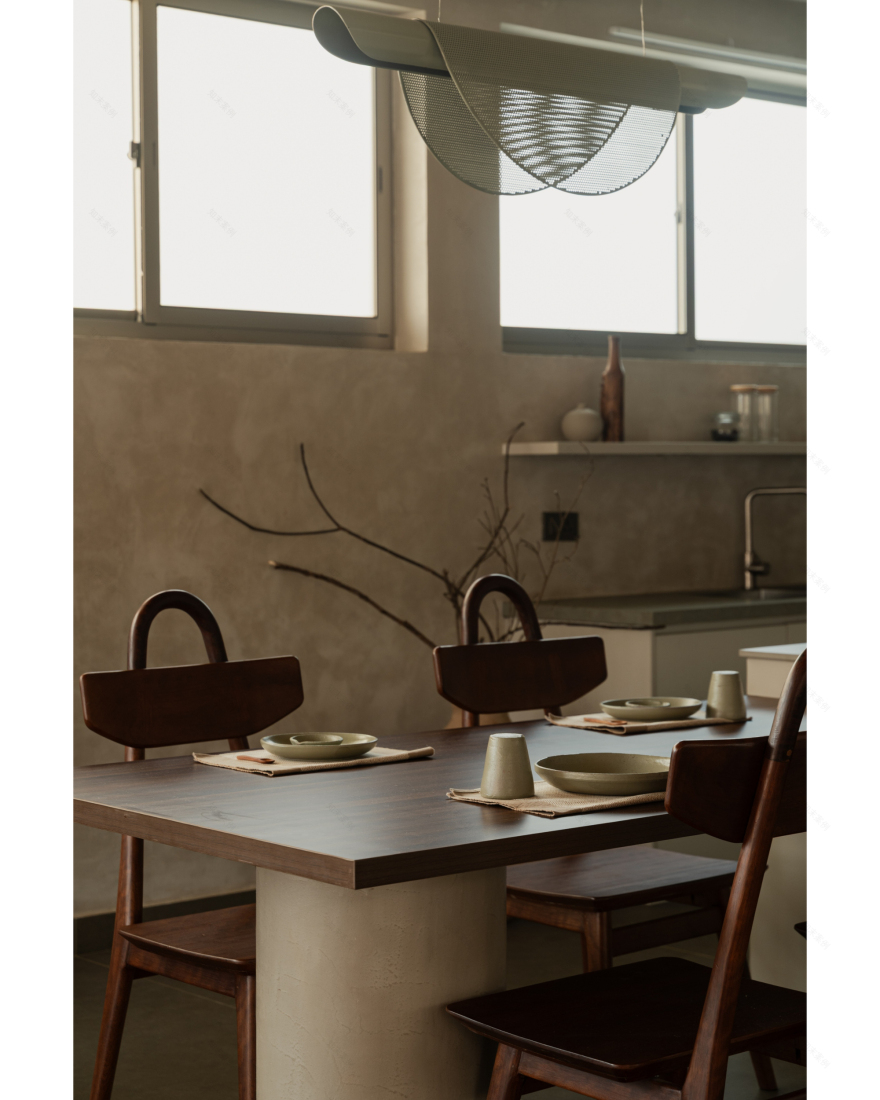
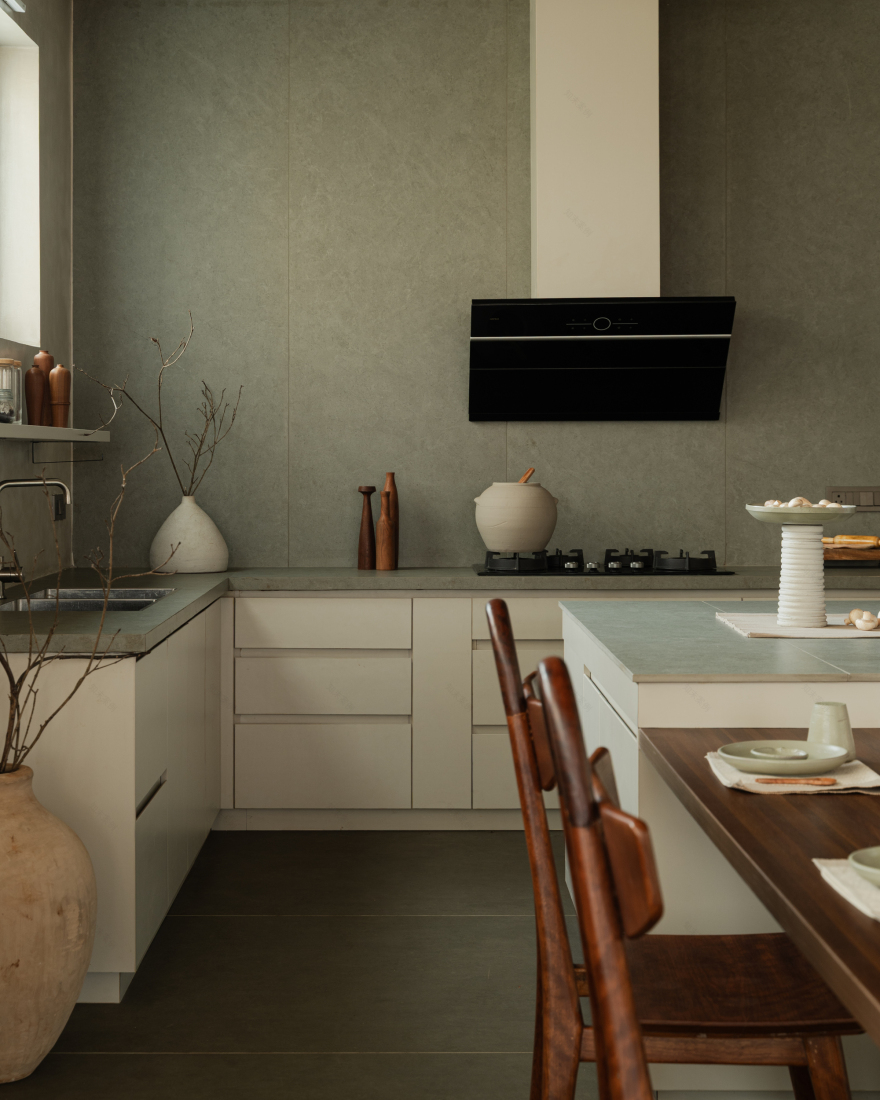
Materiality plays a significant role in reinforcing this sense of continuity. A seamless microtopping finish is applied across both walls and floors, creating a monolithic surface that visually expands the space while remaining durable and low-maintenance. Exposed brick introduces texture and warmth, particularly through the jaali walls that enable passive cooling. Natural wood elements in furniture and detailing soften the overall palette, while stone and pebbles within the courtyard strengthen the tactile connection to the landscape. The restrained palette of earthy tones and muted neutrals enhances the calm, cohesive character of the house.
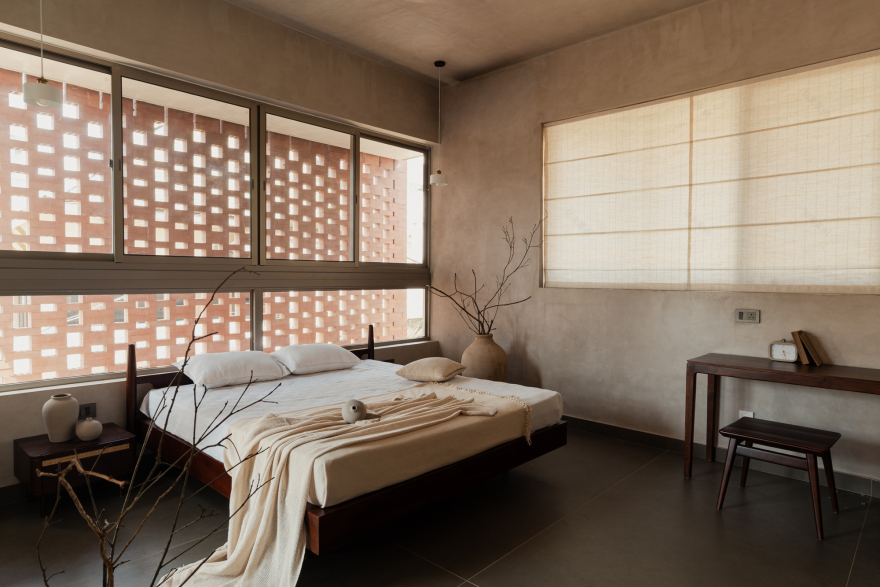
The spatial configuration allows movement to feel gradual and layered, transitioning from more enclosed entry points into brighter, open interiors. Light filters through perforations and reflects softly off the microtopped surfaces, creating subtle shifts throughout the day. The mezzanine offers varied perspectives, reinforcing the sense of openness within a compact volume.
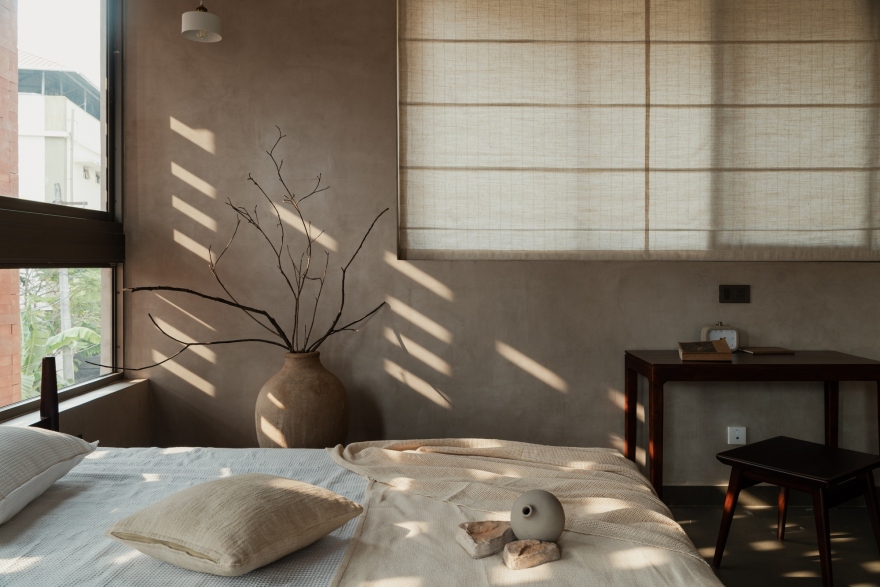
Tiny House ultimately demonstrates how thoughtful design can turn limitations into strengths. Through passive strategies, material honesty, and spatial fluidity, it achieves comfort and richness without excess. It is a home that prioritizes experience over scale—quietly supporting a slower, more mindful way of living.
Project gallery
南京喵熊网络科技有限公司 苏ICP备18050492号-4知末 © 2018—2020 . All photos and trademark graphics are copyrighted by their owners.增值电信业务经营许可证(ICP)苏B2-20201444 苏公网安备 32011302321234号
苏公网安备 32011302321234号客服
消息
收藏
下载
最近