

创作上传
VIP
收藏下载
登录 | 注册有礼
查看完整案例

收藏

下载

分享

翻译
Architects:Nati Minas & Studio
Area:750m²
Year:2026
Photographs:Miti Sameshima
Lead Architects:Nati Minas
Category:Residential Architecture,Houses
Project Team:Nati Minas, Sayuri Oura, Kelly Daronco, Bia Melo, Guilherme Costa
City:Guarujá
Country:Brazil
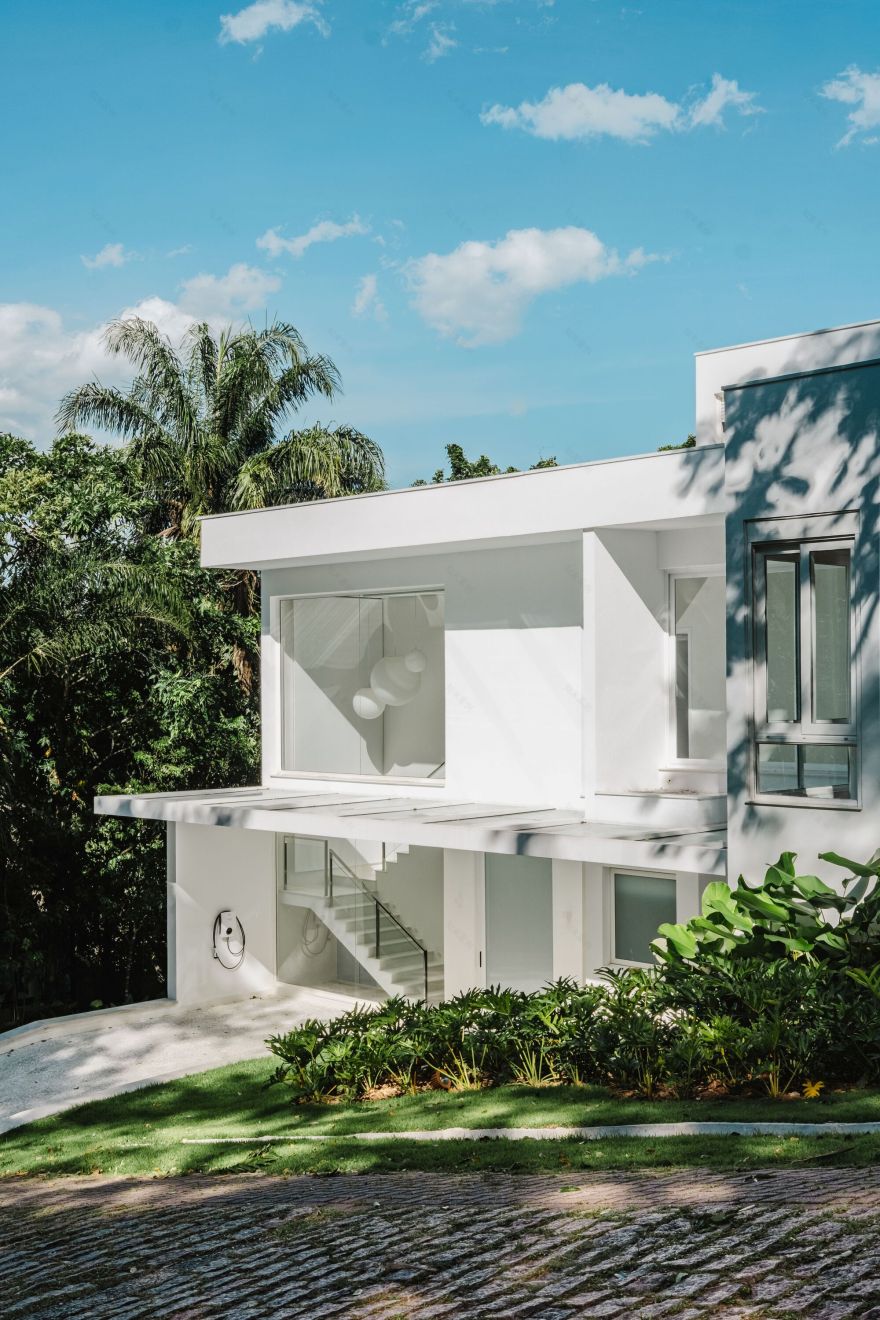
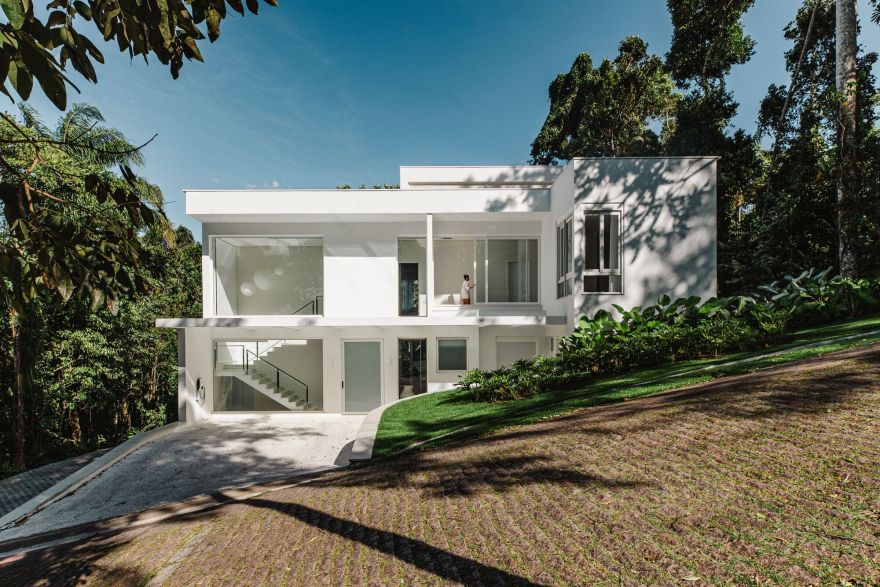
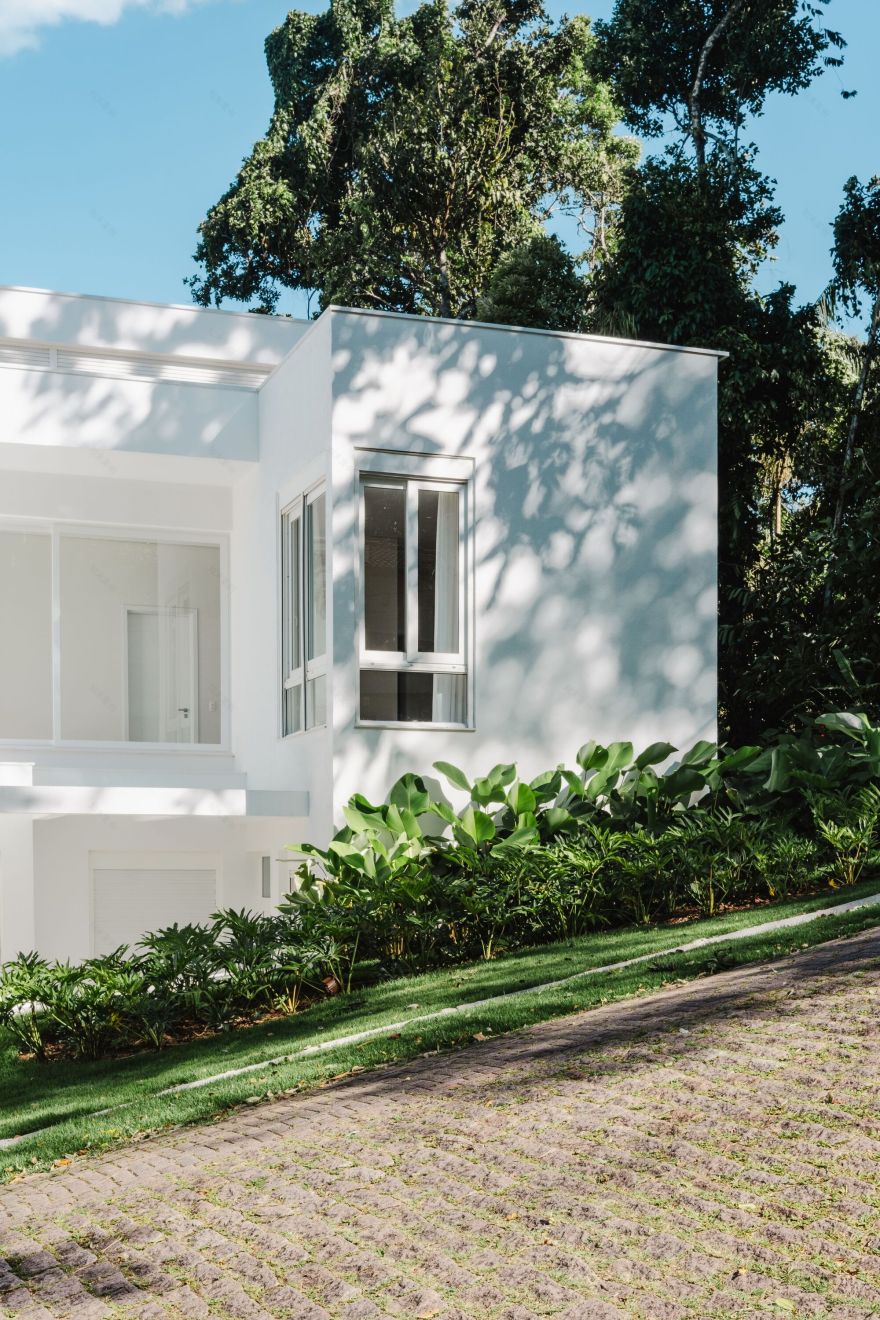
Text description provided by the architects. Located in an environmentally protected area within the Atlantic Forest, Casa Iporanga was designed as a refuge in dialogue with the landscape. The project adopts a careful approach, respecting the original architecture of the house, marked by a modernist language that was decisive in the clients' choice of property, as well as its placement on the land.
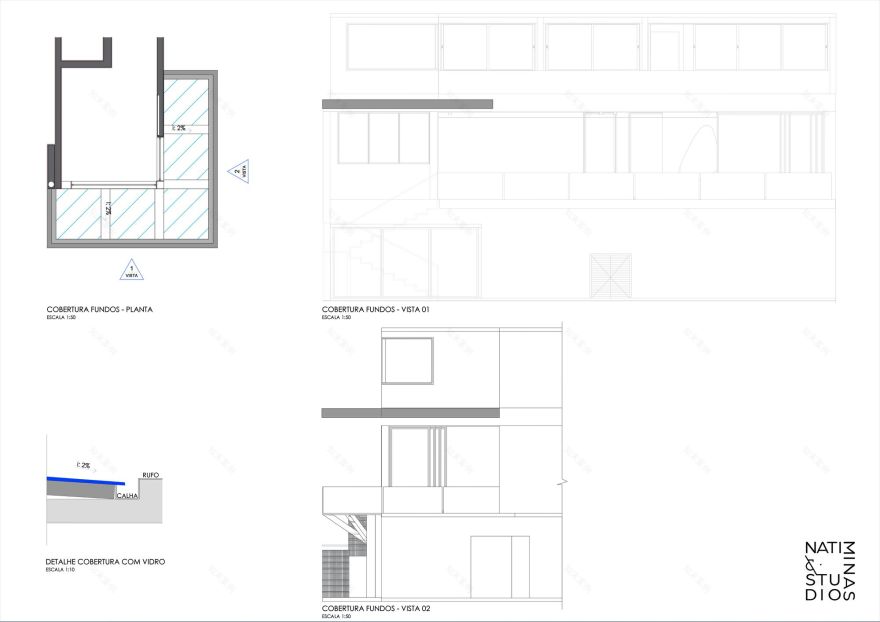
The interventions on the façade and volumetry were precise and responsible, focusing on refining the lines, cleaning the alignments, and creating large openings that enhance the entry of natural light and bring the greenery inside the spaces. In this context, a new roof extends along the main façade, ensuring more comfort in accessing the house under different climatic conditions.

The house belongs to a family from São Paulo and was acquired during a turning point in the couple's lifestyle, when they began to dedicate themselves intensely to foil, a water sport that directly influenced their design decisions and the way they live and use the house.
"They describe themselves as a very nautical family, so everything needed to function practically, allowing them to sit wet without issues and live in the house comfortably. The house needed to serve them, not the other way around," comments Natalia Minas, the architect responsible for the project.

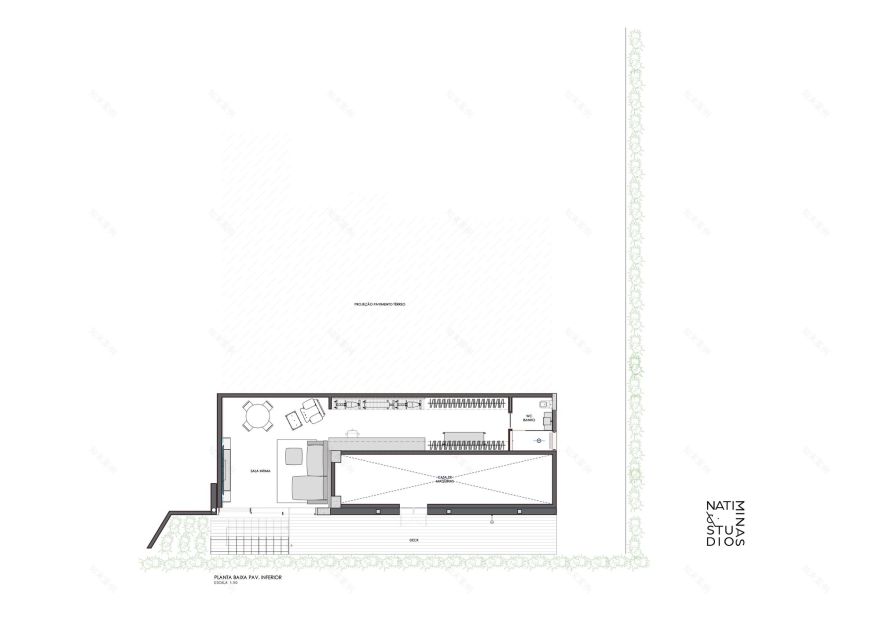
This functional logic guided the creation of the lower floor, dedicated almost entirely to sports activities and the resident's routine. Named the foil cave, the space occupies the former caretaker's house, which underwent a complete restructuring, including the opening of a large glass door span to improve lighting, ventilation, and frame the view of the forest as art.
The space houses the family's collection of boards and foils, as well as display panels for fins, hangers for vests and wetsuits, a tool station, and areas that function as a home theater, relaxation, and leisure space. The office was also positioned on this floor, visually integrated with the equipment, while a game room offers more privacy for the young adult daughters when they have friends over, without interfering with the family dynamic.
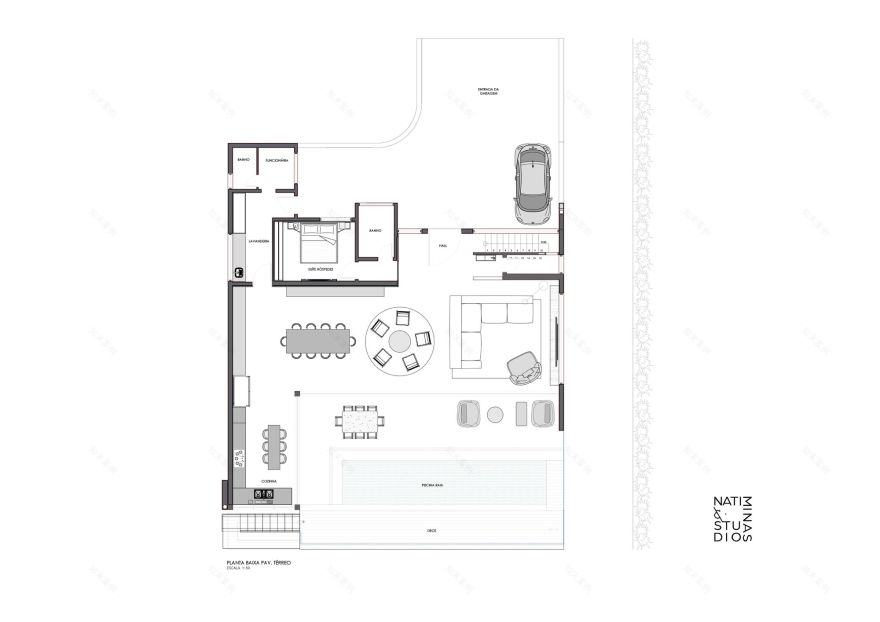
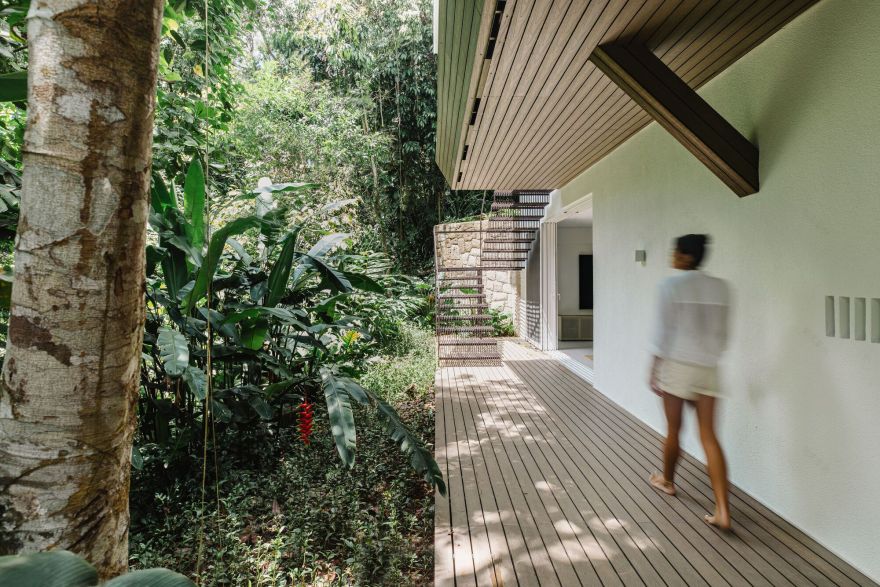
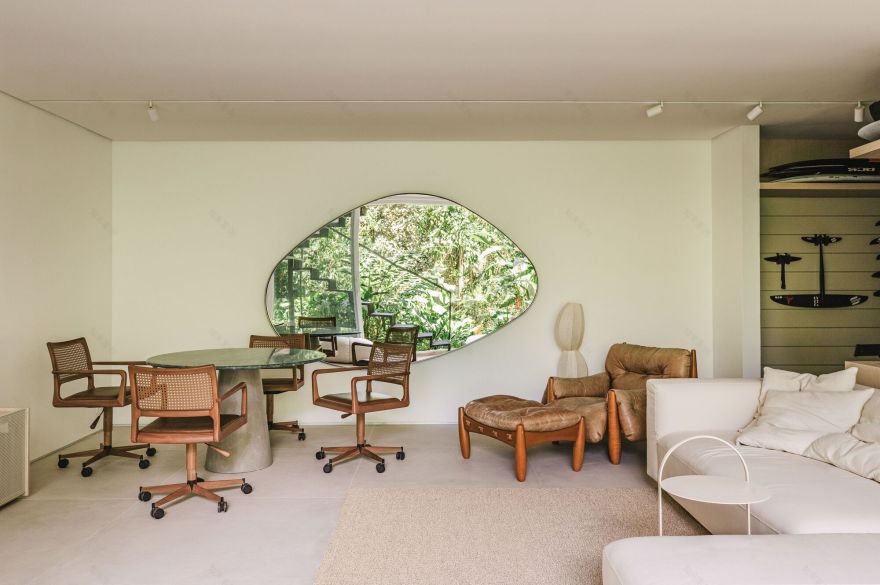
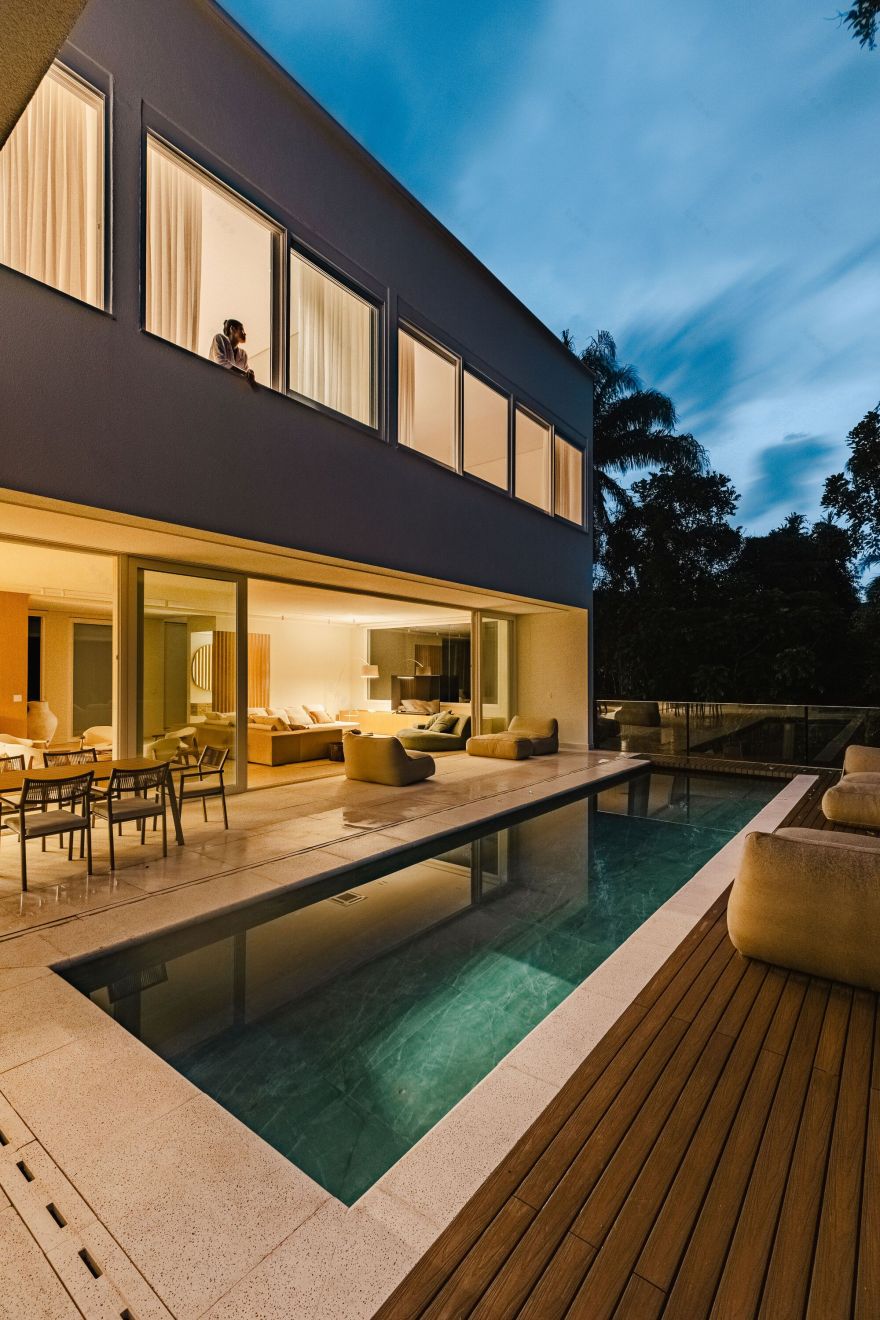
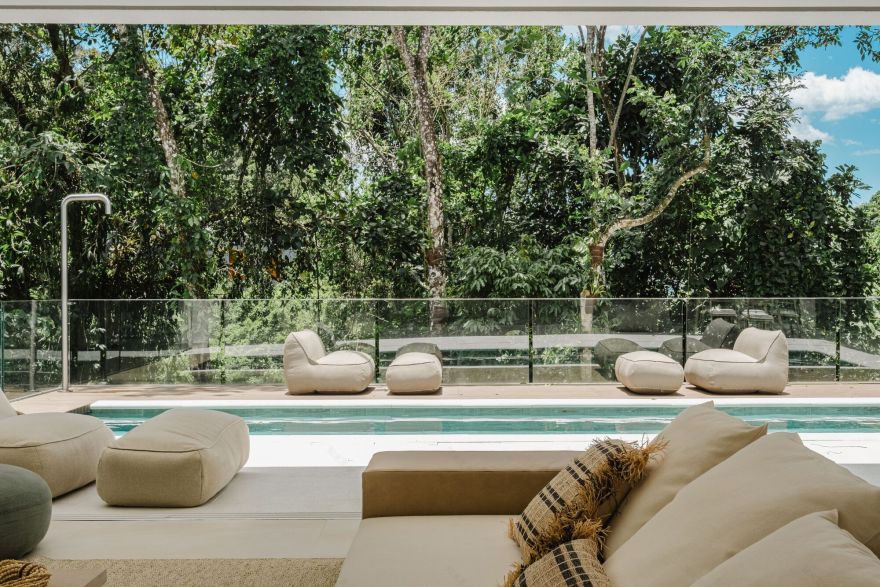
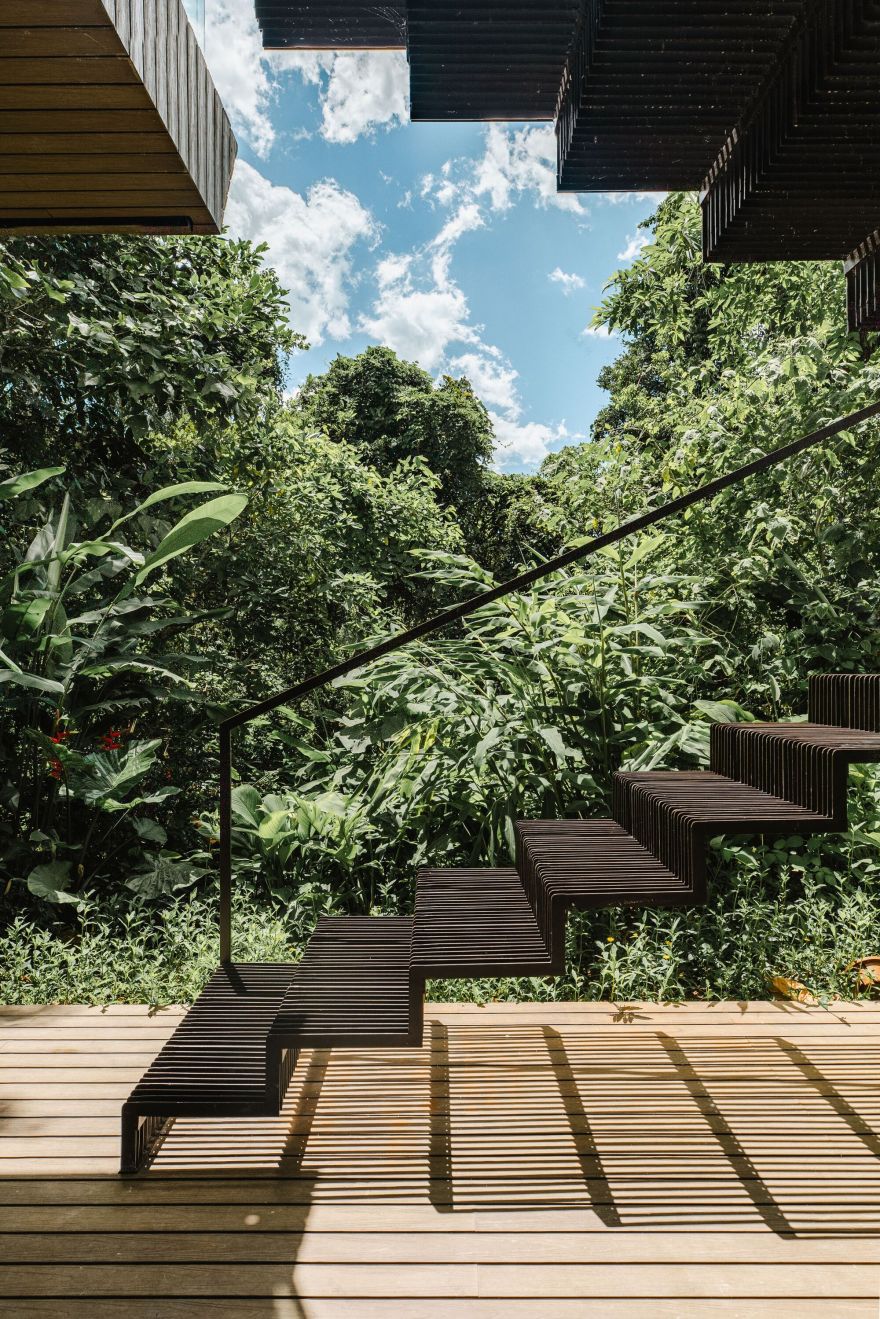
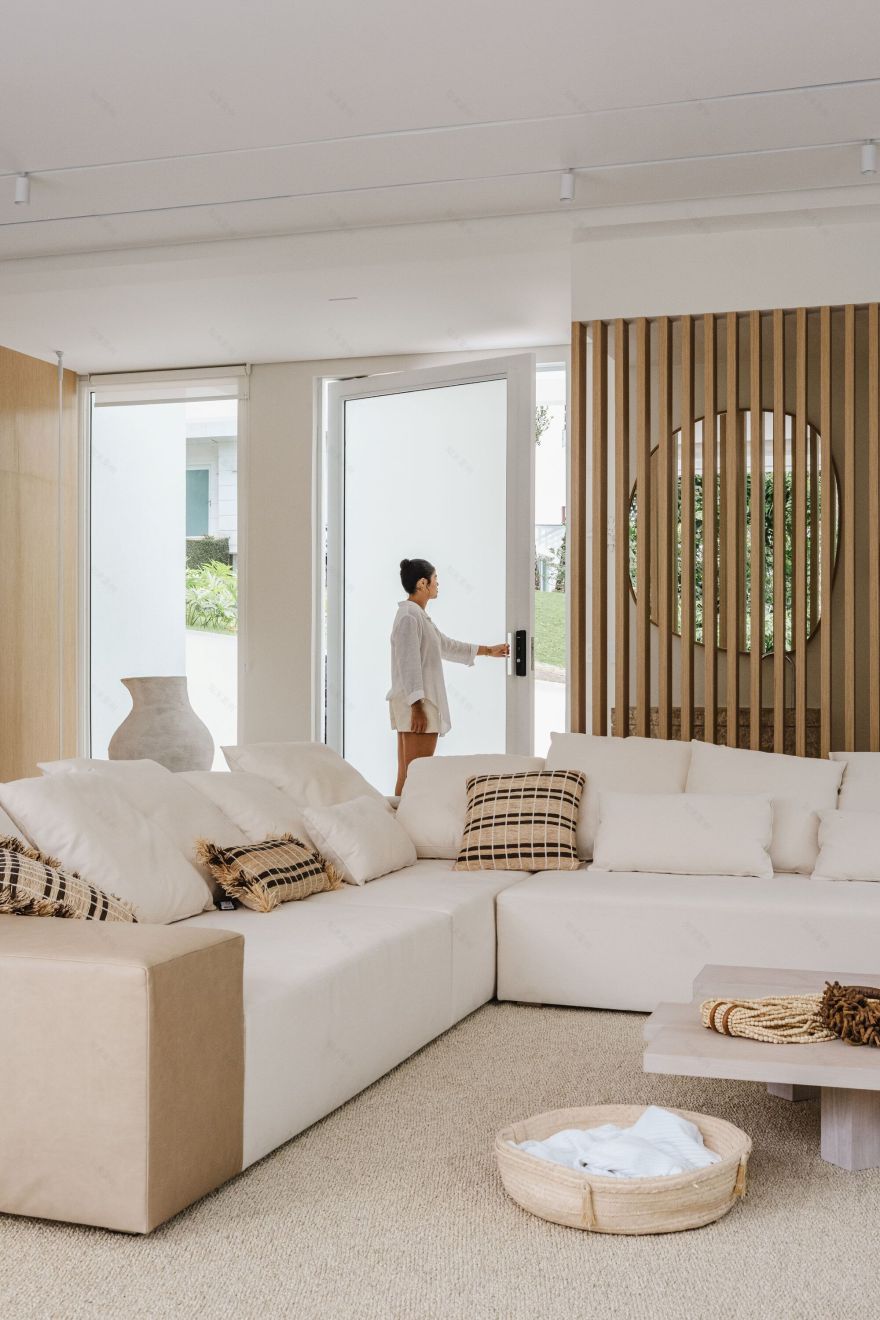
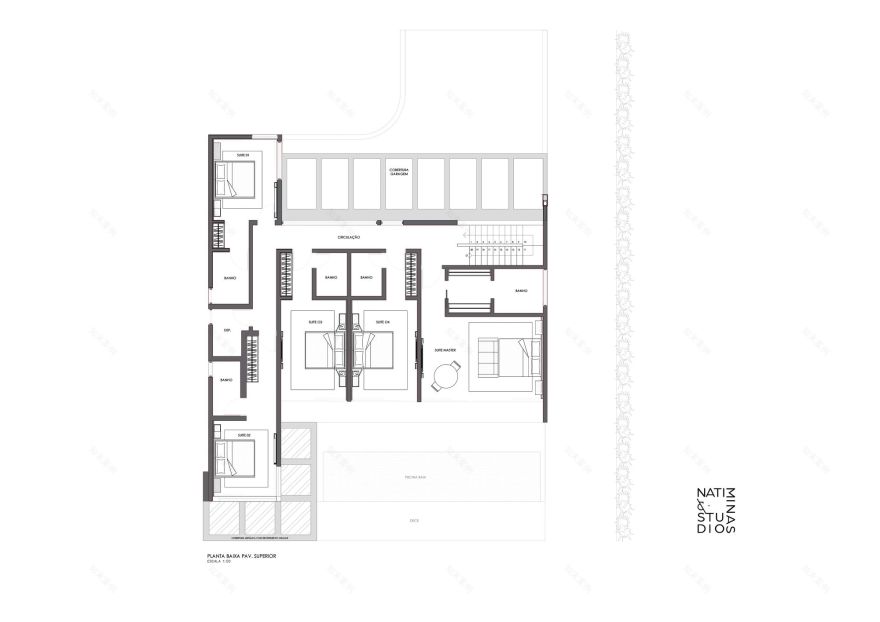
As a complement, the poolside deck, one of the family's favorite gathering areas, was expanded with a suspended deck, creating more sun space and a new access to the lower floor via an external metal staircase. "The staircase was designed to be light and not obstruct the view of the Atlantic Forest from inside out. The result was folded metal posts that create a rhythm that even casts a shadow reflecting the lightness of the form," says Natalia. On the ground floor, the client's request was to reorganize the house and restore lightness to the social spaces. The project allowed for a cozier and more flexible living room, designed to host friends and accommodate different usage configurations. The low sofa, with a backrest that also serves as a bench, expands the layout and social interaction possibilities.
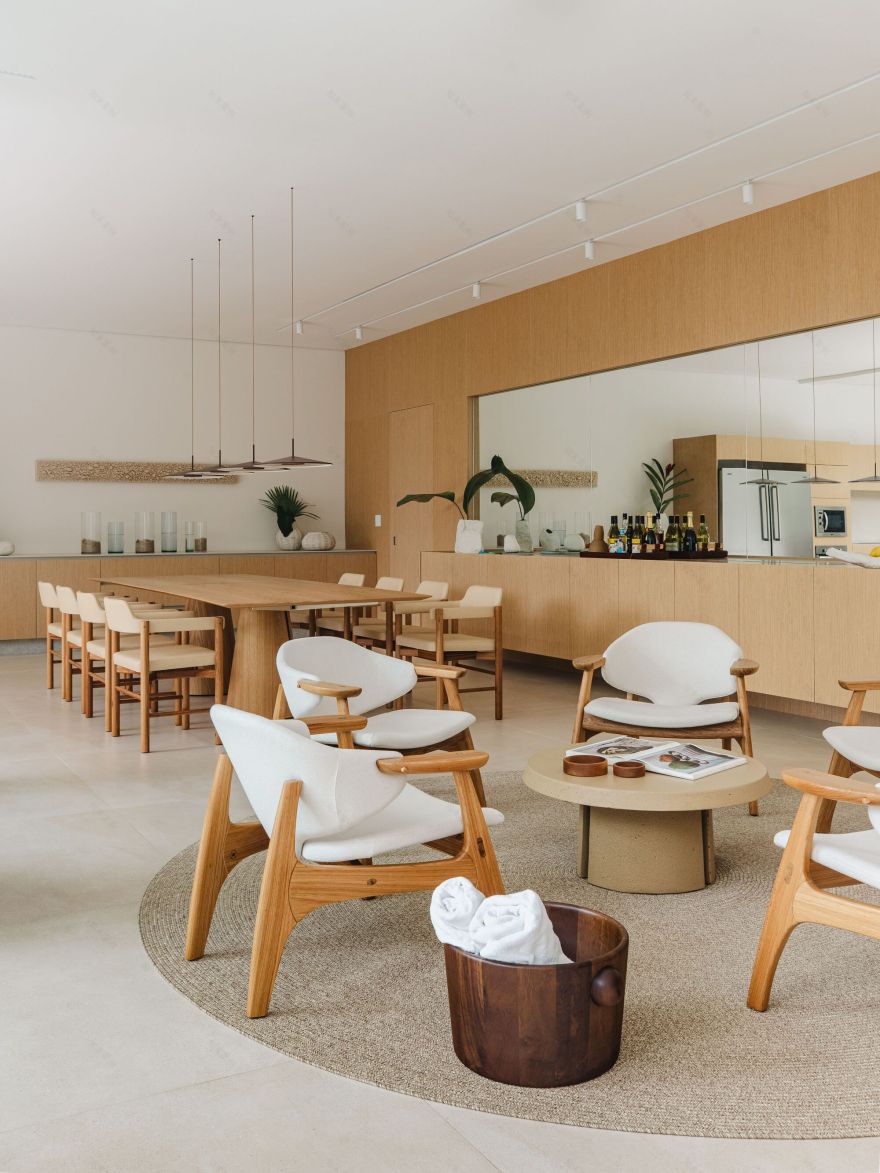
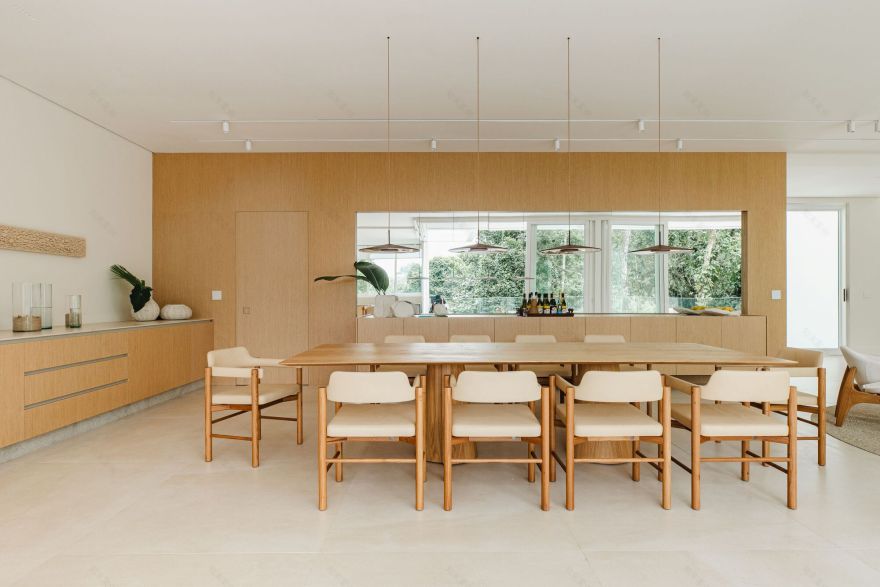
The furniture curation prioritized pieces with clean lines and proportions suited to their use, featuring furniture from Dpot, Wentz, Carbono, and Wooding. The palette follows light and wooden tones, creating a neutral base that enhances the greenery of the landscape, reflected in the mirror over the dining room sideboard, and reinforces the integration between the interior and exterior.

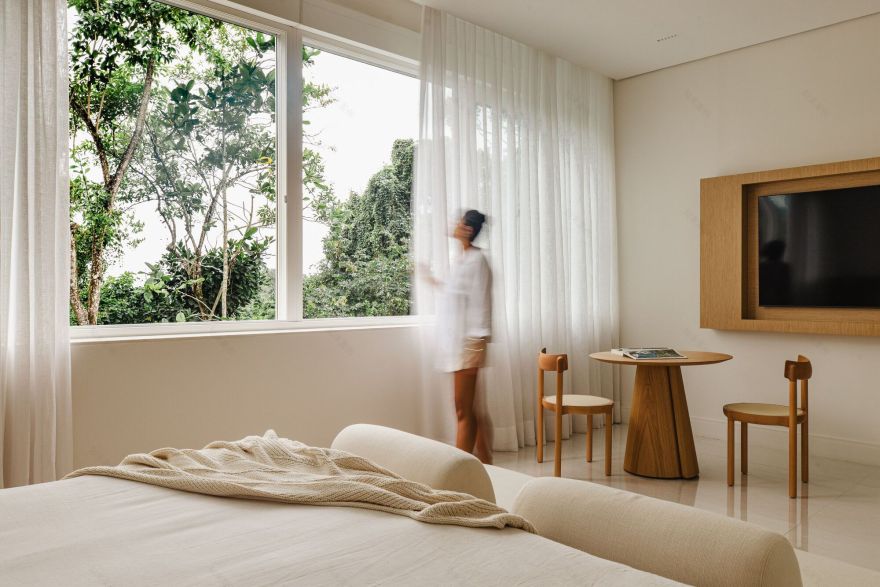
In the bedrooms, the proposal was to create light and cozy environments, using different textures. Wooden headboards bring warmth, travertine adds freshness, and upholstered pieces in towel fabric reinforce a nautical and comfortable atmosphere, designed for relaxation.More than a renovation, Casa Iporanga translates the lifestyle of its inhabitants into precise architectural solutions. A project that respects the existing, organizes the routine, and values the real use of spaces — a house made to be lived in, without excess or noise, in harmony with the place it is situated in.
Project gallery








南京喵熊网络科技有限公司 苏ICP备18050492号-4知末 © 2018—2020 . All photos and trademark graphics are copyrighted by their owners.增值电信业务经营许可证(ICP)苏B2-20201444 苏公网安备 32011302321234号
苏公网安备 32011302321234号客服
消息
收藏
下载
最近