

创作上传
VIP
收藏下载
登录 | 注册有礼
查看完整案例



收藏

下载

分享

翻译


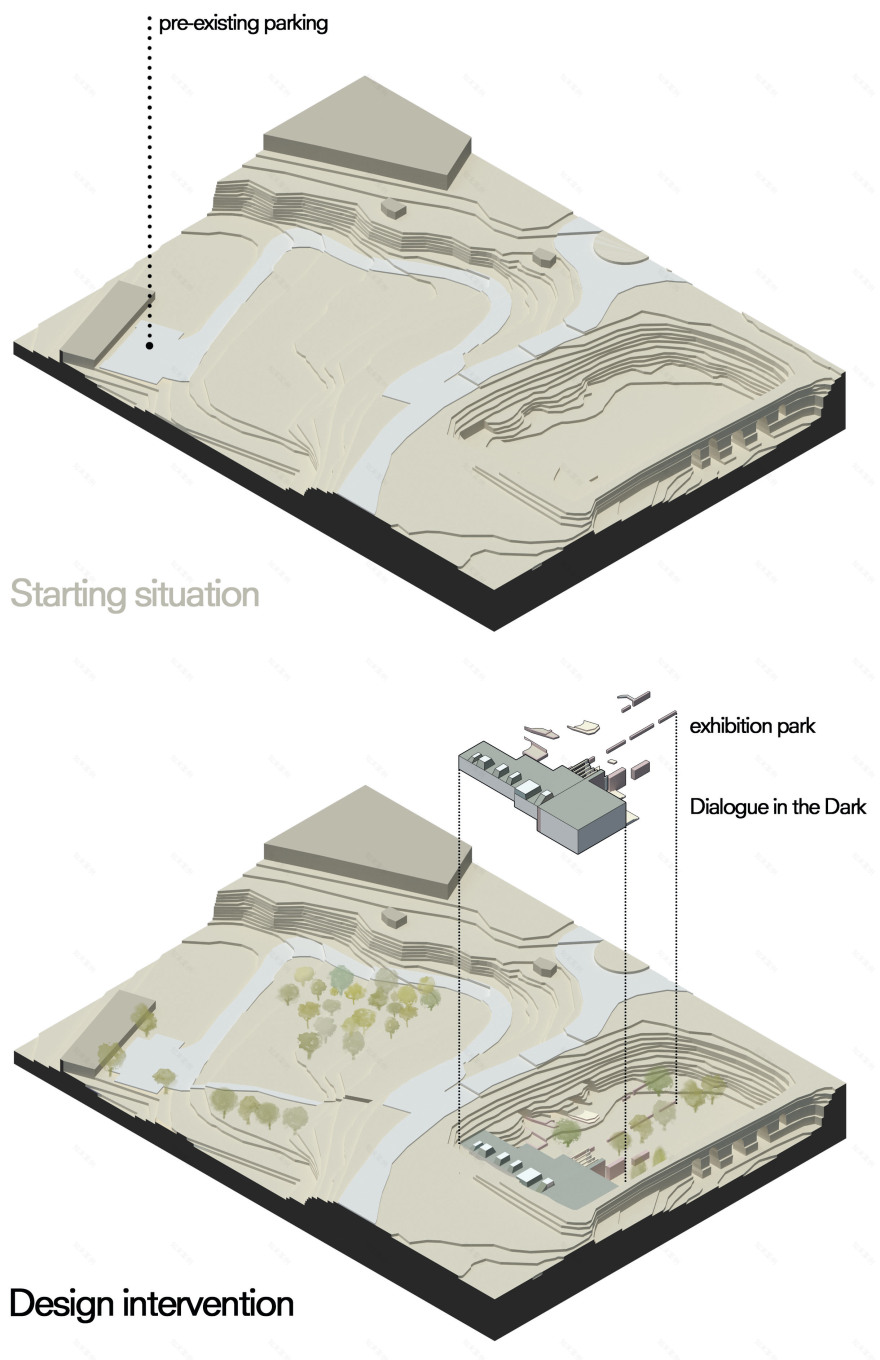
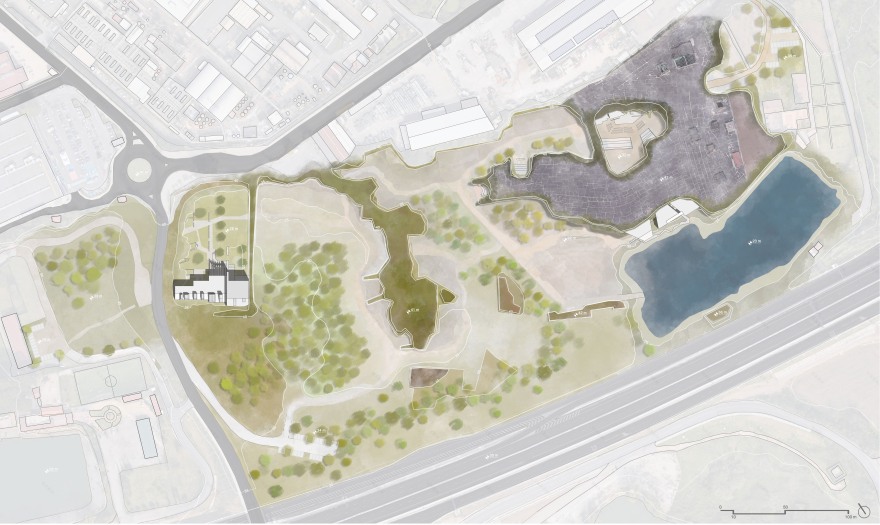
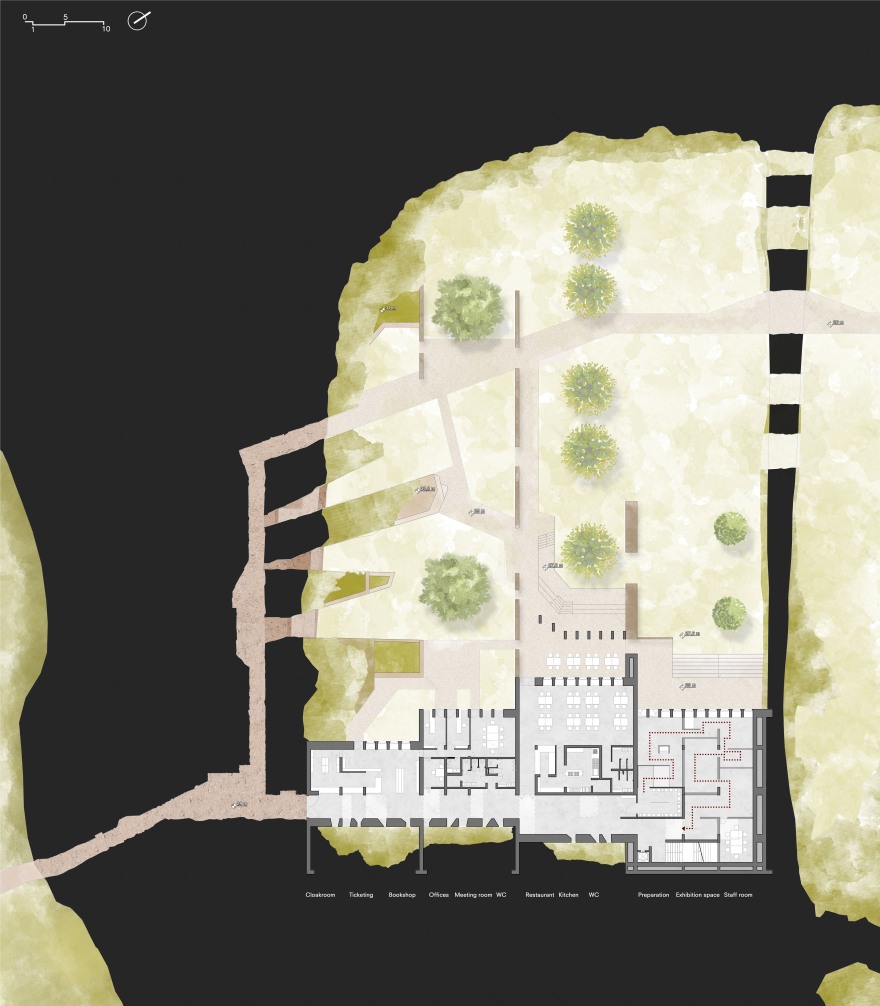
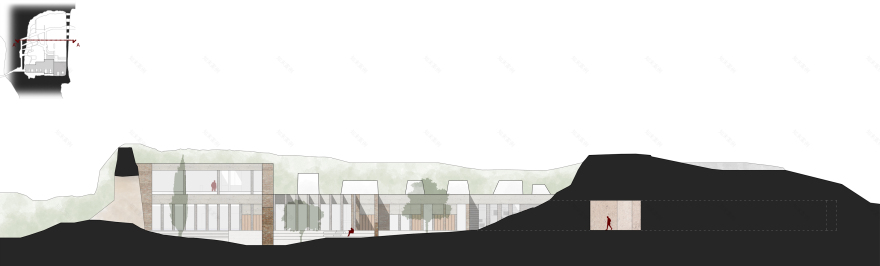
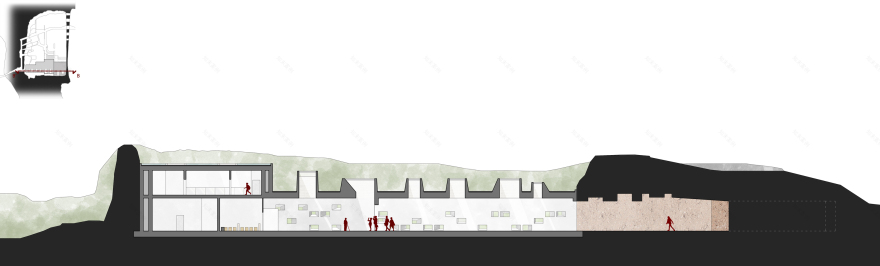
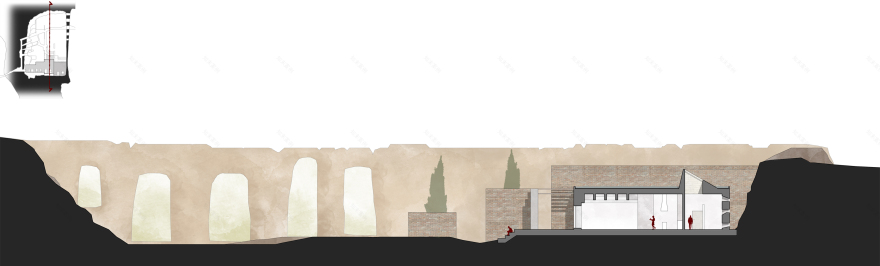
“Were it not for shadows, there would be no beauty.” Jun'ichirō Tanizaki Salone quarry (in Italian “Latomie di Salone”) is a part of ancient Roman quarries, which today are located between the industrial area Tiburtina and the A24 and A90 (GRA) motorways. Despite being in a state of complete abandonment, its 10 m altitude has marked the boundary between industry and quarry natural area. It is necessary to develop a project design to enhance the morphology of the quarries, considering the historical and natural aspects of this complex system. An excavated room, like the many cavities in Salone, has got a single side from which light can come. The shadow has an aesthetic value (as also written by J.Tanizaki): a lot of nineteenth-century artists came to these areas to experience their art. Darkness is also a condition that can bring the blind and the sighted to the same sensory level; indeed, those who do not see can benefit from having a better understanding of this circumstance. This assumption is the key of the“Dialogue in the Dark” exposition: in the absence of light, visitors, accompanied by blind guides, must rely exclusively on touch, hearing, smell and taste. It is not a simulation of blindness. Project intervention are selective and they do not have to alter the natural character of the area. The whole system of excavated rooms must be a starting point for the routes inside and outside of the tuff quarry. The building-ground relationship can offer many variants, taking into account zenith lighting.
南京喵熊网络科技有限公司 苏ICP备18050492号-4知末 © 2018—2020 . All photos and trademark graphics are copyrighted by their owners.增值电信业务经营许可证(ICP)苏B2-20201444 苏公网安备 32011302321234号
苏公网安备 32011302321234号客服
消息
收藏
下载
最近