

创作上传
VIP
收藏下载
登录 | 注册有礼
查看完整案例



收藏

下载

分享


疫情逐渐平缓的同时,我们也已渐渐习惯了寻求离家步行距离可达的小型街区公园,或是临近商业中心的开放绿地,来满足我们日常对绿色空间的需求。
而如何通过恰当的设计,运用活动性、多样性、辅助设施、低维护成本等设计要素为人们提供促进户外活动的支持性环境,一直以来都是我们的一大课题。
我们布里斯班事务所的一位行业经验极其丰富的设计主创 Shaun Egan 在他的一篇文章《让孩子们积极活跃的支持性环境》中便从孩子们的角度出发,分享了可达性高、更高密度、有高质量支持性环境的小型公园为何能够提高他们对活动锻炼的参与度,以及这何以成为未来的一个关键性改变。
普利斯设计集团董事、设计副总监 Shaun Egan 是一位注册景观建筑师和城市设计师,拥有超过 29 年的行业经验,打造了包括住宅、环境、开放空间、休闲和城市设计等多个领域的项目。他的优势在于能够将客户、利益相关者和社区的反馈所形成的初步概念想法诠释为令人兴奋的、综合的、响应性强,且可落地的设计解决方案。Shaun 完成的主要项目包括:巴林加城镇广场、极光巴林加销售及展示中心、布伦瑞克大街购物商场改造、阳光海岸大学医院等。

巴林加城镇广场
点击上图了解更多项目详情

极光巴林加销售及展示中心
©Urban Play

布伦瑞克大街购物商场改造
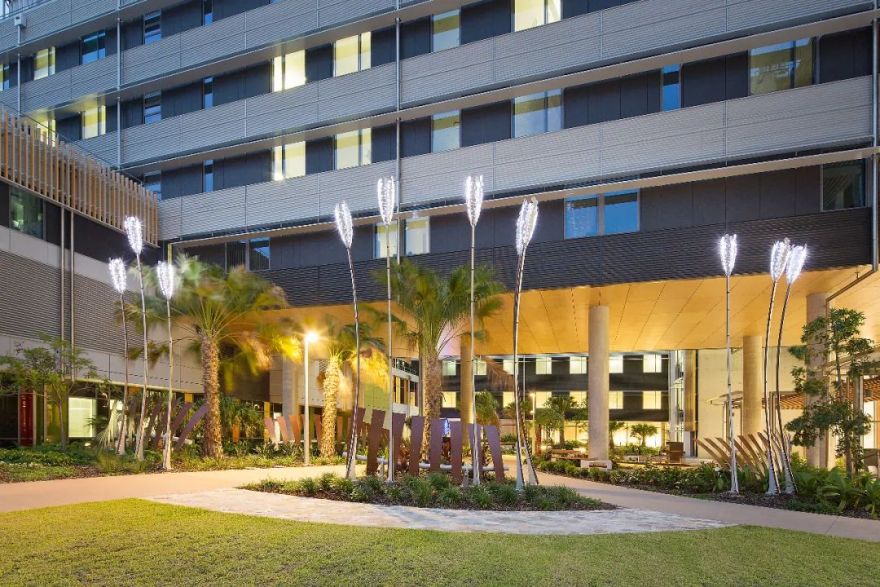
阳光海岸大学医院
© Carole Margand
点击上图了解更多项目详情
以下是正文。
让孩子们积极活跃的支持性环境
Supportive Environments to keep kids active

INSIGHTS PIECE – Shaun Egan | Director & Design Principal
洞见– Shaun Egan |董事、设计副总监
在当地街道或公园里锻炼的人已经大大增加,人们以此来打破单调和无聊;锻炼也能保持健康、激励精神。对于公园的使用,孩子们与父母一起锻炼的比重也在增加。
People exercising along local path networks or in the local parks has increased significantly, as a means of breaking the monotony and boredom, as well as exercising to stay healthy and mentally stimulated. This level of park use has also highlighted that children are exercising with their parents.
一个公认的事实是,所有成年人每天都应该进行 30 分钟某种形式的锻炼,儿童则应该增加到 60 分钟。当学校操场空无一人时,孩子们的活动量比平时少,他们严重依赖父母来发起和促进锻炼,而现在锻炼似乎集中在我们当地的绿色空间。这对于青春期前的年龄组尤其如此,他们不是我们当地社区的独立行动者,需要通过支持性环境来靠近设施。
支持性环境是一种物理空间布局,通过设计能够支持并促进预期的活动或使用。这包括路网、街道、土地使用和密度、开放空间、游乐场和公共交通等要素。这一思考源于 Katz、Jacobs 和 Calthorpe 的新城市主义模型。该模型构想了前往当地商业、居住和交通中心的 400 米步行圈,以抑制城市蔓延和对汽车的依赖。
Supportive Environments 是一种物理布局,通过设计允许并促进预期的活动或使用。它们包括路径网络、街道、土地用途和密度、开放空间、游乐场和公共交通等元素。这种思考直接源于 Katz、Jacobs 和 Calthorpe 的新城市主义模型,其中提出了到当地商业、生活和交通中心的 400 米步行圈,以抑制城市蔓延和对汽车的依赖。
当然,这一新城市主义模型是面向于更大范围社区的通用方法——让成年人能够在自己的社区中生活、工作和娱乐。我在 2003 年曾对一个获奖的总体规划社区做了案例研究,结果显示儿童并没有从这一模型中获得应有的利益,因为他们的活动核心集中在家、公园和学校,而这些地方通常相隔很远。这一案例研究期间,社区的密度比现在低;现在新的开发,社区密度提高了。但有趣的是,距离对儿童的影响仍然相同。
This new urbanism model is of course a generalist approach to the broader community – adults able to live, work and play in their own village. The outcomes drawn from my 2003 case study, of an award-winning master planned community, showed that children did not benefit as strongly from this model because the key elements to their activity focused on home, park and school, and these where usually too far apart from each other. Granted at the time of this case study, density of the community was lower than what can be expected now with newer developments, but it is interesting however that the impact of distance for children is still the same.
为了使年轻一代能够更便捷地(不需要爸爸或妈妈接送)使用我们的支持性环境,我们需要以更高的密度设计更小的公园,这是新社区设计和现有社区翻新的一个关键性改变。
To enable the younger generations to utilise our supportive environments easier (and not require mum or dad to drive) is to create smaller parks at higher frequency, as a key change in the design of new communities, and in the retro fitting of existing neighbourhoods.
就公园来说,这并不是一个新的想法,它已被称作口袋公园(Pocket Parks)。但当“小人当道”时,这一想法遭到了地方政府非常大的抵制;他们的维护团队推动政策,使得更大的单一源公园与社区相距更远。
For Parks – this is not a new idea and has been called Pocket Parks. This idea meets so much resistance from Local Councils as the “Tail wags the Dog” and their maintenance teams drive policy and force the larger single source parks at greater distance from the community.
更高密度的小型“青少年”公园所带来的积极意义:
The positives for higher frequency small “pre-teen” parks are:

和更大型的公园一样,关键的设计成果仍应运用到小型公园中,包括活动、多样性、友好设施、低维护成本等。1500㎡的空间内仍然可以提供游戏空间、阴凉处、庇护场地,以及能够让孩子们奔跑的开阔草坪空间,而不只是政府通常要求的 5000㎡的场地。在离家平均 250 米的步行距离内配设这些设施可以极大地提高使用率和支持性。而社区公园的面积或品质并不会改变,只是分散在社区中。更大型的公园则可以作为补充,和小学或地方中心设立在一起。
The key design outcomes still need to be employed in these smaller parks including activity, variety, amenity, low maintenance etc., just as they do in larger parks. Play spaces, shade, shelter and an open turf space for kids to run around could still be provided in a 1,500㎡space rather than the normal 5,000㎡requested by Councils. Having these at an average 250m walking distance from your house would increase access and supportiveness immensely. The quantity or quality of neighbourhood park area does not change – they are just dispersed in the community. Larger parks can then supplement these and be co-located with primary schools, or local/district centres.
小学应该作为一个中心点设立在两到三个步行可达的社区之间,降低人们对汽车的依赖,增加(父母和孩子们的)活动,也让学校的游戏和运动设施更容易通达。这些都应该在步行距离内。
Primary schools should be located to create a central point amongst two or three walkable neighbourhoods, reducing car dependency, increasing activity (in parents and children) and making the inbuilt play and sport facilities more accessible. These need to be walkable.
从孩子的角度来看,他们在生活中围绕家庭、学校和公园进行身体锻炼。对场地距离和运动锻炼关联性思考的改变是创建一个支持从小参与运动、并通过城市设计和教育设施所打造的支持性环境来提供全面推动这一个设想的社会的重要一步。
From a child’s perspective their life revolves around home, school and the park for their physical activity. A change in thinking about how these correlate will be a significant step forward in creating a society where activity is inbuilt from a very young age and facilitated seamlessly through the Supportive Environments of our urban design and education facilities.


合作咨询:


 180
1802021/02/26 04:18:41
4802019/12/10 21:58:48
702018/06/19 23:17:00
1372018/05/08 23:24:10
332018/04/20 23:29:04
1202017/05/19 23:29:08
3022018/10/15 13:32:52
5812019/03/04 16:58:33
1052021/02/15 16:01:46
11372020/07/23 11:07:31
332019/12/21 15:53:00
452018/07/06 12:54:31
南京喵熊网络科技有限公司 苏ICP备18050492号-4知末 © 2018—2020 . All photos and trademark graphics are copyrighted by their owners.增值电信业务经营许可证(ICP)苏B2-20201444 苏公网安备 32011302321234号
苏公网安备 32011302321234号客服
消息
收藏
下载
最近